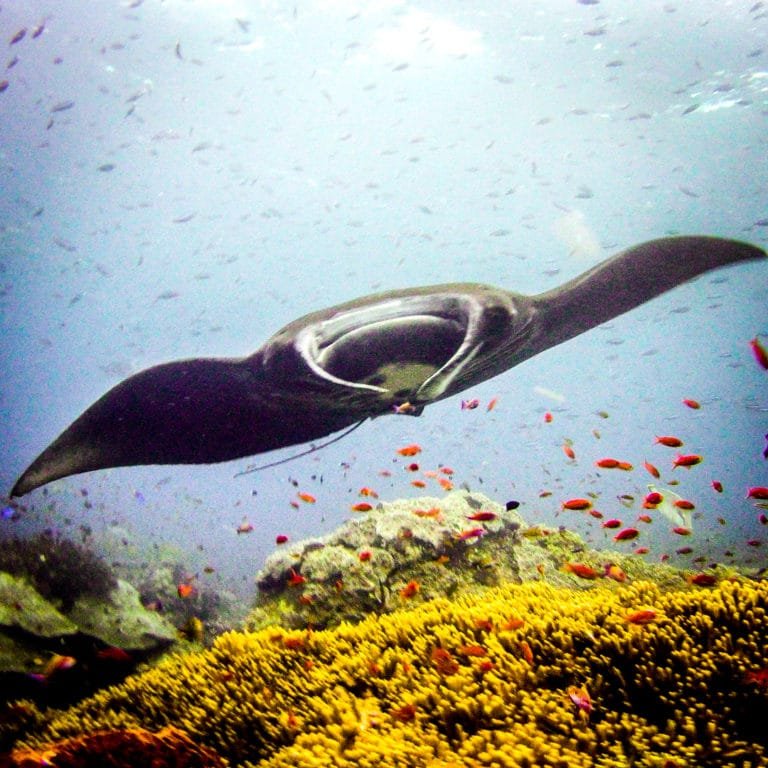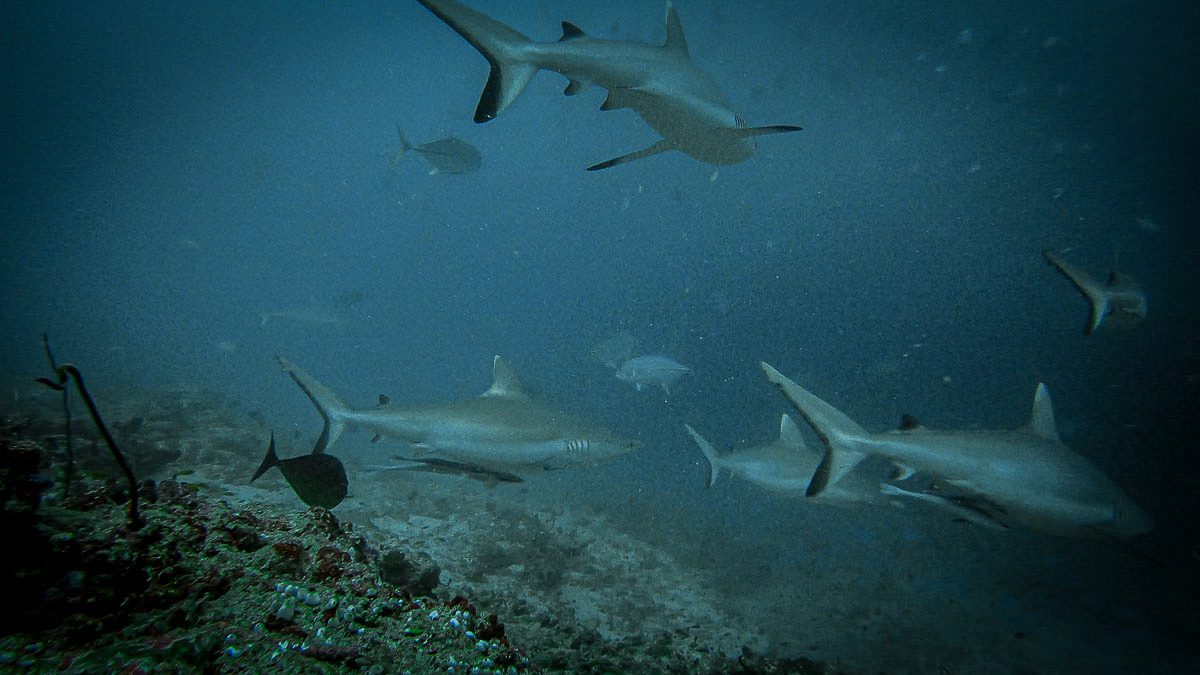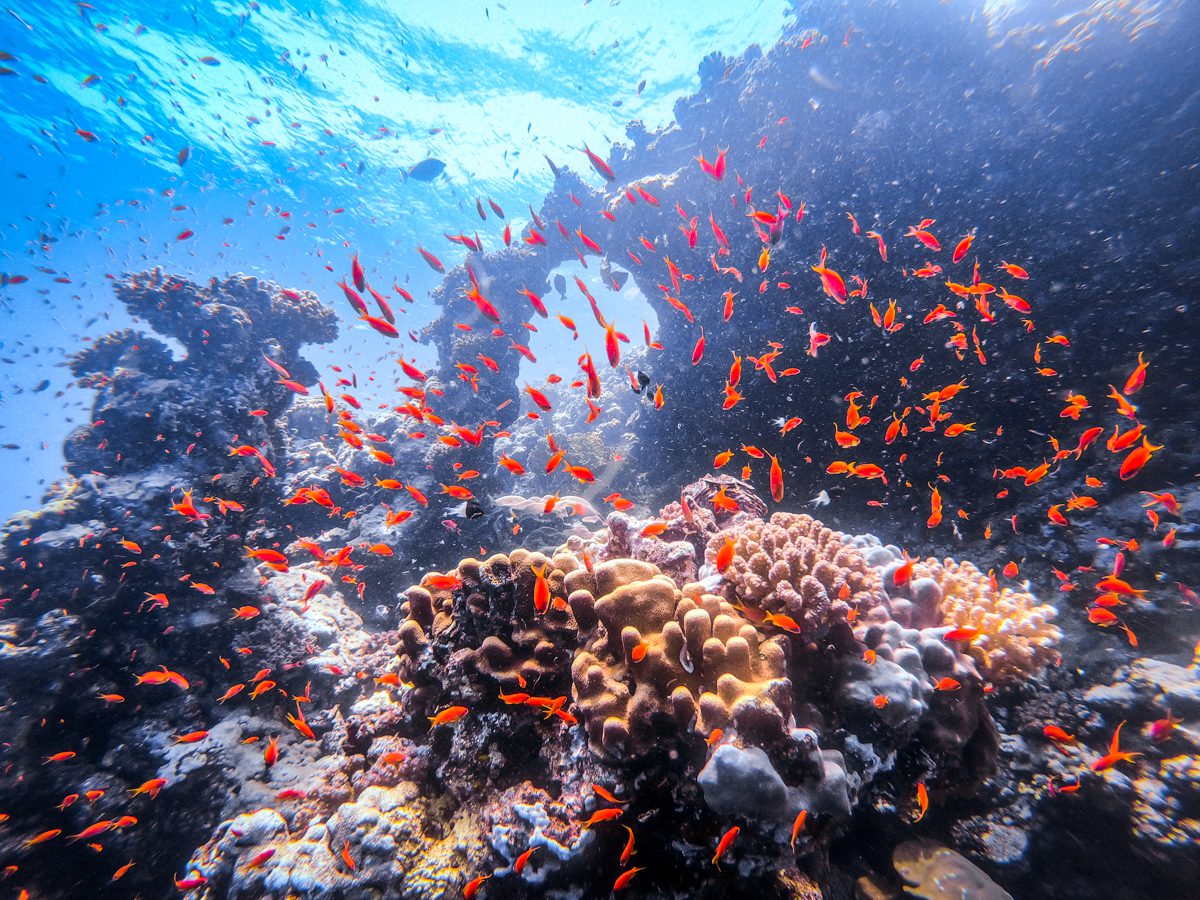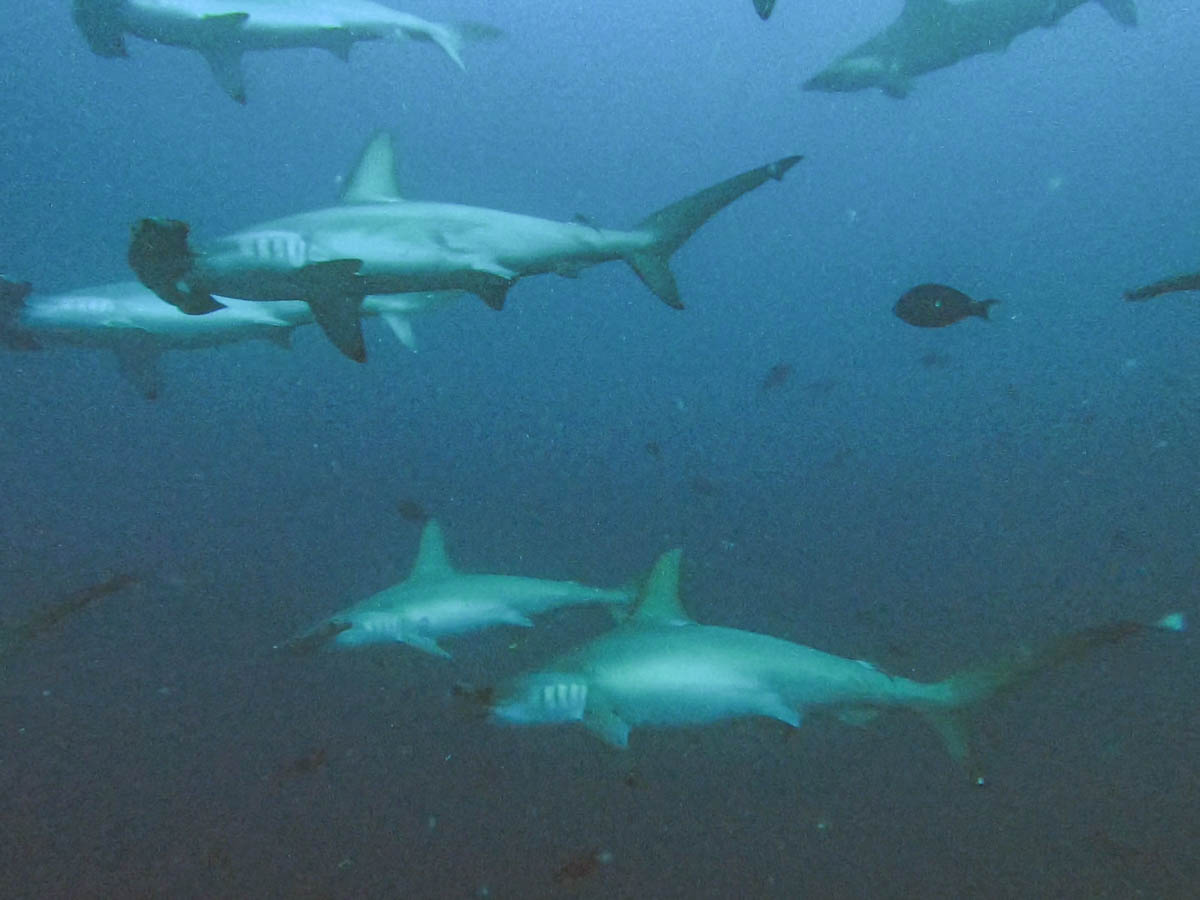
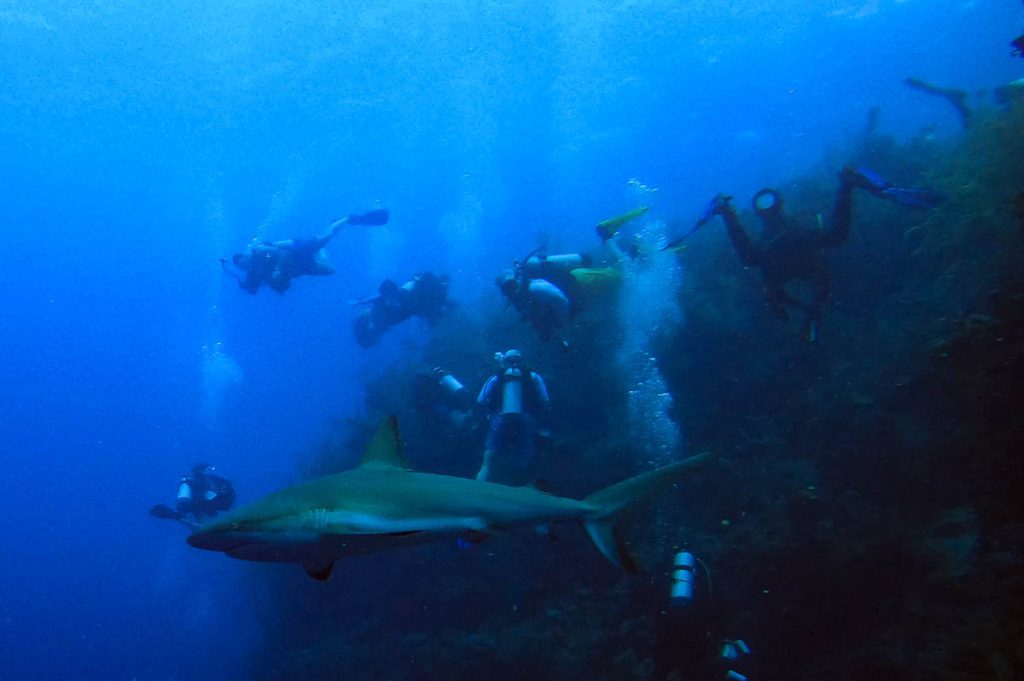
 The short answer: after 1,500-plus logged dives, the best dive destinations in the world are Raja Ampat for sheer abundance, the Galapagos and Cocos Island for hammerheads in their hundreds, Komodo for mantas and nudibranchs on the same tank, the Banda Sea for hammerhead schools that appear out of the blue with nothing else around, and Ambon and Lembeh for the best macro diving in the world. Every place on this list is somewhere I have dived myself, most of them more than once, and I rank them below with the numbers from my own logbook: 70 hammerheads on a check dive, 200 in a week, more than 100 sharks in one channel. Four of the top five demand strong-current experience. With fewer than 50 dives, start with Tubbataha, Belize or Bali, the best easy diving on this list, and work up.
Contents
- How I Ranked the Best Dive Destinations
- The Best Dive Destinations in the World at a Glance
- What You Will See: Marine Life by Destination
- The 15 Best Dive Destinations in the World
- Where to Dive, Month by Month
- Best Places to Scuba Dive by What You Want
- How Hard Is the Diving?
- Liveaboard or Dive Resort?
- Places That Didn’t Make My List (Yet)
- Planning Your Dive Trip
- Where Is the Best Scuba Diving in the World? My Verdict
- Frequently Asked Questions
How I Ranked the Best Dive Destinations
I have been diving for more than 25 years, with 1,500-plus logged dives and more than 40 liveaboard trips, most of them reviewed in full on This Is Luxury Travel. This list has one hard rule: a destination earns a place only if I have dived it myself. That is why Socorro and Sipadan are missing, even though they sit on almost every other list on the internet. I would rather tell you about 15 places I know than 20 I have read about.
I ranked each place on four things:
- Big-animal encounters: hammerheads, mantas, whale sharks, schooling sharks.
- Reef and macro: coral health, fish density, critters.
- Reliability: how often the headline animals actually turned up on my trips.
- Crowds: how many other boats shared the site.
Each entry has the same fast facts (gateway airport, water temperature where I recorded it, best months, level, how to dive it and the signature sites) and links to my full first-hand review, where you will find the boats, the itineraries and the misses as well as the hits.
The Best Dive Destinations in the World at a Glance
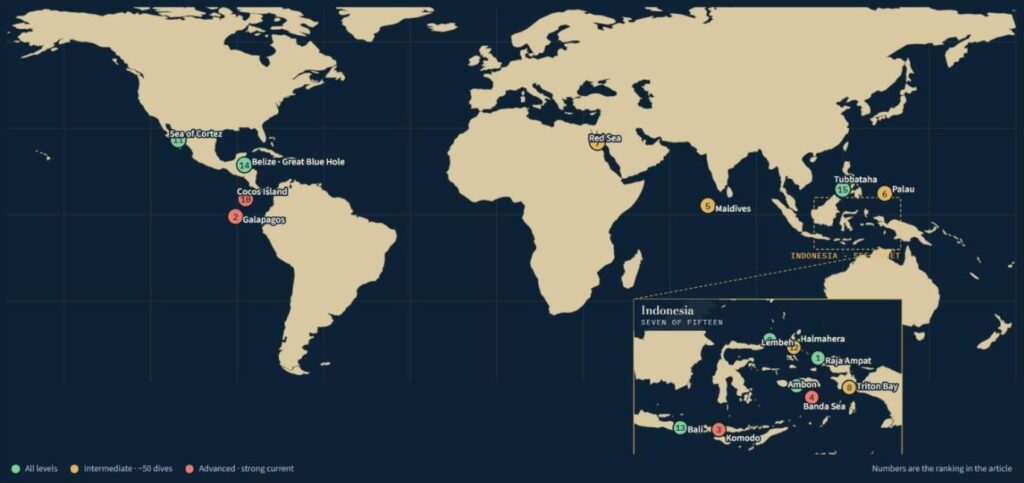
| # | Destination | Best for | Best months | Level | How to dive it |
|---|---|---|---|---|---|
| 1 | Raja Ampat, Indonesia | Coral, big fish and macro in one place | October–April | All levels | Liveaboard or resort |
| 2 | Galapagos, Ecuador | Hammerheads, oceanic mantas, mola | December–May | Advanced | Liveaboard |
| 3 | Komodo, Indonesia | Mantas, sharks and macro together | May, June, September, October | Advanced | Liveaboard or resort |
| 4 | Banda Sea, Indonesia | Hammerhead schools in the blue | October (late September–November) | Advanced | Liveaboard |
| 5 | Maldives | Channel sharks, mantas | December–April | Intermediate+ | Liveaboard or resort |
| 6 | Palau | Giant mantas, tiger shark, reef sharks | October–May | Intermediate+ | Day boats from Koror or liveaboard |
| 7 | Red Sea, Egypt | Hammerheads, dolphins, wrecks | March–May, September–November | Intermediate+ | Liveaboard or resort |
| 8 | Triton Bay, Indonesia | Soft coral, whale sharks, solitude | October–April | Intermediate+ | Liveaboard |
| 9 | Ambon and Lembeh, Indonesia | Macro and critters | September–May (best October–January) | All levels | Shore dives or liveaboard |
| 10 | Cocos Island, Costa Rica | Hammerhead schools, tiger sharks | Year-round | Advanced | Liveaboard only |
| 11 | Sea of Cortez, Mexico | Sea lions, whale sharks | August–November | Beginner+ | Liveaboard or day trips |
| 12 | Halmahera, Indonesia | Sharks and fish volume | I went April–May and August | Intermediate+ | Liveaboard |
| 13 | Bali, Indonesia | Mola, mantas, easy wreck and muck | July–October for mola | All levels | Resort and day boats |
| 14 | Belize | Great Blue Hole, easy reef | March–June | Beginner+ | Liveaboard |
| 15 | Tubbataha, Philippines | Pristine reef, barracuda | Mid-March–mid-June | Beginner+ | Liveaboard only |
What You Will See: Marine Life by Destination
Ticks show what I personally saw or dived at each destination, not what the brochures promise.
| Destination | Sharks | Hammerheads | Mantas | Whale sharks | Macro | Coral | Wrecks |
|---|---|---|---|---|---|---|---|
| Raja Ampat | ✓ | ✓ | ✓ | ✓ | |||
| Galapagos | ✓ | ✓ | ✓ | ||||
| Komodo | ✓ | ✓ | ✓ | ✓ | |||
| Banda Sea | ✓ | ✓ | ✓ | ||||
| Maldives | ✓ | ✓ | ✓ | ✓ | ✓ | ||
| Palau | ✓ | ✓ | |||||
| Red Sea | ✓ | ✓ | ✓ | ✓ | |||
| Triton Bay | ✓ | ✓ | ✓ | ✓ | |||
| Ambon and Lembeh | ✓ | ||||||
| Cocos Island | ✓ | ✓ | |||||
| Sea of Cortez | ✓ | ✓ | ✓ | ||||
| Halmahera | ✓ | ✓ | |||||
| Bali | ✓ | ✓ | ✓ | ✓ | |||
| Belize | ✓ | ✓ | |||||
| Tubbataha | ✓ | ✓ | ✓ | ✓ |
The 15 Best Dive Destinations in the World
1. Raja Ampat, Indonesia: Stunning Coral, Big Fish and Macro in One Place
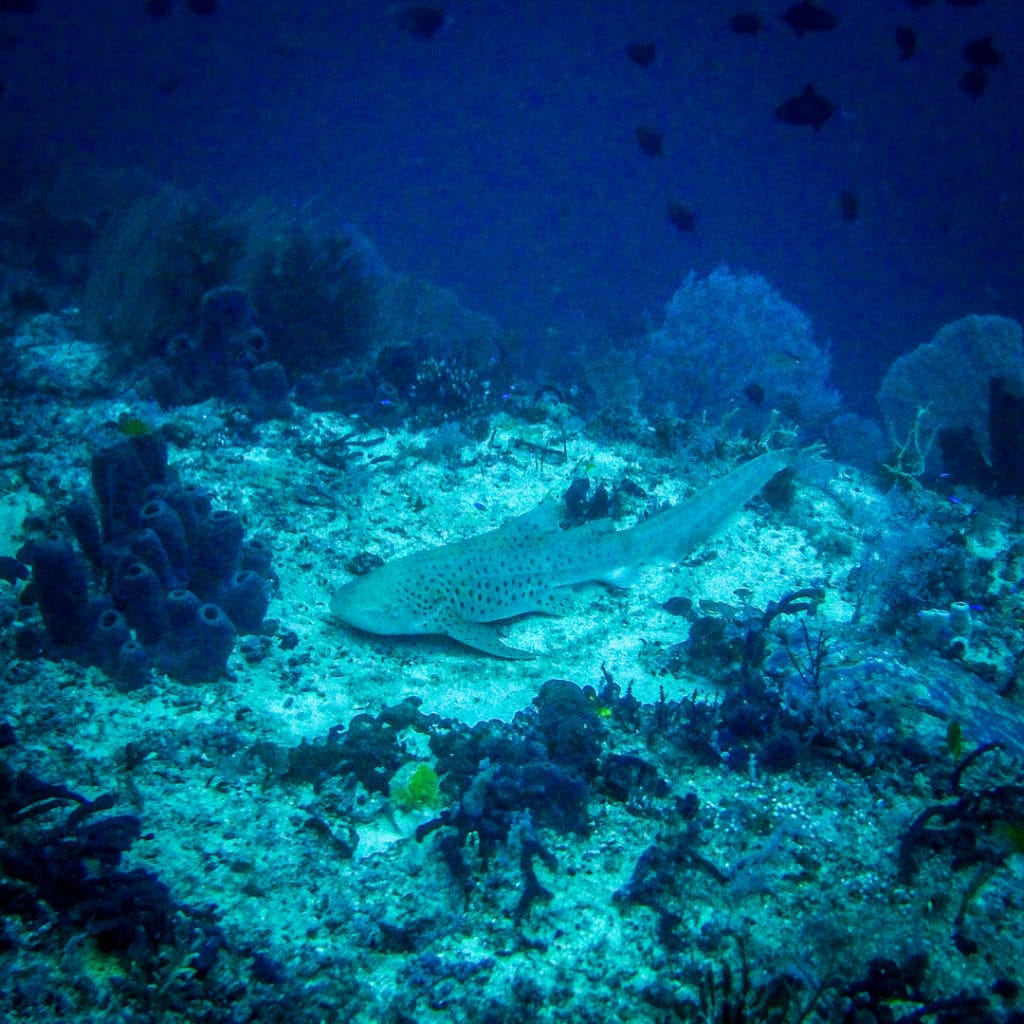
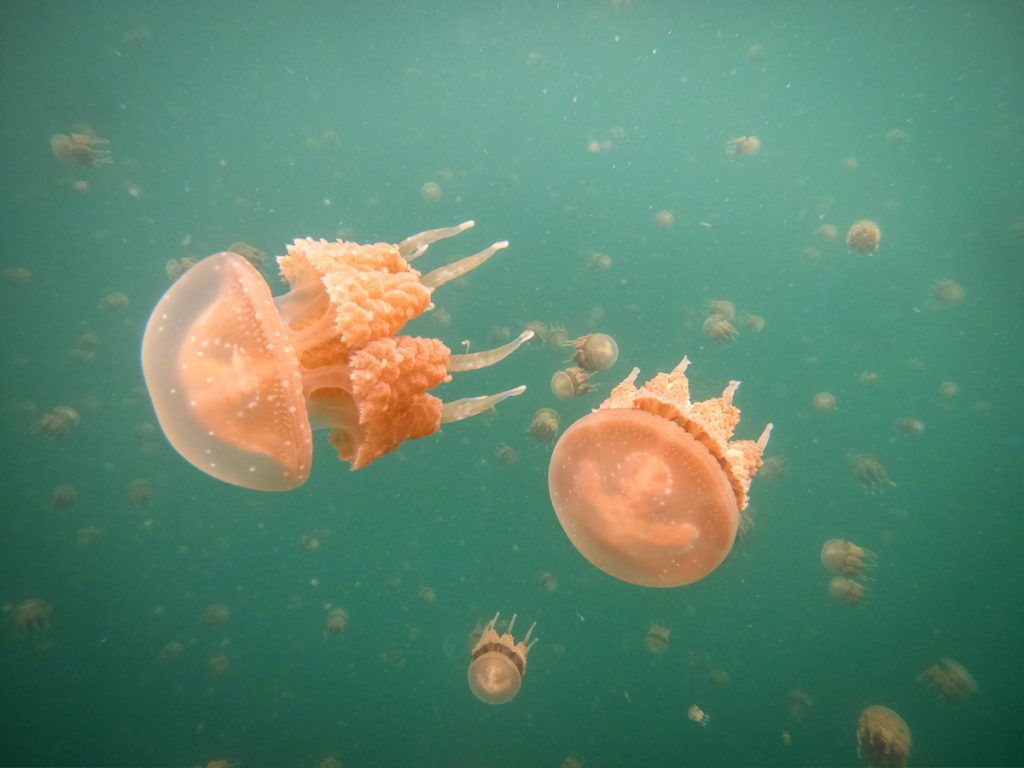
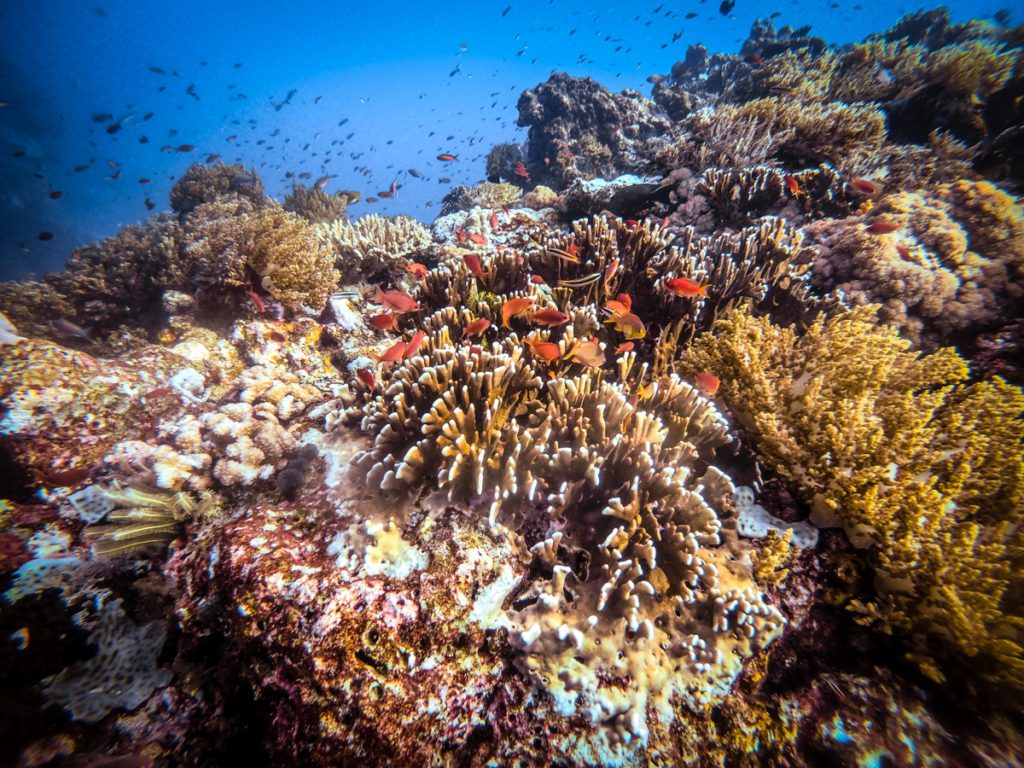
Raja Ampat is first on this list because it has everything: stunning coral, big fish and macro, often on the same dive. No other place I know packs so much variety into a single tank. I have been back more than ten times, aboard the Emperor Harmoni, the Seahorse and the Dewi Nusantara among others, and from land at Misool Resort, and the reefs have never once felt thin. The coral is dense, the fish sit on top of it in clouds, and the big animals turn up without being searched for. At My Reef, so many sharks patrolled the wall that we stopped counting, and then an oceanic manta cruised past to finish the dive. At Four Kings, the anchovies were so thick we could barely see the reef, so we dived it again the next day.
Misool, in the south, is where the mantas are. At Magic Mountain, more than 15 reef and oceanic mantas stayed with us for the full 60 minutes, and during a stay at Misool Resort in January 2021 I saw mantas on more than half of my dives, plus a sardine bait ball with mobula rays tearing through it at Puri Pinnacle. Raja Ampat also suits every level of diver: the famous current sites are serious, but there are plenty of sheltered reefs as well, and a good guide matches the site to the group. First trip to Papua? Start here.
- Gateway: Sorong (SOQ); Misool is about five hours by boat
- Best months: October to April; mantas peak November to April, and January–February give the best visibility plus Misool access
- Level: all levels; current sites such as My Reef are very strong, but sheltered reefs suit new divers and a good guide will match the site to the group
- How to dive it: liveaboard for the whole archipelago, Misool Resort for the south, or Papua Explorers Resort in central Raja Ampat, on the Dampier Strait
- Signature sites: My Reef, Magic Mountain, Four Kings, Cape Kri


Read is Raja Ampat the best diving in the world? and my ranking of the best Raja Ampat liveaboards.

Check Emperor Harmoni on Liveaboard.com
2. Galapagos, Ecuador: the Most Fish I Have Ever Seen Anywhere
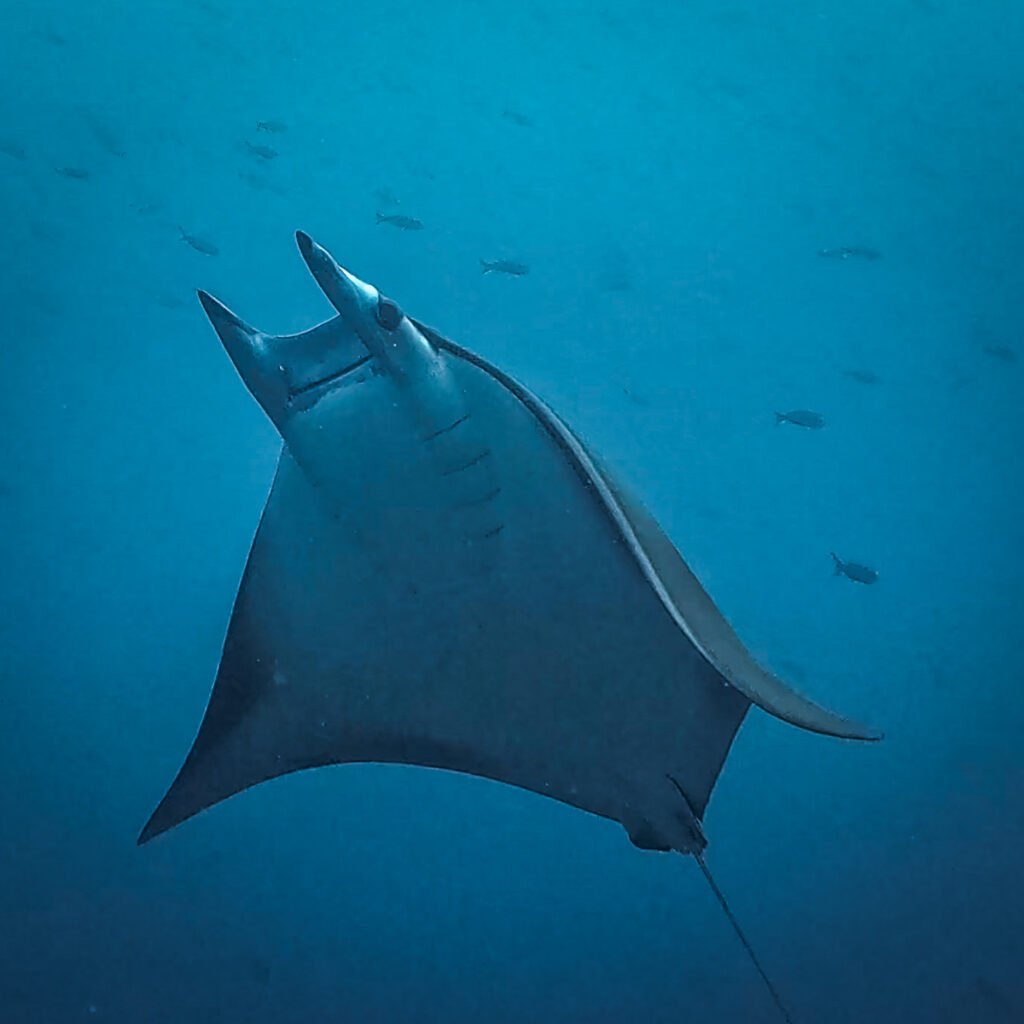
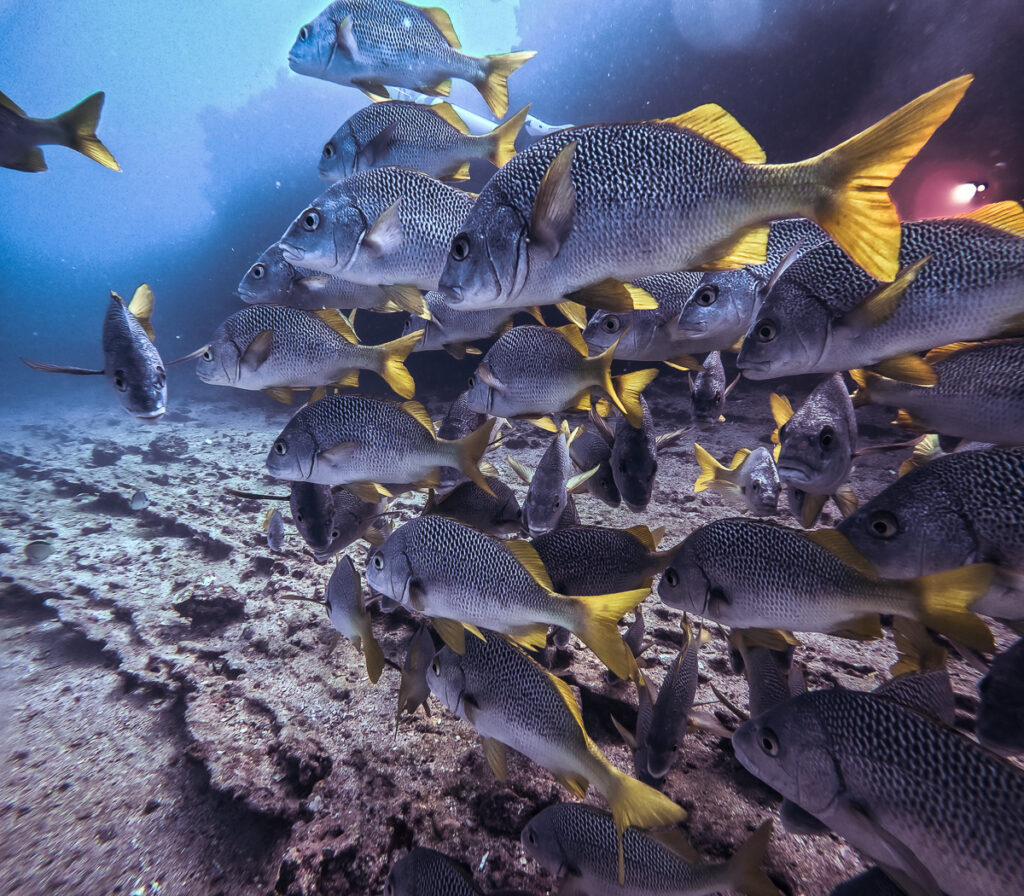
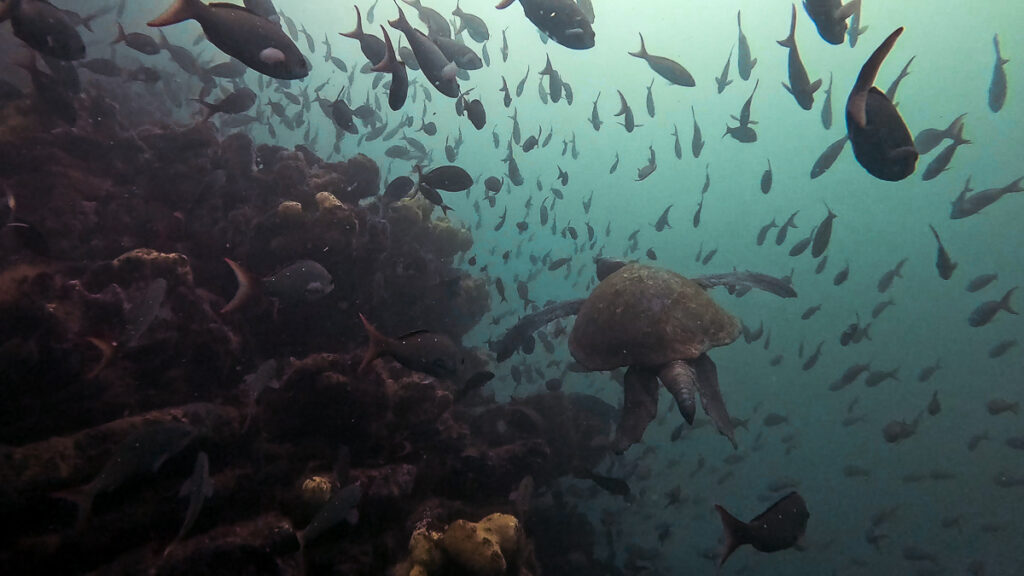
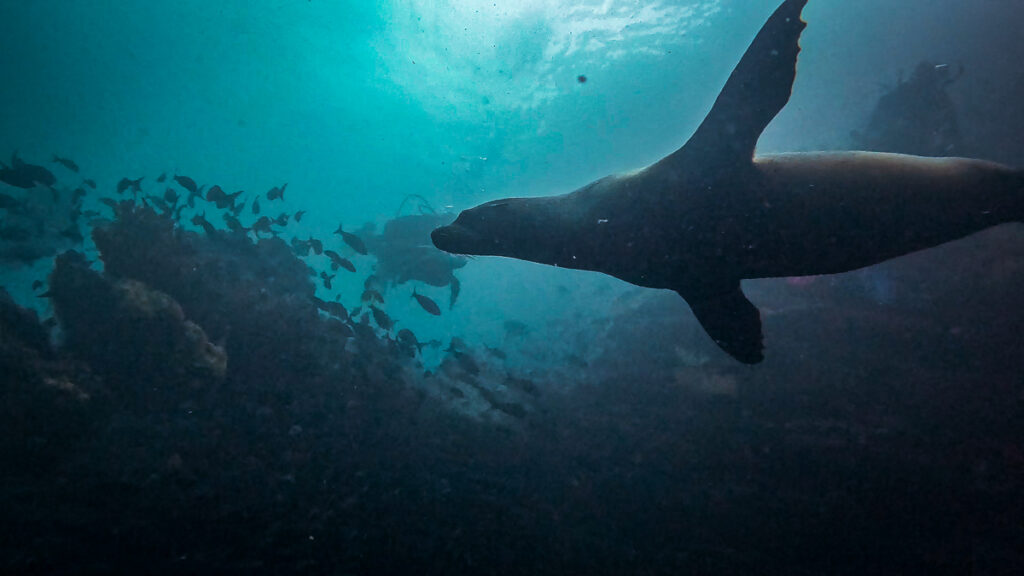
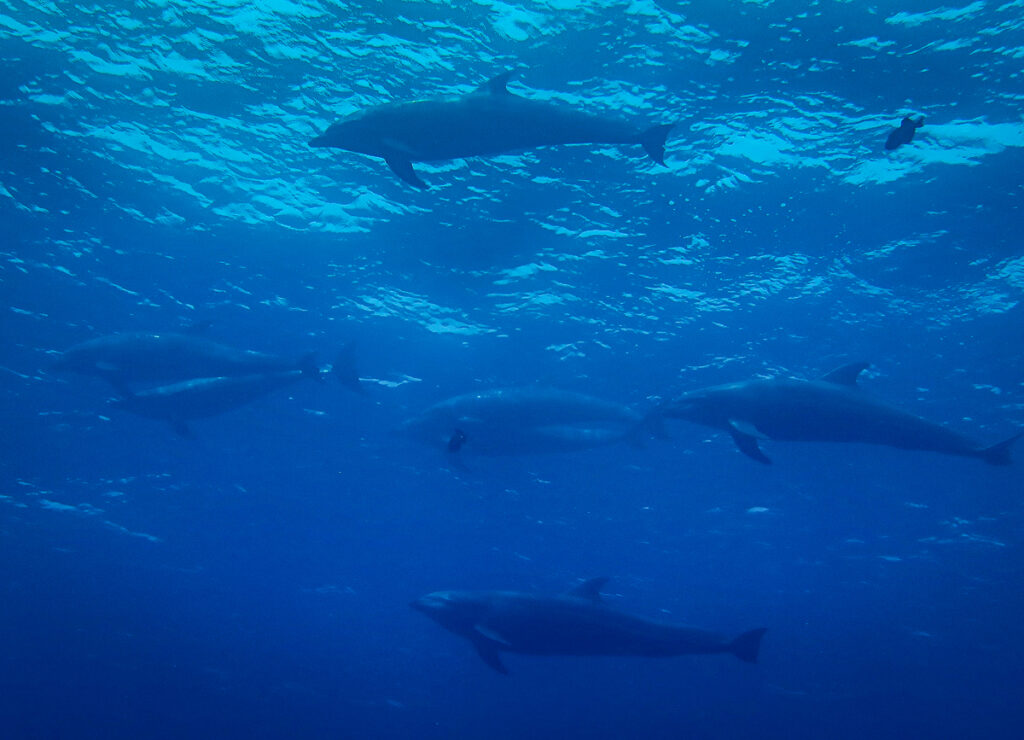
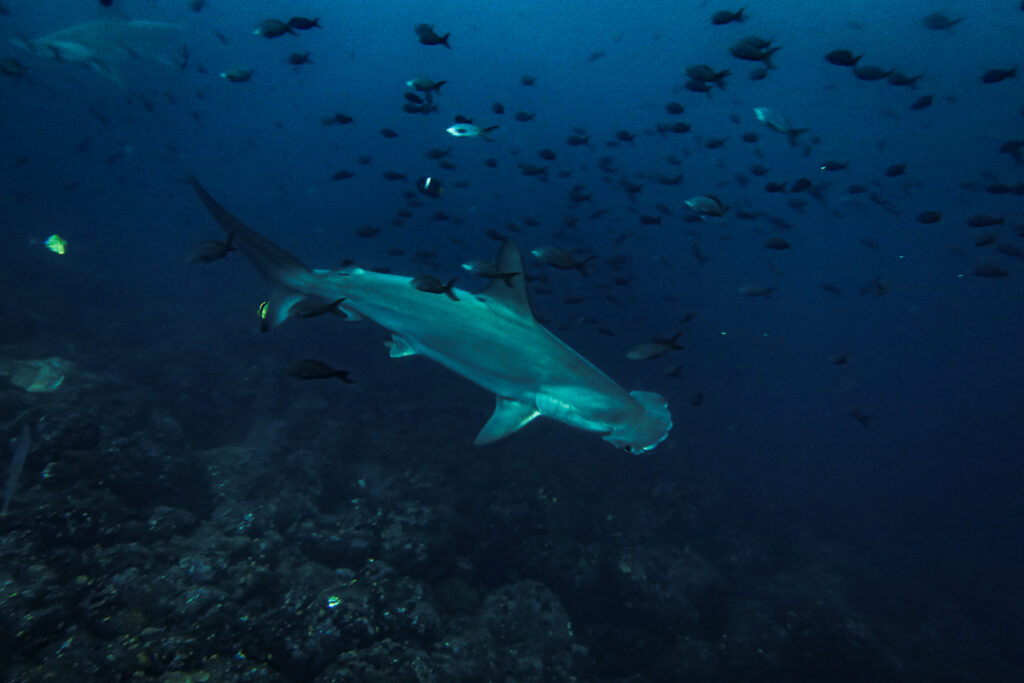
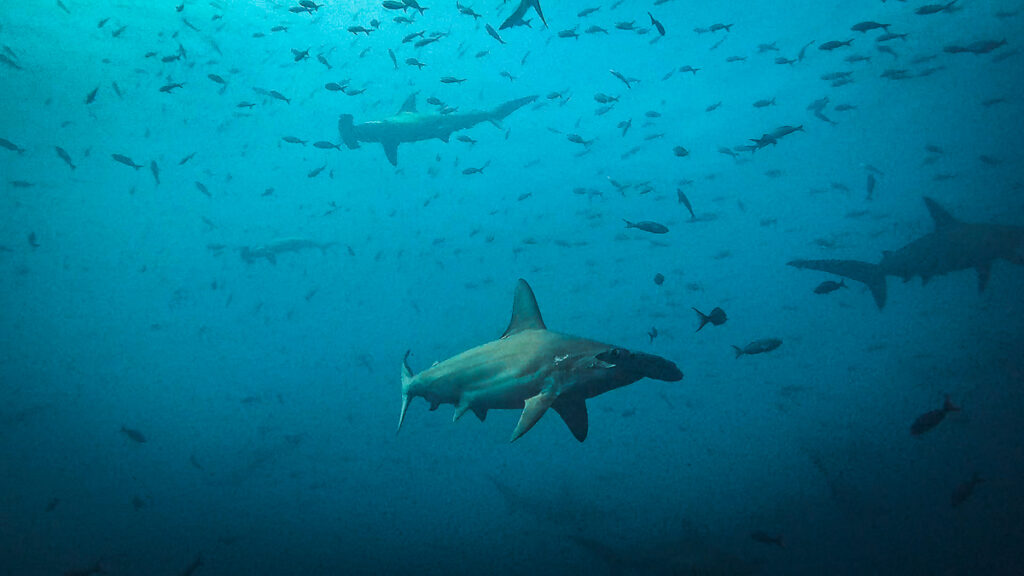
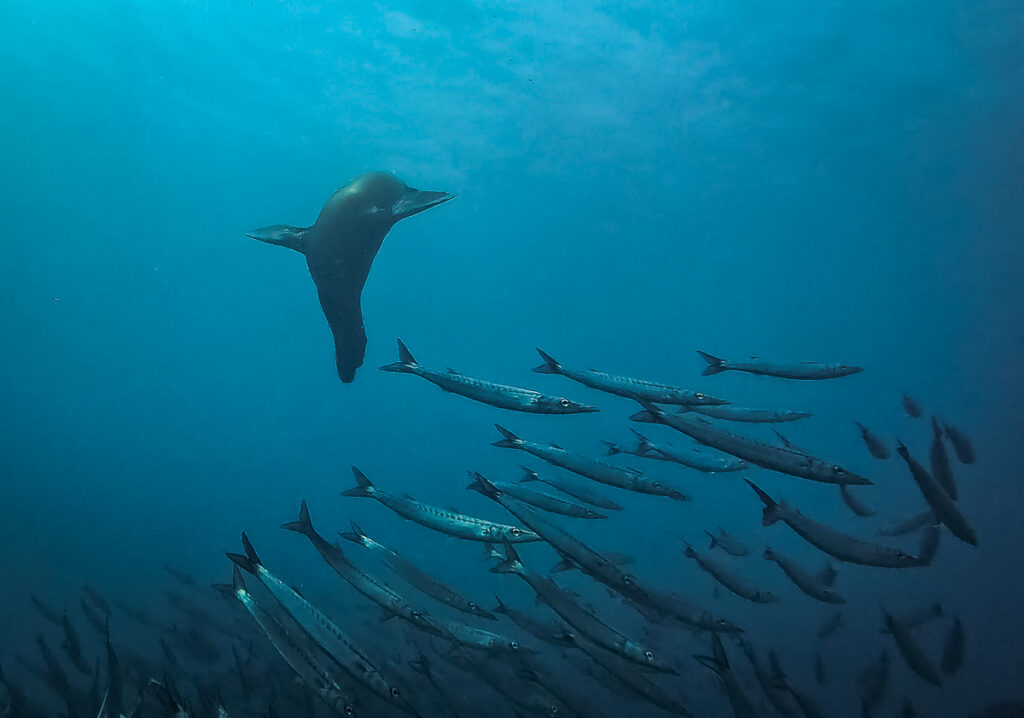
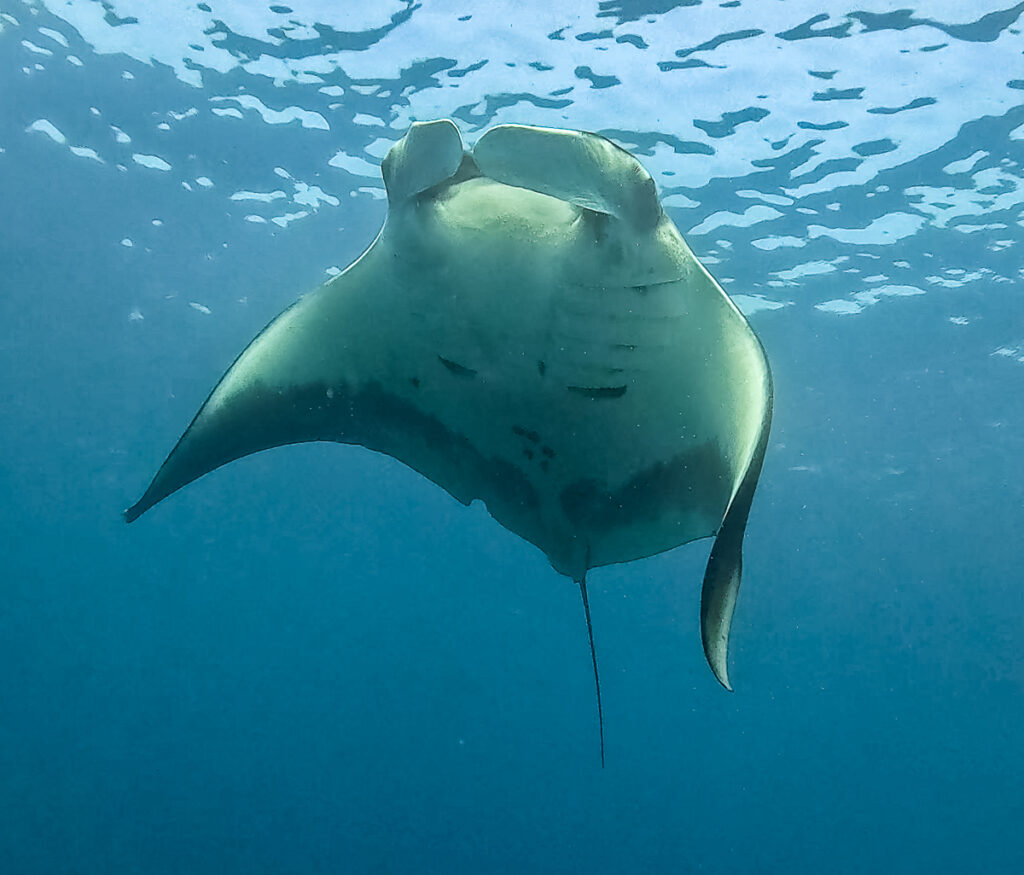
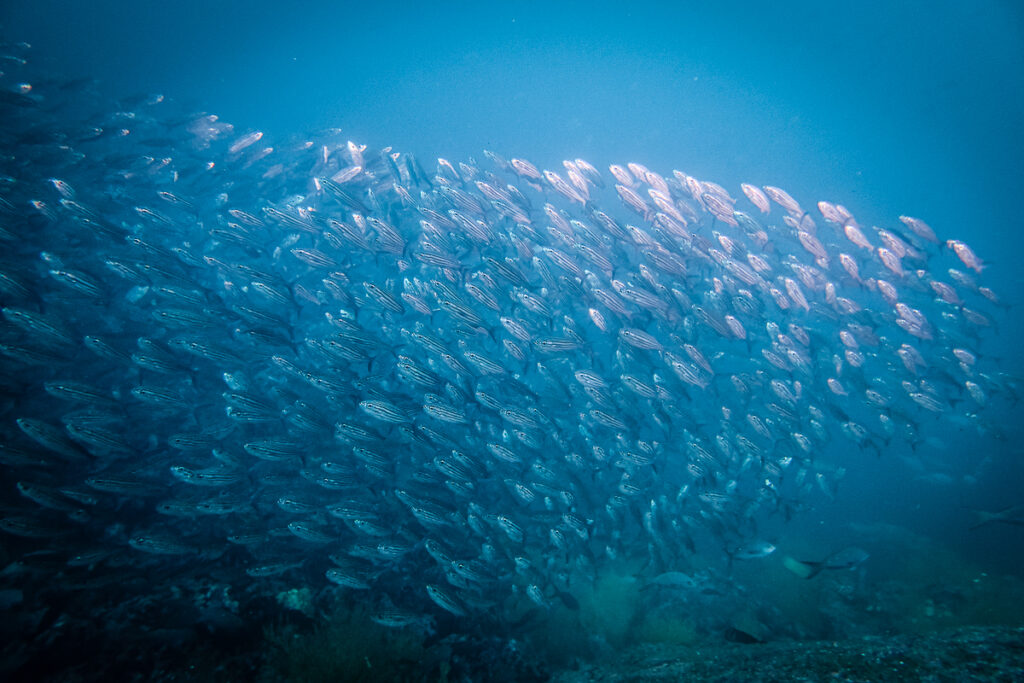
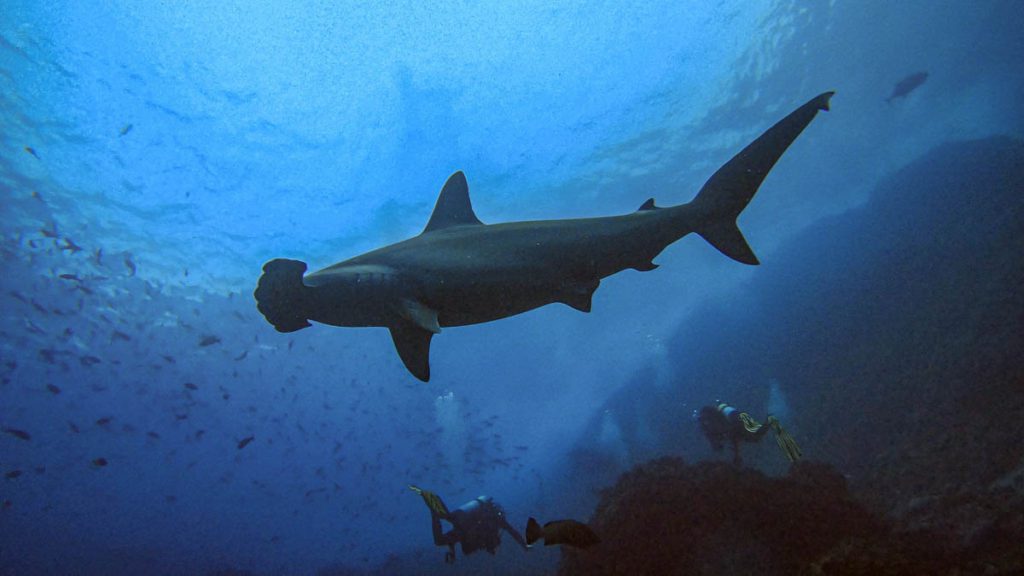
The Galapagos is where I have seen the most fish of anywhere I have ever dived, and it gave me the best big-animal diving of my life. Seven nights on the Galapagos Sky in March 2024, straight after a week on the Theory, delivered schooling hammerheads stacked up in the current at Darwin’s Arch and Wolf Island, four oceanic mantas at Cape Marshall with two of them approaching close, a school of more than a thousand barracuda, dolphins fighting in open water, and a mola mola, all in one week. Nowhere else have I seen so many large animals in so few dives.
The price of admission is cold water and hard diving. The thermocline dropped from 24°C to 14°C within two metres, and I was glad of every millimetre of my 7 mm suit. The currents are strong and unpredictable, the entries are negative and the safety stops hang in open blue. None of that matters once the first hammerhead school comes out of the dark.
- Gateway: Baltra (GPS) or San Cristóbal (SCY), via mainland Ecuador
- Water: 24°C dropping to 14°C at the thermocline within 2 metres; I wore a 7 mm suit
- Best months: no bad month, but December to May brings warmer water, calmer seas and dense hammerhead schools
- Level: advanced only: strong, unpredictable currents, negative entries and safety stops in open blue
- How to dive it: liveaboard; Wolf and Darwin are out of day-boat range
- Signature sites: Darwin’s Arch, Wolf Island, Cape Marshall, Punta Vicente Roca
Check Galapagos Sky on Liveaboard.com
3. Komodo, Indonesia: Big Animals and Critters on the Same Dive
I have dived Komodo since 2006, on more than 20 trips aboard the Tiare, the Moana, the Ilike and others, and twenty years on it is still the one place that gives me sharks, mantas, healthy reef and macro on the same trip. At Castle Rock, my favourite site in the park, I hooked into a current strong enough to tear a mask off and watched more than 30 sharks hunting in front of me. In the south, around 30 mantas fed at Manta Alley, and at Mawan, the sandy cleaning station in the north of the park, a manta came in close to a snorkeler on my Moana trip. Then, at Sangeang, I spent 70 minutes on nudibranchs alone.
The secret is out, though. In July 2026 I counted about 50 boats in the park, which is why my sweet spot is May, June, September and October, when the water is good and the moorings are not.
- Gateway: Labuan Bajo (LBJ), a short flight from Bali
- Water: 26–29°C in the north, dropping to about 24°C in the south
- Best months: May, June, September and October; mantas peak December to February, with lower visibility. Avoid the July–August crowds
- Level: currents reach 8 knots at the northern sites, and some boats ask for 60 logged dives
- How to dive it: liveaboard, or day boats from a Labuan Bajo resort
- Signature sites: Castle Rock, Manta Alley, Mawan, Batu Bolong, Crystal Rock
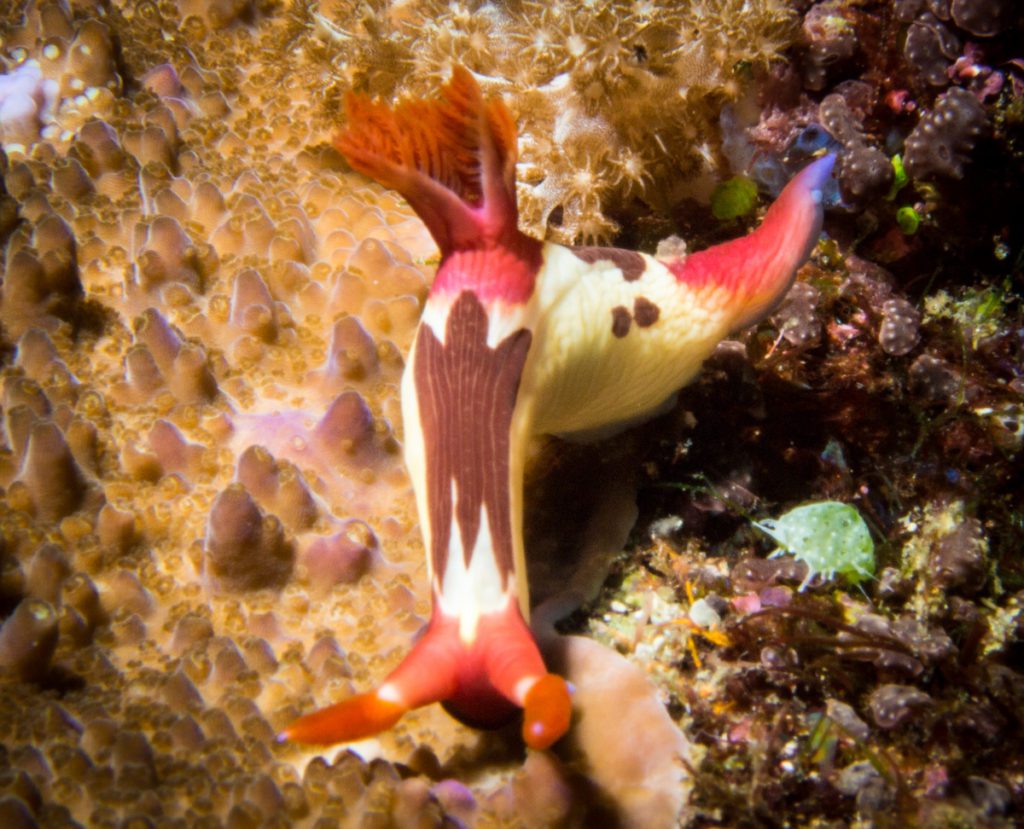


My luxury guide to diving Komodo and best Komodo liveaboards have the detail, and I compare it head to head in Maldives vs Komodo.

4. Banda Sea, Indonesia: 200 Hammerheads in a Week in October
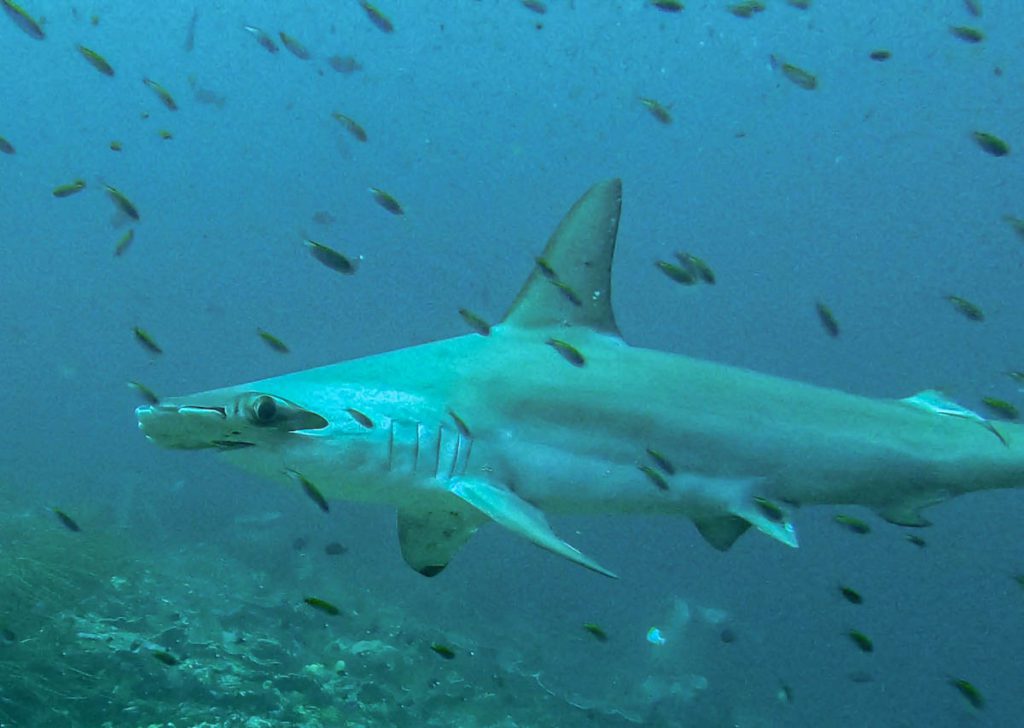
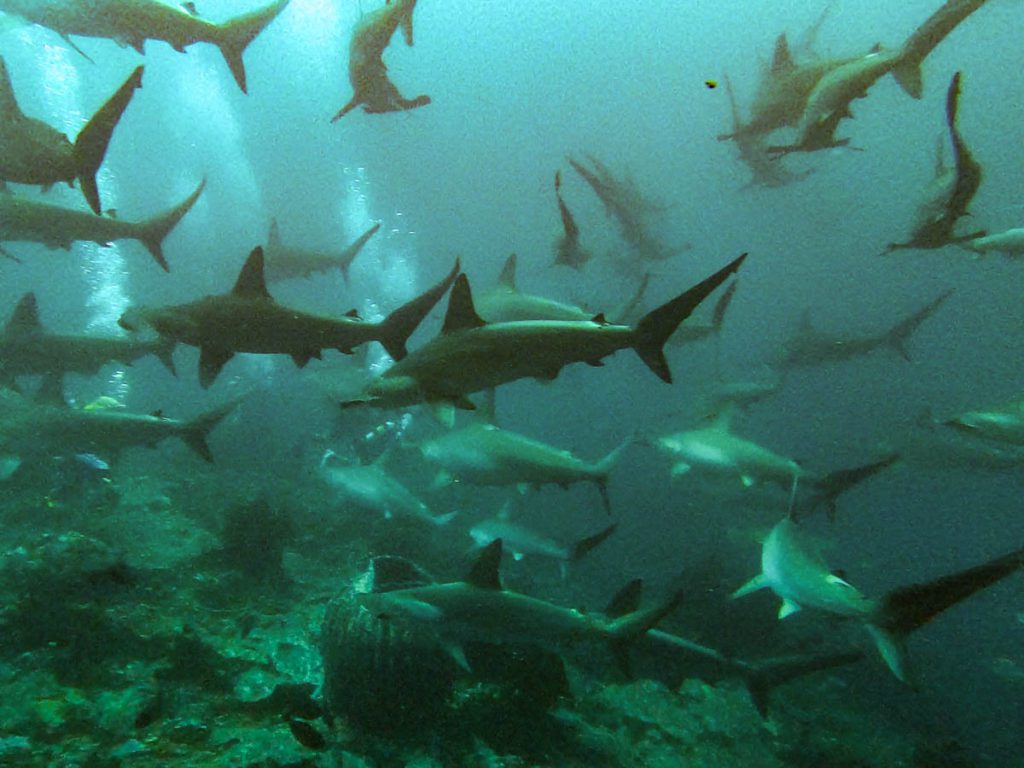
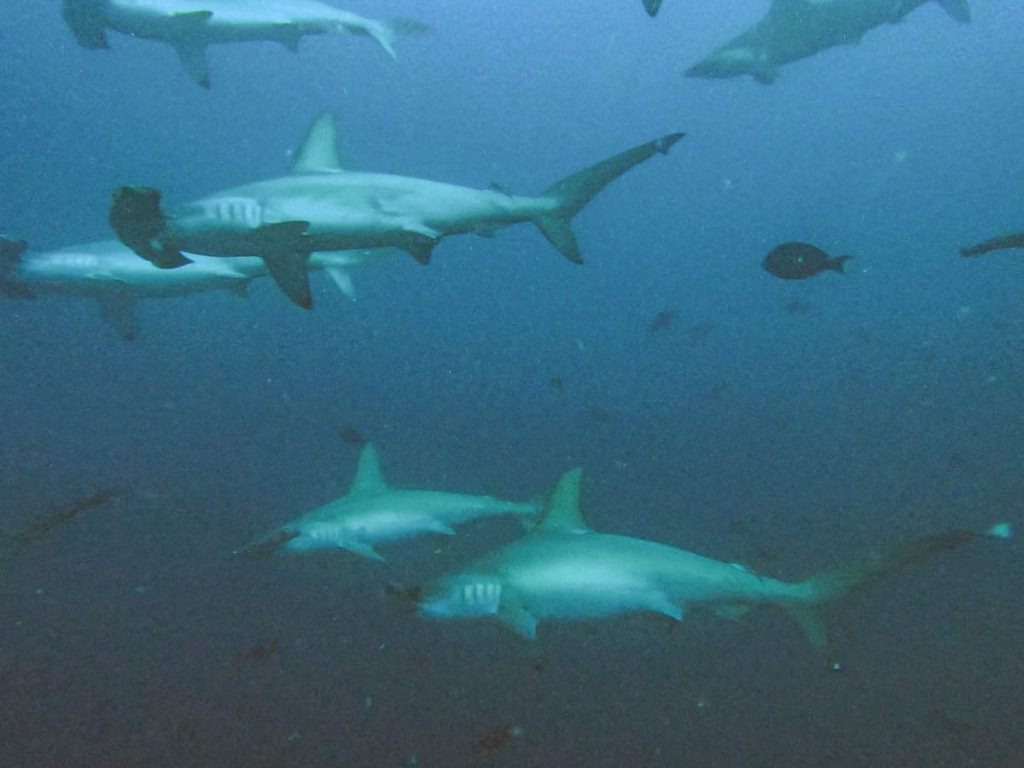
Hammerheads in the Banda Sea are a bet, not a promise, and October is when the odds are best. I have made four trips in season, seen hammerheads on three, and my first trip saw none at all. Late October on the Sea Safari 6 was the trip that paid out: more than 200 hammerheads in five separate schools, including a school of 30 at Suanggi, and sea snakes at Manuk. On the Neomi, we had hammerheads every single day, a manta on the safety stop and sperm whales breaching beside the boat.
Suanggi is the crown jewel of the Banda Islands. You hang in open blue water, watching nothing, until the nothing turns into a school of hammerheads.
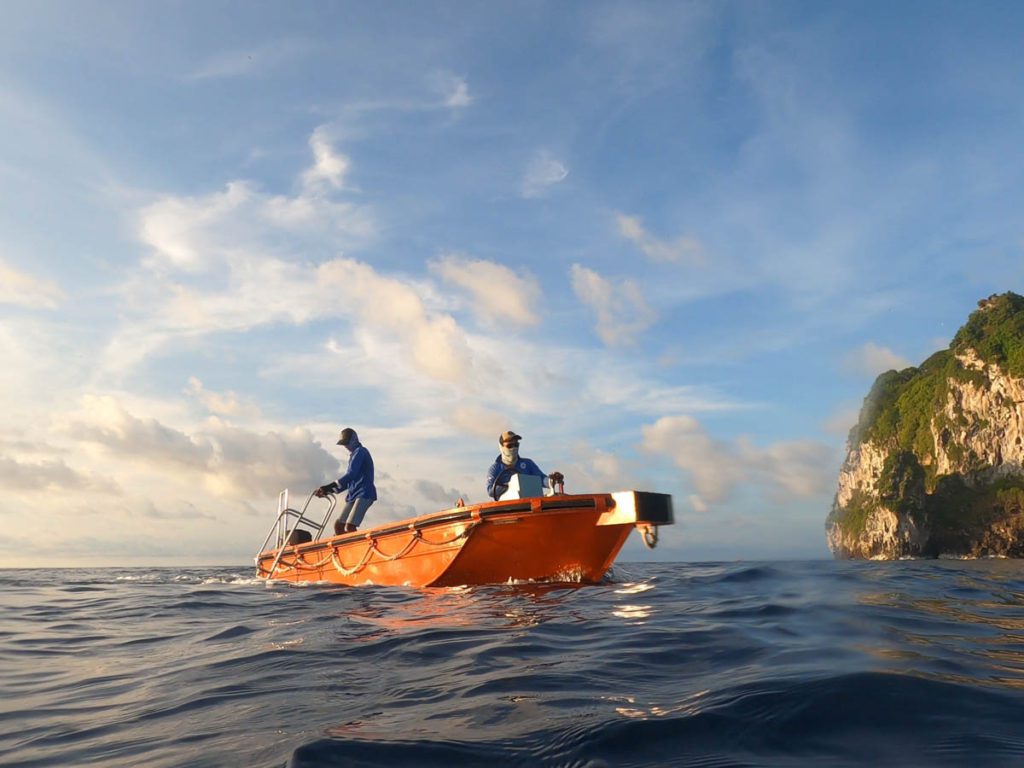
- Gateway: Ambon (AMQ); trips usually start and end there, and Ambon is worth a few days of muck diving itself
- Water: 27–29°C
- Best months: late September to November, with October the peak, and a shorter window around March to May
- Level: deep blue-water dives at 20–35 metres in unpredictable current; Advanced Open Water and 50 dives
- How to dive it: liveaboard
- Signature sites: Suanggi, Manuk, Run
Check Sea Safari 6 on Liveaboard.com
5. Maldives: Sharks in Three Figures
Nowhere does channel diving like the Maldives. I have sailed the six most luxurious liveaboards in the country, including the White Pearl and the EcoPro Seascape, and the formula never changes: you hook in at the mouth of a kandu on the incoming tide, and the sharks line up in front of you. In December 2025 at Miyaru Kandu, more than 100 sharks and around 20 eagle rays made it the sharkiest dive I have done in the country. At Fotteyo Kandu I saw my first Maldives hammerhead, and on the North Malé check dive in August 2024, tiger, bull and spinner sharks turned up before the trip had properly begun.
Come for the sharks, not the coral. It is not a macro destination, and the shallow reefs are still recovering from bleaching, but the channels are as good as anything on this list, and the Maldives is the easiest place here to pair world-class diving with a non-diving partner.
- Gateway: Malé (MLE)
- Water: 27–30°C
- Best months: December to April for calm seas and the clearest water; August to November for mantas and whale sharks
- Level: reef hooks and negative entries in the channels; 30-metre legal depth limit
- How to dive it: liveaboard for the channels, or a resort with a dive centre
- Signature sites: Kandooma Thila, Miyaru Kandu, Fotteyo Kandu, Hanifaru Bay (snorkel)


Start with my ranking of the best Maldives liveaboards .
Check EcoPro Seascape on Liveaboard.com
6. Palau: Giant Mantas, a Tiger Shark and Reef Sharks Everywhere
Palau, in Micronesia, is big-animal diving at its most generous, and the one place on this list where I stopped counting sharks. On my trip there were giant mantas, a tiger shark, which is a rare sight almost anywhere, and so many reef sharks that I gave up counting them.
That is the Palau formula: the big animals are not a lucky encounter at the end of a long search, they are the dive. Come for the sharks and the mantas, and count on seeing plenty of both. Palau is a reef-hook destination: at Blue Corner you clip in on the edge of the drop-off and let the current bring the sharks to you, and German Channel is the manta cleaning station.
- Gateway: Koror (ROR)
- Water: 27–30°C
- Best months: October to May, the dry season, for the calmest seas and clearest water; mantas are present year-round, with German Channel busiest from December to March, and the grouper and bumphead parrotfish spawning around the March and April full moons pulls in the sharks
- Level: intermediate; Blue Corner and the channels are reef-hook drift dives in strong current, while the lagoon wrecks are easy
- How to dive it: day boats from Koror reach all the main sites; a liveaboard adds Peleliu and the remote south
- Signature sites: Blue Corner, German Channel, Ulong Channel, Peleliu
7. Red Sea, Egypt: Hammerheads and Dolphins in the Deep South
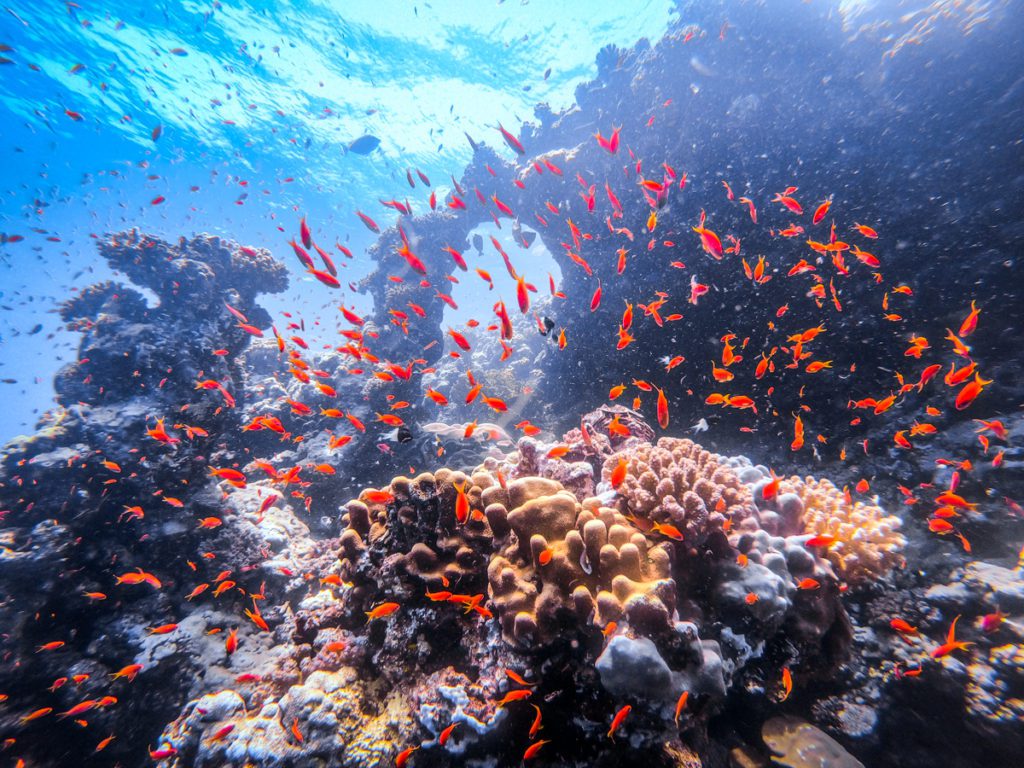
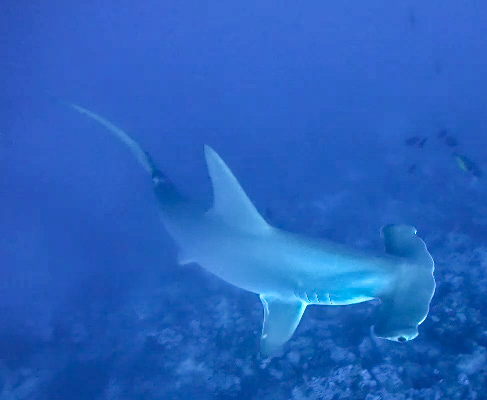
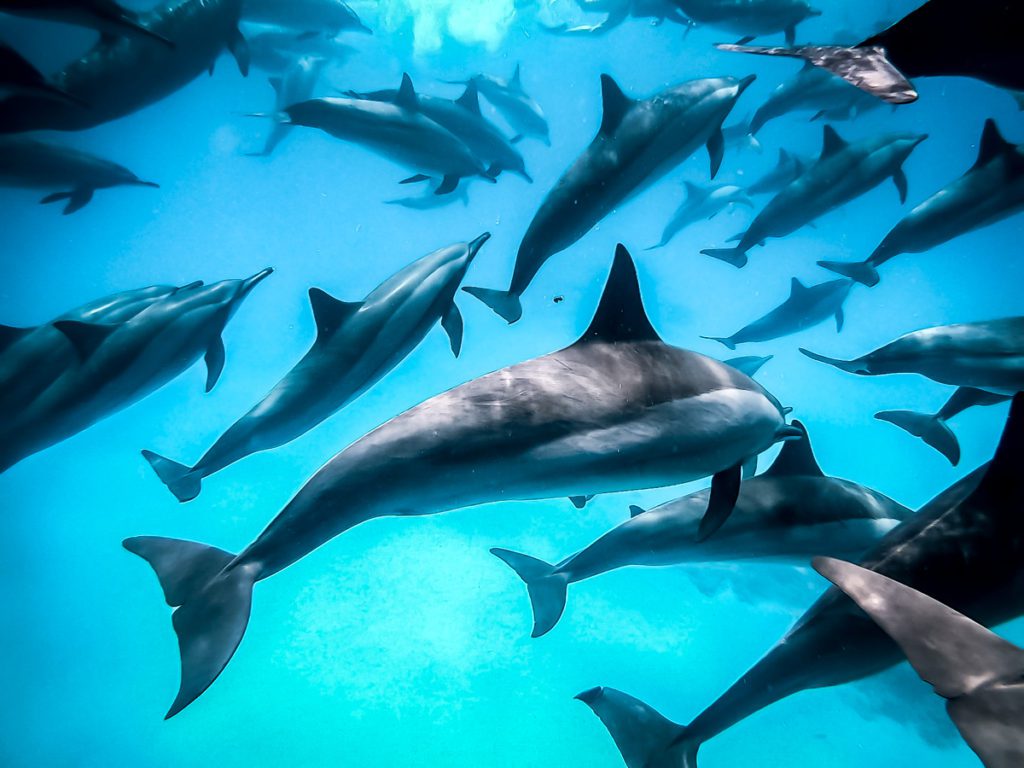
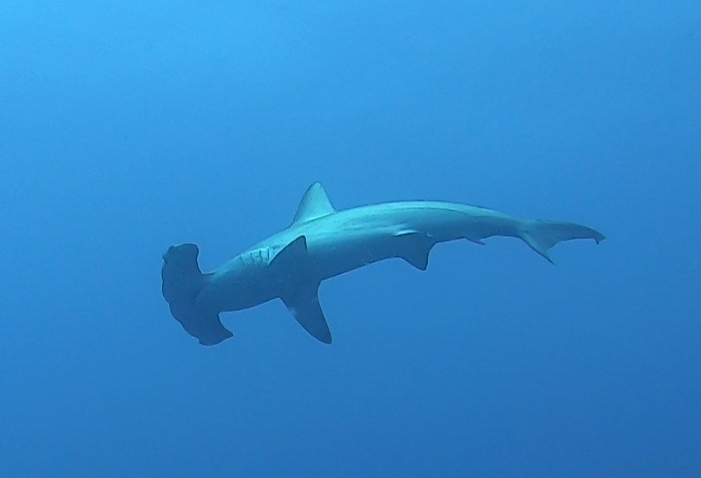
Egypt is the destination I keep going back to: seven trips so far, from the northern wrecks to the Deep South on the Red Sea Aggressor III. The Deep South is where the big animals are. At Daedalus, three hammerheads, one of which circled us for more than five minutes, plus silky sharks and a family of dolphins. At Elphinstone, two hammerheads hunting, one of them heading straight at me. At Fury Shoal, a snorkel with more than 50 dolphins, and at Shaab Claudia, caverns that feel like Gaudí’s cathedral underwater.
It is also the easiest place on this list to reach from Europe, which matters when you have a week and not a fortnight.
- Gateway: Marsa Alam (RMF) for the Deep South from Port Ghalib; Hurghada (HRG) and Sharm el Sheikh (SSH) for the north
- Water: 27–28°C in the Deep South in June, against 25–26°C in the north
- Best months: March to May and September to November
- Level: almost no current on most reefs, but Daedalus needs Advanced certification for 30–40 metres
- How to dive it: liveaboard for the offshore reefs, or a resort base such as Sharm
- Signature sites: Daedalus, Elphinstone, Fury Shoal, St John’s
For a resort base, see my Four Seasons Sharm el Sheikh review. For every area and dive site, from the Thistlegorm to the Deep South, read my Red Sea diving guide.
Check Red Sea Aggressor III on Liveaboard.com
8. Triton Bay, Indonesia: World-Class Diving With Nobody Else There
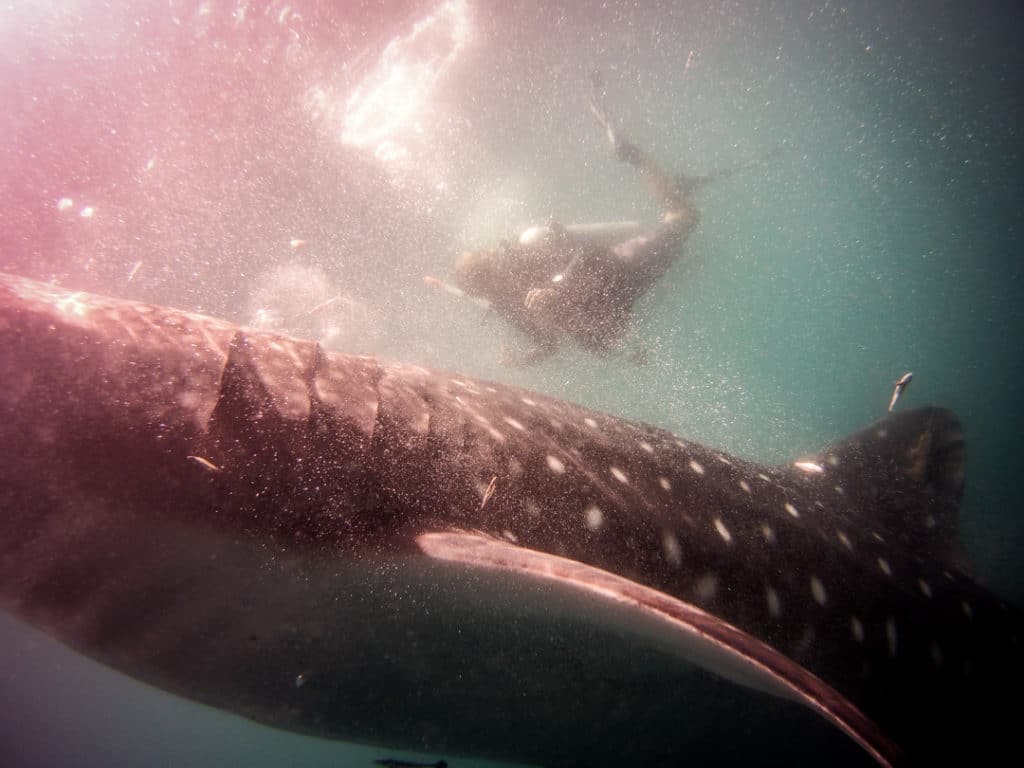
Triton Bay is the rarest luxury in modern diving: a world-class destination with nobody else in it. I have dived it twice, on the Ilike and on the Seahorse, and in three days we never saw another dive boat. The coral is more colourful than anywhere else I have dived, with black coral forests and soft coral on every pinnacle and a wobbegong on nearly every dive. On my Ilike trip, five whale sharks, each more than 5 metres long, fed together under the Bitsjara Bay fishing platforms.
The trade-off is the water itself: green, with 10 to 15 metres of visibility. First-timers to Papua should do Raja Ampat. Returning divers should come here.
- Gateway: Kaimana (KNG), or a Sorong–Kaimana liveaboard crossing
- Water: 26–29°C
- Best months: October to April; the bay is effectively closed from May to September
- Level: intermediate; Advanced certification preferred
- How to dive it: liveaboard
- Signature sites: The Aquarium (Larry’s Delight), the Bitsjara Bay bagans


Read my complete guide to diving Triton Bay.
Check Seahorse on Liveaboard.com
9. Ambon and Lembeh, Indonesia: the Best Macro Diving in the World
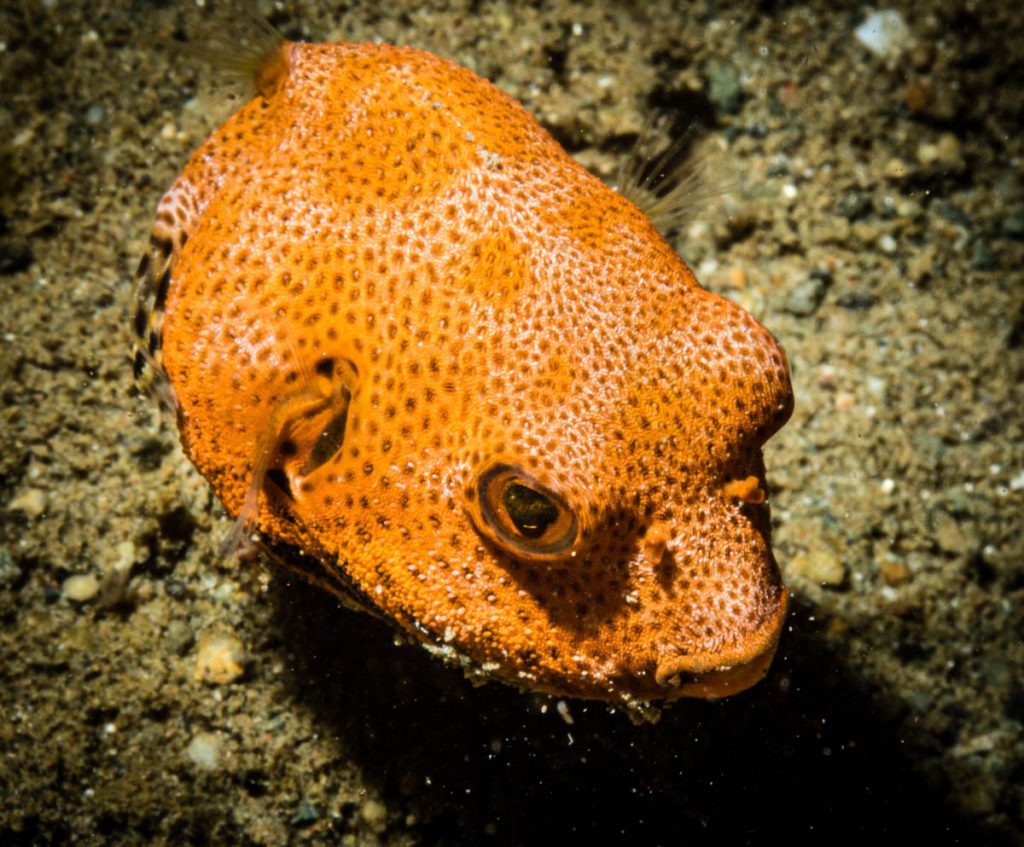
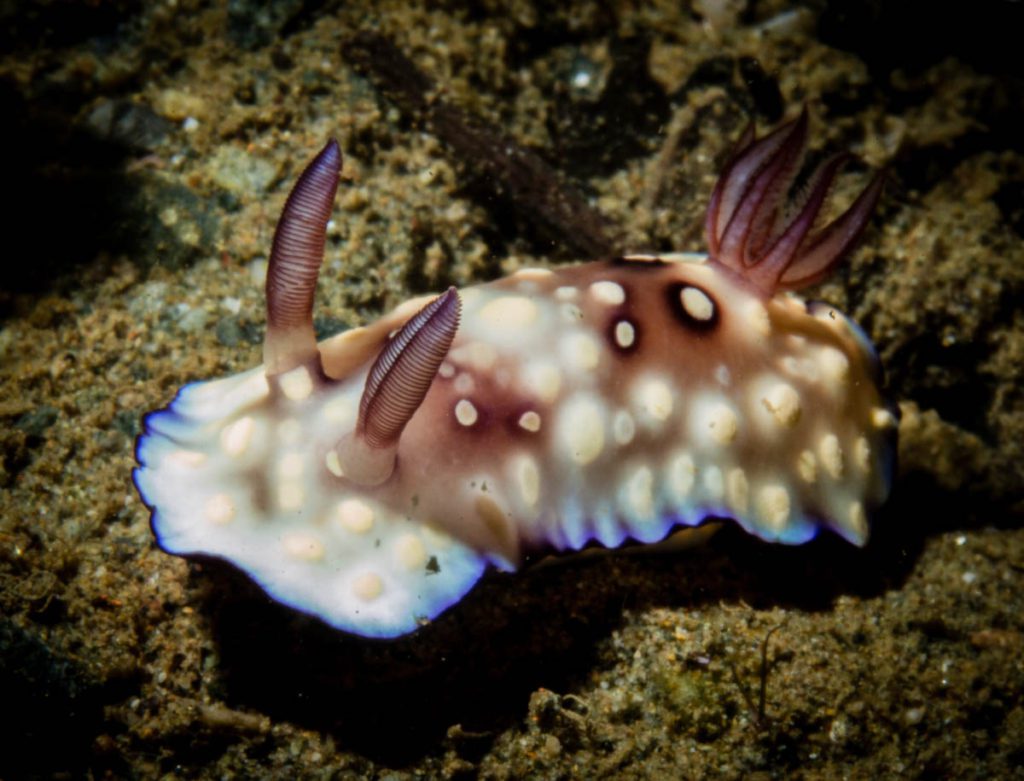
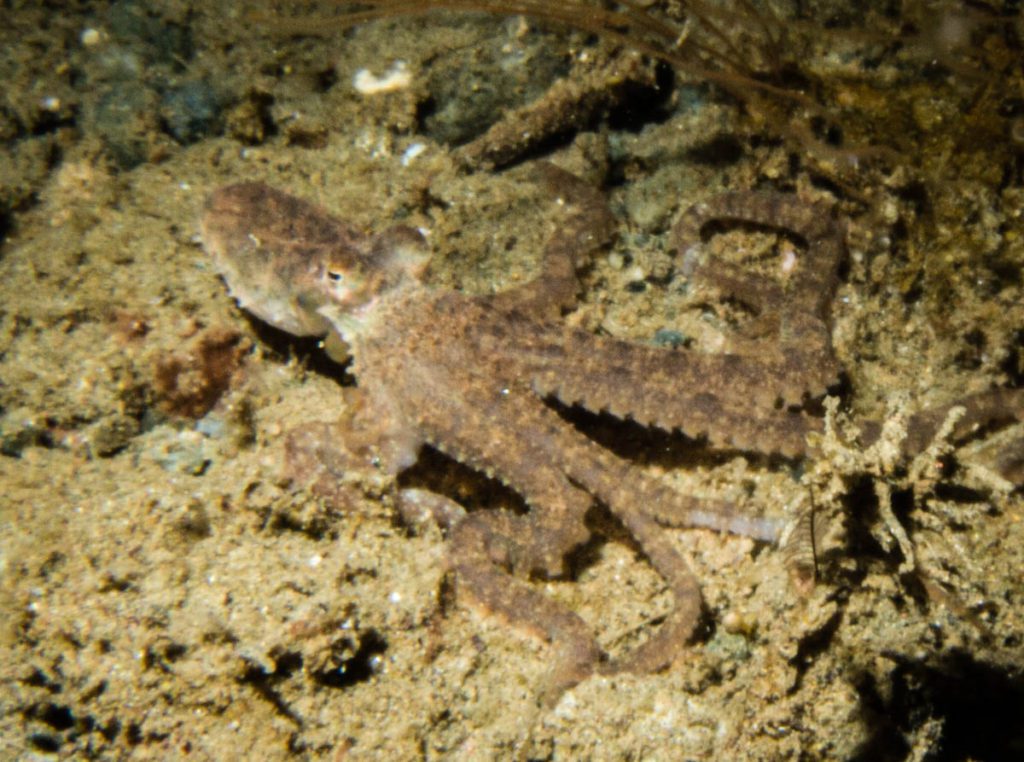
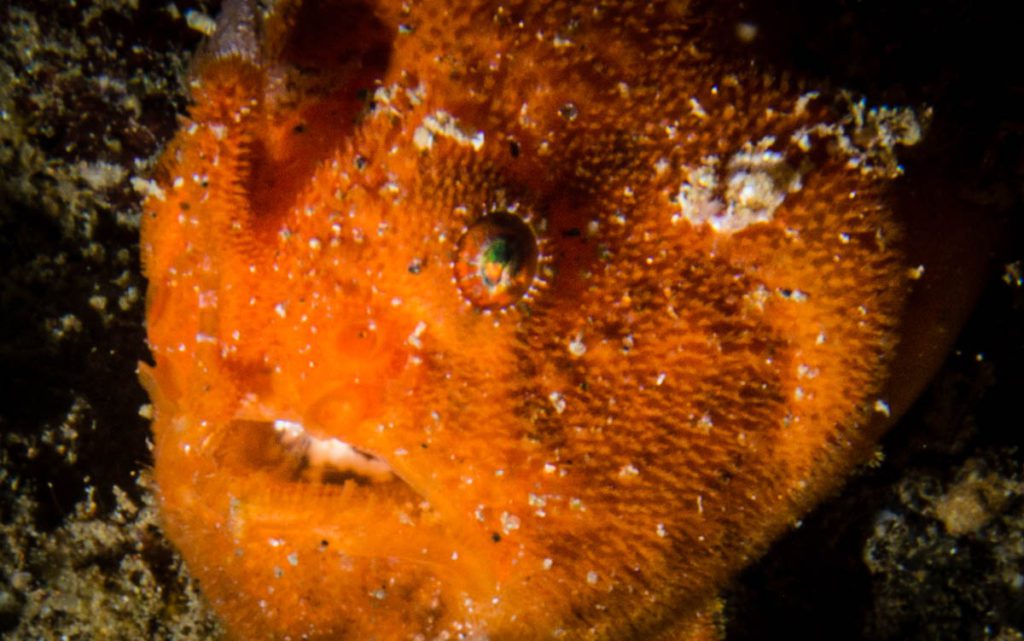
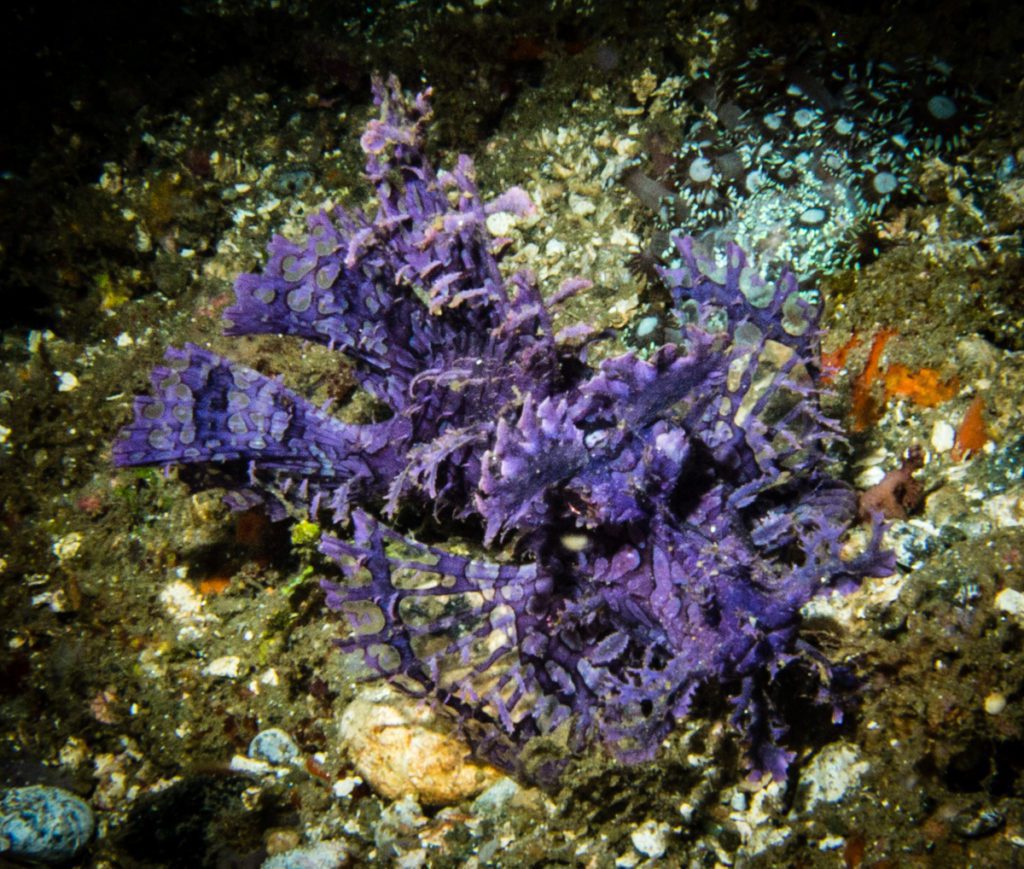
Ambon and Lembeh are the best macro diving in the world, and the first two places I would send any macro photographer. Ambon is the most underrated destination on this list: it has more strange fish and critters per square metre than anywhere else I have dived, yet very few divers make the trip. The best sites are muck dives in Ambon Bay, where the debris on the sand gives the critters somewhere to live. In just two dives at Laha, we found countless frogfish, rhinopias, seahorses, nudibranchs, cuttlefish including tiny babies, gurnards, pipefish and harlequin shrimp. Laha 1, 2 and 3 are easy shore dives: you put on your tank, walk into the water, and you are on one of the best macro sites in the world, with more than 20 other sites beyond it, from caves to reefs to muck in the bay.
Lembeh, in North Sulawesi, is the other half of the world’s best macro diving. I reached it at the end of an eight-day trip on the Sunshine liveaboard from Bangka, and the black-sand slopes of the Lembeh Strait were a non-stop show of critters of every kind. At KT, black sand from 2 to 20 metres, rubbish lies all over the sand, yet we saw so much in a single dive. Neither place is about luxury, so expect basic hotels and food; both work best as a few days before or after a Banda Sea liveaboard, or as a stopover on the way to Raja Ampat.
- Gateway: Ambon (AMQ), with direct flights from Jakarta and Makassar and a direct flight to Sorong for Raja Ampat; Manado (MDC) for Lembeh
- Best months: for Ambon, September to May, with October to January the best; the season matches Raja Ampat’s
- Level: very light current in Ambon, with 15–20 metres of visibility on my dives, and black-sand slopes from 2 metres in Lembeh; suits every level
- How to dive it: shore dives with a dive centre in Ambon, or a liveaboard that stops at Ambon or the Lembeh Strait
- Signature sites: Laha 1, 2 and 3 (Ambon); KT (Lembeh)
Read my guide to diving in Ambon.
Check Ambon liveaboards on Liveaboard.com
10. Cocos Island, Costa Rica: Hammerheads From the Check Dive
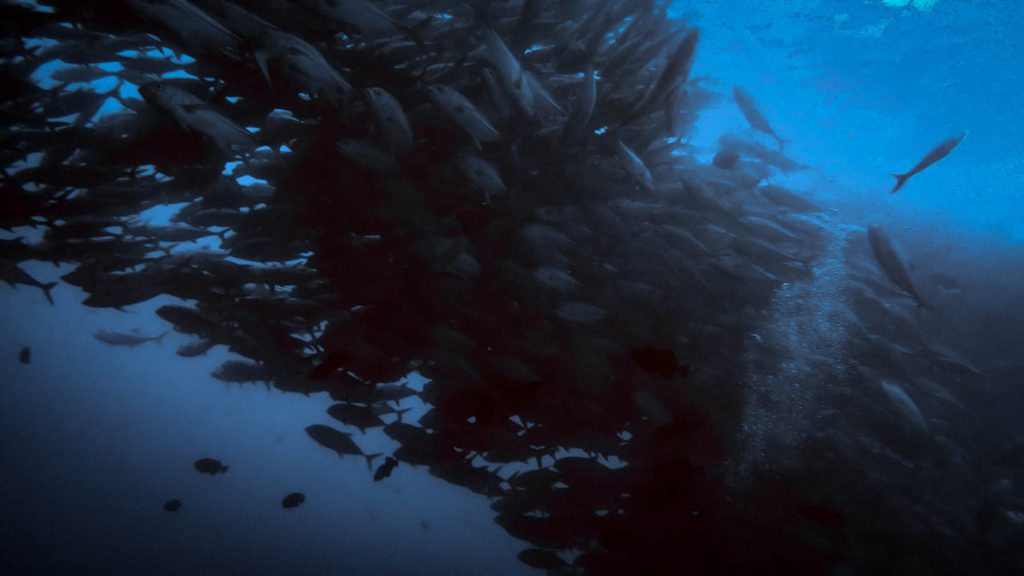
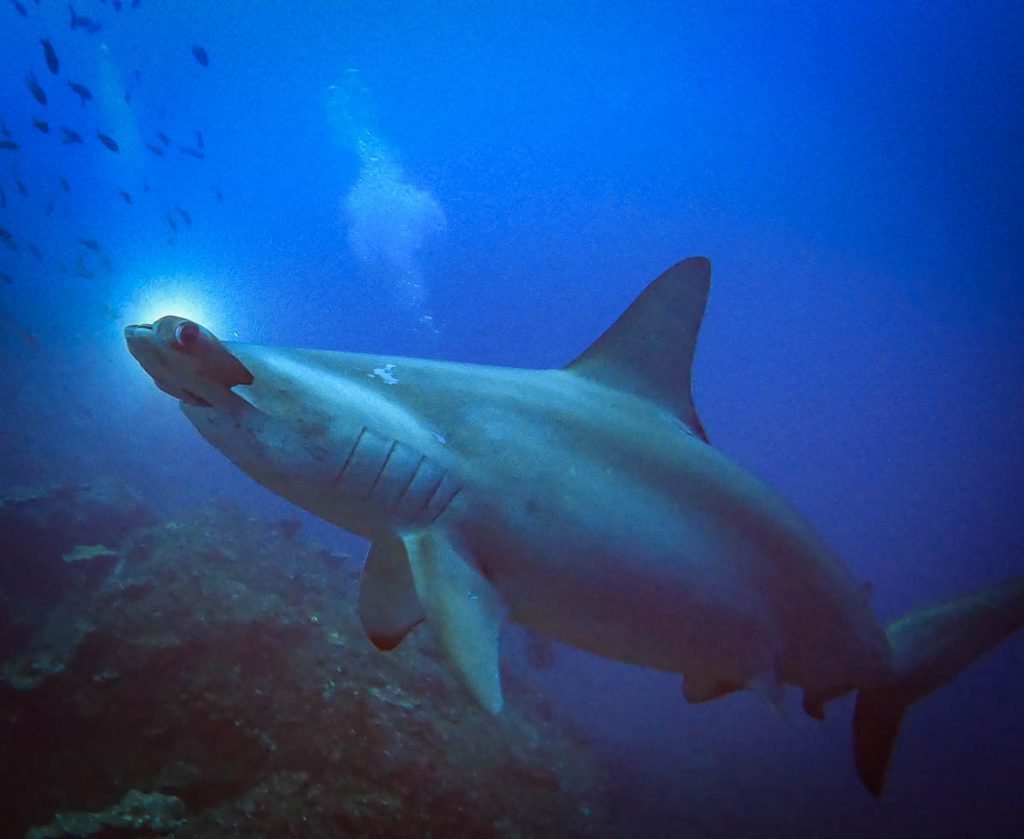
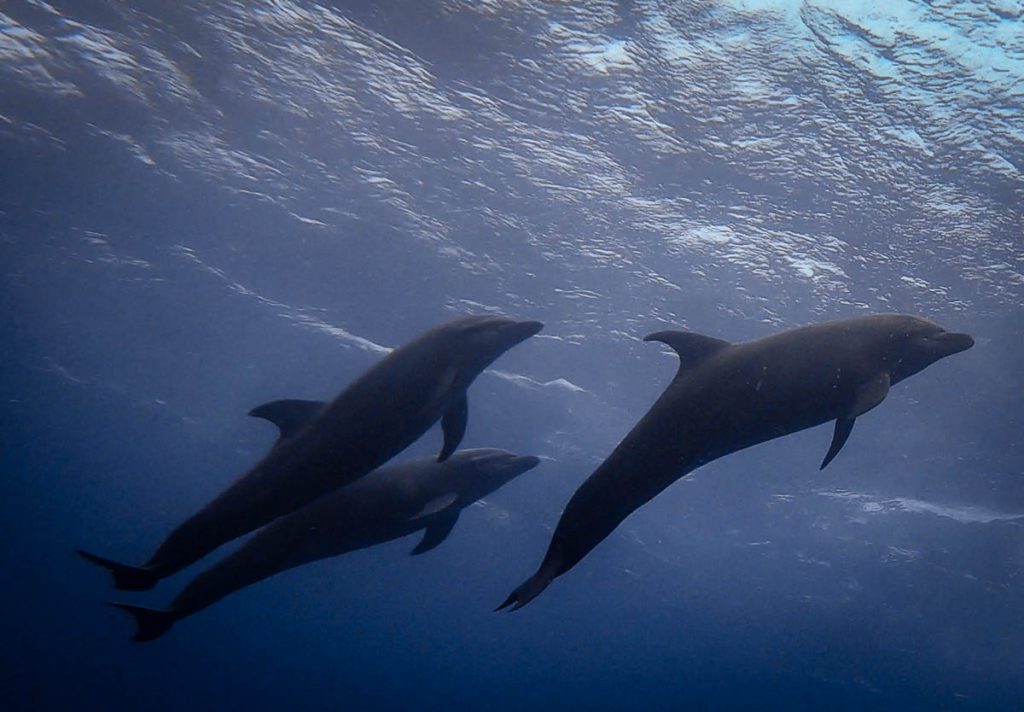
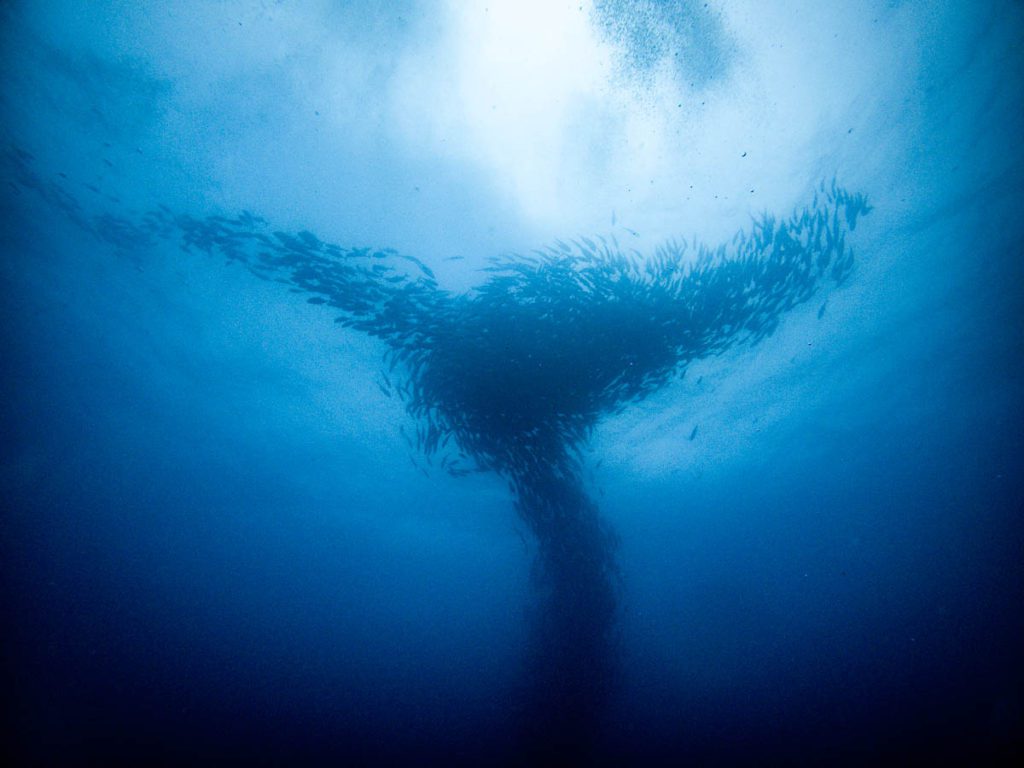
Cocos is a 36-hour crossing from Puntarenas, and the very first dive of ten days on the Okeanos Aggressor II paid for every hour of it. On the check dive at Manuelita, I counted more than 70 hammerheads, the best check dive of my life. At Dirty Rock, more than 30 hammerheads closed in around us. At Alcyone, a huge tiger shark, and a school of jacks so dense the sea went black. And at Punta Maria, dolphins played with us for more than ten minutes, the single diving moment I would keep if I could keep only one.
Go for the sharks and nothing else. There is no pretty coral and there are no nudibranchs, and nobody on board will mind.
- Gateway: San José (SJO), then road transfer to the port at Puntarenas
- Water: 28–29°C at the surface, with thermoclines down to 21°C
- Best months: year-round; I went in April
- Level: experienced divers only: strong currents, negative entries, maximum 35 metres
- How to dive it: liveaboard only; the park fee was USD 560 when I went
- Signature sites: Manuelita, Alcyone, Dirty Rock, Punta Maria
Check Okeanos Aggressor II on Liveaboard.com
11. Sea of Cortez, Mexico: Sea Lions and Whale Sharks
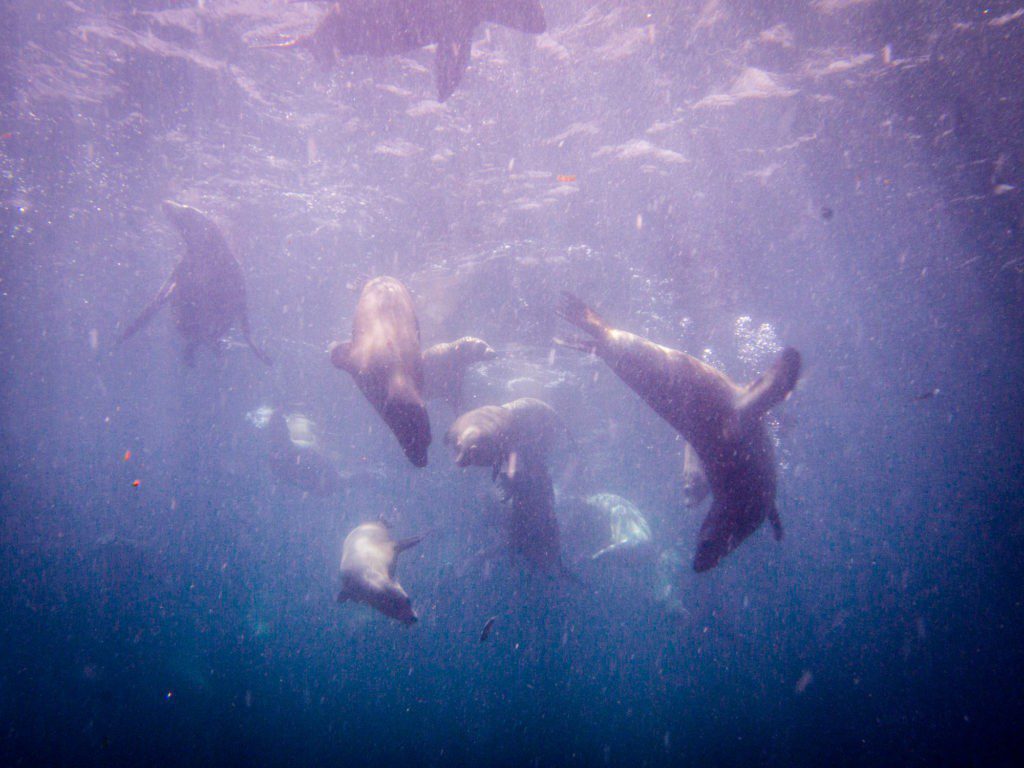
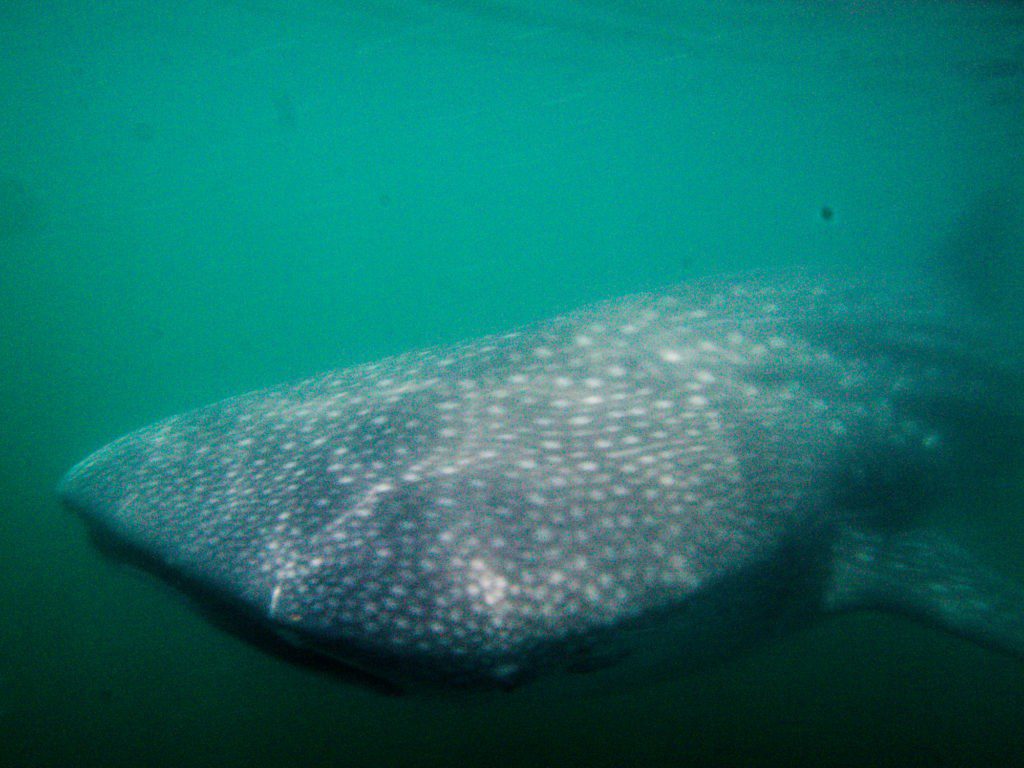
My Sea of Cortez liveaboard delivered the animals rather than the coral, with easy diving in between: whale sharks of 3 to 7 metres in Bahía de los Ángeles, more than 50 sea lions at San Pedro Mártir, and a hammerhead at El Moro. It is the gentlest big-animal trip on this list, and the one I would pick for a diver who wants whale sharks and sea lions without strong current.
Further south, Cabo Pulmo has an incredible amount of fish, and a Cabo shark dive gave me mantas and silky sharks in open water.
- Gateway: San José del Cabo (SJD) for Cabo Pulmo and the Cabo shark dives
- Water: 22–30°C on my liveaboard
- Best months: August to November for the warmest water and whale sharks; September to November for Cabo Pulmo visibility
- Level: all my dives here were very easy
- How to dive it: liveaboard, or day trips from Los Cabos
- Signature sites: Bahía de los Ángeles, San Pedro Mártir, Los Morros (Cabo Pulmo)
Check Mexico liveaboards on Liveaboard.com
12. Halmahera, Indonesia: More Sharks and Mantas Than People
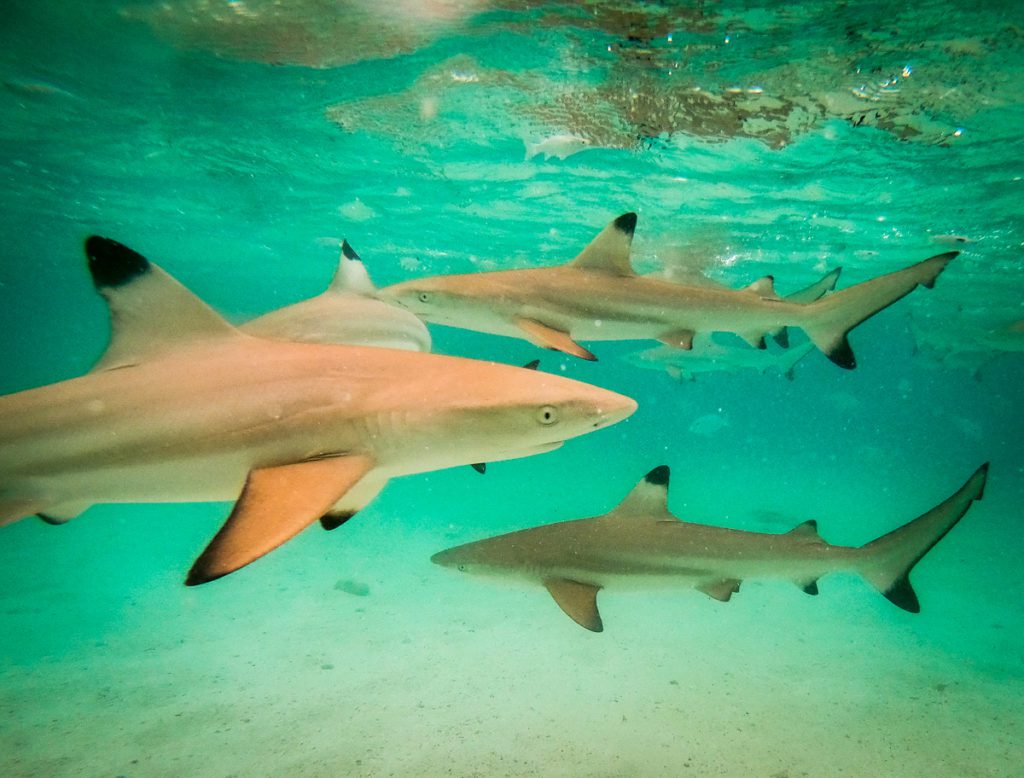
Halmahera, in North Maluku, is the newest destination on this list, and the Patinti Strait is quietly earning its reputation as Indonesia’s next diving frontier. I have been twice, and both times we saw more sharks and mantas than people. On the Jakare in April–May 2021, the boat’s first exploration of the area, one site had at least 100 blacktips, and at Tobias Point, my favourite, a school of sweetlips swam with about ten hunting whitetips. On the Ambai in August 2023, the sheer volume of fish at Siko Pinnacle was staggering.
Few boats run here yet. Go before the rest find out.
- Gateway: Ternate (TTE), or a Sorong–Ternate crossing
- Best months: few boats run here; I went in April–May and August
- Level: strong current on the pinnacles, with sheltered sides for less experienced divers
- How to dive it: liveaboard
- Signature sites: Tobias Point, Siko Pinnacle, Batu Jabu
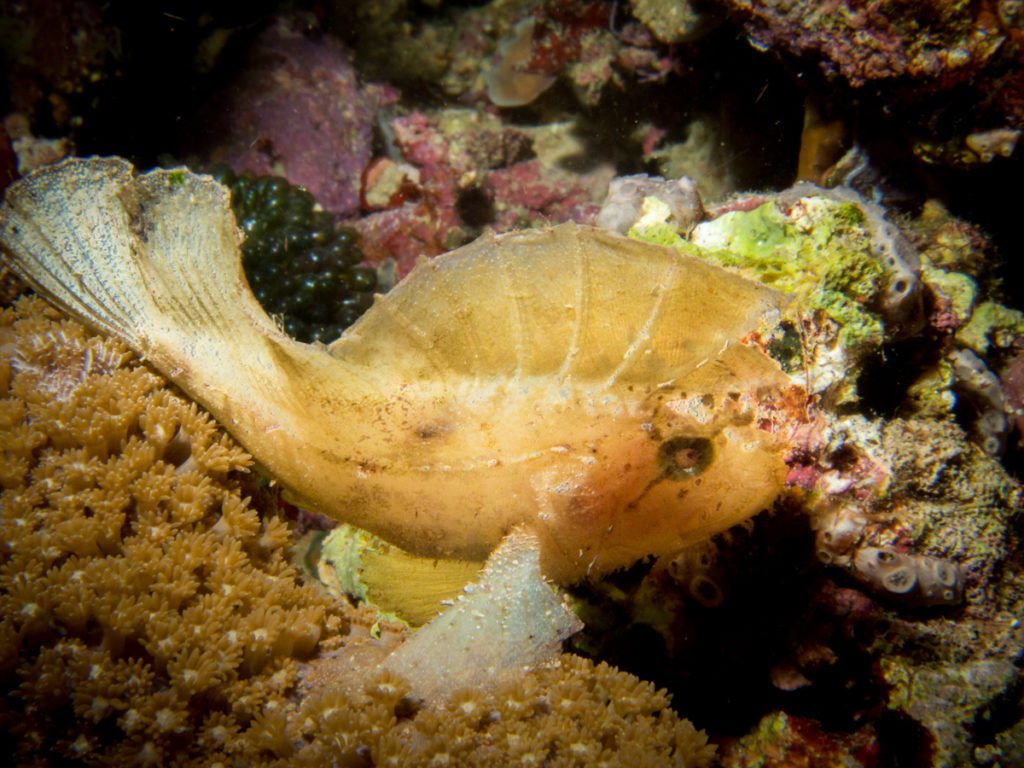
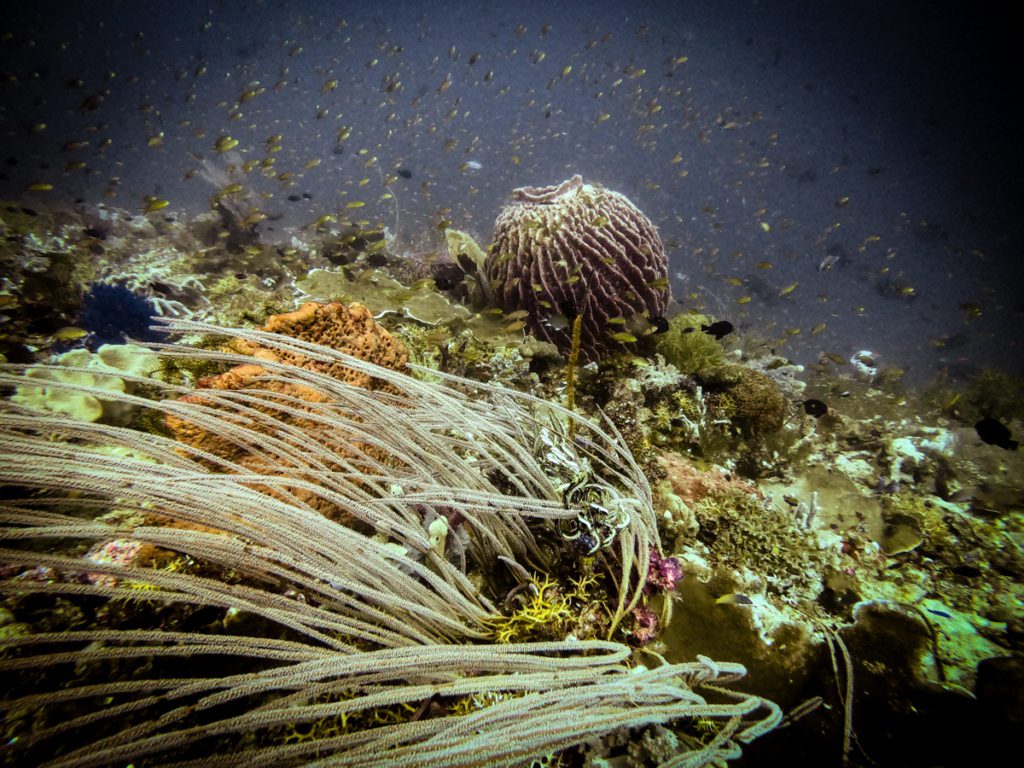
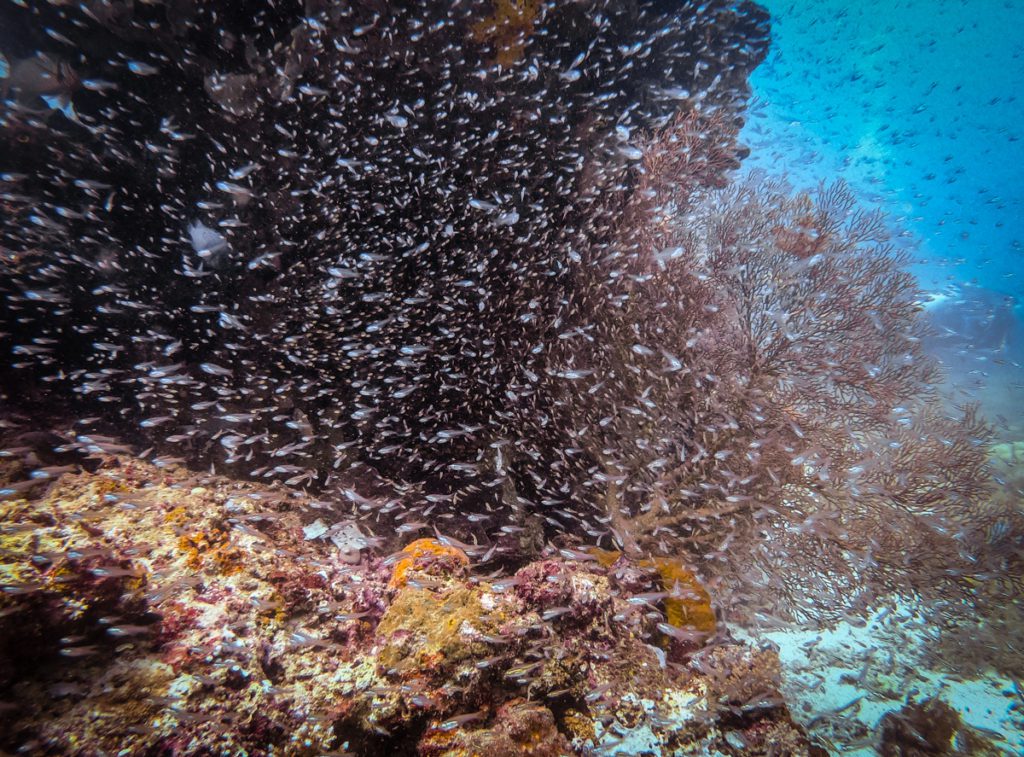
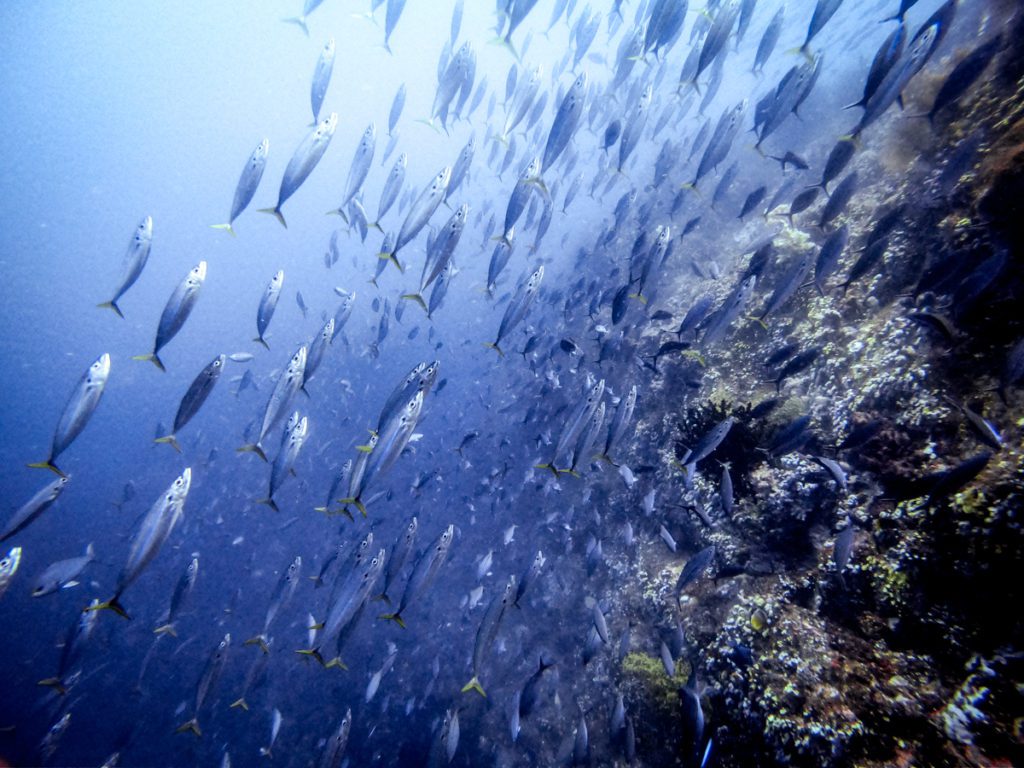
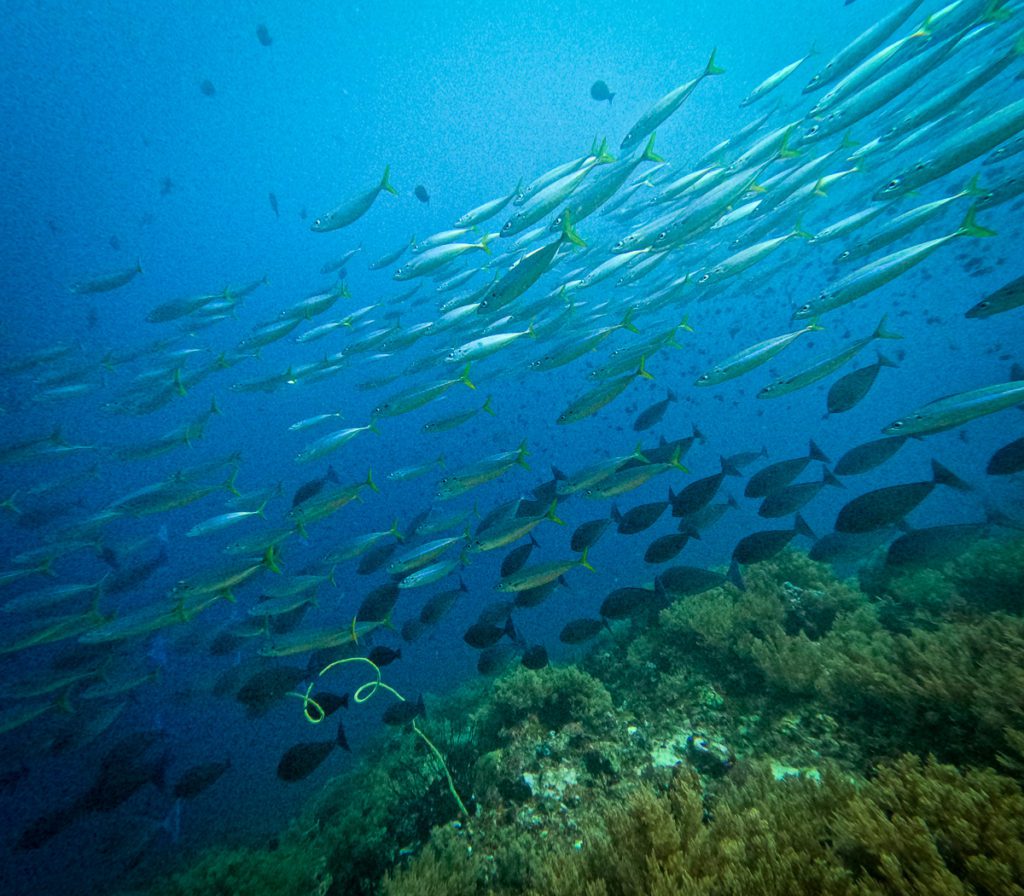
13. Bali, Indonesia: Mola, Mantas and the Best Easy Diving in Asia
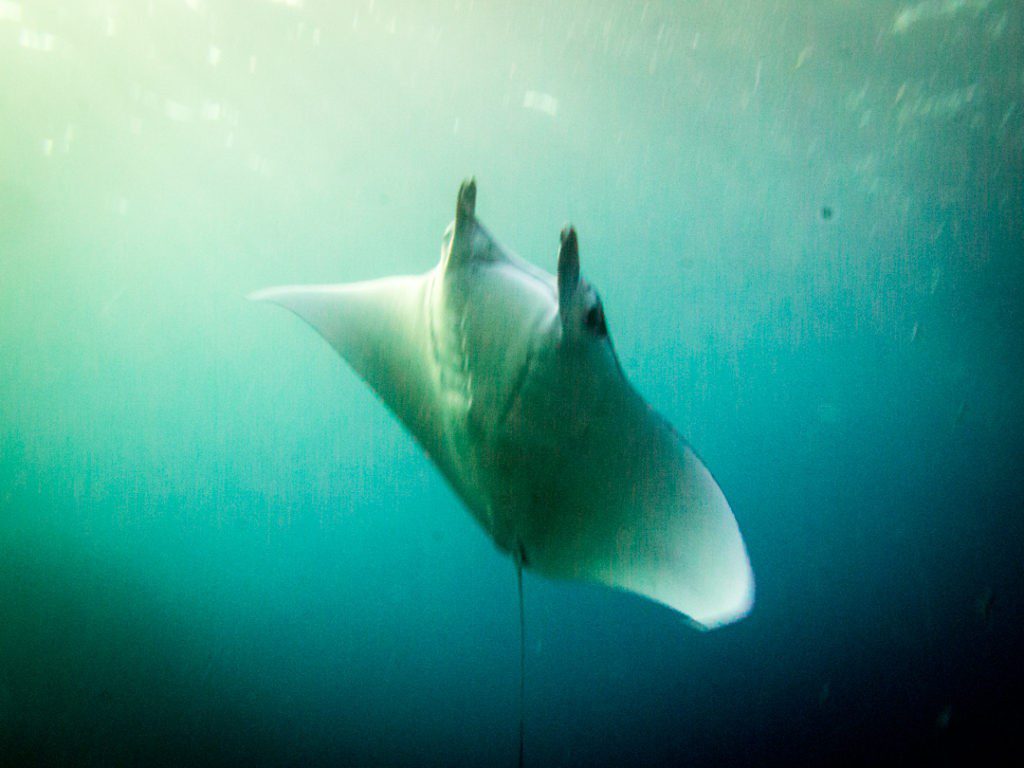
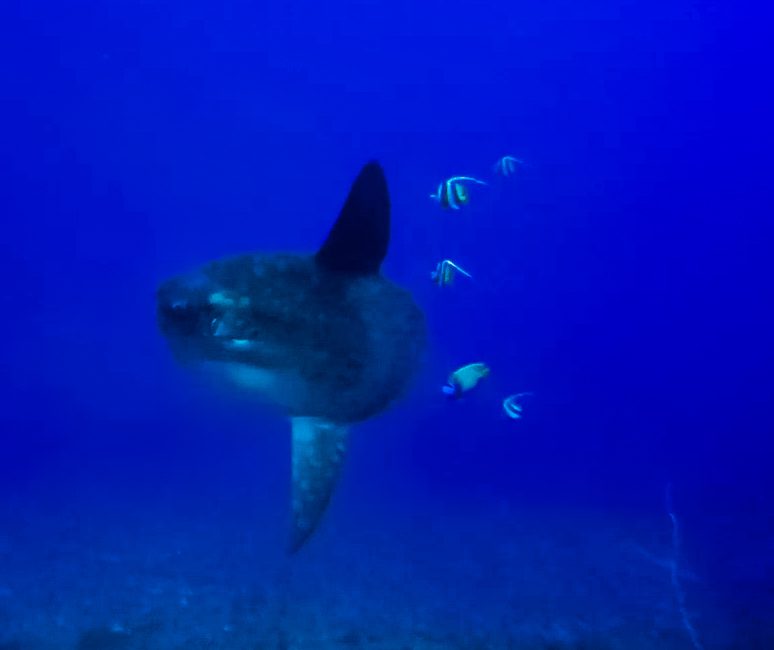
Bali is home water for me. After ten years of diving every corner of the island, I rate it the most varied single island on this list, and the best place in Asia to learn, to go easy, or to do both on the same trip. At Crystal Bay on Nusa Penida, mola mola rise from the deep to be cleaned between July and October. At Manta Point, on my best May dive, more than six mantas circled the cleaning station at once. At Tulamben, the Liberty wreck is the best easy diving in Bali, and a shore dive.
The island’s secret is the north. At Bukti and Puri Jati, I have never once shared a site with another boat.
- Gateway: Denpasar (DPS)
- Best months: April to November for Nusa Penida, July to October for mola, October–November for nudibranchs
- Level: Tulamben, Amed and Menjangan suit every level; Penida has 4-knot currents and 18°C thermoclines, so be honest about your experience
- How to dive it: resorts and day boats; no liveaboard needed
- Signature sites: Crystal Bay, Manta Point, the Liberty wreck, Bukti, Puri Jati
Read my guide to diving in Bali.
14. Belize: the Great Blue Hole and Superb Easy Diving
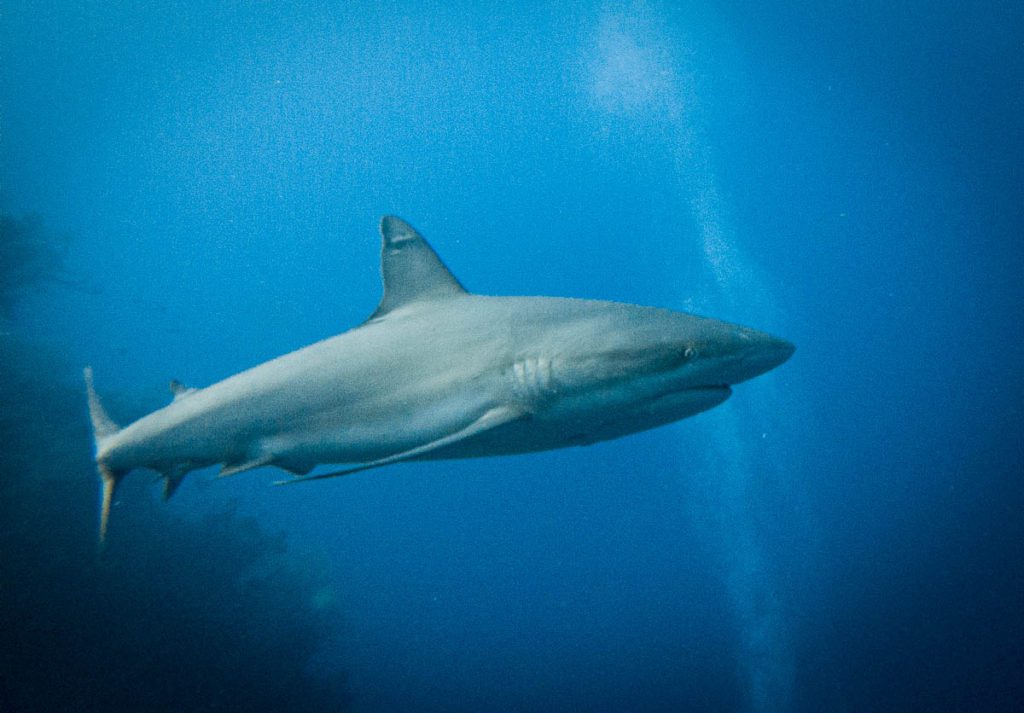
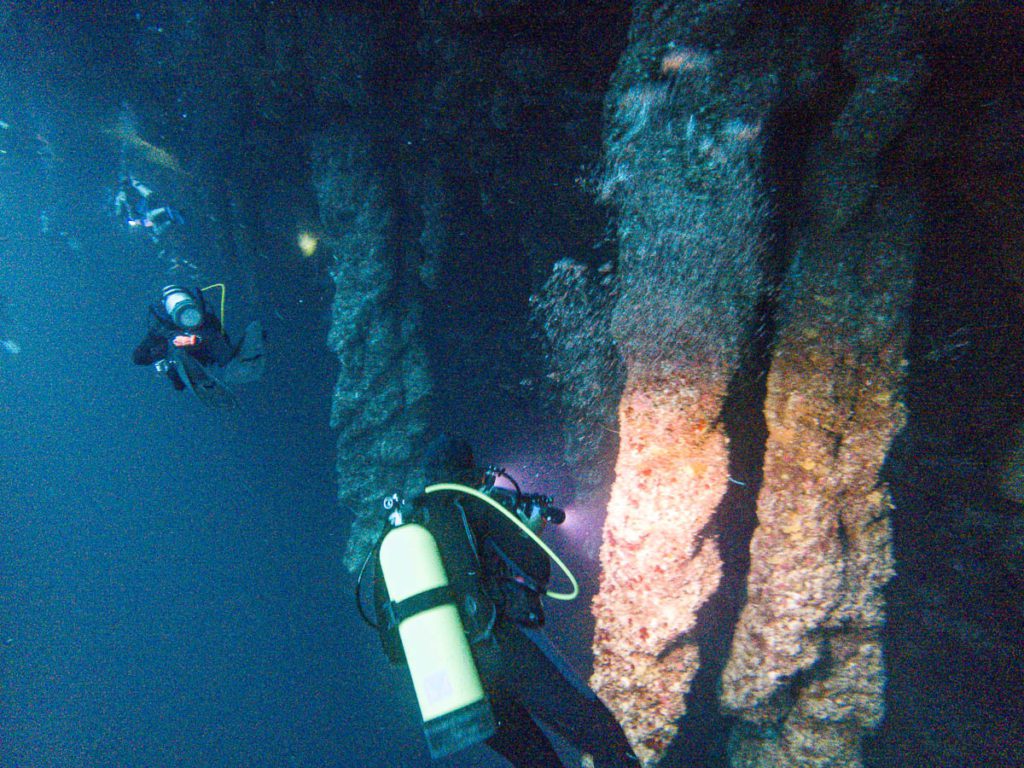
A week on the Belize Aggressor III around Turneffe and Lighthouse Reef is the gentlest liveaboard week I can recommend, and the right first liveaboard for a lot of divers. The Great Blue Hole is the reason most people come: stalactites hang between 30 and 40 metres, and it is a must-do once. The reefs around it are the reason to stay. A Caribbean reef shark kept coming very close, an eagle ray crossed the wall, and a giant loggerhead turtle swam straight towards me.
Warm water, minimal current and up to five dives a day. If you have never done a liveaboard, this is the one to start on.
- Gateway: Belize City (BZE)
- Best months: March to June; avoid the hurricane season in late summer and autumn
- Level: minimal current, with the best reef between 10 and 20 metres; suits newer divers, with up to five dives a day
- How to dive it: liveaboard to reach the outer atolls
- Signature sites: the Great Blue Hole, Turneffe, Lighthouse Reef
Check Belize Aggressor III on Liveaboard.com
15. Tubbataha, Philippines: the Healthiest Reef on This List
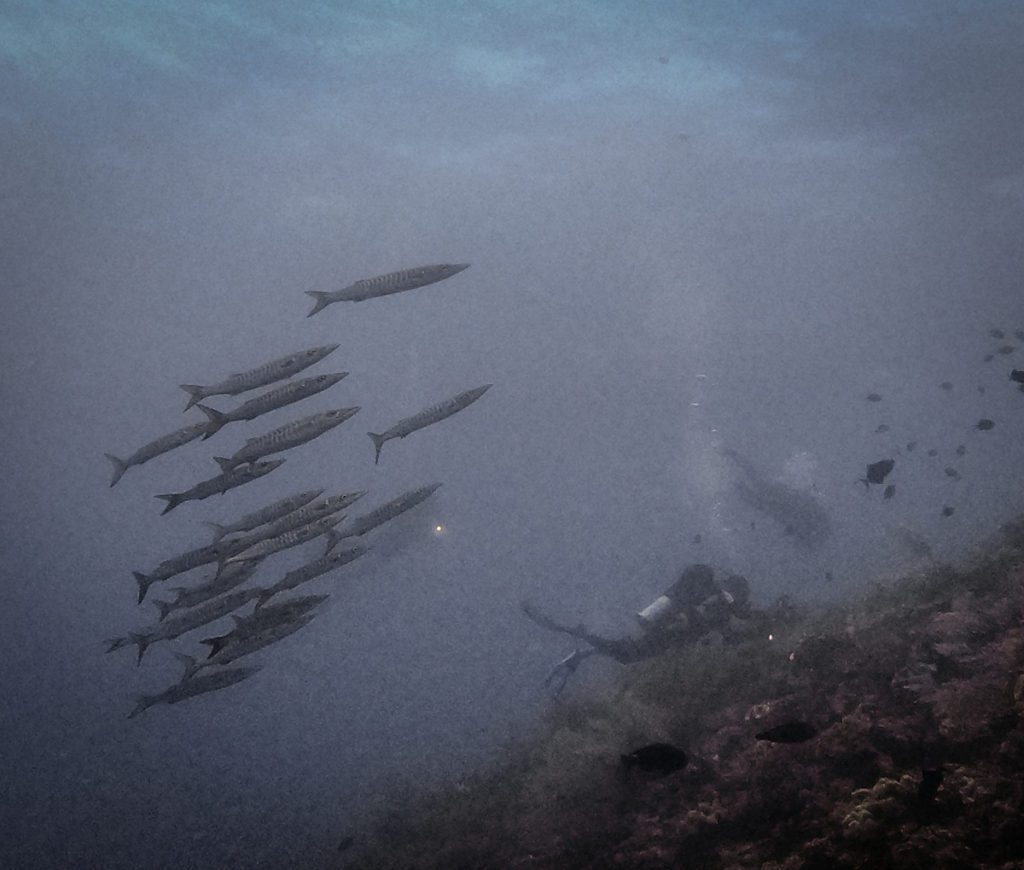
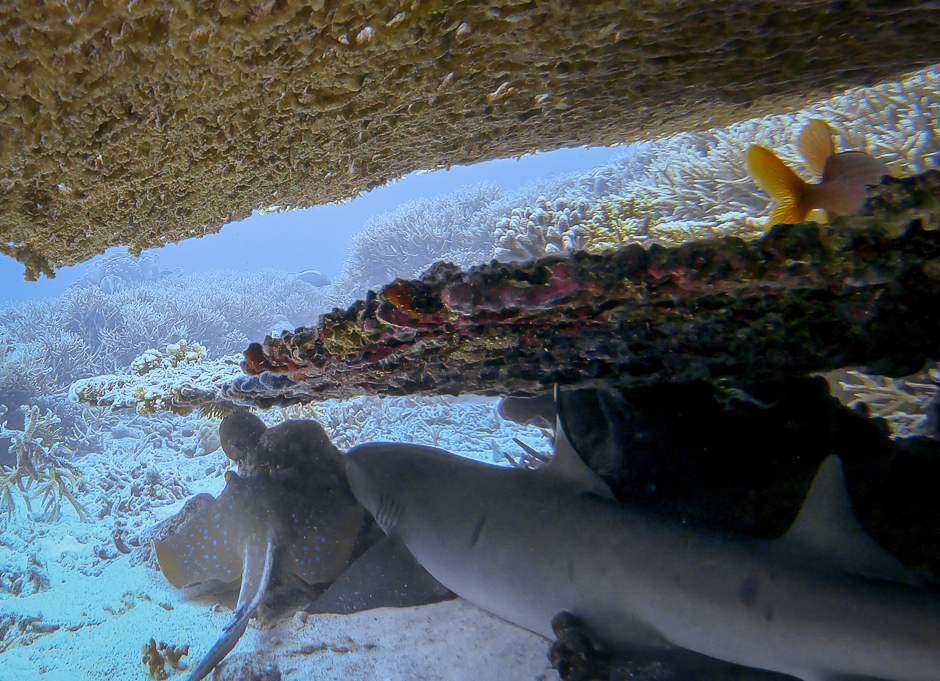
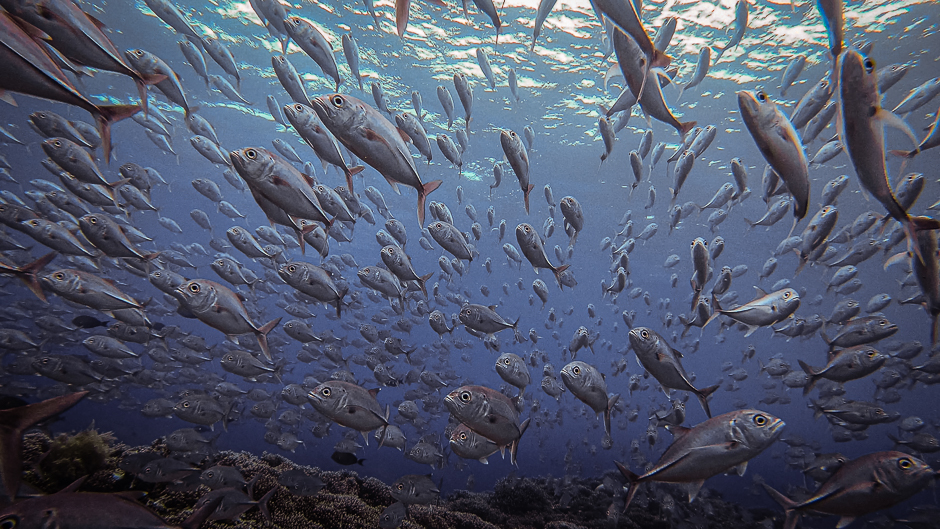
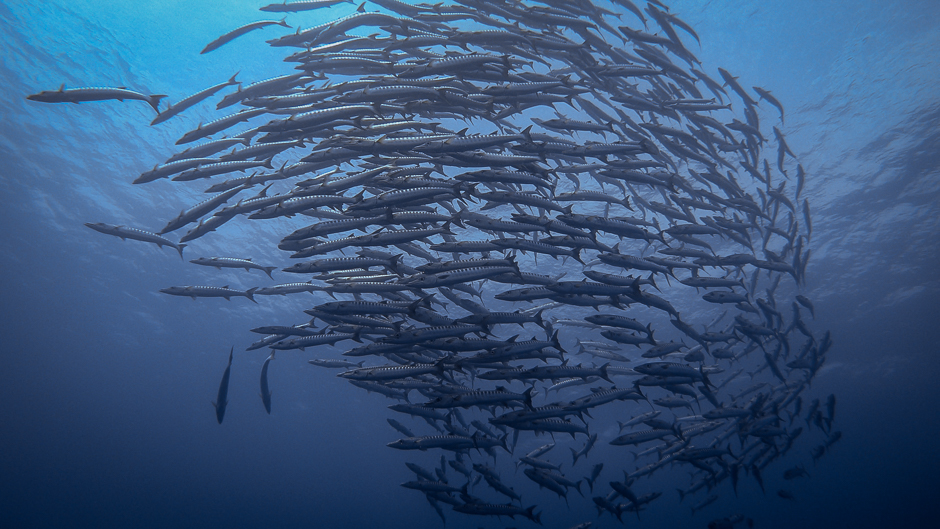
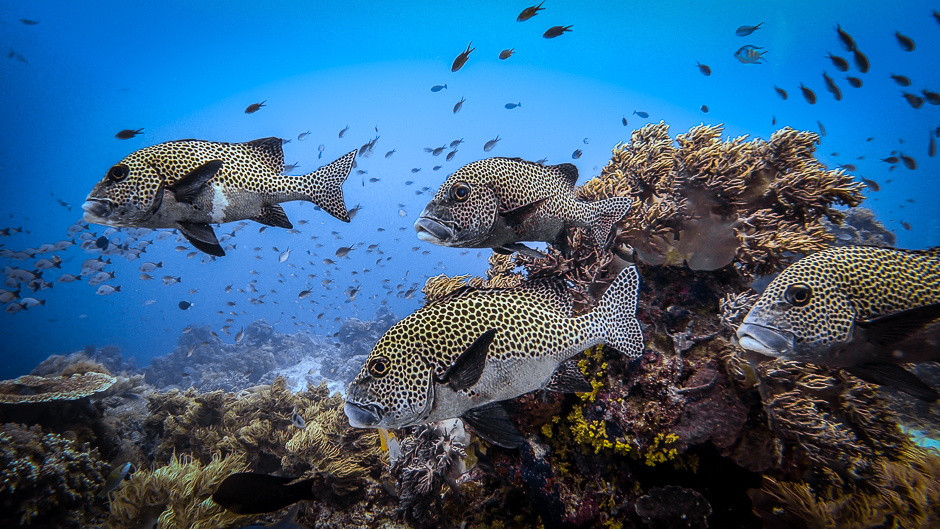
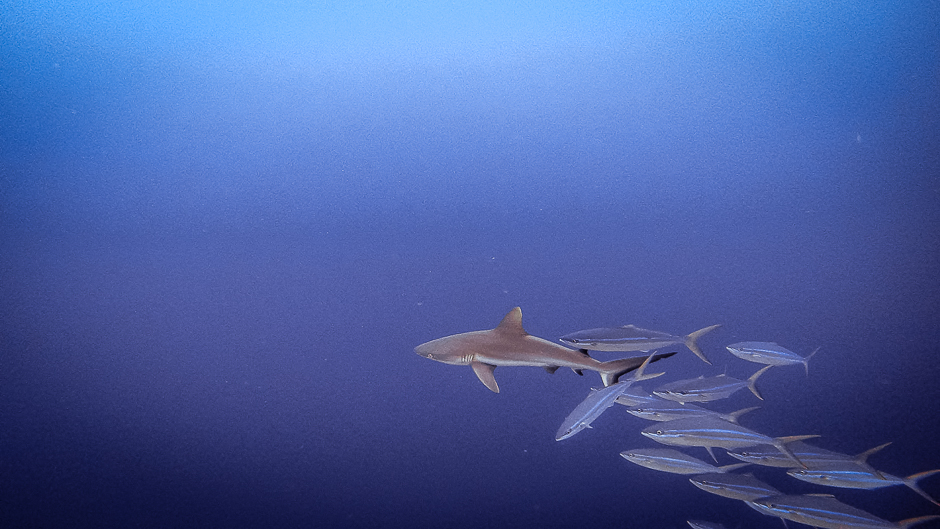
Six nights on the Infiniti in June 2023 showed me why Tubbataha is a UNESCO World Heritage site, and why the boats sell out a year ahead. At Shark Airport, a tornado of more than 400 barracuda, a hammerhead and about 40 sharks along the wall. On the Southwest Wall, a shark nursery with more than 40 small sharks. At South Park, around 20 Napoleon wrasse.
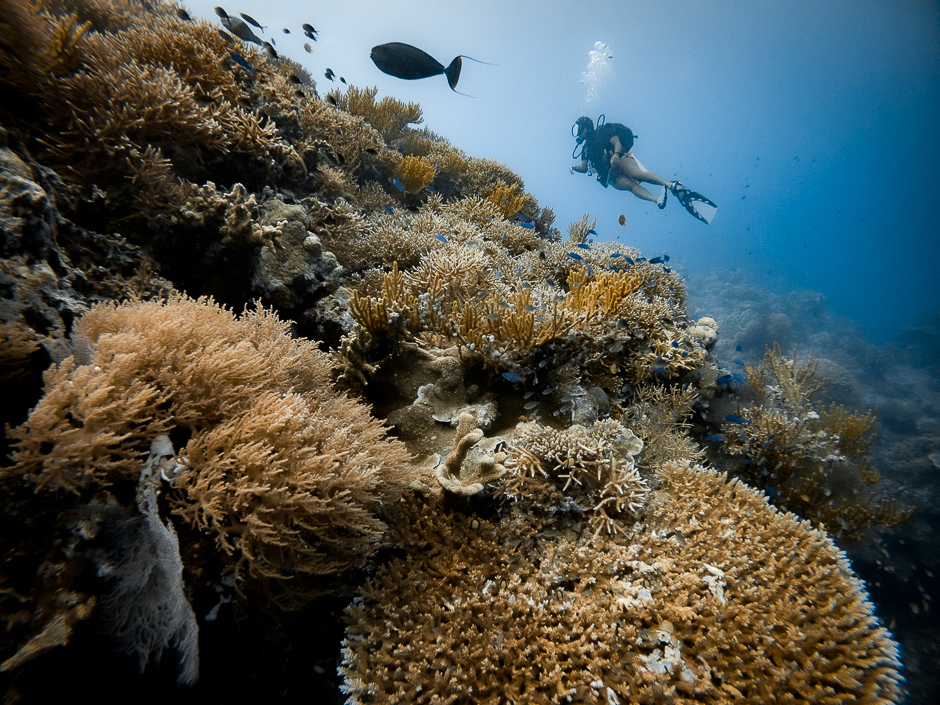
I had expected more big fish. What I got instead was a reef in superb health, wall after wall of it, and that is what makes Tubbataha special.
- Gateway: Puerto Princesa (PPS), Palawan
- Best months: the park opens only from about mid-March to mid-June, and boats sell out more than 12 months ahead
- Level: mild current, so it is a good destination for newer and intermediate divers; maximum 30 metres and 60 minutes
- How to dive it: liveaboard only
- Signature sites: Shark Airport, Southwest Wall, Delsan Wreck, South Park
Check Infiniti on Liveaboard.com
Where to Dive, Month by Month
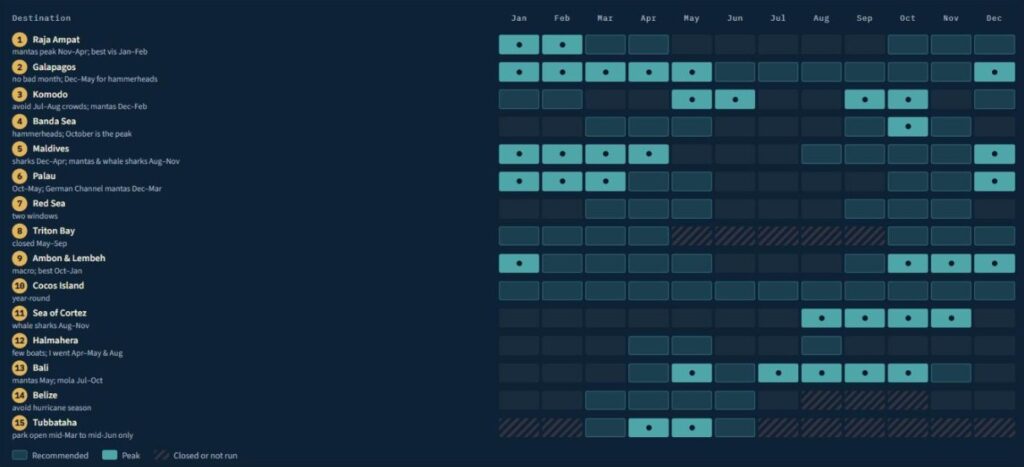
The best dive destination in the world depends on the month you can travel. Here is where I would go in each part of the year, taken from my own trips and reviews.
- January–February: Raja Ampat (best visibility and Misool access), the Galapagos, the Maldives, and Palau for mantas at German Channel.
- March–May: Tubbataha’s short season, the Red Sea, Belize, the Galapagos, and the shorter Banda window.
- May–June: Komodo’s sweet spot, before the July–August crowds, and Bali for mantas: my best Manta Point dive, with more than six mantas on the cleaning station at once, was in May.
- July–October: Bali for mola mola (and mantas at Manta Point), the Sea of Cortez for whale sharks, and Maldives mantas.
- September–November: Banda Sea hammerheads (October is the peak), Komodo again, the Red Sea, Raja Ampat and Triton Bay reopening, and Ambon at its best for macro (October to January).
- Year-round: Cocos Island, and the Galapagos, which has no bad month: December to May for warmer water, calmer seas and the densest hammerhead schools, the rest of the year cooler.
Best Places to Scuba Dive by What You Want
| If you want… | Go to |
|---|---|
| Hammerhead schools | Galapagos, Cocos Island, Banda Sea |
| Mantas | Raja Ampat, Komodo, Maldives, Palau |
| Whale sharks | Triton Bay, Sea of Cortez |
| Macro and critters | Ambon and Lembeh, Komodo, Bali |
| Underwater photography (wide-angle) | Raja Ampat, Maldives, Galapagos |
| Pristine reef | Tubbataha, Triton Bay |
| Easy diving for newer divers | Tubbataha, Belize, Bali (Tulamben and Amed) |
| A non-diving partner | Maldives, Bali, Red Sea (resort bases) |
| Short flight from Europe | Red Sea |
| No other boats | Triton Bay, Halmahera, North Bali |
For whale sharks specifically, I rank the places I have swum with them in the best places to dive with whale sharks.
How Hard Is the Diving?
The top of this list is not beginner territory. Here is how my 15 picks split by difficulty, so you can match the destination to your logbook.
- All levels: Raja Ampat, Tubbataha, Belize, the Sea of Cortez, Ambon’s shore dives, Lembeh, and Bali’s Tulamben, Amed and Menjangan coast.
- Intermediate (about 50 dives, comfortable with a reef hook): the Maldives, Palau, Triton Bay, the Red Sea, Halmahera.
- Advanced (strong current, negative entries, open-blue safety stops): Komodo, the Banda Sea, the Galapagos, Cocos Island.
Liveaboard or Dive Resort?
Four places on this list can only be dived properly by liveaboard: Cocos Island, the Galapagos islands of Wolf and Darwin, Tubbataha and the Banda Sea. Triton Bay, Halmahera and Belize’s outer atolls are realistically liveaboard trips too. Bali, the Red Sea, Komodo and the Maldives work from land as well. Even there, a boat reaches more sites and more remote ones, and in the Maldives a liveaboard week cost me less than a resort with the same number of dives. For the boats, see my best luxury liveaboards in Indonesia and best Raja Ampat liveaboards.
Places That Didn’t Make My List (Yet)
- Seychelles: I have dived there, but only four dives in rough January seas, which isn’t enough to judge it fairly.
- Fiji: I did only three dives there, which is not enough to rate the place.
- Socorro, Sipadan, Fakarava and Ningaloo: on many other lists, but I haven’t dived them, so they aren’t on mine. I will add each one when I have been.
Planning Your Dive Trip
- Log the dives first. Four of the top five destinations here involve strong current. Fifty logged dives and Advanced Open Water is the realistic entry ticket.
- Book early. Tubbataha sells out a year ahead, and the best Galapagos and Banda boats nearly as fast.
- Pack for current. A reef hook and a surface marker buoy are essential in Komodo, the Maldives and the Banda Sea. My scuba gear list and liveaboard packing list cover what I bring.
- Plan your exposure protection. Water on this list runs from 14°C at the Galapagos thermocline to 30°C in the Maldives. A 3 mm suit covers most of Asia; bring a 7 mm for the Galapagos.
- Protect the reef. Several of these destinations restrict sunscreen ingredients; see reef-safe sunscreen for divers.
Where Is the Best Scuba Diving in the World? My Verdict
Raja Ampat takes first place because it puts the fish, the mantas and the coral on the same dives, and because more than ten visits have not dulled it. For the single most dramatic big-animal trip of your life, book the Galapagos between December and May, and log your 50 dives first. And if you only remember one thing from this list, make it this: Indonesia dominates it for a reason. Seven of my 15 best dive destinations in the world are Indonesian, and between Raja Ampat, Komodo, the Banda Sea and Triton Bay you could dive a different world-class region in every season of the year without leaving the country.
Frequently Asked Questions
What is the best dive destination in the world?
On my own logbook, Raja Ampat in Indonesia, for the density of fish, mantas and coral. For big animals alone, the Galapagos gave me the best diving of my 1,500-plus dives.
Where is the best place to dive with hammerhead sharks?
The Galapagos (Wolf and Darwin) and Cocos Island in Costa Rica, where I counted more than 70 on one dive. The Banda Sea in Indonesia gave me more than 200 in a week on the Sea Safari 6.
What are the best dive destinations for beginners?
Tubbataha in the Philippines, Belize and Bali’s Tulamben and Amed coast, all with mild current. The Sea of Cortez in Mexico was also very easy diving.
Which country has the best diving in the world?
Indonesia. Seven of my 15 best dive destinations are Indonesian: Raja Ampat, Komodo, the Banda Sea, Triton Bay, Ambon and Lembeh, Halmahera and Bali.
When is the best time to dive Raja Ampat and Komodo?
Raja Ampat from October to April. Komodo in May, June, September and October, avoiding the July–August crowds.
Is a liveaboard or a dive resort better?
For Cocos Island, Wolf and Darwin in the Galapagos, Tubbataha and the Banda Sea, a liveaboard is the only real option. In Bali, the Red Sea and the Maldives you can choose; a boat reaches more sites, while a resort suits a non-diving partner.
Where should I go for underwater photography?
For wide-angle, Raja Ampat, the Maldives and the Galapagos. For macro, Ambon and Lembeh first, then Komodo and Bali.
What is the best dive destination for couples where only one person dives?
The Maldives, Bali and the Red Sea, where a resort base gives the non-diver plenty to do while the diver goes out on day boats.
Do you need a liveaboard for the best dive destinations?
For most of the top ten, yes. Bali and the Red Sea work well from land, and Komodo and the Maldives offer both.
How many dives do you need for advanced dive destinations?
Around 50 logged dives and Advanced Open Water for Komodo, the Banda Sea and the Maldives channels. Some Komodo boats ask for 60, and the Galapagos and Cocos are for experienced divers only.
When is the best time of year to go diving?
It depends on where you go. January–February for Raja Ampat and the Maldives, March–June for Tubbataha, the Red Sea and Komodo, July–October for Bali’s mola mola and Sea of Cortez whale sharks, and October for Banda Sea hammerheads.
Where is the best place to dive with manta rays?
Raja Ampat, where more than 15 mantas stayed with me for a full hour at Magic Mountain, then Komodo’s Manta Alley and Palau’s German Channel. In Bali, Manta Point is at its best in May.
Where is the best macro diving in the world?
Ambon and Lembeh in Indonesia. Ambon has more strange fish and critters per square metre than anywhere else I have dived, and the best sites are easy shore dives.
Disclosure: this article contains affiliate links. If you book through them, I earn a small commission at no extra cost to you. Read my full disclosure policy.
Every dive in this list is first-hand. Read more about how I review, or visit my Work With Me page.