Wild Wakati Camp, the first camp from Enduata Camps, opened in early 2026 in the Central Serengeti: ten tents on a private 160,000-square-metre site, 15 kilometres from the nearest road, built without a single concrete foundation and designed to be removed without trace. Full-board game packages run from $510 to $1,395 per person per night by season, and from May 2027 British Airways flies direct to Kilimanjaro from London Gatwick.
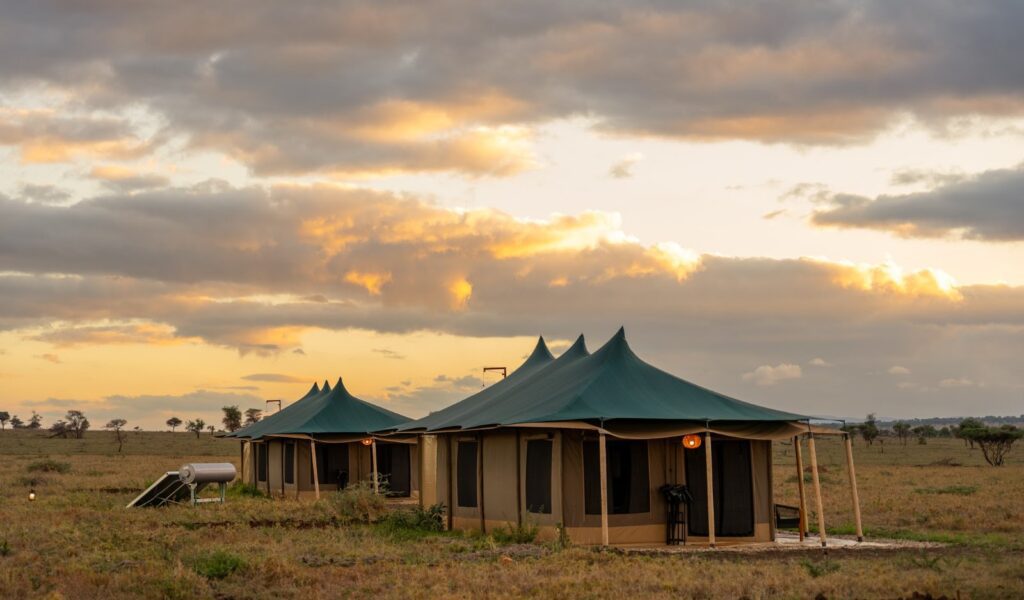
The Serengeti has a traffic problem. The famous crossings on the Mara River draw a line of vehicles in August, the Seronera valley fills with minibuses in high season, and the big lodges on the main tracks can feel like a convention. The camps worth knowing about are the ones that step away from all that, and Wild Wakati Camp is built on exactly that idea: a private site in the Central Serengeti, a quarter of an hour’s drive from the nearest road, with ten tents and nothing else in sight.
It is the first camp from Enduata Camps, a young Tanzanian operator founded by Michael Shayo, a Tanzanian guide with more than a decade in the bush, and Matt Wilkey, a British hospitality specialist. It opened at the start of 2026, and with British Airways launching direct flights from London to Kilimanjaro in May 2027, it is about to become a great deal easier to reach.
Wild Wakati Camp: Key Facts
- Opened: early 2026, the inaugural camp from Enduata Camps; open year-round
- Where: the Central Serengeti, Tanzania, on a private 160,000-square-metre site 15 km from the nearest road, with direct access to the Great Migration corridor
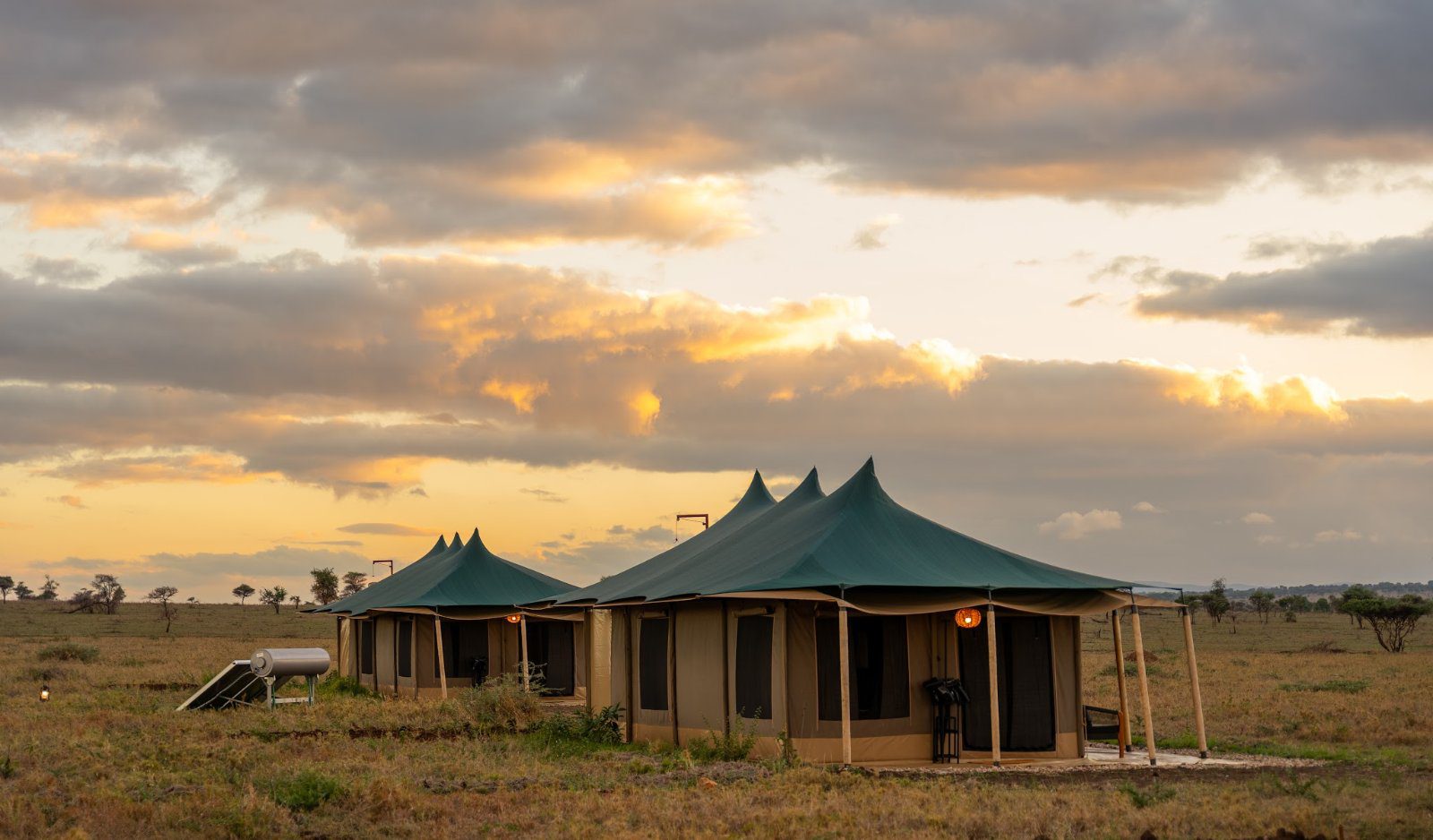
- Tents: ten in total — eight guest tents for two and two family tents sleeping up to five across two adjoining suites
- In the tent: emperor beds, en-suite bathrooms with plumbed toilets and double sinks, an outdoor 20-litre bucket shower, Wi-Fi, a safe, and five double sockets
- Shared spaces: a lounge tent with bar, a separate dining tent, and a campfire for sundowners
- Footprint: no concrete foundations, so the camp can be removed without a permanent trace; tents and furniture handcrafted in Tanzania; 24-hour solar power
- Community and conservation: a member of The Long Run, following its 4Cs framework (Conservation, Community, Culture, Commerce); local staff including members of the Maasai community
- Rates: full board and game packages per person per night from $510 to $630 in the green season, $610 to $730 in the shoulder season and $810 to $1,395 in the high season
Ten Tents and No Concrete
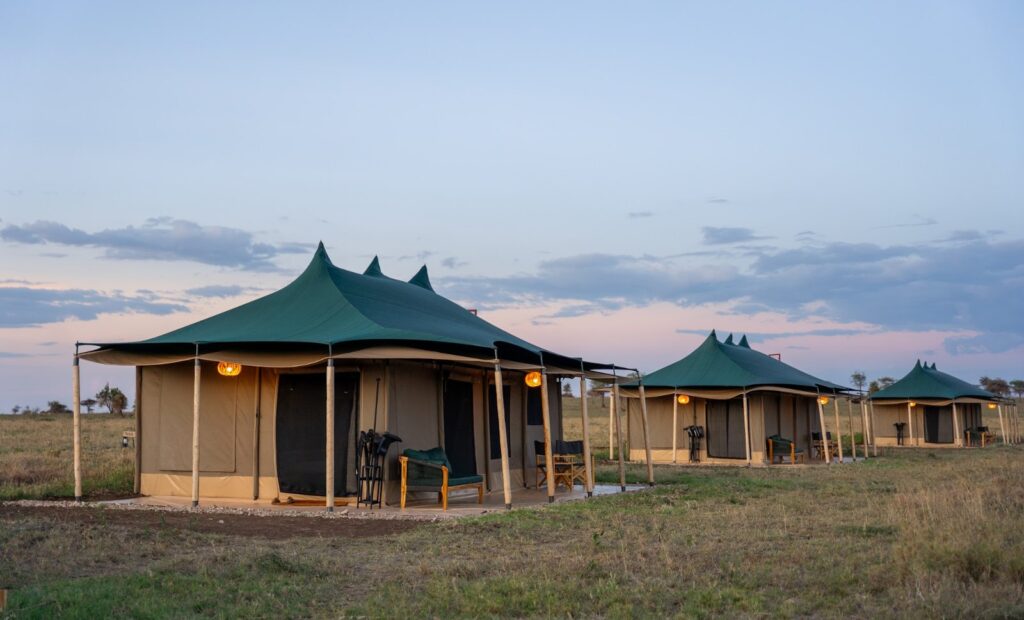
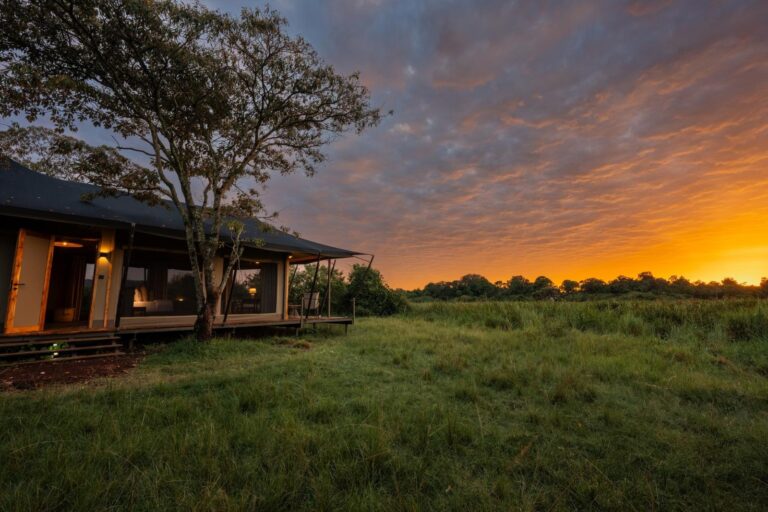
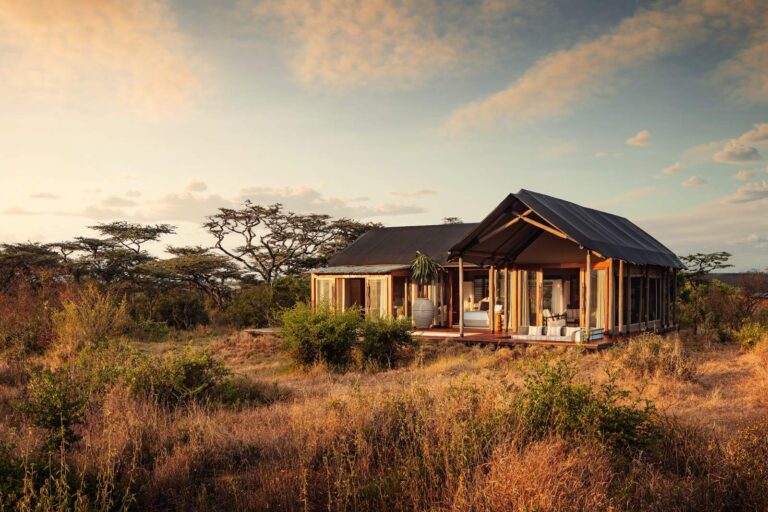
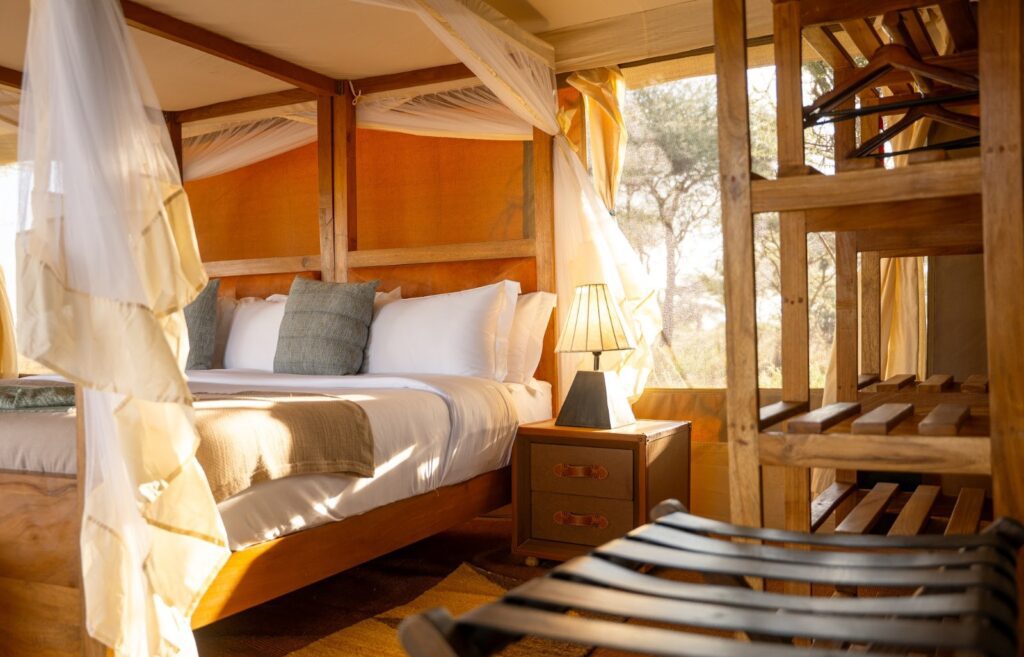
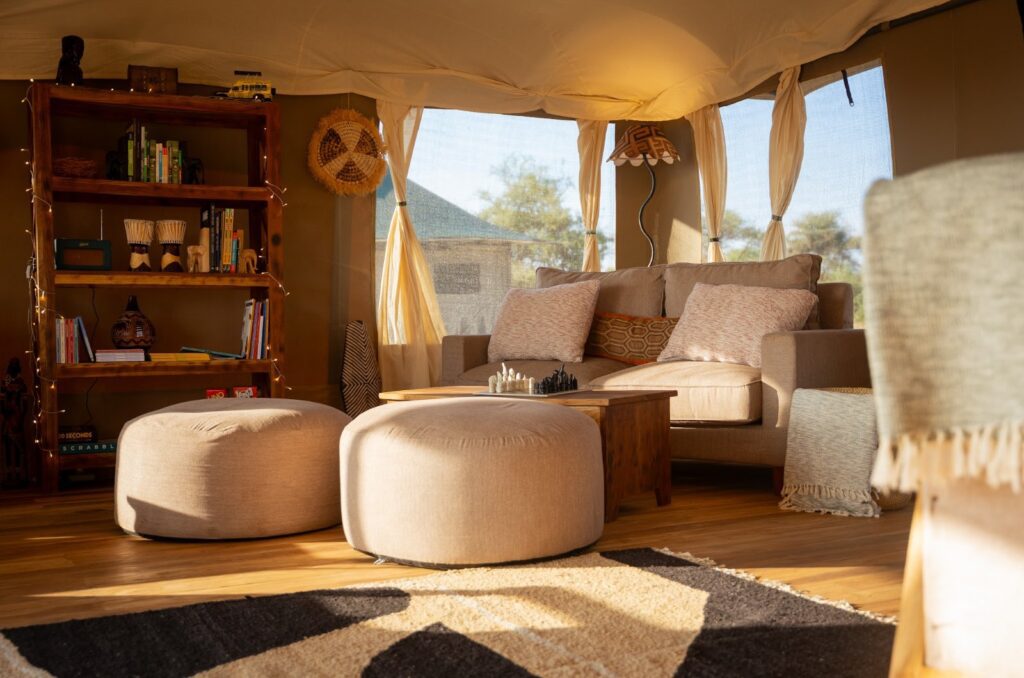
The eight guest tents each take two people, on a seven-foot emperor bed that can be split into twins, with a desk, a small veranda facing the plains and room for a child’s bed. The two family tents are the clever part: two adjoining suites, each with its own bathroom, joined by a central sitting area, which is the layout most families actually want and most safari camps do not offer. Bathrooms are en suite with plumbed toilets and double sinks, and the outdoor shower is a 20-litre bucket shower, filled on request and gravity-fed — old-school, deliberately so, and it uses only the water you need.
What you will not find at Wild Wakati Camp is concrete. The whole camp sits on the ground without permanent foundations, so it could be taken down tomorrow and the plain would recover. The tents and much of the furniture were made in Tanzania, the power is solar around the clock, and the toiletries are local. It is a light-footprint camp in the proper sense, and the practical result is that the tents feel like tents — canvas, air, the sound of the plains at night — rather than hotel rooms with a zip.
The Central Serengeti, Away From the Road
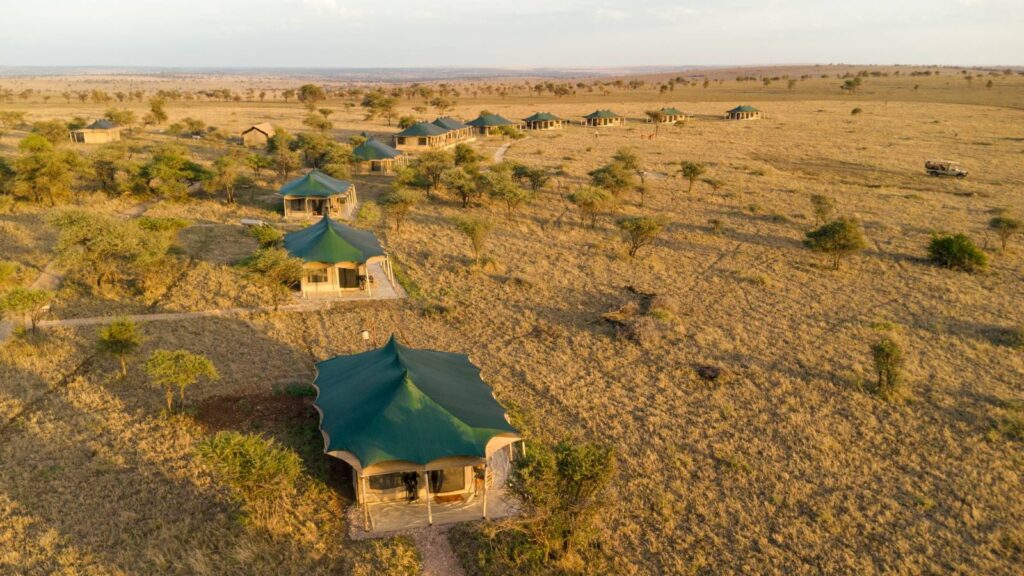
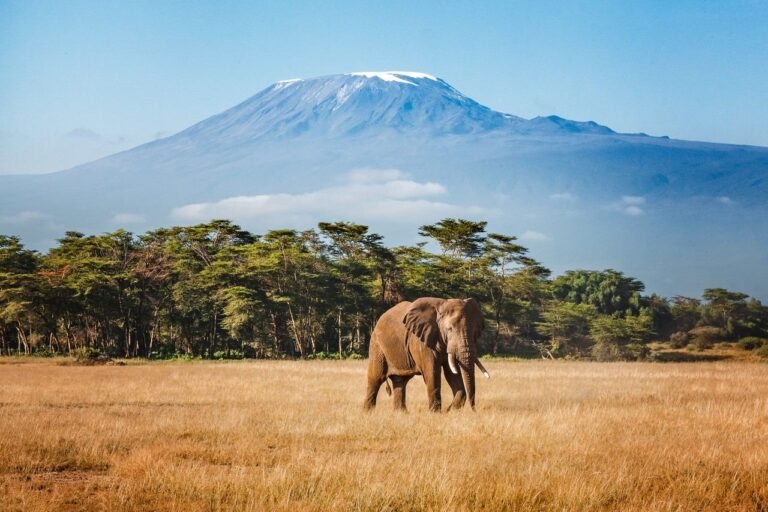
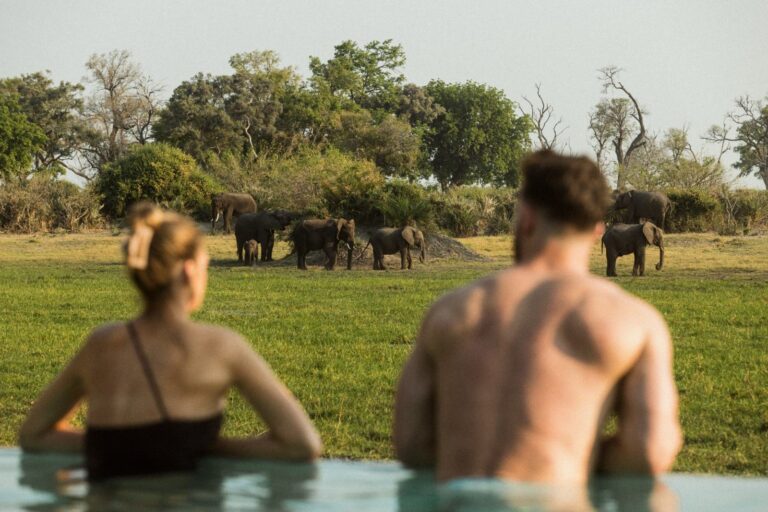
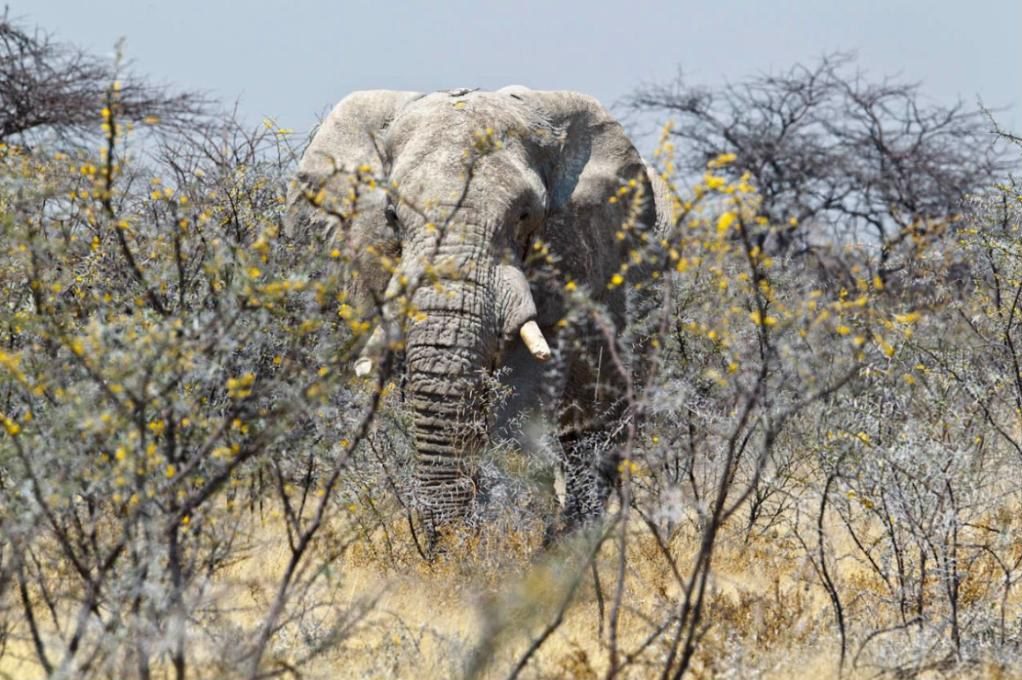
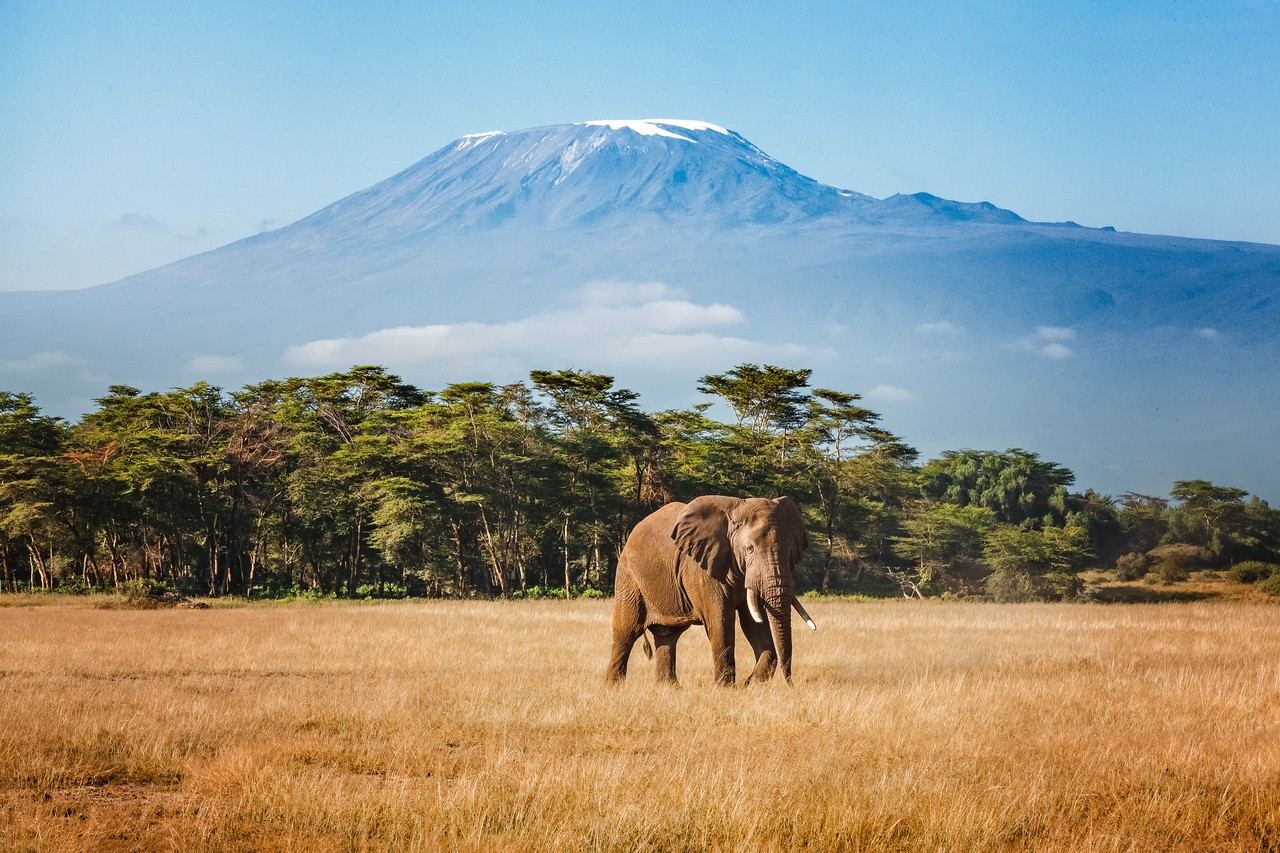
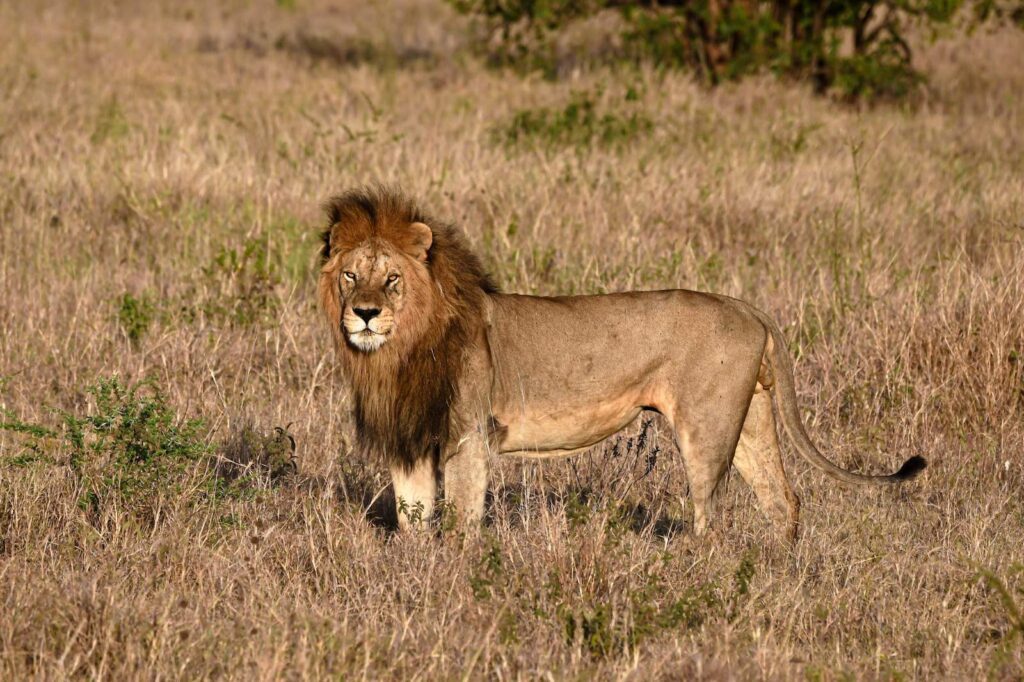
The Central Serengeti is the part of the park that works all year. The resident lion prides, the elephant herds, the leopards in the riverine trees are there in every month, and the Great Migration passes through on its way north in roughly April to June and back south towards the end of the year, so for part of the year the herds come to the camp rather than the other way round. Wild Wakati sits on its own 160,000-square-metre site, 15 kilometres from the nearest road, which in Serengeti terms means you are not sharing your sightings with the traffic from Seronera.
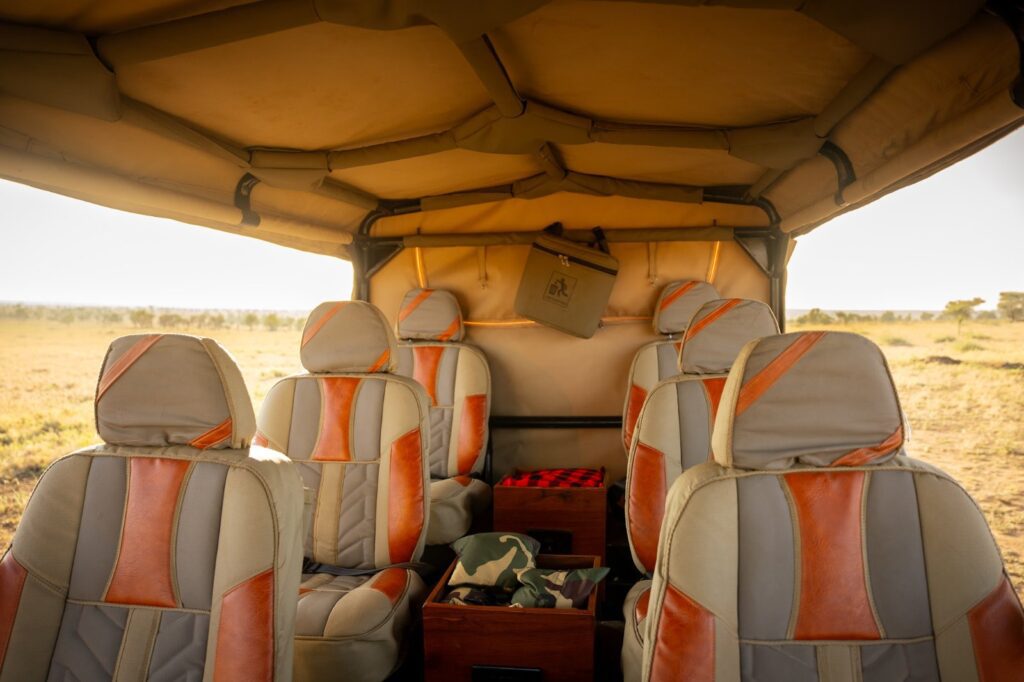
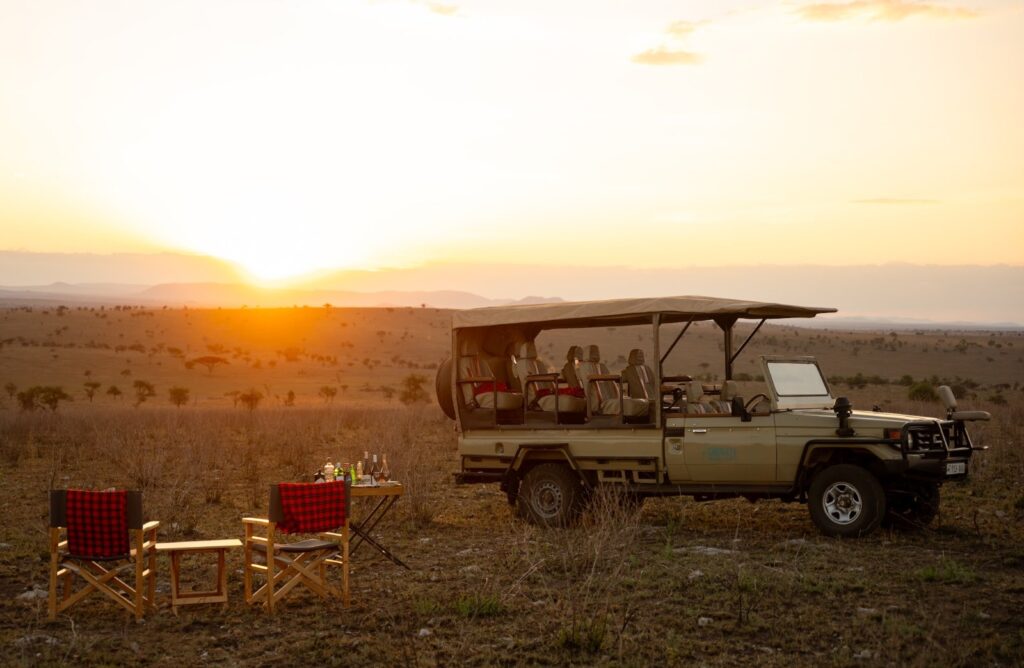
Days at Wild Wakati Camp are built around game drives in 4x4s with specialist guides, with bush breakfasts and packed lunches for the long days out, sundowners on the plains and a campfire with snacks before dinner. Honeymooners can have a private vehicle and a candlelit dinner in a quiet corner of camp; families get a children’s programme, Enduata Explorers, for ages five and up, with guided walks, footprint identification, Maasai bow and spear lessons, cooking, stargazing and drumming. Maasai warriors escort everyone to and from their tents after dark, because the camp is unfenced and the Serengeti does not stop at the canvas.
Who Is Behind It
Enduata Camps is a Tanzanian company, which still matters in a safari industry where most of the premium camps are owned from Johannesburg, London or Nairobi. The global hotel groups are arriving too, as JW Marriott’s new safari camp on Mount Kenya shows. Michael Shayo is a Tanzanian guide with more than 13 years in the field; Matt Wilkey comes from British hospitality. The camp employs local staff, including members of the Maasai community, and is a member of The Long Run, the non-profit network of nature-based tourism businesses that commits its members to the 4Cs of Conservation, Community, Culture and Commerce. In the language of the trade this is regenerative safari; in plain terms it is a small camp trying to leave the place better than it found it.
Getting There, and the British Airways Factor
Most guests arrive by light aircraft from Arusha or Kilimanjaro into one of the Central Serengeti airstrips, and the camp arranges the transfer. The news for 2027 is that British Airways is launching direct flights from London Gatwick to Kilimanjaro and Zanzibar from 29 May 2027, three times a week on a Boeing 777 with a Club World cabin, which takes the Gulf connection out of the journey for anyone flying from the UK. It also makes the classic Serengeti-and-Zanzibar fortnight a single-airline trip for the first time in years.
How Much Does Wild Wakati Camp Cost?
Enduata quotes full board and game packages per person, based on two sharing or single occupancy: $510 to $630 a night in the green season, $610 to $730 in the shoulder season and $810 to $1,395 in the high season. That includes all meals, wines, spirits and mocktails, game drives in the camp’s own vehicles with specialist guides, bush breakfasts and packed lunches, laundry, Wi-Fi and 24-hour security. Champagne is available if you ask before you arrive; park fees and flights are on top.
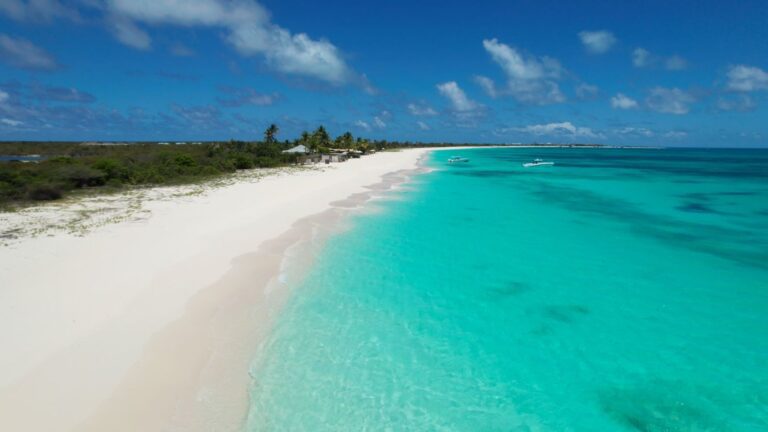
Small tented camps like this one are not sold on the big hotel platforms; you book through the camp or a safari specialist, who will also put together the bush flights. If you are adding Zanzibar at the end, as most people do, that is where comparing hotel rates is worth five minutes.
- Compare Zanzibar hotels on Booking.com — the widest choice on the east-coast beaches and in Stone Town
- See Zanzibar hotels on Expedia — useful when bundling the international flight
In the Serengeti itself, a dawn balloon safari over the plains is the one extra worth budgeting for.
The Lens I’m Reading This Through
I covered Wilderness Mara on the Kenyan side of the same ecosystem last week, a side of the border I know from my own stay at Tangulia Mara and from weighing up Laikipia vs the Masai Mara, and the two camps make an interesting pair: one from the biggest name in African safari, one from a two-person Tanzanian start-up. What they share is the thing that actually matters on safari, which is position. A tent is a tent; the animals are where they are. Fifteen kilometres from the nearest road in the Central Serengeti is a very good place to put ten of them.
What a press kit can’t tell me is the guiding, which at a camp this size is everything, or how the bucket showers and canvas feel to someone who booked expecting a lodge. Those need a stay. Wild Wakati Camp’s $510 green-season rate, for a private-site camp with all drinks and game drives included, is the number that stands out — it is a fraction of what the famous Serengeti names charge for a comparable tent.
Tip: For the migration through the Central Serengeti, aim for May or early June on the way north, or November to December on the way back south. Take a family tent even as a couple if you want the extra sitting room, and stay three nights — the first day is spent learning the plains.
Disclosure: this article contains affiliate links. If you book through them, I earn a small commission at no extra cost to you. Read my full disclosure policy.
This preview is based on official announcements — I haven’t stayed yet. Read more about how I review or visit my Work With Me page.