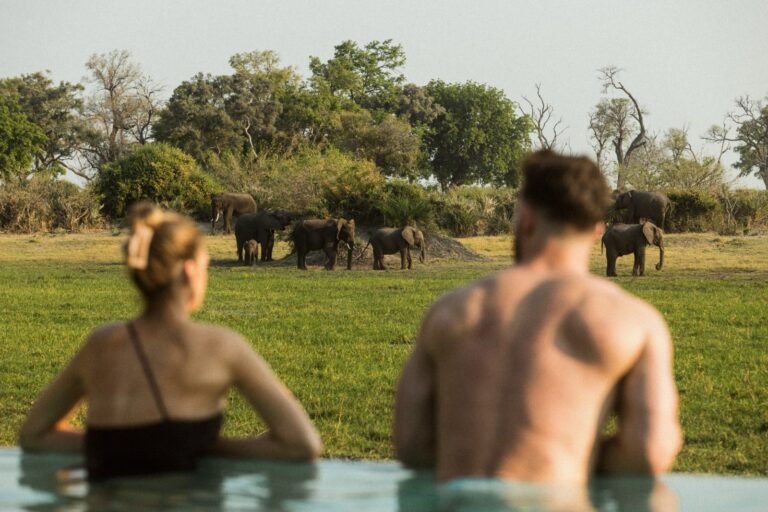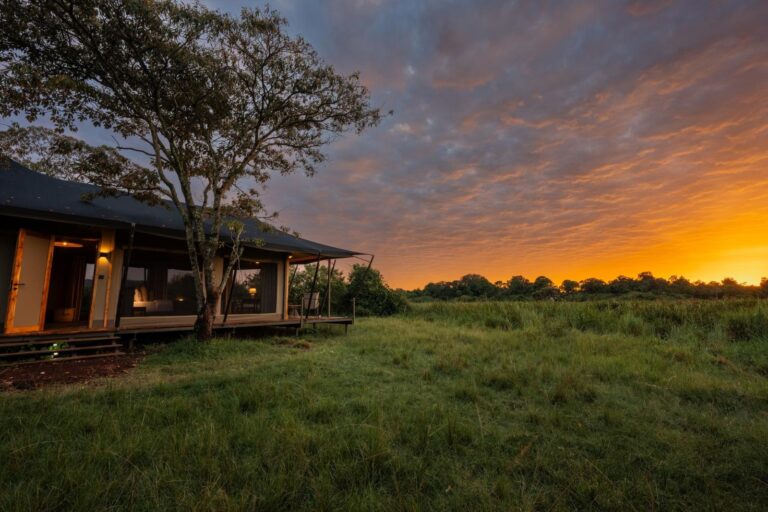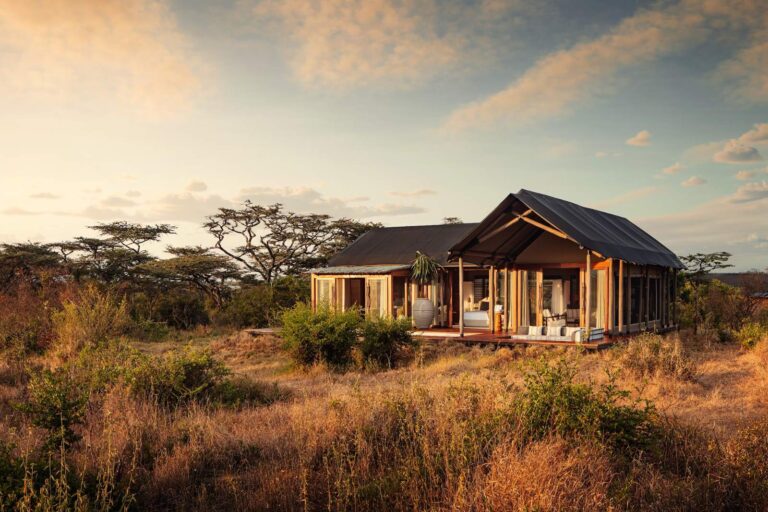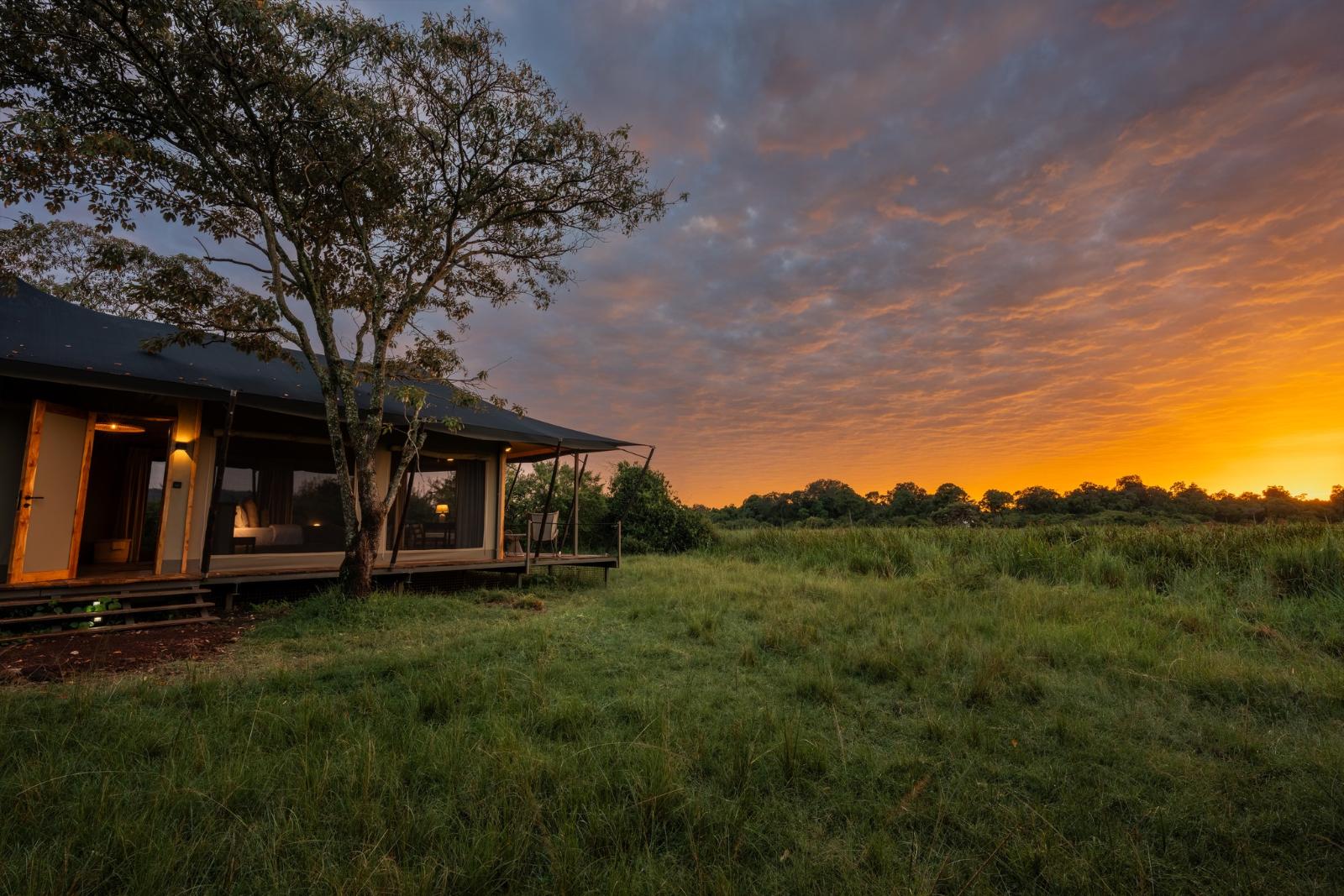
Wilderness is going to Namibia’s Etosha for the first time, and it is doing it on the quiet western edge rather than the busy eastern gates. Wilderness Etosha opens on 1 June 2027 with eight suites on a private 42-square-kilometre concession in the Hobatere landscape, adjoining the western boundary of Etosha National Park. The concession sits inside the Skeleton Coast Etosha Conservation Bridge, a 55,299-square-kilometre corridor that links the park to the communal conservancies and the coast, and the camp’s stated purpose is to keep that wildlife movement visible, understood and protected.
Wilderness Etosha: Key Facts
- Opening: 1 June 2027
- Location: Hobatere Concession, western boundary of Etosha National Park, north-west Namibia
- Suites: eight, each with a separate bedroom and lounge, outdoor sitting area, veranda and outdoor shower; best for guests 16 and over
- Concession: 42 square kilometres, private, with day and night drives and guided walks
- Park access: a route of about 38 kilometres through western Etosha reserved for camp guests, plus private access to the Miernes waterhole inside the park
- Hides: sunken and elevated hides at waterholes on the concession and in Etosha
- Conservation: part of the 55,299-square-kilometre Skeleton Coast Etosha Conservation Bridge; camera-trap surveys track wildlife movement across the concession
- Board: full board and activities
- Nearest town: Kamanjab, about 90 kilometres by road
The West Side of Etosha
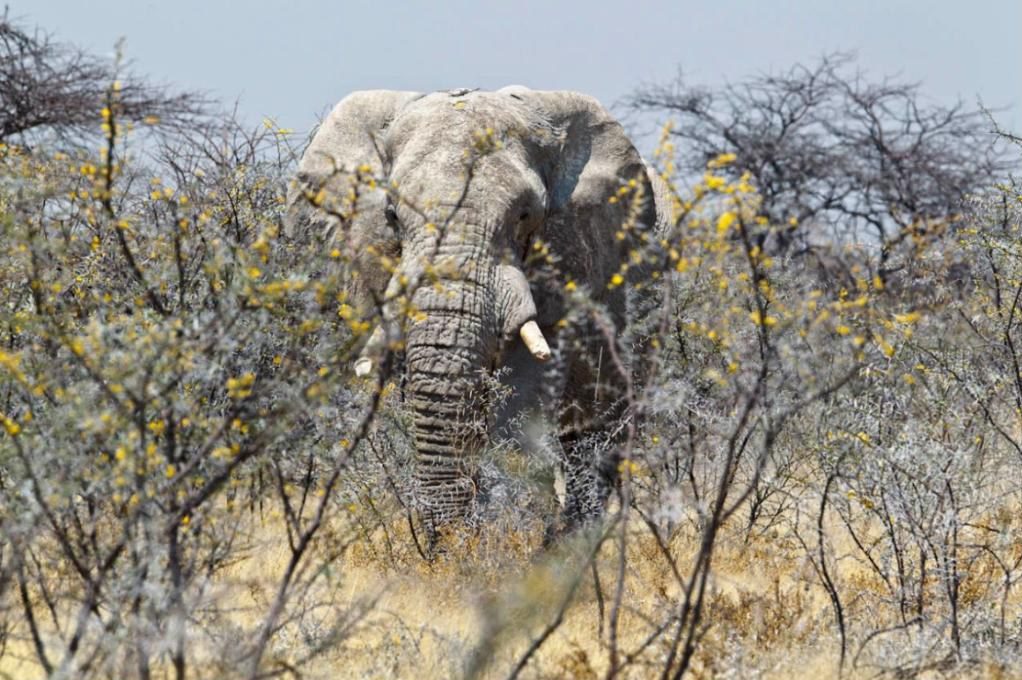
Most Etosha visitors enter from the east and the south and drive the pan from the big rest camps. The west was closed to the public for decades and only opened to independent travellers in 2014; it is hillier, drier and far less visited. Hobatere, on the park’s western fence, is known for lion and for the highland elephants that move through the rocky country between the park and the Kaokoveld. A private 38-kilometre route inside the park and a private waterhole are, in Etosha terms, unusual privileges, and they are what justify a Wilderness price in a park that is otherwise self-drive territory.
Why It Matters
Wilderness has spent 2026 opening and rebuilding camps across Africa: Wilderness Mara in Kenya’s Mara Triangle in June, and the wellness sanctuaries at Bisate and Mombo. Etosha is a different kind of move. Namibia is already one of Wilderness’s strongest countries, with Damaraland, Hoanib Skeleton Coast and the Sossusvlei camps, but it has never had a camp on Etosha itself. An eight-suite property at the Hobatere end plugs the gap between its Damaraland camps and the park, which is exactly the corridor the Conservation Bridge is meant to protect.
The conservation story is the point here, not an afterthought. A camp of this size does not pay for itself on bed nights alone; it pays by giving the concession a reason to exist as wildlife land rather than cattle land, and by putting guests and guides on the ground where the camera traps are. That is the model Wilderness has used in Botswana and Rwanda, and it is the reason this piece sits in the Sustainability section as well as the openings one.
Why I Am Watching This One
I have not stayed with Wilderness yet, so I am judging this on the plan and on the company’s record. What I can compare it to is the owner-run end of the safari market: Ol Malo in Laikipia, which I have reviewed first-hand, is also a small camp on private land with a conservation purpose, and that scale changes everything about how a safari feels. Eight suites on 42 private square kilometres, with a stretch of Etosha to yourselves, is the same idea in a very different landscape.
Tip: The camp opens on 1 June 2027, the start of Namibia’s dry season, when animals concentrate at the waterholes and the hides earn their keep. June to October is the window; if you can, go in the first weeks after opening, before word gets round.
Prices and How to Book
Wilderness has not published rates for Wilderness Etosha on the official pages I checked. The camp is on a full-board-and-activities basis and will book through Wilderness and its agents; access is by fly-in transfer or self-drive, and the camp recommends two or three nights. Malaria precautions apply. I will add rates when they are released.
Disclosure: this article contains affiliate links. If you book through them, I earn a small commission at no extra cost to you. Read my full disclosure policy.
This preview is based on official announcements — I haven’t stayed at Wilderness Etosha yet. Read more about how I review or visit my Work With Me page.