Wilderness Sanctuary retreats have opened at two of the company’s flagship camps — Bisate in Rwanda’s volcanic highlands and Mombo in Botswana’s Okavango Delta — with lap pools, saunas, ice baths and meditation pods aimed squarely at what a day in the field does to a body.
Safari marketing sells the dawn: the 5am wake-up, the cold drive, the animal found. It rarely mentions what comes after — hours braced in a vehicle on corrugated tracks, or, in Rwanda, a climb through wet bamboo at altitude with a camera bag. The finest camps in Africa have offered massage tents for years. What Wilderness has now built at Bisate and Mombo is a different proposition: recovery infrastructure, of the kind you would expect at an alpine clinic rather than a bush camp.
The Sanctuary at Wilderness Bisate, Rwanda
The lodge
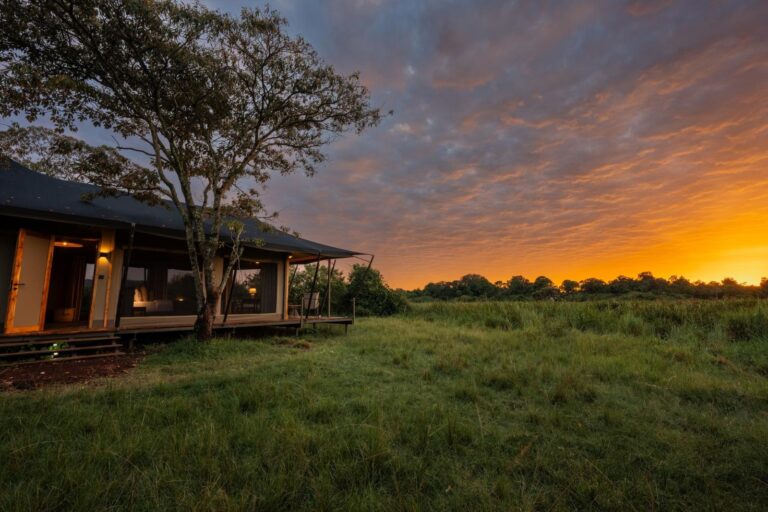
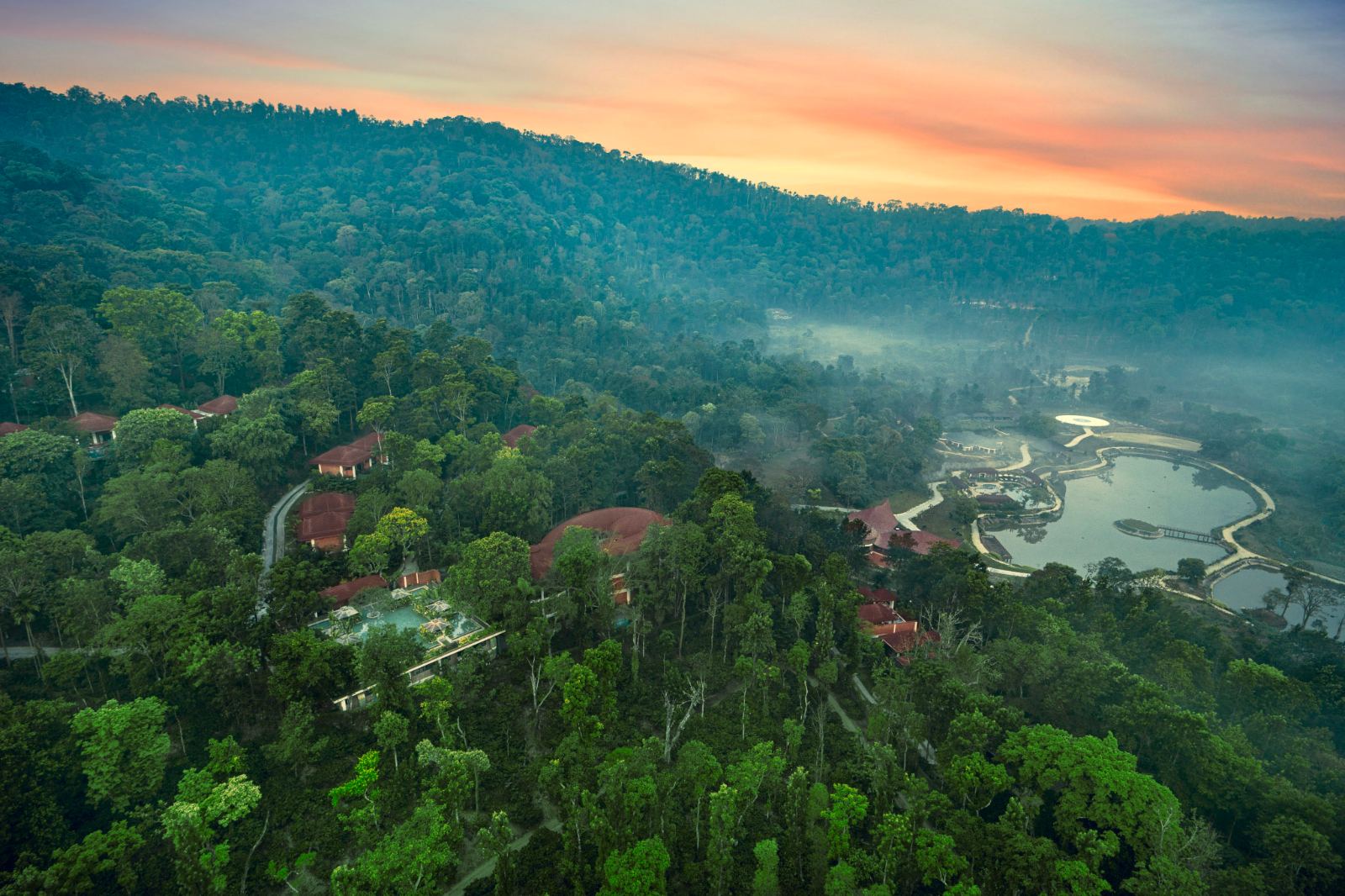
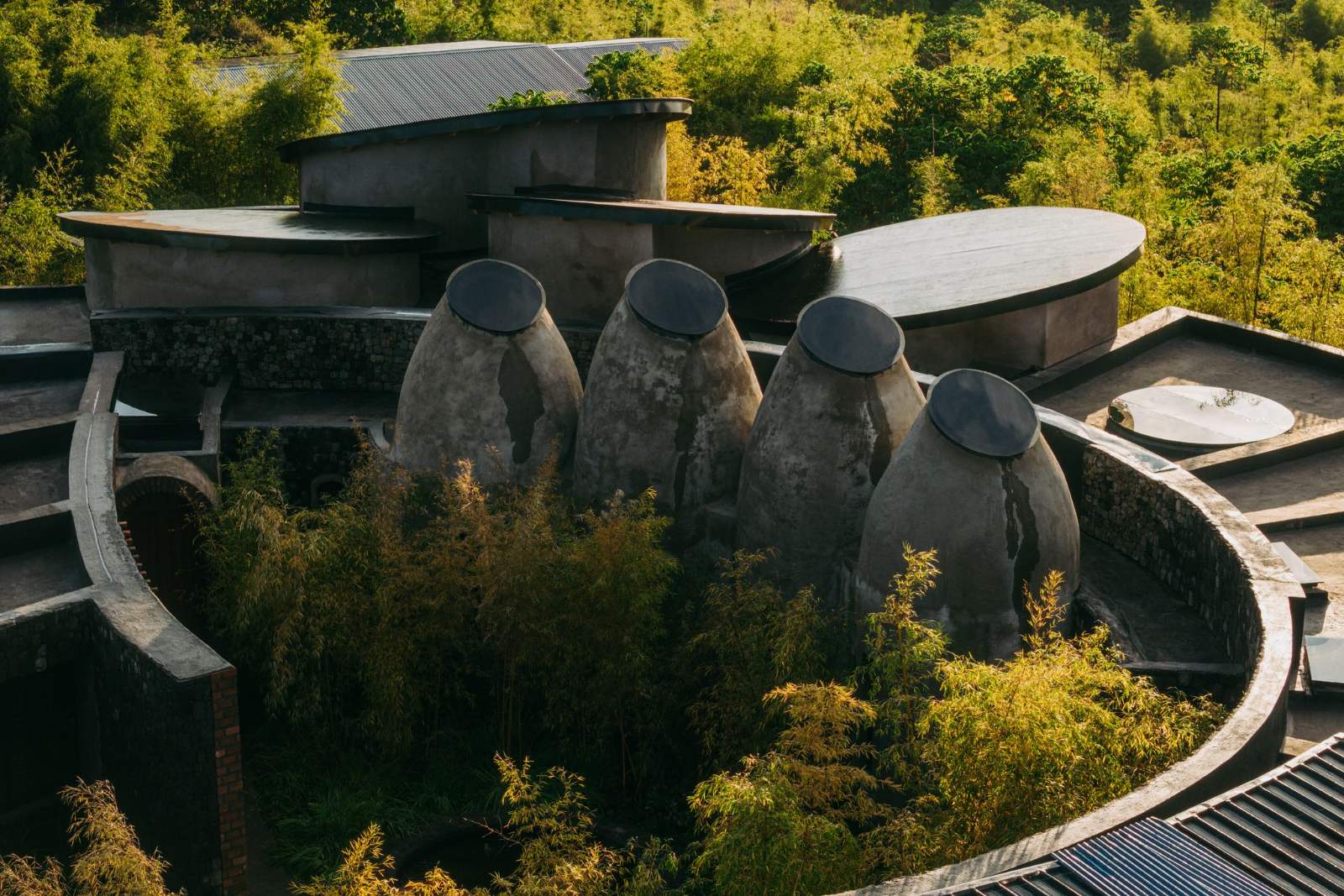
Bisate opened in 2017 and has collected 34 international awards since; Wilderness bills it as the most luxurious base in Africa from which to trek to see mountain gorillas. It is deliberately small: six forest villas, circular, elevated and built from natural materials to evoke giant birds’ nests, a reference to traditional Rwandan royal architecture. Each has a fireplace and a view across the Bisoke, Karisimbi and Mikeno volcanoes. The lodge sits in a natural volcanic bowl within walking distance of Volcanoes National Park, on land Wilderness manages to widen the gorillas’ forest habitat. More than 120,000 indigenous trees have gone in so far, and guests plant one of their own.
Out of sight but within walking distance is Bisate Reserve, the newer sister camp: four villas, each with a viewing deck and private hot tub, two of which link into a family suite. The Sanctuary serves both. Bisate is roughly a three-hour drive from Kigali via Musanze, and Wilderness recommends three to four nights, enough for two gorilla treks, a golden monkey trek and time to recover in between.
The Sanctuary
- Opened: December 2025
- Where: the volcanic highlands beside Volcanoes National Park, serving guests of both Bisate and Bisate Reserve
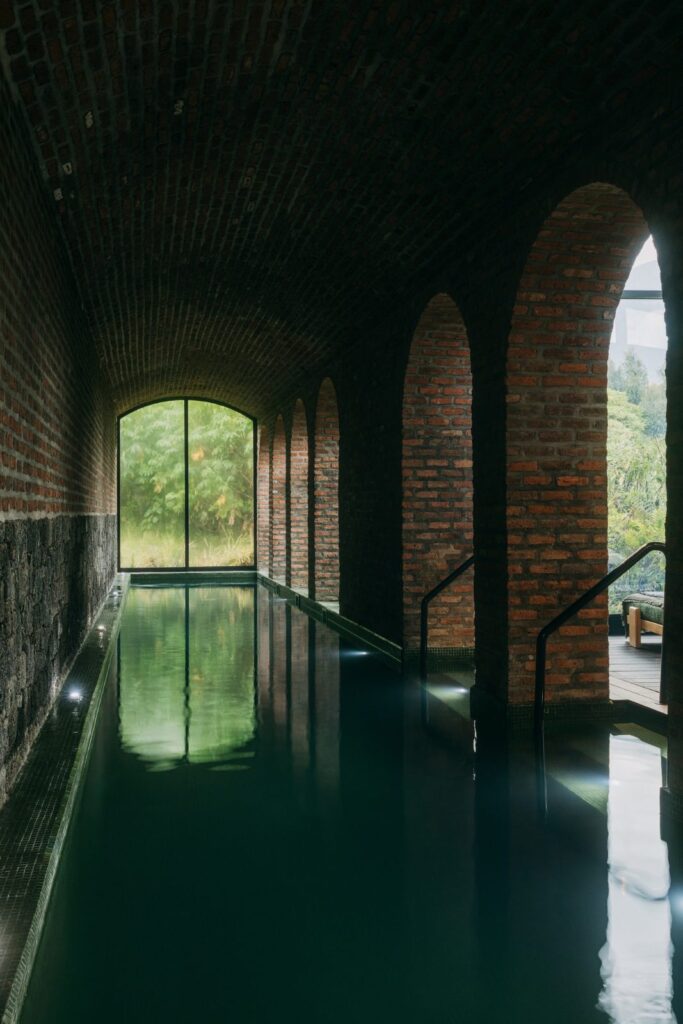
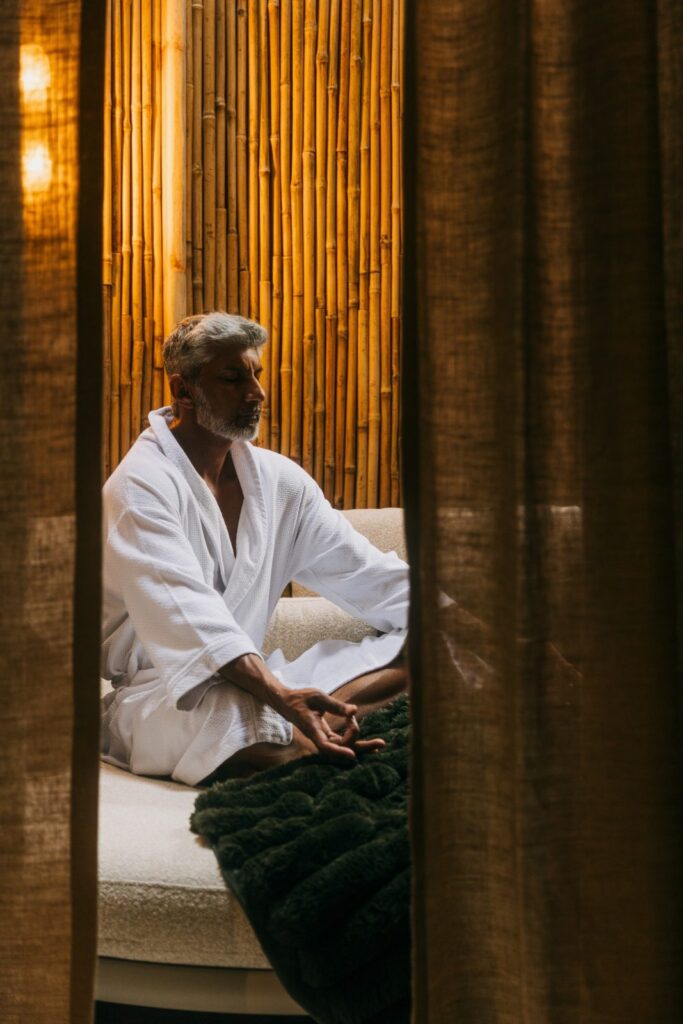
- Facilities: a heated saltwater indoor lap pool, steam room, ice bath, cocoon-like meditation pods, a fully equipped gym and a dedicated yoga area
- The design brief: a grounding retreat — curated soundscapes, signature scents, natural materials and a deliberately understated design language
- Rates: Bisate from US$2,569 per person sharing per night
The Sanctuary at Wilderness Mombo, Botswana
The camp
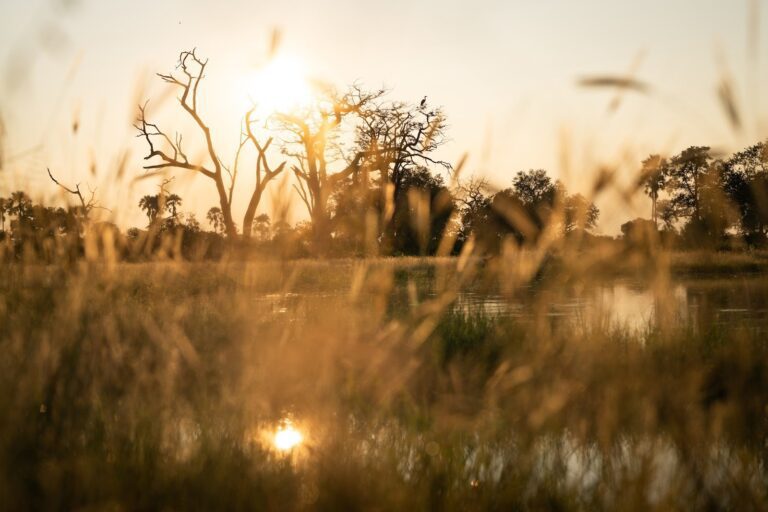
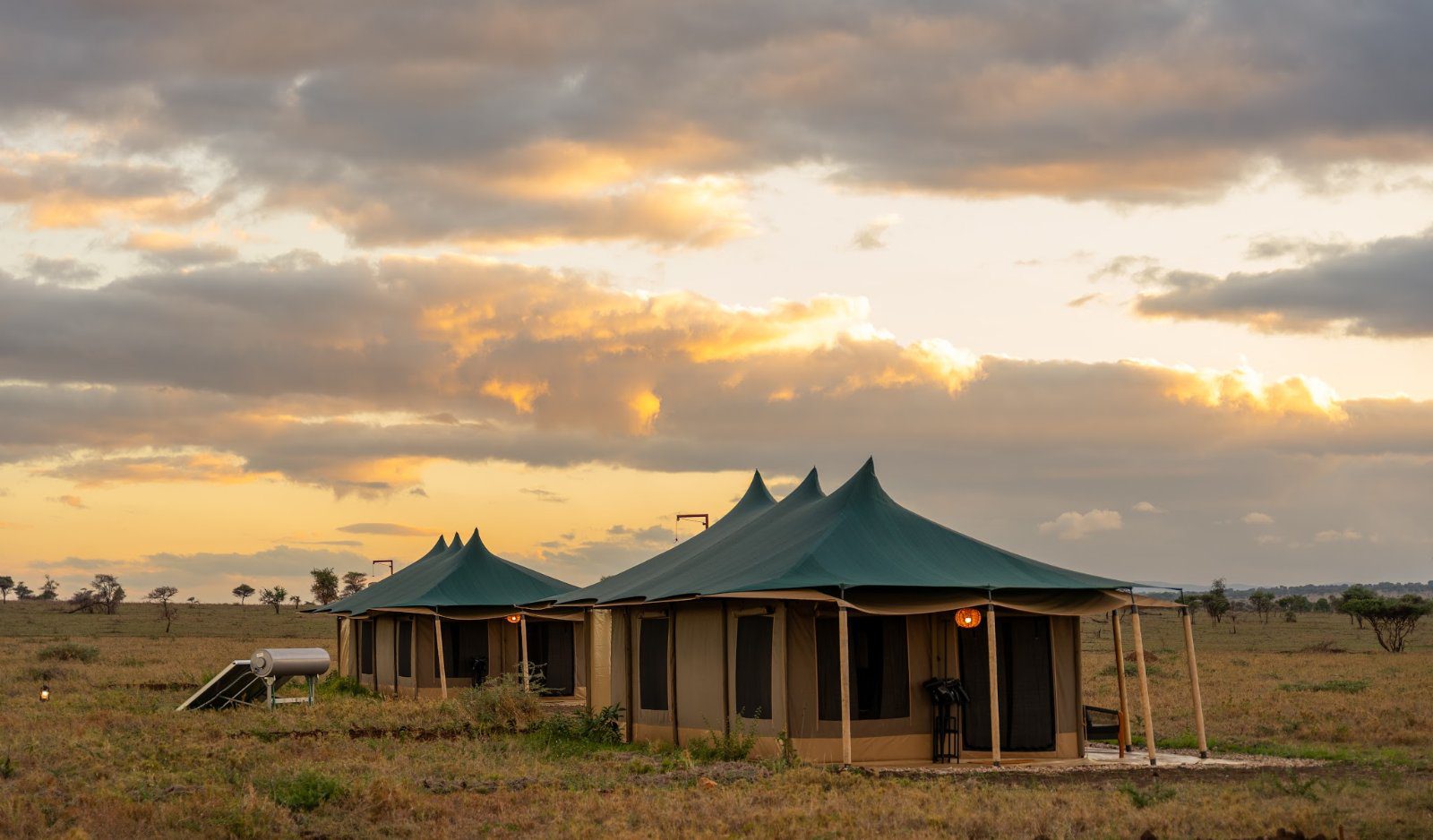
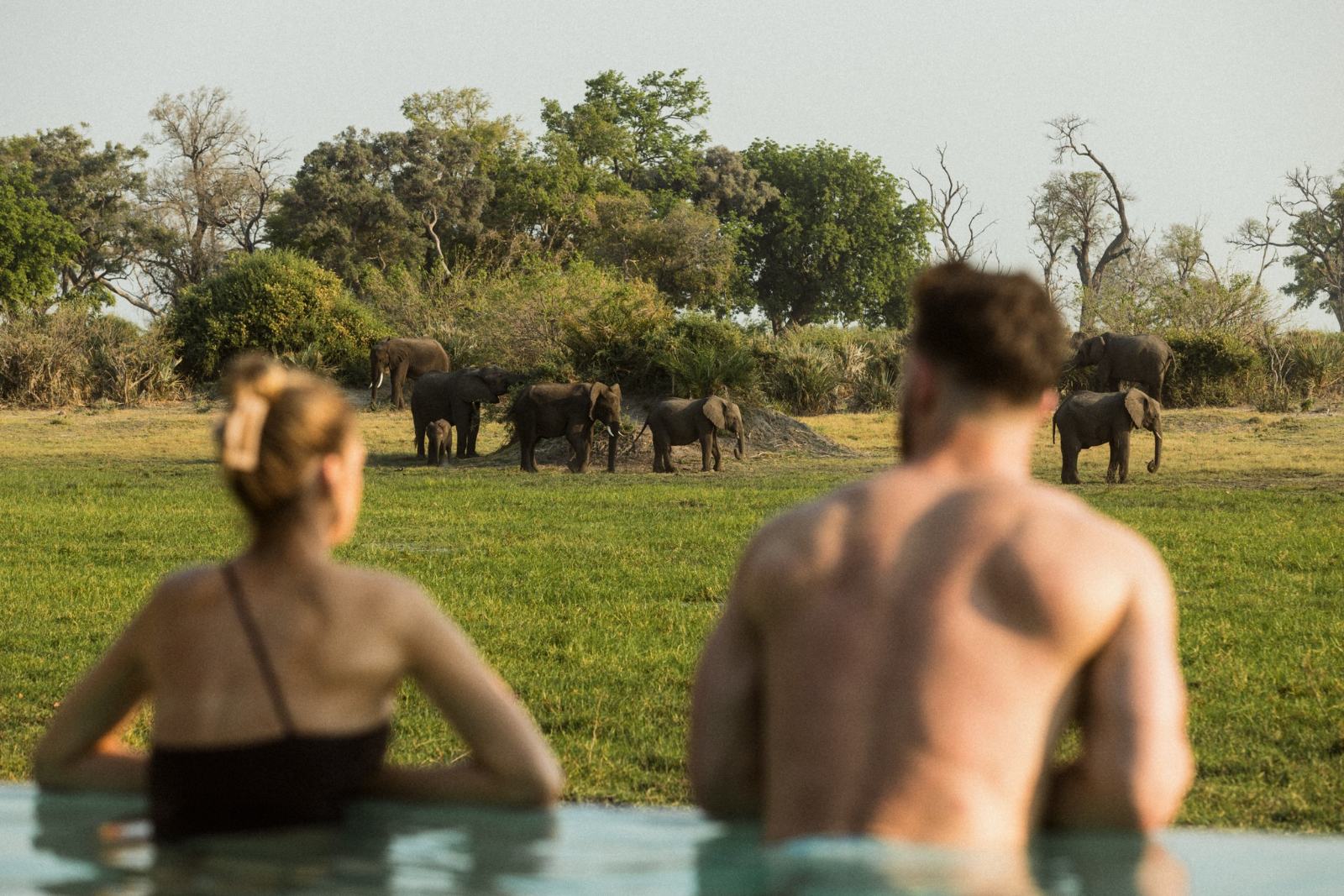
Wilderness calls Mombo its flagship and its “Mother of all Camps”, but the name guides use is older: the Place of Plenty. The camp sits in the north-eastern corner of Chief’s Island inside the Moremi Game Reserve, part of the UNESCO-listed Okavango Delta, where the Simbira Channel holds wildlife in around camp. The result is famously dense game: lion, leopard, wild dog and hyena, with big herds of buffalo and elephant, across more than 45,000 hectares of exclusive private wilderness. The wood-and-canvas suites stand in a thicket of giant mangosteen and fig trees above the floodplain, each with a private plunge pool, outdoor shower and veranda day bed, and there is a family suite. Activities run twice a day: day and night game drives, hides, helicopter flights and, when the water allows, boating and mokoro.
The Sanctuary
- Opened: October 2025
- Where: Mombo Camp, on Chief’s Island in the heart of the Okavango Delta
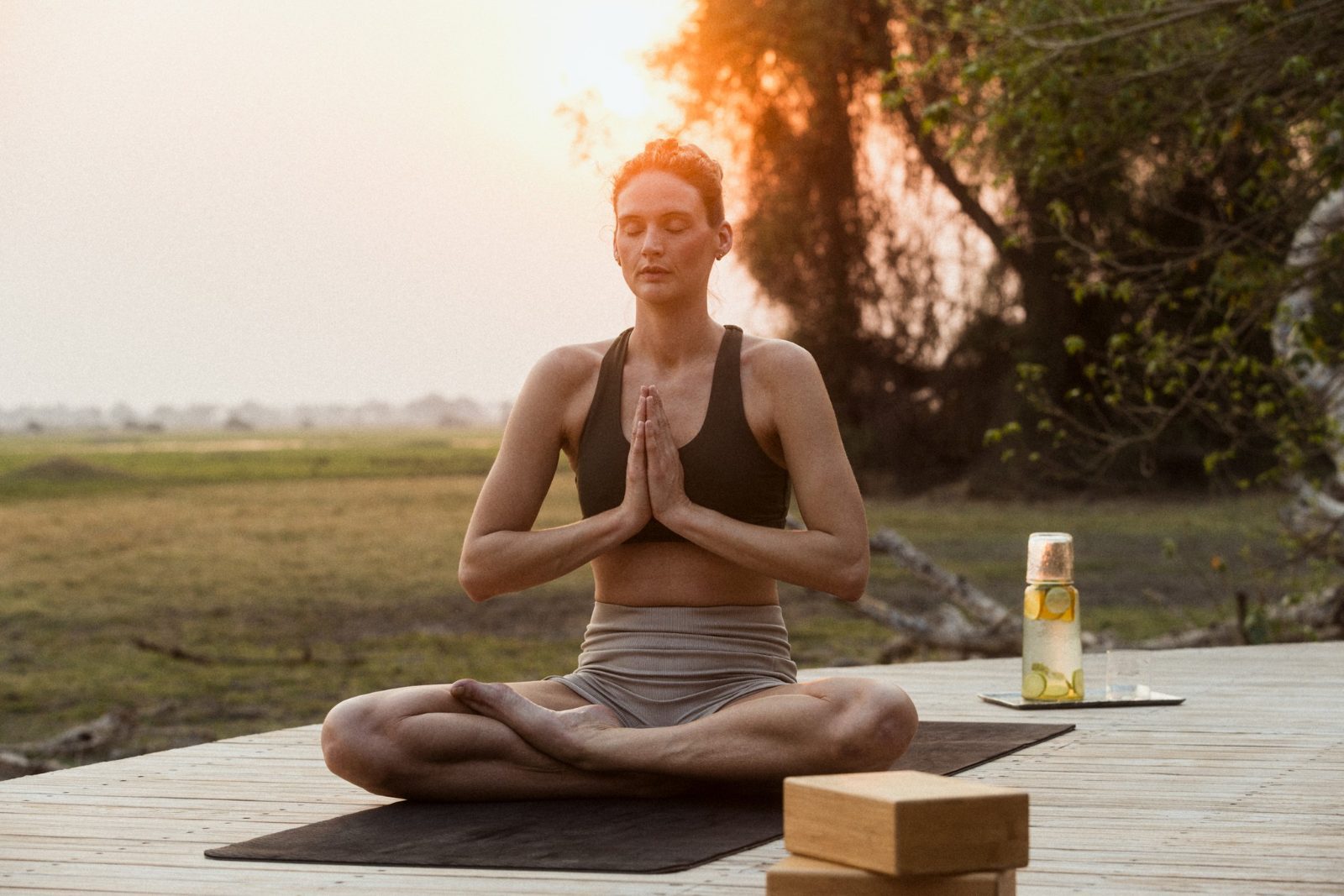
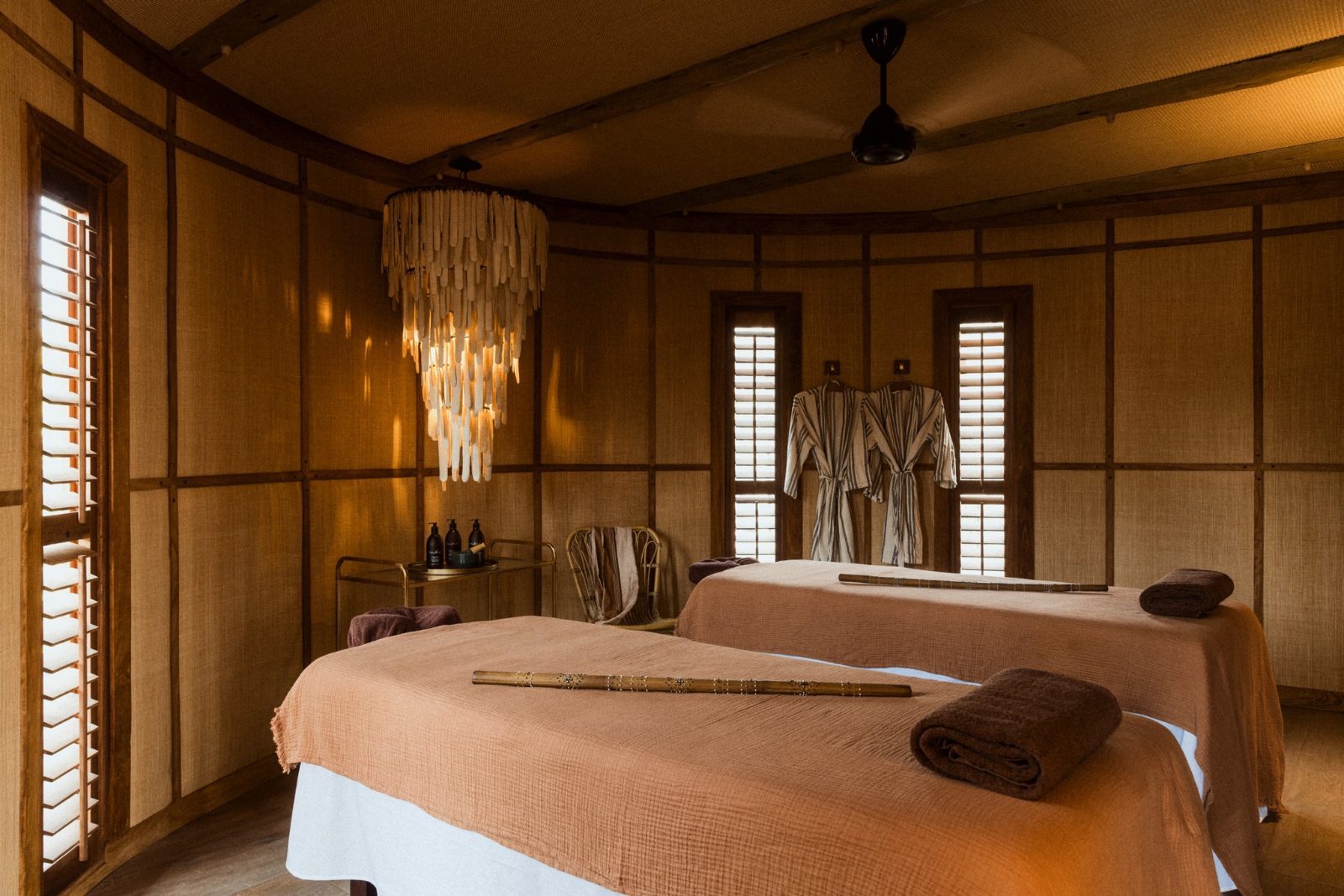
- Facilities: a lap pool, traditional sauna with ice bath, private treatment rooms, a dedicated couple’s suite, meditation cocoons, an air-conditioned gym with panoramic views and an open-air yoga deck
- Treatments: drawn on African traditions and paired with contemporary skincare science
- Rates: Mombo from US$2,805 per person sharing per night
Why Recovery Belongs on Safari
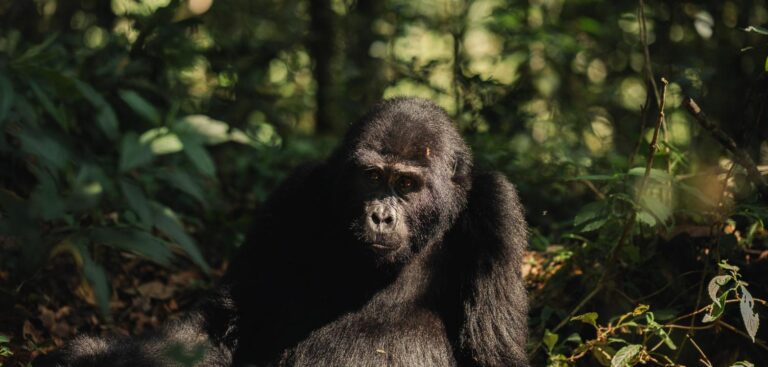
Consider what these two camps actually ask of a guest. Gorilla trekking from Bisate starts at roughly 2,500 metres and climbs from there, often through mud and stinging nettles, for anything from forty minutes to six hours. Mombo’s game drives run at first light and again at dusk, with the hottest hours spent doing nothing at all — the same rhythm that shapes a safari day from the Okavango to Laikipia and the Masai Mara. Both patterns produce the same thing: a body that is tired in a way a massage does not fix, and a long middle of the day with nothing to do.
Each Wilderness Sanctuary answers both problems at once, with an ice bath, a sauna or steam room and a lap pool — which is why this is a more serious idea than it first sounds. It is also a trend with momentum in exactly this market: at Silverback Lodge in Bwindi, the rebuilt Uganda lodge put its Wellnest spa at the centre of the design and aimed it explicitly at post-trek recovery. Two of the continent’s most respected operators reaching the same conclusion within a year is the signal.
The Lens I’m Reading This Through
I travel to move — diving, walking, trekking — and the properties I return to are the ones that understand recovery is part of the experience rather than an add-on. Gorilla trekking is the clearest case I know: the permits are expensive, the hour with the family is strictly limited, and you want your body capable of a second trek the next morning. A hot sauna and a cold plunge at 2,500 metres is not indulgence; it is what makes the second permit worth buying.
What I cannot tell you yet is whether these Sanctuaries feel like genuine retreats or like beautifully photographed rooms — that is a judgement for a stay. The other significant Okavango arrival this season is Singita Elela, which opens on the floodplains in December 2026.
Tip: book the Delta and the gorillas in the same trip if you can, but not in the same week. Rwanda’s dry seasons run roughly June to September and December to February, and the first of those windows is also when the Okavango’s floodwaters are at their highest — the rare overlap when both work at once.
How Much Does a Wilderness Sanctuary Stay Cost?
Both Sanctuaries are included as part of the camp experience rather than sold as standalone stays, and neither camp appears on the booking platforms — Wilderness sells through its own reservations team and through safari specialists. Published rates run from US$2,569 per person sharing at Bisate and US$2,805 per person sharing at Mombo, on a fully inclusive basis — meals, local drinks, laundry and camp activities. At Bisate, the rate includes use of the Sanctuary’s facilities and a complimentary 20-minute neck and shoulder massage, with further treatments booked separately. Rwanda gorilla permits are bought separately — currently US$1,500 per person for foreign non-residents, per the Rwanda Development Board — and are strictly limited, so they dictate the dates rather than the camp does.
Wilderness Sanctuary FAQ
What is the Wilderness Sanctuary?
The Sanctuary is Wilderness’s new wellness retreat concept, now open at two of its flagship camps: Mombo in Botswana’s Okavango Delta (opened October 2025) and Bisate in Rwanda, beside Volcanoes National Park (opened December 2025). Both pair a lap pool and an ice bath with meditation pods or cocoons, a gym, a yoga space and treatment rooms, built around recovery from game drives and gorilla treks.
Is the Sanctuary included in the rate at Bisate?
Yes. Bisate’s fully inclusive rate covers use of the Sanctuary’s wellness facilities and a complimentary 20-minute neck and shoulder massage; further treatments are booked separately. Wilderness does not say whether treatments at Mombo carry an extra charge.
How much does a stay at Bisate or Mombo cost?
Published rates start from US$2,569 per person sharing per night at Bisate and US$2,805 at Mombo, on a fully inclusive basis. Rwanda gorilla permits cost US$1,500 per person for foreign non-residents and are bought separately.
When is the best time to combine Bisate and Mombo?
Rwanda’s dry seasons, roughly June to September and December to February, give the easiest trekking conditions. The June to September window also coincides with high water in the Okavango Delta, which peaks around July, so it is the best time to do both in one trip.
Disclosure: this article contains affiliate links. If you book through them, I earn a small commission at no extra cost to you. Read my full disclosure policy.
This preview is based on official announcements — I haven’t stayed yet. Read more about how I review or visit my Work With Me page.