Wilderness Mara opened in June 2026 in Kenya’s Mara Triangle, a complete rebuild of the legendary Little Governors’ Camp: 12 tented suites (including a two-bedroom family tent) on a wildlife-filled marsh below the Oloololo Escarpment, the only camp with access to both sides of the Mara River, from $950 per person per night.
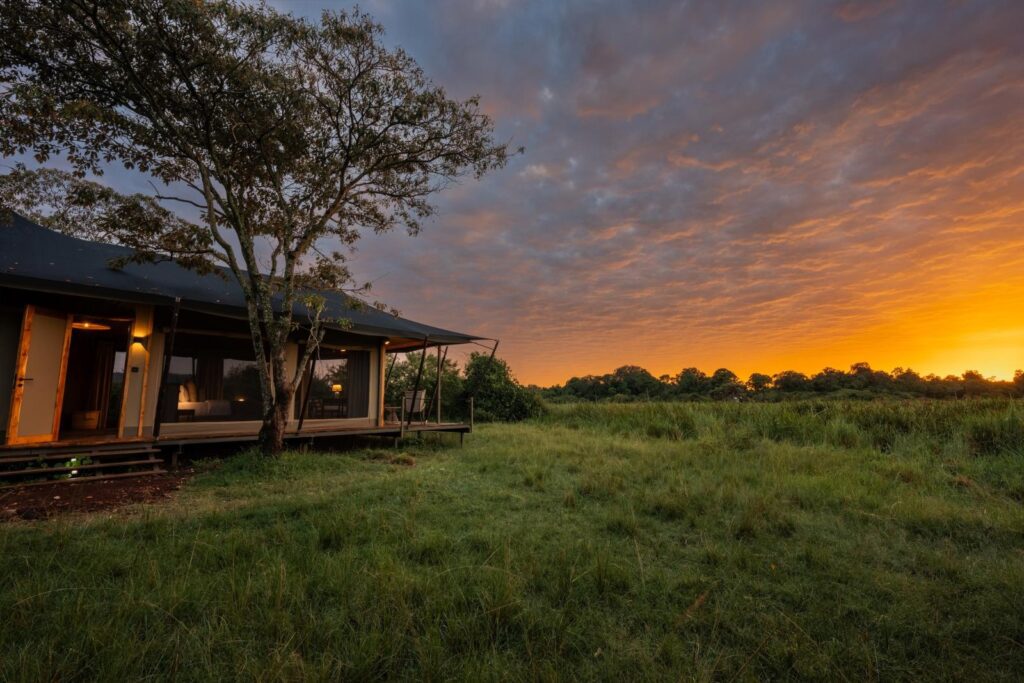
For more than fifty years, Little Governors’ Camp was one of the Masai Mara’s quiet legends: a small tented camp on the west bank of the Mara River, reached by crossing the water, in the corner of the reserve most visitors never see. In June 2026 it reopened under a new name. Wilderness, the safari company behind Mombo in Botswana and some of the most respected camps in Africa, has rebuilt it from the ground up as Wilderness Mara.
The location is the point. The camp sits in the Mara Triangle, the north-western part of the Masai Mara National Reserve, managed by the Mara Conservancy with far fewer lodges and vehicles than the eastern side of the reserve — and it is the only camp with access to both sides of the Mara River.
Wilderness Mara: Key Facts
- Opened: June 2026, replacing Little Governors’ Camp after a full reconstruction
- Where: the Mara Triangle, Masai Mara National Reserve, Kenya, at the foot of the Oloololo Escarpment
- Suites: 12 tented suites, including one two-bedroom family tent, each on an elevated private deck over a seasonal marsh, with indoor and outdoor showers
- Interiors: Chris Payne of White Elephant Trading Company, with Wilderness
- The edge: one of only two permanent camps in the Triangle, and the only one with access to both sides of the Mara River
- Wellness: a sanctuary in an indigenous forest area with a spa and a fully equipped gym
- Also: a pool, a photographic studio, and Wi-Fi; the camp runs on solar power
- Getting there: about 45 minutes by light aircraft from Nairobi Wilson to Kichwa Tembo airstrip, then a 15-minute game drive
- Rates: from $950 per person per night
The Camp
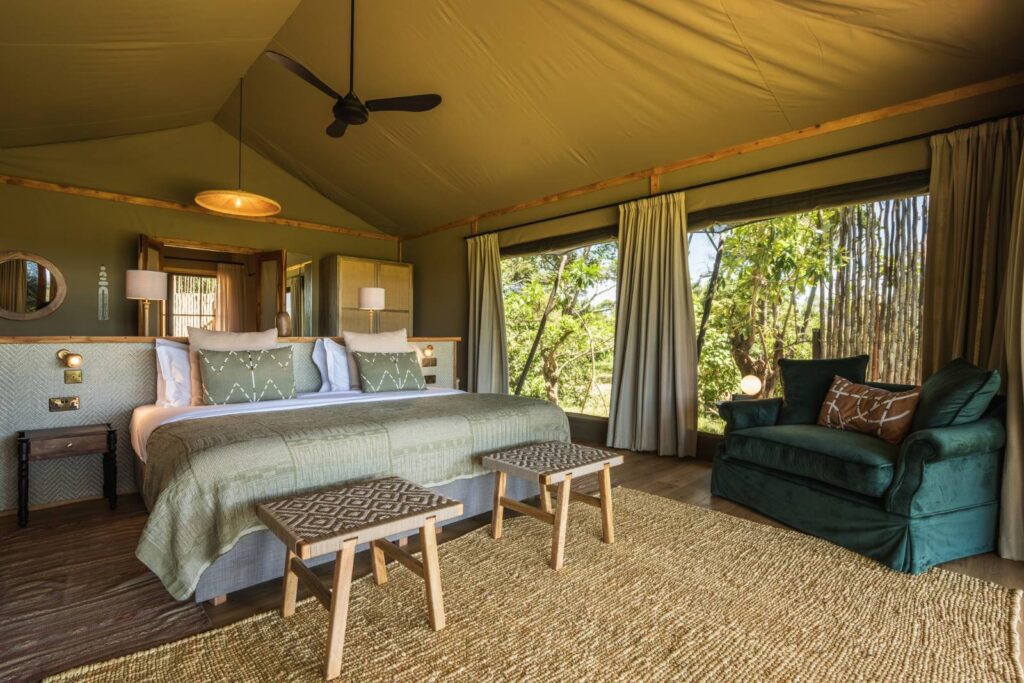
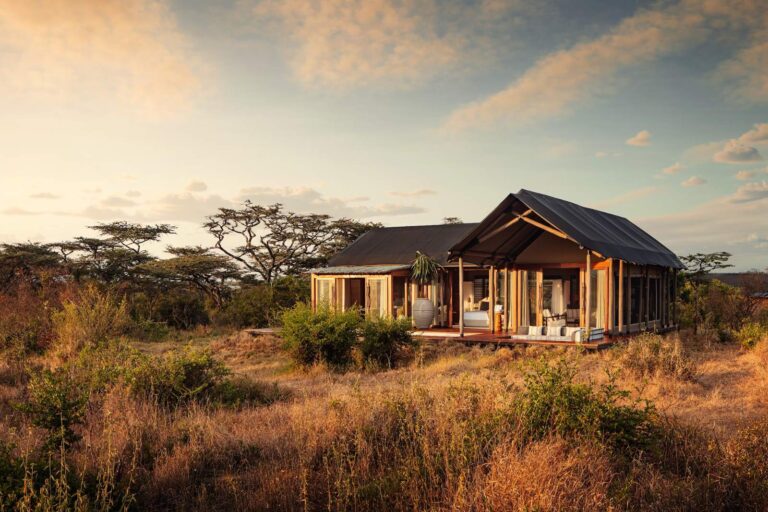
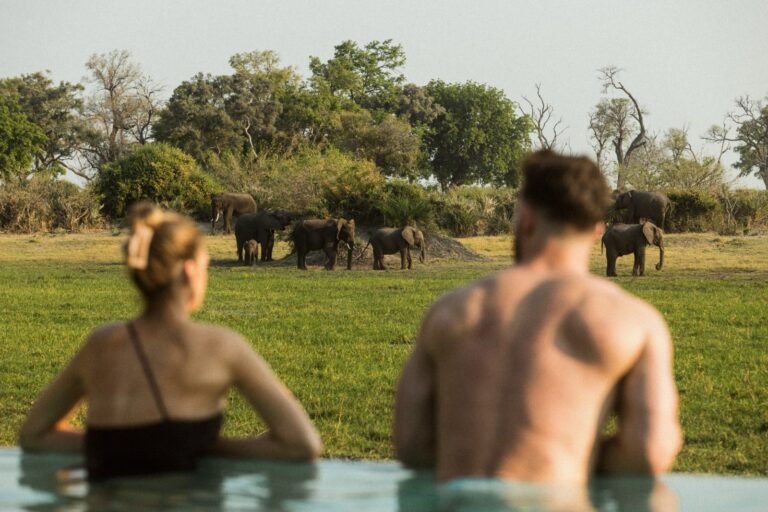
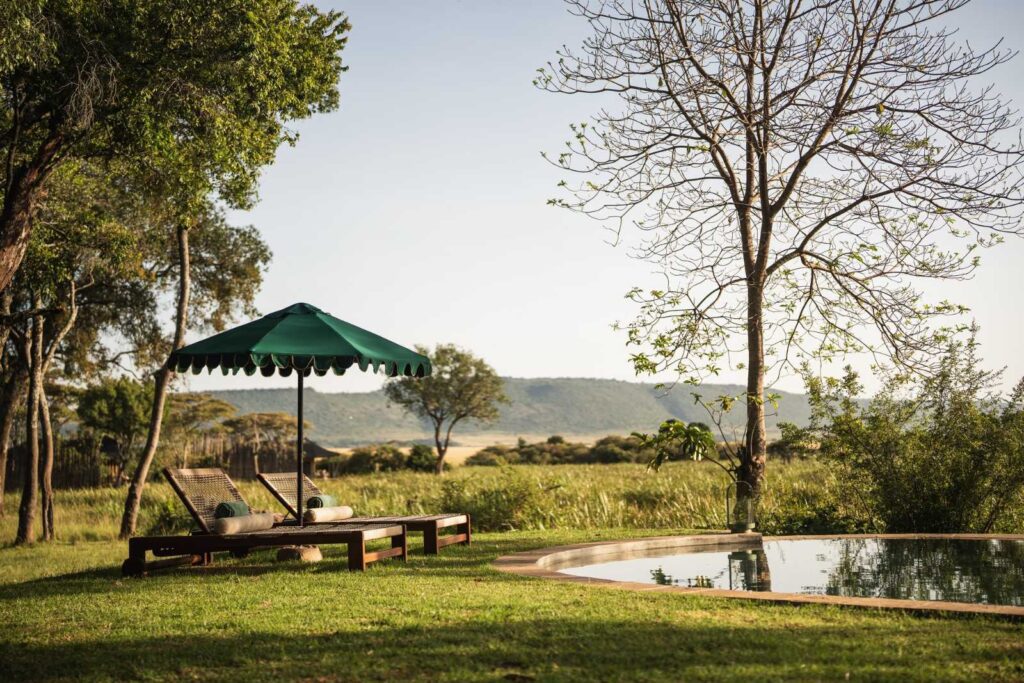
The twelve canvas suites are set discreetly along the edge of a seasonal marsh that draws animals to the camp all year, each on its own raised, shaded deck. Interiors are by Chris Payne of White Elephant Trading Company, working with Wilderness: natural textures, locally made furniture and sustainably sourced materials, in the colours of the Mara itself. Each suite has indoor and outdoor showers, and the family tent has two bedrooms and two bathrooms linked by covered walkways. The camp is unfenced, so guests are escorted after dark — it is that kind of place.
The Mara Triangle and the River
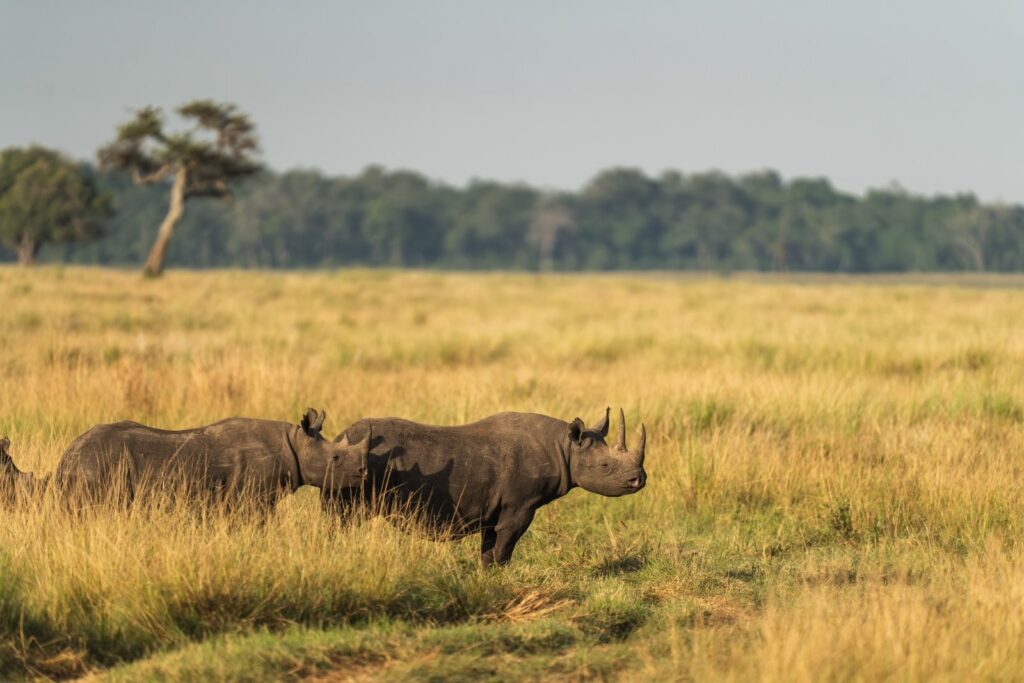
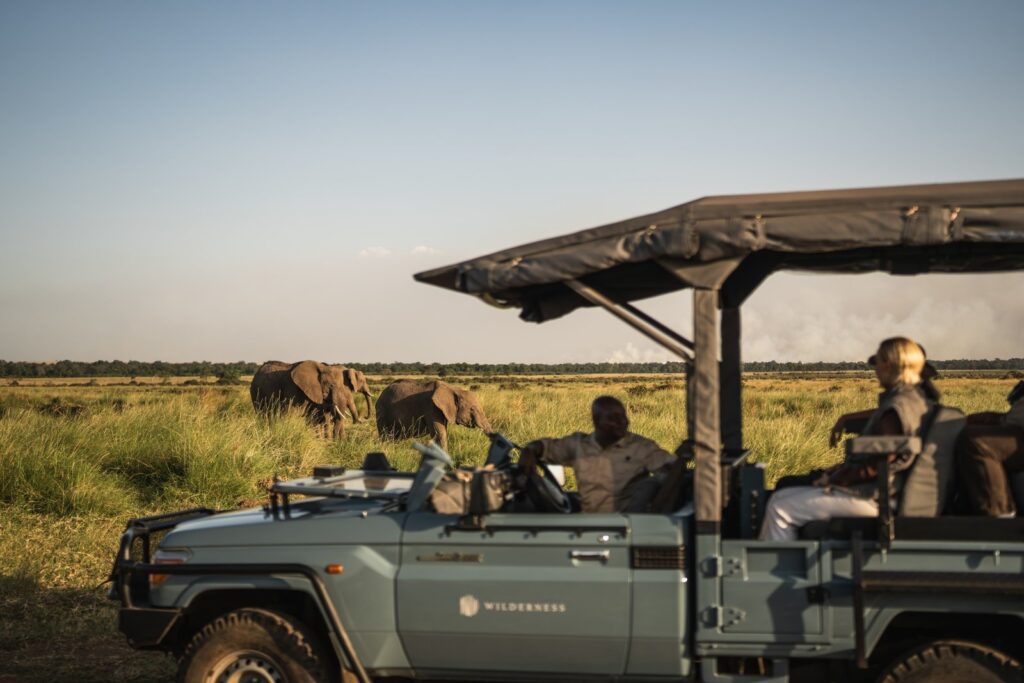
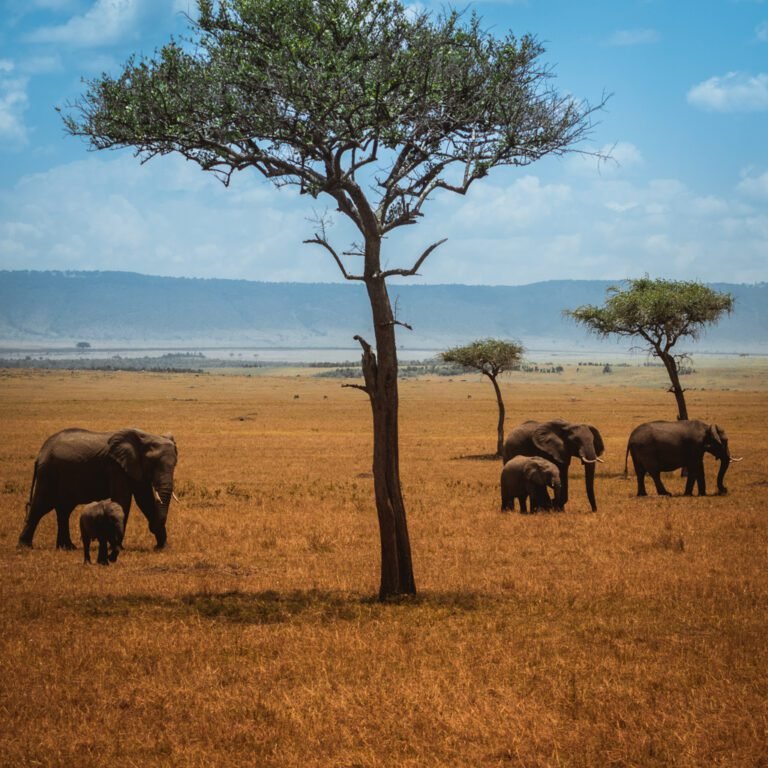
The Mara Triangle is one of Kenya’s best-kept secrets. Managed by the Mara Conservancy, it has fewer lodges, strict anti-poaching protection and far less traffic than the rest of the reserve, and it supports resident lion prides, big elephant herds and the critically endangered Eastern black rhino. From July to October, more than a million wildebeest and zebra move through the wider Mara ecosystem on the Great Migration, and the river crossings are the reason most people come.
That is where the camp’s position pays off. Being the only camp with access to both banks of the Mara River means more territory, more habitats and more chance of being at the right crossing at the right time — without the queue of vehicles that gathers on the busier side.
Days at Wilderness Mara
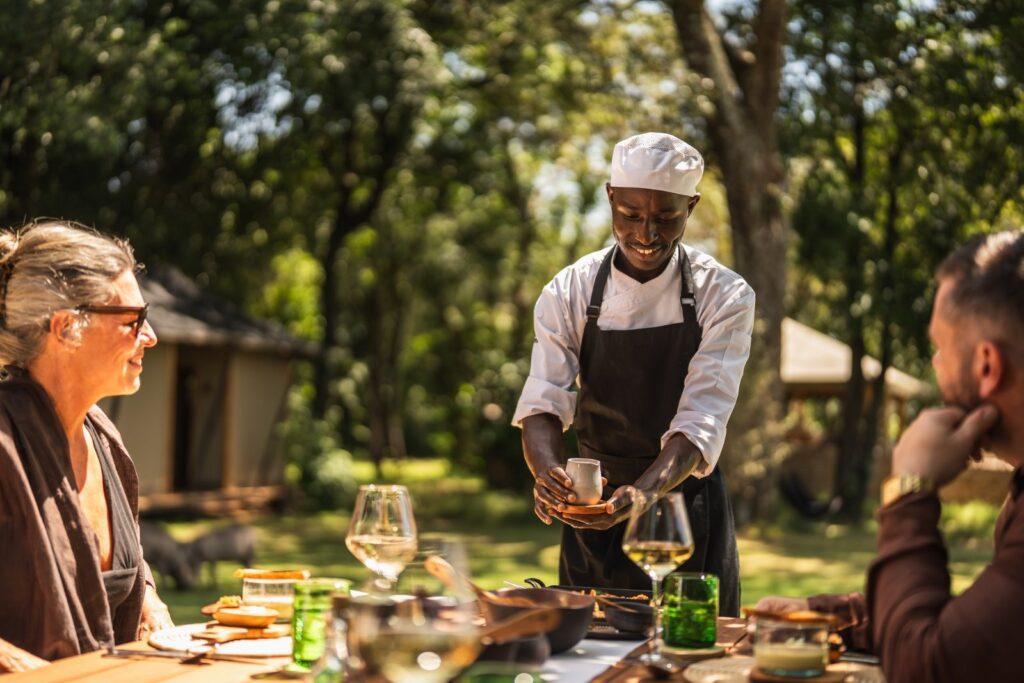
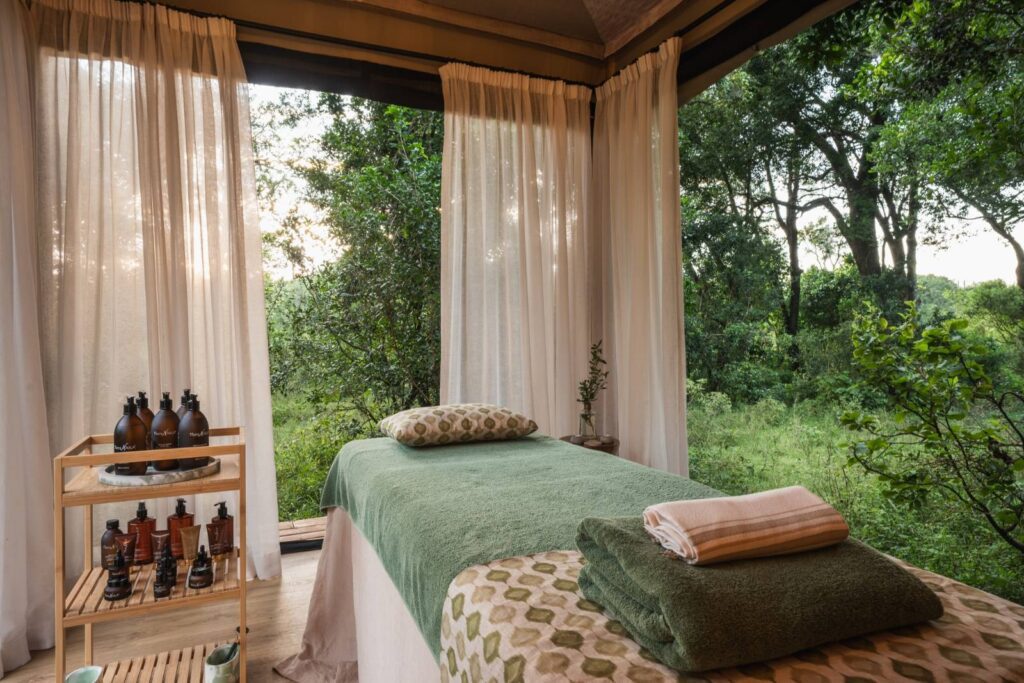
Days are built around game drives, birding and visits to the local Maasai community, with hot-air ballooning available at extra cost from a launch site nearby. Meals are built on Kenyan ingredients — bush breakfasts, sundowners and the Manyatta Dinner, cooked in cast-iron pots and on traditional jiko stoves around a boma fire at sunset. The wellness sanctuary sits in a patch of indigenous forest, with treatments including the Maasai Wood & Earth Journey, which uses hand-carved tools inspired by the Maasai warrior’s staff.
The camp carries on the conservation and community work that Governors’ was known for, under Wilderness’s Impact programme: Children in the Wilderness, the Maa Trust, the Pangolin Project and the Mara Raptor Project, with reforestation and wildlife protection on the Oloololo Escarpment and in the Nyekweri Forest.
How Much Does Wilderness Mara Cost?
Rates start from $950 per person per night. Stays are full board and include all meals, drinks, game activities, airstrip transfers and laundry; hot-air ballooning is extra. Expect the migration months, July to October, to sit well above the starting rate — and to book out first.
Small safari camps like this one are rarely sold on the big hotel booking sites; they are booked through safari specialists who also arrange the bush flights. If you are combining the Mara with a few nights in Nairobi before or after, that is where comparing hotel rates is worth the time.
- Compare Nairobi hotels on Booking.com — the widest choice near Wilson Airport and in Karen
- See Nairobi hotels on Expedia — useful when bundling the international flight
The Lens I’m Reading This Through
Safari is the one kind of luxury travel where the room matters less than where it is. A beautiful tent in a crowded part of a reserve gives you a beautiful tent and a queue of vehicles at every sighting. A good tent in the right place gives you the animals to yourself. Wilderness Mara has the right place: the Triangle, the marsh, and both banks of the river.
What a press kit can’t tell me is whether the new camp kept the intimacy that made Little Governors’ loved for fifty years, or how the guiding compares with Wilderness’s camps in Botswana. Those need a stay.
Tip: For the river crossings, aim for August and September and stay at least three nights — the herds don’t keep to a schedule. For fewer people and green landscapes, January to March is beautiful and the resident predators are just as active.
Disclosure: this article contains affiliate links. If you book through them, I earn a small commission at no extra cost to you. Read my full disclosure policy.
This preview is based on official announcements — I haven’t stayed yet. Read more about how I review or visit my Work With Me page.