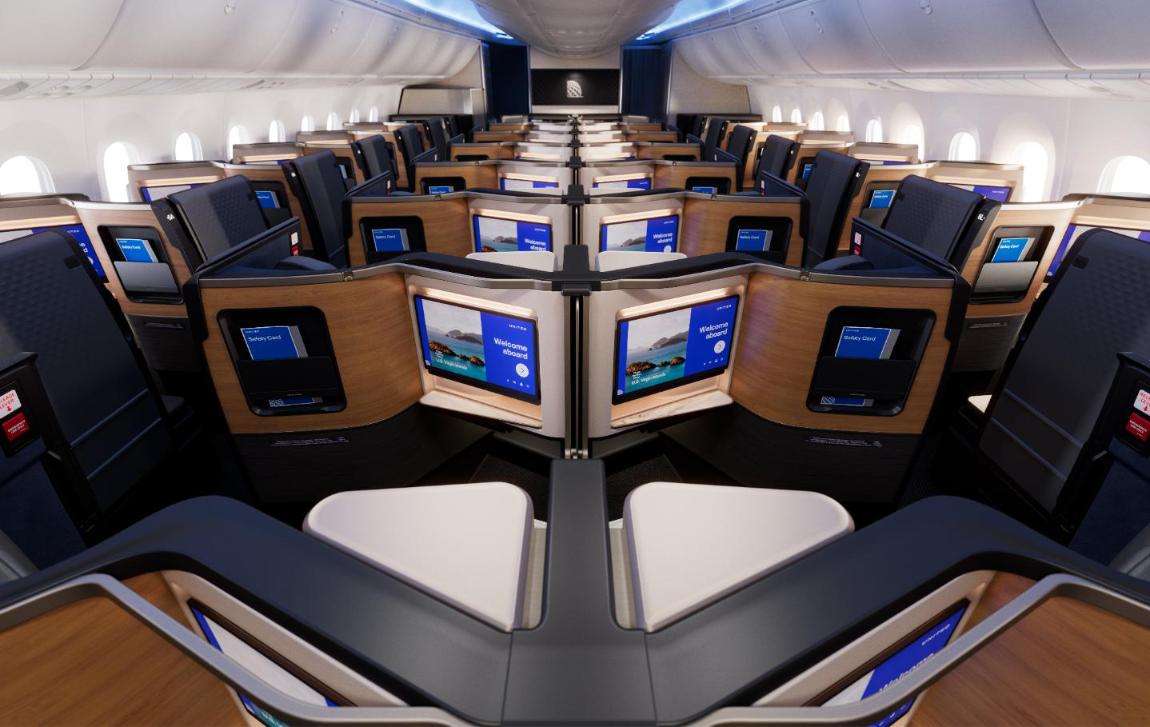
United’s most premium aircraft leaves San Francisco for Houston this month. From 24 October 2026 the “Elevated” Boeing 787-9 — the version with eight Polaris Studio suites at the front, doors on every Polaris seat and only 222 seats on an aircraft that normally carries 257 — operates Houston to Sydney, Houston to Tokyo Narita and Houston to São Paulo. London Heathrow follows from 5 January 2027. For Asia-based readers the Tokyo flight is the one to watch: it puts United’s best seat on a Narita sector where ANA and JAL have set the standard.
I previewed the Polaris Studio when it launched from San Francisco; this is the second phase of the rollout, and the first time the cabin flies a 17-hour sector to Australia. Here are the facts.
United Elevated 787-9 from Houston: Key Facts
- From 24 October 2026: Houston (IAH)–Sydney (SYD), Houston–Tokyo Narita (NRT), Houston–São Paulo (GRU); Houston–London Heathrow (LHR) from 5 January 2027
- Aircraft: Boeing 787-9 “Elevated” configuration, 222 seats — 35 fewer than the standard 787-9
- Cabins: 8 Polaris Studio suites, 56 Polaris seats (48 on the standard aircraft), 35 Premium Plus, 39 Economy Plus, 84 Economy — 99 premium seats in all
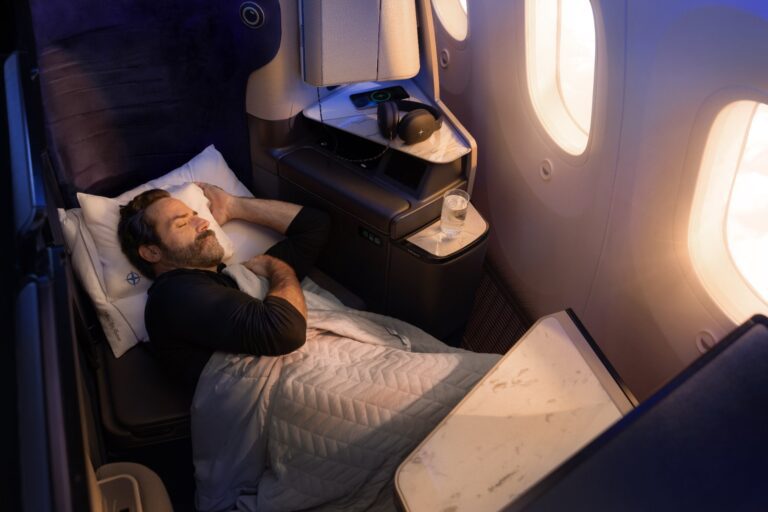
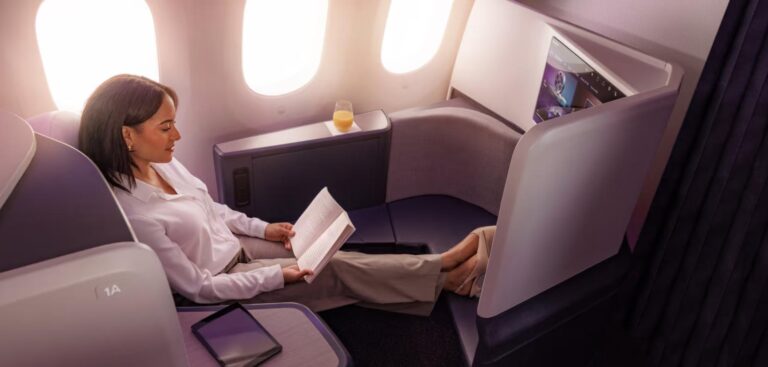
- Polaris Studio: front-row suites about 25 per cent larger than a Polaris seat, privacy door, 27-inch 4K OLED screen, an ottoman that seats a companion in six of the eight suites, upgraded bedding, pyjamas and dining including caviar service
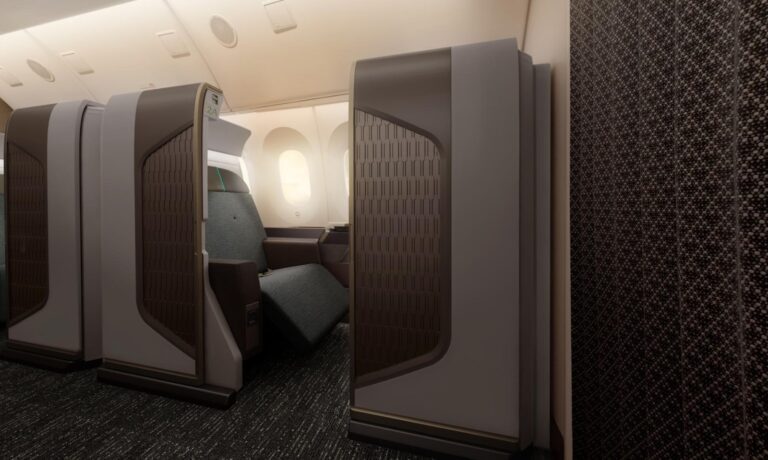
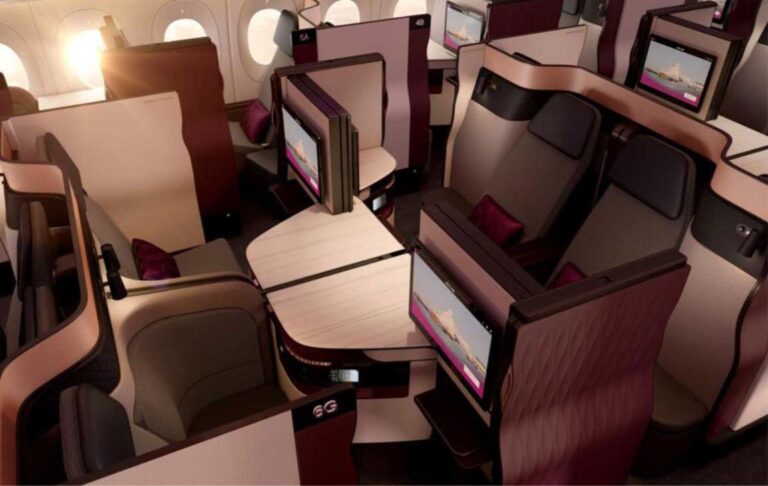
- Polaris: same 1-2-1 flat-bed layout with a new privacy door, larger screen and Bluetooth
- Every cabin: upgraded screens and Bluetooth pairing
- First hub: San Francisco, from mid-2026 (Singapore, London, Tokyo); Houston is the second
- Fares: Polaris Studio sells as a premium above Polaris; see below
Why Houston, and Why These Routes
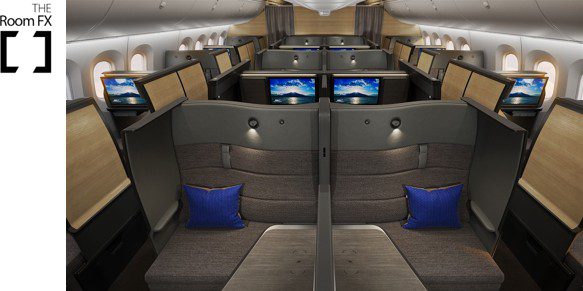
Houston is United’s gateway to Latin America and its second-busiest long-haul hub, and São Paulo is the obvious first route: it is the airline’s flagship South American sector, flown overnight in both directions, where a doored suite and a 27-inch screen earn their fare. Sydney is the statement. At around 17 hours it is one of the longest flights in United’s network, and the Studio’s companion ottoman and dedicated dining make more sense on an ultra-long sector than on a seven-hour transatlantic. Tokyo Narita completes the set, giving Houston a Japan connection with United’s best seat on the same day its Star Alliance partner ANA flies The Room FX into Houston.
The economics are the other half of the story. Pulling 35 seats out of a 787-9 only works if the 99 premium seats sell at a premium, and United has now added Base, Standard and Flexible fare tiers in Polaris — the cheapest of which strips out changes and some seat selection. Read the fare rules before assuming a Polaris ticket includes what it did last year.
The Studio on an Ultra-Long-Haul
The eight Studio suites sit in the first row of each Polaris mini-cabin, and on a 17-hour Sydney flight the extras matter more than on the London run: a bed with proper bedding and pyjamas, a screen you can watch from the ottoman, and dining that includes caviar and a dedicated service pass. Six of the eight suites have the companion seat and two do not, so check the seat map if you want to dine together. The 56 standard Polaris seats now have doors, which closes the gap with the Gulf carriers on privacy; the seat itself is the 2016 Polaris product, so the hard shell and footwell are unchanged.
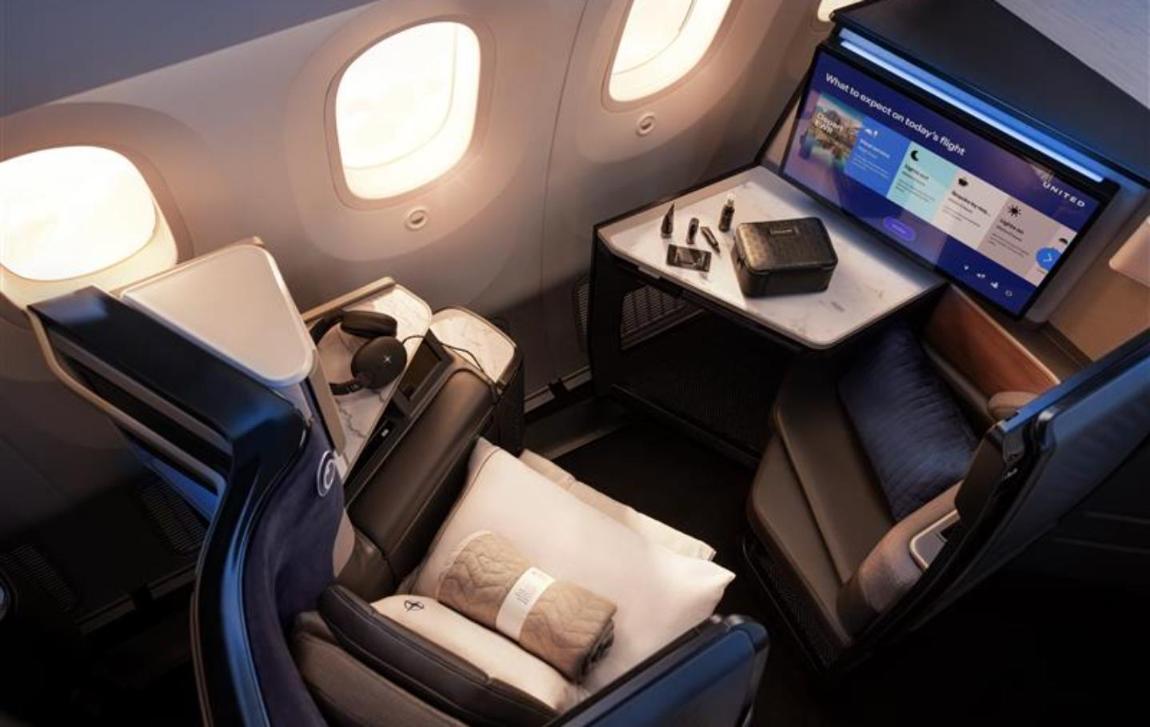
Tip: Polaris Studio is sold as a separate fare, not an upgrade on departure, so book it at purchase; on the Houston–Sydney launch flights it is likely to sell out well ahead of standard Polaris.
United Polaris, First-Hand Context
I have not flown Polaris or the Studio and this is a preview. My reference for a doored business suite on an overnight is Etihad’s 787-9, which I rated 3.5 out of 5; on hardware the Elevated 787 is a step up from that, with a bigger screen and a real door, and on a Sydney sector the Studio’s dining is the part I would most want to test against the Gulf carriers’ catering.
How Much Does It Cost?
United prices Polaris Studio as a separate, higher fare than Polaris on the same flight, and both are dynamic; the airline has not published launch fares for the Houston routes. Polaris now comes in Base, Standard and Flexible tiers, and MileagePlus award pricing is dynamic with Studio awards priced above Polaris.
Flight prices do move between platforms. The same business class seat on the same date is not always the same price on the airline’s own site, Trip.com and Expedia: point-of-sale currency, consolidator fares and what is bundled into the ticket can shift the fare by a few percent — and occasionally by much more on premium cabins booked out of Asia. So before I pay I run the same dates through Aviasales, which scans dozens of booking sites at once, then check Trip.com (often the sharpest on Asian routes) and Expedia (strongest when you add a hotel to the same booking). One caveat: a ticket bought through a booking site is changed or refunded through that site, not the airline, so read the fare rules before you buy.
Eight Studios, 56 doors and 35 fewer seats: United’s best aircraft now flies 17 hours to Sydney, and Houston is where the premium gamble gets its real test.
Photos © United Airlines
This preview is based on official announcements — I haven’t flown United Polaris Studio yet. Read more about how I review or visit my Work With Me page.
This article contains affiliate links. If you book through them, I may earn a small commission at no extra cost to you. Read my full disclosure policy.