Thirty-one out of forty-one: that is how much of its European and UK map Emirates now covers with Premium Economy, after Paris Charles de Gaulle joined the list on 25 October 2026. The timing is no accident: Emirates is averaging 78 flights a day between Dubai and Europe this winter and adding 31 weekly flights to winter-sun favorites and big cities beyond Dubai, from Cape Town and Nairobi to Phuket, Hanoi, Manila, Tokyo Narita and Accra. For a European heading somewhere warm, the trip via Dubai is no longer a straight choice between Economy and Business: on most of the network, Emirates Premium Economy now sits in between.
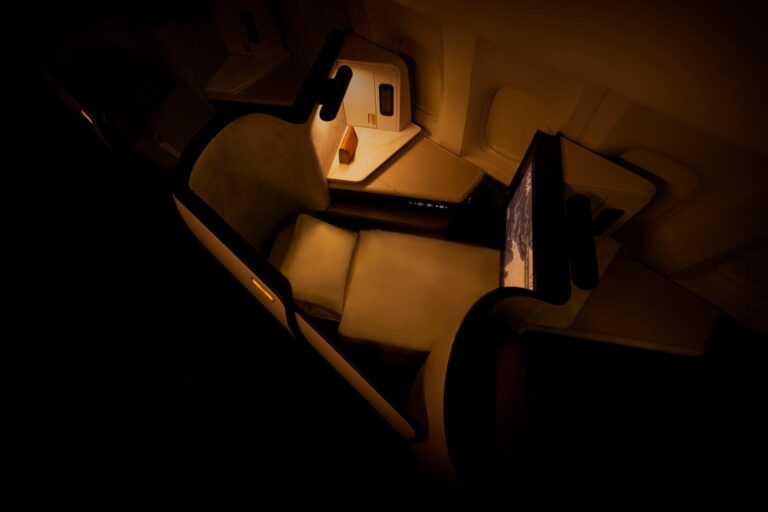
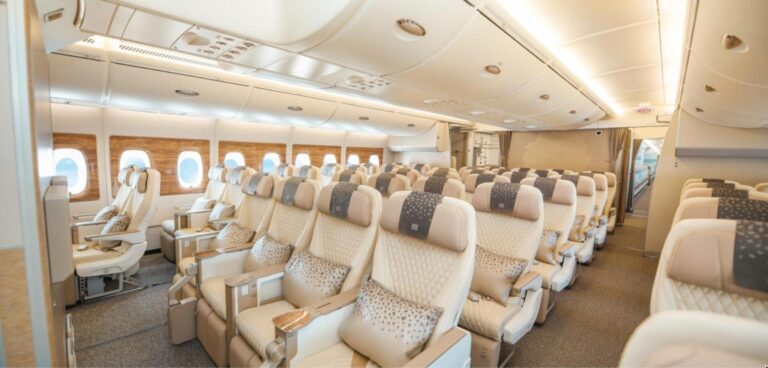
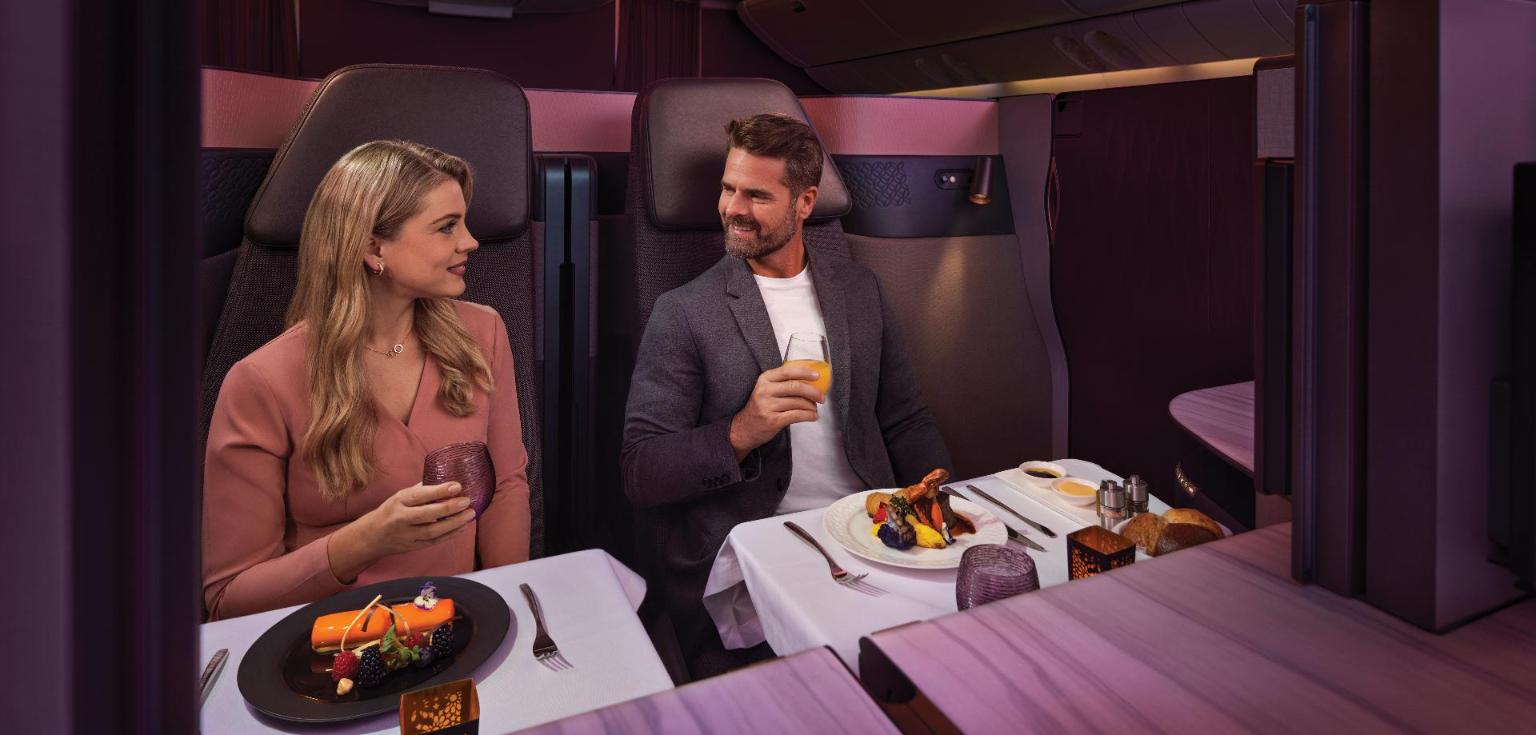
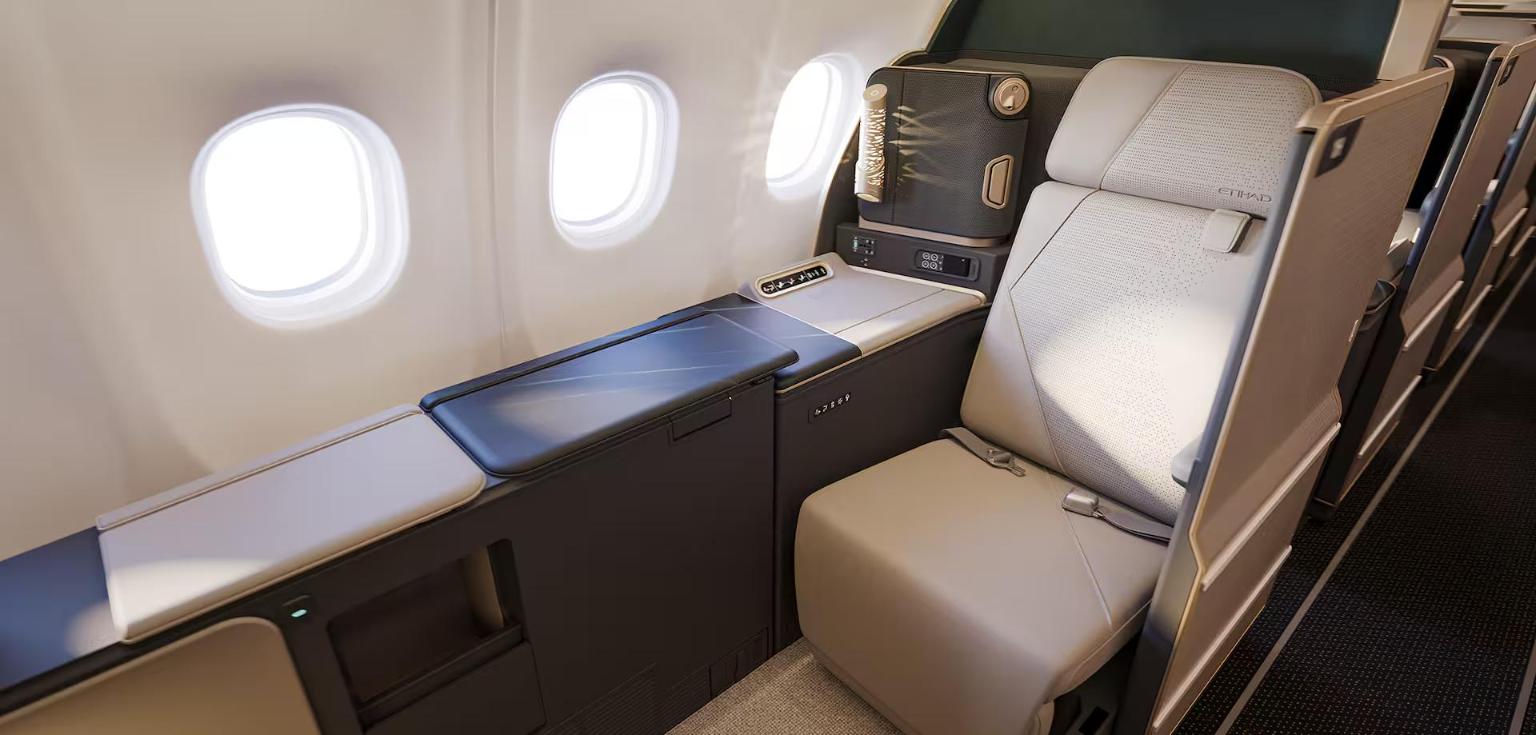
Emirates announced the expansion on 10 November 2026, and it highlights the latest version of the seat: on the newest Airbus A350s, each Premium Economy seat has a full-height privacy screen you raise or lower at the touch of a button, an electric leg rest, a wraparound U-Dream headrest and wireless charging. The question for premium travelers is when Premium Economy is the smarter buy than Business Class on a two-flight journey through Dubai, and when it isn’t. Below are the facts, a practical way to decide, and the gaps to check yourself.
Emirates Premium Economy in Europe: Key Facts
- Announced: 10 November 2026, Emirates Media Centre (“Emirates ramps up Premium Economy across its European network and offers more ways to travel to popular winter sun destinations”)
- Premium Economy in Europe: on flights to 31 of Emirates’ 41 destinations across Europe and the UK; the release does not list the cities
- Latest gateway: Paris Charles de Gaulle, from 25 October 2026
- Winter schedule: an average of 78 flights a day between Dubai and Europe
- Extra flights beyond Dubai: 31 additional weekly flights to destinations including Cape Town, Nairobi, Phuket, Hanoi, Manila, Tokyo Narita and Accra
- A380: serves 21 European destinations this winter, connecting in Dubai with another 21 eastbound A380 destinations such as Bangkok, Sydney and Tokyo
- Newest European destination: Helsinki
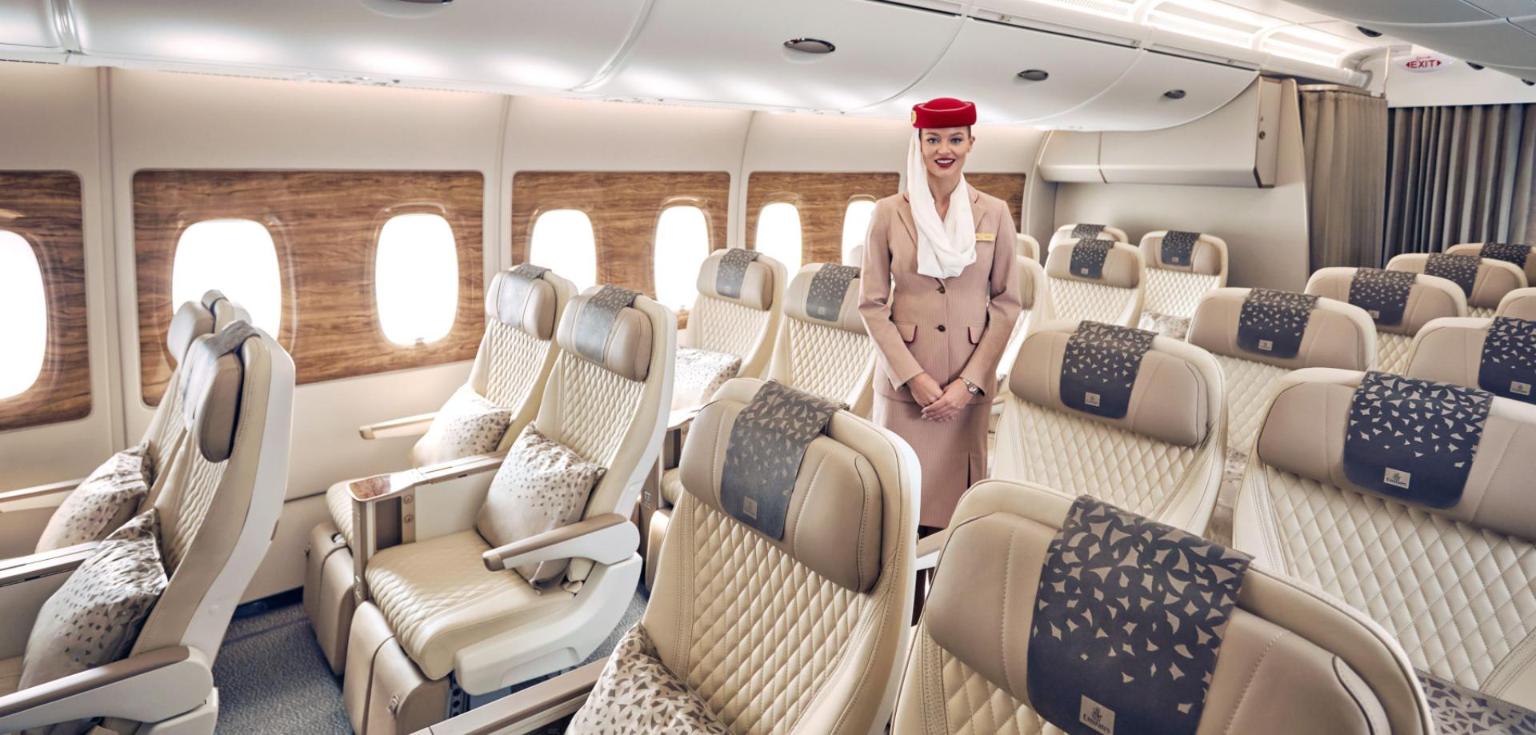
- Newest Premium Economy seat (latest A350s): full-height privacy screen raised or lowered at the touch of a button, electric leg rest, wraparound U-Dream headrest, wireless charging
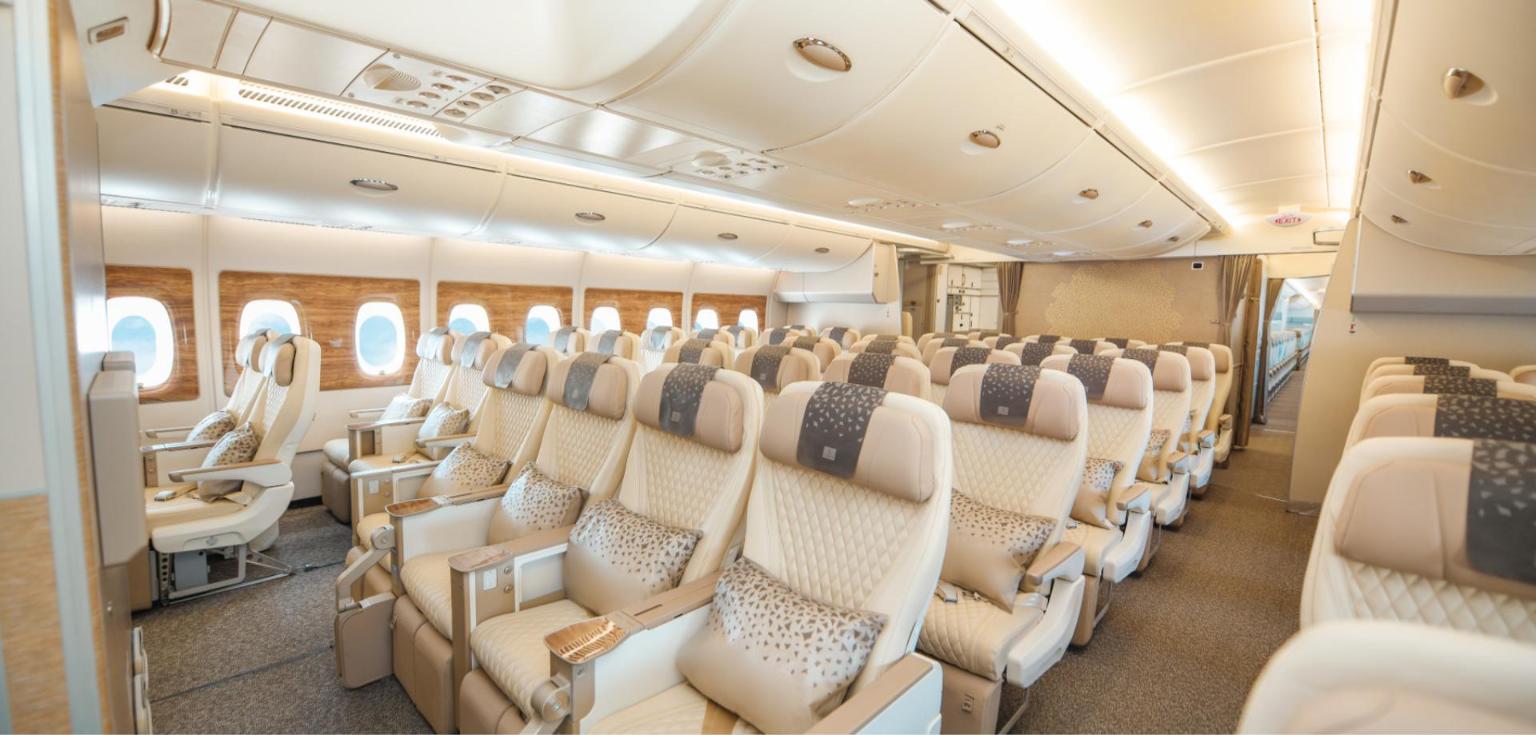
- Cabin in general: “roomier seats, extra legroom, elevated dining”
- Retrofit: part of a multi-billion-dollar retrofit program that has so far brought the latest cabin interiors to 108 aircraft; the release does not say which types
- Partners: including Japan Airlines, Korean Air, Garuda Indonesia, South African Airways, Kenya Airways, Air Seychelles and Air Mauritius; new rail partners Korail and Hong Kong Airport Direct (to Macau)
- Quote: Adnan Kazim, Emirates’ Deputy President and Chief Commercial Officer: “Winter is one of the busiest travel seasons for our customers in Europe, and we’re giving them more ways to enjoy it. Whether they want to discover somewhere new, unwind in the sun or spend time with family and friends, Dubai has lots to offer, but we’re also making it easier for them to reach the world’s most sought-after winter destinations beyond Dubai, with an expanded eastbound schedule and more of our popular Premium Economy seats deployed.”
- Fares: none published; see below
Why Premium Economy Matters on a Trip Through Dubai
A winter-sun trip from Europe on Emirates is two flights: home to Dubai, then onward to Cape Town, Phuket, Manila or wherever the sun is. You are not buying one long-haul seat but two, of different lengths and at different times of day, and they don’t need to be the same product. With Premium Economy on 31 of the 41 European routes, the first leg now usually has a credible middle option, and the expanded eastbound schedule Adnan Kazim describes gives it more places to connect to.
The 108-aircraft retrofit is the quieter part of the story: refitting aircraft already in the fleet is how Premium Economy reaches more routes. Kazim’s phrase, “more of our popular Premium Economy seats deployed,” is the commercial logic: there is demand for a cabin between a crowded Economy and an expensive Business Class, and Europe in winter is where Emirates is placing it.
Partners stretch the map further, to Koh Samui, Phu Quoc, Langkawi, Victoria Falls, Mount Kilimanjaro, Praslin or the Maldives atolls. On those final legs you fly the partner’s cabin, so your Premium Economy won’t necessarily carry through.
Premium Economy or Business? A Practical Way to Choose
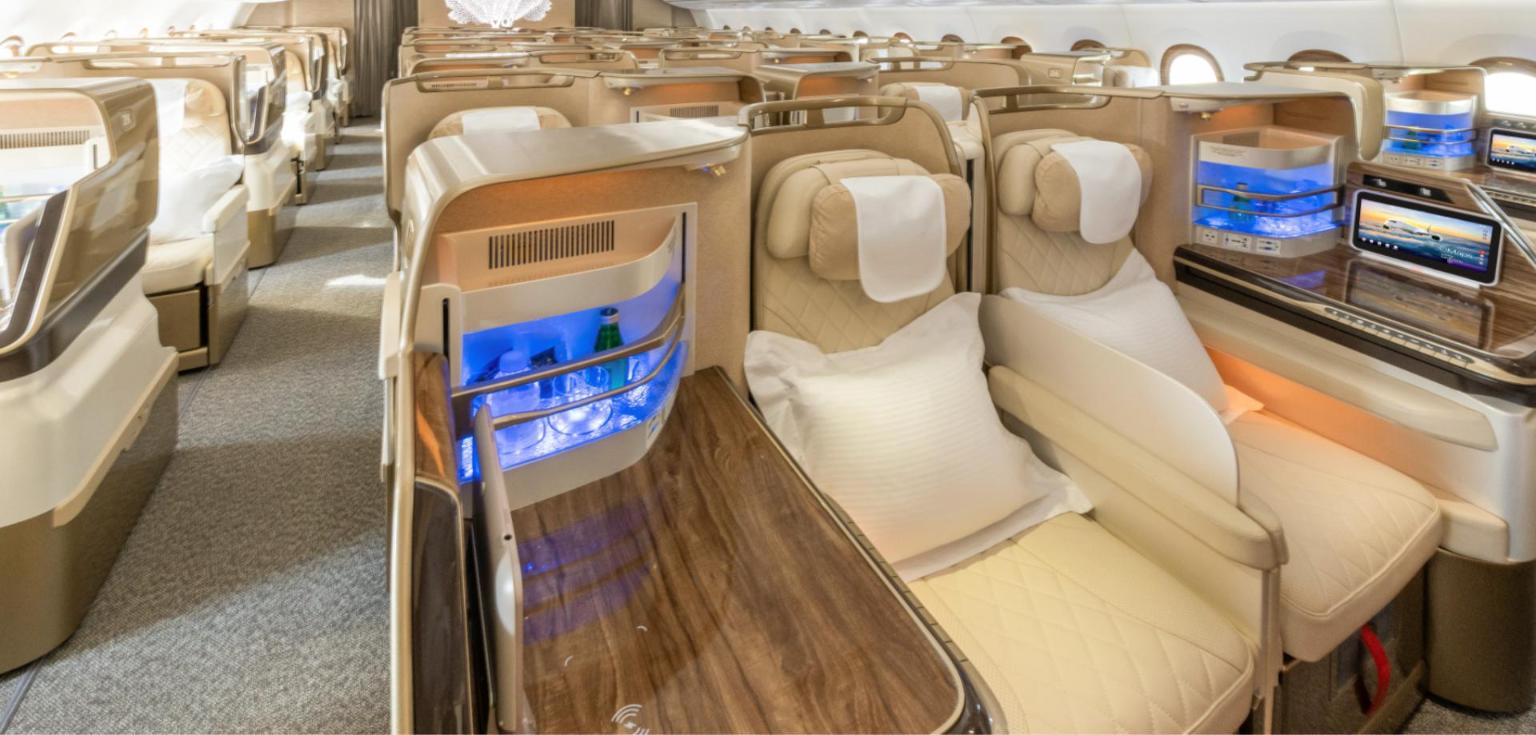
The simplest rule: pay for a flat bed only where you will sleep in it. Premium Economy is a better recliner with a leg rest, not a bed. On a daytime sector where you read, eat and watch films, the difference from Business is mostly space and service. Overnight, the bed is the whole point. For a European traveler connecting through Dubai to the sun:
- Both flights by day, or a short onward hop: Premium Economy. You get the legroom and better dining without paying for a bed you won’t use.
- An overnight onward flight: Business earns its price here. If the fare engine allows mixed cabins, Premium Economy to Dubai and Business overnight can be the best value of all.
- A couple or a family: the fare gap is multiplied by every seat, and the saving can upgrade the villa or add nights at the beach.
- You land straight into a meeting: book Business. A quieter cabin and real sleep matter more than the saving.
- You stop over in Dubai: a Dubai Experience or Emirates Holidays package turns one long journey into two shorter ones, and Premium Economy works far better on two rested flights than on a tired connection. The Dubai Shopping Festival, Global Village and New Year’s Eve give the stop a reason of its own.
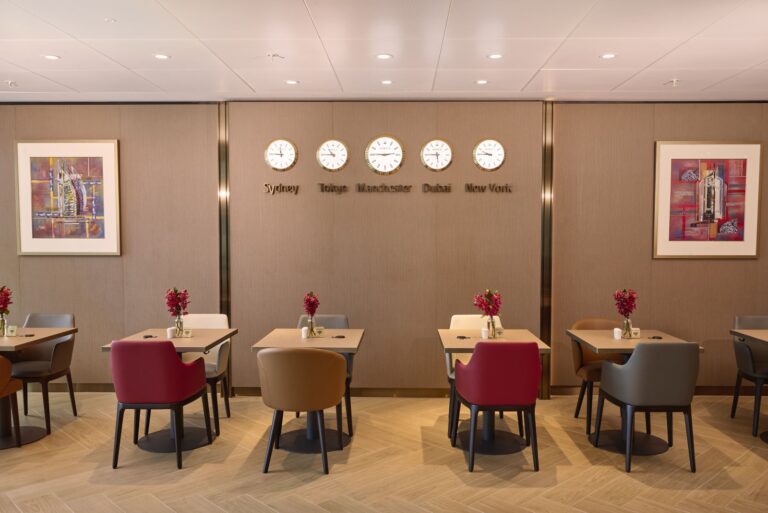
Status helps too: Emirates’ 11 November Skywards campaign restated an existing benefit, that Gold and Platinum members can use its Business and First Class lounges in Dubai whatever cabin they fly.
Now the caveats. The release doesn’t list the 31 cities, so it doesn’t say which 10 European destinations still lack the cabin, or which aircraft fly each route. The privacy screen, electric leg rest, U-Dream headrest and wireless charging are described only for the newest A350s, and the 108 retrofitted aircraft are not broken down by type. So the press release can’t answer the only question that matters at booking: will my flight have it?
Treat the 31-of-41 figure as a starting point, not a promise for your route. Before you pay, open the seat map for your exact flight numbers on both legs: if there is no Premium Economy section between Business and Economy, that flight doesn’t have it. If you want the new seat with the full-height privacy screen, confirm the aircraft is one of the latest A350s, and check again closer to departure, because aircraft can be swapped.
How It Compares With the Competition
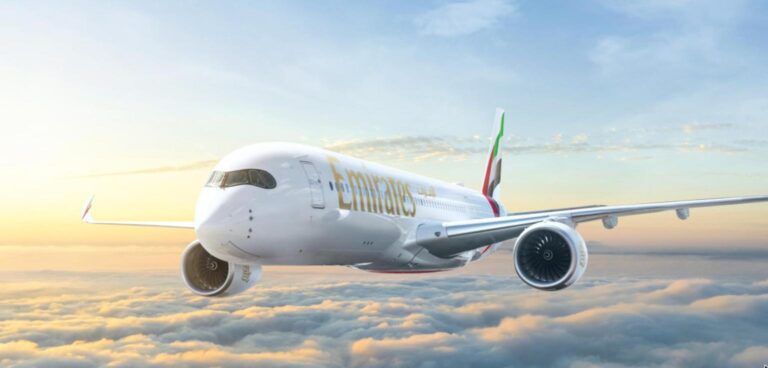
Start with Emirates itself. The newest Premium Economy seat is on the A350, the aircraft Emirates chose for its first US route, Dubai–Orlando, and for its daytime Mauritius flight. On older types, the cabin arrives through the retrofit I looked at in the Emirates 777 retrofit. Paris, the newest gateway, is also where Emirates has been investing at the top end, with the new lounges and A380 service I covered earlier.
Against the other Gulf carriers, Premium Economy is Emirates’ differentiator rather than its rivals’ strength. Qatar Airways has built its premium pitch around business class, with the Qsuite as the benchmark, and my Emirates vs Etihad business class comparison was also about the front of the aircraft. Neither rival puts a middle cabin at the center of its Europe offer the way Emirates now does, which gives Emirates a real edge for travelers who won’t pay for Business.
The harder competition is Europe’s own airlines. Where a European carrier flies nonstop to your destination with its own premium economy, one flight can beat two via Dubai, whatever the seat. Emirates’ case is strongest where there is no nonstop, where you want the Dubai stopover anyway, or where its partners reach an island or safari airstrip a European airline doesn’t.
Emirates, First-Hand Context
I haven’t flown Emirates Premium Economy, so this is a preview based on the airline’s announcement, not a review. My Emirates reference is Business Class: my Emirates Business Class flight from Malé on the 777, where good food and a good amenity kit carried a dated cabin. That is why I take the dining promise seriously: “elevated dining” is the part of Premium Economy I most want to test.
My other benchmark for a Gulf carrier is Etihad’s 787-9 in business class, which I rated 3.5 out of 5, marking it down for the wine. Hardware alone doesn’t make a flight: a privacy screen and an electric leg rest are welcome, but on a long day the meal, the glass and the crew matter as much. Planning a winter escape from Europe tomorrow, I would book Premium Economy on a daytime flight to Dubai and keep Business for any overnight leg.
How Much Does It Cost?
Emirates has not published fares with this announcement. Both cabins are sold on the airline’s own website and through booking sites, priced dynamically by date and demand. The search links below are set to London–Dubai in Business Class; switch the cabin to Premium Economy in the same search to see the gap side by side, the number that should decide which one you book.
Flight prices do move between platforms. The same business class seat on the same date is not always the same price on the airline’s own site, Trip.com and Expedia: point-of-sale currency, consolidator fares and what is bundled into the ticket can shift the fare by a few percent — and occasionally by much more on premium cabins. So before I pay I run the same dates through Aviasales, which scans dozens of booking sites at once, then check Trip.com (often the sharpest on long-haul fares) and Expedia (strongest when you add a hotel to the same booking). One caveat: a ticket bought through a booking site is changed or refunded through that site, not the airline, so read the fare rules before you buy.
For a winter-sun trip from Europe through Dubai, Emirates Premium Economy is now the smart buy for daytime flights, with Business worth its premium only on the legs where you need to sleep.
Photos © Emirates
This preview is based on official announcements — I haven’t flown Emirates Premium Economy yet. Read more about how I review or visit my Work With Me page.
This article contains affiliate links. If you book through them, I may earn a small commission at no extra cost to you. Read my full disclosure policy.