This month, Trip.com published its 2026 ranking of the world’s best islands and beaches, and Bali took the top spot — the most scenic island on the planet, ahead of thousands of contenders. The methodology mixed search trends, booking volumes, traveler reviews, and user-generated content, which is a perfectly good way to measure what people are excited about. It’s a much weaker way to measure whether a place deserves the excitement.
On the shore diving specifically, I have written a full guide to diving in Bali, region by region.
I’m in an unusual position to check their work. Bali has been my home for ten years. It’s the island I return to between liveaboard trips and hotel reviews everywhere else in the world, and the one place I’ve covered in every season, on every kind of transport, from private drivers to the public bus. So when the “most beautiful island in the world” headline started circulating, my reaction wasn’t a cynical eye-roll at booking-data journalism. It was a more interesting question: which Bali did the ranking crown? Because there are at least six of them, and most visitors only ever meet one.
There’s the Bali of infinity pools and beach clubs that dominates every feed. There’s a Bali of temples so old that the rituals inside them predate the concept of tourism by a millennium. There’s a north coast that most travelers never learn exists, shore diving that rivals destinations three flights away, and a restaurant scene in Ubud quietly climbing into Asia’s top tier. I’ve spent a decade reviewing all of it — hotels, villas, dive sites, day trips, restaurants, retreats — and this is my attempt to show you the whole island, not the postcard.
An Island With More Faces Than Most Countries
Bali covers a little over 2,200 square miles, which sounds compact until you try to cross it on a ceremony day. Into that space it fits volcanic peaks, jungle gorges, rice terraces stacked up hillsides like green amphitheatres, black-sand coastline in the south, pale coves further out, and thousands of working temples — not roped-off monuments, but places where offerings are laid every morning and the gamelan still plays for reasons that have nothing to do with visitors.
Most travelers see one slice: Seminyak’s beach clubs, Ubud’s yoga studios, Uluwatu’s clifftop bars. That slice is genuinely good — I’ll defend it below — but it’s also the crowded version, and it’s not the version that kept me here ten years. If you only have a few days, Ubud’s greatest hits are worth the crowds once: Goa Gajah, the rice terraces, the Sacred Monkey Forest. The island starts rewarding you properly the moment you drive past them, toward its quieter east, north, and west.
Temples, Not as a Checklist
Bali has thousands of temples, and the famous ones — Uluwatu, Tanah Lot, Besakih — earn their fame. The Kecak fire dance at Uluwatu, performed at sunset on a clifftop with the Indian Ocean as backdrop, remains one of the best sunset experiences in Asia: dozens of performers chanting in interlocking rhythm while a fire dancer works through the final act. I’ve watched it several times, and it still lands. I book tickets and tours through GetYourGuide for the 24-hour free cancellation — search “Uluwatu Kecak” there to reserve ahead and skip the queue at the gate.
But the temples I keep returning to are the quieter ones. At Pura Tirta Empul, spring water has been used for purification rituals for longer than most countries have existed — locals still queue at dawn to bathe, and you’re welcome to join with a sarong and the right intentions. On the east coast road near Candidasa, the bat temple sits pressed against the sea, its cave alive with thousands of bats, one of the most important temples in the region and almost never on anyone’s itinerary. None of it needs a filter to work. It’s simply old, functioning, and largely unbothered by tourism.
I put a full day of these east-coast stops — the 17th-century Klungkung Palace, the bat temple, the salt harvesters near Candidasa, the black-sand beach — into my guide to exploring East Bali in one day. It’s temple-hopping without the checklist feeling.
Central Bali does the same thing with landscape instead of religion. My central Bali day tour guide links Bedugul’s lake temple, the UNESCO-listed Jatiluwih rice terraces, and Mengwi’s royal water temple into one loop — with the honest caveat that lunch at Jatiluwih is average across all ten near-identical terrace-view restaurants, and the view is what you’re paying for, not the food. If you’d rather not navigate it yourself, GetYourGuide’s East Bali day tours cover similar ground without the driving.
More Than 30 Beaches, and No Two Alike
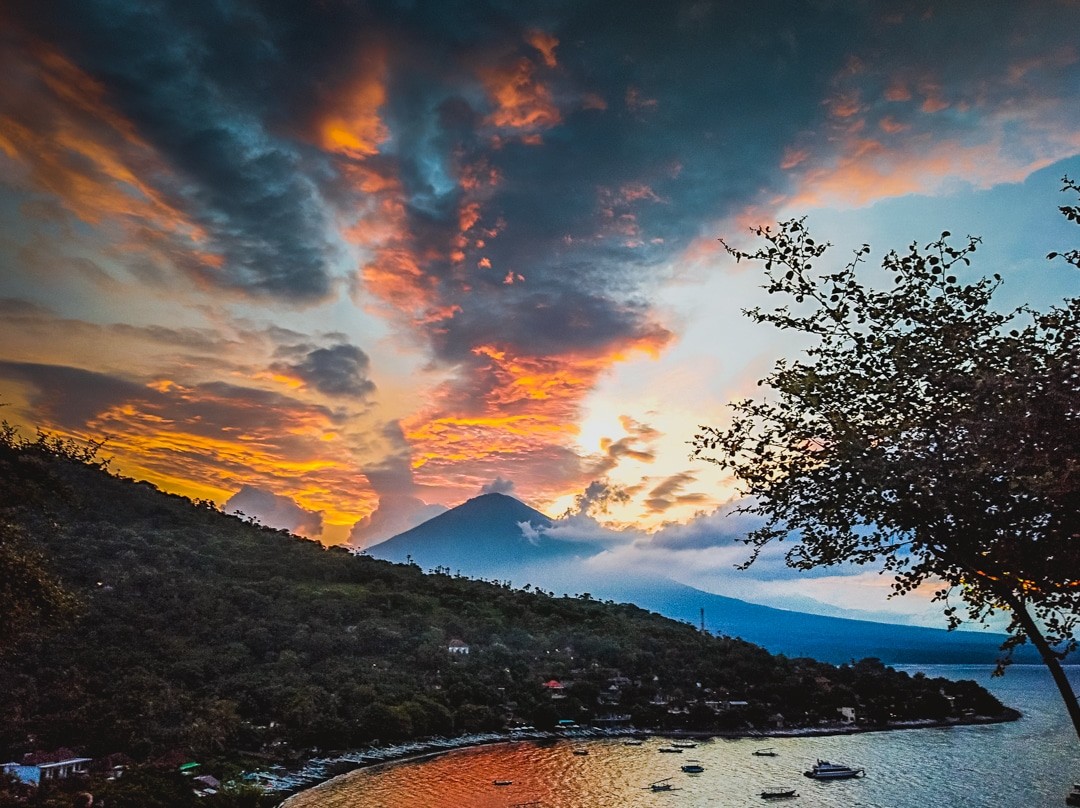
This is where the ranking earns its keep, because Bali’s beaches genuinely refuse to repeat themselves. Uluwatu’s cliffside surf breaks share nothing with Canggu’s black-sand beach-club strip, which shares nothing with the manicured calm of Nusa Dua, which shares nothing again with the pale coves of the east. I’ve stayed on most of these stretches long enough to know which deserve the hype.
Uluwatu is the surf capital — breaks like Padang Padang and Impossibles draw serious wave-riders, and the cliffs above are dramatic enough that non-surfers come just to watch. Melasti, nearby, has become one of the most photographed beaches on the island for its turquoise water and limestone staircase; go early, because by mid-morning it’s a different place. Canggu trades scenery for energy — black volcanic sand, a dense strip of cafés and beach clubs, and the international crowd that has made it Bali’s unofficial digital-nomad capital.
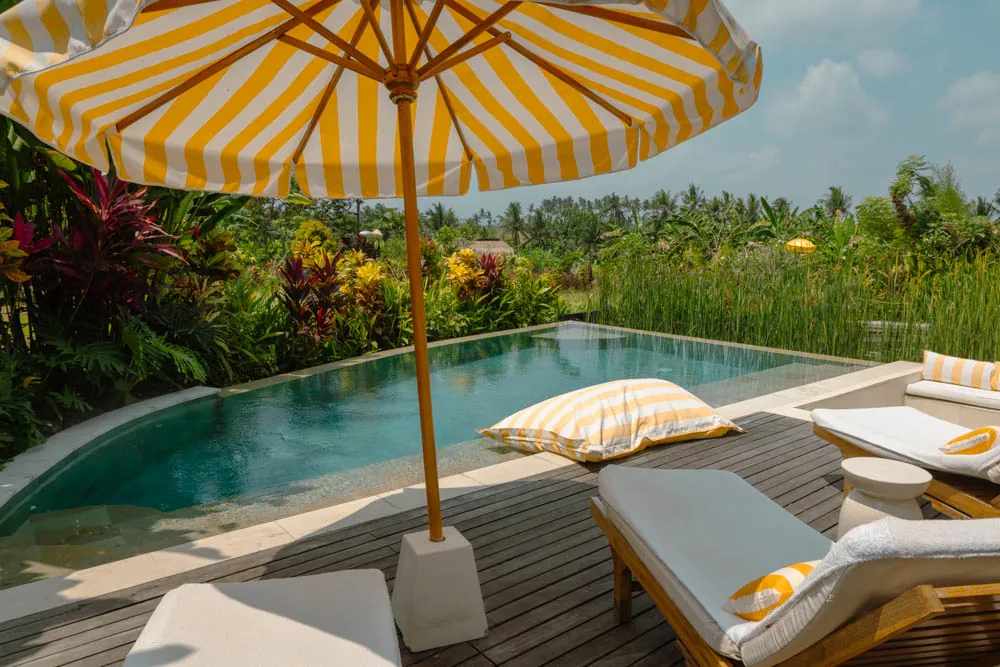
Nusa Dua sits at the other end of the spectrum: manicured, calm, and built around resorts, which makes it the easiest beach on the island for families. The Sofitel occupies one of the classic stretches — I covered the stay, swimming lagoons and all, in my Sofitel Bali Nusa Dua review. A few minutes down the coast, the Mulia compound hides one of my favorite secrets in south Bali: a short walk from the resort leads to a beach as pretty as anything on Nusa Penida, which most guests never find. Details in my Mulia Resort Bali review. And for clifftop drama above the surf, nothing on the island stages it quite like Six Senses — my full Six Senses Uluwatu review covers the villas and the reopening.
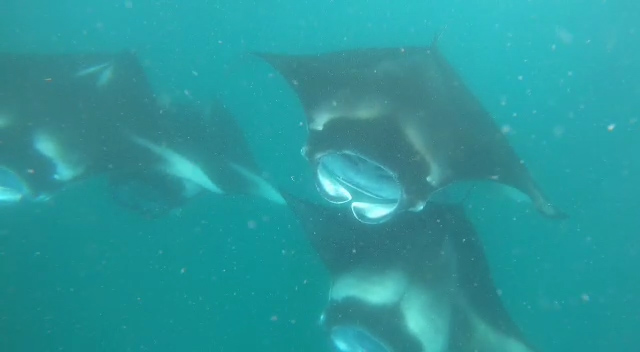
Then there are the islands off the south coast. Nusa Penida’s Kelingking Beach — the T-Rex cliff — has become one of the defining images of Bali in the past decade, Broken Beach and Angel’s Billabong are legitimately dramatic formations, and the water clarity beats anything on the mainland. It’s also one of the more reliable places in Indonesia to snorkel with manta rays. A full-day tour covers the whole loop — Kelingking, Broken Beach, Angel’s Billabong, and the manta cleaning station — in one long day. One tip from experience: seas around the crossing are roughest on the full moon and the day or two after, so if you’re prone to seasickness, time it accordingly. You’ll find plenty of well-reviewed Nusa Penida day tours on GetYourGuide, with free cancellation up to 24 hours before.
The Luxury Hotel Scene Keeps Raising Its Own Bar
Bali’s hospitality market is one of the most competitive in Asia, and it shows no sign of coasting — new openings arrive every year, and the established names renovate rather than rest on reputation. I’ve stayed at and reviewed a wide spread of it, and these five between them cover the island’s very different luxury moods.

Capella Ubud plays by its own rules. It’s a tented camp in the village of Keliki, about 25 minutes north of central Ubud, and the format is genuinely immersive — nature is part of the room, not just the view from it. My Capella Ubud review covers the tents, the dramatic arrival, a breakfast at Mads Lange that ranks among the best I’ve had anywhere in Bali, and one honest surprise: the surrounding area is more built-up than the jungle-hideaway marketing suggests.
The Oberoi Beach Resort, Seminyak is old-school beachfront elegance — a Luxury Lanai Room starts around $391 a night, the private-pool villa closer to $1,038. My Oberoi Bali review flags the dated corners honestly, including beachfront bungalows that sit against a public pathway — worth knowing before booking if privacy is the point.
Four Seasons Resort Bali at Jimbaran Bay takes the opposite design philosophy: no high-rises, laid out like a small Balinese village, 150 villas each with a plunge pool, connected by fragrant seafront pathways and on-call golf carts. It remains one of the most reliably excellent properties in the region — full details in my Four Seasons Jimbaran review.
The Mulia, Nusa Dua is actually three hotels in one compound — resort, all-suite hotel, and villas — and my pick for gastronomy and fitness: the brunch is legendary and the gym is, without competition, the best resort gym in Bali. My Mulia Resort review explains which of the three to book.
Double-Six Luxury Hotel, Seminyak is the value play — beachfront style without Oberoi or Legian prices, 146 rooms, and genuinely good ocean views once you’re on floors three to five, above the beach bars. My Double-Six review breaks down exactly where it earns its rate.
And if a private villa suits your trip better than a resort, I keep a separate running list of the best villas in Bali.
Whichever mood you’re after, don’t book the first price you see. I compare the same room across Booking.com, Expedia, and Trip.com before every booking — no platform wins consistently, and the five-minute check regularly saves 10–20% on identical dates. You can compare current rates on Trip.com here — in my experience it’s the strongest of the three for Bali and the rest of Southeast Asia.
Ubud Is Quietly One of Asia’s Best Food Cities
Ubud rarely gets credit for its restaurant scene, which has become one of the strongest in Asia — chef-driven, produce-obsessed, and increasingly recognized on the world stage. Locavore made history at Asia’s 50 Best Restaurants by building its entire menu around Balinese-sourced ingredients, down to the domestically made plates and cutlery; it has since moved to Mas Village under its new incarnation, NXT, and tables still need booking about a month out.
Two more names worth planning around: Syrco BASÈ, the critically acclaimed tasting-menu destination that has quickly become one of Ubud’s most anticipated dining rooms, and Room4Dessert, pastry chef Will Goldfarb’s globally renowned dessert venue — the best dessert experience on the island, and one that books out three to four weeks ahead.

The scene has range beyond tasting menus, too. There’s an Argentinian-style dining room tucked off Pengosekan Road that might serve the best beef on the island — order the Indonesian flap steak, one of the cheapest cuts on the menu and also the tastiest. The full lineup, with my honest notes on each, is in my Best Restaurants in Ubud guide.
The Bali Most Visitors Never See
Here’s the part of the “most beautiful island” conversation that always gets skipped: the north and the west. Few travelers make it past Ubud and the southern beach towns, and what lies beyond them is one of the best-kept secrets in Southeast Asia.
North Bali, around Lovina, is where I send anyone worn down by Seminyak traffic — waterfalls, volcanoes, dawn dolphin-watching, some of the best fishing in North Bali, and beachfront private pool villas at a fraction of southern prices. I covered one in my Samastiti beachfront villa review in Lovina. Nearby sits Singaraja, Bali’s old capital and second-biggest town, which sees almost no tourists despite Dutch colonial architecture, a museum of 14th-century palm-leaf manuscripts, a working Chinese temple, and one of the island’s most beautifully carved temples just outside town. My one-day guide to Singaraja covers all of it, including where to eat the town’s signature syobak pork lunch.
Further west, the West Bali National Park accounts for roughly 10% of the island’s entire landmass and receives fewer visitors in a year than Ubud’s Monkey Forest sees in a season. Wild boar, monkeys, birdlife, and — offshore at Menjangan Island — some of the best snorkeling near the Bali mainland: clear water, healthy coral, and a reef once ranked third in the world for snorkeling by the Discovery Channel. I’ll be honest, as I always am: don’t expect Komodo-level fish density. But as a wild corner of an island everyone thinks they already know, it’s remarkable. Full logistics, including boat costs at Labuhan Lalang, are in my West Bali National Park and Menjangan Island guide.
The Diving Nobody Thinks to Ask About
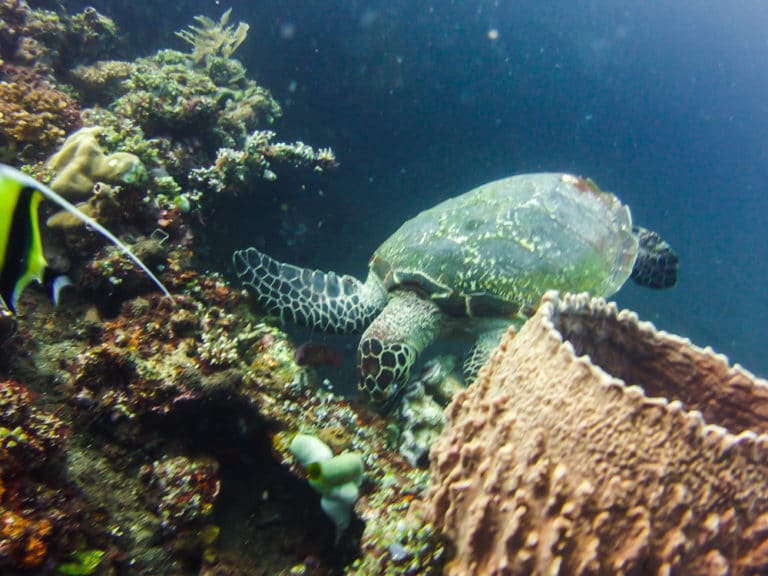
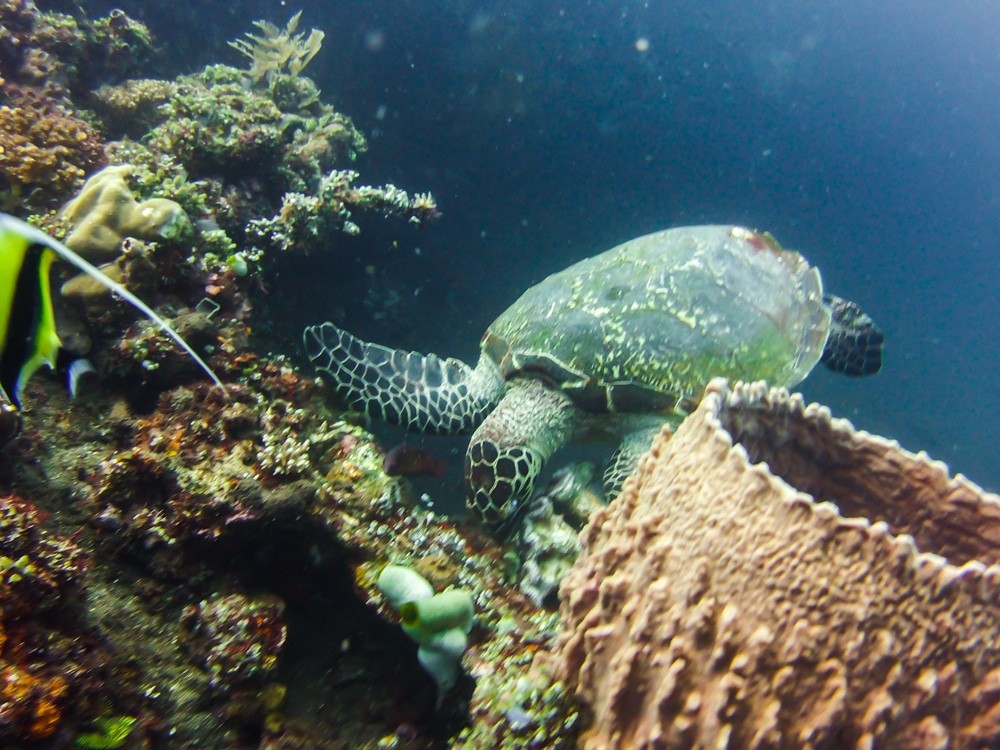
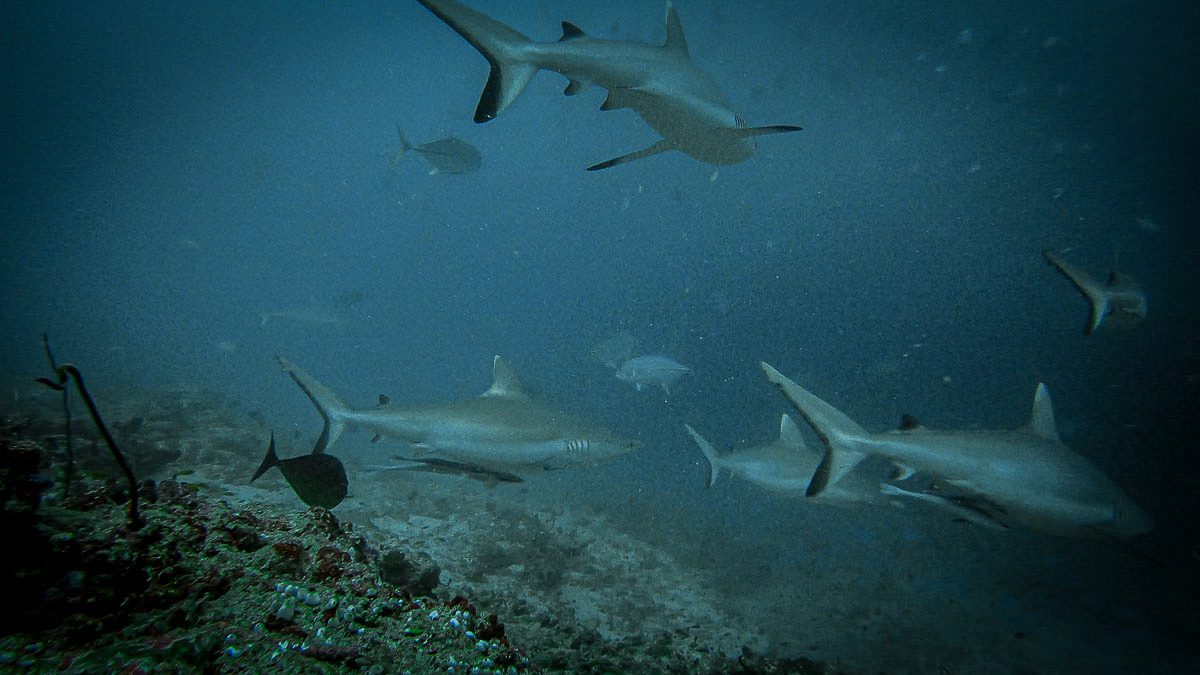
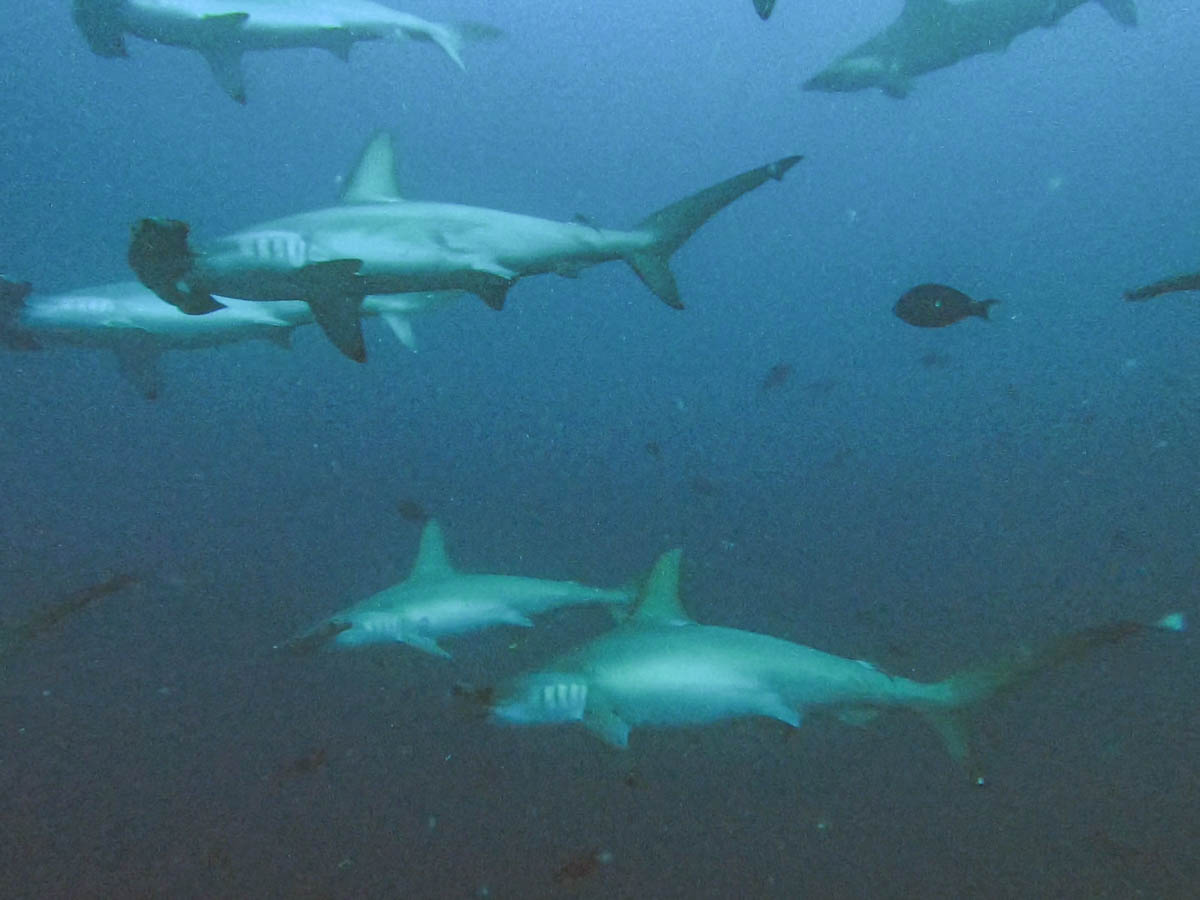
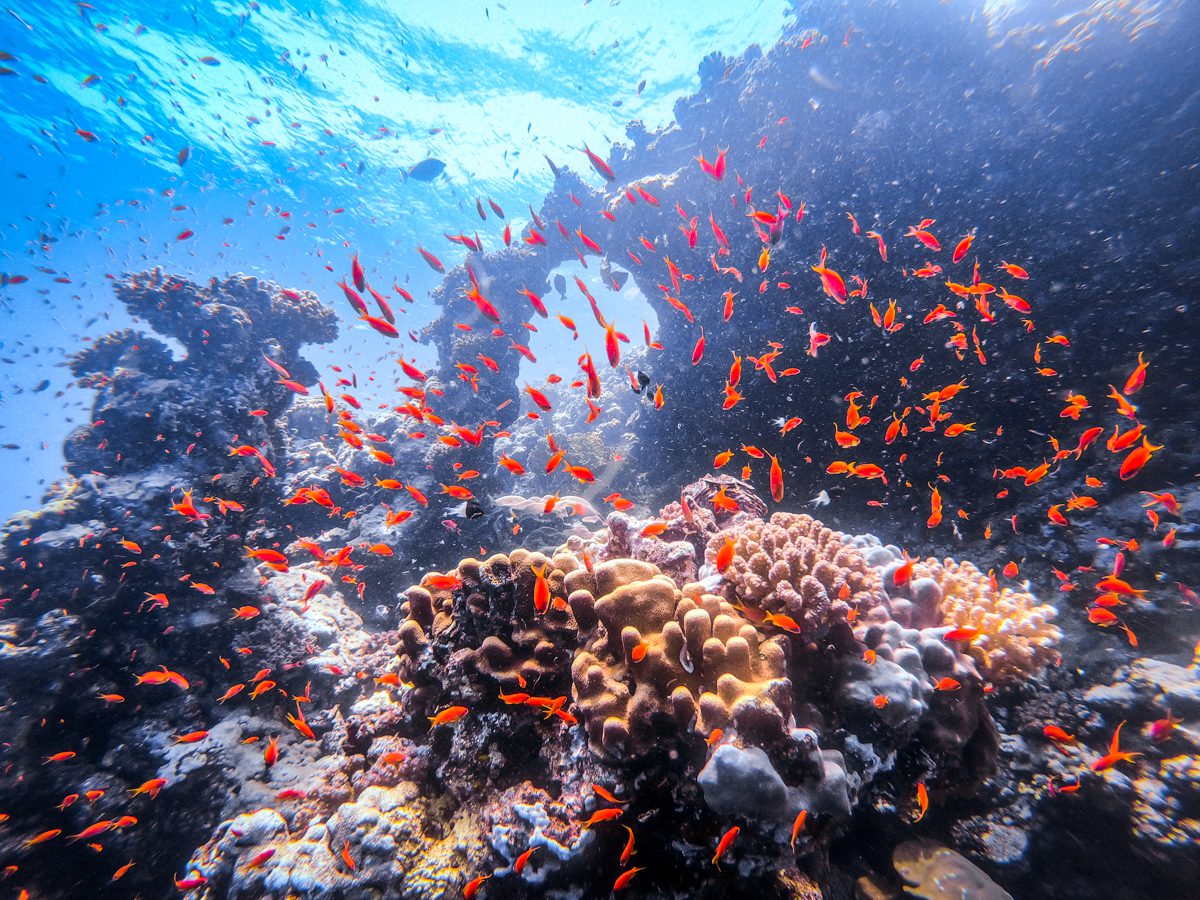
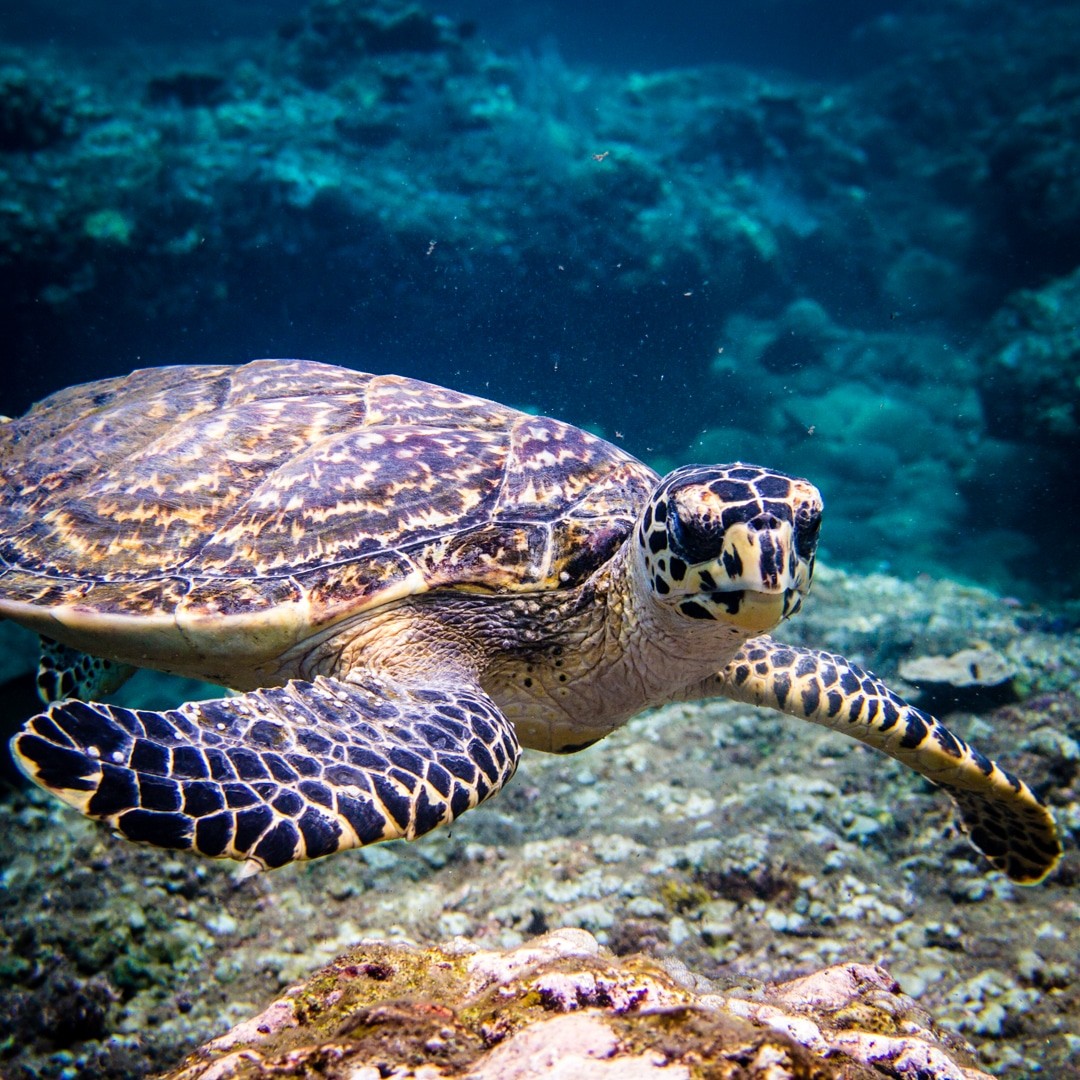
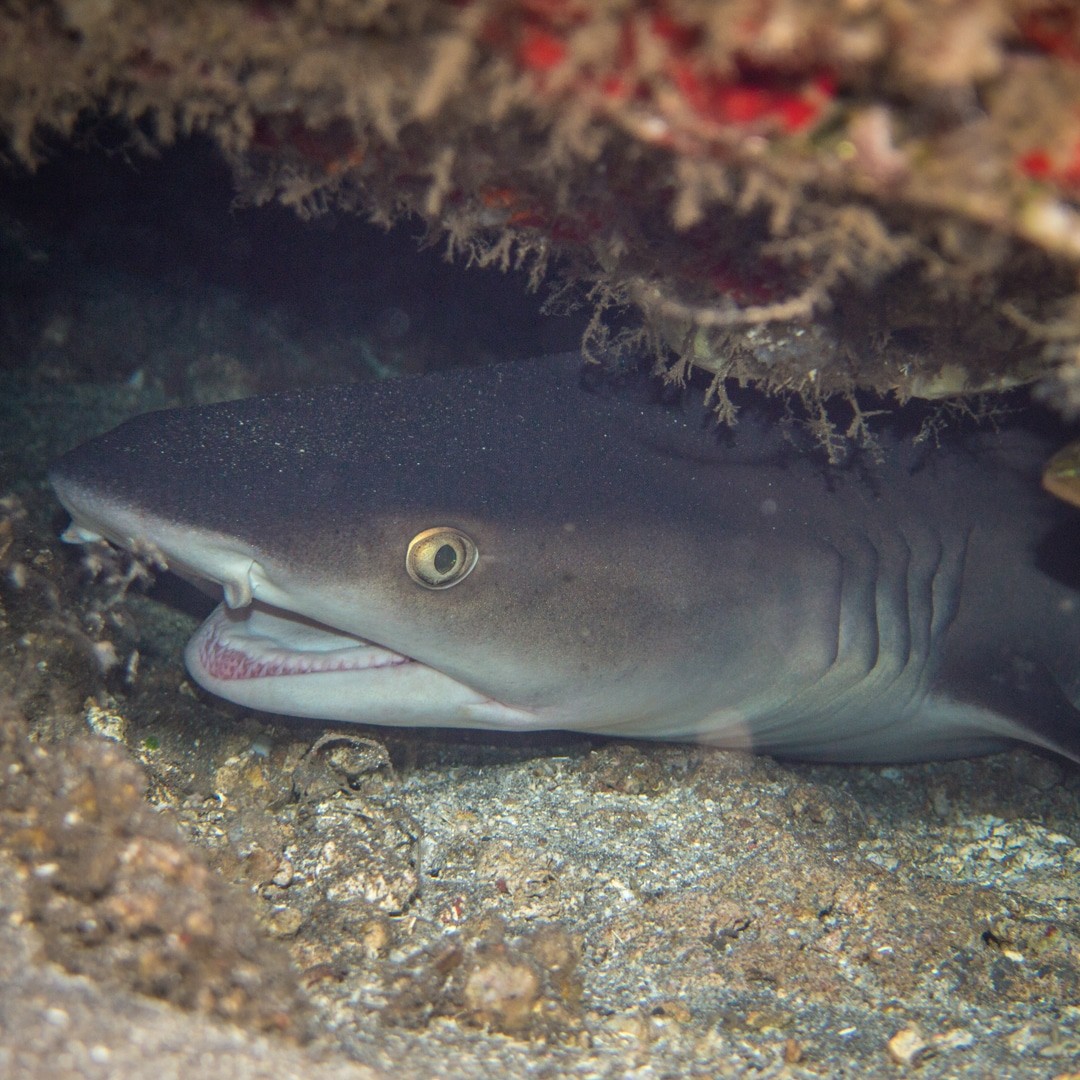
Bali doesn’t market itself as a dive destination the way Raja Ampat or Komodo do, which suits those of us who dive here just fine. The northeast coast holds some of the best shore diving in Indonesia — no liveaboard required. Amed is my go-to: Jemeluk Bay has some of the clearest, richest water on the island, with pygmy seahorses appearing reliably in the sandy shallows from about five meters down, and the Pyramids — my favorite site there — just along the beach. The famous Liberty wreck at neighboring Tulamben draws divers from across the region — busier, but with a wreck landscape Amed can’t match. It’s forgiving territory for newer divers and still rewarding for critter-hunters with a thousand dives behind them; one local tip from my logbook: dive in the early afternoon and you’ll often have the sites entirely to yourself. My full site-by-site breakdown, including where to base yourself and what to do if a triggerfish takes an interest in you, is in my guide to diving Amed.
And if Bali is your gateway to a bigger Indonesian dive trip — many Komodo and Nusa Tenggara liveaboards depart from or connect through here — Liveaboard.com is where I compare and book boats. After more than 30 liveaboard trips, it’s still the most reliable place to see itineraries side by side.
The Wellness Side Is Earned, Not Marketed
Bali’s reputation as a wellness capital predates the hashtags, and it holds up. I’ve now attended the BaliSpirit Festival in Ubud seven times — a week of yoga, workshops, and nightly music running from traditional Balinese to contemporary fusion, with a marketplace that somehow never tips into tourist-trap territory. The staff alone are a reason to go; the number of genuine smiles per day is mind-blowing. My ultimate BaliSpirit Festival guide has the practical details: where to stay within walking distance, and why the super-early-bird tickets are worth grabbing the moment they open.
For something more structured, I spent a full week inside the Goddess Retreat on their Healing program — a 12-room property running a 35-person team for 15 guests, with genuinely unlimited spa access and Balinese healers the founders have worked with for over 20 years. It’s best suited to solo female travelers and anyone in a post-burnout reset, not a party crowd, and popular weeks fill months ahead of dry season. My review breaks down exactly what’s inside the price before you compare it to a hotel rate.
Getting Around, and When to Go
Skip the scooter for anything beyond your immediate neighborhood — hire a private driver instead. It’s safer, more comfortable, and southern traffic (Seminyak and Canggu especially) has worsened considerably over the past decade. For short point-to-point hops, Grab and Gojek — Bali’s ride-hailing apps — work well, including straight from the airport if you haven’t pre-booked a transfer.
Dry season runs roughly April through October: clear skies for Kecak sunsets, calmer crossings to Nusa Penida, better conditions for the Mount Batur sunrise hike. It’s also when Ubud’s best tables and the BaliSpirit Festival’s nearby rooms fill fastest, so book ahead rather than trusting your luck on arrival.
So — Is Bali Really the Most Beautiful Island in the World?
A ranking built on booking data and search volume mostly proves that Bali is popular, which nobody needed proving. But measured against the rest of Indonesia — and against every island I’ve covered across 135 countries — I think the verdict survives scrutiny, just for a better reason than the data suggests. Almost no island this size holds working millennium-old temples, UNESCO rice terraces, thirty-plus genuinely distinct beaches, world-class shore diving, a colonial-era old capital nobody visits, and a restaurant scene that outperforms cities ten times its population. Most beautiful islands are beautiful in one register. Bali is beautiful in six of them at once — and after a decade of living here, I’m still finding new ones.
Julie is the founder of This Is Luxury Travel and has lived in Bali for the better part of a decade, writing every story on this site first-hand. Read more about how I review, or visit my Work With Me page.
Disclosure: this article contains affiliate links. If you book through them, I earn a small commission at no extra cost to you. Read my full disclosure policy.