The short answer
Diving in Bali divides into four distinct regions and they do not overlap. Go to Nusa Penida for big animals: reef mantas year-round at Manta Point (May is the month I have had the most of them), oceanic sunfish (mola) from July to October at Crystal Bay, sharks and eagle rays at Blue Corner, and turtles on almost every dive along the north coast of the island. Go to Menjangan Island in West Bali National Park for the clearest water of any diving in Bali, walls that drop from 10 metres to beyond 60, and gorgonian-covered coral in water that rarely moves. Go to Tulamben and Amed on the north-east coast for the USAT Liberty wreck and the best macro diving in Bali, all of it from the shore, with October and November the peak months for nudibranchs. And if you want to be the only diver in the water, drive to Bukti or Puri Jati on the north coast, where in ten years I have never once shared a site with another boat. My tip for Penida: you do not need to sleep on Penida or Lembongan to dive it. A dive boat from Candidasa reaches the northern sites in about 30 minutes, and you get a real hotel, a real dinner and Gili Tepekong’s sharks thrown in.
The 12 best dive sites in Bali, ranked
If you only read one list of the best dive sites in Bali, read this one. Each site is described in full in its region below, so use it as your shortlist of where to dive in Bali.
- Manta Point, Nusa Penida — reef mantas year-round, peak May; 10–20 m; all levels when the swell allows.
- Crystal Bay, Nusa Penida — mola (sunfish) July to October; 10–40 m; the corner is advanced only.
- USAT Liberty wreck, Tulamben — 120 m WWII wreck from 5 to 28 m, shore entry; all levels; best at dawn or at night.
- Bukti Pinnacle, North Bali — the least known of the best dive sites in Bali, a 1,000-year-old coral with sharks, turtles and fusiliers, and no other divers; experienced only.
- Gili Tepekong & Mimpang, Candidasa — reef sharks, wobbegongs, mola in season; strong current; advanced.
- Pos II & Eel Garden, Menjangan Island — vertical walls to 60 m+, 30 m visibility, pygmy seahorses; all levels.
- SD and Toyapakeh, Nusa Penida — the easiest Nusa Penida diving, drift dives over the healthiest hard coral in Bali, turtles on every dive; intermediate.
- Puri Jati, North Bali — the quietest of the best dive sites in Bali: mimic octopus, pistol shrimp, ghost pipefish on black sand; intermediate; you will be alone.
- Batu Niti and Seraya Secret, Tulamben — the macro photographers’ dive; 5–35 m; all levels with a good guide.
- The Pyramids, Amed — artificial reef at 20 m with leaf scorpionfish and whitetips; all levels; beware the triggerfish.
- Blue Corner, Nusa Lembongan — sharks, eagle rays and four-knot current; advanced only.
- Blue Lagoon, Padang Bai — the easiest dive on the island and the closest to the south; the right first dive.
Why trust this guide

I have lived in Bali for ten years, and every site in this Bali diving guide is one I have dived myself; I return here between liveaboard trips to Komodo, Raja Ampat, the Maldives, and beyond. I have logged more than 1,500 dives across 135 countries, I hold a Rescue Diver certification, and I have dived every region in this guide from the shore, from day boats and from the north-coast beaches I know best. Where I have written full reviews of a site or a stay, I link to them below. Where I have not dived somewhere myself, I say so. Read more about how I review.
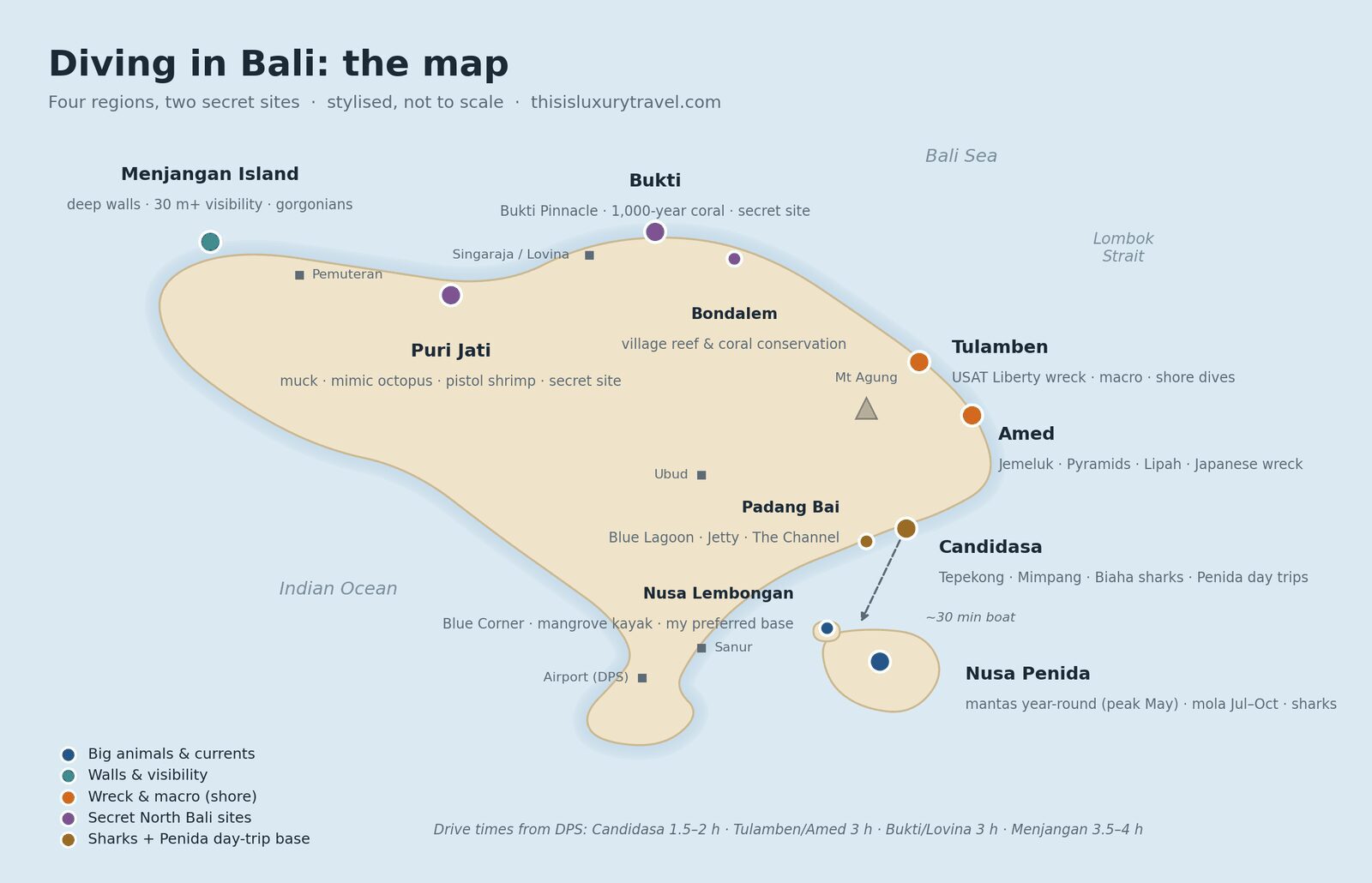
Bali’s four diving regions at a glance
The short version of where to dive in Bali, before the detail below.
| Region | Best for | Level | Access | Season |
|---|---|---|---|---|
| Nusa Penida (and Lembongan) | Mantas, mola, sharks, eagle rays, turtles, pelagics | Intermediate to advanced (currents, thermoclines) | Day boat from Candidasa, Padang Bai or Sanur; or stay on Lembongan | Year-round; mantas peak May; mola Jul–Oct; calmest Apr–Nov |
| Menjangan Island (West Bali NP) | Deep walls, 30 m+ visibility, gorgonians, pygmy seahorses | All levels | 30-minute boat from Labuhan Lalang or Banyuwedang | Best Apr–Nov; clearest Jul–Sep |
| Tulamben and Amed | USAT Liberty wreck, macro, easy shore diving | All levels | Shore entries; 3 hours from the airport | Year-round; nudibranchs peak Oct–Nov |
| Bukti and Puri Jati (North Bali) | Empty reefs, a 1,000-year-old coral pinnacle, muck critters | Intermediate (currents); Bukti Pinnacle experienced only | Shore or jukung entries, arranged through your villa | Year-round; dry season best |
| Padang Bai (Blue Lagoon) | First dives, refreshers, the closest site to the south | Beginner | 5-minute boat from Padang Bai harbour | Year-round |
Nusa Penida: big fish, big currents
Nusa Penida sits 20 kilometres south-east of Bali across the Badung Strait, and the water that pours through that strait is why Nusa Penida diving is so good. The Indonesian Throughflow pushes cold, nutrient-rich water up from the deep Lombok Strait, which is what brings the oceanic sunfish to the cleaning stations in the second half of the year and keeps the reef mantas fed all year. It is also why Nusa Penida diving is the one part of Bali where I tell people to be honest about their experience level before they book.
Manta Point and Manta Bay
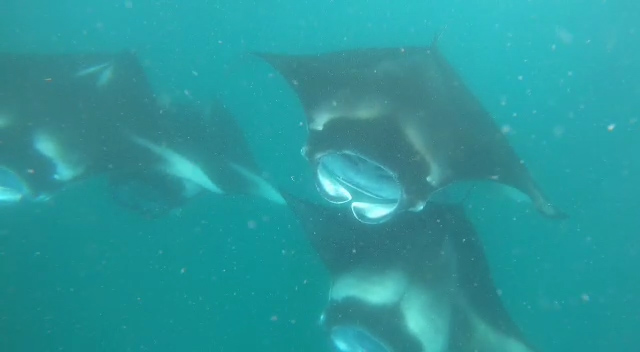
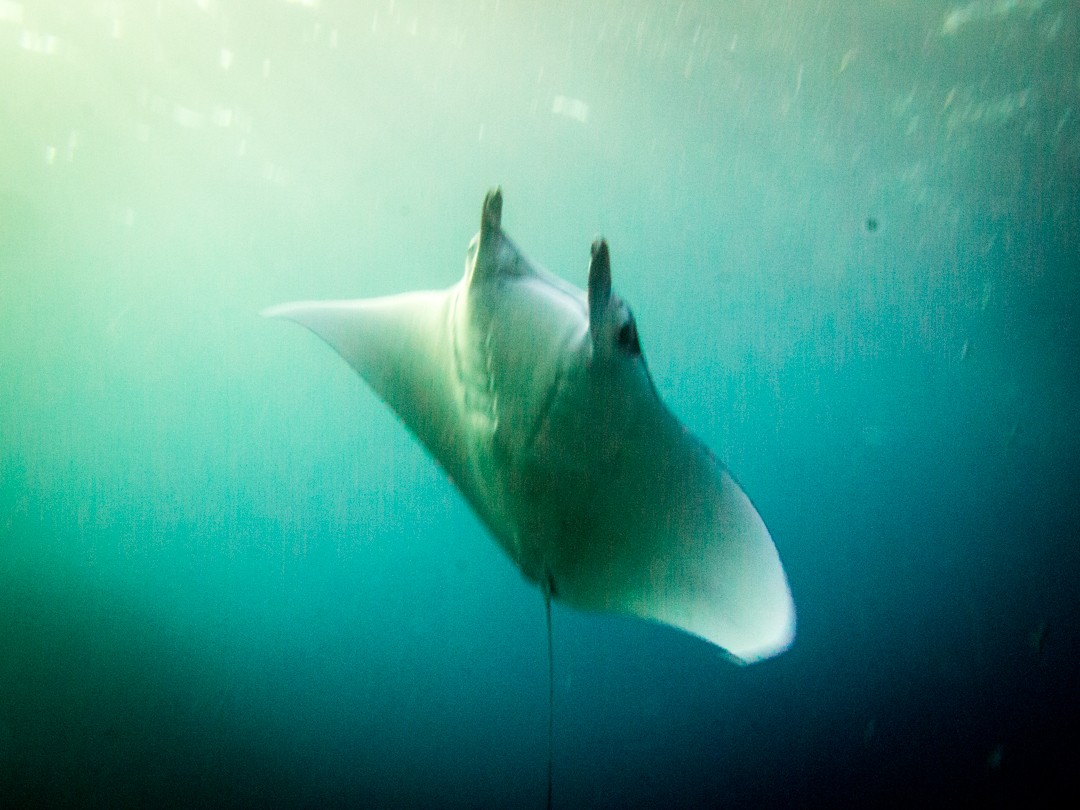
Manta Point sits on the exposed south-west coast of Penida below the limestone cliffs, and the crossing to it takes 45 to 60 minutes from most departure points, longer than any other Penida site. The site is a series of cleaning stations on a rocky reef at 10 to 20 metres, with a surge that rolls in from the Indian Ocean and no protection from the swell. Reef mantas (Mobula alfredi) are present year-round and operators quote encounter rates above 90 per cent, but the month I keep going back in is May: the seas have settled after the wet season, the water is still warm, and the cleaning stations are busiest before the cold upwellings arrive in July. On my best May dive there I had more than six mantas over the cleaning station at the same time. You hang at the cleaning station, you keep low, and the mantas, some of them 4 metres across, come to you. Bamboo sharks rest under the ledges. Manta Bay, a little further north, is shallower and used mostly by snorkel boats; if you are diving, insist on Manta Point.
Crystal Bay: the mola dive
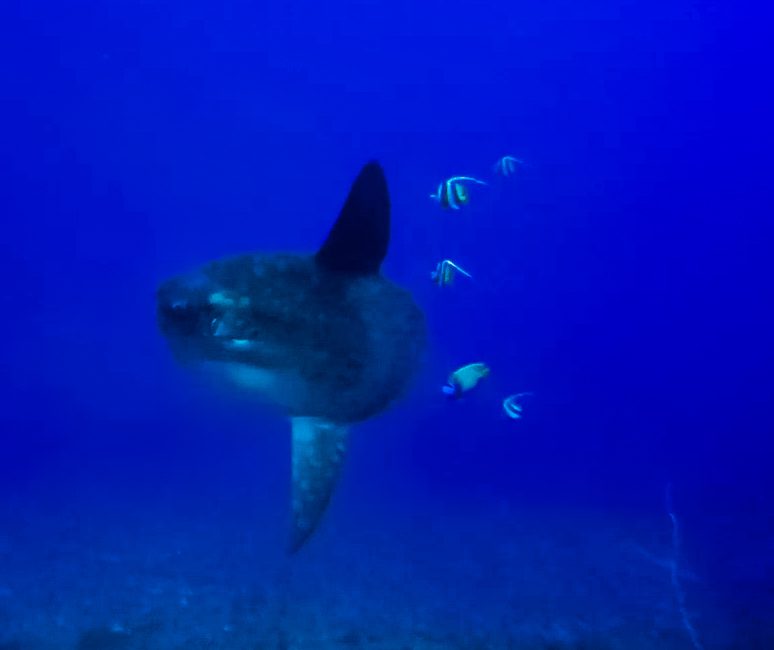
Crystal Bay is the site everybody comes to Bali for between July and October, and it is the one dive in Bali that people plan whole trips around. The bay itself is calm, sandy and shallow, an easy 10 to 15 metre dive for anyone, with a rock islet in the middle and a resident school of batfish. The mola come to the corner, where the reef drops away to beyond 40 metres and the current from the Ceningan channel meets the bay. That corner is where the water temperature falls to 18 or 19°C in a thermocline you feel in your teeth, and where the current can pull you off the reef and out toward the channel. There have been fatalities here. Dive it with a guide who knows it, stay on the reef side of the point, carry a surface marker buoy, and wear a 5 mm suit in mola season even if you do the rest of your diving in Bali in a 3 mm. The sunfish, when they come, rise from the deep to be cleaned by bannerfish at 25 to 35 metres, and a 2-metre disc hanging in blue water is one of the strangest sights in diving. Peak sightings are August and September. Sightings are never guaranteed, and I would not plan a diving in Bali trip around a mola alone.
The north coast drifts: Toyapakeh, SD, Ped and Sental
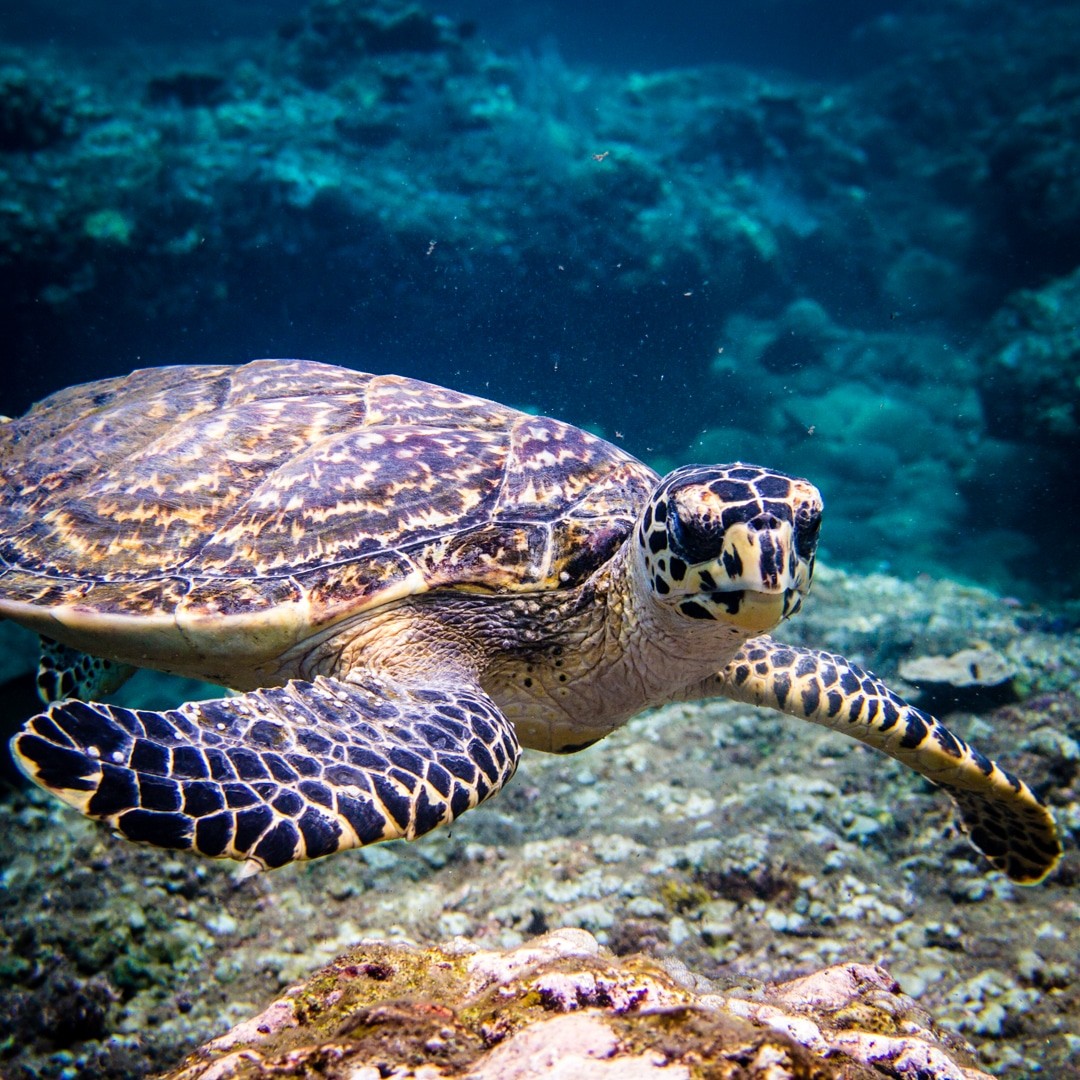
The north coast of Penida, facing Bali, is the backbone of Nusa Penida diving: a 10-kilometre sloping reef broken into named sections: Toyapakeh, PED, SD (short for Sekolah Dasar, the primary school on the shore above it), Sental and Buyuk. This is the most reliable Nusa Penida diving: drift dives in 20 to 30 metres of water over some of the healthiest hard coral in Bali, with table corals, staghorn fields and turtles on almost every dive. The current runs parallel to the reef, usually at a manageable one to two knots, and the boat follows your bubbles. Toyapakeh is the most sheltered and the most colourful, with a soft-coral slope and a mola cleaning station at around 40 metres. SD is the classic first dive of the day: schooling fusiliers, sweetlips under the tables, hawksbill and green turtles. Ped and Sental are the same reef with fewer boats. Currents here can switch direction mid-dive, which is why every Penida guide carries a reel and every diver should too.
Blue Corner and Gamat Bay
Blue Corner, on the north-west tip of Lembongan, is the advanced end of Nusa Penida diving: a negative entry into a current that has been measured at four knots, a wall dropping past 30 metres, and the reward of grey reef sharks, eagle rays, marbled rays and, in season, mola. Operators only run it when conditions allow and often at dawn. Gamat Bay, between Penida and Ceningan, is a sheltered bowl for macro and nudibranchs that turns into a funnel when the tide runs. Ask the shop which tide they are diving it on.
Coral spawning, and a way to give something back
Once a year, about a week after the full moon in November or December, Bali’s reefs spawn. The corals release their eggs and sperm in a single synchronised night, usually an hour or two after dark, and for a few minutes the water column fills with pink and orange bundles rising like snow in reverse. Marine biologists documented it on Nusa Penida on 22 November 2024, with Acropora, Galaxea, Merulina and Lobophyllia all going within the same evening, and the Penida and Amed dive shops now run night dives in that window. There is no guarantee of the exact night, so plan three or four evenings around the date rather than one. The same reefs are where you can put a fragment back. Ocean Gardener, a Bali-based non-profit founded in 2016, runs coral-restoration programmes from Lipah Bay in Amed and from Ped on Nusa Penida’s north coast: a two-day Introduction to Coral Restoration course, a modular full certification over several weeks, and a four-hour snorkel session where you plant fragments on a nursery table. I would rather send divers there than to any “eco tour” in the south. I did their weekend training myself and came away knowing far more about coral than I expected — not only how to clean a colony, but how to propagate and replant it.
When to dive Nusa Penida
For Nusa Penida diving, mantas are present year-round, with May my pick. Mola season runs July to October, with August and September the peak, and that is also when the water is coldest, 18 to 24°C at depth. Within that window the operators out on the islands reckon sightings pick up around the full moon and the new moon, when the spring tides drive the strongest exchange through the channels and push the cold water shallower. The published research on Penida’s mola ties their appearances to upwelling and water temperature rather than to the moon itself, so use the lunar calendar to weight which days you dive, not as a guarantee. From November to March the water warms back to 27 to 29°C, the wet season brings run-off and lower visibility on the north coast, and the swell at Manta Point gets bigger. April to June is the sweet spot for coral, calm crossings and warm water without the mola crowds.
My tip: dive Penida as a day trip from Candidasa
Most guides to Nusa Penida diving tell you to sleep on Nusa Penida or Nusa Lembongan. You can, and I explain below where I would stay if you do. But the alternative that most visitors never hear about, and the one I recommend for Nusa Penida diving, is Candidasa on Bali’s east coast. Dive boats from Candidasa and neighbouring Padang Bai reach Toyapakeh and SD in about 30 minutes, which is faster than the crossing from Sanur and gets you onto the north-coast reef before the Sanur boats arrive. Manta Point is roughly an hour. You dive two or three tanks at Penida, you are back on the mainland for a late lunch, and you sleep in a proper hotel with a proper restaurant. Candidasa also has its own reason to be there. Gili Tepekong, Gili Mimpang and Gili Biaha are three rock islets ten minutes off the beach, and between them they deliver whitetip and blacktip reef sharks resting in Biaha’s Shark Cave at 18 metres, wobbegongs and the occasional coral cat shark at Mimpang, schooling sweetlips and jacks in Tepekong’s canyon, and mola between August and October on the same cold upwellings that feed Crystal Bay. Visibility runs to 30 metres. Tepekong’s canyon is nicknamed The Toilet for a reason: the currents flush, and operators only take experienced divers there when the tide is right. Alternate Penida days with Tepekong days and you have the best big-animal week of diving in Bali without a single ferry.

Padang Bai’s Blue Lagoon: the right first dive

Five minutes from Candidasa, Padang Bai’s Blue Lagoon is the closest of the dive sites in Bali to Sanur, Seminyak and Ubud, a three-minute boat ride from the harbour to a reef that starts at 5 metres and slopes gently to 30 with almost no current. It is not the best diving in Bali and I have never pretended otherwise, but it is exactly the right dive for a first-timer, a refresher after a few years out of the water, or a family with one diver and three snorkellers: lionfish, frogfish, turtles, pipefish and a nudibranch count that keeps macro people happy, in conditions that never frighten anyone. If you are staying in the south and only have one day, this is the day trip that does not eat your whole holiday in a car. The Jetty and The Channel next door add atmospheric pillars full of critters and reliable whitetips.
Menjangan Island: deep walls and the clearest water in Bali
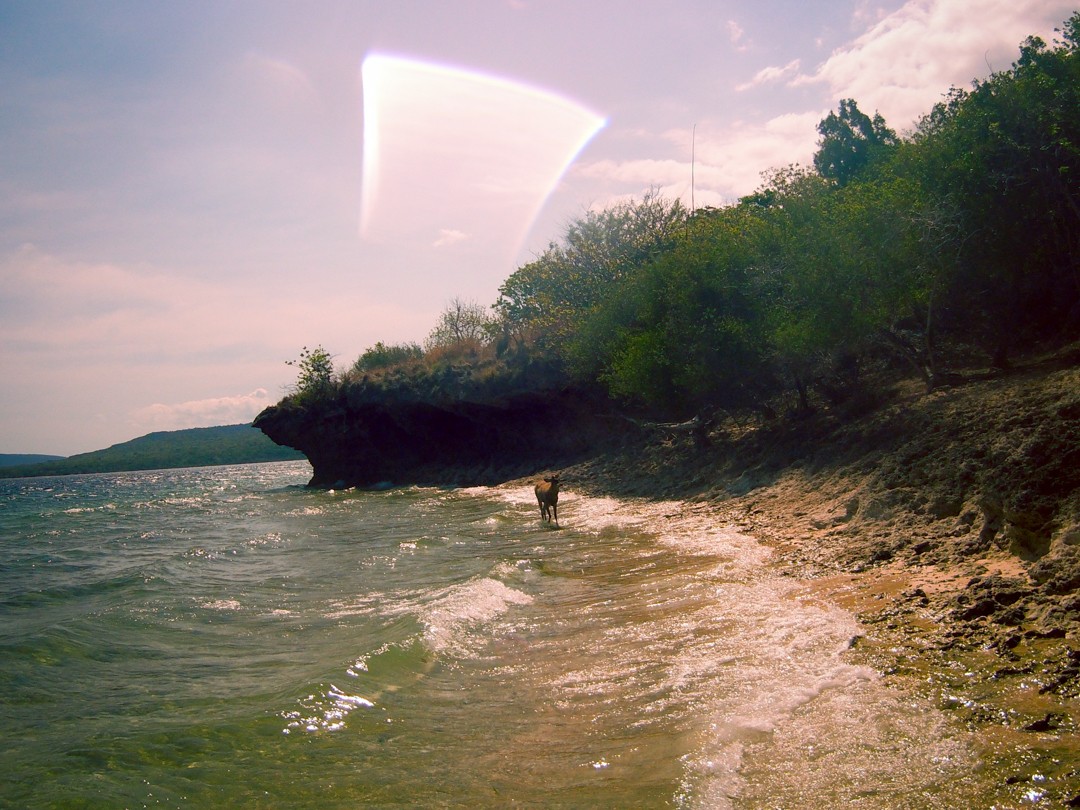
Menjangan is a small uninhabited island off the north-west tip of Bali, inside West Bali National Park, and for clear-water diving in Bali it is the opposite of Penida in every way. The water barely moves. Currents above one knot are rare. Visibility runs from 15 metres on a bad day to 50 on a good one, with July to September the clearest months. The water sits at 28 to 31°C year-round. And the island is ringed by walls that begin at 10 metres and fall past 60, covered in gorgonian sea fans, barrel sponges and soft coral in a density you will not find anywhere else in Bali. If Penida is the adrenaline dive, Menjangan is the one you do to remember why you learned. What it does not have is fish in quantity: the walls are beautiful and the pygmy seahorses are there, but you will not see the schools you get at Penida or Bukti, and it is a long way from everything else. If you are short of time on the loop I describe below, Menjangan is the region I would drop first. I first came here on a day trip to West Bali National Park from the north coast, and the memory that stayed is surfacing from crystal water to find wild deer standing on the beach: Menjangan means deer in Indonesian, and the island’s Javan rusa wade between the mangroves at low tide.
The dive sites
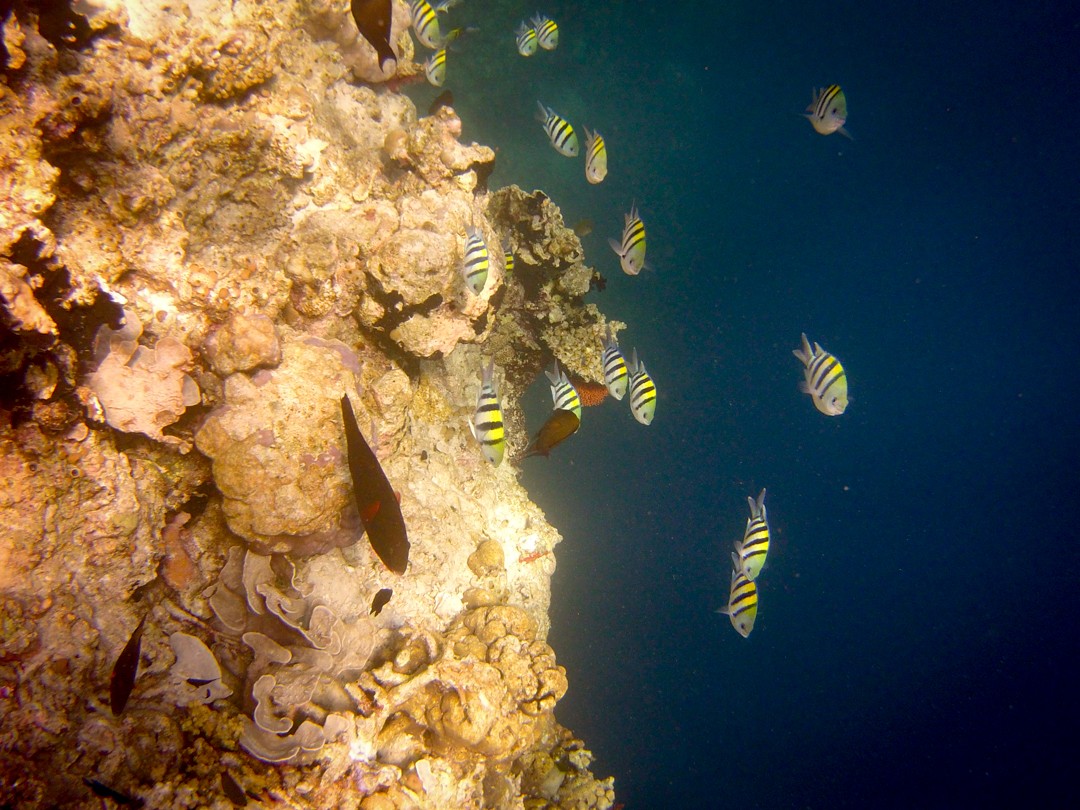
Pos II on the south side is the deepest wall in the park, dropping to 40 metres and beyond, with frogfish and crocodile fish in the shallows and whitetips patrolling the deep. It is usually dived as a gentle drift. Eel Garden on the west end starts on a sandy slope full of garden eels at 6 metres and turns into a wall covered in the largest sea fans on the island, several of them home to pygmy seahorses. Anchor Wreck, on the north-west tip, is the one dive here for experienced divers: an old wooden vessel, thought to be a 19th-century Dutch ship, lying on the slope from 30 to 45 metres with its encrusted anchor visible from far shallower. Coral Garden and Temple Point are the shallow options, sloping reef from 5 metres with turtles and schooling fusiliers, where snorkellers and children share the water safely. Because the walls are vertical and the visibility is so deep, Menjangan is where new divers overshoot their depth without noticing; watch your computer.
Logistics for Menjangan, and a warning about where to stay
Boats leave from Labuhan Lalang jetty and from the Banyuwedang bay resorts, and the crossing takes about 30 minutes. A national park entry ticket is compulsory and is normally charged on top of your dive price, payable in cash on the day: Rp 200,000 per person per day for foreign visitors, and Rp 300,000 on Sundays and national holidays. Ask your operator to confirm it, because the tariff does change. Menjangan is a 3.5 to 4-hour drive from the airport or Ubud, or an hour and a half west of Lovina, which is how I do it. A word of caution on the resorts inside the park. In April 2026 a special committee of the Bali Provincial Parliament inspected Plataran Menjangan and found that at least five of its eighteen villas had been built on mangrove conservation land inside West Bali National Park, with mangrove clearing and breaches of the 100-metre coastal setback; the committee asked for those villas to be closed temporarily pending investigation and for the mangroves to be rehabilitated. The Ministry of Forestry rejected that reading a few days later, stating that the resort sits inside the park’s designated utilisation zone — the zone legally set aside for limited nature tourism — with its permits and environmental approvals in order and under the supervision of the park authority. The dispute between the provincial committee and the ministry has not been settled, and the resort is still operating. None of it changes the diving, but it is worth knowing before you book anything on that shore.
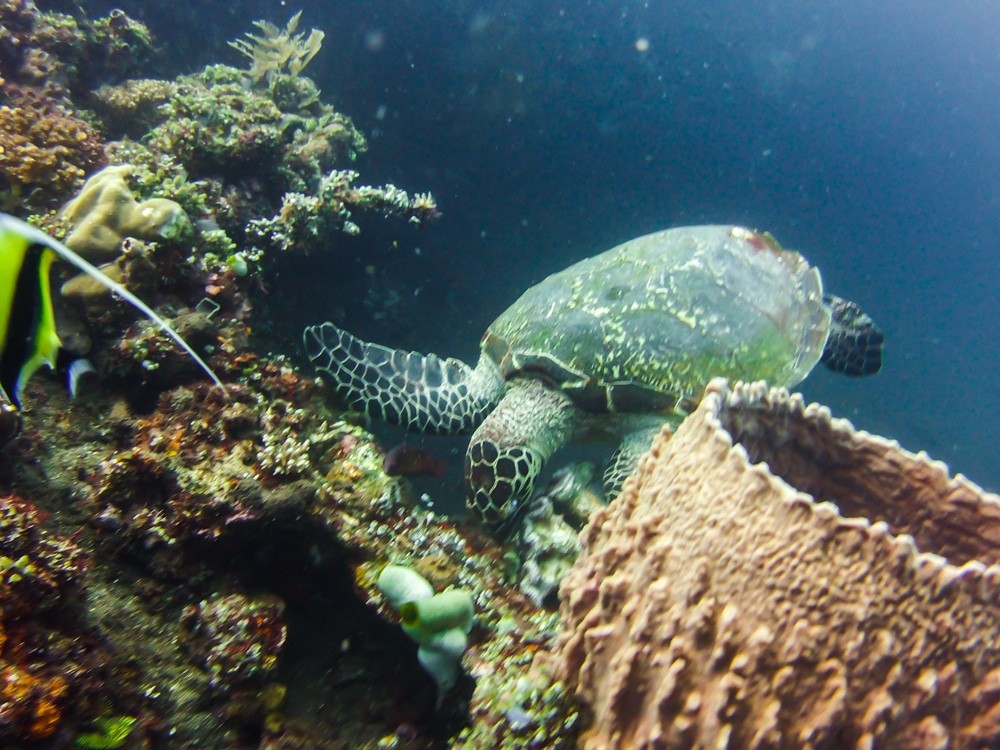
Tulamben: the wreck that made Bali a diving destination
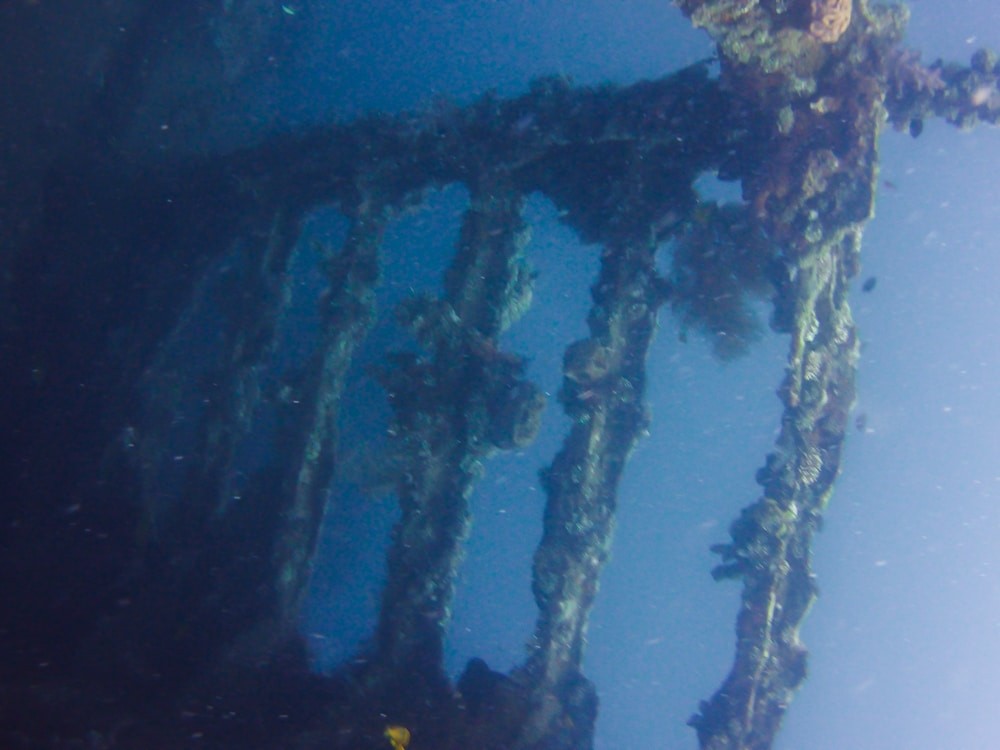
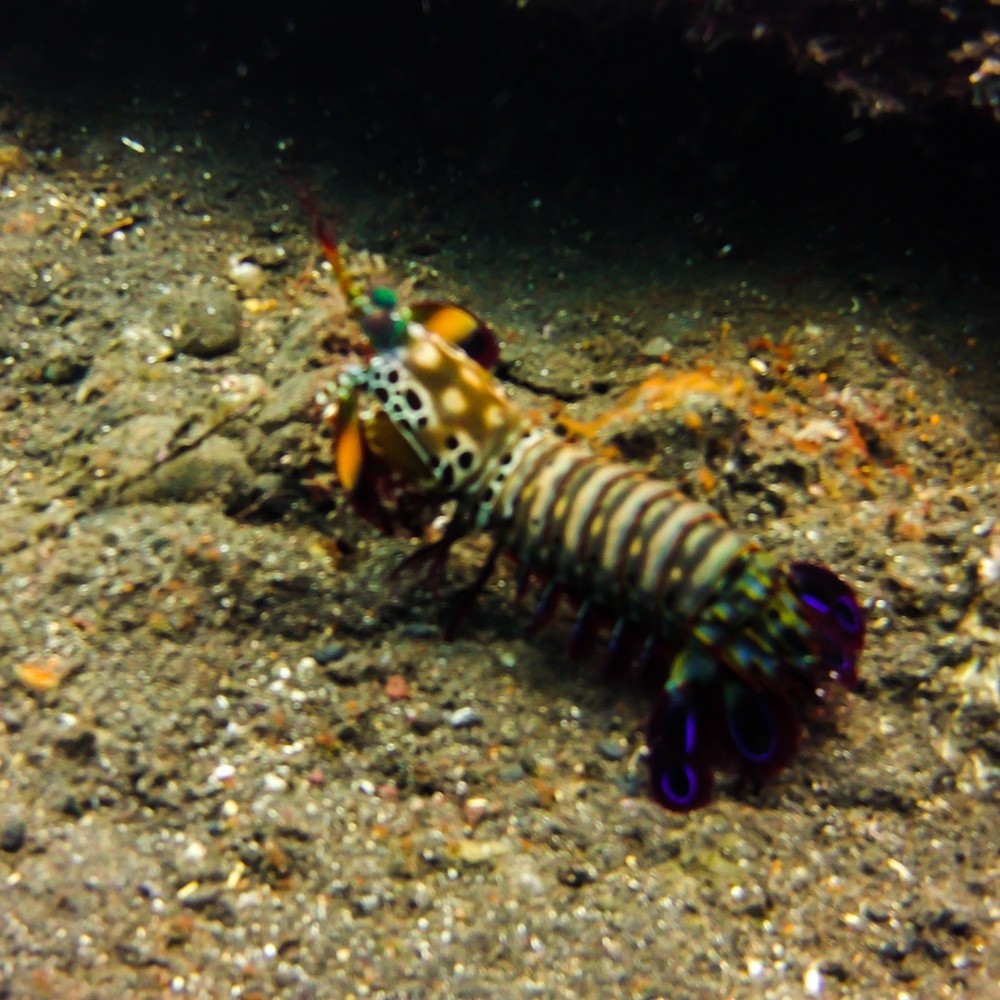
The USAT Liberty is the reason Tulamben exists as a dive town, and it is still the most dived of all the dive sites in Bali. The 120-metre US Army cargo ship was torpedoed by a Japanese submarine in January 1942 while crossing the Lombok Strait, towed toward Bali and beached at Tulamben, where it sat on the black-sand shore for 21 years until the 1963 eruption of Mount Agung pushed it back into the sea. It now lies parallel to the beach from 5 to 28 metres, 30 metres from the shore, which makes it probably the most accessible large wreck in the world. You walk in over rounded lava stones, drop down and the stern is in front of you. I have dived Tulamben many times and written a full guide to diving Tulamben. The wreck is completely overgrown with soft coral and encrusting sponges, and it holds a resident school of bumphead parrotfish that sleep in the hull and file out at dawn, big-eye trevally in the midwater, groupers and angelfish in the holds, and macro life everywhere: leaf scorpionfish, pygmy seahorses on the fans, orangutan crabs in the bubble coral, peacock mantis shrimp on the sand, and frogfish so small I once photographed one at about 2 centimetres. Turtles graze the coral on the seaward side. What you will not see any more are the schools of barracuda and jacks that older divers describe; twenty years of dive traffic have thinned the pelagics even as the macro has flourished.
Beyond the Liberty
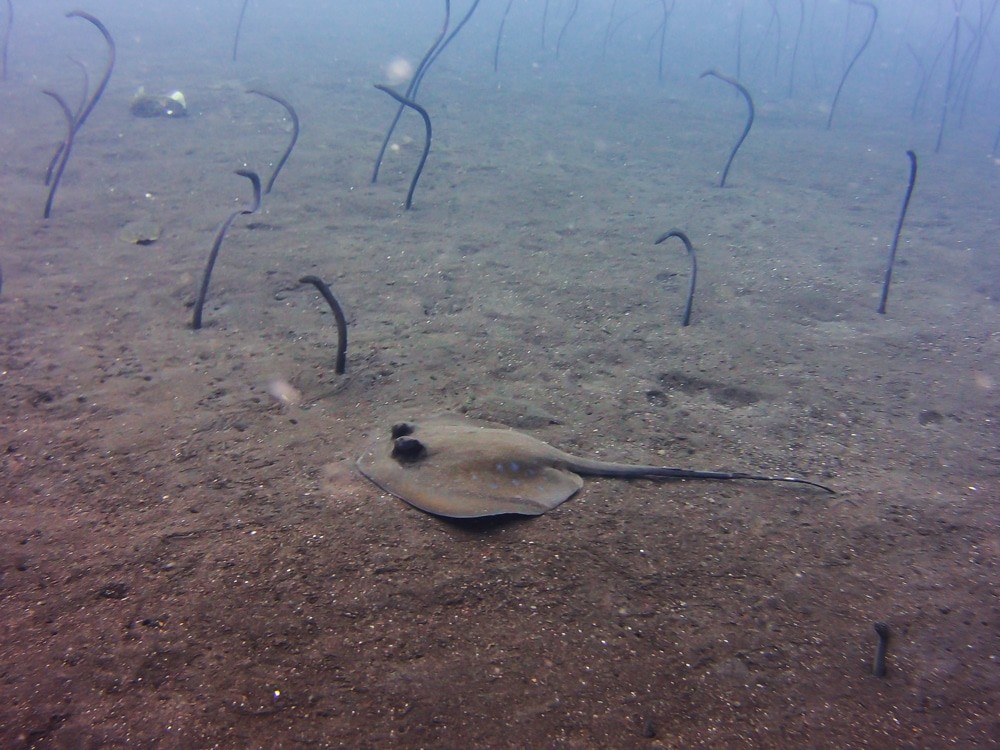
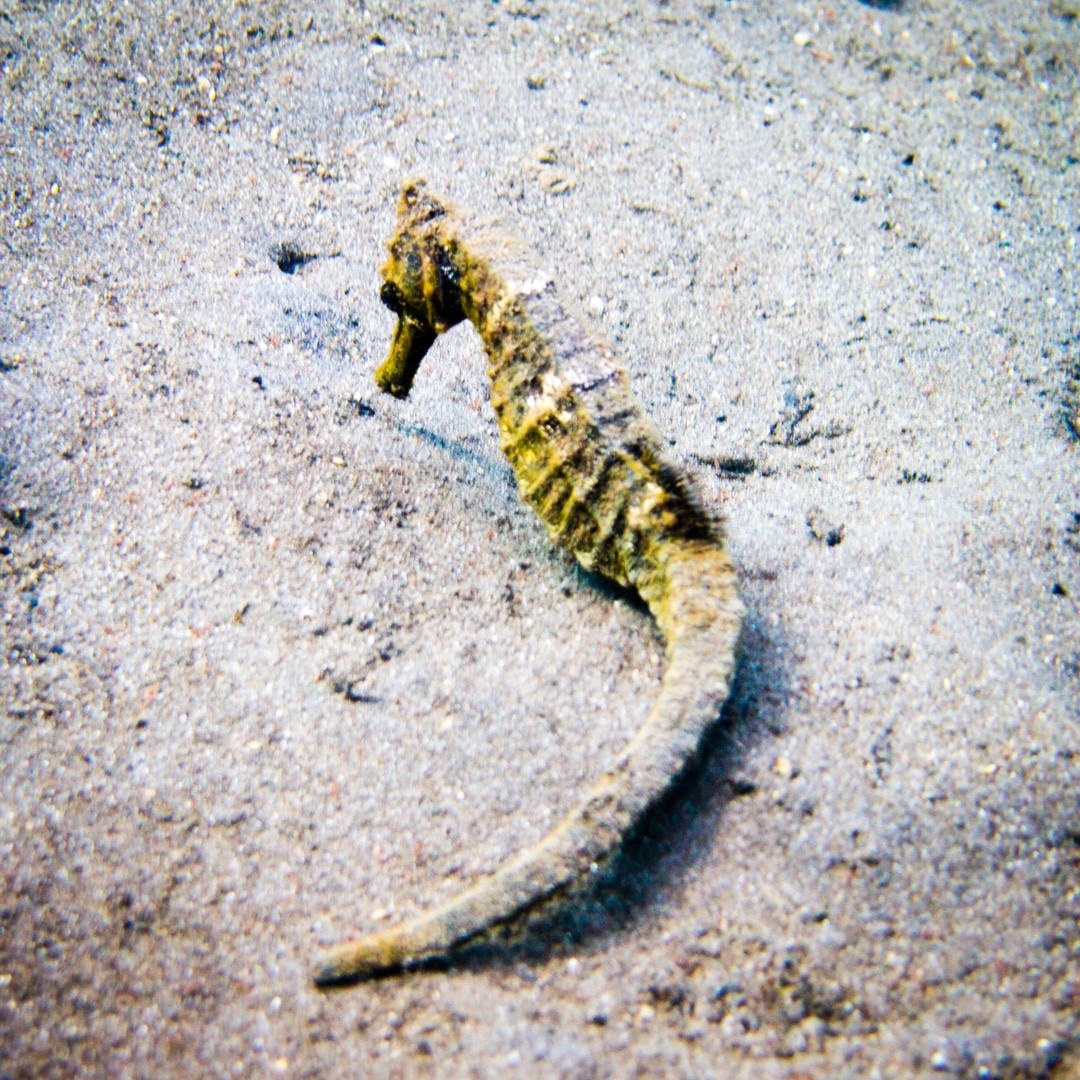
The Drop-off (also called Tulamben Wall) at the east end of the bay is a lava flow from the 1963 eruption that plunges from 3 metres to 80. Visibility is 10 to 30 metres, current is weak, and the wall holds stingrays, napoleon wrasse, giant parrotfish, lionfish and dense nudibranch life. Coral Garden, between the wreck and the wall, is a shallow beginners’ dive with clownfish, moray eels, pipefish and an artificial reef, including a small sunken aircraft, that has been growing for more than 15 years. Seraya Secrets, ten minutes east, is the macro dive that photographers fly in for: a black-sand slope to 35 metres with pygmy seahorses, harlequin shrimp, Doto nudibranchs and the kind of tiny things you only find with a guide who has a 10-year mental map of the site. Batu Niti and Batu Kelebit, towards Tejakula, add frogfish, boxer crabs and wonderpus on the muck, and two rock pinnacles at 25 to 40 metres with big-eye trevally, octopus and cuttlefish. The Boga wreck at Kubu, a 40-metre former patrol boat scuttled around 2012, sits in 18 to 40 metres with three accessible decks. October and November are the months for nudibranchs on this coast. The water is at its clearest after the dry season, the plankton has not yet bloomed, and the slopes at Seraya, the Drop-off and the Pyramids in Amed carry the highest counts of the year, which is why the macro photographers book those two months a year ahead.
The honest verdict on Tulamben
Tulamben is the best easy diving in Bali. If you are new to diving in Bali, or an experienced diver with one or two days spare on a Bali holiday, it is where I send people first. If you have crossed the world specifically to dive, it is not enough on its own; combine it with Penida for the big animals, or fly on to Komodo, Alor or Raja Ampat. The wreck gets crowded between 9 am and noon when the day-trip buses from the south arrive; dive it at 7 am or after 3 pm and you will have it to yourself, and a night dive on the Liberty, when the bumpheads are asleep and the Spanish dancers are out, is one of the best dives in Bali at any price.
Amed: quieter, prettier, and almost as good
Amed is my favourite slow base for diving in Bali: the stretch of fishing villages 30 minutes south-east of Tulamben, from Jemeluk round the headlands to Lipah and Bunutan, and it is where I would stay if I were spending a week on the east coast. The diving is a notch below Tulamben, and I explain why in my guide to diving Amed, but the beaches are prettier, the restaurants are better, the accommodation is nicer and the crowds are thinner. I have dived sites here in the early afternoon with nobody else in the water. Jemeluk Bay has some of the clearest, richest blue water on the island, a wall from 5 to 35 metres and a small underwater temple. Pygmy seahorses appear reliably on the fans from 5 metres down, which is unusually shallow, and the nudibranch count is high. The Pyramids are a set of concrete artificial reefs at around 20 metres, placed 25 years ago and now fully colonised, and they are my favourite dive in Amed: leaf scorpionfish, peacock mantis, cuttlefish, whitetips on the sand and a thermocline that arrives without warning. They are also home to the most aggressive titan triggerfish I have met anywhere; one bit my fins, and I know of divers who ended up in hospital after a nesting-season encounter. Give them their cone of water and swim away horizontally, not up. Lipah Bay is a gently sloping reef from a sandy beach where I saw both sharks and turtles on a single dive, and it is also where Ocean Gardener keeps its Amed coral nursery. The Japanese Wreck at Banyuning is a small patrol boat in 5 to 12 metres, much smaller than the Liberty but a fun start or finish to a dive that continues down a critter-covered slope. Bunutan is the advanced option, a 30-metre slope of barrel sponges and gorgonians that needs a support boat and a little current tolerance.

The secret sites: Bukti and Puri Jati
Every guide to diving in Bali covers Penida, Menjangan and Tulamben. Almost none of them mention the coast between Singaraja and Tejakula, or the black-sand beaches west of Lovina, because no international dive operator is based there and the sites do not appear on the day-trip menus from the south. I do more of my diving in Bali on this coast than anywhere else. These are the two places where, in ten years, I have never once shared the water with another dive boat. Both are for intermediate divers and up: there is current on this coast more often than the calm surface suggests, and there is nobody else out there if something goes wrong.
Bukti: a 1,000-year-old coral and the fastest drop-off on the north coast
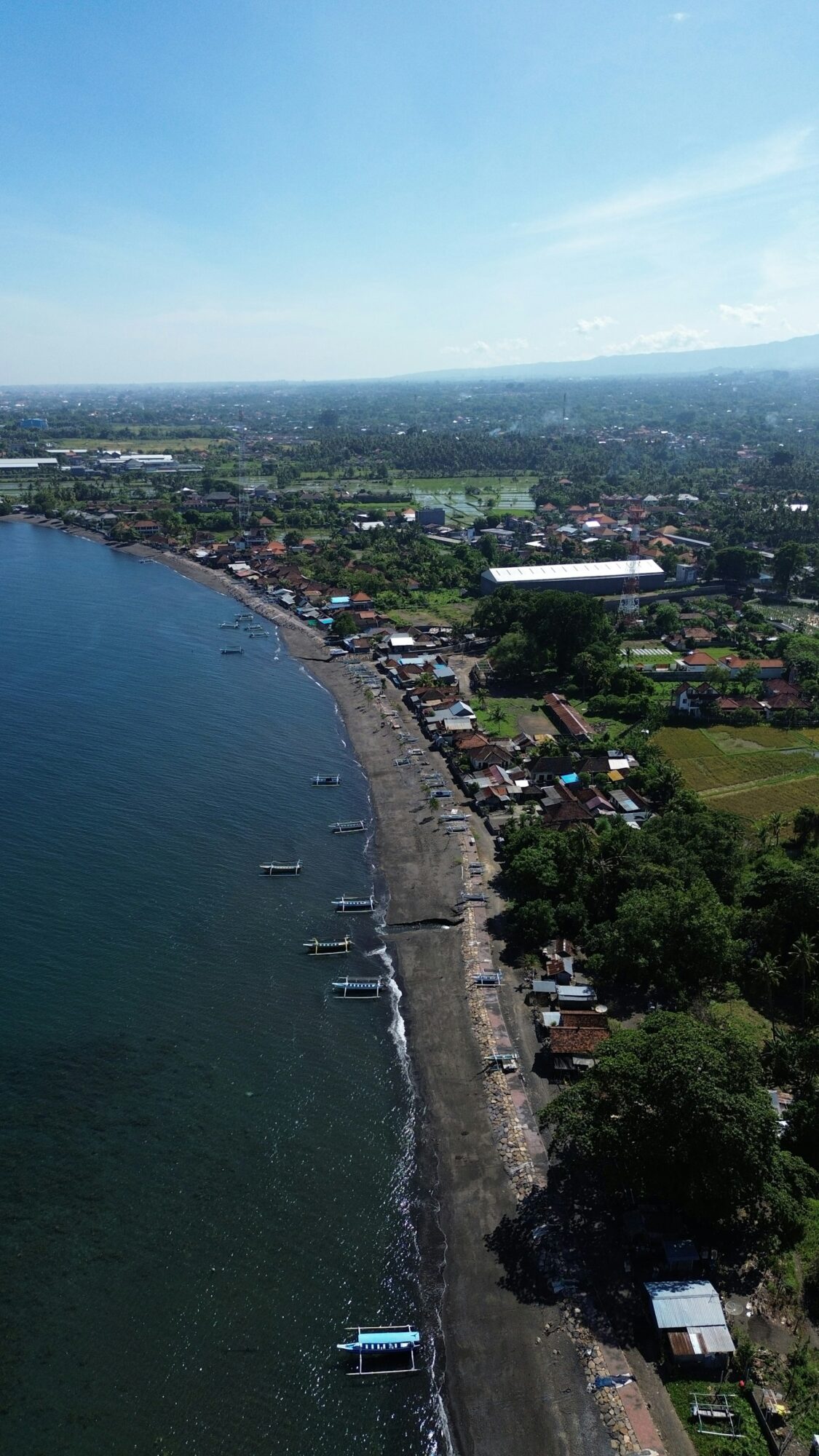
Bukti, home to one of the best dive sites in Bali that nobody talks about, is a working fishing village 20 minutes east of Singaraja, past the spring pools of Air Sanih, with no dive shop, no beach club and a jukung fleet that launches from the black sand every morning before dawn. What it does have is arguably the best water on the north coast: the shelf drops fast, so that a kilometre or two off the beach you are over deep water, which is why the fleet here is serious about pelagics and why the reef in front of the village has so much life for its size. I wrote about going out with the boats in my guide to fishing in Bali. The dive that nobody knows about is the Bukti Pinnacle. It is one of the largest single corals in Bali, a massive Pavona colony estimated to be more than 1,000 years old, rising from the slope like a drowned temple with its crown at about 9 metres and its base at 30, and the fish life around it is out of all proportion to the rest of the coast. I have seen whitetip reef sharks and turtles on it, the schooling fusiliers pouring over the top are often the most impressive I see anywhere on the island, and on a dive here in 2020 we found a walking shark, the epaulette shark that hauls itself across the bottom on its pectoral fins and that most divers only ever see in Raja Ampat. The sea fans on the deeper side hold pygmy seahorses, and the sand and rubble around the base turn up ghost pipefish and frogfish. It is for experienced divers only: the coral is fragile and a fin kick does a century of damage, the current can run hard across the top, and there is no mooring, no shop and no chamber nearby. The reef is village-managed. In 2021 the Bukti fishermen formed a community group, Pokmaswas Satya Bahari, and with the Dutch foundation Coral Reef Care declared four sections of reef no-take zones, marked them with buoys, trained four fishermen as divers to monitor them, and now run monthly clean-ups and crown-of-thorns removal. The result is a reef that is recovering visibly year on year. There is not yet a dive shop in Bukti, so this is not a site you can turn up and dive. The team at Villa Seaview, the three-bedroom beachfront villa in the village, arranges it: tanks and a guide come from Lovina or Tulamben, the jukungs launch from the beach in front of the house, and the fishermen’s association, led by Komang, knows the tides on the pinnacle better than any dive computer. You dive from the fishermen’s own jukungs with the fishermen running them, and it costs Rp 200,000 per person, which includes a conservation fee for the village. That is the whole point of the arrangement: the reef now pays the men who used to fish it, so looking after it is worth more to them than stripping it. Snorkelling the no-take zones from the beach is possible for anyone staying in the village. 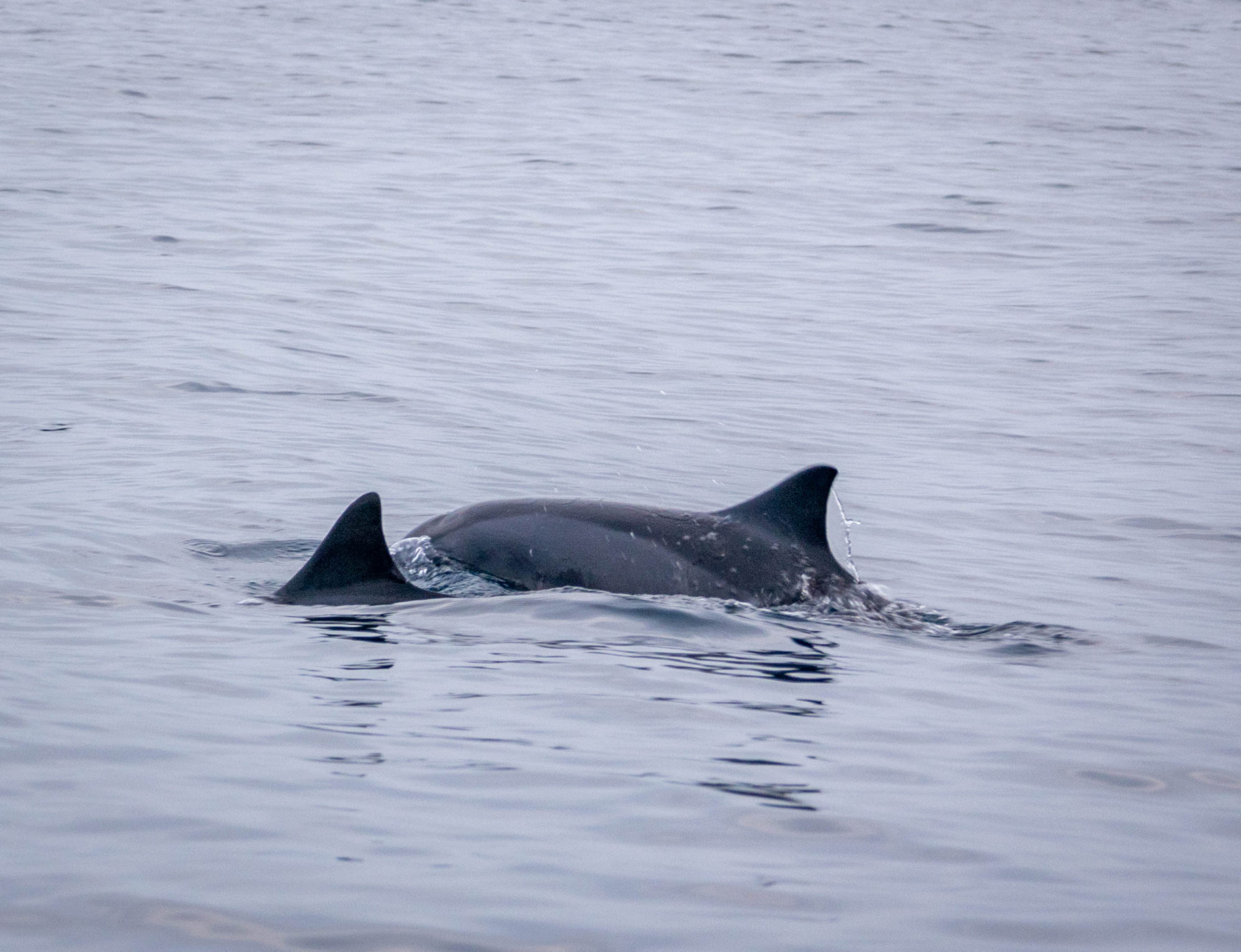 Villa Seaview, Bukti: in September 2026 I found rates from US$205 on Expedia for the same night; the villa has no Booking.com or Trip.com listing. Check rates on Expedia.
Bondalem: the conservation dive I prefer to Pemuteran
Most guides to diving in Bali send you to Pemuteran for its Biorock reef. I have dived it : the structures are interesting for ten minutes, the bay is busy, and the fish life is thin. The village conservation project I would rather you see is at Bondalem, 20 minutes east of Bukti on the same coast. The village declared its marine protected area on 24 April 2008, the first in Tejakula district, on the back of a local conservationist’s work going back to the early 2000s, and since 2020 the village-owned enterprise (BUMDes) has run Bondalem Eco Dive on the reef: monthly monitoring, underwater clean-ups, artificial substrate and coral planting, with the income staying in the village. The house reef is shallow and gentle, healthy hard coral from 5 metres with reef sharks and turtles passing through and the small stuff Bali’s north coast does so well, and you will very likely be the only visiting divers. Dives are capped at an hour, the guides are village divers trained through SSI, and the shop’s website is bondalemecodive.com. It is a two-day stop, not a two-hour one: dive the protected reef, see the nursery work, eat in the village. It is the clearest example I know in Bali of restored coral coming back to life: the replanted sections are thick with small fish and critters, and we found both a ghost pipefish and a leaf fish on the house reef.
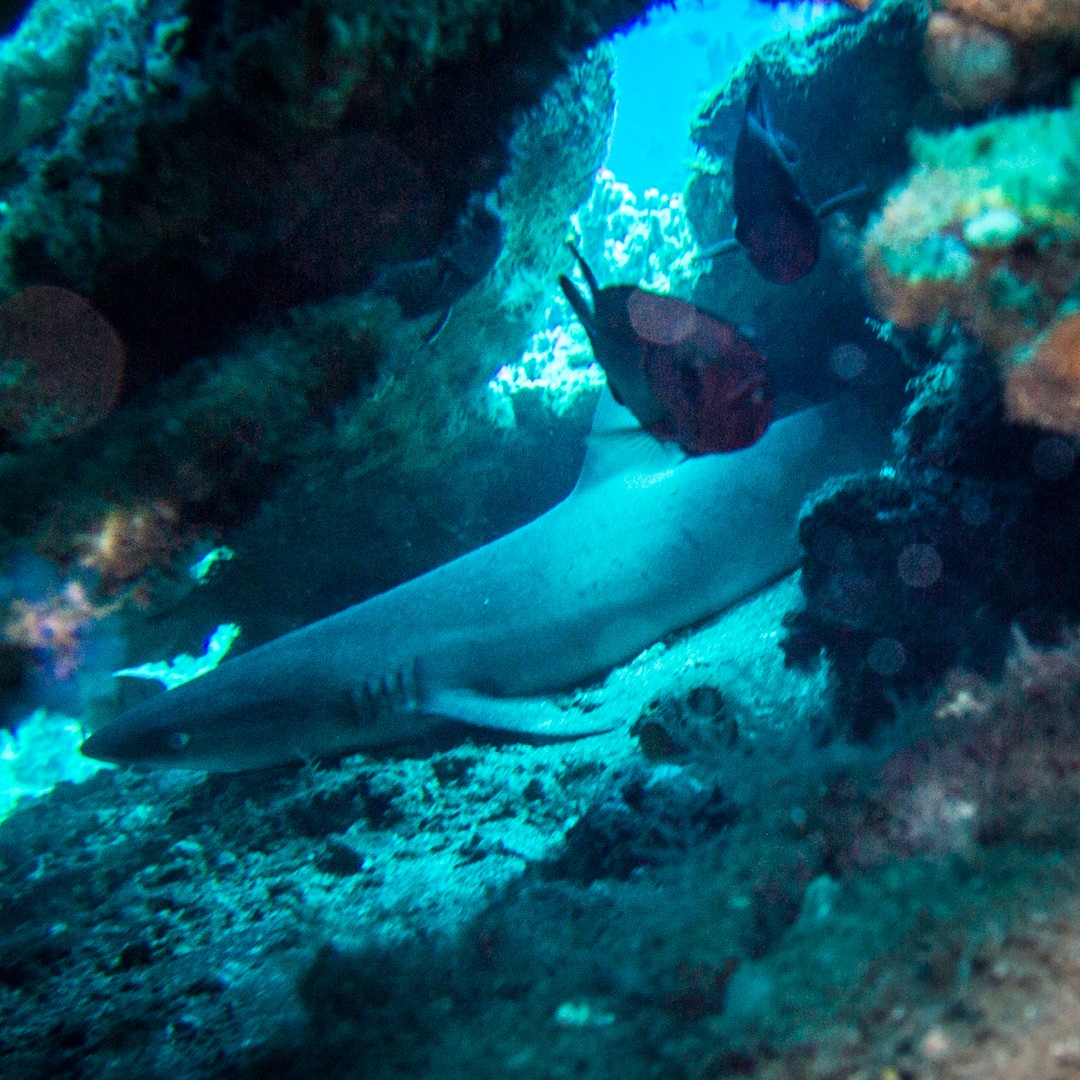
Puri Jati: muck diving with nobody watching
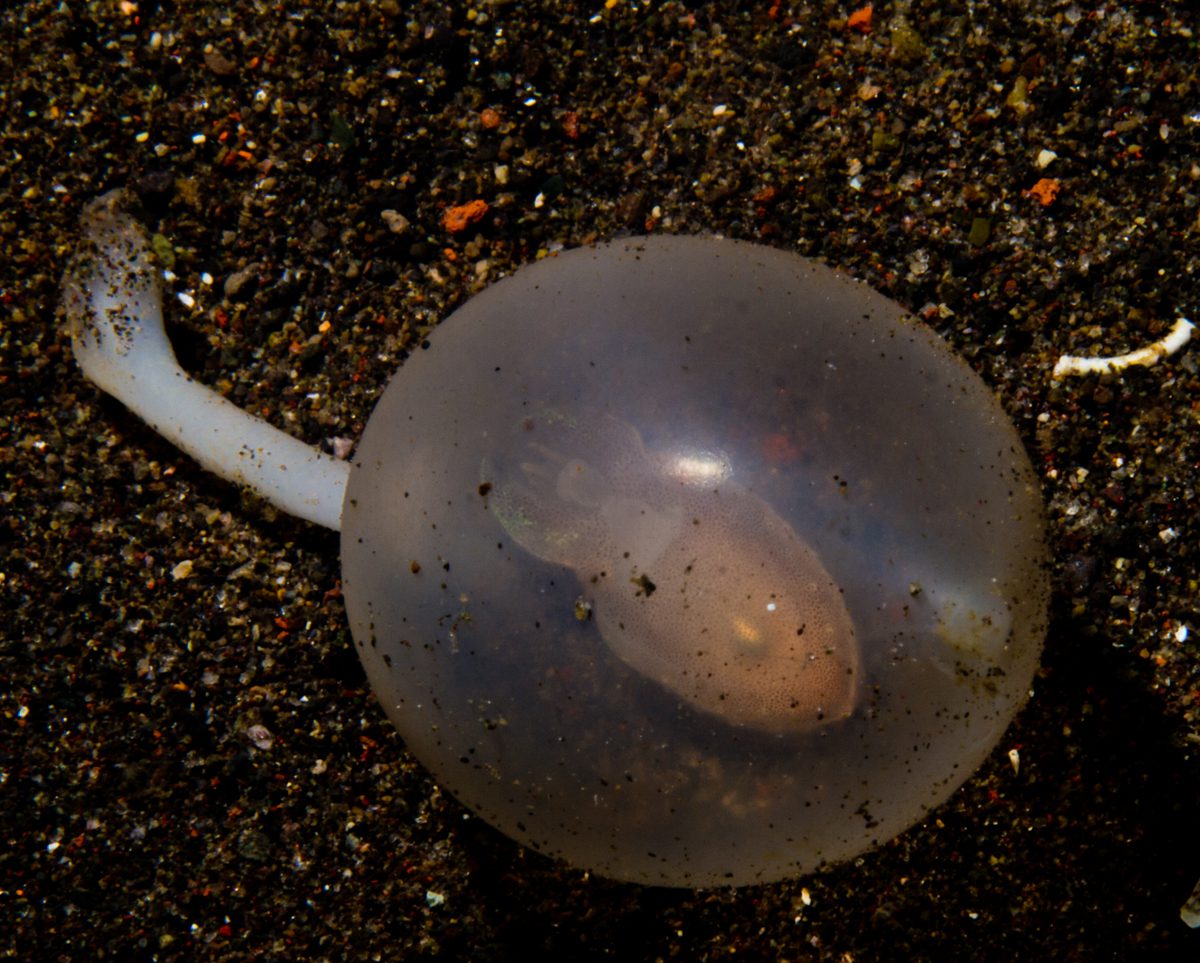
Puri Jati, the best muck diving in Bali, sits a few kilometres west of Seririt on the north coast, 20 minutes west of Samastiti Villa in Temukus and 30 minutes from Lovina, and it is marked from the main road by nothing more than a hotel sign and a small warung that rents rinse tanks, showers and a place to gear up. You walk in off the black-sand beach and swim out over a plain of grey volcanic sand that descends so gradually you are still at 8 metres a long way from shore, before it steps down to 20 metres and beyond. There is no reef. There is nothing to look at, in the way that the best muck sites never have anything to look at, until you slow down. Then it starts. Puri Jati is the most reliable site in Bali for the mimic octopus, and it also holds veined (coconut) octopus, cuttlefish, ornate and robust ghost pipefish, seahorses, pipehorses, Ambon scorpionfish, flatfish, frogfish, garden eels, imperial shrimp on sea cucumbers, porcelain crabs and a nudibranch list that changes with every visit. The cup corals move overnight, so the site rearranges itself between dives. Because it is shallow and the current is usually light, a single tank lasts 80 or 90 minutes, and photographers routinely do three dives here in a day. The water sits at around 29°C for most of the year and the site can be dived in any month, with the calmest sea from April to October. The sand does hold a lot of run-off after heavy rain, so the dry season is still the better bet, when visibility on the plain is 10 to 15 metres rather than 5. Its sister site, Kalang Anyar, is a few minutes east and dived the same way. A guide matters here more than at any of the other dive sites in Bali, because the animals are camouflaged and the site is featureless.
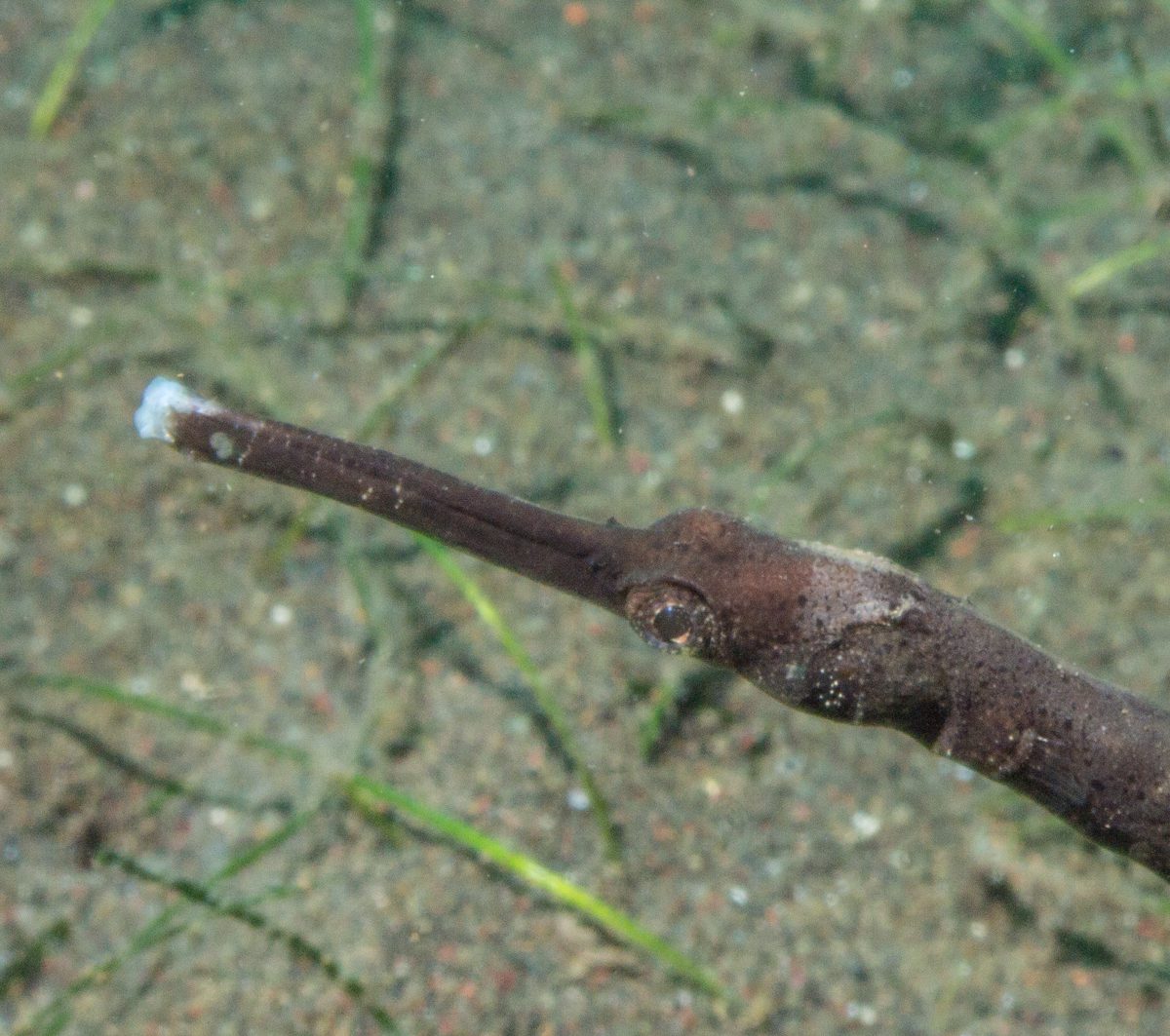
The loudest animal on the reef
My favourite Puri Jati resident is one most divers swim straight over: the pistol shrimp. It is 3 to 5 centimetres long, lives in a burrow in the sand, and it is almost blind, so it shares the burrow with a goby that stands guard at the entrance while the shrimp digs; the shrimp keeps one antenna on the goby’s tail at all times, and when the goby flicks, both vanish. What makes it extraordinary is the oversized claw. The shrimp cocks it open and snaps it shut so fast that it fires a jet of water at close to 100 kilometres an hour, and the pressure drop behind the jet creates a cavitation bubble that collapses with a crack of around 210 decibels, louder than a gunshot, hot enough for a fraction of a second to rival the surface of the sun, and bright enough to emit a flash of light that physicists call shrimpoluminescence. That crackle you hear on every dive in Bali when you stop and hold still, the sound of frying bacon, is thousands of pistol shrimp firing. At Puri Jati you can lie on the sand a hand’s width from a burrow and watch the goby, the shrimp and the snap. Diving Puri Jati, like Bukti, is easiest arranged through your villa: the Samastiti team book the dive guides and a car, and you are collected at the villa gate with your gear and dropped back after the dive. The villa pool is also deep enough for the confined-water sessions of an Open Water course, so if one of your party is not yet certified they can do their training in the garden and join you in the sea by day three.
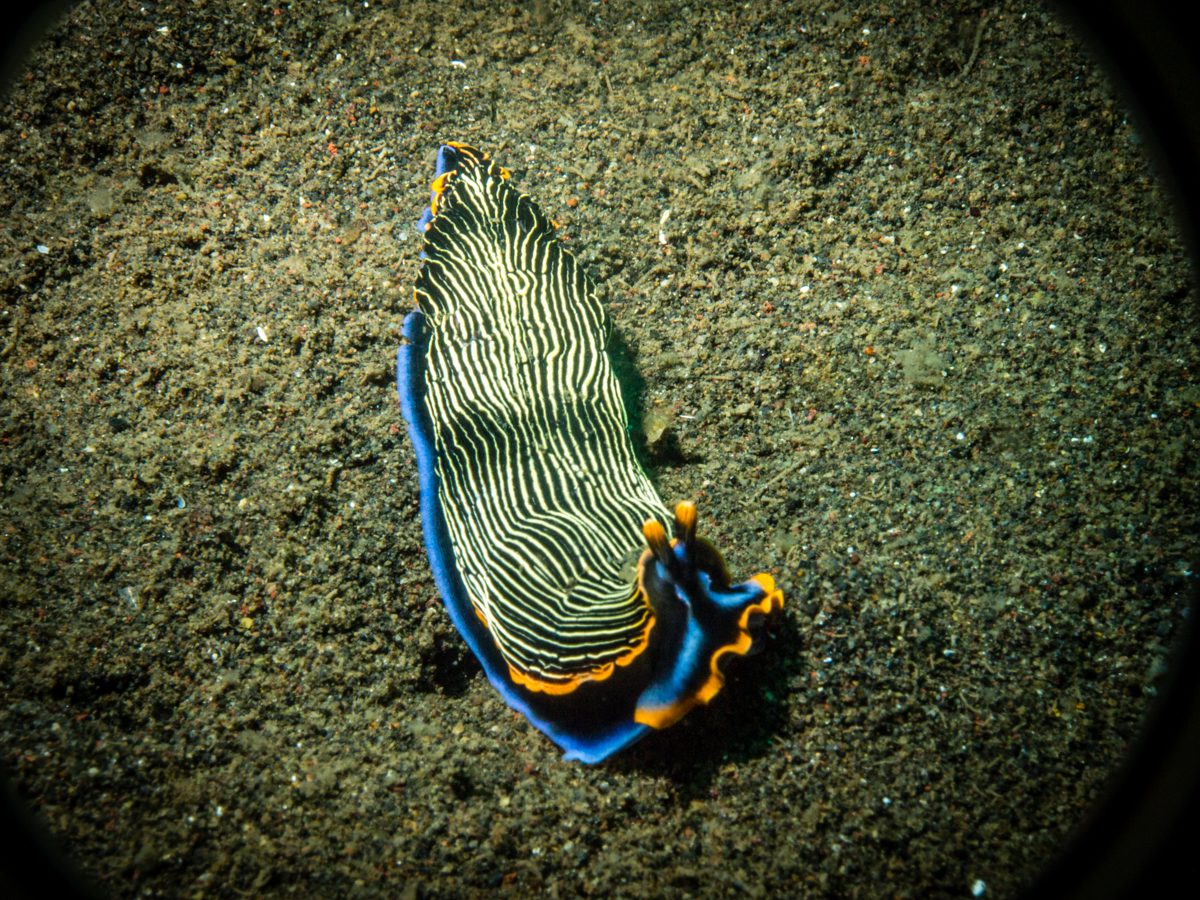
When to dive Bali: month by month
Diving in Bali is possible every month of the year, but the two seasons matter more than most guides admit.
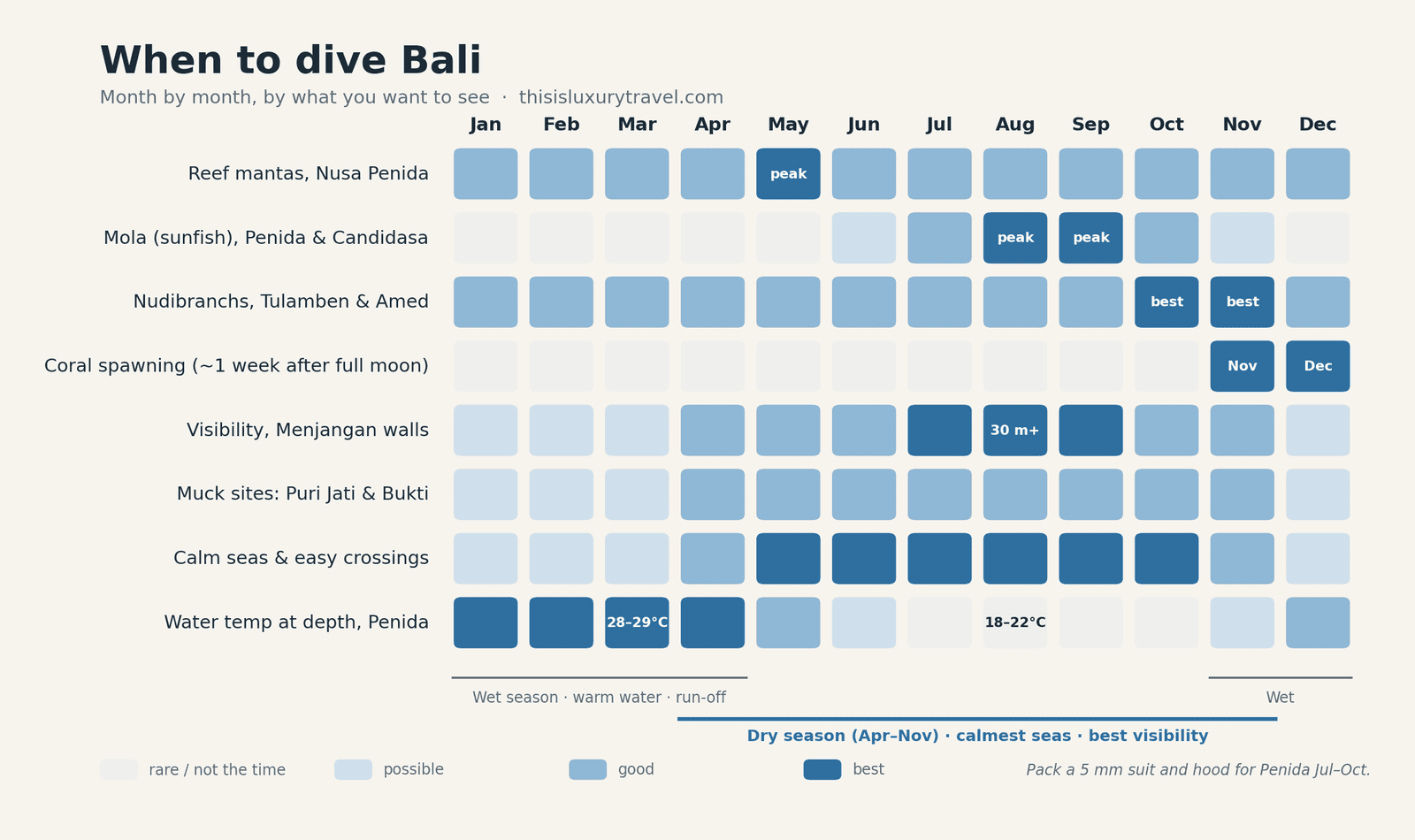
April to November (dry season, south-east monsoon) is the diving season. Seas are calmest, run-off is lowest, visibility is highest at Menjangan (July to September is peak clarity) and on the north-east coast, and the north-coast muck sites are at their best. May is my manta month at Penida. July to October is mola season at Penida and Candidasa, peaking in August and September, with water at depth dropping to 18 to 22°C; pack a 5 mm suit and a hood for Penida in those months. October and November are the nudibranch months at Tulamben and Amed, and a week after the November or December full moon the corals spawn. December to March (wet season, north-west monsoon) brings afternoon rain, river run-off that clouds the north coast and Padang Bai, bigger swell at Manta Point and on Bali’s south coast, and warmer water everywhere, 28 to 30°C. Tulamben and Amed still dive well in the mornings, Menjangan is protected but murkier, and Penida’s north coast is fine when the wind drops. It is the quietest, cheapest time to be here. Turtles are year-round everywhere. Whale sharks are rare visitors to Penida and the Candidasa islets, not something to plan for. Indonesian public holidays and the July–August European season fill the Penida boats; book named operators ahead in those weeks.
How much does diving in Bali cost?
Diving in Bali is among the cheapest good diving anywhere in the world. Two shore dives at Tulamben or Amed with a guide are around IDR 1,250,000 (September 2026, Bali Reef Divers, including tax, equipment and guide). A two-dive Menjangan day including the boat and the national park ticket is around IDR 3,170,000 per person (September 2026, AquaMarine Diving, minimum two divers). Equipment rental, nitrox and the Nusa Penida marine-park levy are usually extra, and a private guide, which I recommend for Penida and for every muck site, adds a modest supplement. A PADI or SSI Open Water course for diving in Bali runs three to four days and is priced well below Europe or Australia, which is why so many people learn here. Prices are quoted in Indonesian rupiah and in my experience are the same whether you book online or walk in; what varies is group size, and the cheapest shops are the ones putting eight divers behind one guide at Manta Point.
Learning to dive in Bali
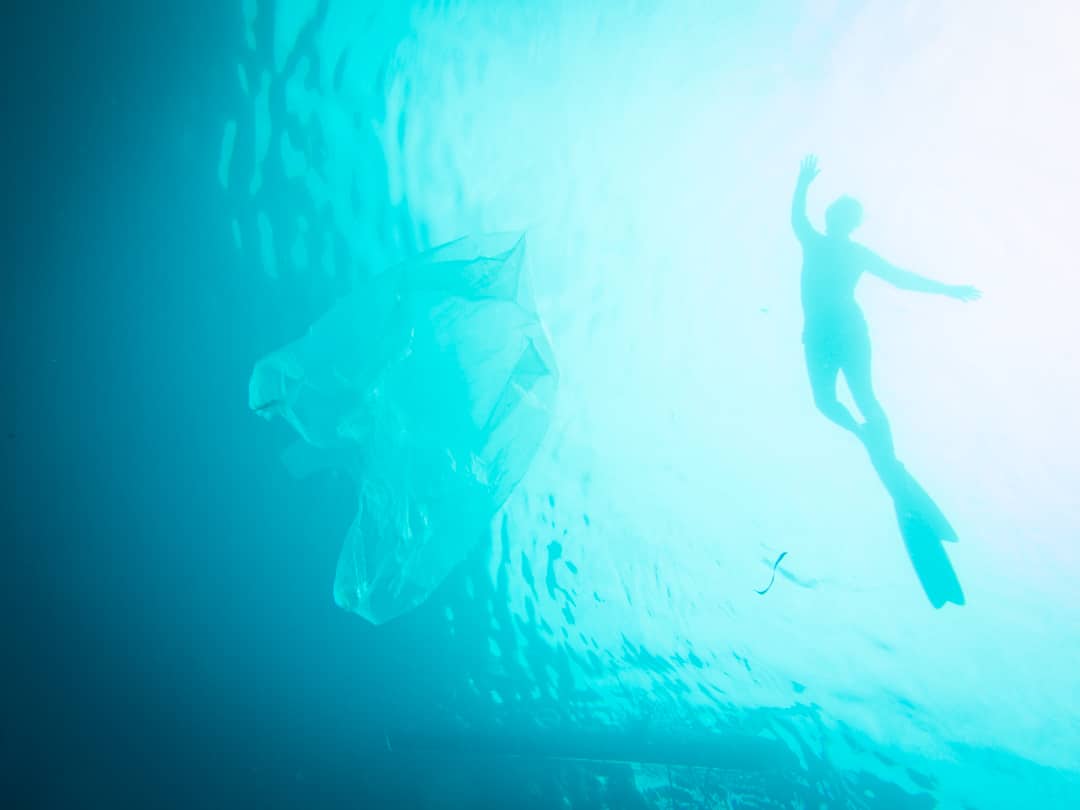
Learning to dive in Bali works very well, provided you learn in the right place. Tulamben, Amed and Padang Bai have calm, shallow, warm water and shore entries, and a beginner can do the confined sessions of an Open Water course in a resort pool in the morning and the open-water dives on the Liberty wreck or the Blue Lagoon in the afternoon; the north-coast villas with deep pools work the same way. Nusa Penida is not where to learn: the currents, the thermoclines and the boat entries are for certified divers with a few dives behind them, and the good shops there will tell you so. Once certified, the natural progression on this island is Advanced Open Water at Penida, with the deep dive at Crystal Bay and the drift at SD, then a Nitrox course before any muck-diving week where 90-minute shallow dives make the extra bottom time worthwhile. The most luxurious way to learn, though, is to skip the dive-shop classroom altogether: take a beachfront villa in North Bali, have the instructor come to you, and do the confined-water skills in the villa pool — then walk down the garden and do your open-water dives straight off the beach. Villa Seaview in Bukti is the best example I know of it: the pool is deep enough for the skills, the village reef and the Bukti Pinnacle are a few metres of sand away, and the team will arrange the instructor and the tanks for you. You can book it direct or ask them about a course at info@samastitivillas.com.
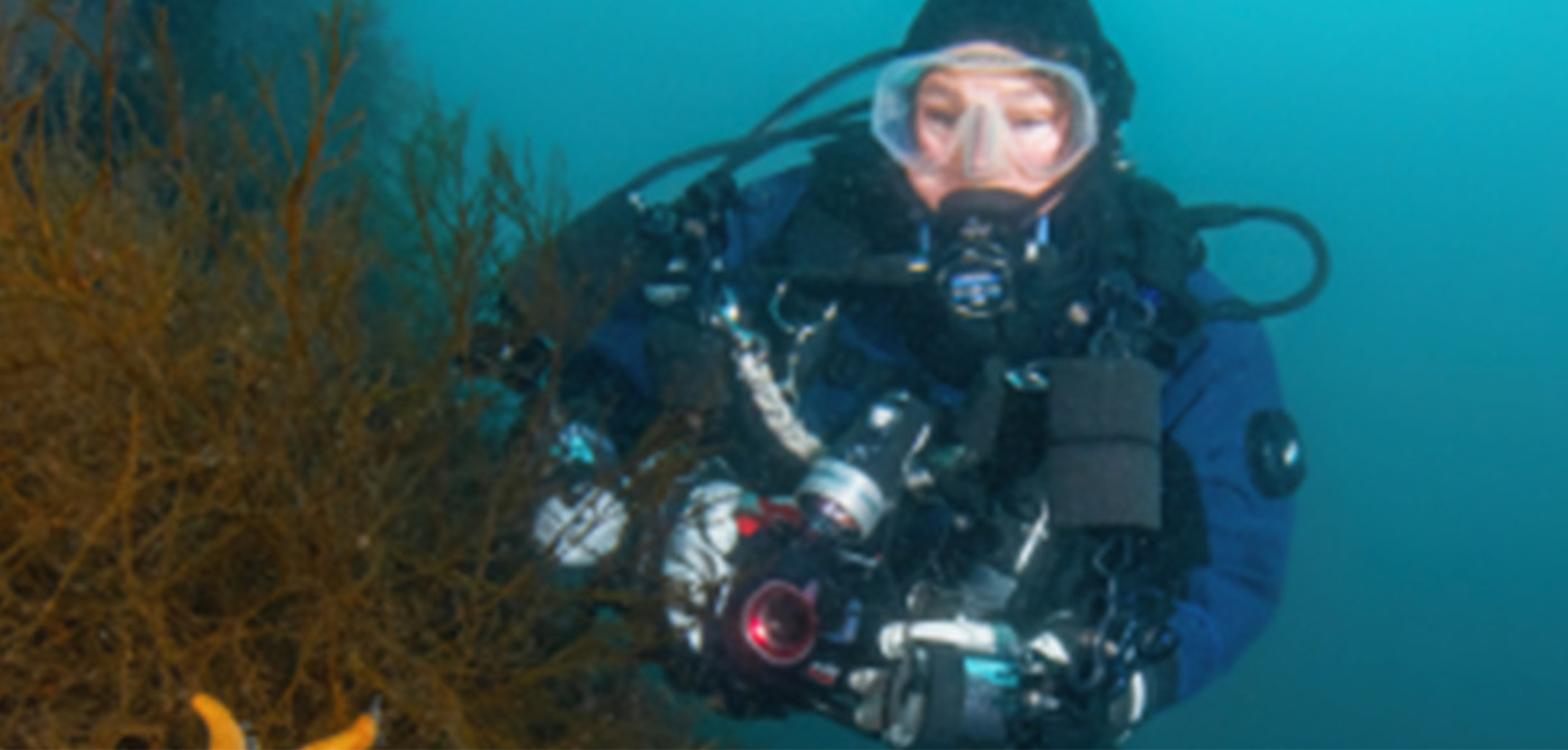
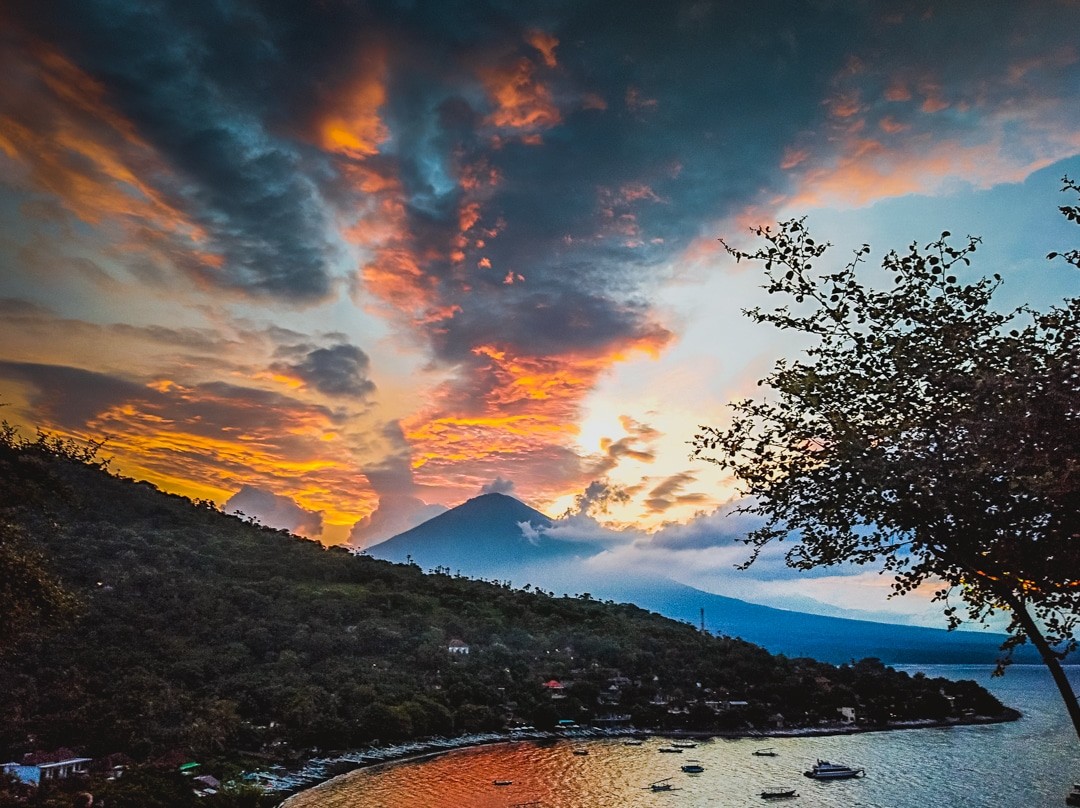
And if you would rather learn to hold your breath than carry a tank, Amed is where I did my freediving certification course, in the same bay as the photograph above.
Safety: currents, chambers and insurance
Diving in Bali is safe when it is respected and dangerous when it is not, and the difference is almost entirely Nusa Penida. Down-currents at Crystal Bay’s corner and Blue Corner have taken divers to depth and out to sea; the rule is a guide who dives the site weekly, a surface marker buoy on every diver, a reel, and the discipline to abort when the water is doing something you do not like. The island’s recompression chamber is at Kasih Ibu Hospital in Denpasar, an hour or more from Padang Bai and three hours from the north coast, which is a strong argument for conservative profiles on the north-coast secret sites where help is far away. Carry dive insurance that covers chamber treatment and evacuation; DAN or an equivalent is not optional here. Titan triggerfish nest on the Pyramids and at Tulamben from roughly May to August, and they defend a cone of water above the nest, so swim out sideways, never up. And take the domestic-flight advice below seriously: leave 24 hours between your last dive and any flight, including the short hop to Komodo.
What to pack for diving in Bali
For most diving in Bali a 3 mm suit is enough: Tulamben, Amed, Menjangan and the north coast, year-round. For Nusa Penida and Candidasa between July and October bring a 5 mm, a hood and gloves if your operator allows them; the thermoclines at Crystal Bay and Tepekong drop to 18°C and you will be glad of them at 30 metres. Every diver at Penida needs their own surface marker buoy and a reel. A reef hook is useful at Blue Corner and pointless everywhere else. Bring a torch even for day dives, because the Liberty’s holds and the overhangs on the Menjangan walls are dark, and a magnifying glass or a macro lens for Puri Jati and Seraya. Reef-safe sunscreen matters on shallow shore dives where you spend surface intervals on black sand. Shore entries at Tulamben are over fist-sized lava stones, so booties and open-heel fins, not full-foot fins, and the local porters who carry tanks to the water for a small fee are worth every rupiah.
Snorkelling instead of diving
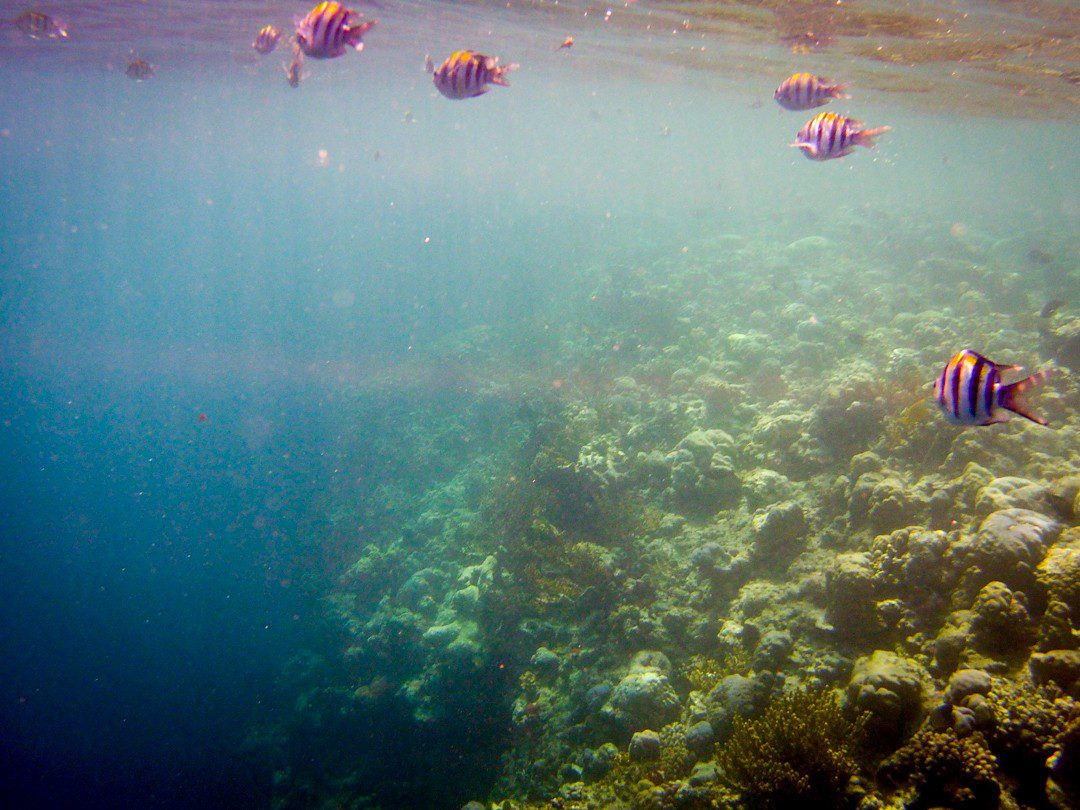
Non-divers in your party are not left out: most of the best dive sites in Bali snorkel well too. Manta Bay on Nusa Penida is the best snorkel with big animals in Bali; the Liberty wreck’s upper structure at 5 metres is visible from the surface on a calm morning; Menjangan’s Coral Garden is snorkelled safely by children; Jemeluk Bay in Amed has a coral garden from the beach; and the no-take zones in front of Bukti village are a swim from the sand. The Blue Lagoon is a good snorkel too. What does not snorkel is Crystal Bay’s mola, which sit at 25 metres and below.
Getting to and around Bali’s dive regions
All international flights land at Ngurah Rai (DPS) in the south; if you are coming from Europe, my KLM Amsterdam to Bali business class review covers that route. From there the drive times are the single biggest logistical fact about diving in Bali: Candidasa is 1.5 to 2 hours, Tulamben and Amed are 3 hours, Bukti and Lovina are 3 hours over the mountains, and Menjangan is 3.5 to 4 hours. Traffic in the south has worsened dramatically over the past decade; leave before 7 am or after 8 pm, or take the coast road east via Klungkung and the bat cave temple at Goa Lawah rather than the inland route. A sensible loop, and the one I recommend to friends, runs anticlockwise: south to Candidasa (Penida and Tepekong), north along the coast to Amed and Tulamben, west along the north coast through Bondalem and Bukti to Lovina and Puri Jati, then on to Menjangan and back over the mountains via the Bedugul lakes to the airport. It is 350 kilometres of coast and every hop is under two hours. If you run out of days, Menjangan is the leg to cut: it is the furthest out of the way and the fish life does not justify the detour when Bukti is already on your route. Bali’s day-trip dive operators from the south (Sanur, Seminyak, Kuta) will collect you at 6 or 7 am and drive you to Tulamben, Candidasa or Padang Bai for two dives and drive you back, which works for one day and grinds you down over three. The better model is to stay in each region for two or three nights. I have used Aquamarine Diving’s day trips from the south for Tulamben, and their two-row buses, private facility next to the Liberty and two guides per four divers are worth the premium over the shuttle operators. In Amed, Bali Reef Divers at the Puri Wirata hotel run small groups and know the Pyramids’ triggerfish by name. A note on domestic flights. If you are combining Bali with Komodo, Alor, Raja Ampat or anywhere else in Indonesia, be aware that booking domestic Indonesian flights with an international credit card is far harder than it should be: Garuda, Citilink, Lion, Batik and Wings frequently reject foreign cards on their own websites, and third-party agencies add fees or fail at payment. I book domestic legs through Trip.com, which accepts international cards, lists every Indonesian carrier including the small ones, and issues tickets instantly: book Indonesian domestic flights on Trip.com.
Where to stay for diving in Bali, region by region
One hotel per base, chosen for the diving logistics as much as the pillows. These are the bases I use for diving in Bali. Under each one I have put my standard note on rates, because the same room can swing 10 to 20 per cent between Booking.com, Trip.com and Expedia on the same dates, and the platform that is cheapest changes from week to week; check all three before you pay. Every figure below is the lowest available room for the same Tuesday-to-Wednesday night in May 2027, two adults, one room, taxes and fees included, read on 13 September 2026.
Candidasa (for Nusa Penida and Gili Tepekong)
Amankila, on the cliffs at Manggis just west of Candidasa, is the finest hotel on the east coast, a 1992 Ed Tuttle design with three tiered infinity pools stepping down toward the Lombok Strait and a beach club below; Aman will arrange dive transfers with local operators. Alila Manggis, five minutes away, is the well-priced alternative with a coconut-grove garden, an excellent cooking school and a long history of working with dive shops. Rates at both move by season and by platform, and in my experience the same room can be 10 to 20 per cent cheaper on one platform than on the others on the same dates, so compare before you book. Amankila: in September 2026 I found rates from US$1,573 on Trip.com and US$1,573 on Vio.com for the same night; Amankila has no Booking.com or Expedia listing. Check rates on Trip.com · Vio.com. Alila Manggis: in September 2026 I found rates from US$140 on Booking.com, US$129 on Trip.com and US$139 on Expedia for the same night. Check rates on Booking.com · Trip.com · Expedia.
Candidasa is also the best base for a day out of the water: Tenganan, Goa Lawah and the coast road east are all close, which I cover in exploring East Bali in one day.
Tulamben and Amed
For a week of diving in Bali on this coast, stay in Amed and drive the 30 minutes to the Liberty for the dawn dive. The Griya Villas and Spa in Bunutan is the most polished address in Amed: private-pool villas stepped up the hillside, two restaurants, a full spa and views straight down the coast to the wreck. The Angsa Villas at Banyuning are four ocean-front one- and two-bedroom villas with huge private infinity pools and a wave-like timber roofline, a two-minute walk from the Japanese Wreck. Mathis Lodge, on the hilltop above East Amed, is the remote option: thatched private lodges and one enormous infinity pool over the whole bay. The trade-off is the water: it sits well back from the sea, high above the bay rather than on it, so every dive day begins and ends with the drive down and back up, and of the four addresses here it is the one I would not pick for a diving week. In Tulamben itself, Toya Bali Resort is the one I would pick, beachfront bungalows with an infinity pool a five-minute walk from the Liberty; it is simpler than the Amed villas but you can be on the wreck before anyone else. The same room at any of these can differ by 10 to 20 per cent between Booking.com, Trip.com and Expedia on identical dates, and which one is cheapest changes constantly, so check all three. The Griya Villas and Spa: in September 2026 I found rates from US$297 on Booking.com and US$234 on Expedia for the same night; Trip.com lists the villas but was not taking bookings for those dates. Check rates on Booking.com · Expedia. The Angsa Villas: in September 2026 I found rates from US$188 on Booking.com for the same night; the villas have no Trip.com or Expedia listing. Check rates on Booking.com. Mathis Lodge Amed: in September 2026 I found rates from US$165 on Booking.com, US$165 on Trip.com and US$151 on Expedia for the same night. Check rates on Booking.com · Trip.com · Expedia. Toya Bali Resort, Tulamben: in September 2026 I found rates from US$99 on Booking.com and US$106 on Expedia for the same night; Trip.com lists it but was not taking bookings for those dates. Check rates on Booking.com · Expedia.
North Bali (Bukti, Bondalem, Lovina, Puri Jati)
Villa Seaview, Bukti is a three-bedroom Samastiti villa on the beach in Bukti village with a garden pool and sea views, where the fishing boats launch in front of the house, the village reef and the Bukti Pinnacle are a swim or a five-minute jukung ride away, Bondalem is 20 minutes east and Tulamben is an hour. There is no dive shop in the village, and the villa team is the way to dive here: they arrange tanks, guides and boats. Samastiti Villa by the Sea, Lovina, in Temukus five minutes west of Lovina, is a three-bedroom beachfront villa with a 15-metre infinity pool, where the sunrise dolphin boats leave from the beach, Puri Jati is 20 minutes west and Menjangan is 90 minutes; the team here book dive guides and a car that collect you at the gate, and the pool is deep enough for Open Water confined-water sessions. I reviewed it here. Between them they put you within an hour of every north-coast site in this guide and three hours from the crowds. For where to eat, see my guide to the 12 best restaurants in Lovina, and for the day you are off-gassing before a flight, the North Bali waterfalls and a morning in Singaraja. Villa rates move with the season and the platform: the same villa can be 10 to 20 per cent apart between Booking.com, Trip.com and Expedia on the same week, so compare all three. Samastiti Villa by the Sea, Lovina: in September 2026 I found rates from US$83 on Expedia for the same night; I could not read a comparable Booking.com or Trip.com rate for those dates. Check rates on Booking.com · Trip.com · Expedia · Vio.com · Traveloka. Villa Seaview’s rate and booking link are in the Bukti section above.
Menjangan
You do not have to sleep on that coast at all. Menjangan works well as a day trip from the beaches around Lovina: it is about an hour’s drive to the jetty, the dive operators will collect you, and there is a great deal more to do around Lovina in the evening than there is in Pemuteran. The two beachfront villas in the North Bali section above both work for this. If you would rather be closer to the boats, stay in Pemuteran rather than inside the park, and avoid booking on Banyuwedang bay until the Plataran situation described above is resolved.
Nusa Lembongan and Nusa Penida (if you do sleep on the islands)
If you want to base yourself out there for Nusa Penida diving, for a dawn Blue Corner or a sunrise Manta Point, my preference is Lembongan rather than Penida. The diving is identical: every dive on both islands is a boat dive to the same sites, so where you sleep changes nothing underwater. What it changes is everything above it. Lembongan is small enough to walk, the restaurants along Jungut Batu and Mushroom Bay are far better than anything on Penida, and the island has kept a village feel that Penida’s tour-bus circuit has lost. On Lembongan, Batu Karang Lembongan Resort & Spa above Jungut Batu is the one I would book on either island: cliffside villas facing Mount Agung across the strait, three pools, a spa and five places to eat, from fine dining to a whisky bar. On Penida, if you must, MĀUA Nusa Penida at Gamat Bay is the island’s first true five-star, 25 private-pool villas 20 minutes from the Toyapakeh jetty. While you are on Lembongan, take the afternoon off and do the mangrove tour on the north-east of the island: an hour or two by kayak or stand-up paddleboard through channels of mangrove so quiet you hear the mudskippers. It is one of the best things to do out there and it costs less than a dive. Check availability for the Lembongan mangrove kayak tour on GetYourGuide. Both hotels price differently on Booking.com, Trip.com and Expedia, often by 10 to 20 per cent on the same dates, so compare the three before you book. Batu Karang Lembongan Resort & Spa: in September 2026 I found rates from US$212 on Trip.com and US$212 on Expedia for the same night; Booking.com had no availability for those dates. Check rates on Trip.com · Expedia. MĀUA Nusa Penida: in September 2026 I found rates from US$153 on Booking.com, US$161 on Trip.com and US$159 on Expedia for the same night. Check rates on Booking.com · Trip.com · Expedia.
Three itineraries
Three ways to structure a week of diving in Bali.
Four days, one base (Candidasa), the simplest way to dive in Bali on a short trip. Day 1 arrive, check dive at Blue Lagoon or the Jetty. Day 2 Penida: SD, Toyapakeh, Manta Point. Day 3 Tepekong and Mimpang. Day 4 Penida again for Crystal Bay in season, or a Tulamben day trip out of season. This is the best short trip for diving in Bali. Seven days, two bases (Candidasa and Bukti). Three nights in Candidasa as above. On the morning of day 4 drive north up the coast and stop at Tulamben for two dives on the Liberty and the Drop-off on the way, then continue an hour west to Bukti for three nights. Spend the two full days there on the secret sites: the Bukti Pinnacle and the village no-take zones one day, Bondalem’s protected reef and conservation project the next, with a dawn fishing trip on the jukungs if you can face a 5 am start. Fly home with a three-hour transfer over the mountains. Twelve days, the full loop. Candidasa three nights, Amed three nights (the Liberty at dawn and at night, Seraya Secrets, the Pyramids, Jemeluk), Bukti two nights (the Pinnacle, Bondalem), Lovina three nights (Puri Jati and Kalang Anyar one day, Menjangan by boat from Labuhan Lalang another, a dolphin morning and a waterfall afternoon), and one last night near the airport. You will have covered the best dive sites in Bali — mantas, walls, a wreck, muck, a millennium-old coral and an empty village reef, and you will have seen a Bali that almost none of the millions who fly in every year do.
Frequently asked questions about diving in Bali
The questions I am asked most often about diving in Bali.
Is Bali good for diving? Yes, with a caveat. Bali has four distinct diving regions within three hours of each other: reef mantas and mola at Nusa Penida, the USAT Liberty wreck and world-class macro at Tulamben and Amed, deep clear walls at Menjangan, and empty village reefs on the north coast. It is not Komodo or Raja Ampat for fish numbers, but for variety, ease and value, and for combining diving with a real holiday, it is one of the best islands in Asia. Where is the best diving in Bali? It depends on what you want. Nusa Penida is the best for big animals: mantas year-round, mola from July to October, sharks at Blue Corner. Menjangan Island has the best visibility and walls. Tulamben has the best wreck and the best macro. Bukti’s pinnacle is the best dive nobody has heard of. Nowhere in Bali matches Komodo or Raja Ampat for sheer fish biomass, but Penida on a good day comes close. Is diving in Bali better than Komodo? No. Bali cannot rival Komodo, which has far stronger currents, far more nutrients pouring through its channels and far fewer fishermen, and therefore far more fish. But Bali still has some very good diving, and it has what Komodo does not: better hotels, better food, spas, temples, waterfalls, surf and a hundred things to do on a surface day. If you want a trip that is 100 per cent about diving, go to Komodo. If you want great dives inside a great holiday, Bali is the better island. What is the best month to dive in Bali? May if you want mantas, warm water and calm seas; August or September if you want mola; October or November if you are a macro photographer chasing nudibranchs; and any month from April to November for everything else. The wet season, December to March, still dives well on the north-east coast in the mornings. When is mola mola season in Bali? July to October, peaking in August and September, at Crystal Bay and Blue Corner on Nusa Penida and at Gili Tepekong and Mimpang off Candidasa. Water temperature at depth drops to 18 to 22°C in those months. Sightings are common but never guaranteed. Can you see manta rays in Bali all year? Yes. Reef mantas are resident at Manta Point on Nusa Penida year-round, with operators reporting encounter rates above 90 per cent. May is the month I have found best. The site is exposed to Indian Ocean swell, so crossings and surface conditions are worse from December to March. Is Bali diving suitable for beginners? Yes, in the right places. Padang Bai’s Blue Lagoon, Tulamben, Amed, Menjangan’s Coral Garden and Eel Garden, and Penida’s Manta Point and the inner part of Crystal Bay are all beginner-friendly. Crystal Bay’s corner, Blue Corner, Gili Tepekong, Gamat Bay in current, and the North Bali secret sites are not; ask operators about your certification and logged dives before booking those. Do I need to stay on Nusa Penida to dive it? No. Dive boats from Candidasa and Padang Bai reach the north-coast Penida sites in about 30 minutes and Manta Point in about an hour, and Sanur-based operators run daily too. If you do want to sleep on the islands, choose Lembongan over Penida: the diving is the same and the island is nicer to live on. When do the corals spawn in Bali? About a week after the full moon in November or December, an hour or two after dark. It was documented on Nusa Penida on 22 November 2024, and the Penida and Amed dive shops run night dives in that window. Plan several evenings around the date rather than one. What water temperature and wetsuit for Bali? Most of Bali is 27 to 30°C year-round and a 3 mm suit is enough. Nusa Penida and Candidasa in mola season (July to October) hit thermoclines of 18 to 22°C; bring a 5 mm and a hood for those. Which Bali dive sites have no crowds? Bukti on the north-east coast, a village-managed reef with a 1,000-year-old coral pinnacle and no dive shop; Puri Jati, a muck site west of Lovina; and Bondalem’s village-run protected reef between them. In ten years I have never seen another dive boat at Bukti or Puri Jati. Amed in the early afternoon and the Liberty wreck before 8 am also come close.
Related reading on This Is Luxury Travel
More on diving in Bali, and on the rest of Indonesia.
- Diving Tulamben: great and easy diving in Bali
- Diving Amed: my guide to the best sites
- Diving the Blue Lagoon, Bali’s most accessible dive sites
- A simple trip to West Bali National Park and Menjangan Island
- Fishing in Bali: the north coast guide nobody writes
- Samastiti villa by the sea in Lovina
- Trip.com named Bali the world’s most beautiful island: a resident’s verdict
- Tiare liveaboard review: Bali to Komodo
- Ilike liveaboard review: Komodo to Bali
- The complete luxury guide to diving Komodo
This article contains affiliate links. If you book through them I may earn a small commission at no extra cost to you, which helps keep This Is Luxury Travel independent. Every dive in this guide is one I have done myself. Read more about how I review or visit my Work With Me page.