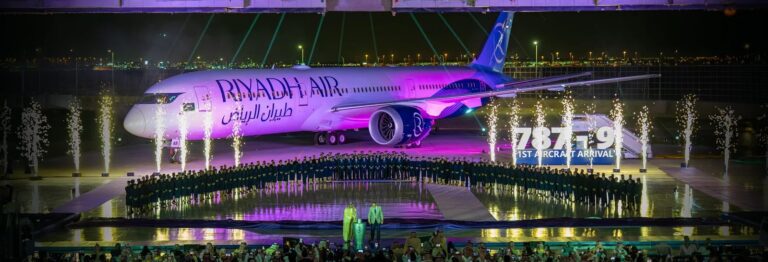
On 23 October 2026 Delta Air Lines operates the first nonstop flight between the United States and Saudi Arabia — Delta Atlanta Riyadh service on an Airbus A350-900, daily for the launch week of 23–30 October and three times a week after that. The aircraft carries Delta One Suites — the doored business class Delta introduced in 2017 and the first of its kind on a US airline — with Premium Select, Comfort and Main cabins behind.
The route lands in the middle of the Gulf’s busiest premium contest, four months after Riyadh Air began public flights, and it arrives as Delta spends more than US$1 billion bringing doors to the business cabins that have never had them. Here are the facts, what the Delta One cabin delivers, and what changes across the fleet over the next year.
Delta Atlanta Riyadh: Key Facts
- Launch: 23 October 2026, Atlanta (ATL)–Riyadh (RUH), the first nonstop between the US and Saudi Arabia
- Frequency: daily 23–30 October 2026, then three times weekly
- Aircraft: Airbus A350-900 with Delta One Suites, Premium Select, Comfort and Main
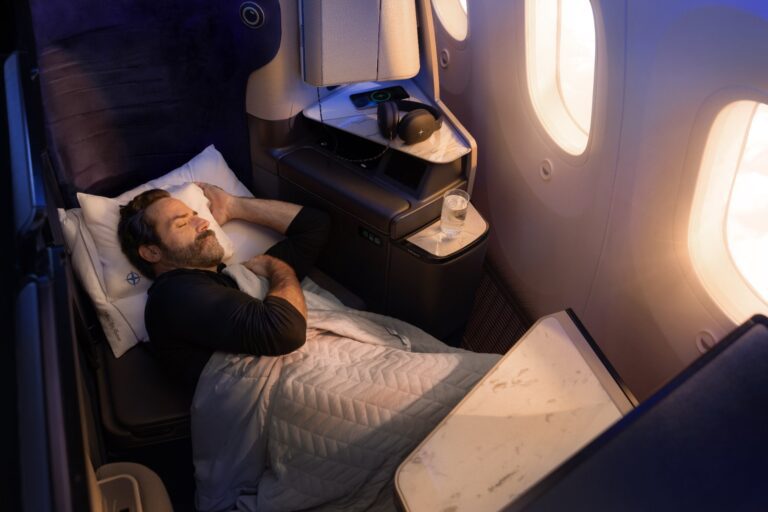
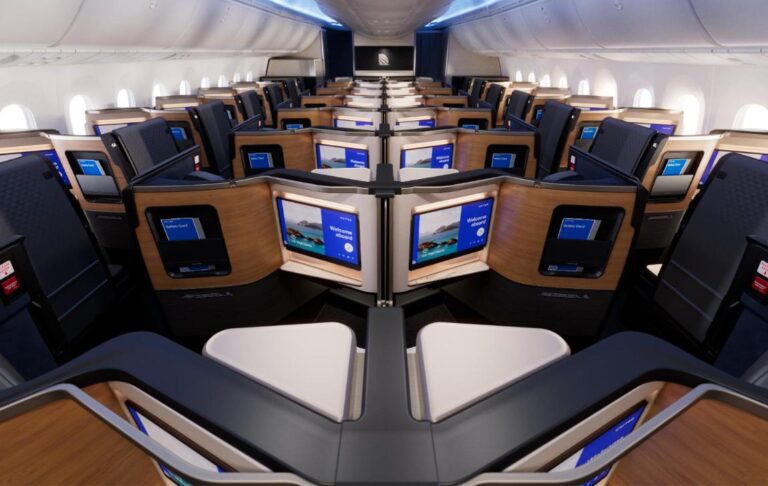
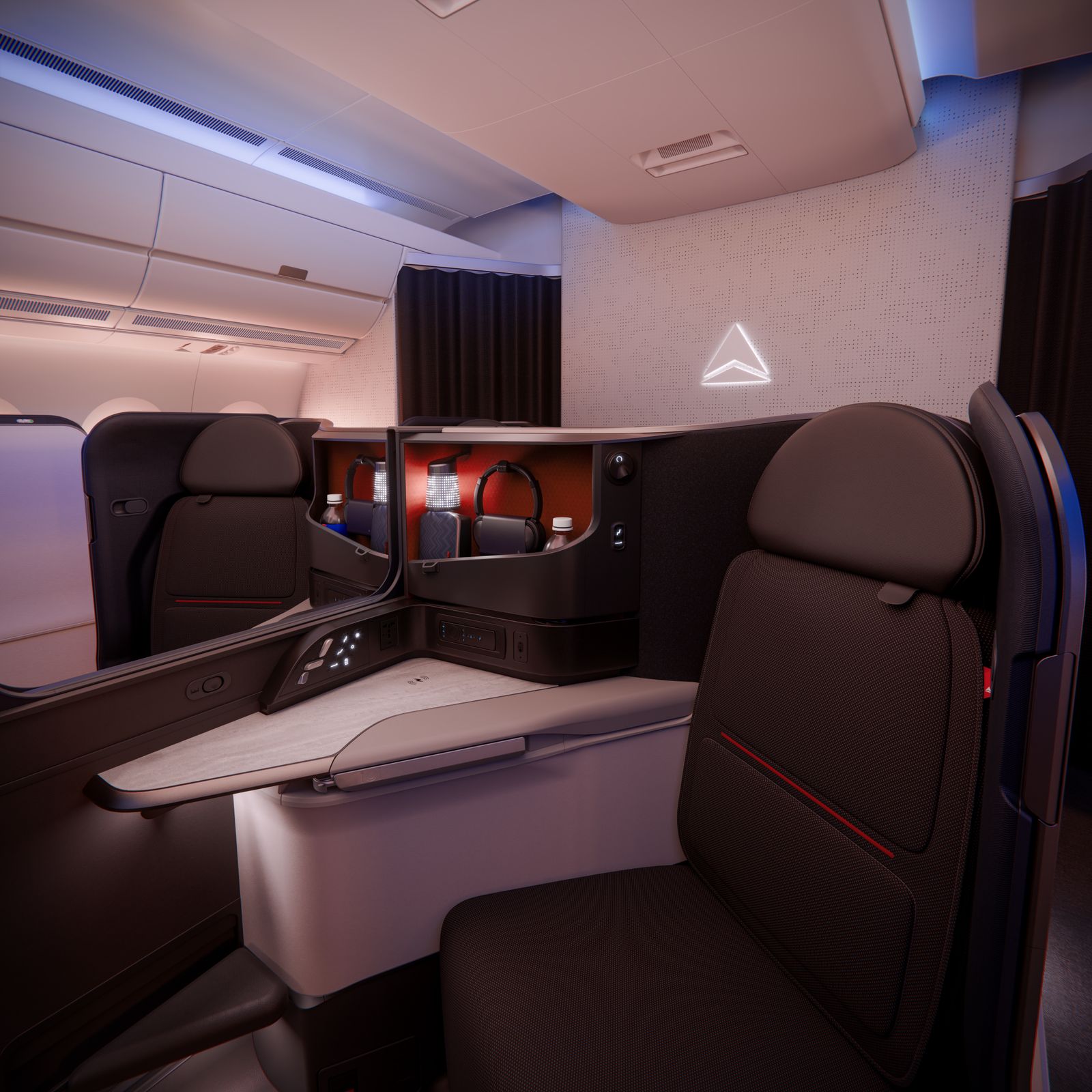
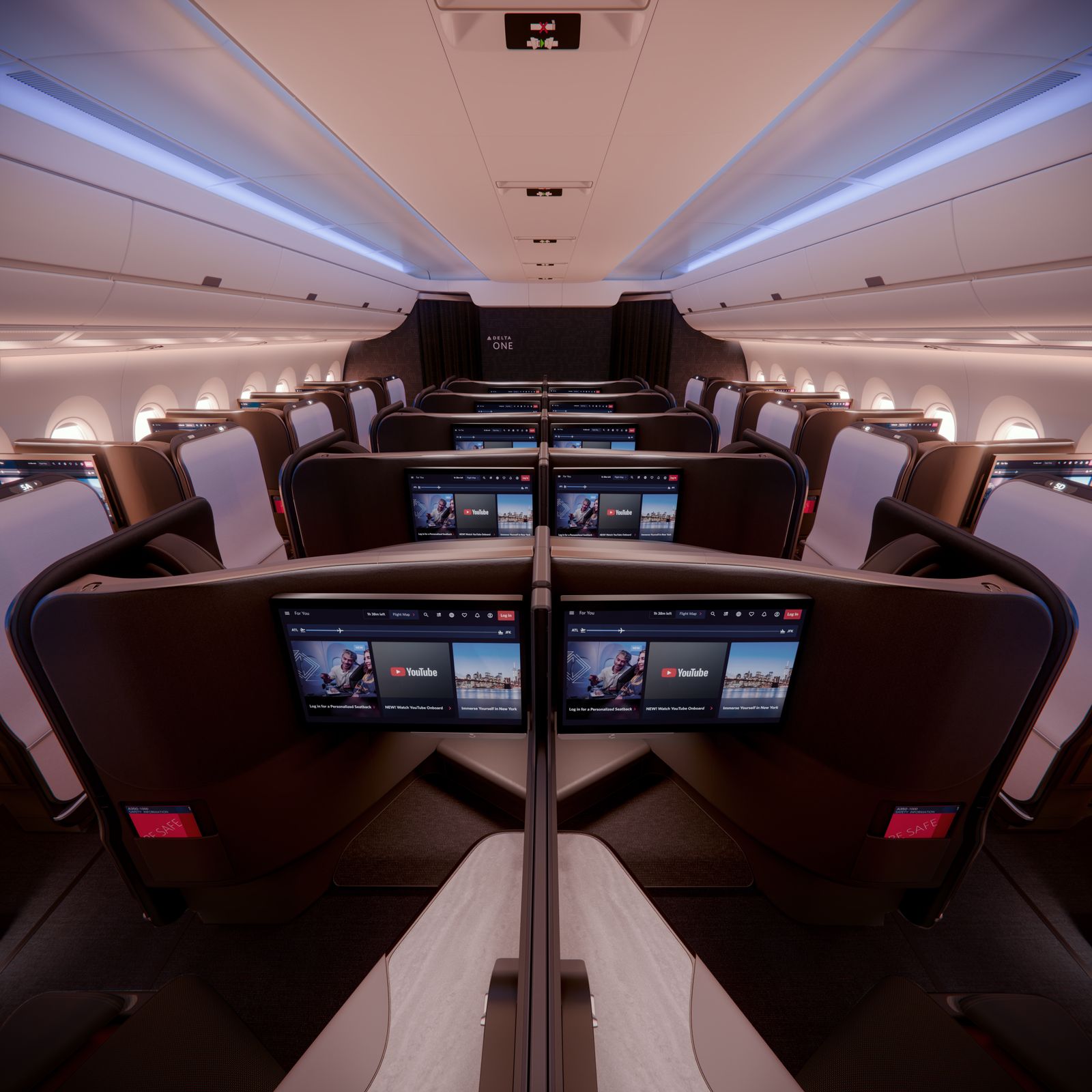
- Delta One Suite (A350-900): fully flat bed, sliding door, direct aisle access in a 1-2-1 layout — Delta’s original 2017 suite
- Partner context: Riyadh Air has a cooperation agreement with Delta and other SkyTeam carriers
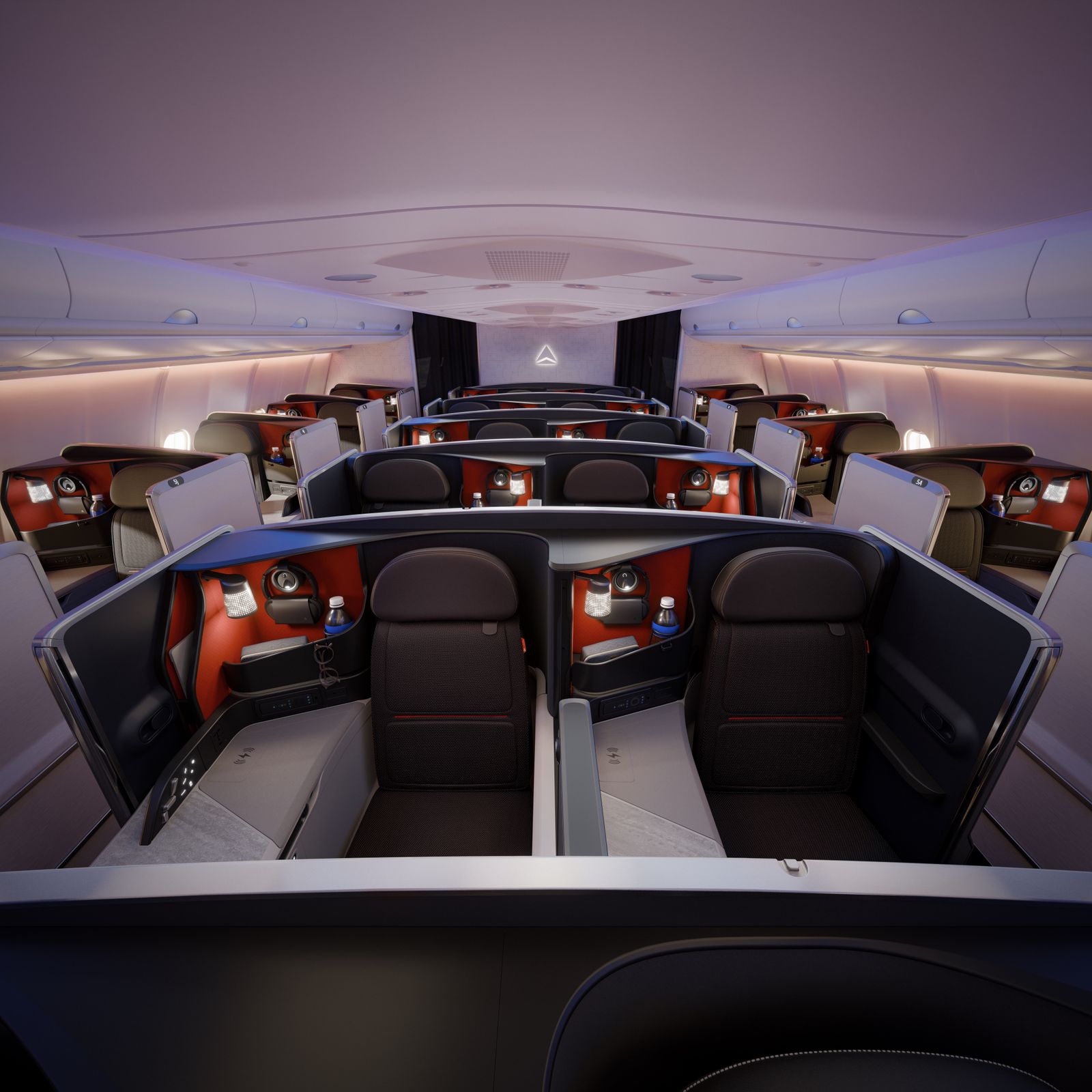
- A330 retrofit: from September 2026, a program worth more than US$1 billion fits doored Delta One Suites (Thompson Vantage XL platform) to 42 A330-200s and A330-300s, nose to tail; target of 90 per cent of long-haul business seats with doors by 2030
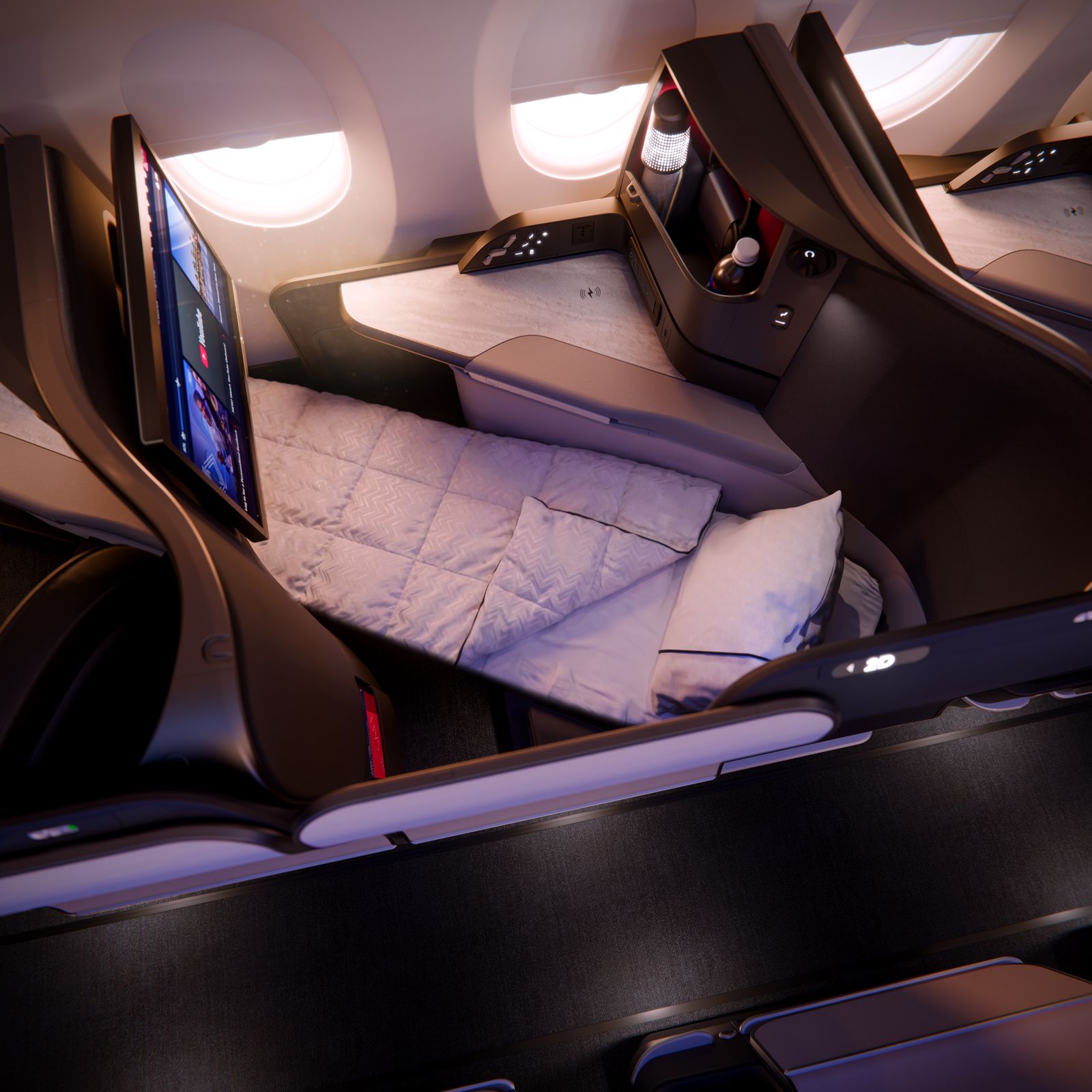
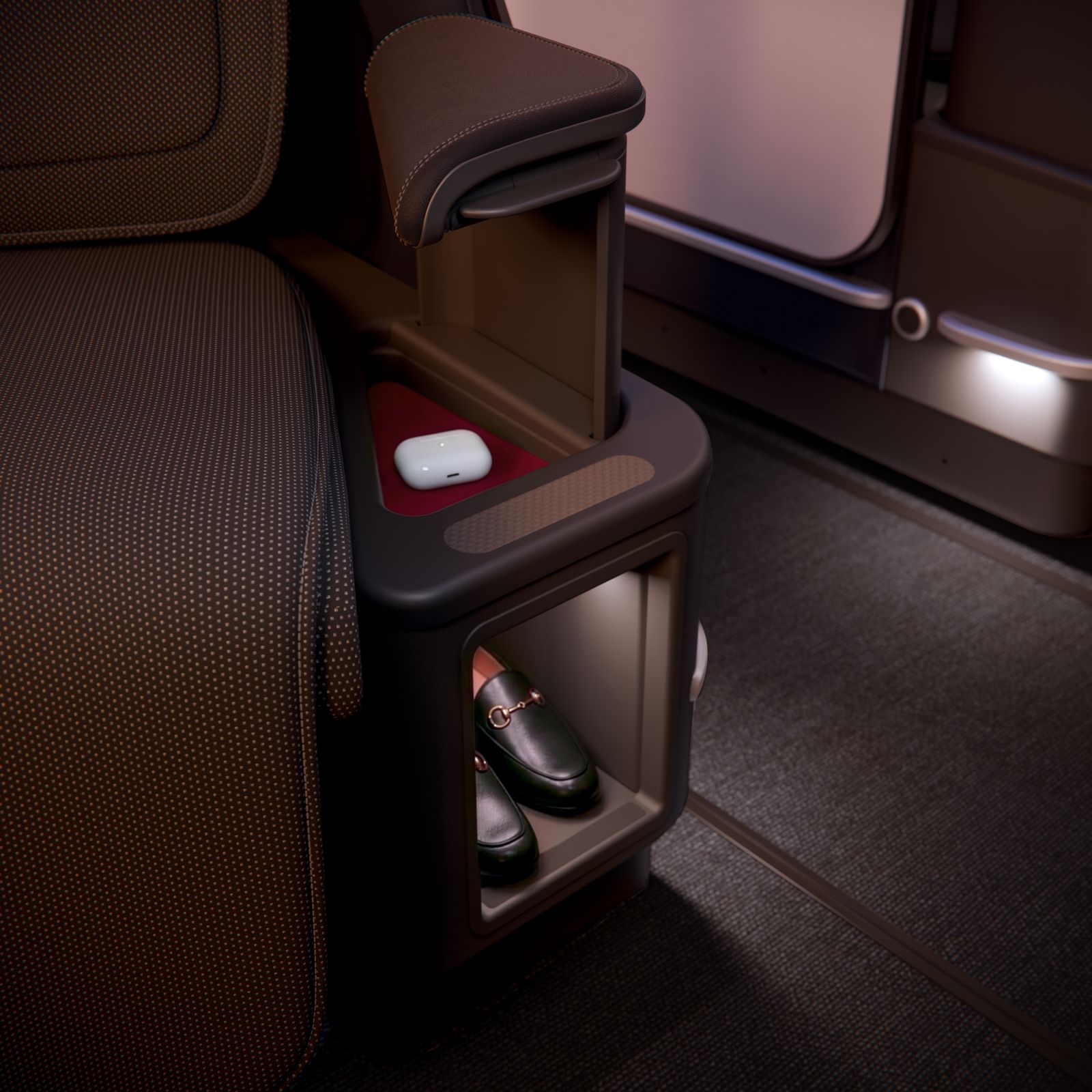
- Next-generation suite: new Delta One Suite on the Airbus A350-1000 from early 2027 — 53 suites per aircraft, reverse herringbone on Thompson Aero’s VantageNOVA, a flat bed more than three inches longer than today’s at over six and a half feet, a pillow-top cushion, shoe cubby and a self-serve snack station
- Soft product: a refreshed Delta One service — menus, serviceware and presentation — is launching from Los Angeles in autumn 2026
- Fares: not published; see below
The Suite That Started the Trend
Delta was the first US airline to put a door on a business class seat, on the A350-900 in 2017, a year before Qatar’s Qsuite made doors the Gulf standard. The suite on the Riyadh aircraft is that original product: a 1-2-1 with direct aisle access, a sliding door and a fully flat bed, with Westin bedding and a Delta One amenity kit. It is no longer the newest seat in the sky — American’s Flagship Suite, United’s Polaris Studio and the Gulf carriers’ latest cabins have all overtaken it on screen size and storage — but on a 13-hour overnight to the Gulf a door and a flat bed are what matter.
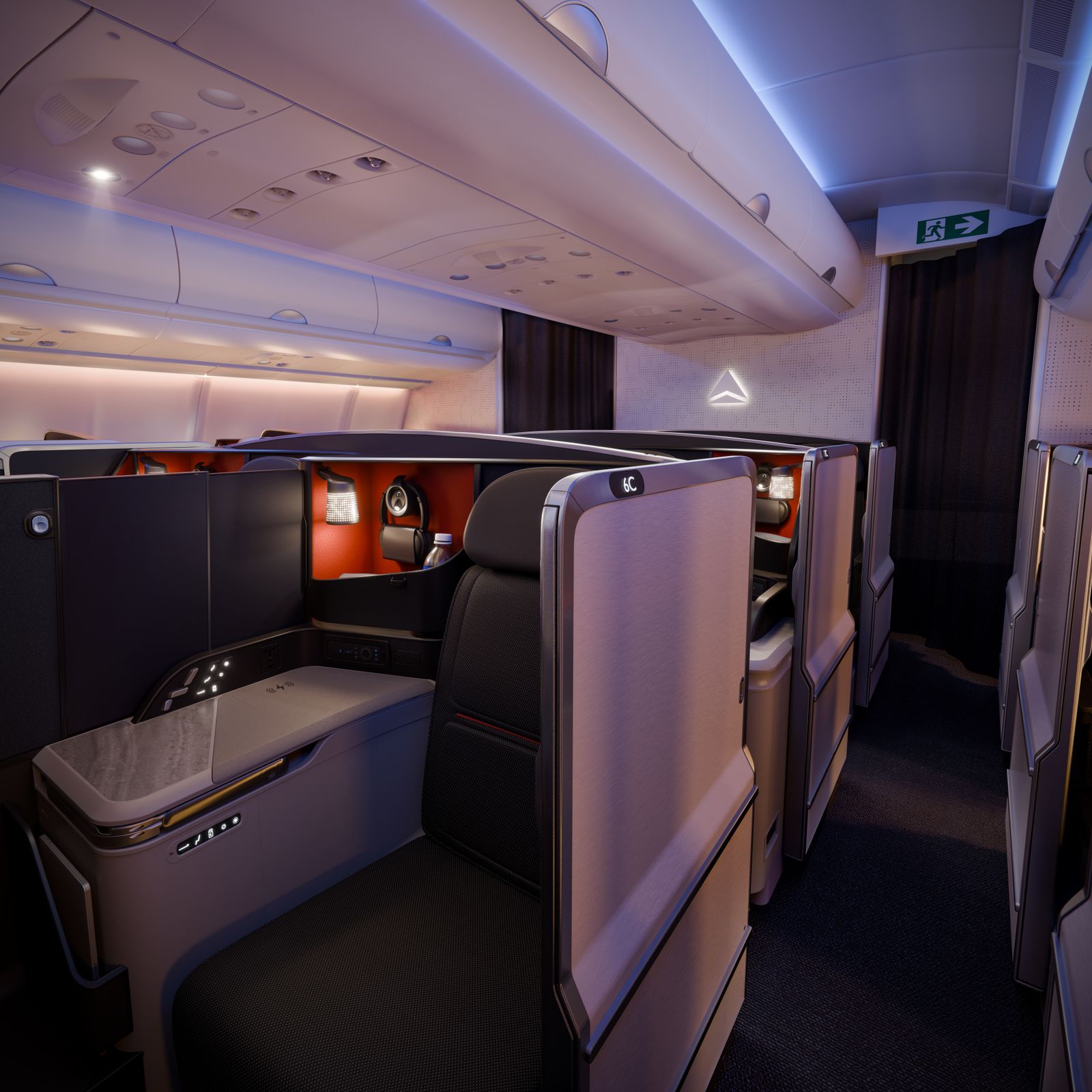
The bigger story is what happens behind it. Delta’s A330s, which fly much of its transatlantic network, have never had doors; the retrofit that started in September strips them to the shell and fits doored suites on the Thompson Vantage XL, the staggered seat Virgin Atlantic and Etihad use on their A330neos. When the A350-1000 arrives in early 2027 it brings a third suite — reverse herringbone, longer bed, snack bar — and the first all-new Delta One design in a decade.
Why Riyadh, and What It Means for the Gulf
Delta has served the Gulf only through partners until now. Delta Atlanta Riyadh service gives it a direct line into a market Saudi Arabia is spending heavily to grow, timed to the same Vision 2030 program behind Riyadh Air’s launch in June. With Riyadh Air already a Delta partner, the route reads as the start of a SkyTeam bridge between the American South and the Saudi capital rather than a one-off — and for Saudi Arabia’s own premium travellers it is the first American business class to Atlanta without a change of plane.
For readers in Asia, Delta Atlanta Riyadh is not a connection worth taking; its value here is as a sign of how quickly Riyadh is becoming a premium hub, with Delta, Riyadh Air and Saudia all adding long-haul business seats this year.
Tip: for Delta Atlanta Riyadh flights, book the launch week (23–30 October) if you want a daily schedule; after that the flight operates three times a week, so check the days before planning an itinerary around it.
American Business Class Against the Gulf, First-Hand
I have not flown Delta One and this is a preview. My references are Gulf carriers on the same kind of overnight sector: Etihad’s 787-9 to Brussels, an excellent 1-2-1 seat that I rated 3.5 out of 5 and marked down for the wine and a crowded lounge, and Emirates’ 777 from Malé, a comfortable seat in a dated cabin. A nine-year-old doored suite from Atlanta sits between the two on hardware; the Los Angeles soft-product refresh is what will decide whether Delta One can compete with the Gulf on service.
How Much Does It Cost?
Delta does not publish rack fares for Delta One on Delta Atlanta Riyadh flights; business fares are dynamic and the A350-900 sells the same Delta One fare as the rest of the network. SkyMiles award pricing is dynamic too, and Delta’s launch promotion so far has covered Main cabin awards rather than Delta One. Check the operating days, since the schedule drops to three weekly after 30 October.
Flight prices do move between platforms. The same business class seat on the same date is not always the same price on the airline’s own site, Trip.com and Expedia: point-of-sale currency, consolidator fares and what is bundled into the ticket can shift the fare by a few percent — and occasionally by much more on premium cabins booked out of Asia.
So before I pay I run the same dates through Aviasales, which scans dozens of booking sites at once, then check Trip.com (often the sharpest on Asian routes) and Expedia (strongest when you add a hotel to the same booking). One caveat: a ticket bought through a booking site is changed or refunded through that site, not the airline, so read the fare rules before you buy.
Delta Atlanta Riyadh is the first American nonstop to Saudi Arabia, flown with the suite that started the door trend — and the rest of Delta’s long-haul fleet is finally catching up. The menus, wines and amenity kits are being rebuilt too — I covered the new Delta One service separately.
Renderings © Delta Air Lines
This preview is based on official announcements — I haven’t flown Delta One yet. Read more about how I review or visit my Work With Me page.
Disclosure: this article contains affiliate links. If you book through them, I earn a small commission at no extra cost to you. Read my full disclosure policy.