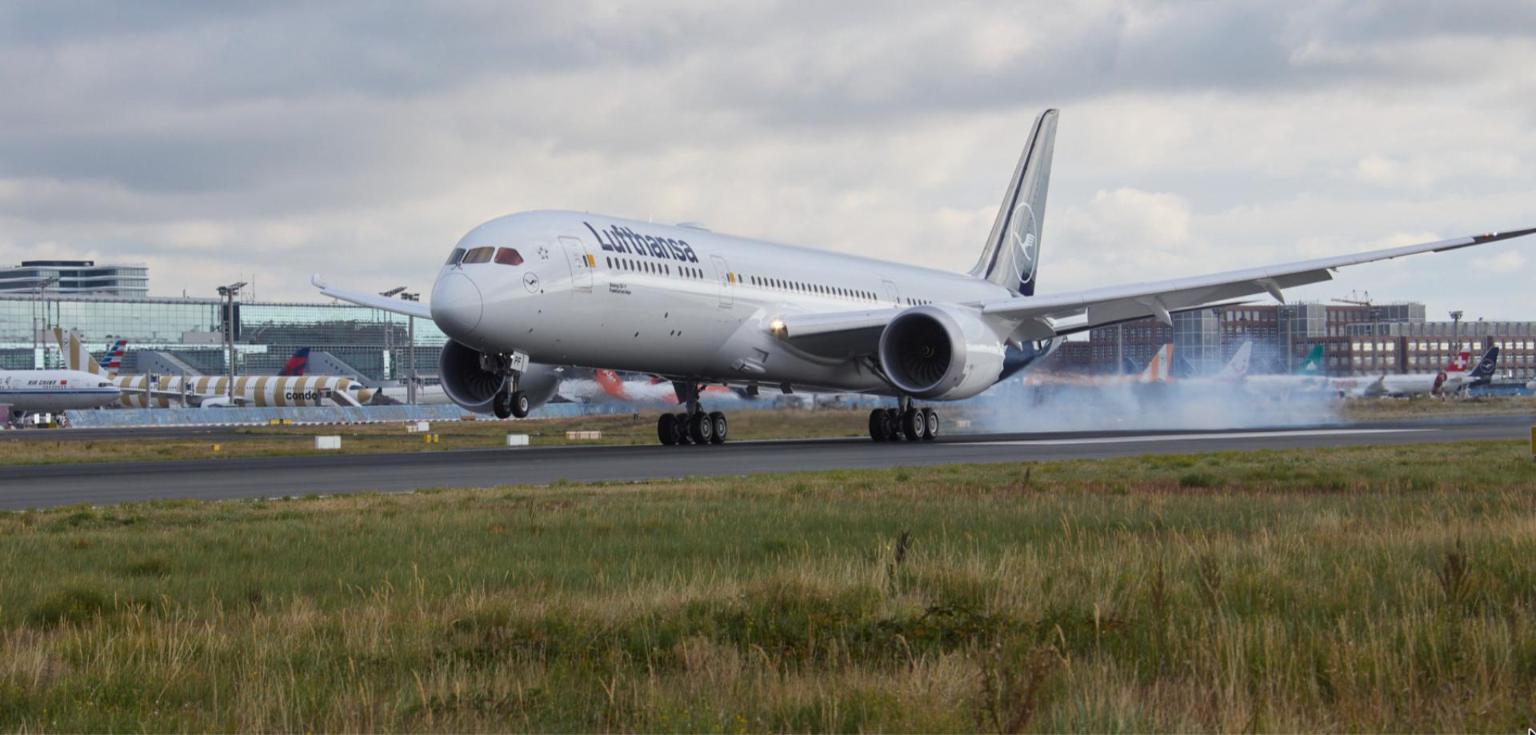
British Airways Costa Rica flights go year-round from 28 March 2027: BA233 flies London Heathrow to San José (SJO) five times a week this winter from 25 October 2026, then three times a week through summer 2027 on a Boeing 787-8 with Club World, World Traveller Plus and World Traveller cabins. Block time is 11h30 (14:15 out of Heathrow, 18:45 into San José) and business class starts from US$4,738 return in July 2027. Why it matters: Costa Rica’s May–November green season, when the turtles nest, the humpbacks arrive and the bull sharks turn up at Bat Island, is finally reachable non-stop from Europe.
The British Airways Costa Rica route has always been a winter-only service out of Gatwick, which is exactly the wrong half of the year if you dive. I spent seven nights at Four Seasons Resort Costa Rica at Peninsula Papagayo in mid-August and dived Bat Island from that beach, with bull sharks and mantas, in the season every airline schedule told Europeans to avoid. So when BA’s summer 2027 network release of 17 September 2026 listed San José as a year-round Heathrow destination, I read it as a diving story first and a flight story second.
British Airways Costa Rica: Key Facts
- Route: London Heathrow (LHR) – San José, Costa Rica (SJO), non-stop; the service moves from Gatwick to Heathrow for winter 2026/27.
- Flight: BA233 outbound, BA232 return.
- Season/frequency: five flights a week from 25 October 2026; year-round at three flights a week from 28 March 2027.
- Aircraft & cabins: Boeing 787-8 with Club World (business), World Traveller Plus (premium economy) and World Traveller (economy). No First.
- Schedule: departs Heathrow 14:15, arrives San José 18:45, 11h30 (July 2027 dates on sale now).
- Business fares: from US$4,738 return non-stop on BA, 14–28 July 2027; one-stop alternatives from US$3,857.
- Announced: BA summer 2027 network release, 17 September 2026; Heathrow move and winter frequency confirmed via Pettitts Travel.
Why a Year-Round British Airways Costa Rica Flight Changes the Trip
Costa Rica is one of the few long-haul destinations where the “off” season is the better one for wildlife, and until now the only non-stop from Europe stopped flying just as that season began. From 28 March 2027 the BA233 keeps going through May, June, July and August, so a traveler from Paris, Milan or Zurich can connect through Heathrow and be in San José the same evening without a Miami or Panama City layover. The timing is civilized too: a 14:15 departure means no dawn start, and an 18:45 arrival leaves room for dinner before an early transfer the next morning.
It is part of a bigger shift. In the same release BA said it is adding about 25% more capacity to Latin America for summer 2027, with Buenos Aires going daily non-stop from Heathrow (plus an onward tag to Santiago) and Rio daily with the Buenos Aires tag removed. San José is the smallest of those moves and, for anyone who travels with a dive bag, the most interesting. I made the same point about BA’s new Gatwick–Kilimanjaro–Zanzibar route: a non-stop is measured in the hours you don’t spend in a transit lounge with 23 kg of regulators.
What the Green Season Really Is
“Green season” is the tourist board’s name for the rainy season, roughly May to November. The honest version: from May to August the pattern is reliable, with clear mornings, cloud building around lunch and an afternoon shower that clears by evening. July and August often bring a drier spell locals call the “veranillo”, a little summer, and mid-August is when I was at Papagayo. September and October are the wettest months, and I would not book a first trip then; October is also the month I rate worst for diving Bat Island.
In exchange for a few downpours you get a country at full volume: rivers running high, the dry Guanacaste hills turned green, lower hotel rates and trails at Monteverde and Arenal carrying a fraction of the January crowds. The British Airways Costa Rica timetable now lets you plan around that calendar rather than against it.
The Green-Season Wildlife Calendar
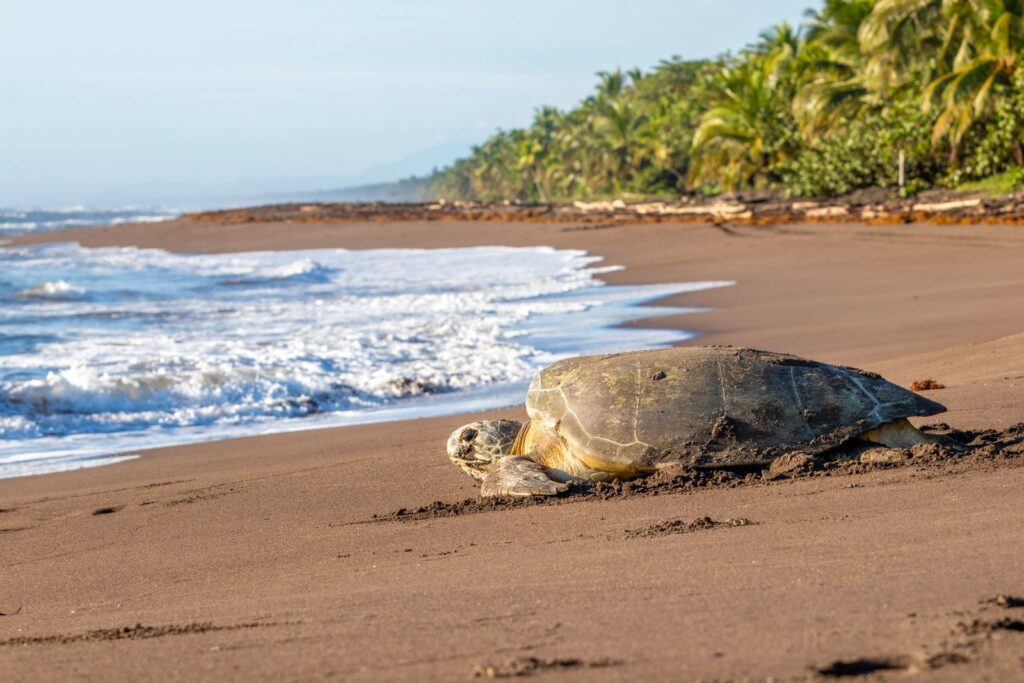
Tortuguero, Caribbean coast. Green turtles nest on Tortuguero’s beaches from July to October, peaking in August according to WWF, and a guided night walk to watch a female dig her nest is the most memorable thing a non-diver can do in Costa Rica. One correction to the usual brochure copy: leatherbacks nest here from March to June, so a July or August visit is a green-turtle trip, not a leatherback one.
Humpback whales, Pacific coast. The southern-hemisphere humpbacks are on the Pacific side from July to mid-November, peaking in August and September. Marino Ballena National Park at Uvita is the best-known viewing spot, and the Osa Peninsula and Golfo Dulce are calving and nursery waters, so mothers with calves are a realistic sighting from a small boat. In August you can watch turtles nest on one coast and humpbacks breach on the other in the same week.
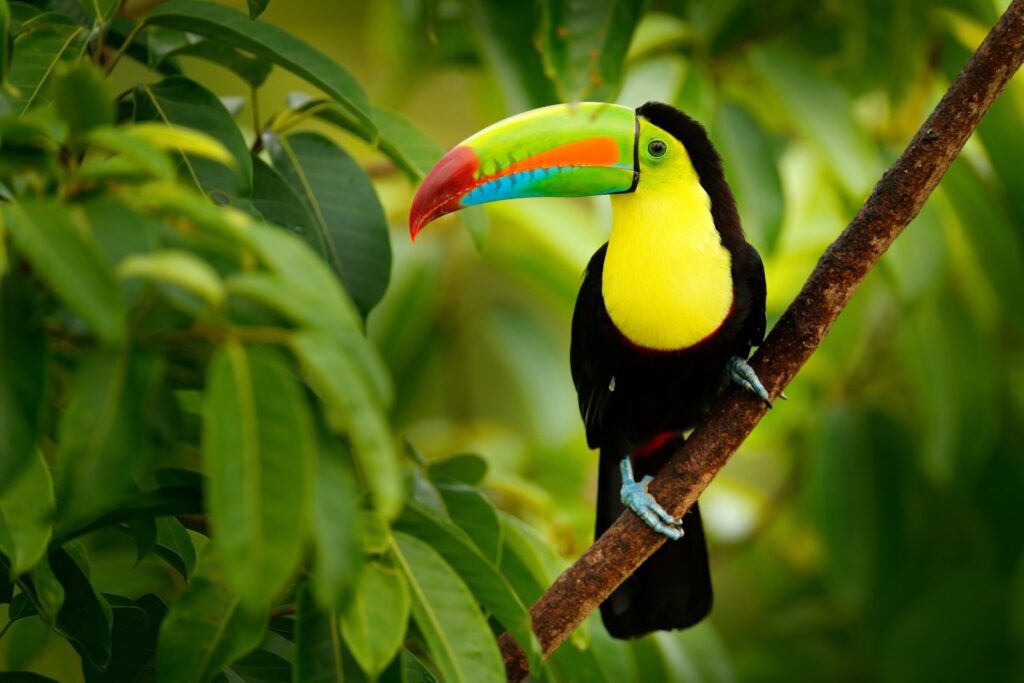
Monteverde and Arenal. I will be straight about the quetzal: the resplendent quetzal is best seen in Monteverde’s cloud forest from December to April, breeding February to April, so in green season it is a possibility, not a promise. What the rainy months deliver are the frogs, with red-eyed tree frogs, glass frogs and poison dart frogs at their most active, and quieter trails. At Arenal the draw is the volcano and the hanging bridges that take you through the rainforest canopy rather than under it.

Manuel Antonio. Where the rainforest meets the sea, and the classic place to look for both of Costa Rica’s sloths, the two-toed and the three-toed, along with monkeys in the trees above the beach.
The Diver’s Case for the British Airways Costa Rica Route
Here is my first-hand evidence, and the reason I care about this timetable. From the beach at Four Seasons Resort Costa Rica, where I spent a week in mid-August (my Four Seasons Costa Rica review is here), I dived Bat Island, the Islas Murciélago in Santa Rosa National Park, with Rockdivers Costa Rica out of Playa del Coco, about 70 minutes by boat. At Big Scare I had two bull sharks and two mantas on one dive and have never seen as many octopuses anywhere. At Black Rock there was a pregnant whitetip, nurse sharks and a current that was strong but swimmable. At Monkey Head I counted six whitetips, a manta and eagle rays. The water was about 27°C and a 3 mm wetsuit was plenty.
My take after that trip: May to October is the window for big pelagics like bull sharks, December to April is calmer and better for beginners, and October is the worst month. My verdict in the Bat Island diving article was “surprisingly good and full of big pelagics”, and that was a green-season verdict. A winter-only flight schedule quietly steered European divers toward the calmer, emptier months.

One logistics note for Guanacaste: BA flies to San José, not Liberia (LIR), and Liberia is the airport 40–45 minutes from Papagayo. I flew into San José and drove about four hours, which only works after an 18:45 arrival if you overnight first; the alternative is a short domestic hop.
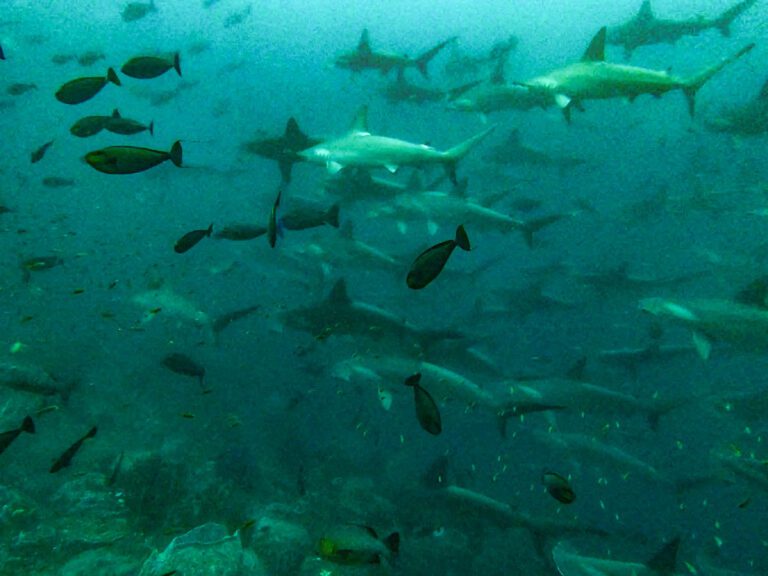
Then there is Cocos Island. I did the 10-night Okeanos Aggressor liveaboard from Puntarenas in April, about 36 hours’ crossing each way, and had six hammerheads in the first five minutes at Manuelita, more than 70 in a single day, 30-plus at Dirty Rock, a tiger shark at Alcyone, plus silvertips and Galápagos sharks. My conclusion in the Okeanos Aggressor review was that there is no bad time to dive Cocos: hammerheads are there year-round and rain mainly affects visibility. The currents are strong and it is a trip for good divers. Always spend the night before departure in San José. If you want more than a dive holiday, I also joined a marine conservation expedition with MCEC that is worth reading about first.
The Cabin on Board: Club World on a 787-8
The aircraft on San José is the Boeing 787-8, the smallest of BA’s Dreamliners, which BA’s own fleet page lists with three cabins: Club World, World Traveller Plus and World Traveller. There is no First on this airplane. What BA has not confirmed is which business-class seat you will get: the 787-8 is listed with Club World, and I will not promise the Club Suite with its sliding door until BA says so for this route. If you want to see what BA’s best hard product currently looks like, I covered the new A380 First and Club Suite cabins separately; that is the benchmark, not necessarily what flies to Costa Rica. For a daytime 11h30 westbound the seat matters less; on the overnight BA232 home it matters more.
How a Classic Costa Rica Tour Fits the New Flights
Pettitts Travel, the UK luxury tailor-made specialist founded in 1988, was quick to attach the flight news to an itinerary. David Pettitt, Head of Product, put it this way: “And the green season is one of the country’s best-kept secrets, with fewer crowds, nesting sea turtles and whale watching, making it a wonderful time to consider visiting.”
Their “Pura Vida – Classic Costa Rica” is a 15-day, 14-night loop that follows the wildlife calendar above almost exactly: one night in San José, two in Tortuguero, four at Arenal, three in Monteverde, four in Manuel Antonio and back to San José. It is priced from £4,390 per person, two sharing, with economy flights from the UK, in low season and booked about nine months ahead; it is tailor-made with a mix of private and shared transfers and tours, so not a fully private trip. Divers should note it skips Guanacaste and the Cocos departures entirely; I would bolt three Bat Island days or a Cocos liveaboard onto the end.
How Much Do British Airways Costa Rica Flights Cost?
I checked business-class fares on 30 October 2026 for one adult, London Heathrow to San José, out 14 July and back 28 July 2027, on Expedia. The BA non-stop came up from US$4,738 return. The cheapest option was BA with American Airlines one-stop via Miami from US$3,857, then KLM with Copa two-stop via Amsterdam and Panama City from US$3,893, and United one-stop from US$4,872. The non-stop premium over the Miami routing is about US$880 for no US transit.
Fares swing between platforms and between dates, so five minutes of comparing is worth it.
- Compare business-class fares on Aviasales
- Check London–San José business fares on Trip.com
- See the same dates on Expedia
The Lens I’m Reading This Through
Of the three Latin America moves in BA’s summer 2027 release, Buenos Aires and Rio will get the headlines, but San José is the one that changes what a trip can be, because it unlocks a season rather than adding seats. I have dived Costa Rica in April and in August, and August was the month with bull sharks and mantas at Bat Island. A year-round British Airways Costa Rica flight makes that August trip a single non-stop from Europe for the first time, and for divers that is a real shift, not a frequency tweak.
What I can’t tell you yet: which business seat BA will actually fit on BA233, and whether three flights a week survives its first summer if loads soften in September and October. Until then this is a preview, and I will update it once I have flown the route.
Tip: Book July or early August. You get the veranillo dry spell, peak green-turtle nesting at Tortuguero, humpbacks arriving at Uvita and the bull-shark window at Bat Island on one trip. Avoid October, the wettest month and the worst for diving. If Cocos Island is the goal, sleep in San José the night before your Puntarenas departure rather than trying to make it straight off the 18:45 arrival.
Disclosure: this article contains affiliate links. If you book through them, I earn a small commission at no extra cost to you. Read my full disclosure policy.
This preview is based on official announcements — I haven’t flown this route yet. Read more about how I review or visit my Work With Me page.