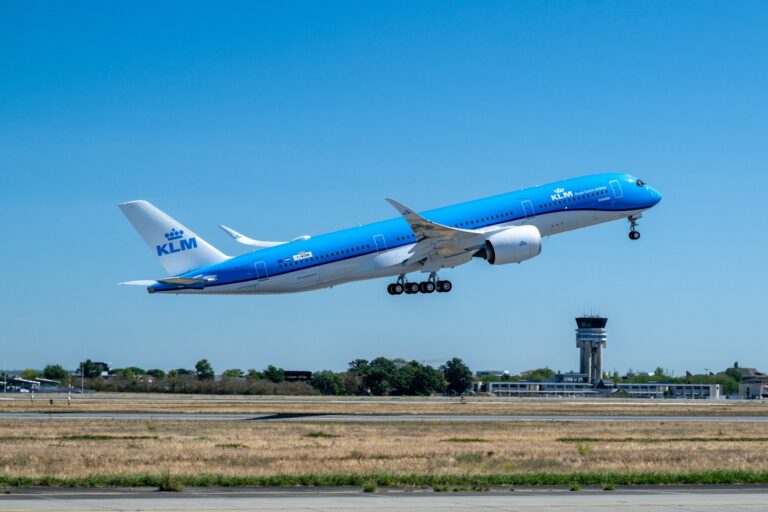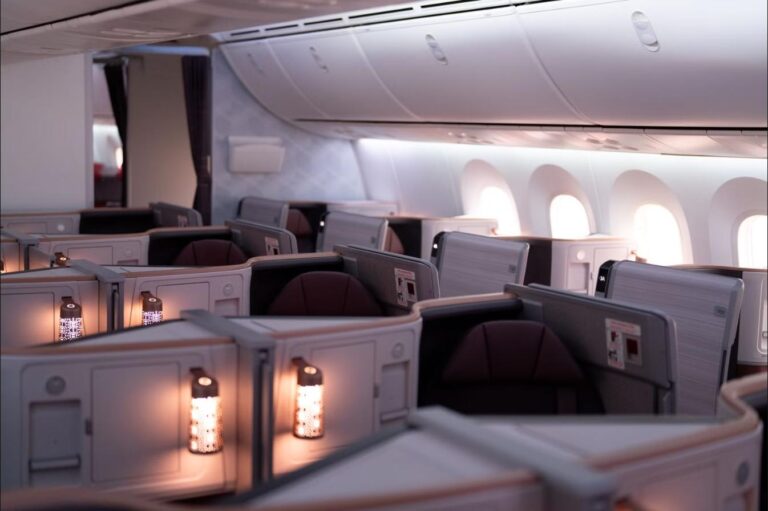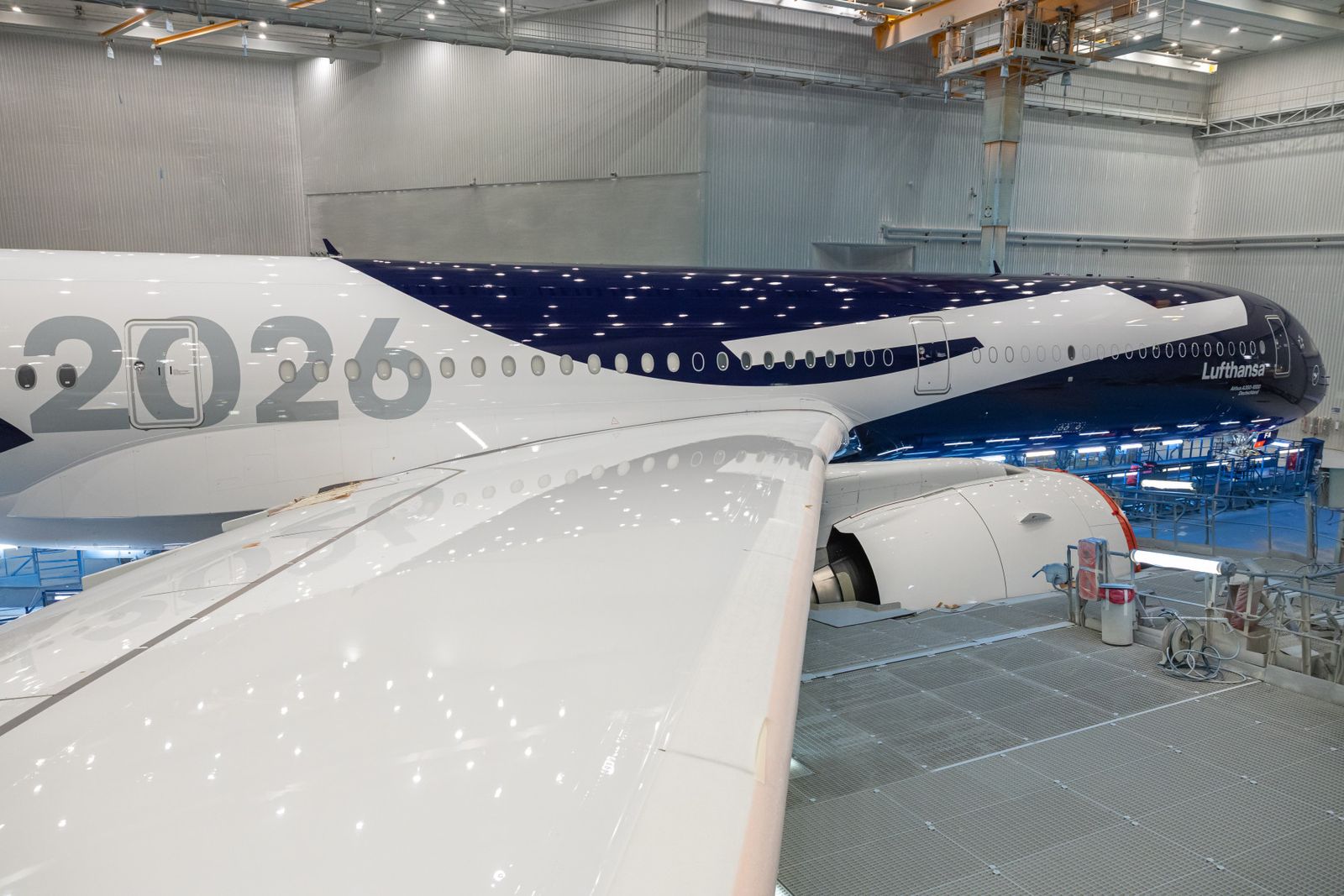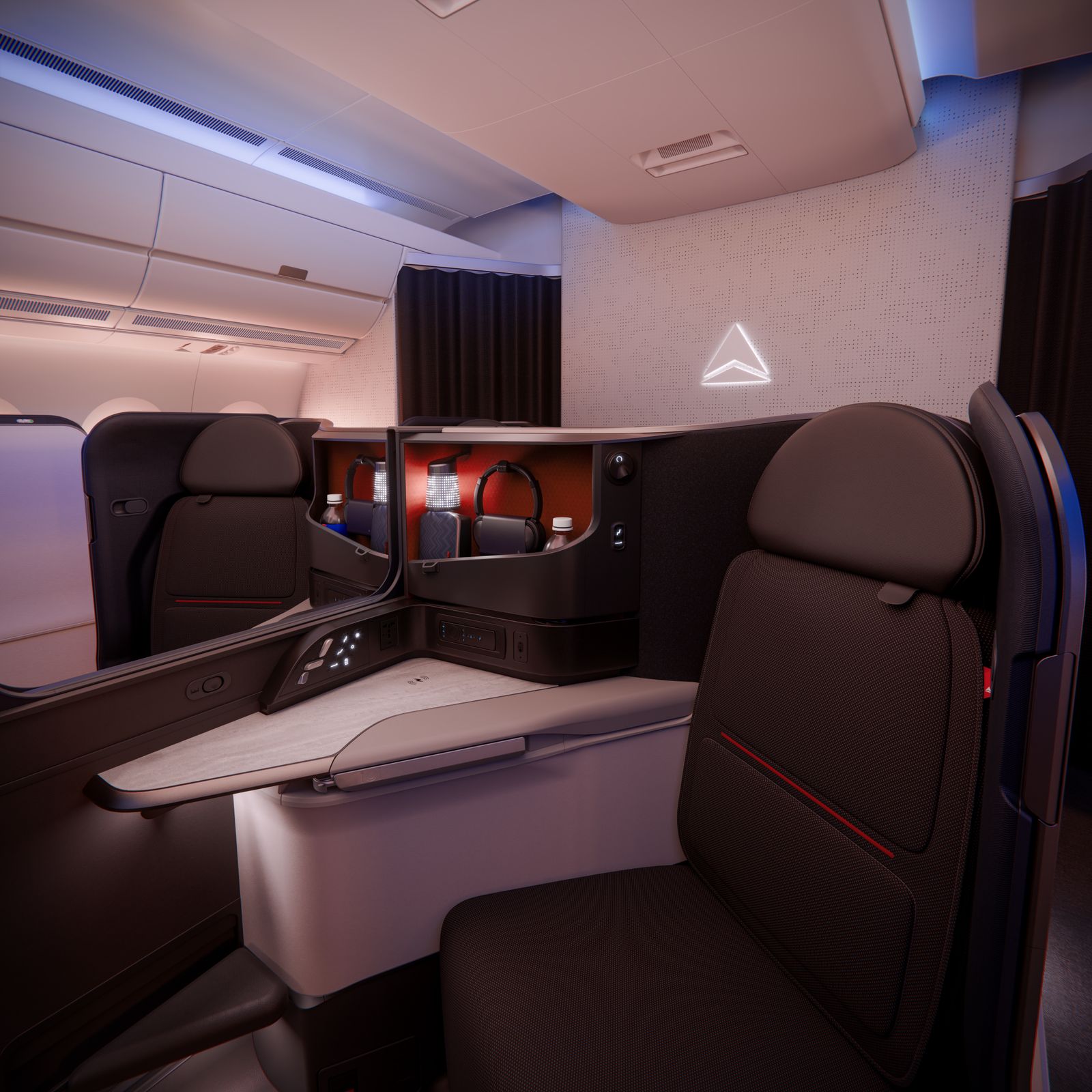
Philippine Airlines took delivery of Southeast Asia’s first Airbus A350-1000 in December 2025, and with its fourth aircraft, RP-C3513, arriving in Manila on 2 September 2026, the Philippine Airlines A350-1000 is now the flagship on Manila’s longest routes. Each one carries 42 business suites with sliding doors, 4K screens and wireless charging, ahead of 24 Premium Economy and 316 Economy seats. Nine were ordered in 2023, and at the Farnborough Airshow this summer PAL signed for nine more, with purchase rights for five.
The aircraft opened on New York, joined Toronto on 5 June and San Francisco on 5 August 2026. For anyone flying between Southeast Asia and North America it is the newest business suite in the region outside Singapore. Here are the facts, what the cabin offers and how to be sure you are on it.
Philippine Airlines A350-1000: Key Facts
- Fleet: Southeast Asia’s first and only A350-1000 operator; first aircraft delivered December 2025, fourth (RP-C3513) arrived in Manila on 2 September 2026; nine ordered in 2023, plus memoranda signed at Farnborough in 2026 for nine more with purchase rights for five
- Layout: 382 seats — 42 Business, 24 Premium Economy, 316 Economy
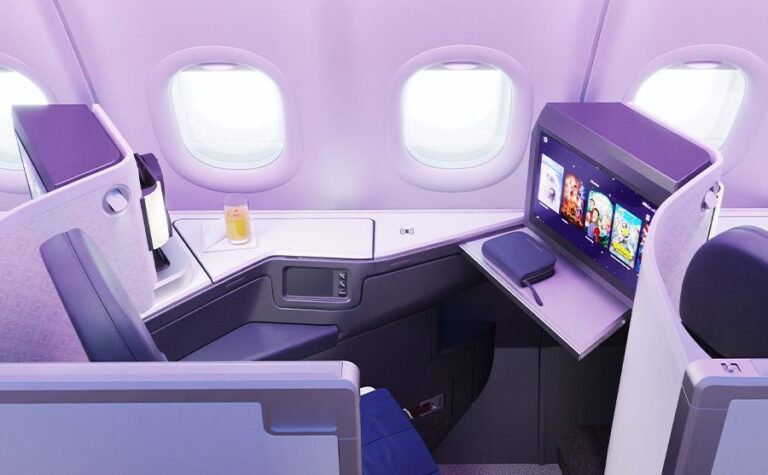
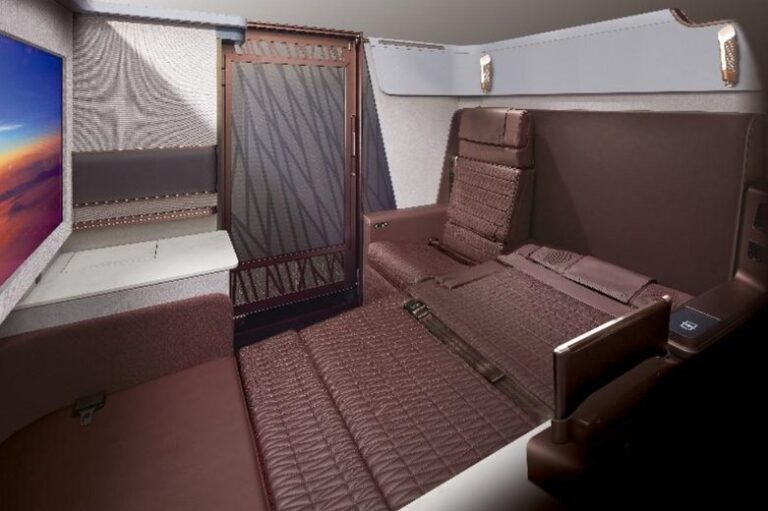
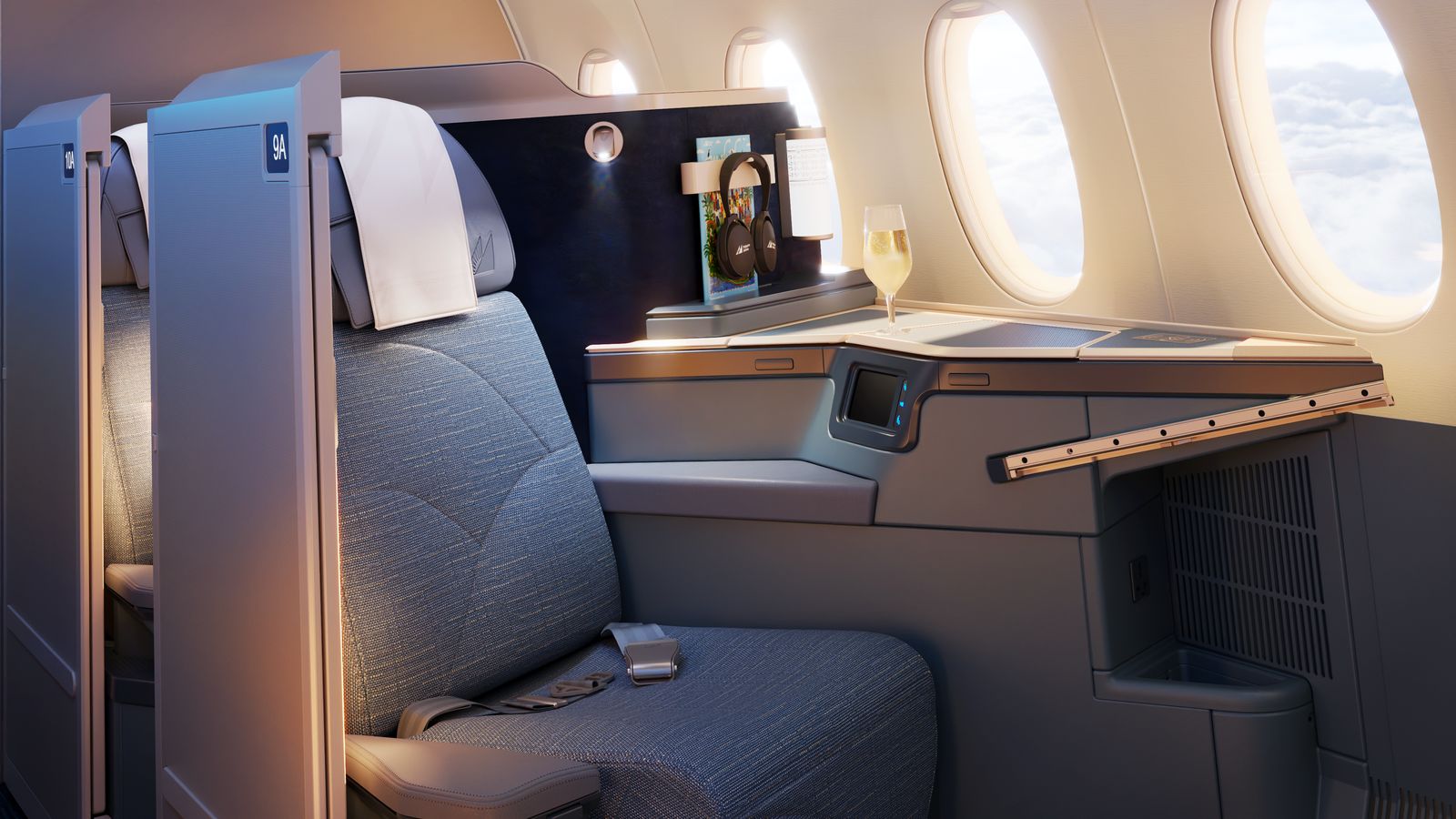
- Business suite: sliding privacy door, direct aisle access, fully flat bed, 4K screen, AC, USB-A and USB-C power, wireless charging, multiple storage compartments and a vanity mirror
- Routes: Manila–New York JFK (the first A350-1000 route); Manila–Toronto from 5 June 2026 (PR118/PR119, three times weekly); Manila–San Francisco from 5 August 2026 (three times weekly, daily from September)
- Cabin: higher humidity and lower cabin altitude than PAL’s older 777s, which the airline’s chief operating officer says means “a more restful journey with less jet lag”
- Alliance: Philippine Airlines was invited to join oneworld in 2026; for now its programme is Mabuhay Miles
- Fares: not published; see below

A Door, a 4K Screen and the Longest Routes in Asia
PAL’s previous long-haul business seat, on the 777-300ER and A350-900, is a 1-2-1 without doors. The A350-1000 suite closes behind a sliding door, adds a 4K screen and wireless charging, and gives every passenger the aisle. The 42-suite cabin is large for the type, which reflects where the aircraft flies: Manila–New York is one of the longest scheduled flights in Asia, and Filipino-American and Canadian travel fills the front cabin year-round.
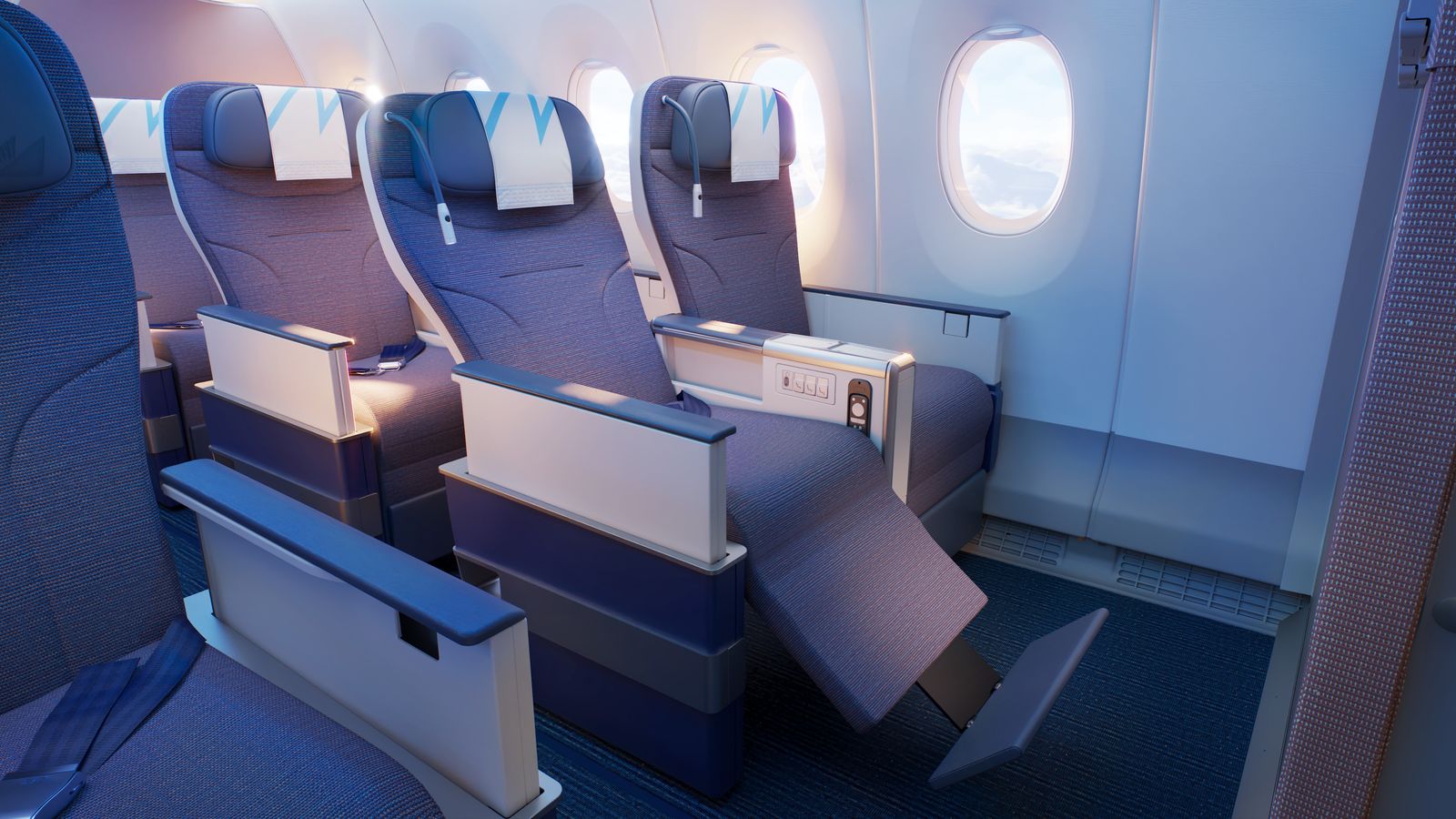
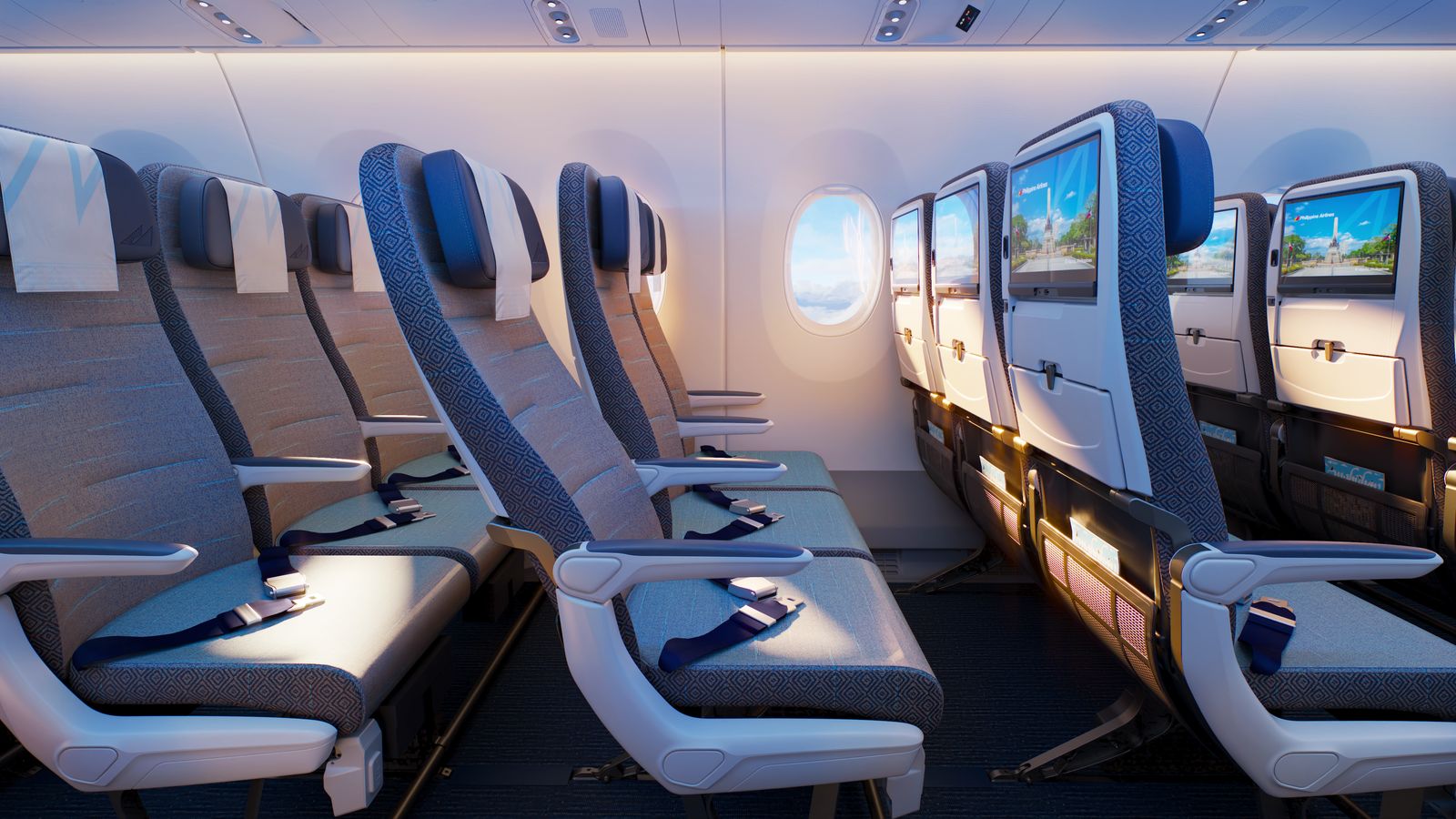
Premium Economy grows to 24 seats and Economy carries 316, so the Philippine Airlines A350-1000 is also PAL’s highest-capacity aircraft — premium at the front, volume behind.
Which Flights to Book
With four aircraft and older 777s and A350-900s on the same routes, the new suite is not guaranteed by destination. New York and Toronto were first in line, and San Francisco joined with the third delivery. The seat-map tell is the business cabin: 42 seats in 1-2-1 with doors drawn on each suite means the Philippine Airlines A350-1000; the 777’s older cabin shows no doors.
For a Bali-based or Southeast Asian reader, Manila is a reasonable gateway to North America: a regional hop to Manila and the A350-1000 onwards puts the newest suite in the region on the long leg.
Tip: PAL is not yet a oneworld member, so for now redemptions run through Mabuhay Miles and its partners — book early, because the 42 suites on each Philippine Airlines A350-1000 go quickly on the New York route.
Southeast Asian Long-Haul, First-Hand
I have not flown Philippine Airlines and this is a preview. I have dived the Philippines often — Tubbataha on the Infiniti, Palawan on Discovery Palawan — so Manila is a hub I know from the ground. For the seat, my reference is Etihad’s 787-9, a 1-2-1 that I rated 3.5 out of 5 for the seat and the fare and marked down for catering; PAL’s new suite adds the door Etihad’s lacks, and Filipino hospitality is the strength I would expect it to bring.

How Much Does It Cost?
PAL does not publish rack fares, and Philippine Airlines A350-1000 business sells at the same fare as the older aircraft on the same route — the seat map, not the price, decides the cabin. Business fares on Manila–North America are dynamic and often sit below the North Asian carriers on the same routings; Mabuhay Miles awards are the main redemption route.
Flight prices do move between platforms. The same business class seat on the same date is not always the same price on the airline’s own site, Trip.com and Expedia: point-of-sale currency, consolidator fares and what is bundled into the ticket can shift the fare by a few percent — and occasionally by much more on premium cabins booked out of Asia.
So before I pay I run the same dates through Aviasales, which scans dozens of booking sites at once, then check Trip.com (often the sharpest on Asian routes) and Expedia (strongest when you add a hotel to the same booking). One caveat: a ticket bought through a booking site is changed or refunded through that site, not the airline, so read the fare rules before you buy.
Forty-two doored suites on the Philippine Airlines A350-1000, the only one in Southeast Asia — Manila has quietly become a serious premium gateway to North America.
Photos © Philippine Airlines
This preview is based on official announcements — I haven’t flown Philippine Airlines’ A350-1000 yet. Read more about how I review or visit my Work With Me page.
Disclosure: this article contains affiliate links. If you book through them, I earn a small commission at no extra cost to you. Read my full disclosure policy.