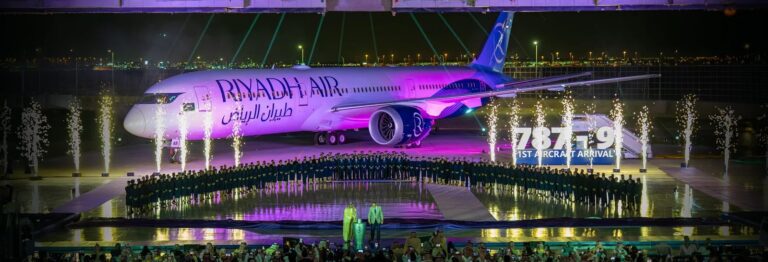
Two years after it entered service on Tokyo Haneda–New York, the Japan Airlines A350-1000 has become the aircraft to look for on Japan’s flagship routes. Eleven of thirteen ordered are delivered, and the autumn schedule spreads them further: Paris returns to a daily A350-1000 from 1 September 2026, and from 1 October the second daily London Heathrow flight switches to the type, joining two daily New York flights, Los Angeles and Dallas.
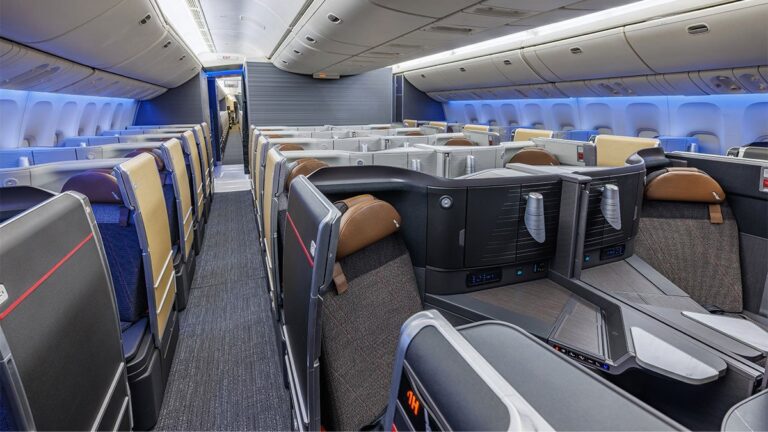
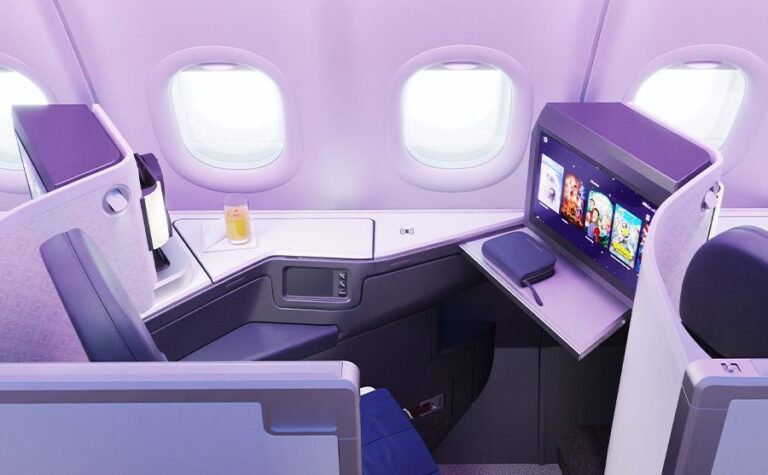
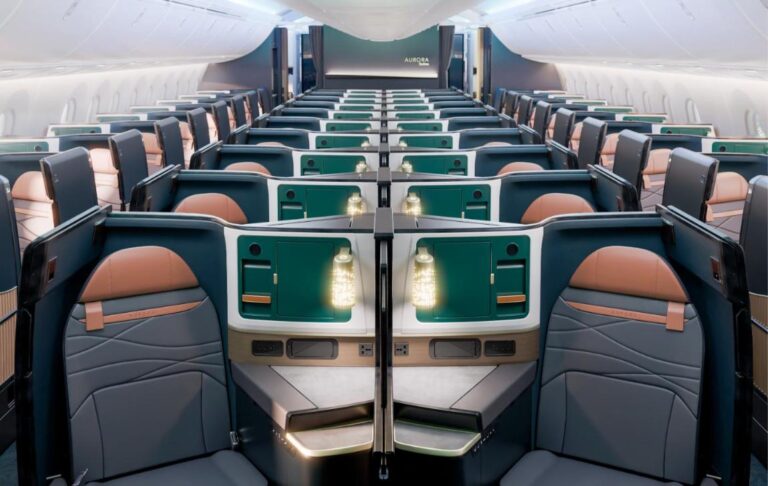
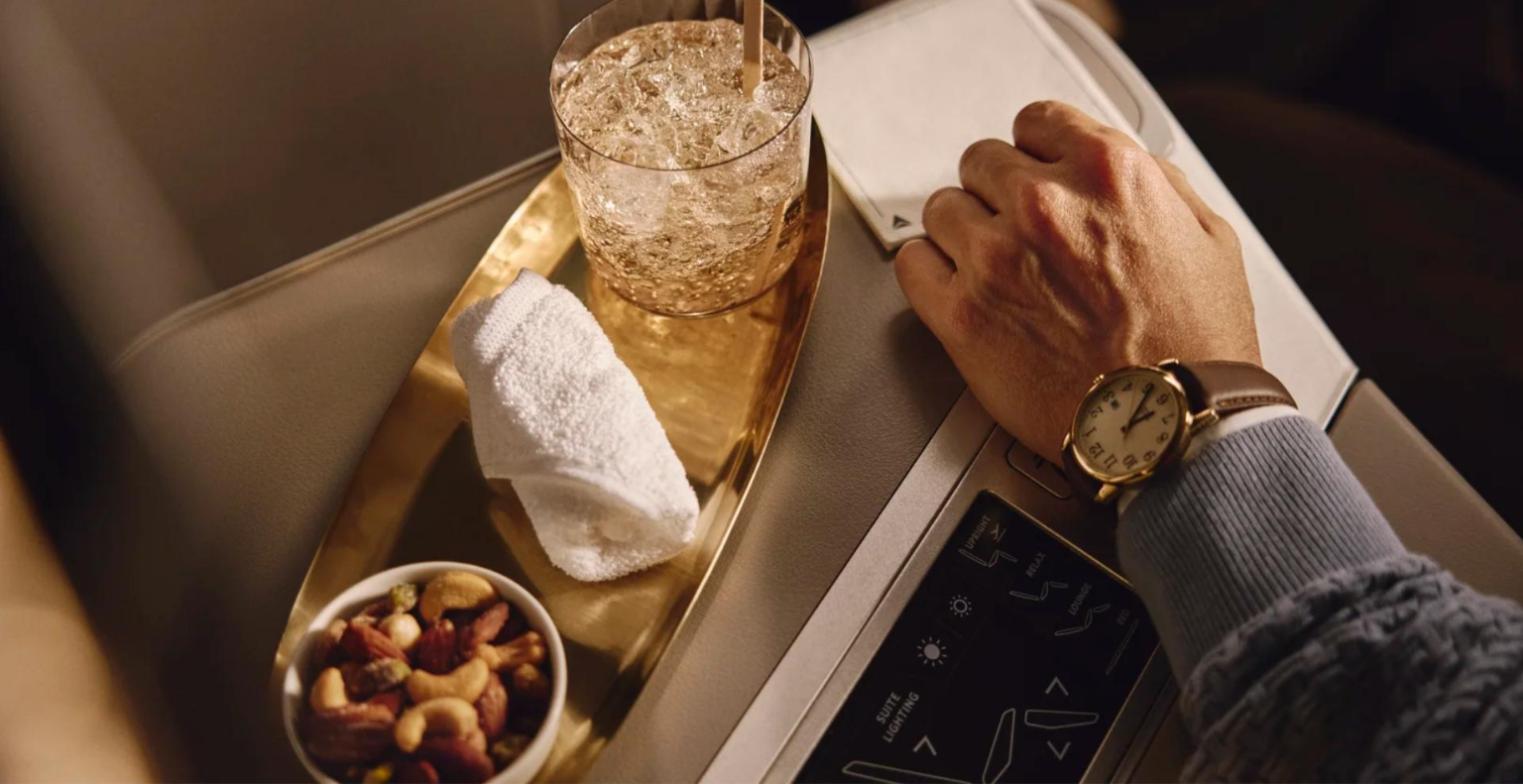
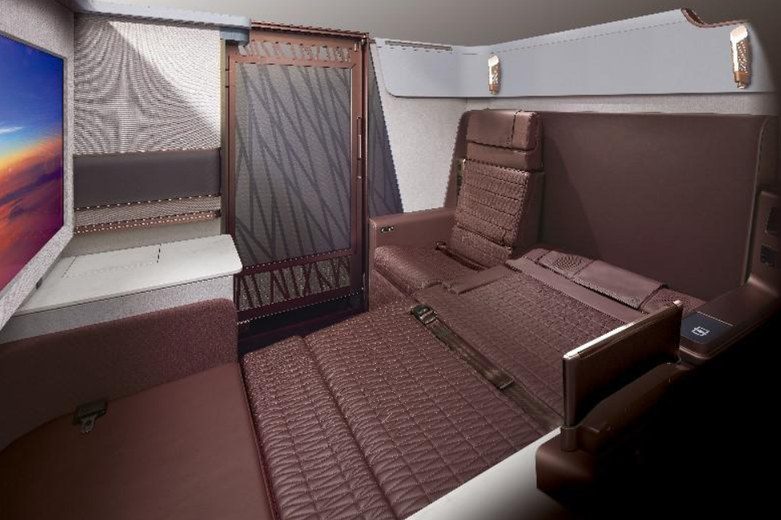
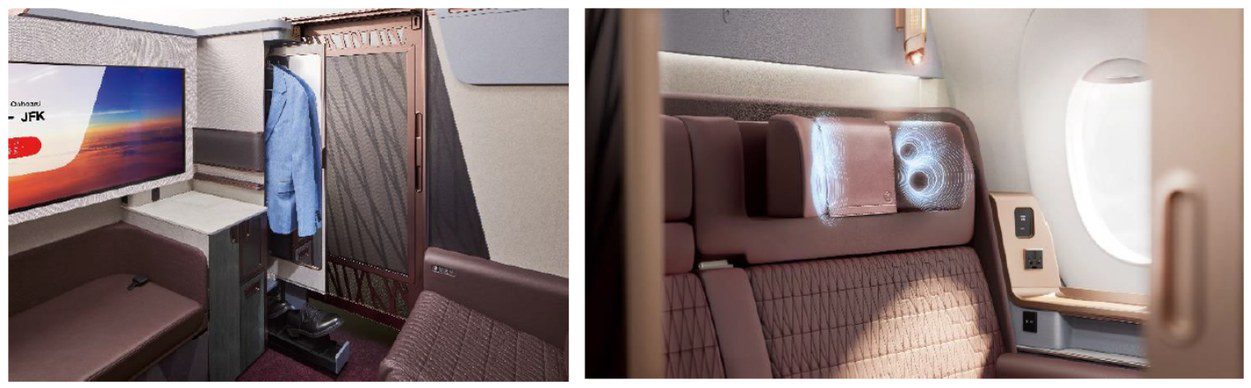
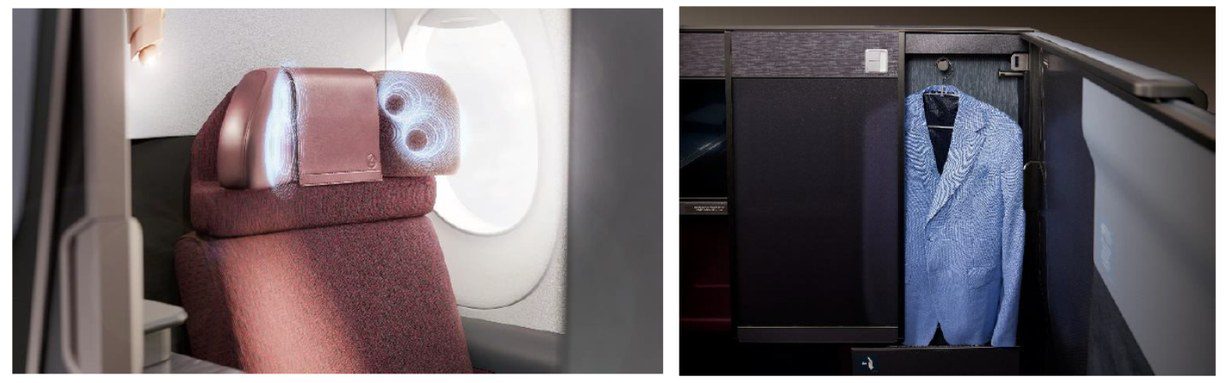
The reason to chase it is the cabin. Six First Class suites with sliding doors and a sofa that becomes a single or double bed; 54 business suites, each a private room with a door, a 24-inch screen, a wardrobe and speakers built into the headrest. One Mile at a Time calls both cabins spectacular and among the best flying. Here are the facts, what each cabin offers, and which flights carry it.
Japan Airlines A350-1000: Key Facts
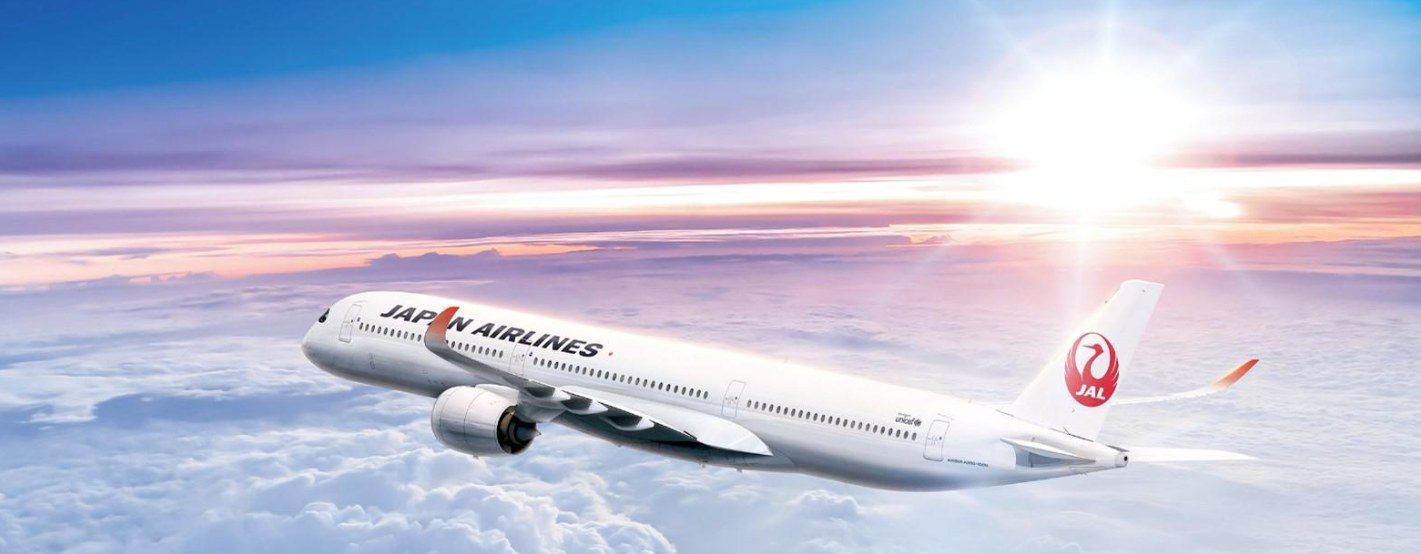
- Fleet: 11 of 13 A350-1000s delivered, all in the fleet by 2028; one aircraft (JA10WJ) damaged at JFK in December 2025 is expected back in service in autumn 2026
- Layout: 239 seats — 6 First (1-1-1), 54 Business (1-2-1), 24 Premium Economy (2-4-2), 155 Economy (3-3-3)
- First Class: enclosed suites behind 62-inch walls and a sliding door, 83-inch pitch, 48 inches wide, a convertible sofa that makes a single or double bed of about 80 inches, personal closet, room for two cabin bags, headrest speakers
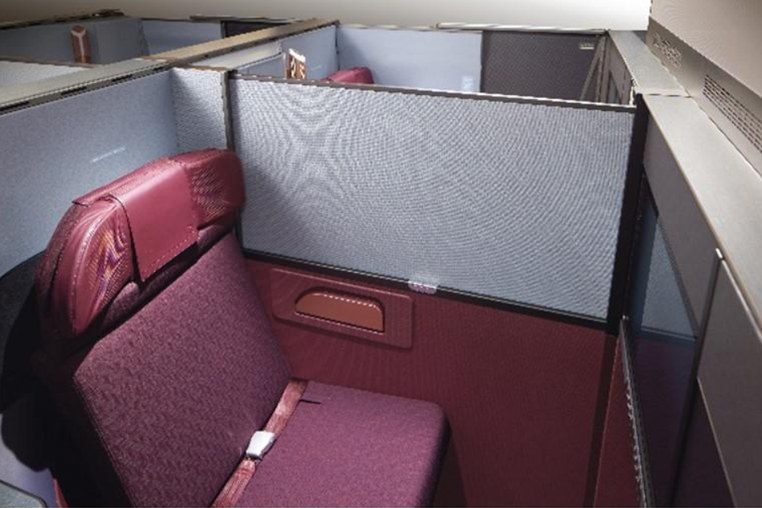
- Business Class: fully private suites with doors, 51-inch pitch, 21 inches wide, 79-inch flat bed, 24-inch monitor, headrest speakers, private wardrobe, wireless charging
- Premium Economy: FIXBACK shell seats with larger partitions, 42-inch pitch, automatic legrest, 4K screen 1.3 times larger than before
- Economy: 33-inch pitch, preset recline, 13-inch 4K screen with Bluetooth — the largest in JAL economy
- Routes (autumn 2026): Haneda–New York JFK twice daily; Haneda–Los Angeles daily; Haneda–Dallas daily; Haneda–London Heathrow daily, second daily from 1 October 2026; Haneda–Paris CDG daily from 1 September 2026
- Older long-haul: 777-300ERs with the previous First and Sky Suite business class continue on other routes; the A350-900 is domestic only
- Fares: not published; see below
A Suite With a Double Bed, and a Business Cabin of Private Rooms
First on the Japan Airlines A350-1000 is the rare suite where the door, the bed and the sofa all work: the seat is a sofa that converts to a single bed or, with the divider down, a double for two in the centre pair, inside 62-inch walls with a sliding door and a closet. Speakers in the headrest mean no headphones for films.
Behind it, the 54-seat business cabin is the more remarkable achievement — every seat is a closed room with a door, a 24-inch screen (bigger than most airlines’ First), a wardrobe and wireless charging, in a 1-2-1 that gives everyone the aisle. It is the Safran Unity seat Air India ordered and then dropped; JAL made it work.
Premium Economy gets the FIXBACK shell that stops the seat in front reclining into you, and Economy the largest 4K screens in JAL’s fleet. The whole aircraft was designed at once, which shows.
Which Flights Have It
The A350-1000 is a Haneda aircraft, and it flies the five trunk routes: New York twice a day, Los Angeles, Dallas, London and Paris. Paris went back to daily on 1 September after a stretch at every other day, and London’s second daily frequency converts on 1 October, which makes Heathrow the first destination with two A350-1000s a day outside New York. Aircraft can swap to a 777-300ER; the seat-map tell is the six-seat First cabin in 1-1-1 and business in rows through the teens with doors drawn — the 777’s Sky Suite cabin has no doors.
For Asia-based readers the relevant sector is the Haneda connection from Bangkok, Singapore or Jakarta onto the London or Paris flight; the regional legs are 787s and 767s with JAL’s older business class.
Tip: the double bed is the centre pair in First (1D/1G); in business, the centre pairs on odd rows have the lowering divider for couples, the windows are the quietest for solo travellers.
Japanese Premium Cabins, First-Hand
I have not flown the A350-1000 and this is a preview. What I have flown recently on a 777 is Emirates from Malé to Dubai — a comfortable seat let down by an old entertainment system — and on a 787, Etihad’s 1-2-1, rated 3.5 out of 5 for the seat and the fare, minus catering. JAL’s problem has never been catering; the question is whether a 54-seat cabin of closed rooms can be served with the attention the airline is known for, and whether the First double bed is as good as the renderings on a 14-hour London flight.
How Much Does It Cost?
Japan Airlines does not publish rack fares, and the A350-1000 sells at the same business and First fares as the 777-300ER on the same route — the aircraft, not the price, decides the cabin. JAL Mileage Bank awards open 360 days out; partner redemptions through British Airways Club (Avios), American AAdvantage and Alaska Atmos Rewards are the usual route in, and Alaska’s programme has historically offered the best value on JAL First.
Flight prices do move between platforms. The same business class seat on the same date is not always the same price on the airline’s own site, Trip.com and Expedia: point-of-sale currency, consolidator fares and what is bundled into the ticket can shift the fare by a few percent — and occasionally by much more on premium cabins booked out of Asia.
So before I pay I run the same dates through Aviasales, which scans dozens of booking sites at once, then check Trip.com (often the sharpest on Asian routes) and Expedia (strongest when you add a hotel to the same booking). One caveat: a ticket bought through a booking site is changed or refunded through that site, not the airline, so read the fare rules before you buy.
Japan Airlines A350-1000: FAQ
Which routes does the Japan Airlines A350-1000 fly?
From Tokyo Haneda: New York JFK twice daily, Los Angeles and Dallas daily, London Heathrow twice daily from 1 October 2026, and Paris CDG daily from 1 September 2026.
Does the Japan Airlines A350-1000 First Class have a double bed?
Yes. The six First suites sit behind 62-inch walls with sliding doors, and the seat is a sofa that converts to a single bed or, with the divider down in the centre pair (1D/1G), a double of about 80 inches.
Do all Japan Airlines A350-1000 business class seats have doors?
Yes. All 54 business suites are private rooms with a door, a 24-inch screen, headrest speakers, a wardrobe and wireless charging, in a 1-2-1 layout where every seat has aisle access.
How can I tell if my JAL flight uses the A350-1000?
Check the seat map: six First seats in 1-1-1 and business suites with doors mean the A350-1000. The 777-300ER that sometimes swaps in has the older Sky Suite business cabin without doors.
Six suites with a double bed and 54 private rooms behind them, now daily to Paris and twice daily to London — the Japan Airlines A350-1000 is the aircraft to book on the Japan–Europe run.
Photos © Japan Airlines
This preview is based on official announcements — I haven’t flown JAL’s A350-1000 yet. Read more about how I review or visit my Work With Me page.
Disclosure: this article contains affiliate links. If you book through them, I earn a small commission at no extra cost to you. Read my full disclosure policy.