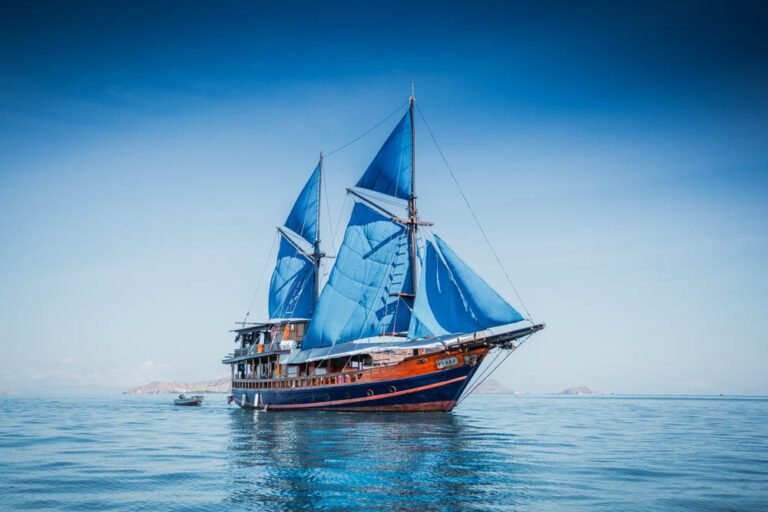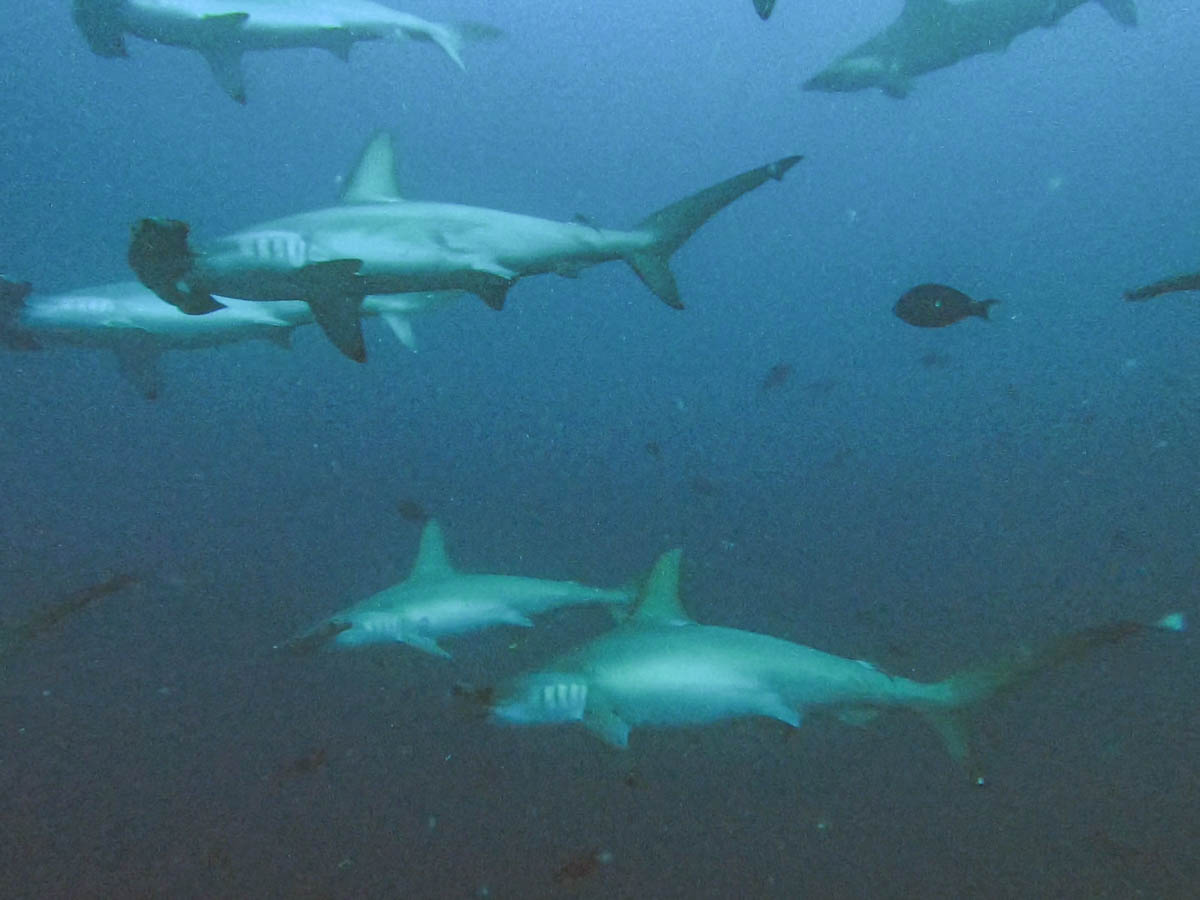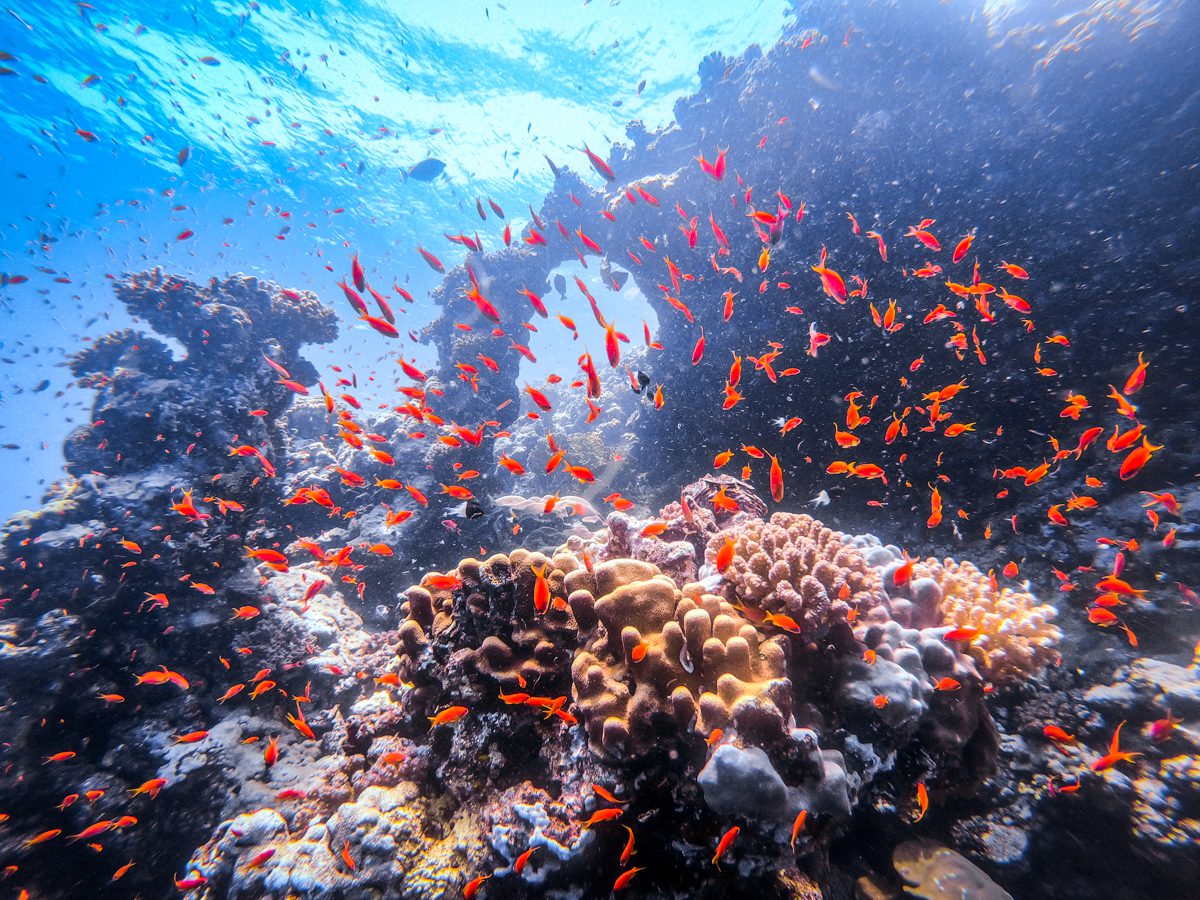
I recently returned to Komodo for my 16th diving trip there. The Komodo national park had been closed off completely for the previous six months. I’m grateful that I had the opportunity to be one of the few people who got to dive this amazing ecosystem after such a long break. Would there be more fish? Fewer fishes? I was very excited to find out. I spent a week on the Carpe Diem, a small intimate diving liveaboard. Read on for my review of the Carpe Diem liveaboard and to find out what it’s like to dive Komodo when no one else is around.
Carpe Diem is one of the ten boats in my guide to the Indonesia’s best luxury liveaboards, which ranks every one of them on price, cabins and the kind of diver each suits.
Why Trust This Carpe Diem Review?
Check Availability and Book Your Cruise on Carpe Diem Here There are hundreds of liveaboard reviews online, but many are written by people who have only experienced one or two boats. A luxury liveaboard can seem exceptional when you have nothing to compare it to. I have logged more than 1,500 dives around the world and have personally sailed on more than 30 liveaboards across Indonesia, the Maldives, the Red Sea, Mexico, Galapagos, and other diving destinations. Over the years, I have visited Raja Ampat and Komodo more than 20 times and continue to explore some of the most remote regions of Indonesia in search of exceptional diving experiences. As the founder of This Is Luxury Travel, I have made liveaboard reviews one of the core focuses of the website. Today, This Is Luxury Travel has reviewed more diving liveaboards than any other luxury travel publication, allowing readers to compare boats based on real first-hand experience rather than marketing materials. When reviewing a liveaboard, I pay attention not only to the diving itself but also to the details that can make or break a trip: cabin comfort, food quality, dive operations, guide quality, safety procedures, photography facilities, internet reliability, value for money, and how the experience compares with competing boats in the same destination. My goal is not to tell you whether a boat is “good” or “bad.” Instead, I aim to help you understand who the boat is best suited for and whether it matches your diving style, budget, and expectations. This review of Carpe Diem is based entirely on my personal experience during a one-week Komodo cruise aboard the vessel — my 16th diving trip to Komodo — including a single dive at Manta Alley with more than thirty manta rays. Choosing the best Komodo liveaboard comes down to finding a premium dive liveaboard Komodo operation that delivers consistent quality across all these departments. Check prices
My rating: 5 / 5 — the best small liveaboard I have sailed in Indonesian waters.
How to Get to Labuan Bajo for Your Komodo Cruise
All Komodo cruises depart from Labuan Bajo, on the western tip of Flores. The town is served by Komodo International Airport (LBJ), just a short drive from the harbor. Most liveaboards will pick you up directly at the airport, so you will only need a taxi if you arrive the day before and head to a hotel first — count around 100,000 Rupiah (about 6 USD) for the short ride into town. The easiest way in is a domestic flight from Bali or Jakarta. From Bali, it is a short one-hour hop with 7–9 nonstop flights a day. From Jakarta, the nonstop takes about two and a half hours, with several departures every morning. My preferred airline for these routes is Garuda Indonesia: it is the most reliable carrier in the country and offers a free 23 kg sports equipment allowance on top of your standard checked baggage, which covers a full set of diving gear (one item per passenger — worth confirming with reservations a couple of days before departure). Note that Garuda’s Bali–Labuan Bajo service comes and goes with the seasons — at the time of writing the Bali nonstops are operated by AirAsia and Batik Air, while Garuda flies from Jakarta. After Garuda, my order of preference is AirAsia, then Batik Air, and Lion Air or Wings Air only as a last resort, as they are frequently delayed and charge for every kilo of dive gear. Batik Air deserves a special mention: their business class used to be poor value, but the service has clearly improved. They now serve drinks and a snack during the flight — on my last flight it was a cheese pizza, and it was actually tasty — and the seat is more comfortable too, a bit like a business class seat from the 80s. You can now also fly into Labuan Bajo directly from abroad, which saves the connection in Bali or Jakarta. AirAsia flies from Kuala Lumpur a couple of times a week, and Scoot launched a direct flight from Singapore in December 2025, currently two to three times a week. These are the only international routes for now, and frequencies change often, so check the current schedules when you plan your trip. One practical warning: Indonesian airline websites often reject international credit cards. If your payment fails on the airline’s own site, book through a platform like Trip.com, which sells all the Indonesian domestic carriers and processes foreign cards without drama.
Where to Stay in Labuan Bajo Before or After Your Cruise
I always recommend arriving at least a day before your cruise. For pure luxury, Ayana Komodo is the best hotel in the area, with classy modern rooms and sweeping views over the national park (check rates on Expedia). If you prefer to be right by the harbor for an effortless boarding, the Meruorah Komodo is Labuan Bajo’s newest luxury hotel, literally next to the marina. My personal favorite after more than fifteen trips to Komodo remains The Seraya, a barefoot island escape 45 minutes by boat from town with a beautiful house reef (check rates on Expedia) — not the right choice for a single night, since getting there and back takes a boat ride, but a wonderful option if you have a few days before or after your cruise. And if you want to combine your cruise with resort diving, Komodo Resort on Sebayur Island sits closest to the best dive sites (check rates on Expedia). 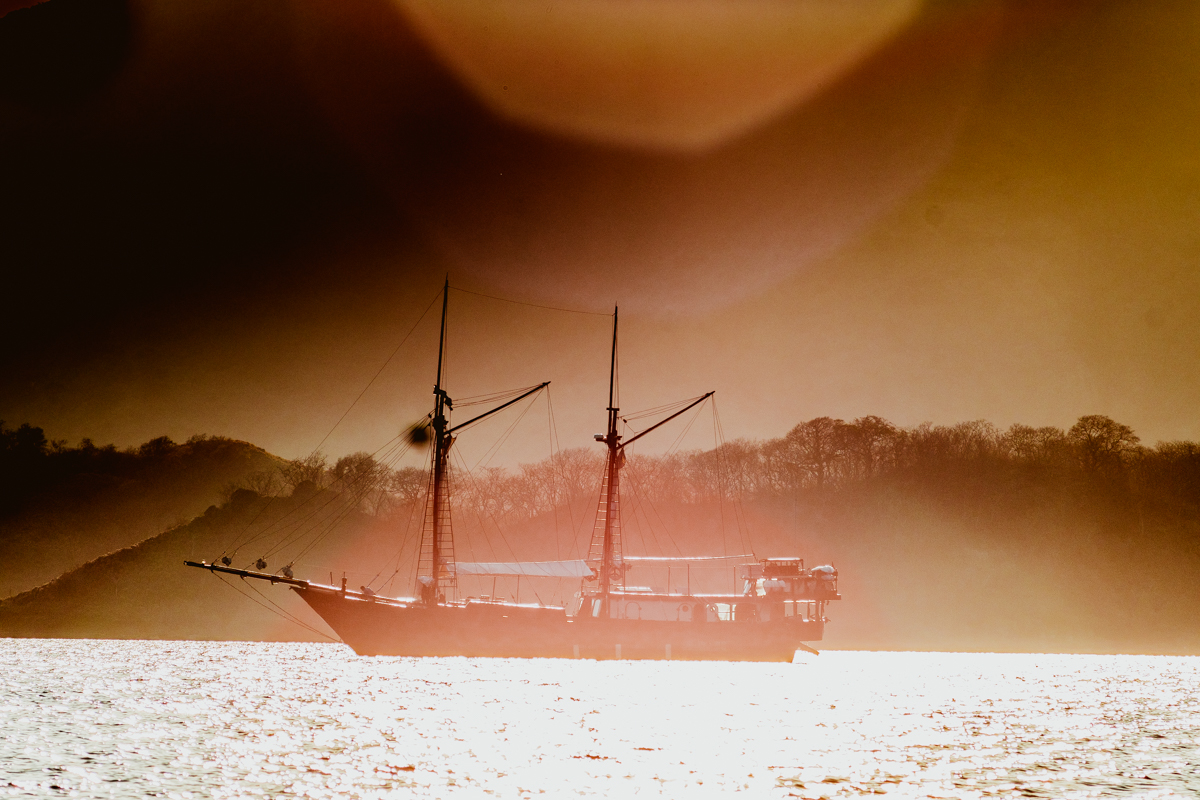
Arriving at the Carpe Diem liveaboard
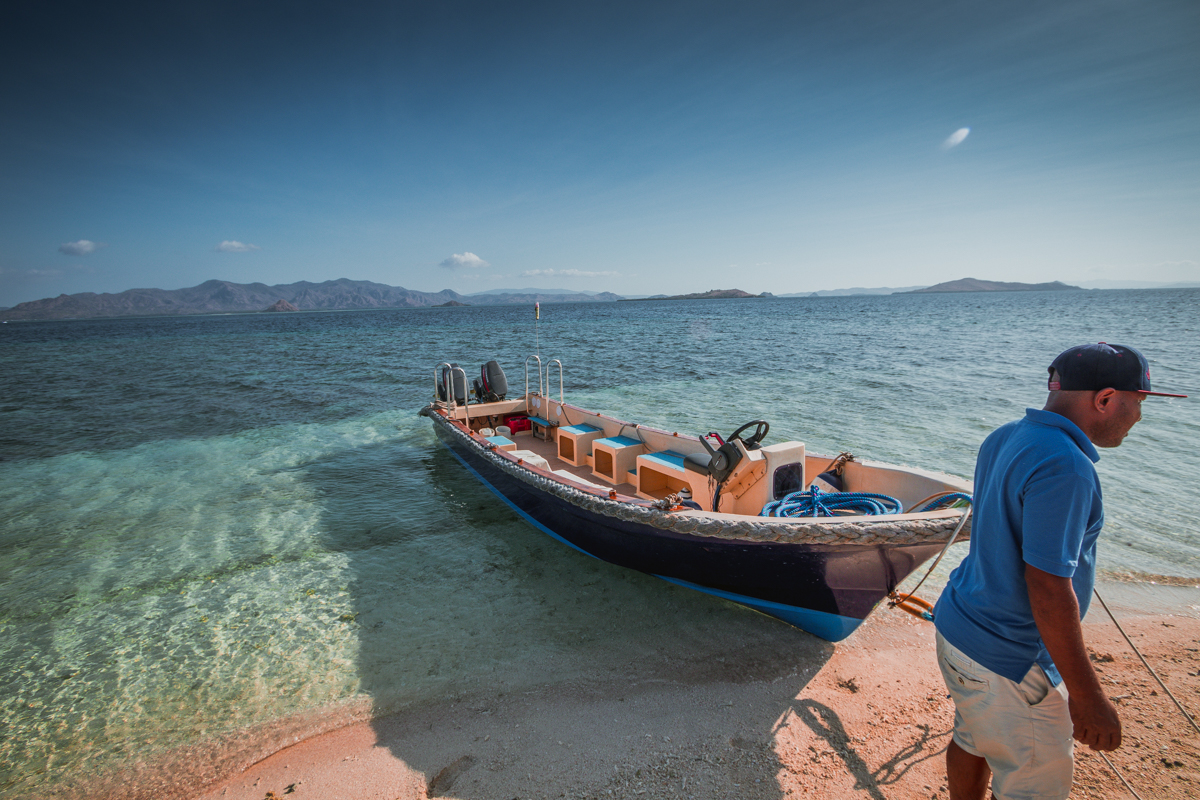
Cecile, the co-owner of the boat, came to greet us at the airport. A car was waiting for us, and within 10 minutes, we were whisked away to the tender boat and onto the Carpe Diem liveaboard. The crew was waiting for us with cold drinks and cold towels, and lunch was promptly served on the outside deck. I was surprised to see that this trip would just be me and one other passenger. Most other business-oriented companies would have canceled the trip due to the low number of participants. Carpe Diem has a policy of not canceling trips, which shows how much they care about their customers. So it was just two of us, with eight staff to pamper us. Our luggage was transported to our cabins during lunch and the vacation could truly start. What a feeling to be back on an authentic boat after six months stuck on dry land! We left the port during lunch sailing to gentle waves as we started to explore the Komodo national park. 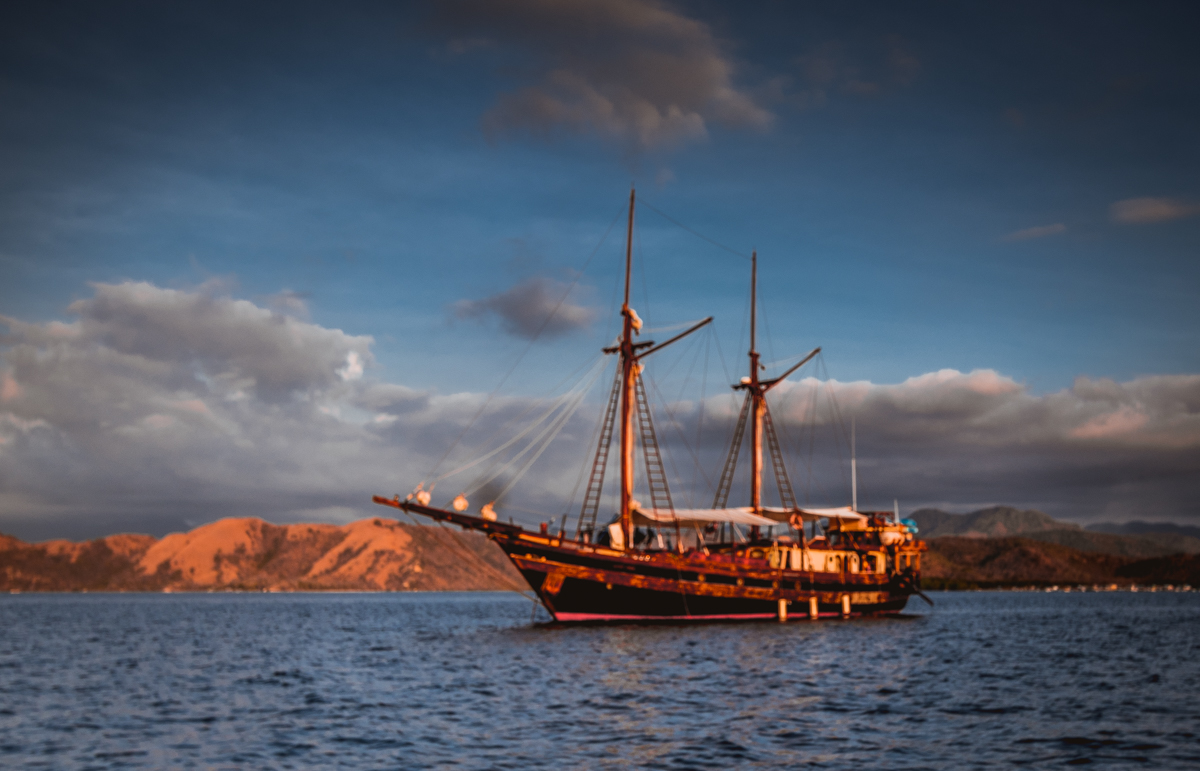
Review of The Carpe Diem liveaboard boat
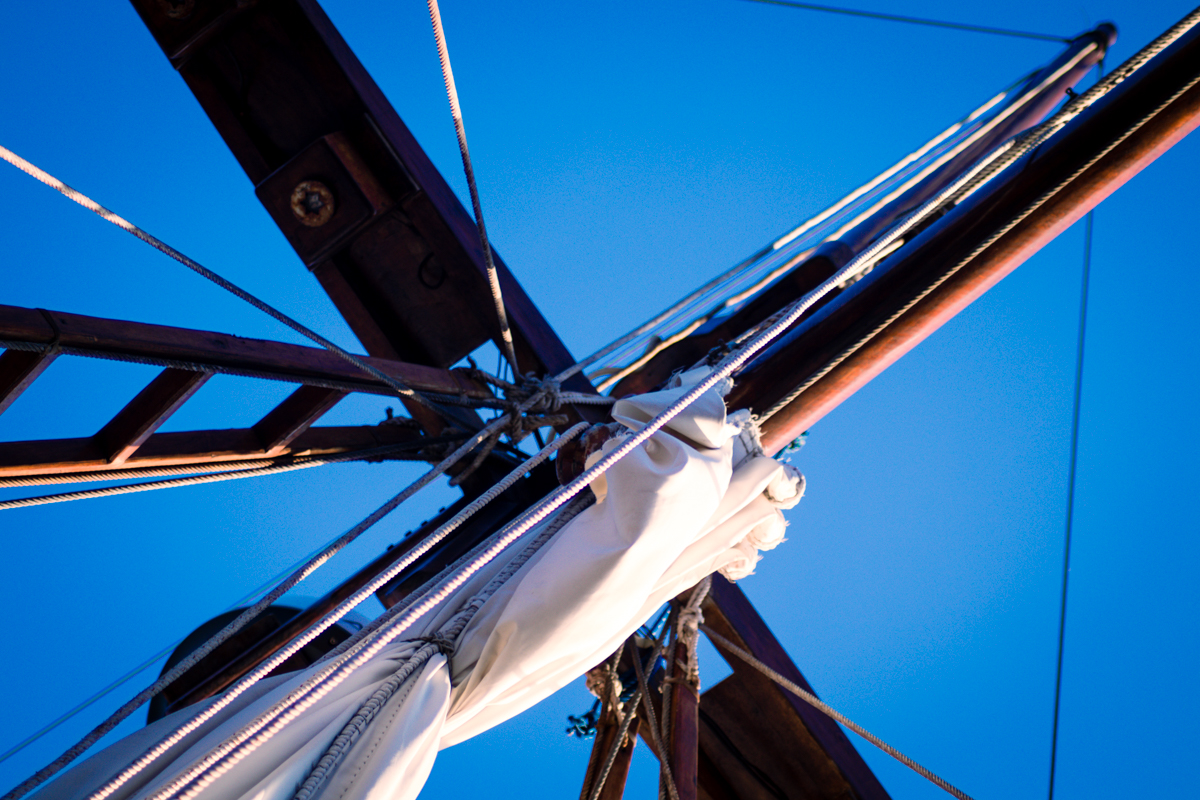
The Carpe Diem Liveaboard is smaller than most boats cruising Indonesia. However, since it takes only 8 guests, it always feels both spacious and intimate. It is a peaceful and serene boat. There are two dining rooms, one inside, and one outside. 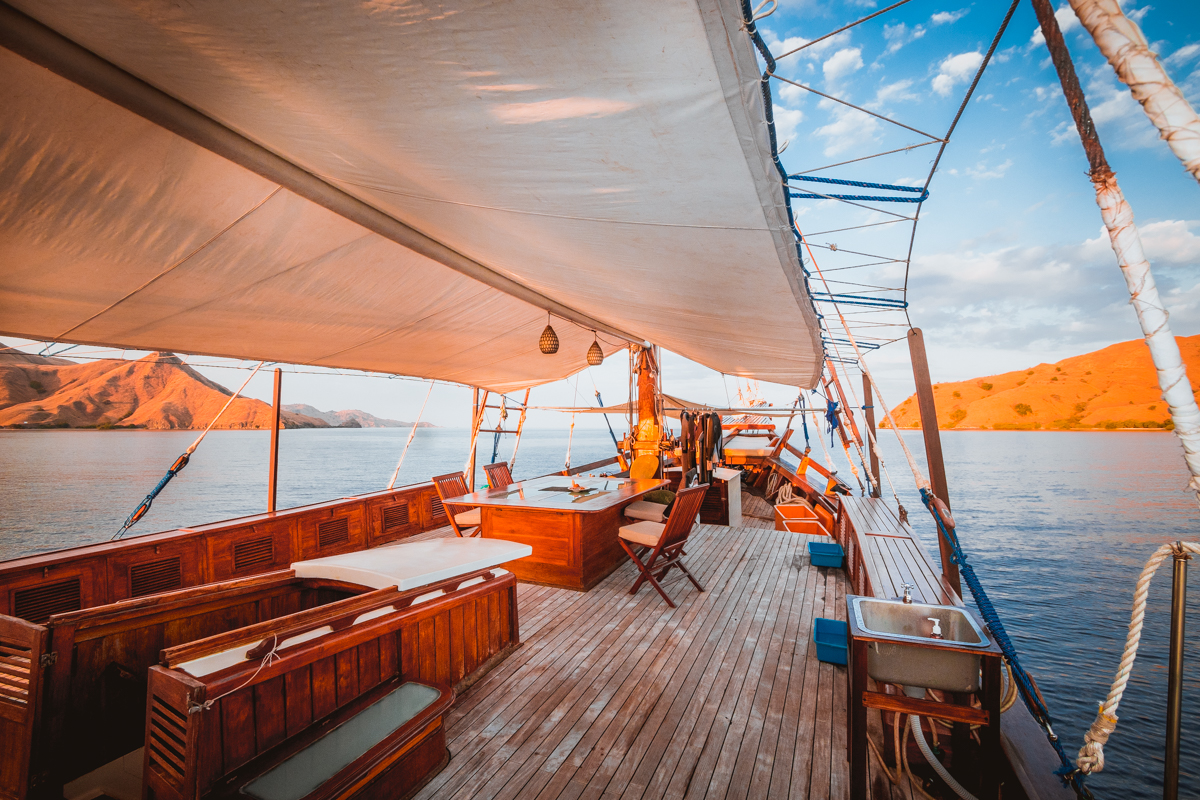 We enjoyed plenty of deck areas with lounge chairs and shade. They have eight lounge chairs so even a full roster of passengers can all relax on deck at the same time.
 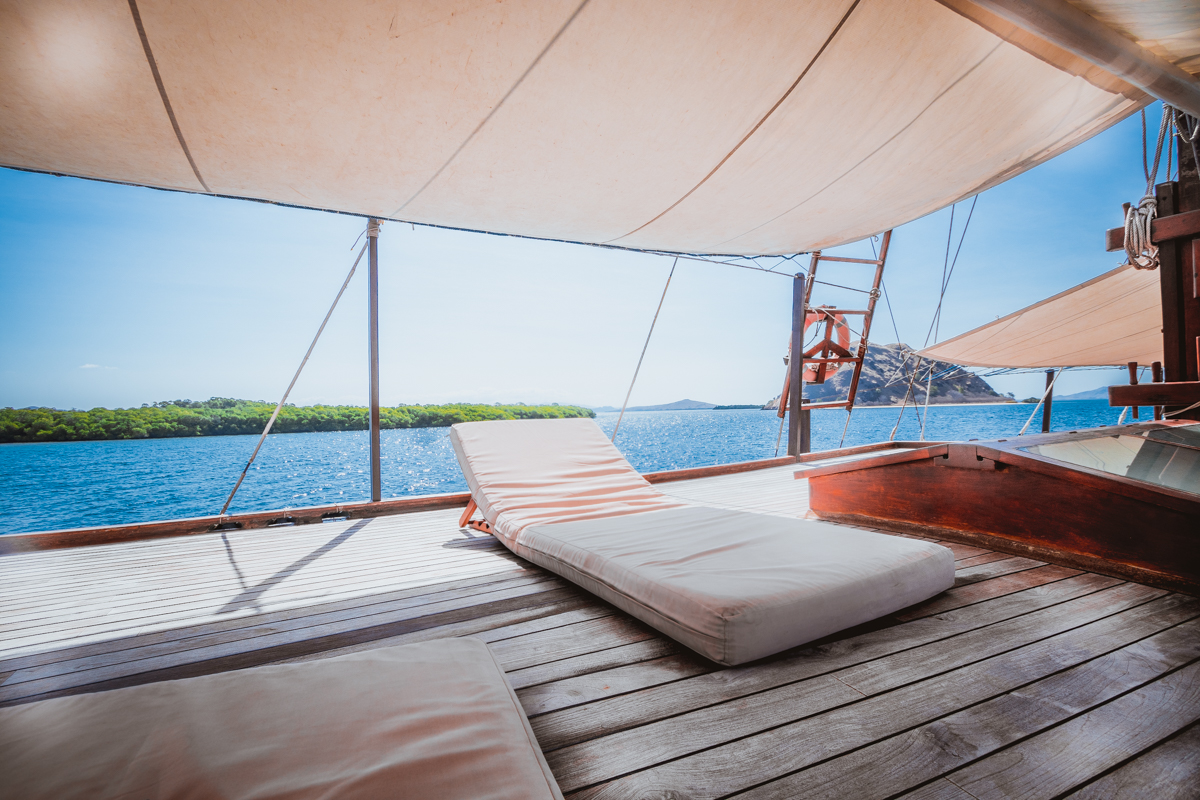 I truly enjoyed the top deck, and we got to witness some amazing Komodo sunsets from up there.
 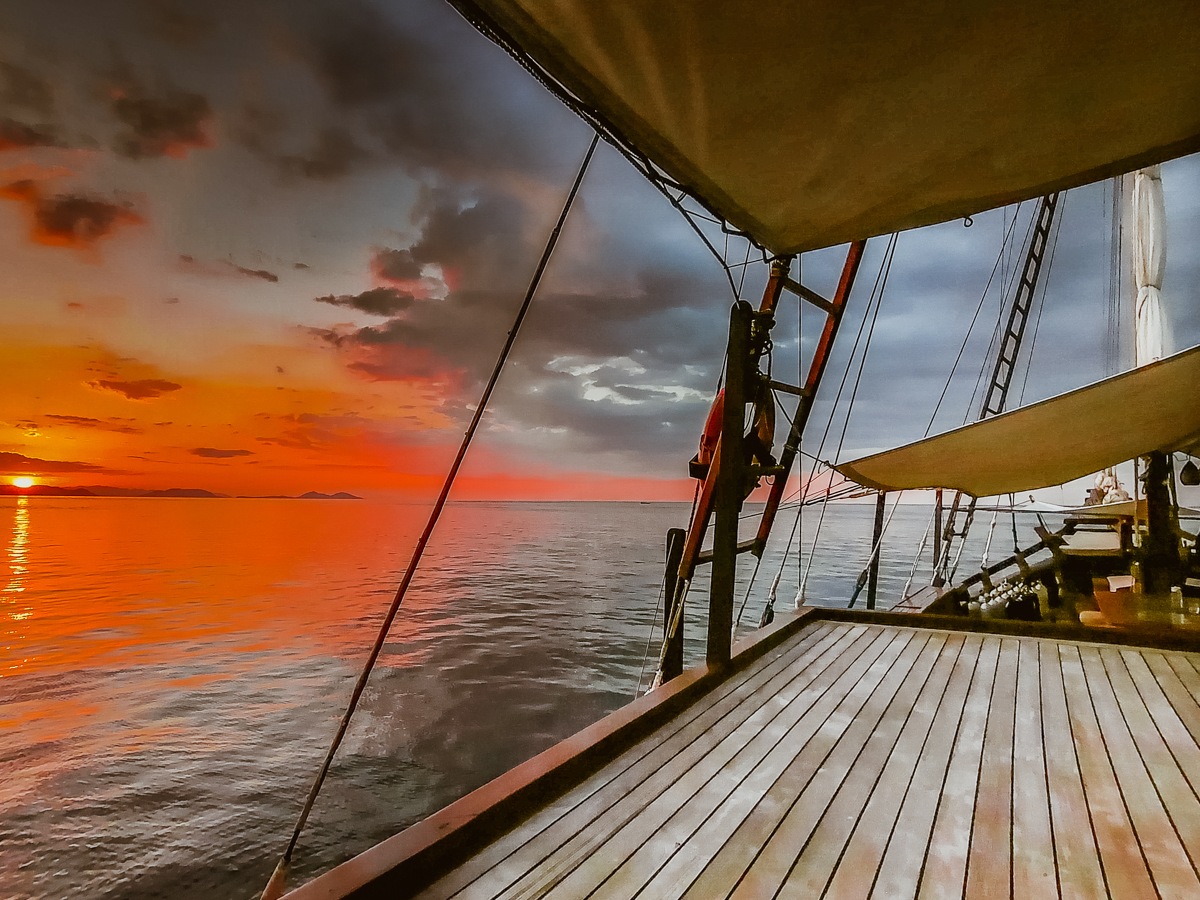 The lounge area at the stern of the boat was also a phenomenal place to relax, but don’t use it while the boat navigates, as it can be dangerous.
Review of The Carpe Diem Liveaboard bedrooms
With only four guest cabins, it creates an intimate atmosphere. Though it’s a small boat, the cabins are spacious, comfortable, and tastefully decorated. My cabin had a queen bed with a bunk bed on top. It could fit three people, but is more comfortable for two. It had two sitting desks and plenty of storage space. 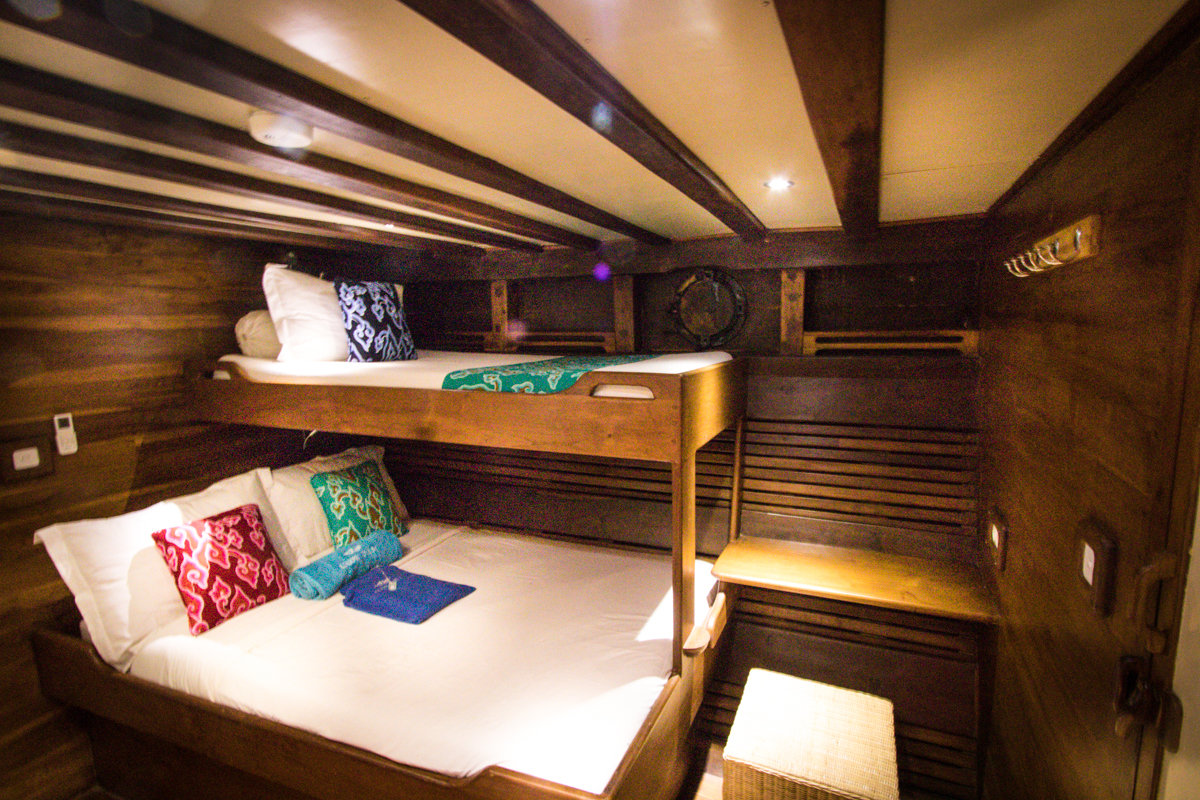 The bathroom was more comfortable and spacious than most liveaboards. The shower is separated from the rest of the bathroom so you don’t get everything wet after a shower, as is often the case on liveaboards. Shampoo and soaps are provided.
 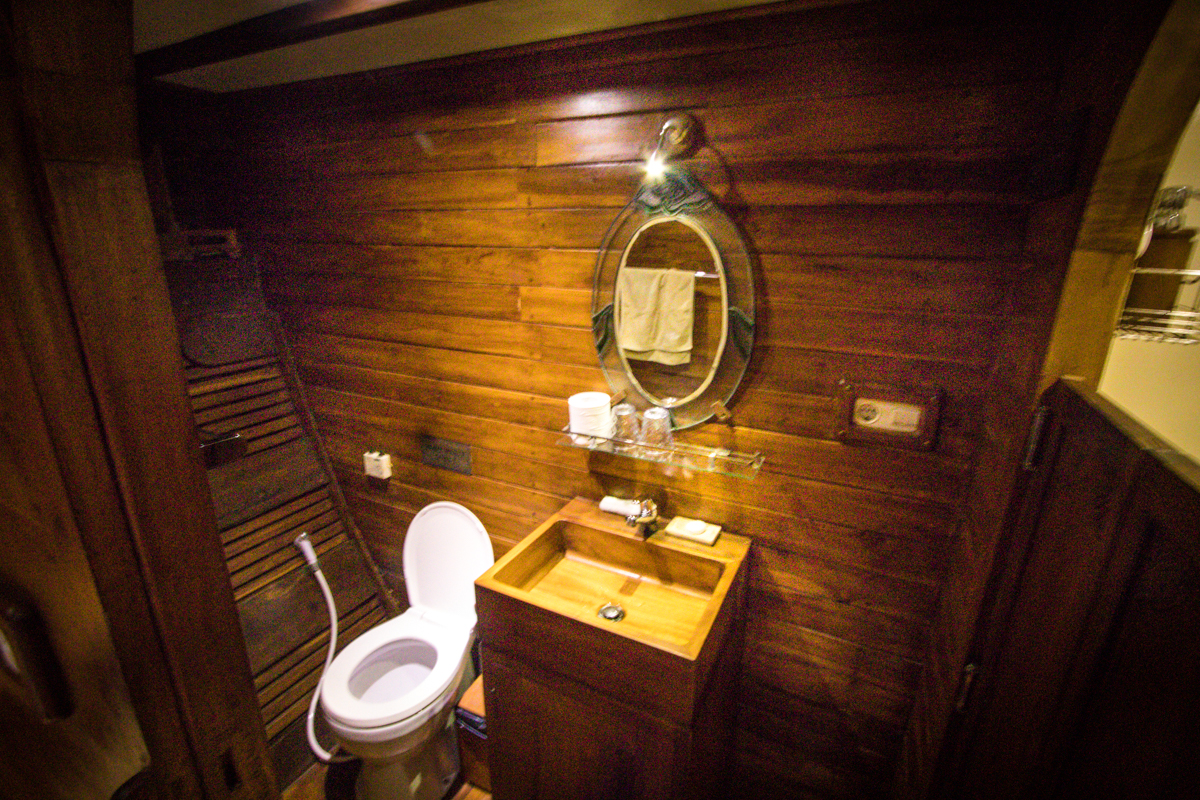 The cabins on the Carpe Diem liveaboard looked like they had been recently refurbished. Everything was new and in good condition. The roof window provided lovely natural light and ventilation in the cabin. I had a look at the other cabins, and they also looked spacious. The biggest one, with the best view, is the one on the top deck. The twin cabin downstairs is also a great option if you don’t like bunk beds. There are really no bad cabins on the Carpe Diem.
Review of the service on the Carpe Diem liveaboard
The Carpe Diem liveaboard is very comfortable, but what makes it truly special is the attention to detail. Plenty of small gestures from the staff made our trip easier and more comfortable. At any time of the day, Ice, the waiter, would pop up and ask if we needed a drink or anything else. He would also always have our favorite drinks ready as soon as we came up from diving. The chef was very intuitive and flexible. He noticed our favorite dishes and would do them again during the cruise. Everyone on board was very welcoming, but what really made this boat stand out was the presence of Cecile, the boat owner, manager, and divemaster. She left the corporate world along with one of her colleagues and bought the Carpe Diem liveaboard. Cecile is very clear that these tours aren’t simply a commercial endeavor, and it shows with many small gestures. She is ever-attentive to the comfort of the guests and shares numerous stories during group meals. The cruise had a definite feminine vibe since along with Cecile as the owner, the boat captain is also a woman. She did a great job steering the boat. This makes the Carpe Diem a great choice for solo woman travelers. 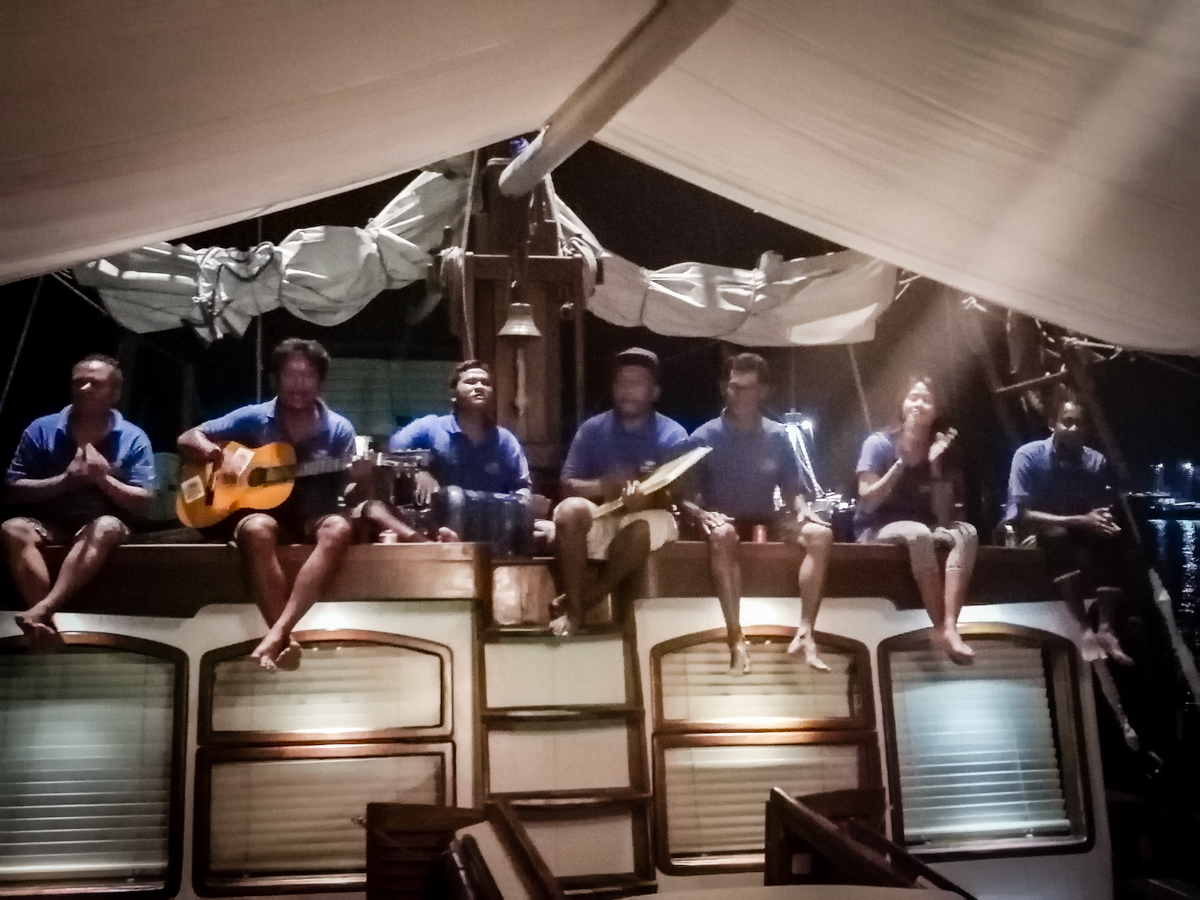
Review of the food on the Carpe Diem Liveaboard
The owners are French, with the characteristic love of food, and it shows in the meals onboard. We enjoyed a mix of Indonesian and French food. From gratin Daufinois to ratatouille or Boulet with Tomato sauce, we explored a lot of famous French dishes and it was delectable. Every lunch and dinner, 4-6 dishes would be on offer, with meat, fresh fish, and seafood, along with vegetarian options. They were wonderful in adapting the dishes to guests’ preferences. Fruits are served after lunch and a dessert after dinner. There was also plenty of food during the day. You will definitely never go hungry on the Carpe Diem liveaboard. It starts with an early 7 am light breakfast before the first dive. Then around 9:30, we got a cooked breakfast including eggs, bacon, pancakes, and more. Lunch was around noon. After the third dive, they would prepare an afternoon tea, with cakes, fried banana, chocolate donuts, and more. All the meals were served at the large table on the front deck. The table is shaded and is a great location to enjoy the surrounding views, especially when we were navigating. Service was impeccable. It’s worth noting that unlike many other liveaboards, soft drinks are included in the price. Beers are affordable, at 35000 Rp per beer (about 2 euros). Wine and other alcohol options are also available for purchase.
Review of the dive organization on the Carpe Diem liveaboard
The small size of the boat, catering to only eight divers, makes the Carpe Diem a lovely option for people who like to dive in small groups. Divers are generally split into two groups of four. The dive briefing was held at the dining table and started 30 minutes before the dive time. Cecile would show us a drawing of the dive site, talk about technical aspects, and describe the fishes and creatures we are likely to find. We would then put our wetsuits on. All the diving equipment would already be waiting for us on the speedboat we and just needed to walk down to it. Their speedboat is one of the best I have seen. Large, fast and comfortable. It can fit all the guests so there is no need to organize multiple trips to the dive sites Once on the speedboat, Agus, who drove the tender boat this week, would help us put our tanks on. Everything was made very easy and the organization was flawless. Cecile is a very caring and conscientious diver. She manages to figure out the best way to dive “difficult” sites to avoid strong currents, helping make divers with little experience feel comfortable with these trickier dives. There is no nitrox onboard, but large tanks are available without an extra charge. Diving equipment is also provided free of charge (other boats often charge 100 to 200 dollars for a week of equipment rental). On our trip, the Carpe Diem liveaboard offered 3-day dives each day. The maximum dive time was 60 minutes per dive. Night dives were also on offer, but none of us liked night diving so we skipped those and enjoyed the sunset in various gorgeous locations instead. If you want to do more than diving, there are also kayaks and paddleboards available.
Our itinerary on the 7-night Carpe Diem liveaboard Komodo cruise
Day 1: Getting onboard and first dive in Komodo at Sebayur Kecil
Unlike most liveaboards, the Carpe Diem offered a dive on the first day of the cruise. We went to Sebayur Kecil, a sloping reef with nice corals and many fishes. Sebayur is excellent for check diving, as it is very protected and often has very low current. It has a sandy bottom with a maximum depth of 25 meters. The coral garden at 5 to 8 meters was so beautiful. 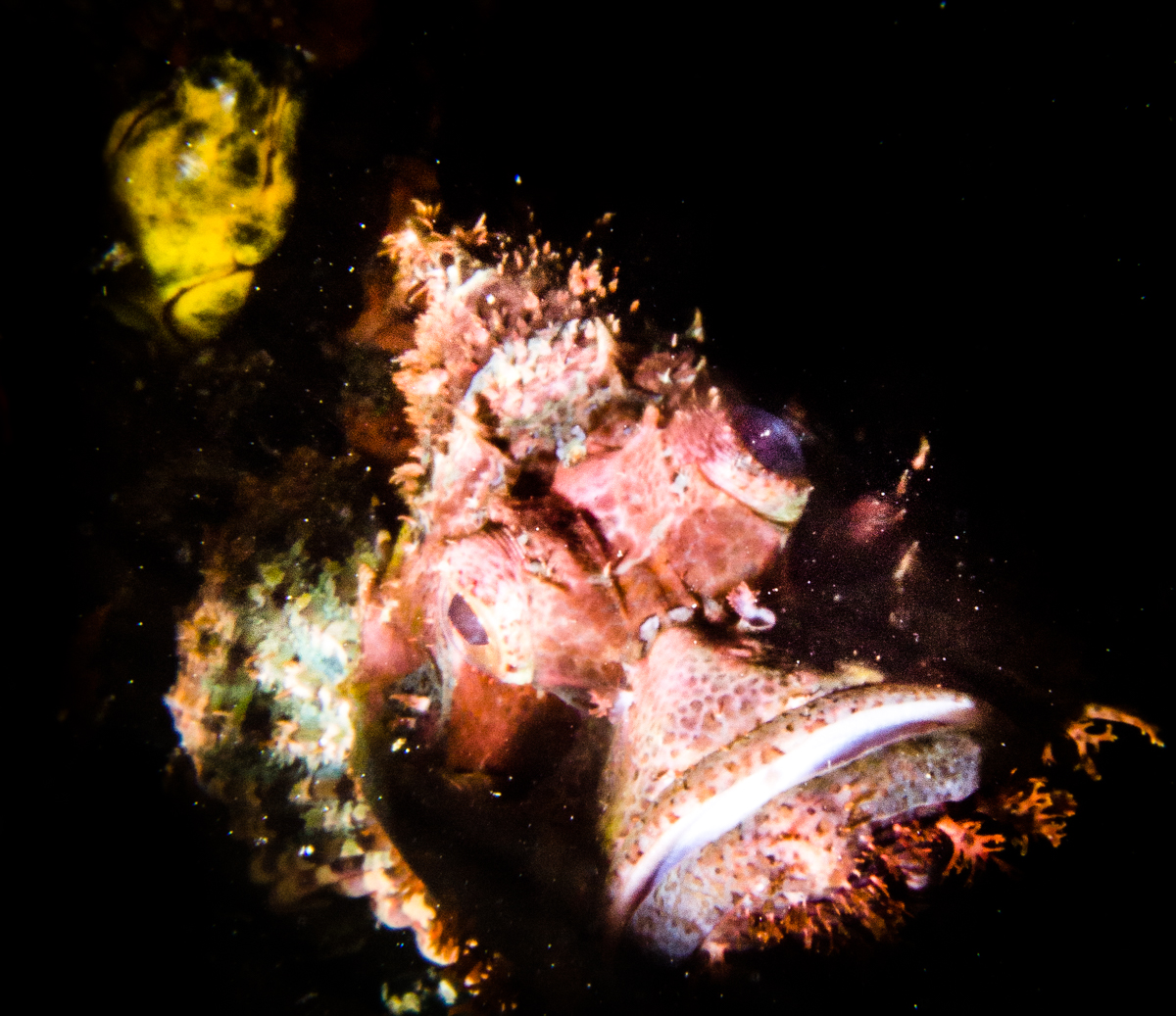 After the first dive, we enjoyed a beautiful sunset on board.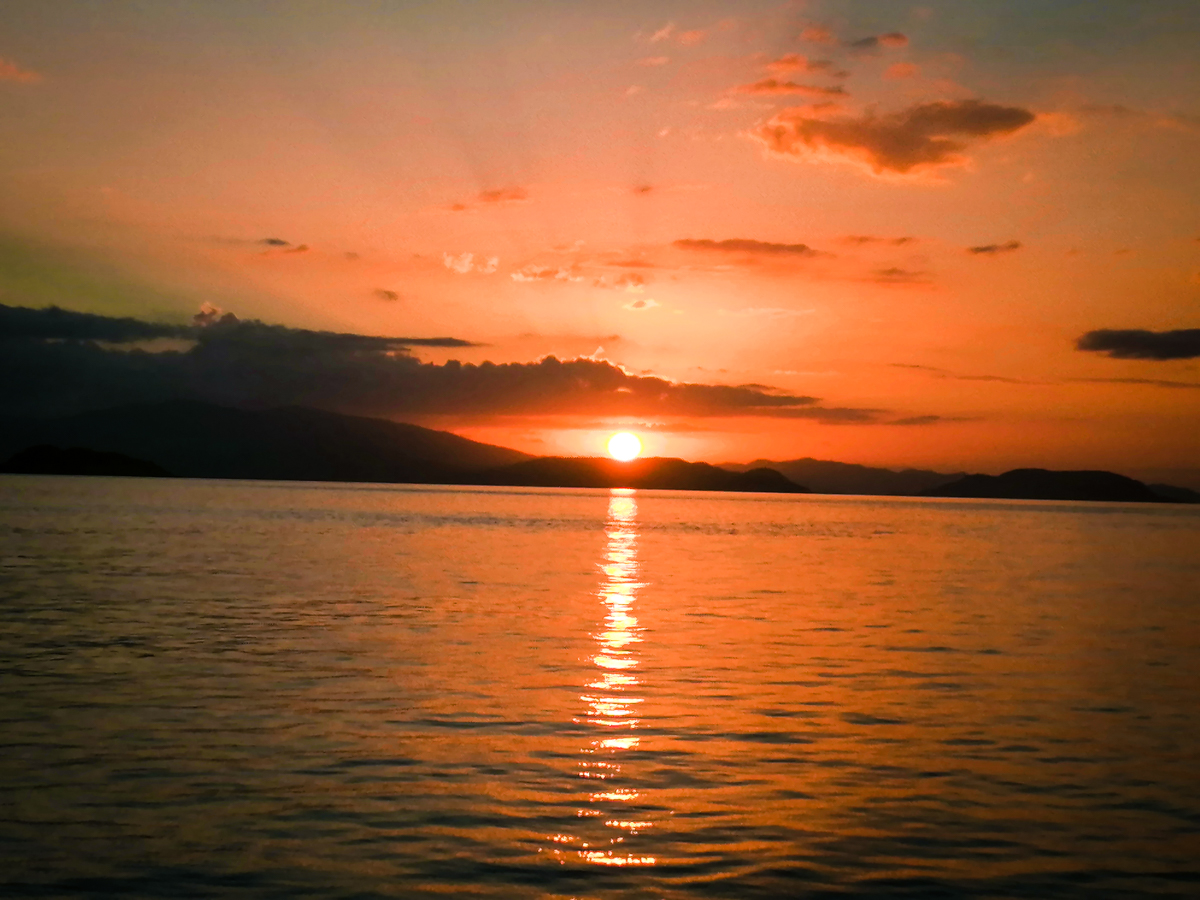
Day 2: Getting into the action in North Komodo
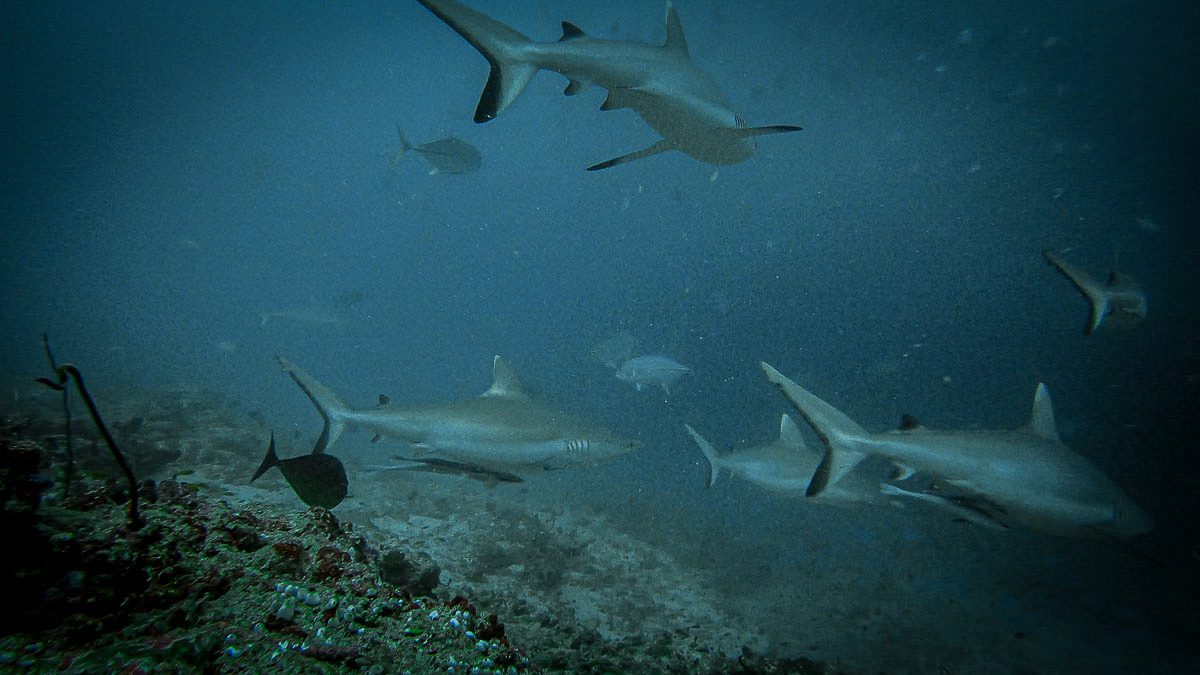
The Crystal Rock dive site in Komodo is composed of the two submerged pinnacles of Gili Lawalaut. The biggest rock goes up to the surface, and the smallest one is 12 meters down. There were a lot of sharks and giant trevallies patrolling the area on our dive, including a grey reef shark. The channel between the two pinnacles had many schools of fishes including sweetlips and big napoleon wrasses. 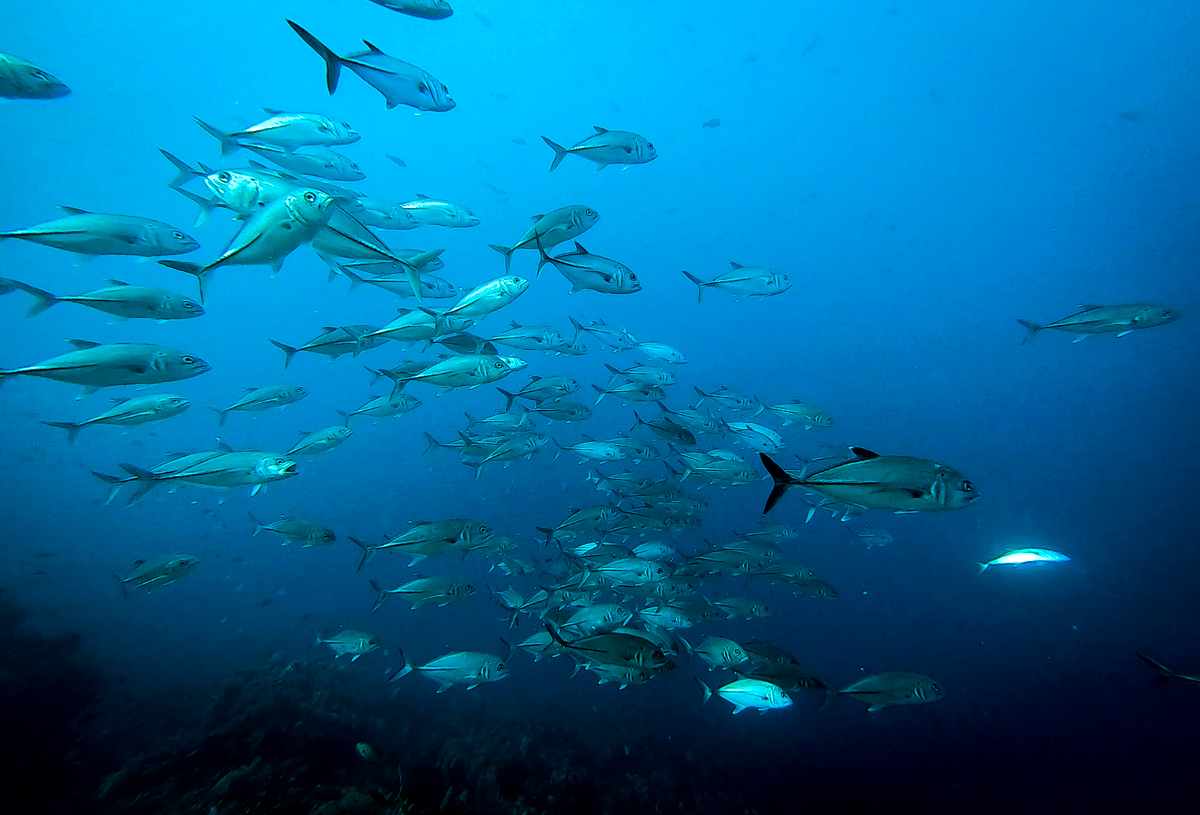
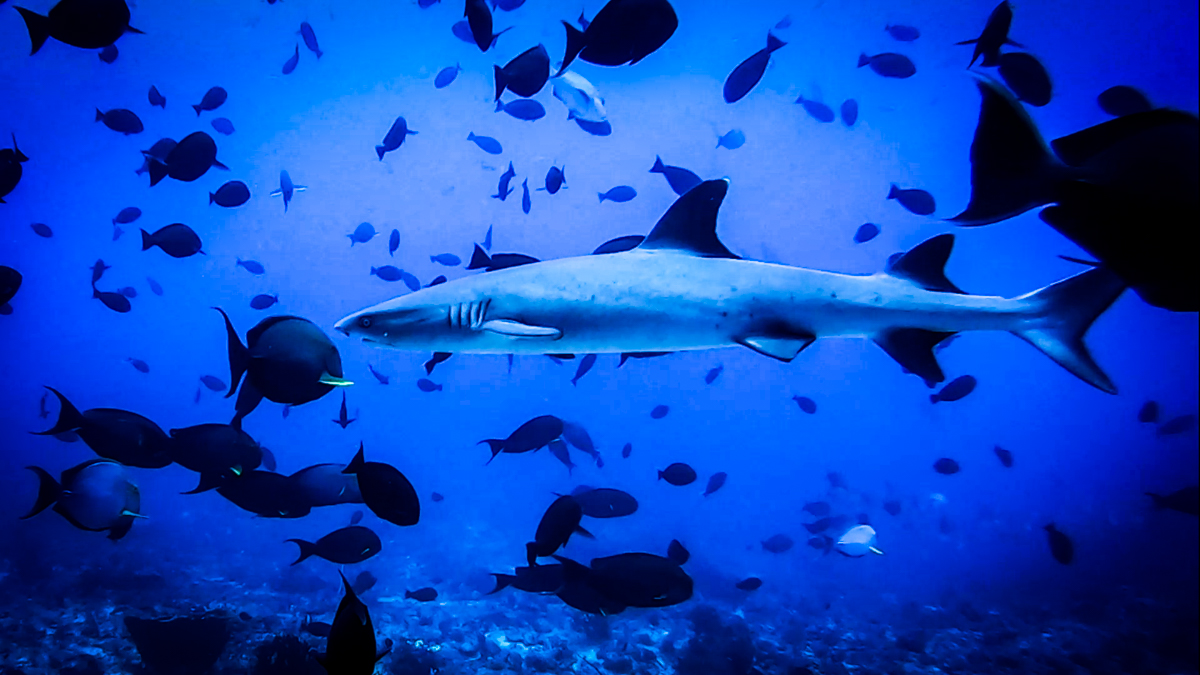
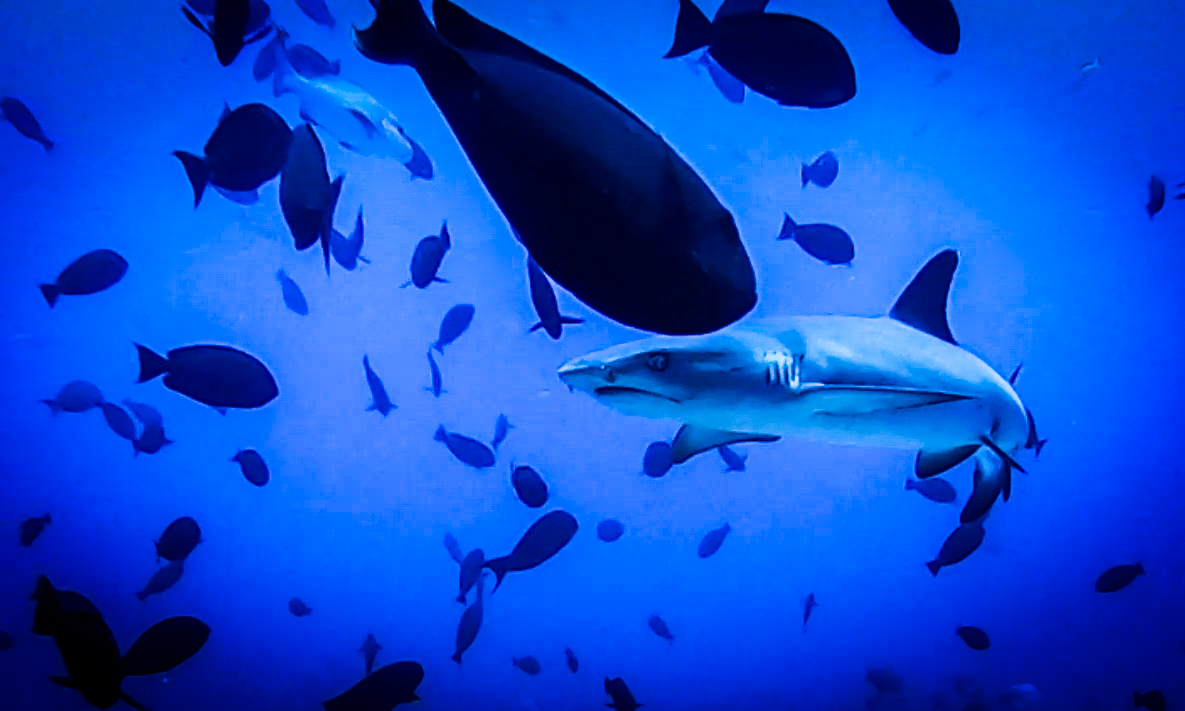
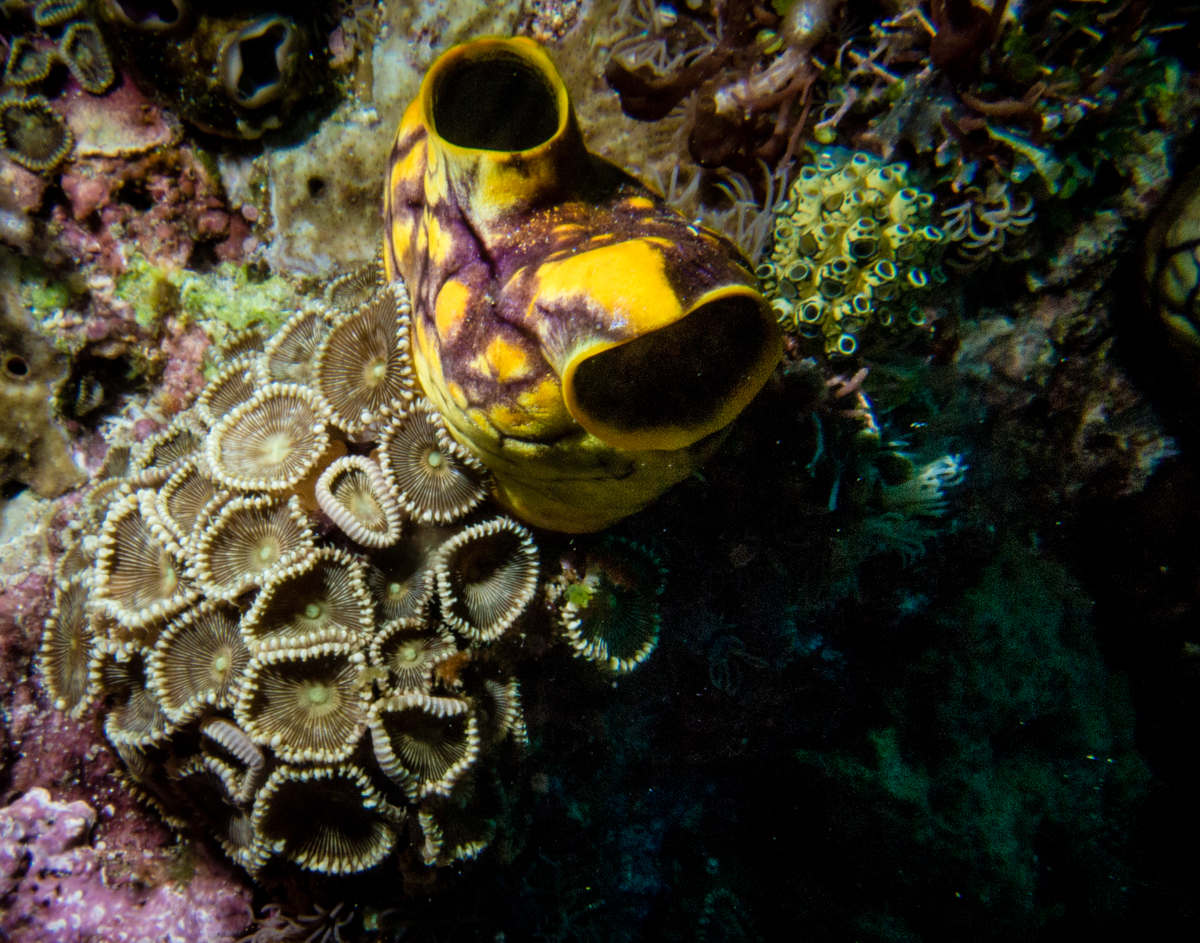 Castle Rock is probably my favorite dive site in Komodo. It is an underwater pinnacle that starts at 5 meters and goes down to 30 meters. This dive site can have a ferocious current, making it often one of the most exciting dives in the entire park, but there was almost no current when we dove it. There are a lot of big pelagic fishes hanging out in the area. The Golden Passage dive site in Komodo is exhilarating, as the drift can be quite fast through the channel between Komodo Island and Gili Lawa Darat. But again, there was little current when we dove it. This is a shallow dive site, with a maximum depth of around 20 meters. Here you can find the healthiest hard corals in Komodo. It is an excellent place to spot sharks at 20 meters.
Day 3: Looking for mantas at the core of Komodo
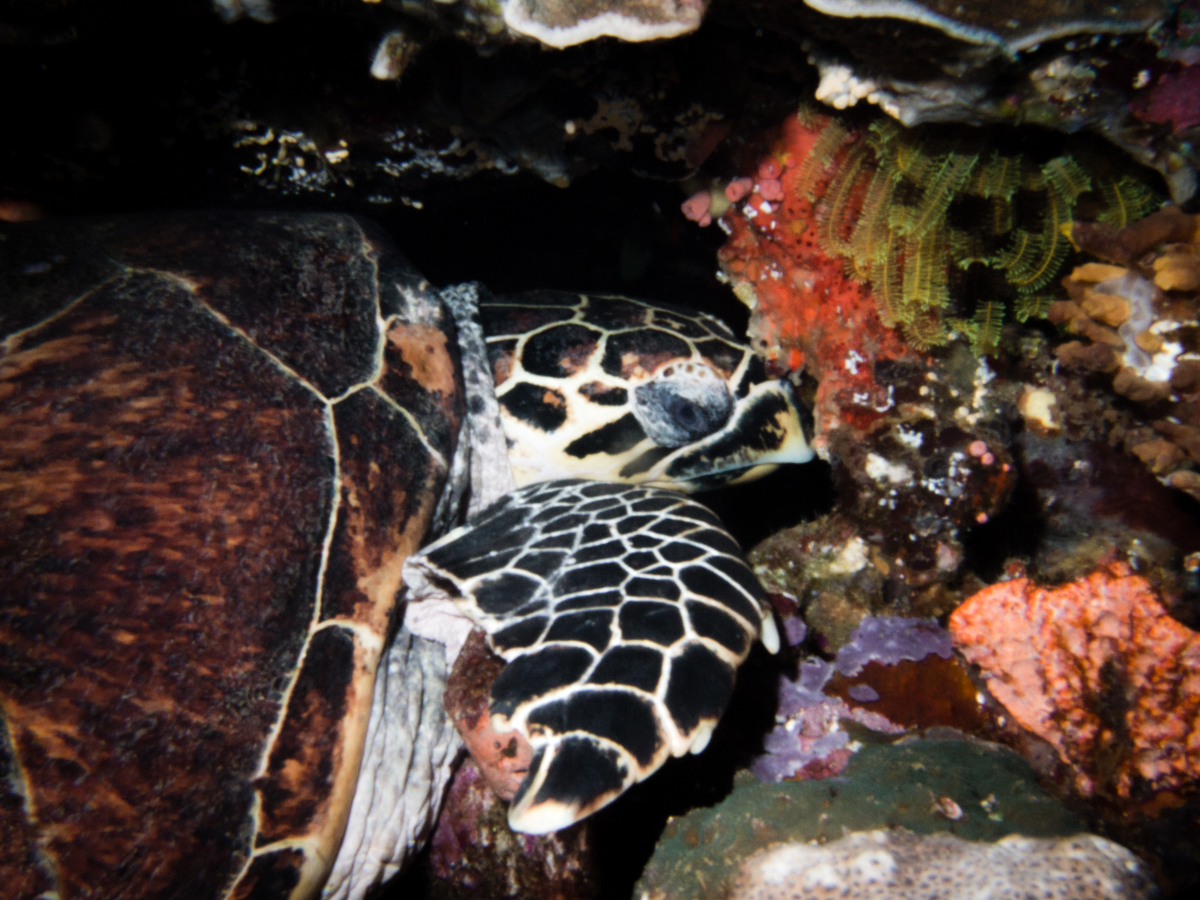
Batu Bolong is Komodo’s most famous dive site, and it’s an example of diving at its best. there is always a full-on festival for fish life at the “Hollow Rock.” The reef is in wonderful condition because of the rock’s topography and exposure to strong currents. Batu Bolong has everything you could wish for in a dive. Amazing hard and soft corals, dramatic topography, millions of small colorful fishes, and a lot of big predator fishes hunting in the blue. Napoleon wrasse and Whitetip reef sharks reside in deepwater areas, cruising to the shallow areas for hunting. Hawksbill turtles feed on the sponges and tunicates, giant sweetlips lurk in the gullies and overhangs, and surgeonfish danced around the pinnacle. 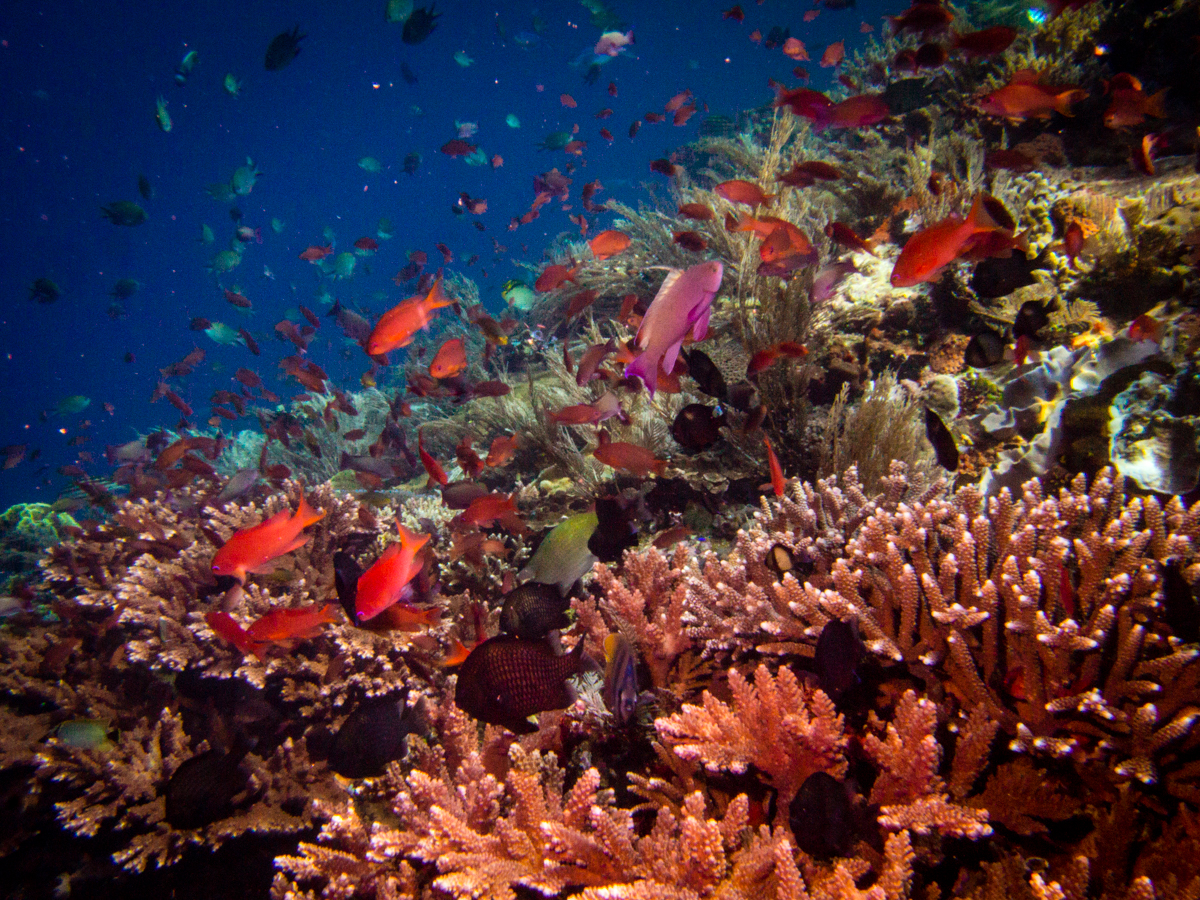
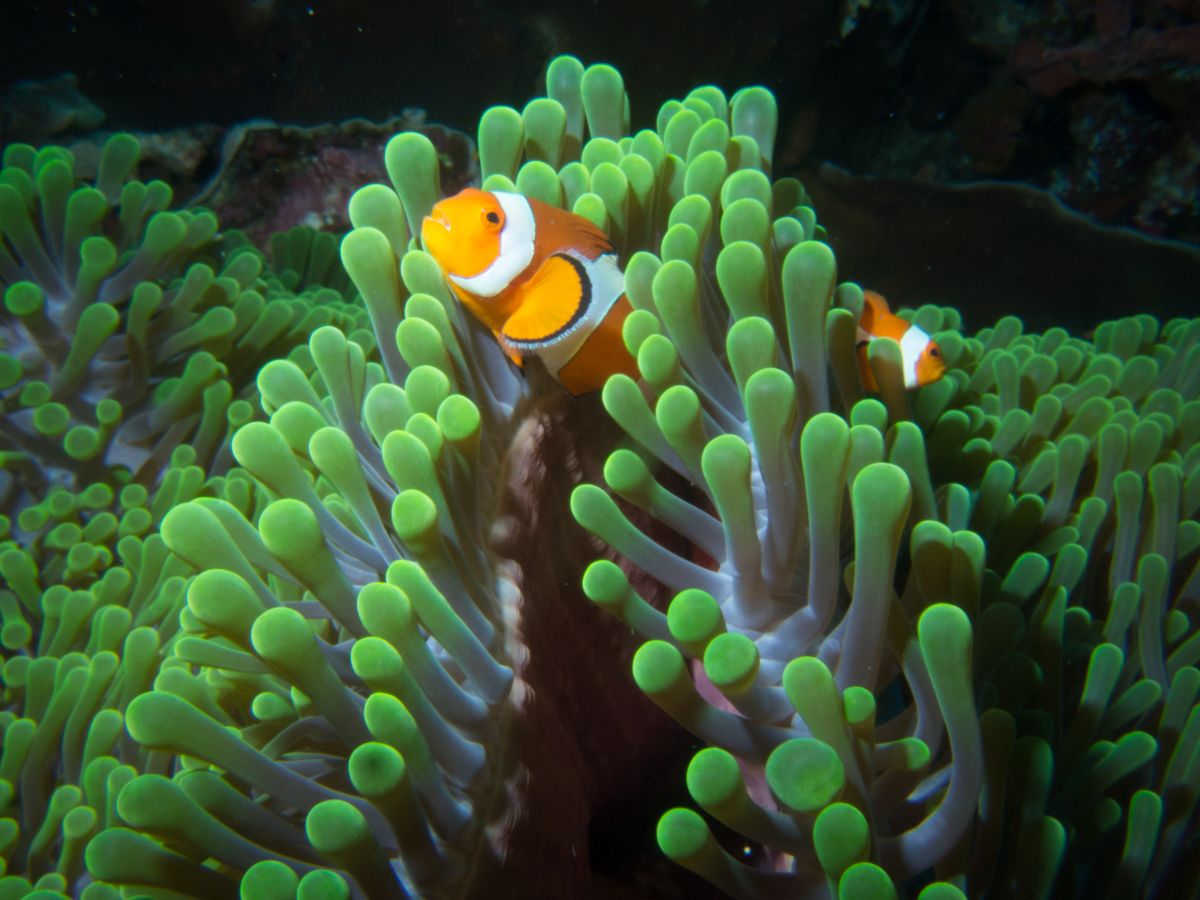
 Our next dive was Manta Point at Makassar Reef. This is the largest dive site in Komodo, spanning over 2 kilometers. It is a sandbank with a sloping reef that is mainly sand and rubber. The highlight of this site is that there are a few cleaning stations that attract mantas, mobula, and eagle rays. We were lucky to find a manta there since September is not typically manta season in Komodo.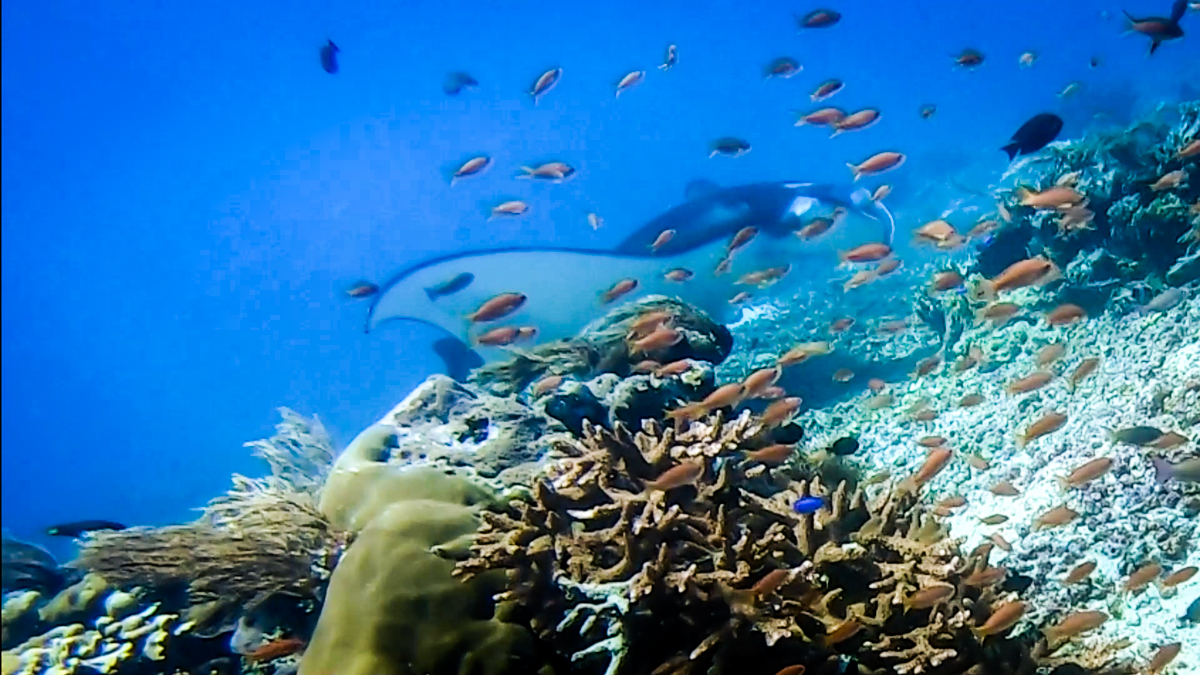
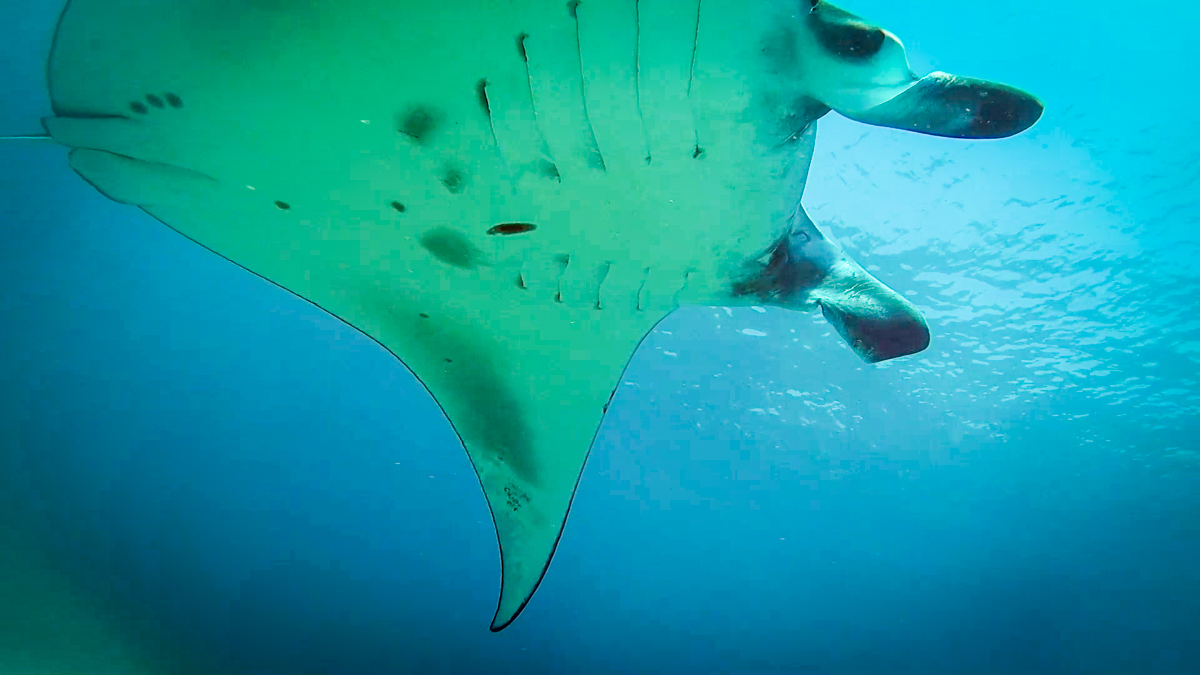 The pink beach dive site near Komodo island is a gentle beach slope going down to 25 meters. A small wall starts at 15 meters with many crinoids. Unfortunately, I had to skip this dive because of ear problems. A cruise in Komodo is not only about diving. There are many gorgeous beaches and viewpoints to explore. On day 3 we had drinks at Pink Beach and enjoyed a beautiful sunset.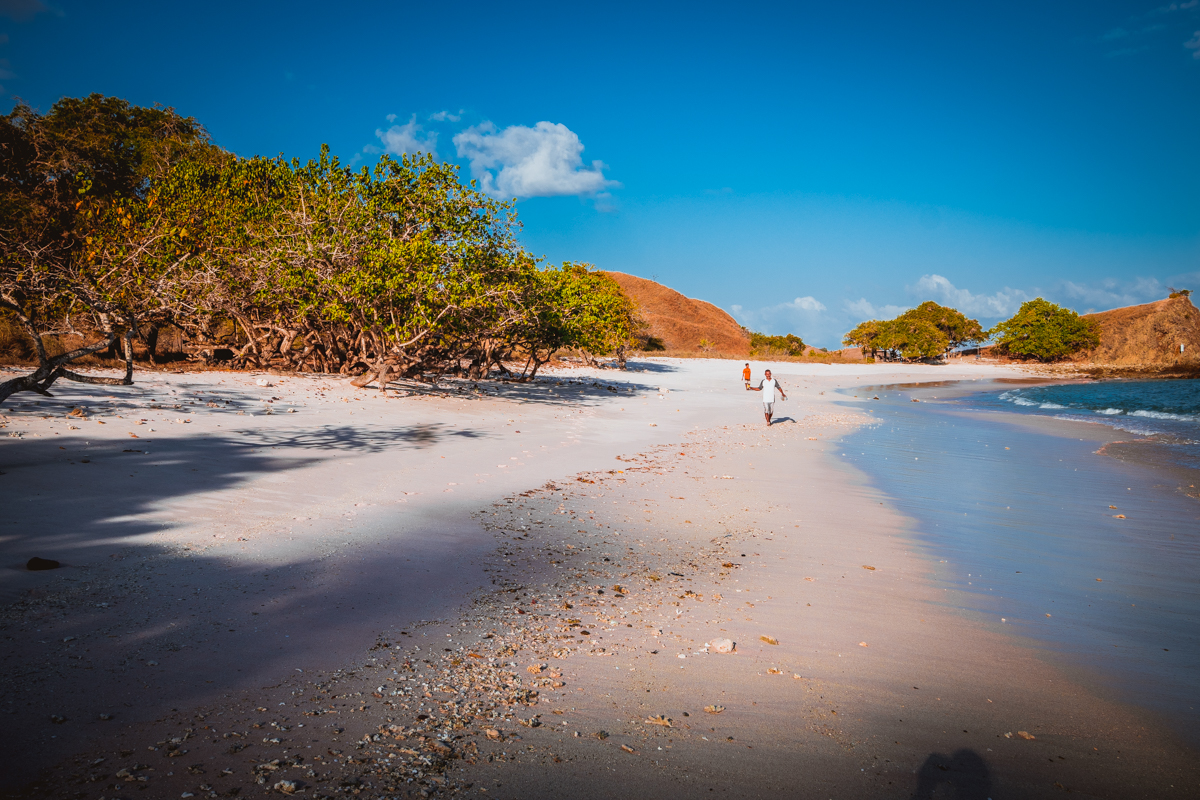
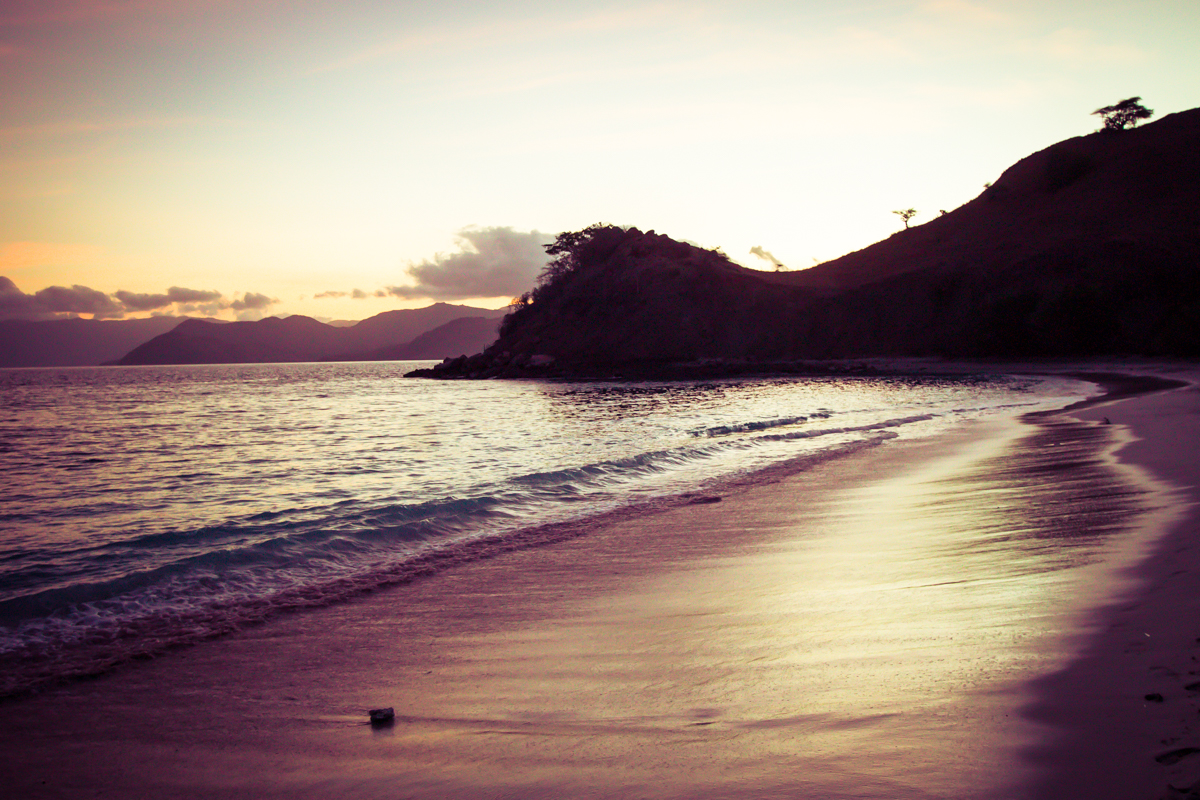
Day 4: Exploring South Komodo and getting intense manta action
We headed toward South Komodo overnight after our evening at Pink Beach. The sea was rough, the boat was moving a lot, and the captain decided to turn back and go to Padar island instead. Once in Padar, the sea calmed down and they gave it another try. I have been to Komodo 15 times before, many times on liveaboards, and had never made it to the South due to bad weather, so I was excited to finally make it to the area.
Bring a 5mm wetsuit, as the water is South Komodo is usually much cooler than central and North Komodo. For Central and North Komodo, a 3mm wetsuit will be enough for most people. During our trip, the water temperature was around 27 degrees.
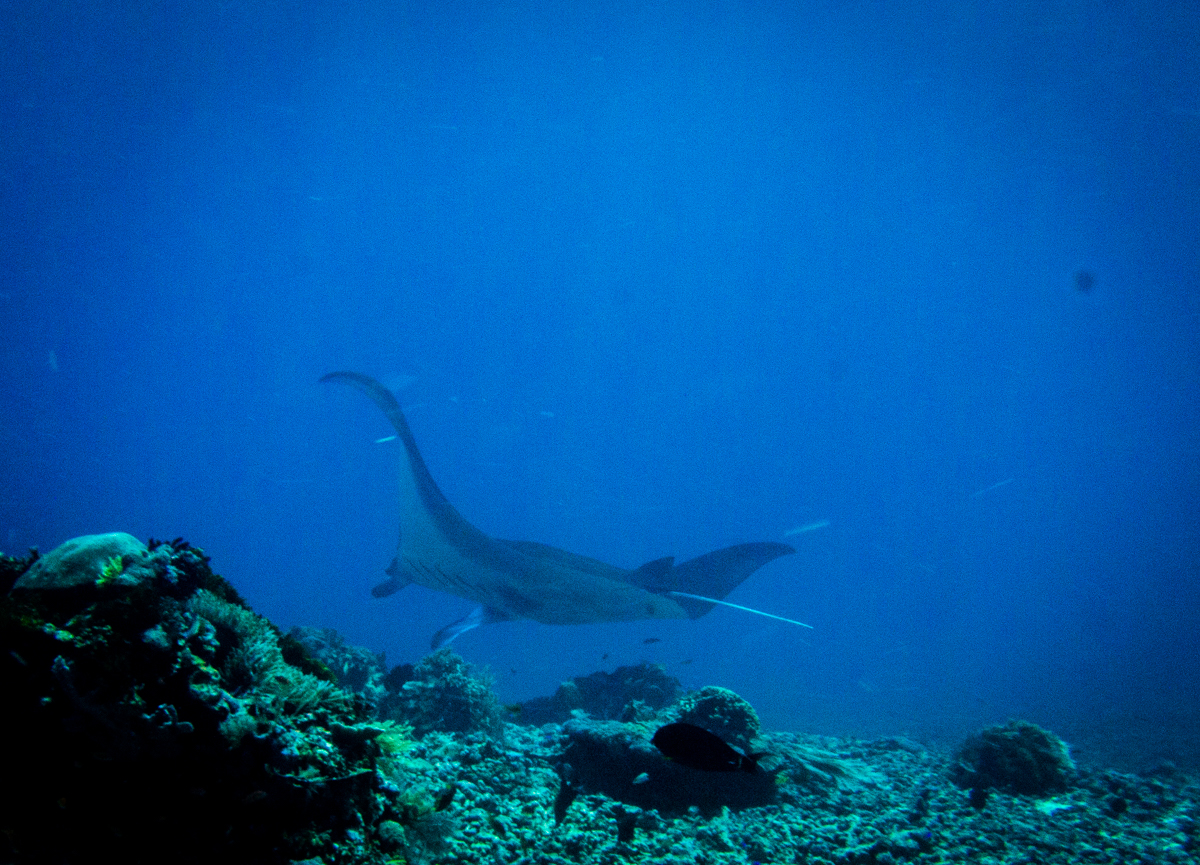
We did our first two dives at the Manta Alley dive sites in South Komodo. Manta alley is composed of arid rock formations at the bottom of Komodo island. We saw some dolphins from the boat but unfortunately didn’t see them underwater. But we did see mantas—so many that it was hard knowing where to look. I stopped counting them after the first five, but there must have been over 30. They were coming from everywhere. Feeding, doing the mating dance, getting cleaned… what a party! 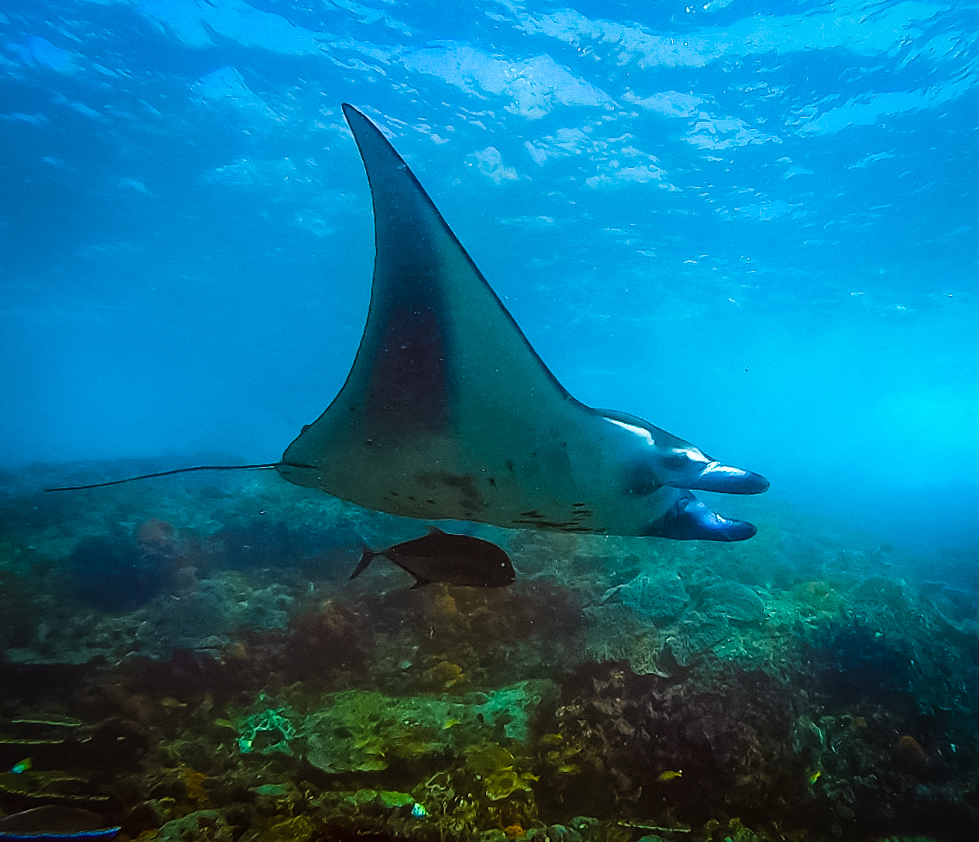
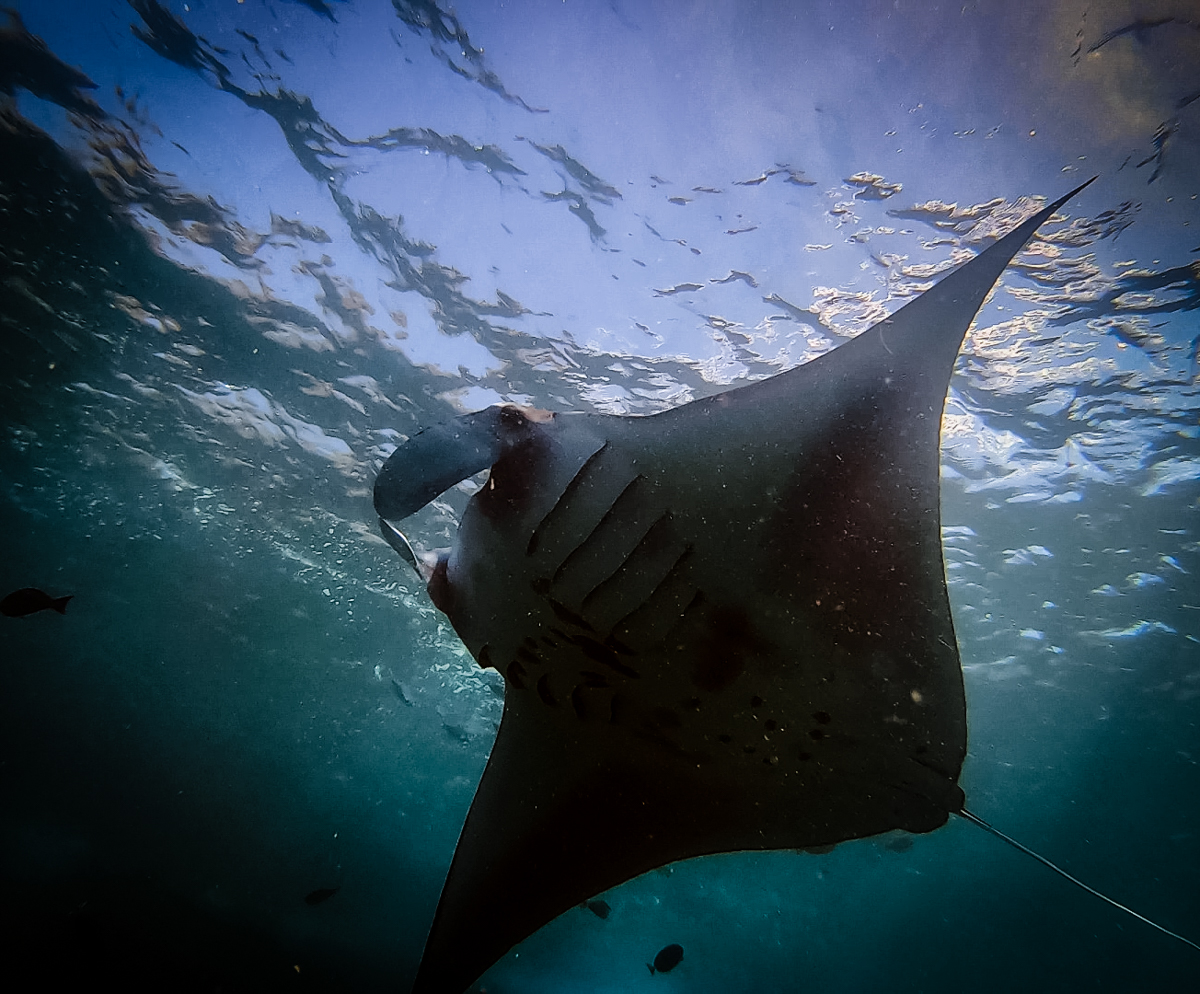
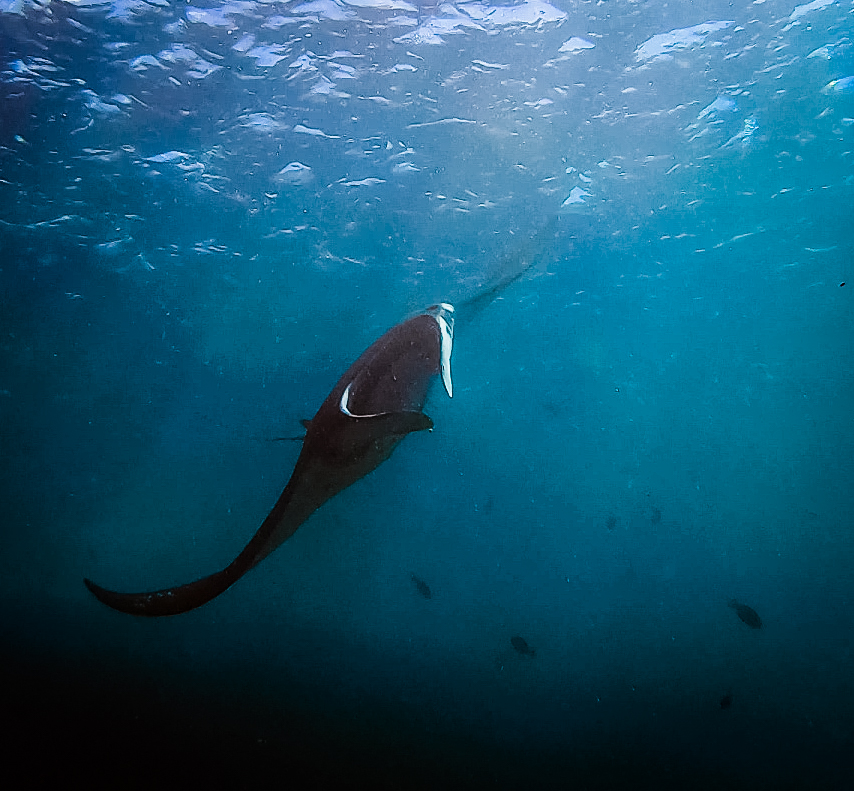 Also, I have never seen so many krill in my life. The water was so thick with them that they were ruining our visibility. I was half expecting whales to come by and feed on this feast. Mantas came and went in their graceful ballet. Some were more curious than others and came to have a good look at us. What an amazing dive!
 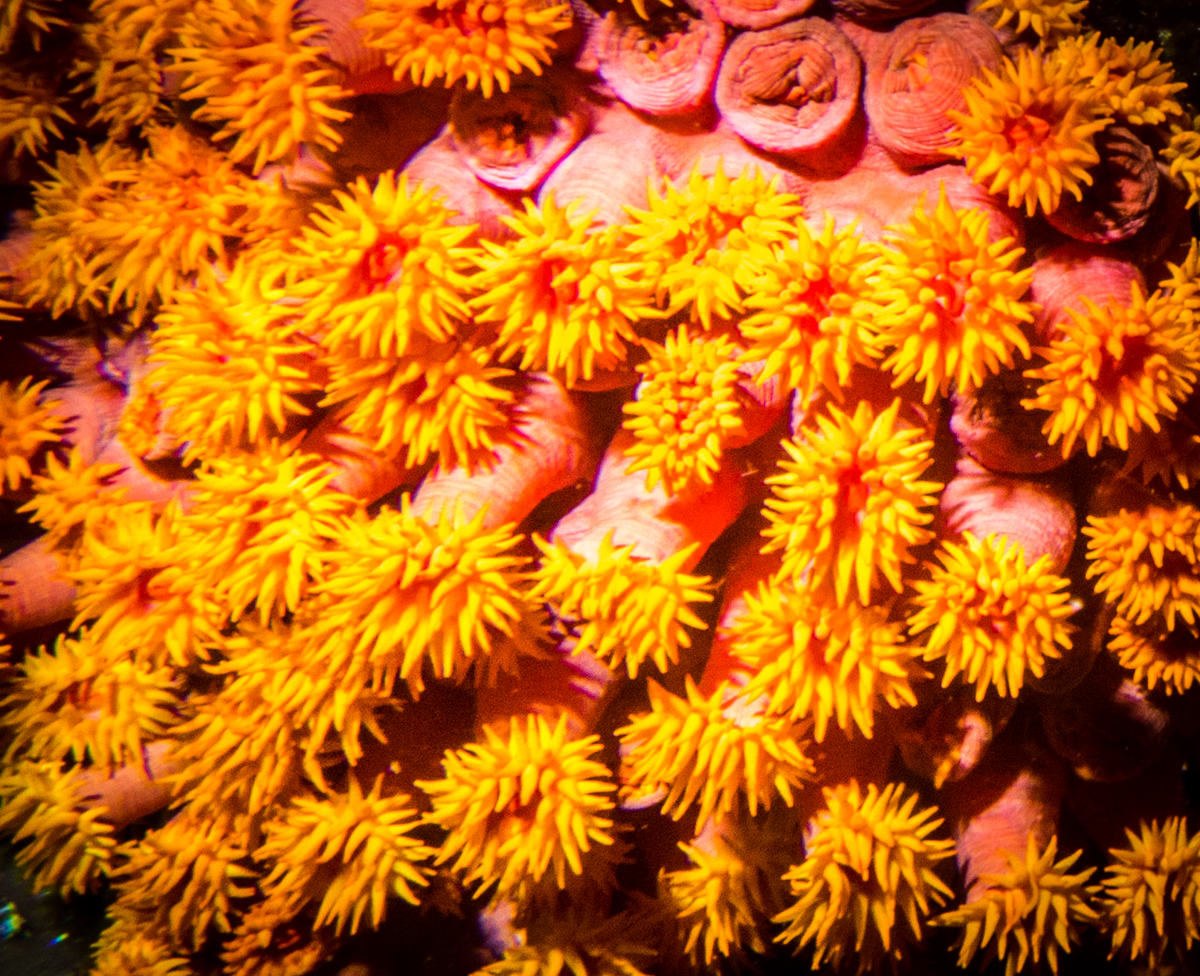 After lunch, we cruised towards the south of Rinca island. Cannibal rock dive site is an underwater peninsula in the middle of a bay. The sea is surrounded by hills, making the area protected. The underwater peninsula starts at 5 meters. It is formed by black rocks and the most incredible, colorful soft corals. We saw two turtles and an absurd number of fishes. Visibility was much lower than in central Komodo, which I am told is normal for South Komodo because the water is nutrient-rich.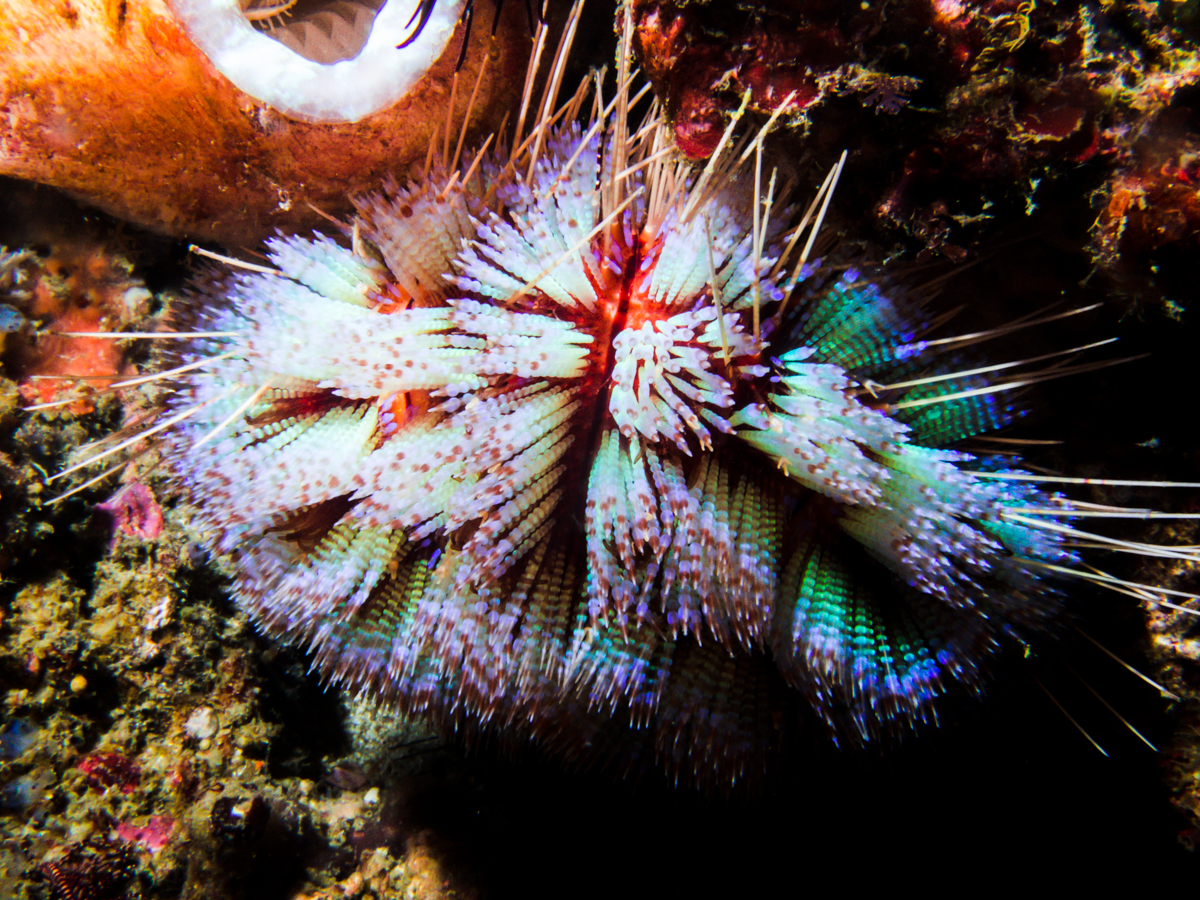
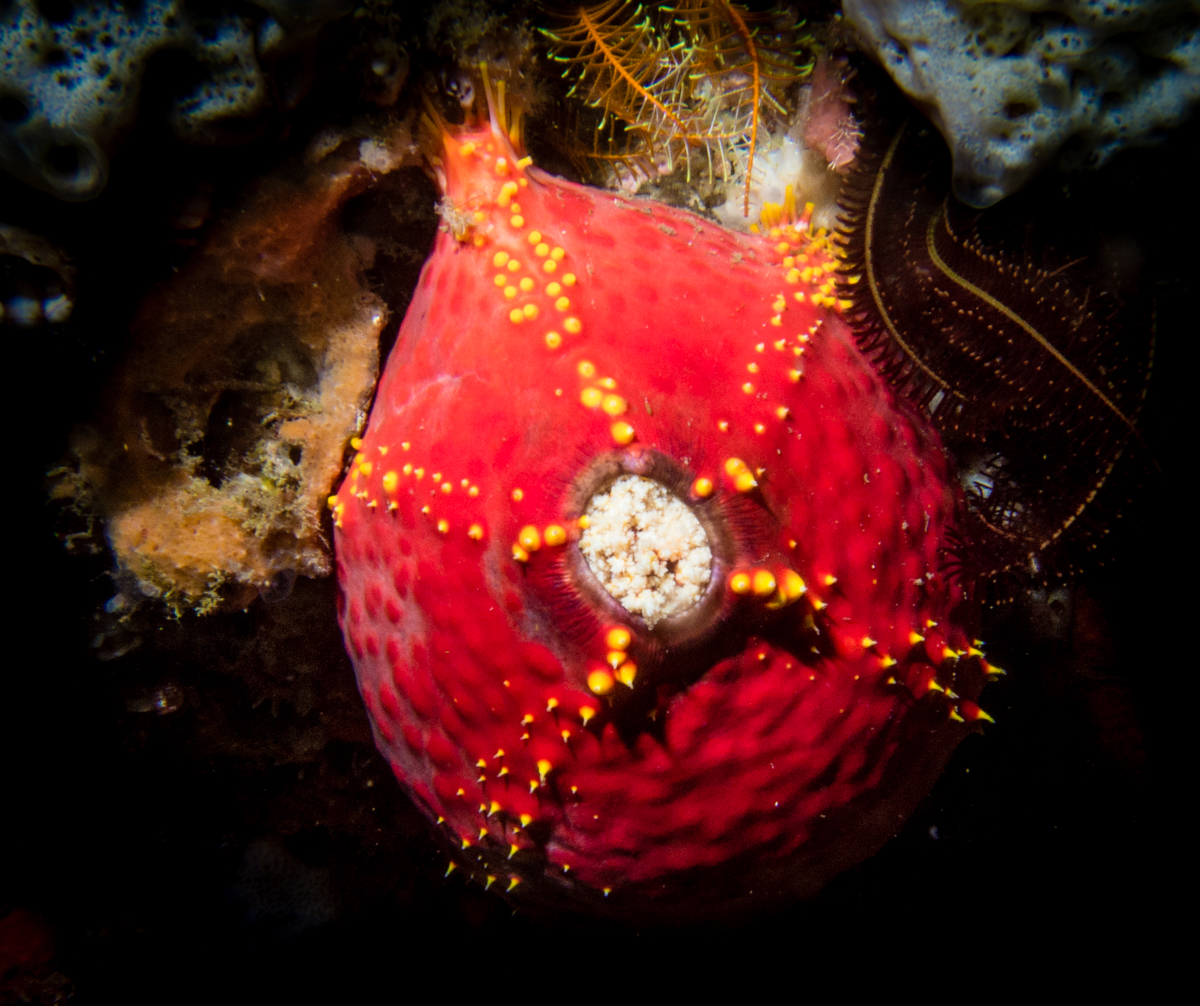
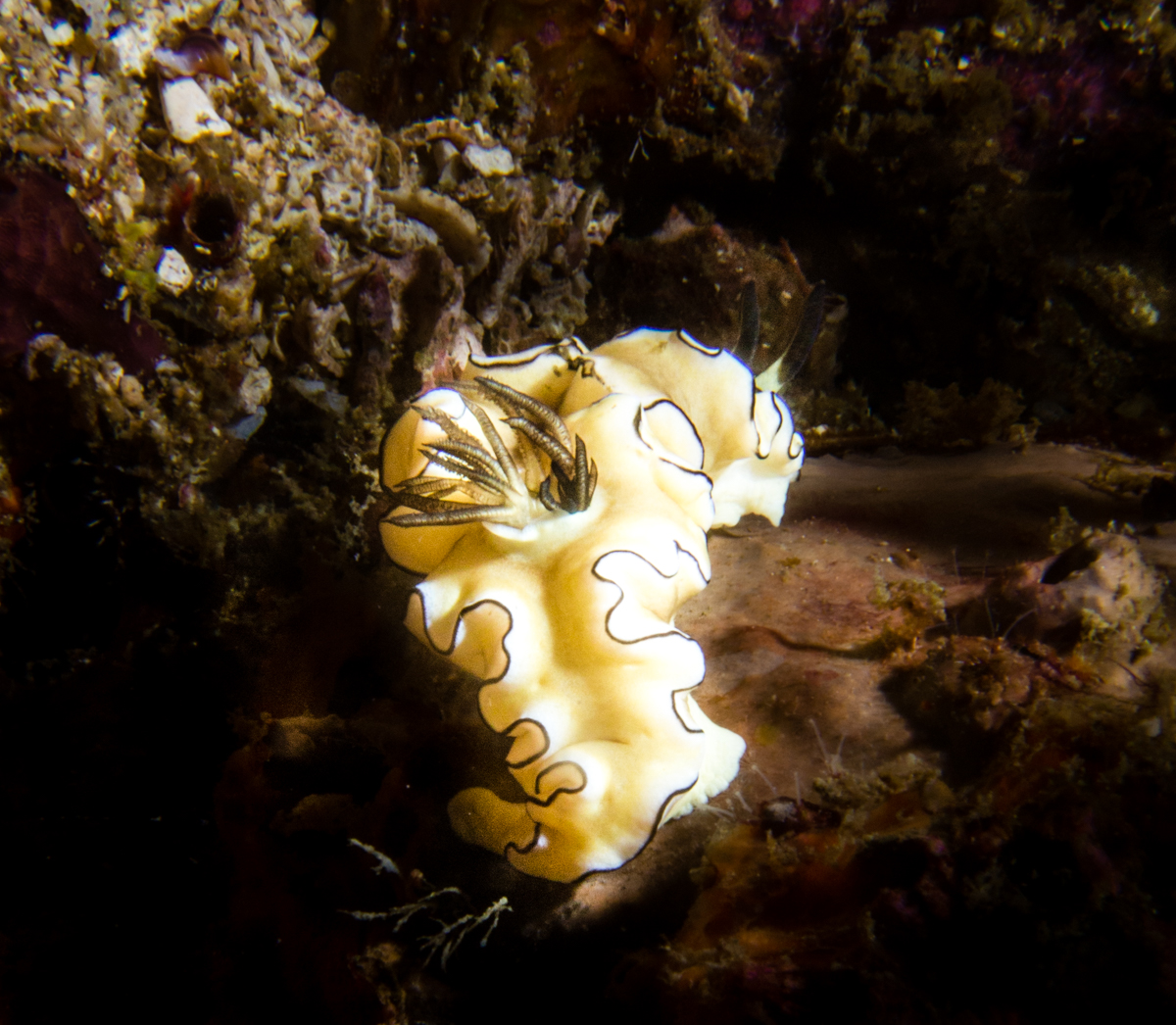
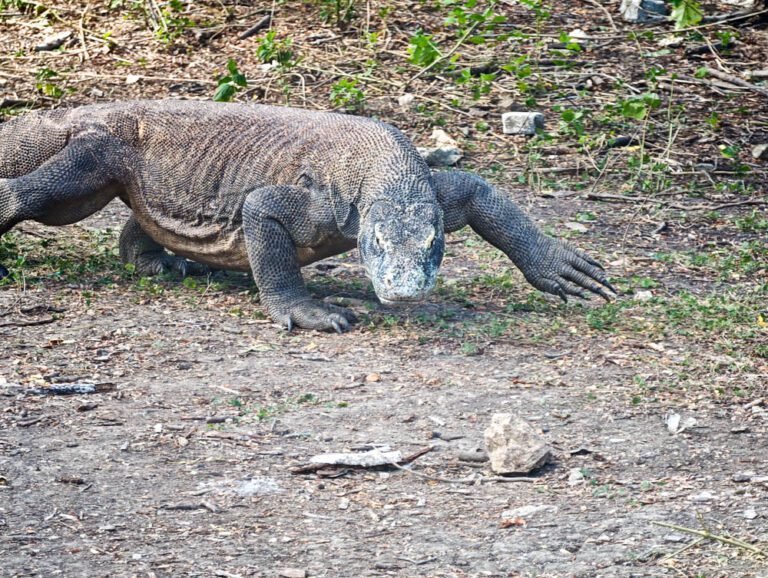
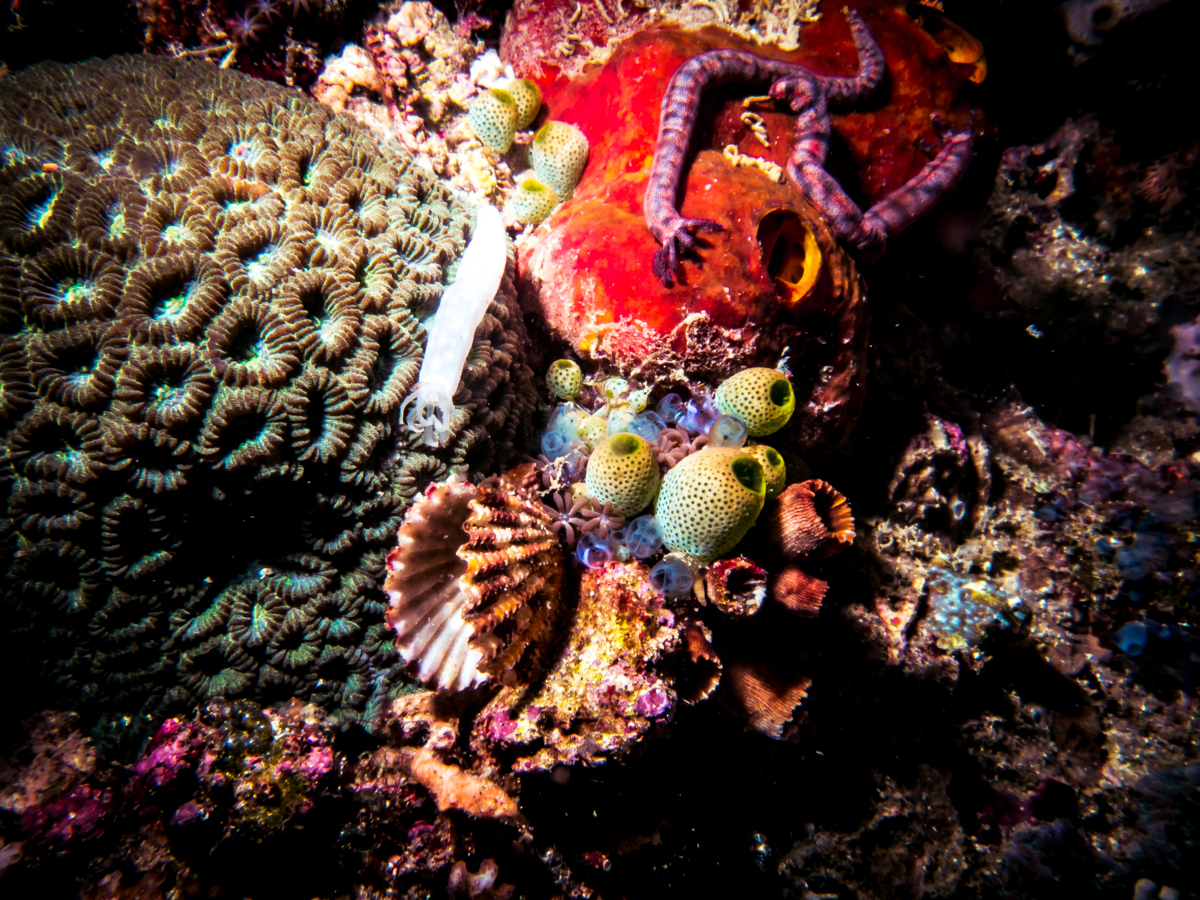 In the evening, we took the small boat to go and look for Komodo dragons on the beach, but they weren’t in this area of the park tonight, so we enjoyed the sunset from the boat.
Day 5: Finding nudibranchs and shrimps in South Komodo
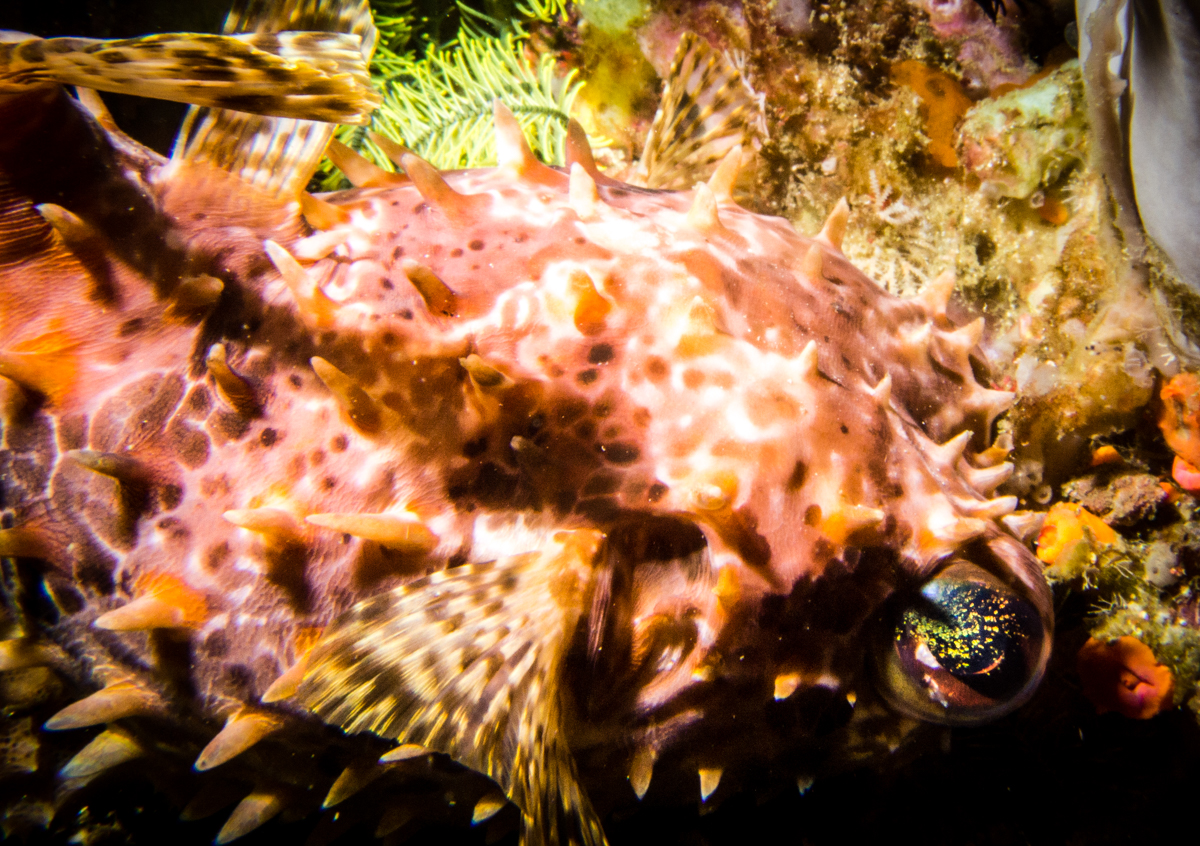
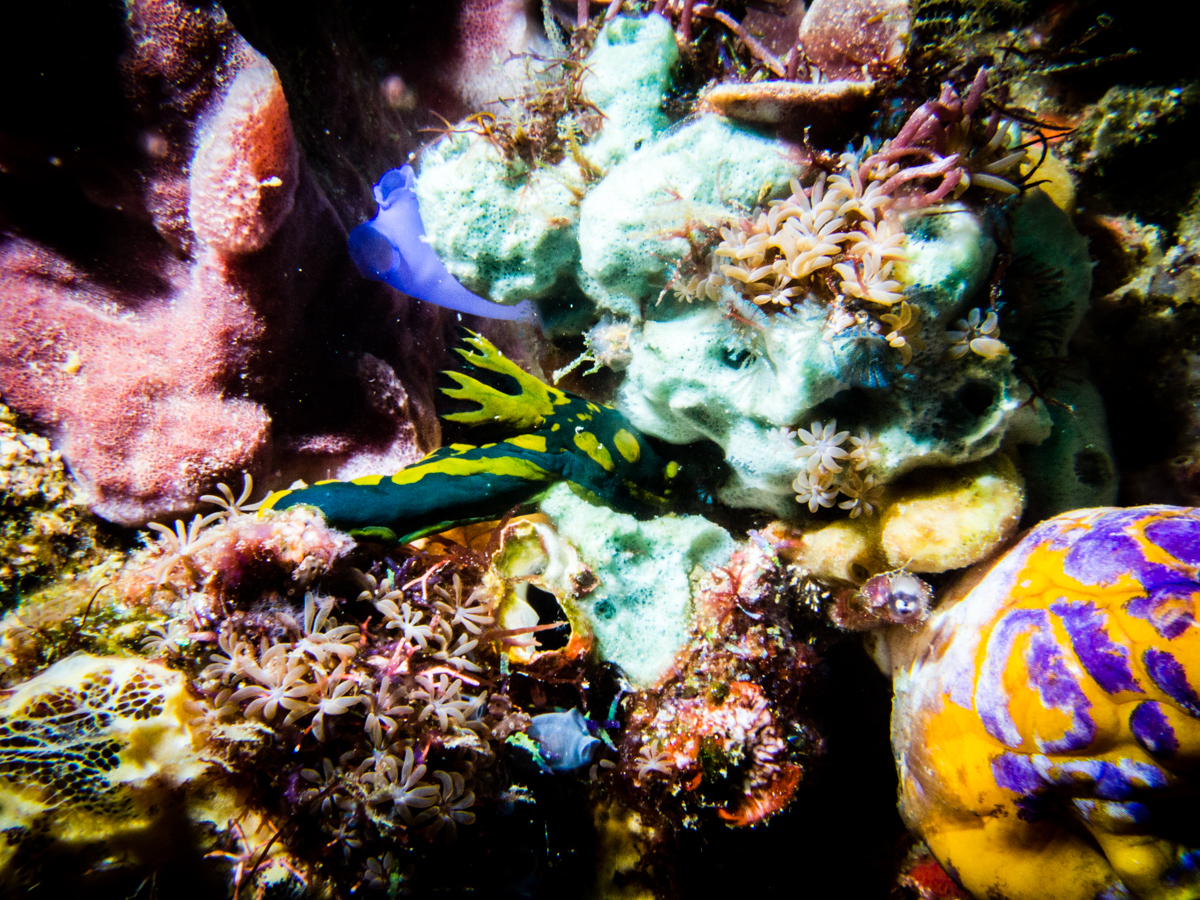
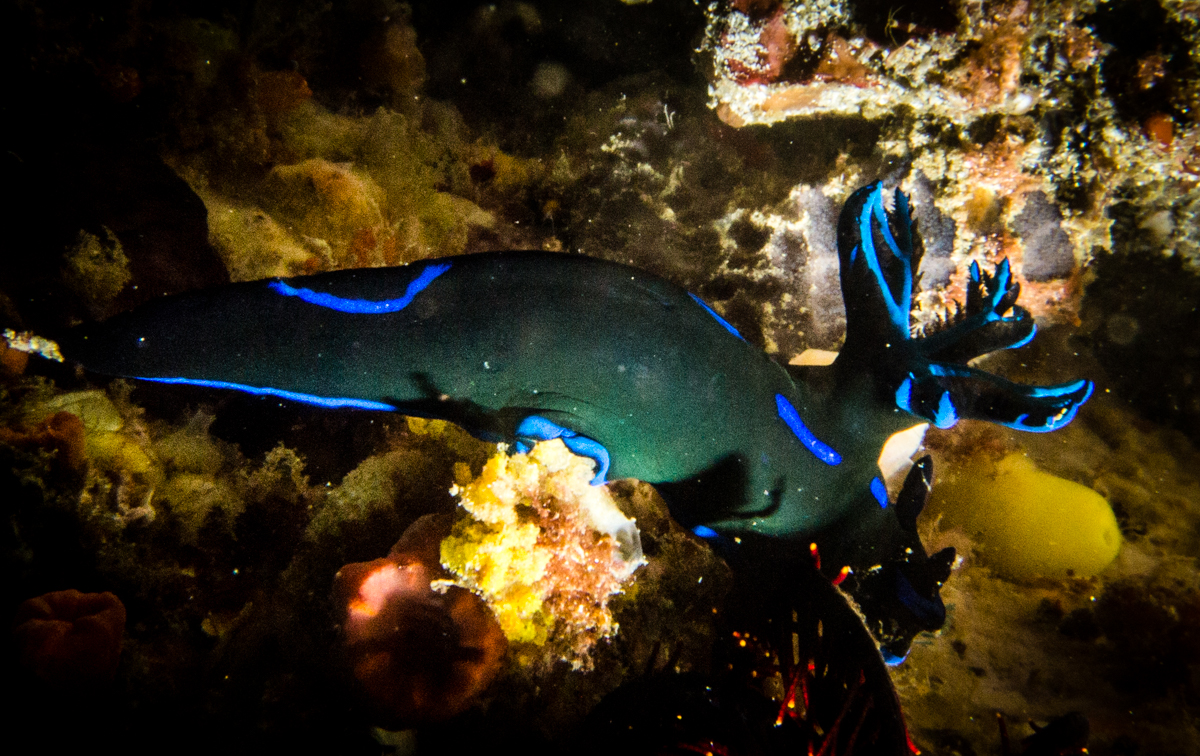
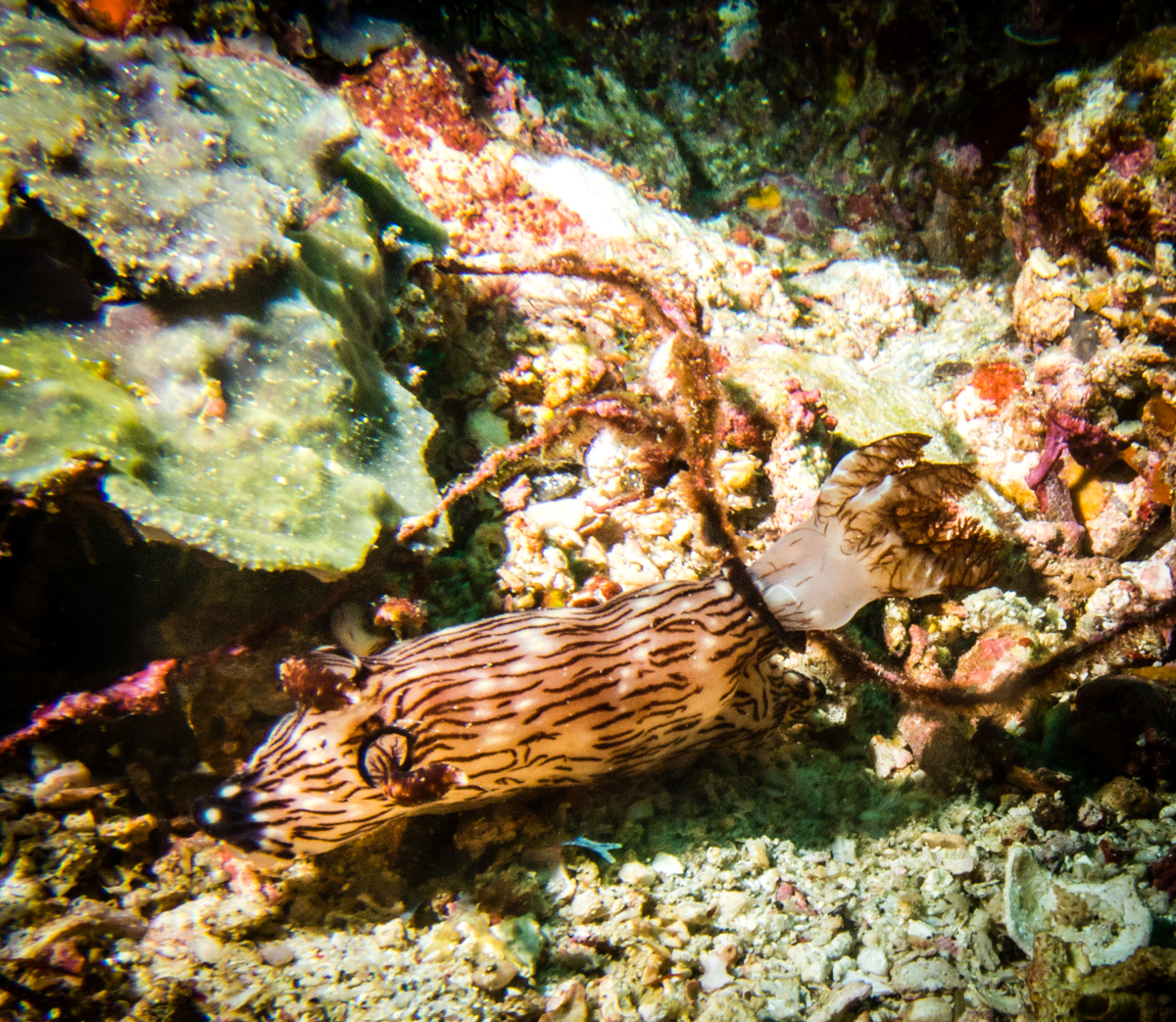
We were still in the south of Rinca at the start of day 5, and we did the Tunjung dive site. This dive site is near the exit of the bay along a cliff. It is a wall dive that finishes in a plateau of rocks, sandy bottom, and coral bommies. Again, the colors of the soft corals were amazing. This is an extraordinary place for macro photography lovers, as there are plenty of nudis and shrimps to be found everywhere. Keep an eye on the blue, too: despite the poor visibility, we saw a huge eagle ray swim by. 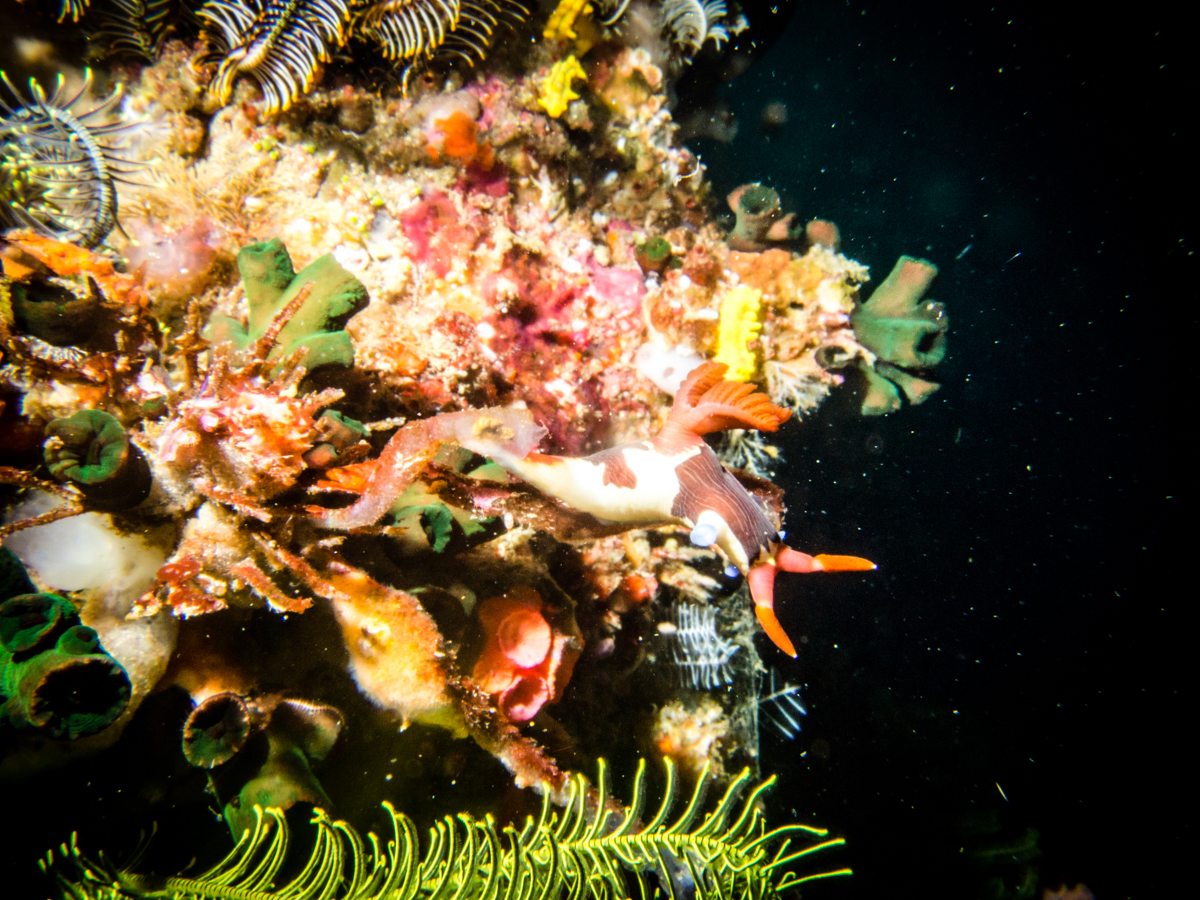 Our next dive site was Pulau Banana. Still in the south of Rinca, Banana Island is a dive site around an island with a mix of walls and a sloppy reef. Visibility isn’t great, but it is an amazing site for macro photographers. We found so many shrimps, crabs, and all kinds of nudibranchs. The soft corals around 15 meters deep were really beautiful.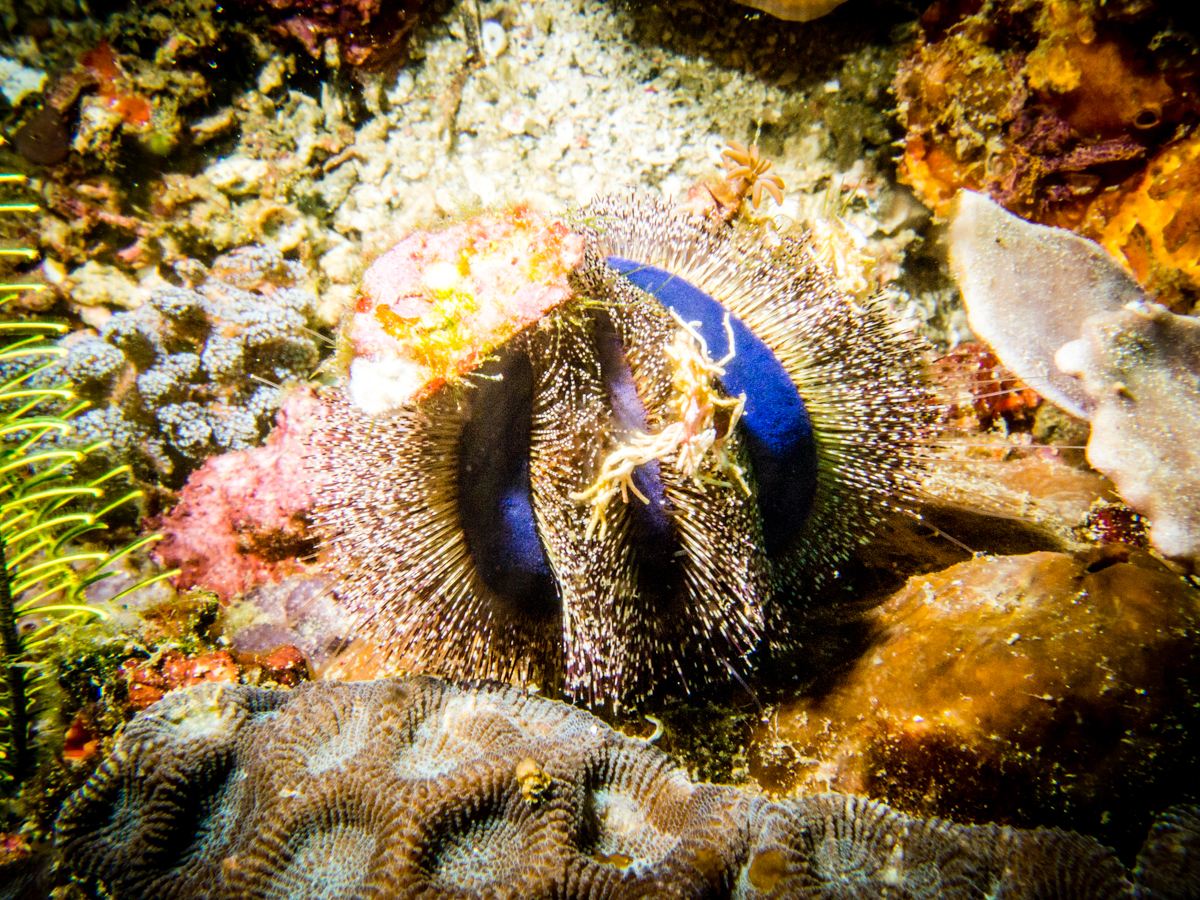
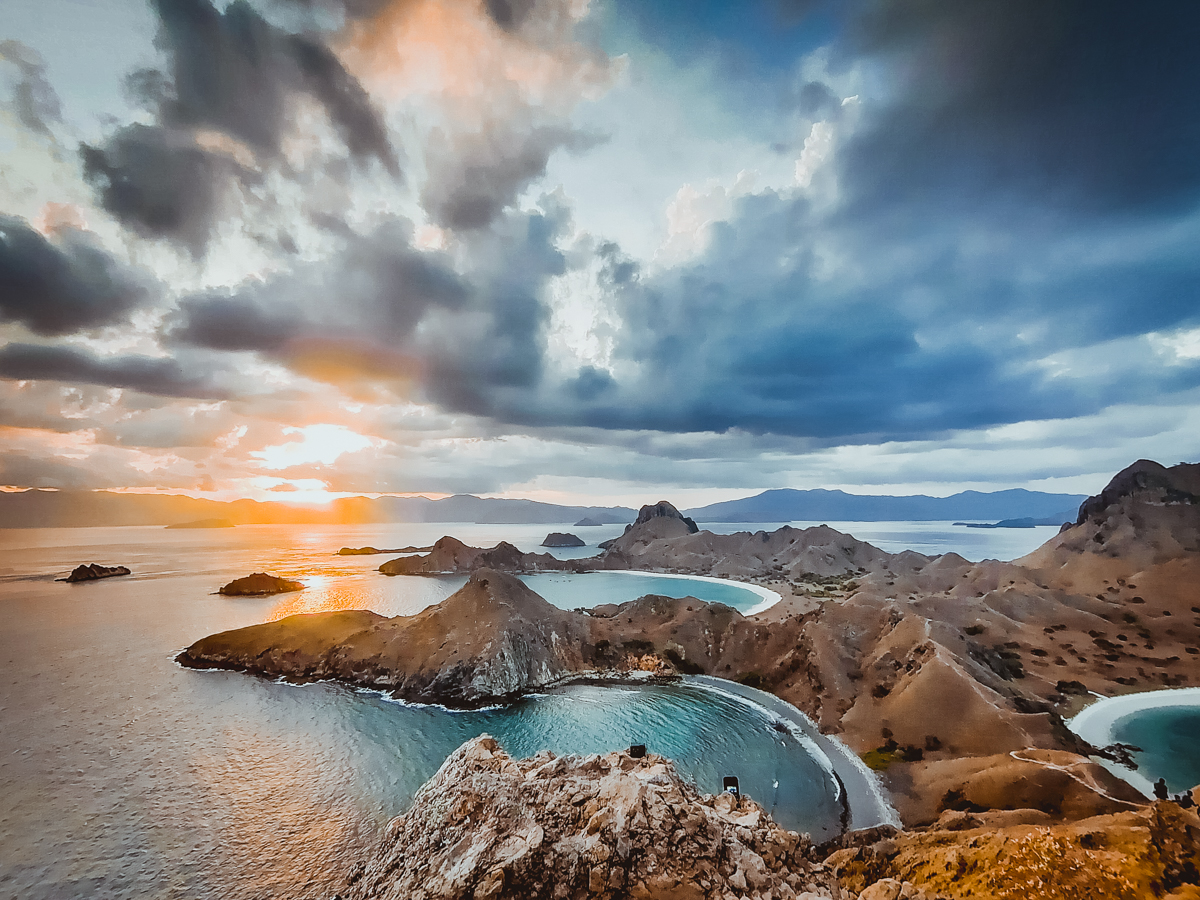
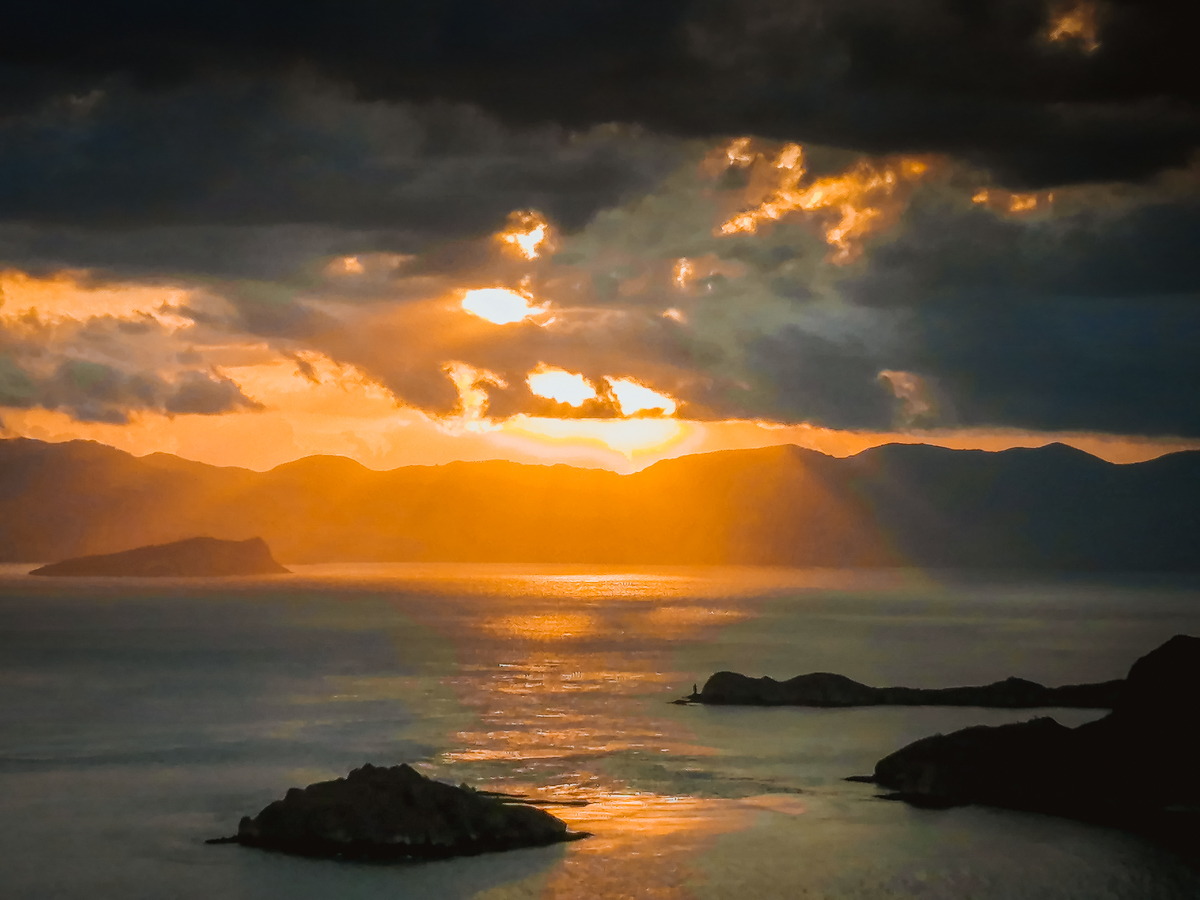
 After our last dive, we navigated towards Padar and arrived in time to watch the sunset. The view from the summit is stunning, with the beaches of different colors. It is a steep walk, but it is not technically difficult, since they’ve built a path.
For Padar, No hiking gear is required: it can even be done in flip flops. I did a time-lapse of the sunset, which you can see below
Day 6. Returning to central Komodo and the amazing Batu Bolong
We dived Batu Bolong again. We felt so privileged to be able to dive this amazing site multiple times with no other divers around. We were there during the slack and were able to go around the whole pinnacle.2 eagles came to check us out. A huge barracuda was patrolling the area. Most of the big fishes (including sharks) were taking advantage of the low current and were sleeping on the reef. The small fishes were there en masse and the show was spectacular. To top it off, two majestic eagles were fishing right on top of us as we surfaced. I could do this every day! 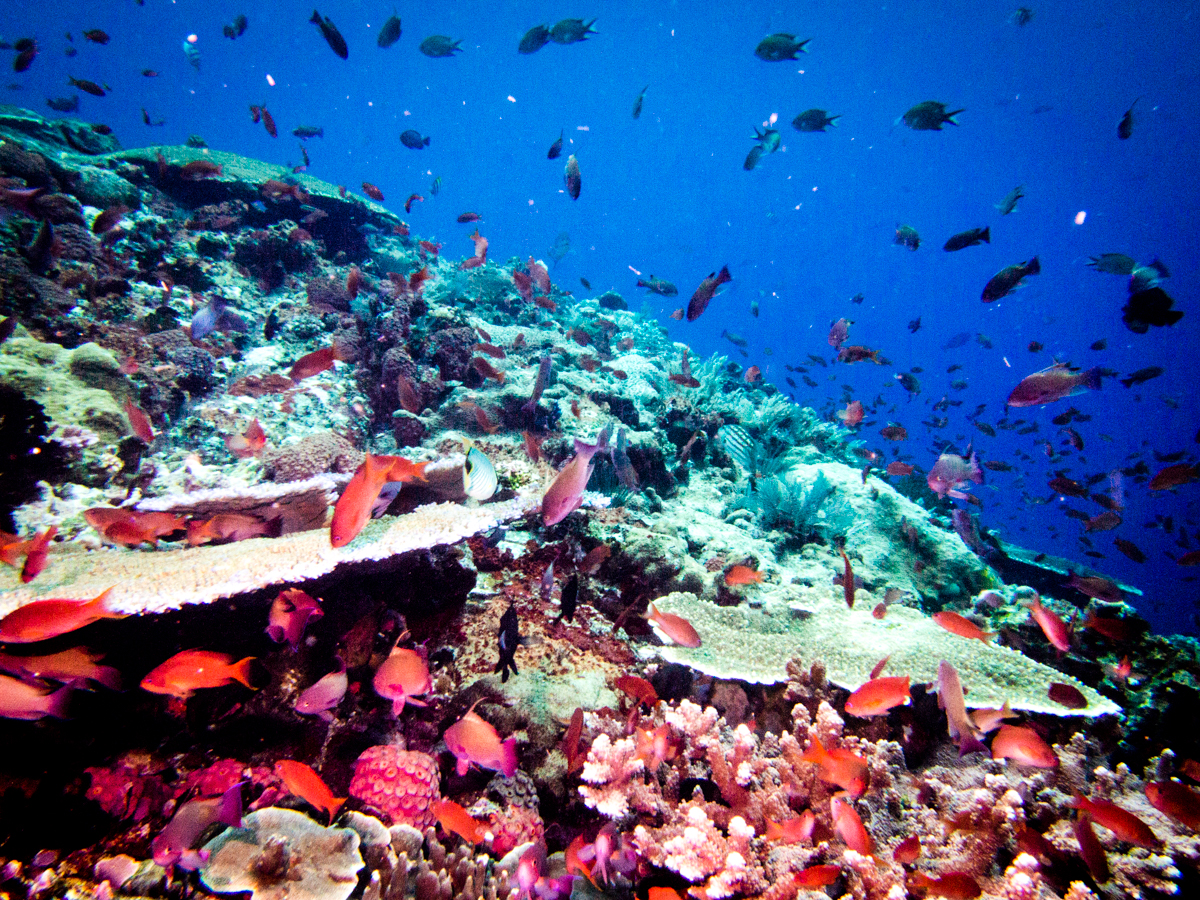
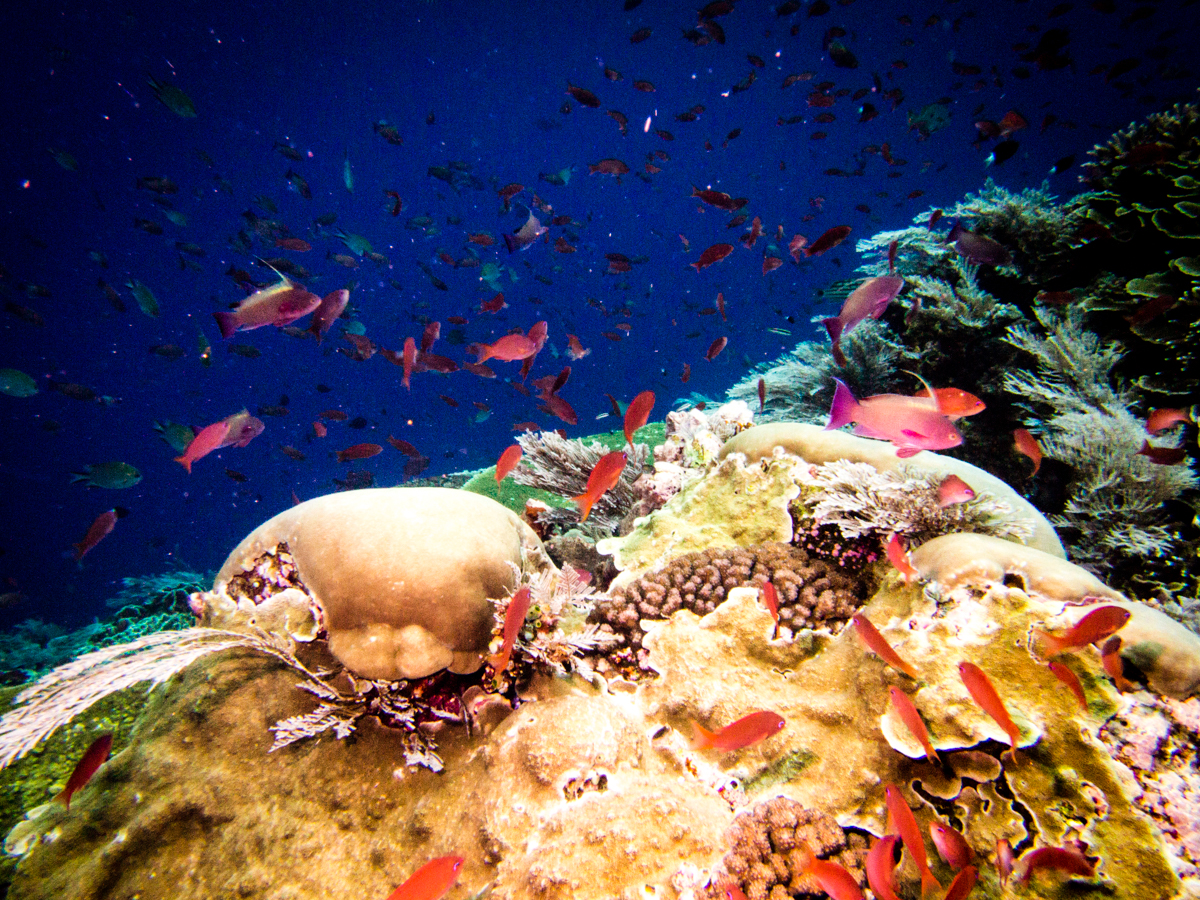 We moved on to Tatawa Kecil dive site. Tatawa Kecil means a small smile. It’s a small island surrounded by a sloping reef. There was very little current when we dove it, just like many of our dives this trip, but the colors of the corals were stunning. We saw a few nudibranchs and many sweetlips fishes.
 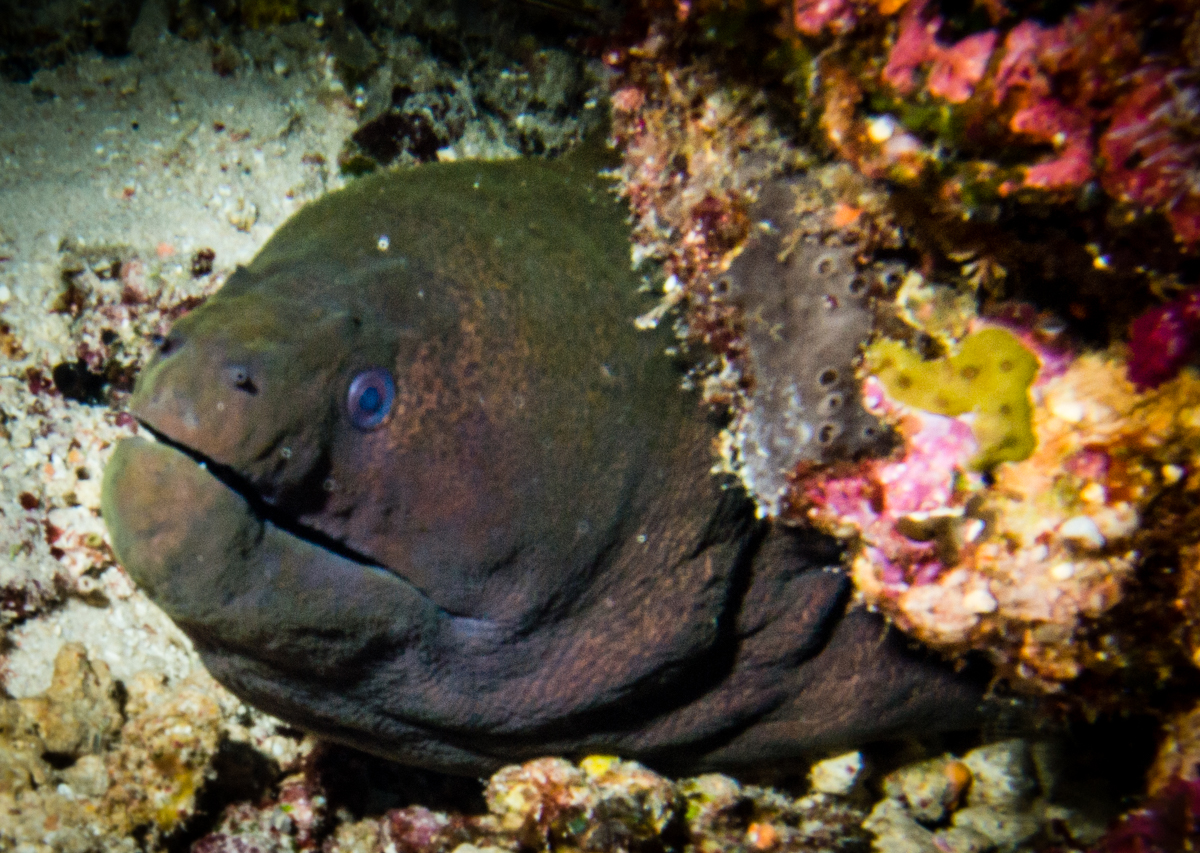 Our next dive was at Shotgun dive site (also called the Cauldron) in the Noth of Komodo. The Shotgun is one of the most exhilarating dive sites in Komodo. It is the channel between two islands, and it often has strong currents. On this trip, we dove it differently: entering from the side and avoiding most of the current. The corals, both hard and soft, were beautiful. We saw a manta flying by and trying to feed into the current. Unfortunately, it didn’t hang around for long. We also saw a cow tail ray in the sandy bottom, the usual jacks, and many other schools of fish.
Day 7: Experiencing a close encounter with turtles and mantas
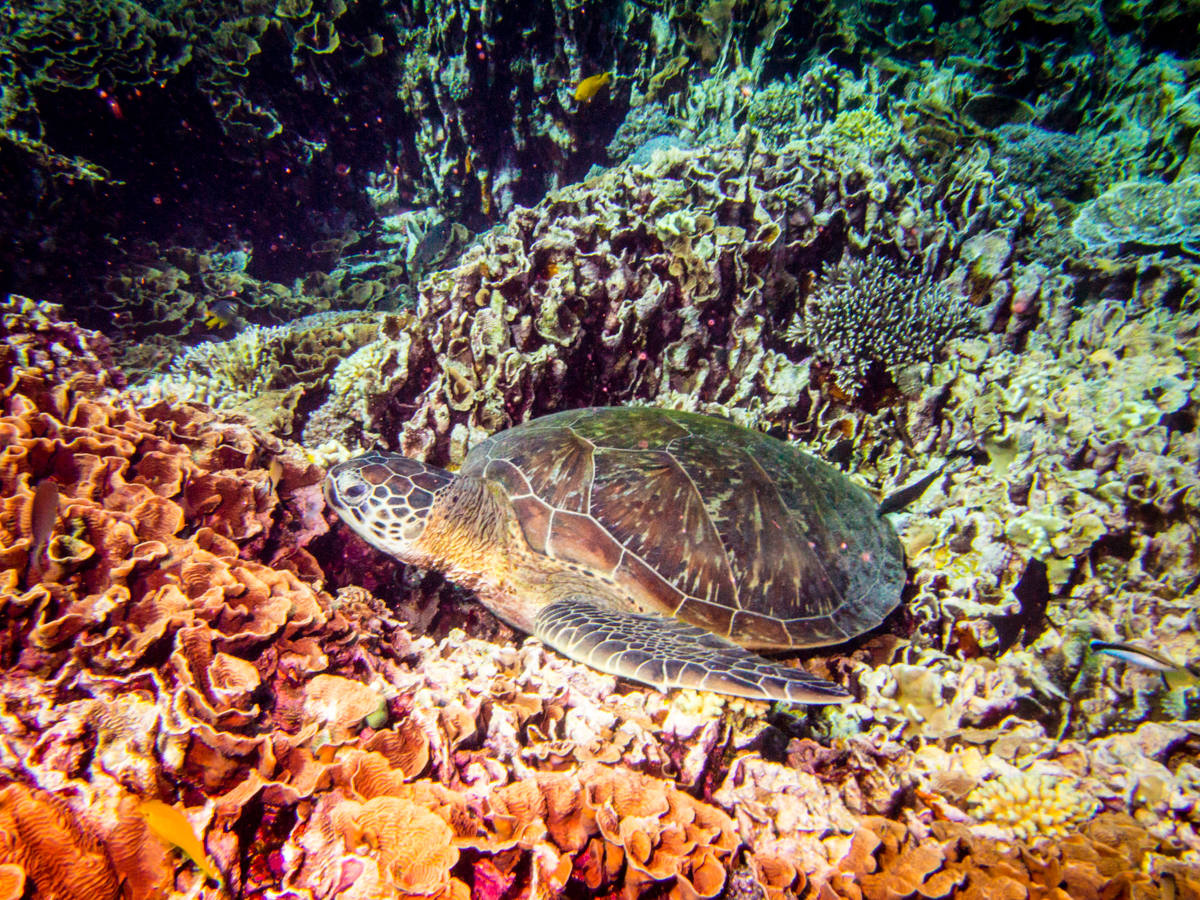
Already the last day of the trip—it all went by far too quickly. The plan for day 7 was to do two dives in the morning and then some activities in the afternoon. Siaba Besar dive site starts with a sandy bottom that progressively becomes a huge coral garden. This dive site is sometimes also called turtle city—I’ll let you guess why! The hard corals are massive, with lots of cabbage and staghorn corals. This dive site is usually quiet, as it is in a small bay, which also makes for a gentle and shallow dive. The main attraction here is the turtles. We saw at least 15 of them on this dive. 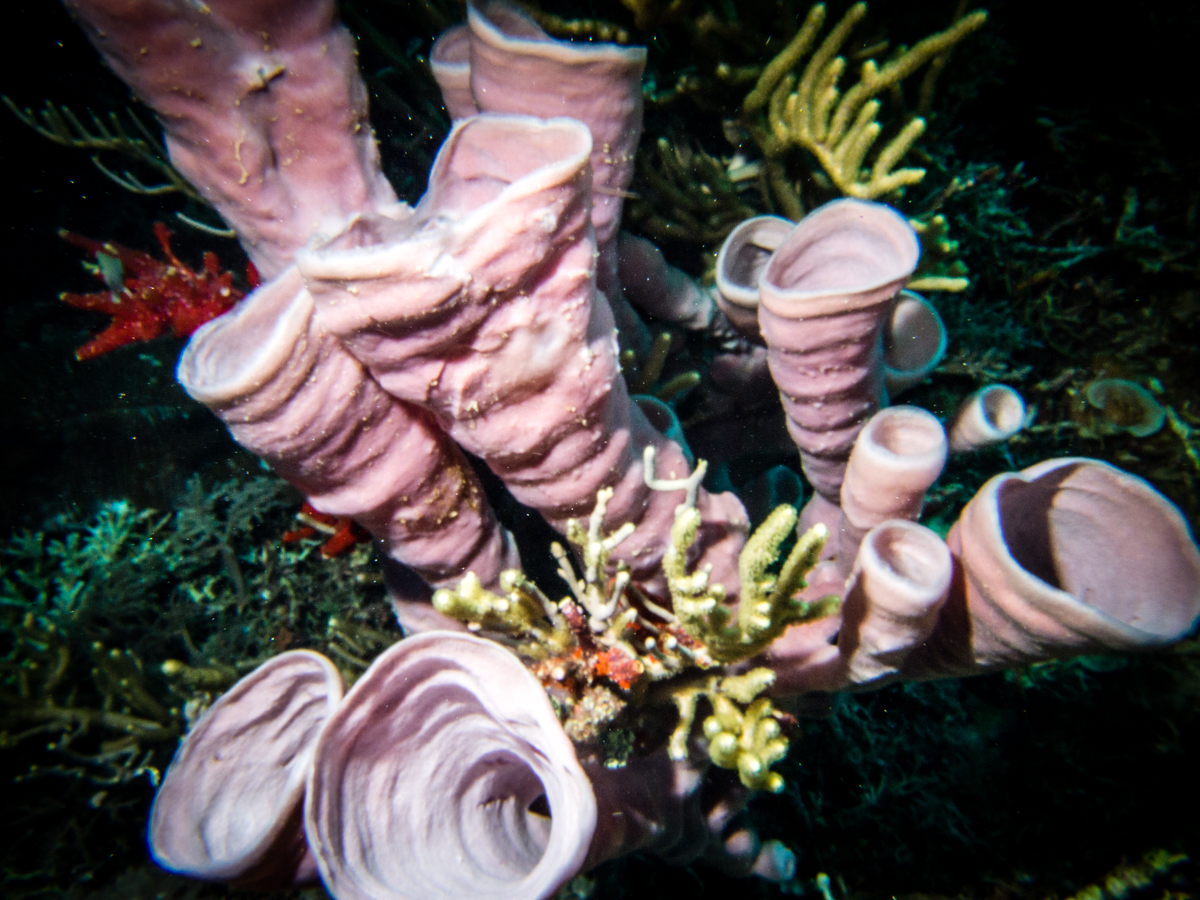
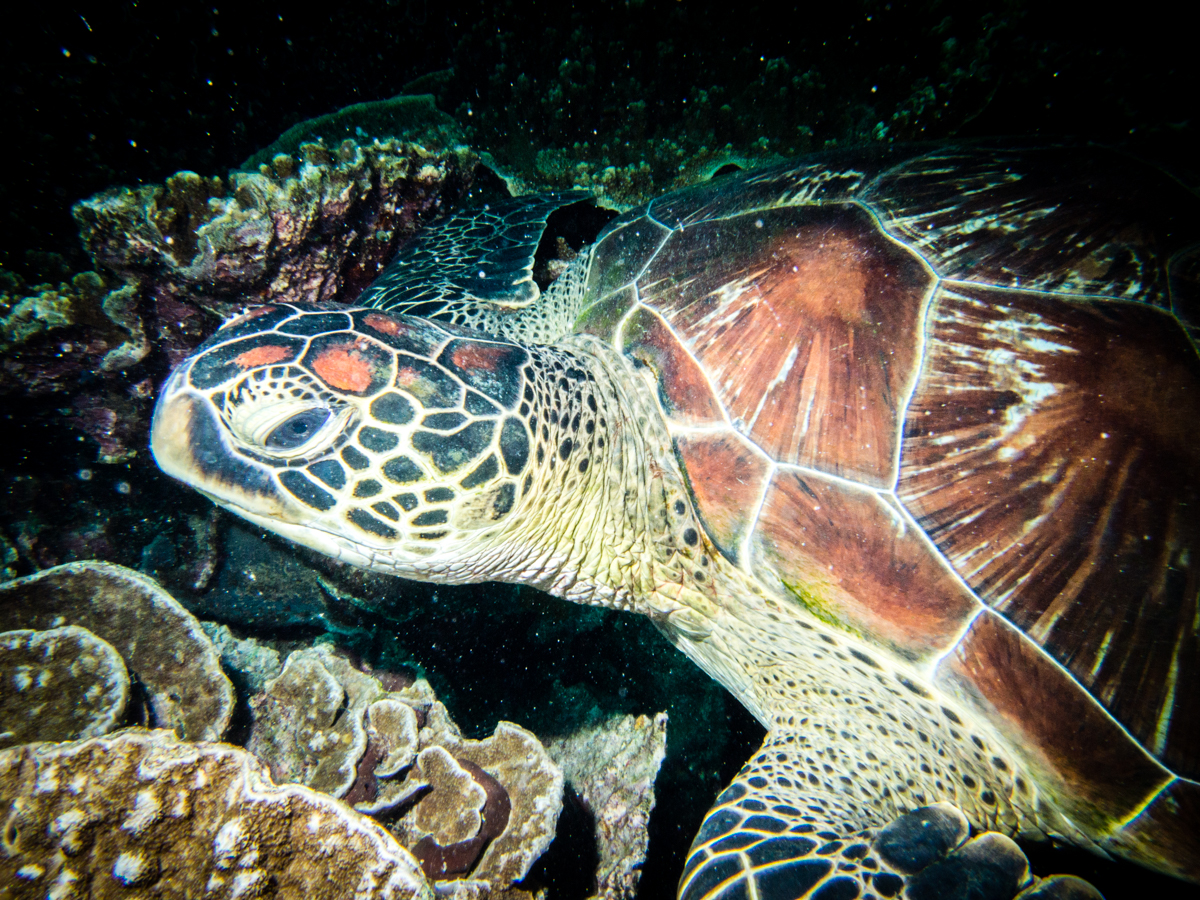
 Our last dive of the trip was at Mawan dive site. Mawan is a gentle drift dive over a large coral garden. The coral is not fantastic, but the main attraction here is the mantas that often roam this site. We only saw one manta this time, but it was in a sociable mood. It kept coming closer to us, and at one point I thought it was going to land on me. I think they must have missed divers during the months that the park was closed. It was looking at us carefully and wanted to interact. What a nice finale to an incredible week of diving!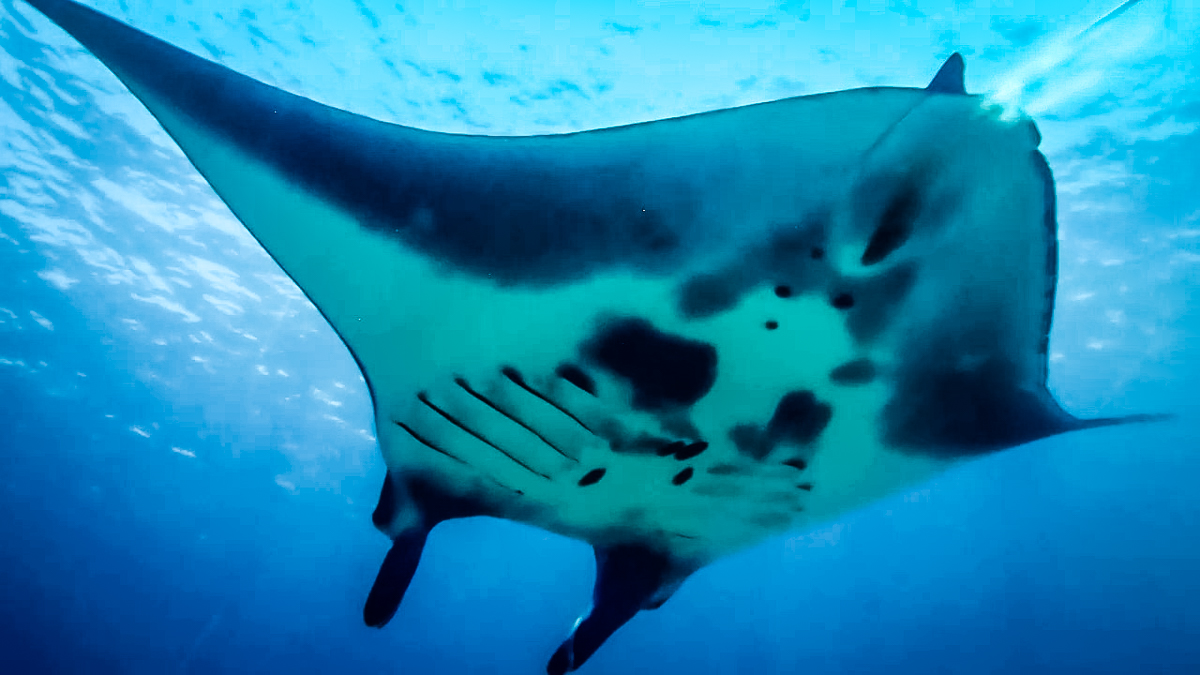
We never saw another diver underwater during the whole week. We saw only two other dive boats in the whole park. Unfortunately, we saw many fishing boats roaming the park, both in central and in North Komodo, which makes me worried about preserving the fish stock in the Komodo national park. 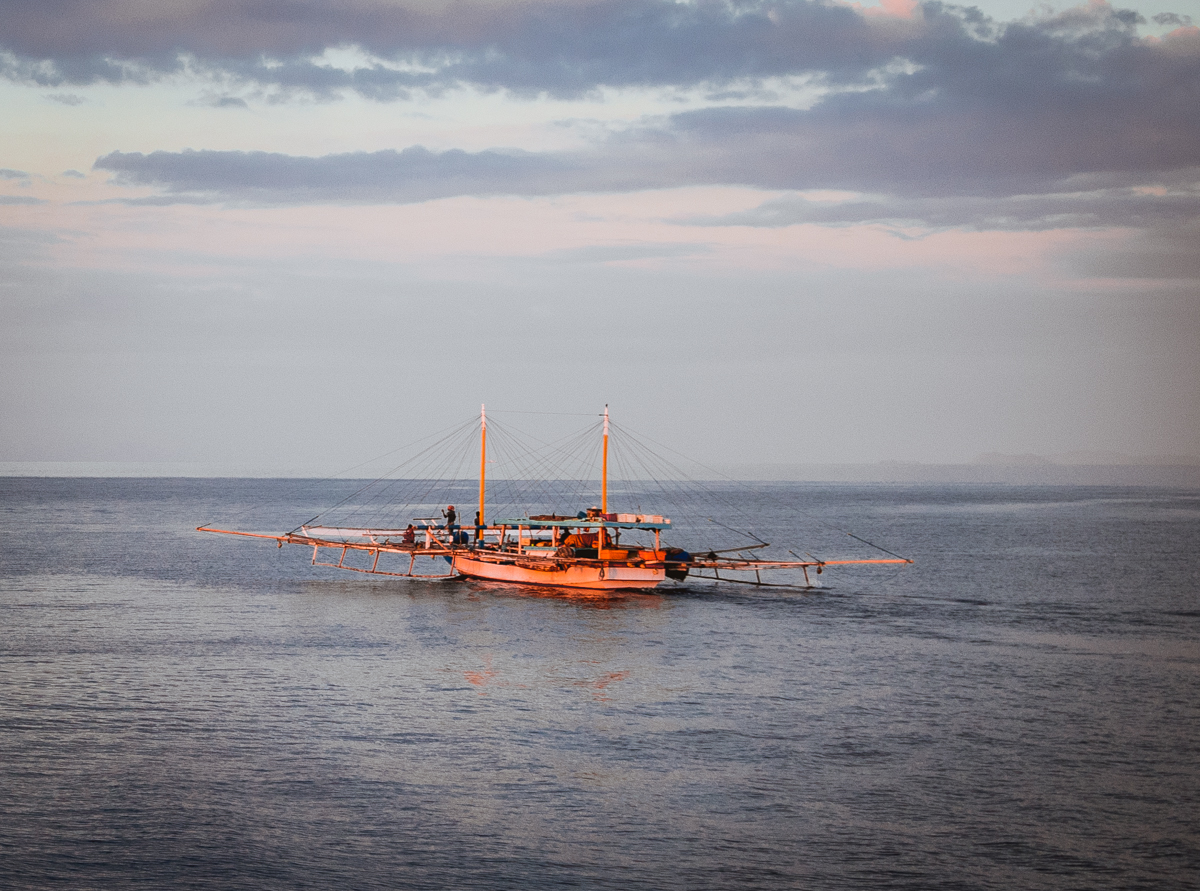 We were offered many options for our final afternoon: kayaking in the mangroves, beach time, seeing the Komodo dragons, watching the sunset at Bat Island… We didn’t go and see the Komodo dragons on this trip since I and the other passenger had already seen them multiple times. But if you have never encountered Komodo dragons, this is a must-do. We opted for a relaxing option: having a drink on a sand atoll in the middle of nowhere and enjoying a bit of beach time.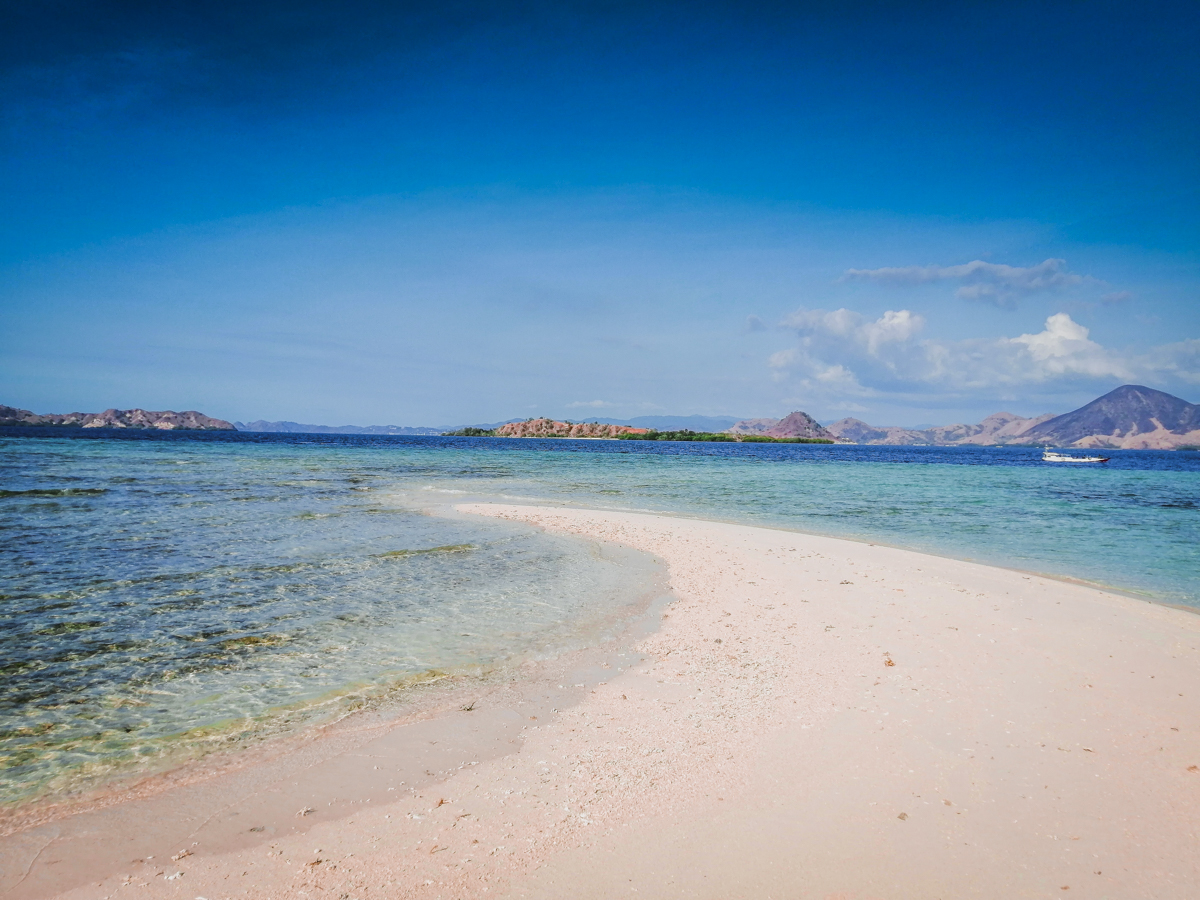
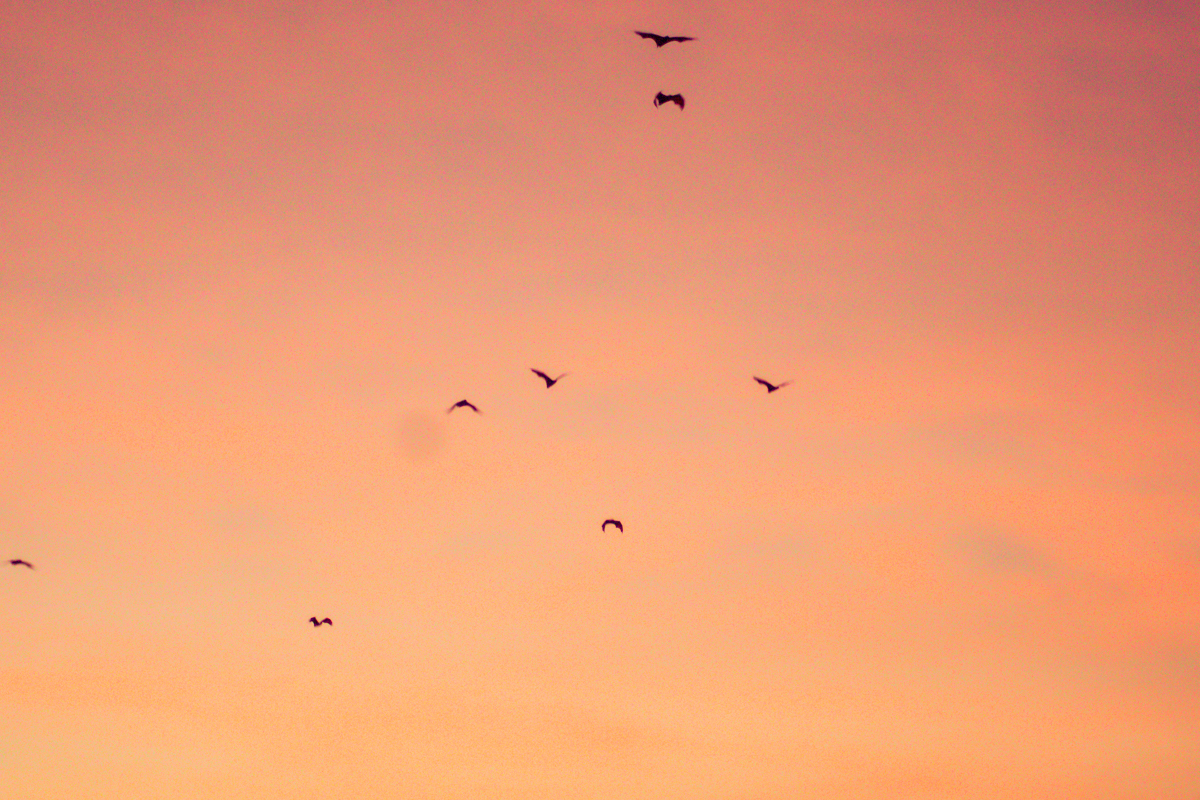
 We then came back to the boat for sunset to watch the bats migrating. They migrate every day in the evening. It is a stunning sight to see hundreds of large bats flying at the same time ( my photo doesn’t do it justice!) . It lasted for about 10 minutes.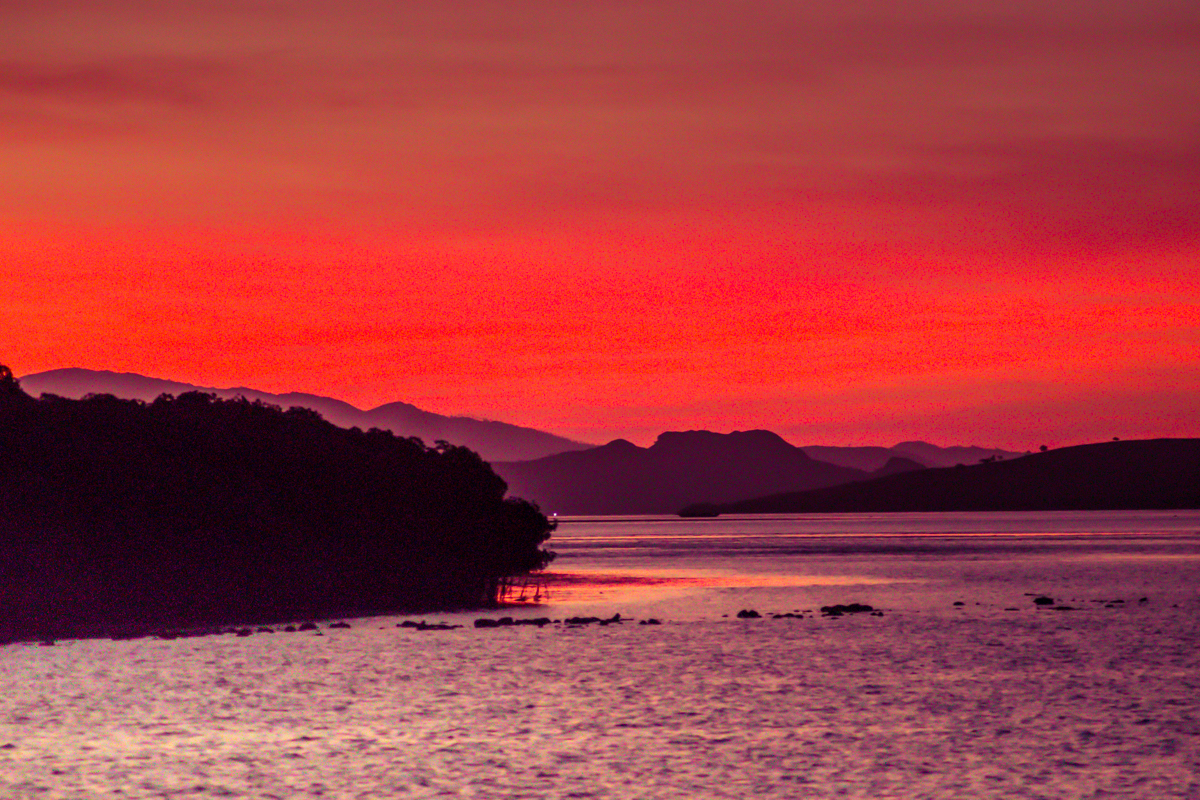
 The crew then performed a few songs for us to end what has been a perfect diving trip
Internet and phone connection in Komodo National Park and the way to Bali
There is still no wifi aboard the Carpe Diem liveaboard. Starlink has become common on the Indonesian fleet, but the boat is not listed with onboard internet, so your phone remains your only connection. If you want a connection during the trip, buy a Telkomsel card for your mobile phone. It cost about 150,000 Indonesian rupees ( ~10 USD) with a data plan for a month. Telkomsel has the best coverage in the remote regions of Indonesia. An eSIM set up before you fly does the same job if you would rather skip the shop. The Internet connection was good in most of Komodo National Park. We often had 3G or 4G a few hours a day, and the boat would usually anchor at places with an Internet signal for the night. The only place that had no internet signal was South Komodo, so expect to be unreachable for one or 2 days during this cruise.
The Internet signal is better the higher you go on the boat. It would often not work in the cabin, but it would on the sun deck. Don’t expect the connection to be good enough to download movies, but it was certainly good enough for web surfing, checking emails, and using messenger services.
When to dive in Komodo
The high season in Komodo is mid-June to the end of September. This is the dry season when you’ll find blue skies and great visibility. You can, however, dive in Komodo for the rest of the year, and you’ll have a higher chance of seeing manta rays during the wet season. Despite September not being manta season, we were lucky and still saw mantas almost every day 😊
Conclusions
Looking for an even smaller group? My Moana liveaboard review covers a 10-guest phinisi with one of Komodo’s most experienced crews. What makes the Carpe Diem liveaboard special is its small intimate size and attention to detail. The owner is onboard, serves as the divemaster, and is incredibly friendly, hospitable, and attentive. The Carpe Diem liveaboard is a terrific value for the money, especially if you need to rent diving equipment. Beginner divers will also feel comfortable with the small group size, a strong emphasis on safety, and skilled divemaster who will find a way to make even tricky dives more accessible. This boat is also an amazing option for friends or families wishing to charter a whole boat. I had a great time on board the Carpe Diem liveaboard and highly recommend it. For more information and to book your trip, check out the Carpe Diem website. Check prices For more information about dive sites in Indonesia and liveaboards, check my diving section. I have visited the best dives sites in Indonesia and share all my tips and tricks with you
Disclosure: this article contains affiliate links. If you book through them, I earn a small commission at no extra cost to you. Read my full disclosure policy.