
Lewa House Review: Sustainable Luxury in Lewa Conservancy, Kenya
To travel into the Lewa Wildlife Conservancy is to journey into the heart of nature in all its raw beauty. Lewa House offers elegant accommodations, an unforgettable safari experience, and delicious organic food. But above all, by staying there, you will be contributing directly to local conservation efforts protecting endangered species. Read on for my complete review of Lewa House.
Why Trust This Lewa House Review?
I stayed at Lewa House myself, and everything in this review comes from that stay — the photos included, shot on my own camera. I’ve traveled to 135 countries, from Tuscany to Fiji, and I only review the places I’ve actually stayed — this is one of them. After a career of near-weekly hotel stays as a management consultant, and more than 30 liveaboard trips as a diver, I judge hotels on what actually matters — beds, breakfasts, service recovery and value — and I publish the cons alongside the pros. More on how I review on my author page.
1. Accessing Lewa Conservancy From Nairobi
The Lewa Conservancy is located in northern-central Kenya, within the Isiolo district. It is approximately a 5-hour scenic drive from Nairobi.
The most seamless way to reach Lewa is by flying directly from Wilson Airport (WIL) in Nairobi. Regional carriers like SafariLink and Air Kenya operate daily scheduled flights directly into the Conservancy’s private airstrip. Occasional flight connections from the Masai Mara are also available. Lewa is situated near Ol Malo Lodge, which is accessible via private charter planes, making it incredibly easy to combine both destinations in one luxury itinerary. For my review of Ol Malo, read here.
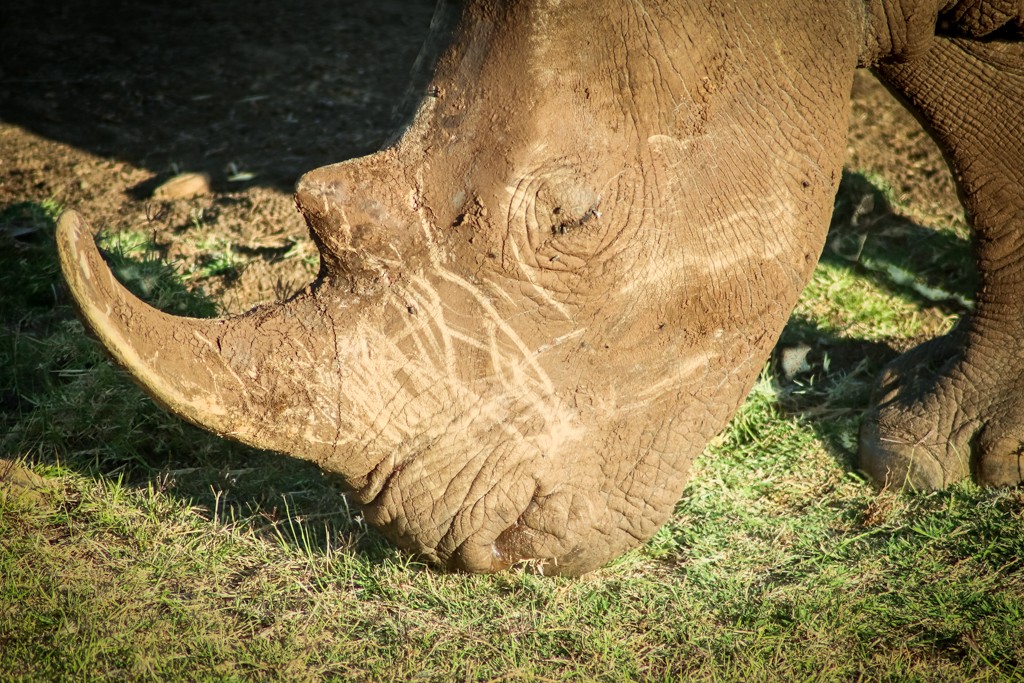
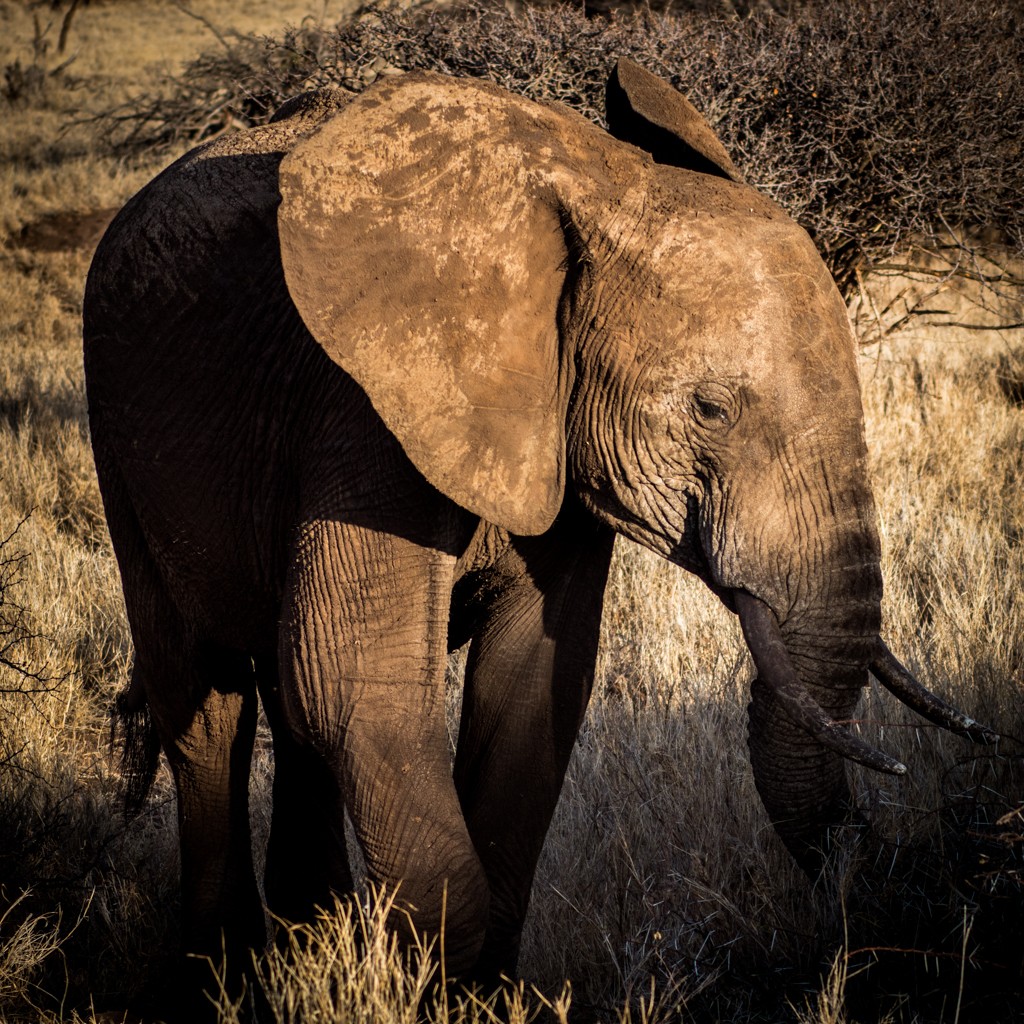
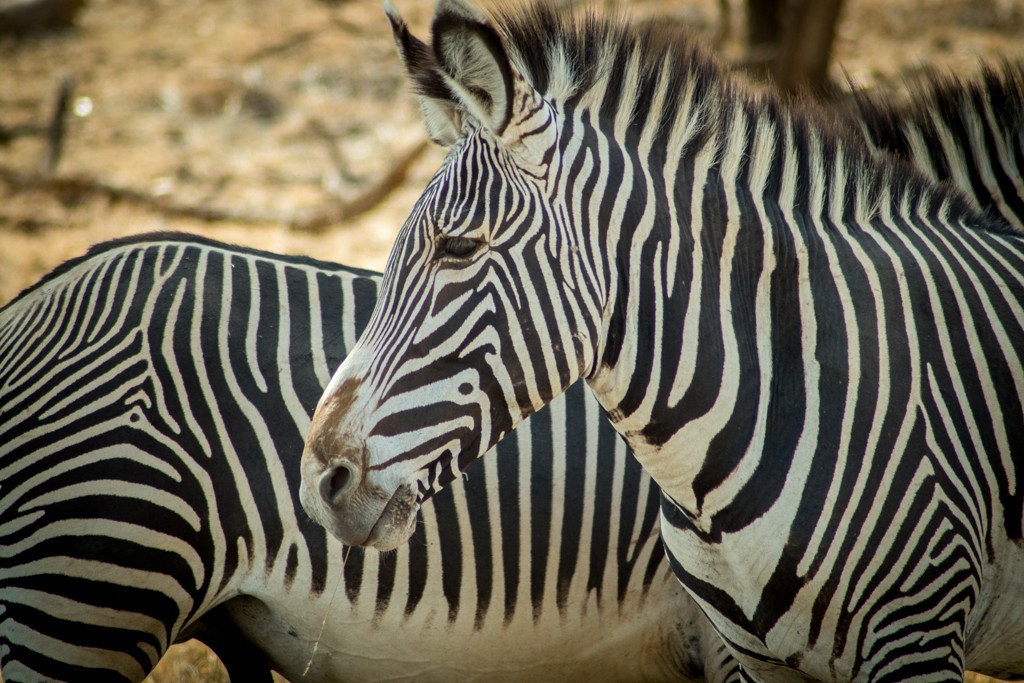
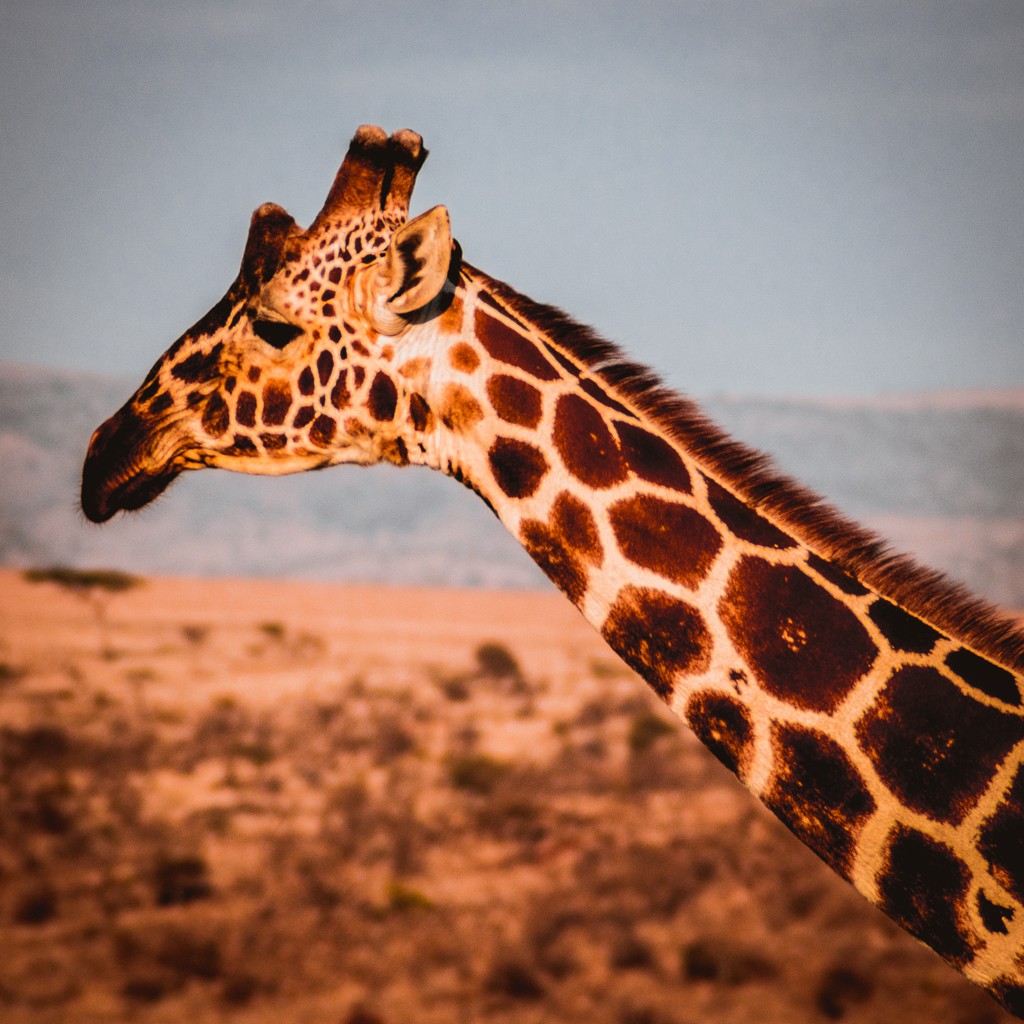
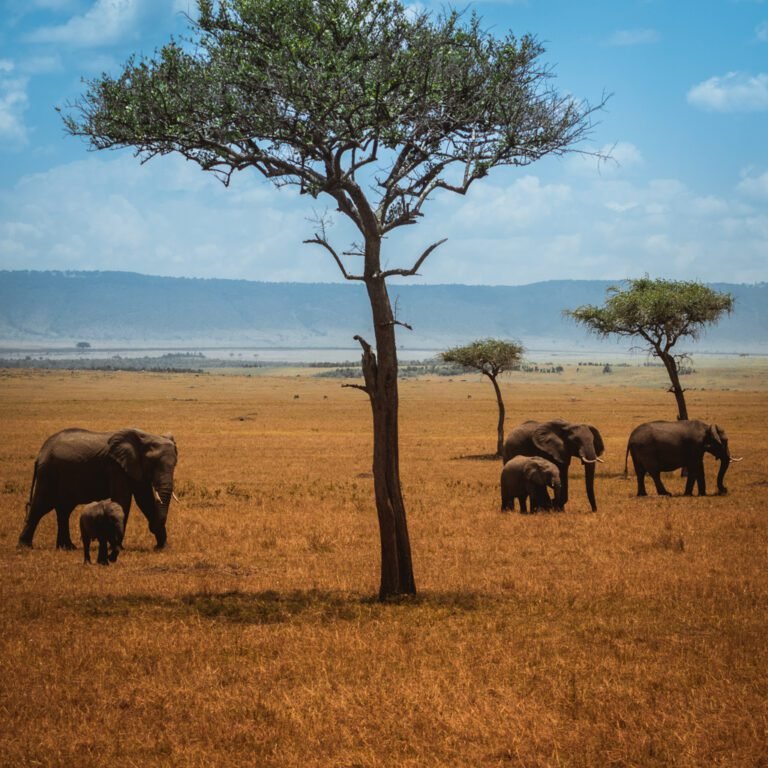
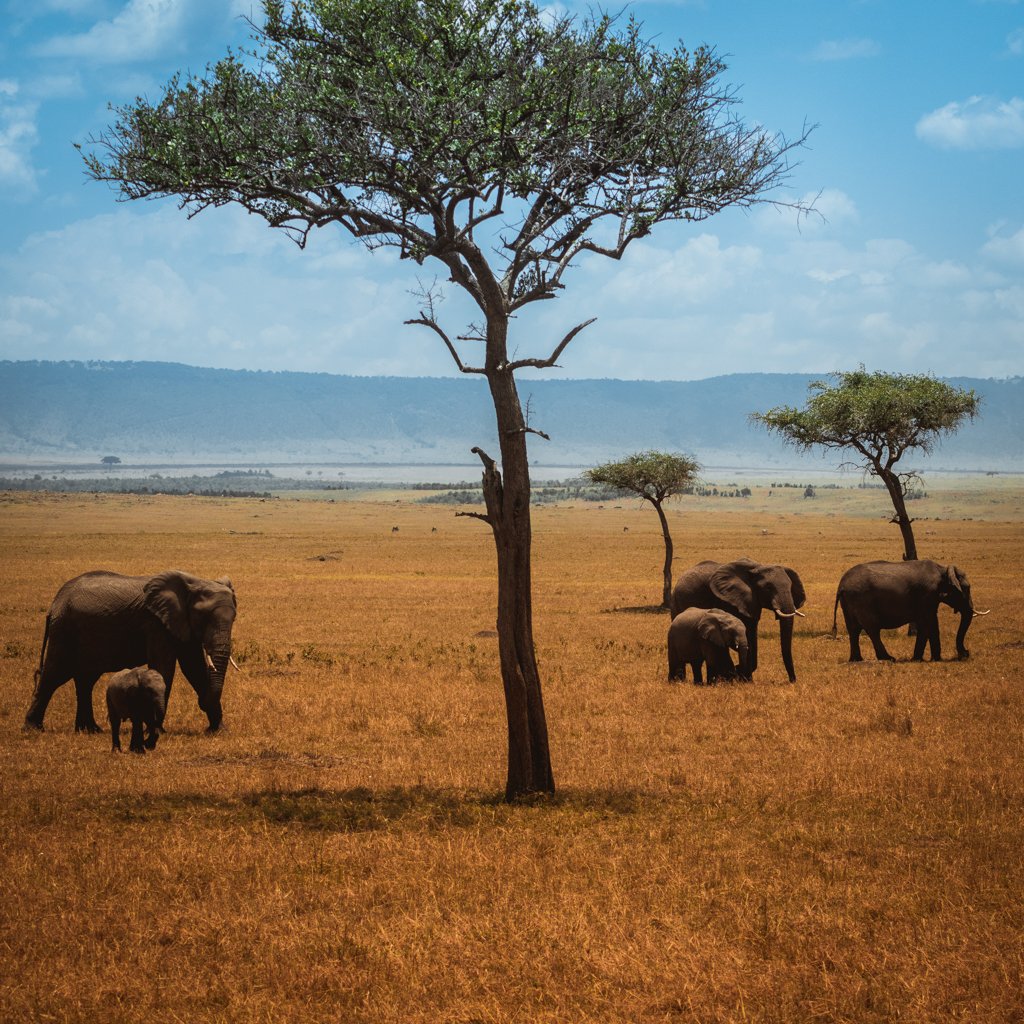
The drive from the Lewa airstrip to Lewa House takes about 20 minutes. It took us slightly longer because our professional tracker merged the transfer with a brief game drive. Remarkably, within 30 minutes of landing, we had already spotted a wild herd of African elephants, endangered Grevy’s zebras, reticulated giraffes, and three black rhinoceroses!

2. Simple, Elegant Safari Accommodations
Lewa House stands as one of the oldest and most sophisticated boutique lodges in the area. Surrounded by vast savannah landscapes facing the Northern foothills of Mount Kenya, the property boasts unparalleled views while guaranteeing guests an intimate wildlife experience.
The Main Lounge Area
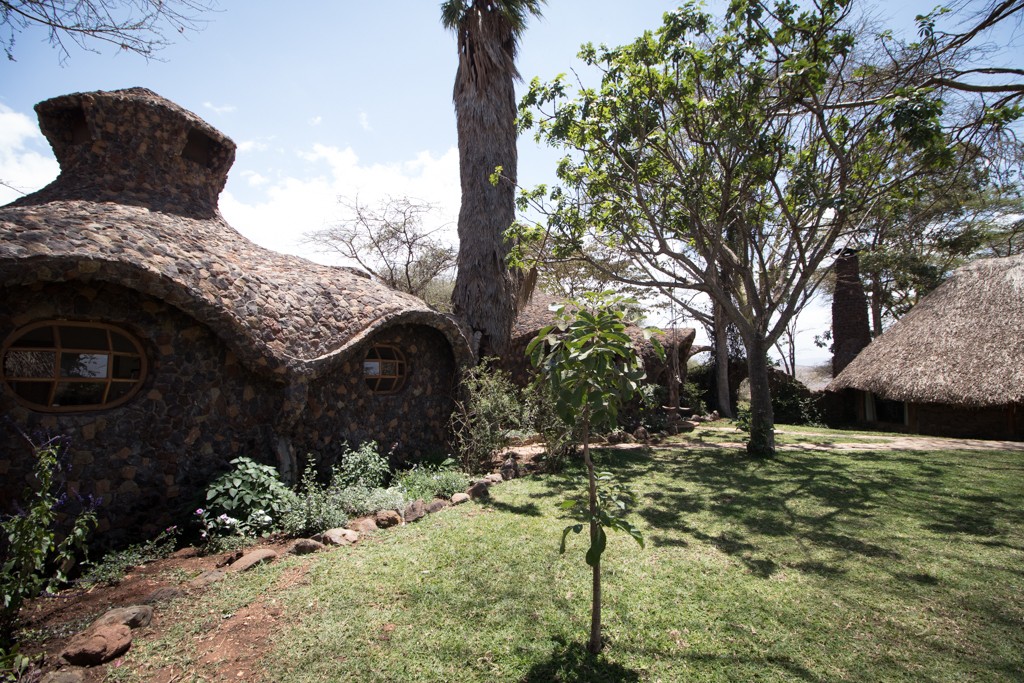
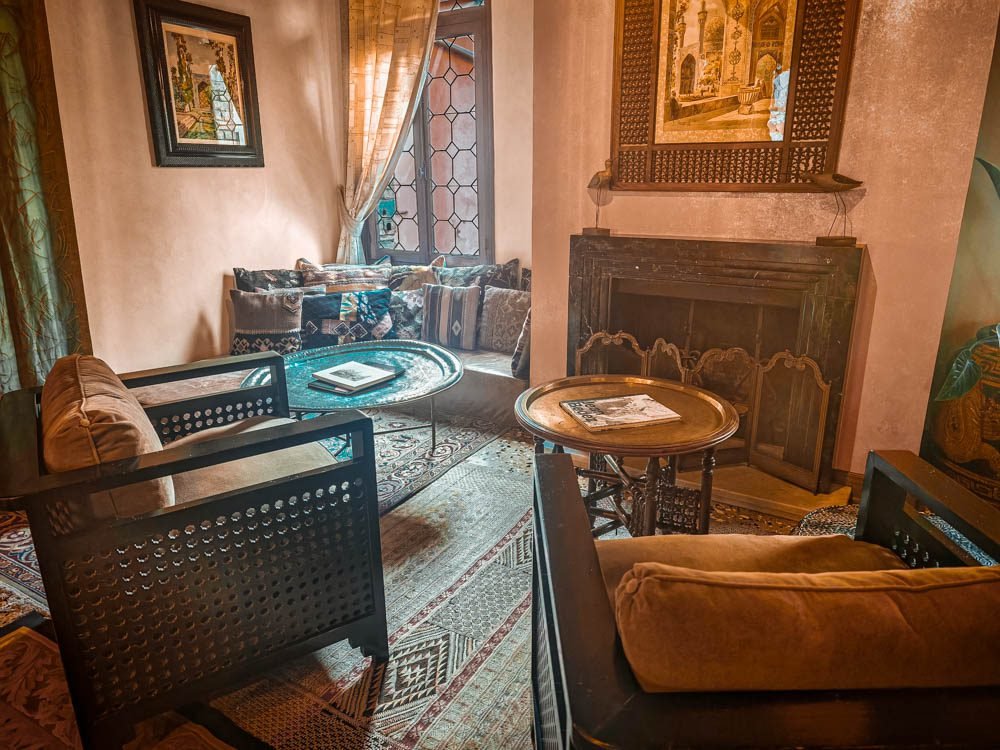
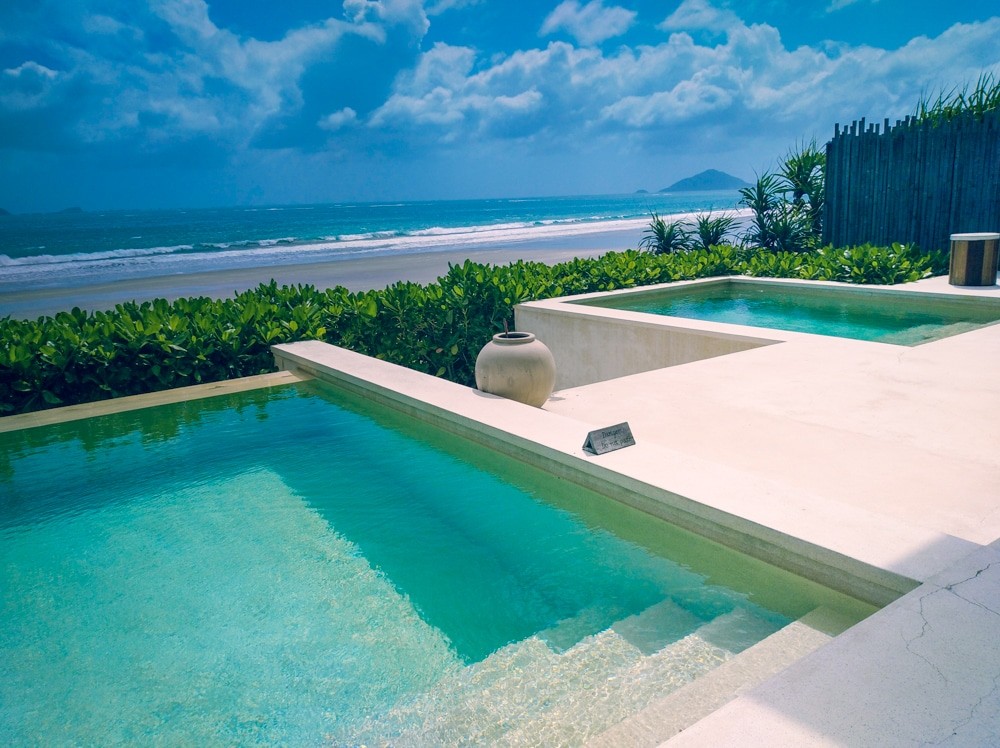
The camp revolves around a classic thatched main house, which integrates the main dining hall, a relaxing lounge, and a landscaped garden featuring a refreshing swimming pool.
The massive open stone fireplace inside the main house serves as a charming evening hub to enjoy pre-dinner sundowners. High-altitude nights in Isiolo get surprisingly chilly, making fireside gatherings a special social highlight to exchange safari stories with fellow travelers.
Private Cottages and Family Villas
The individual rooms are spaced widely across the property inside standalone cottages. Built utilizing traditional eco-conscious architectural methods, they feature rough-hewn native stone walls and thick thatched roofs.
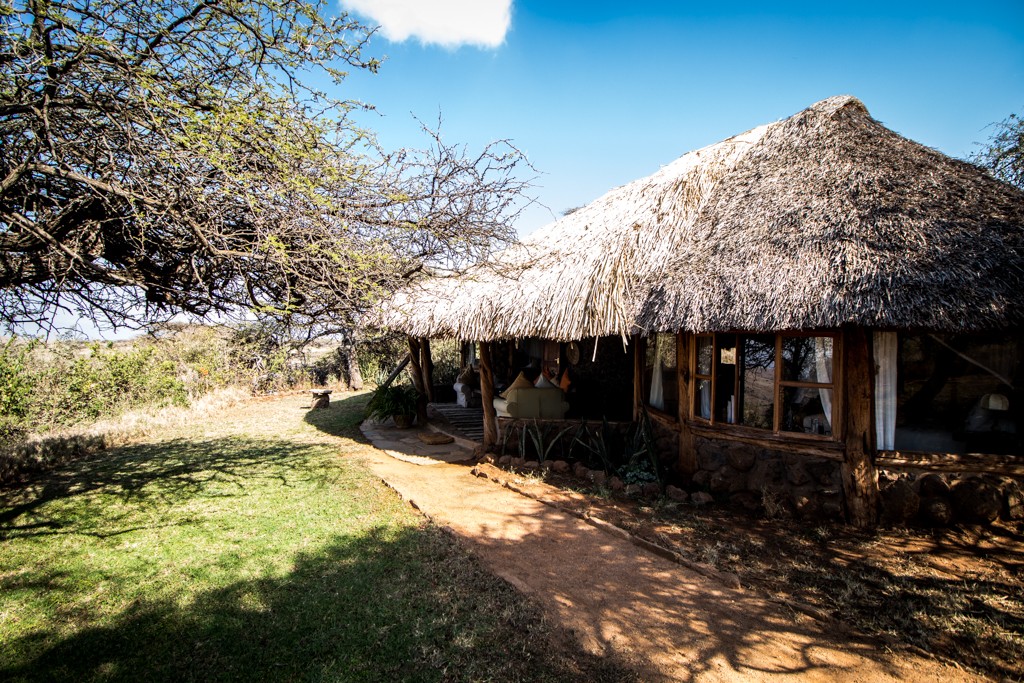
We stayed in a spacious family cottage. It provided an exceptional setup for two people traveling together, but it is equally optimized for a family of four. The layout features a master double bedroom and an adjacent twin room, both fully equipped with private en-suite bathrooms.
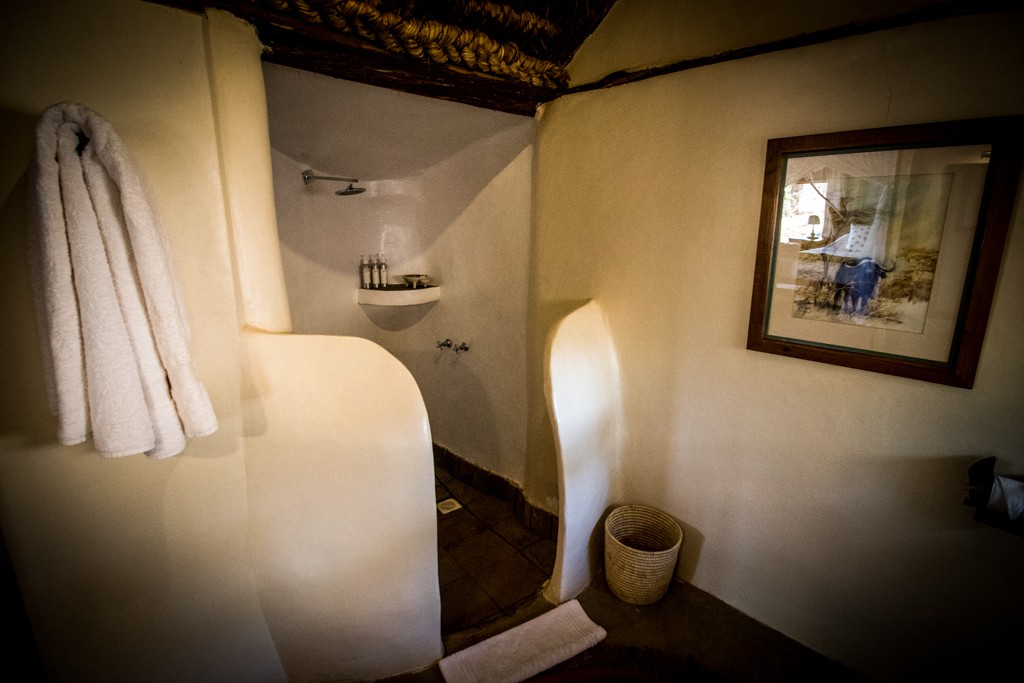
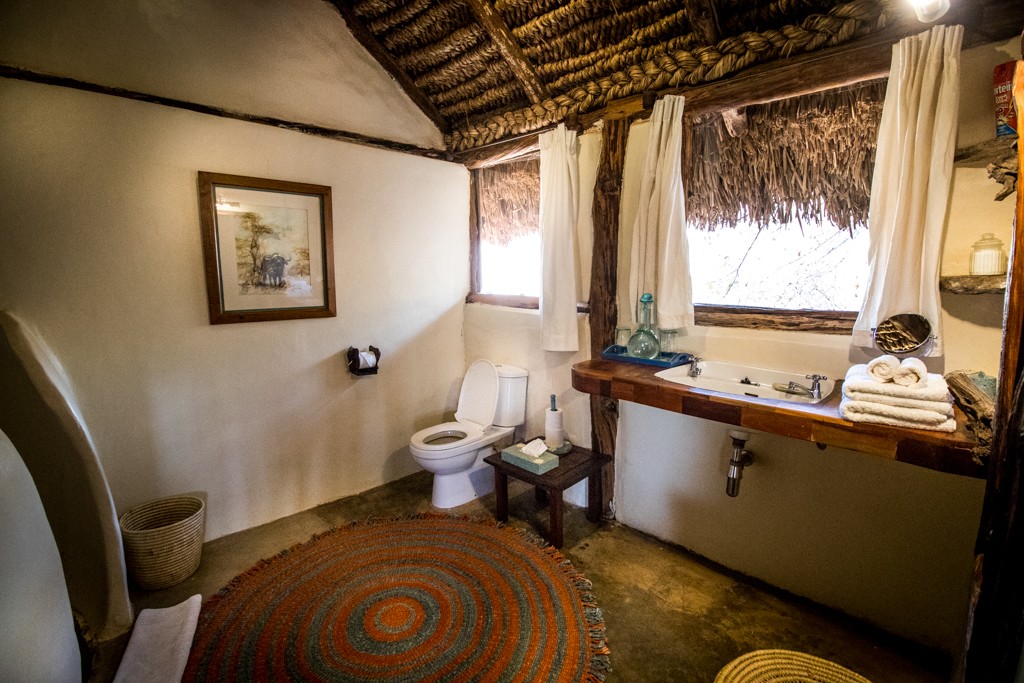
The beds are incredibly comfortable and draped with protective mosquito netting. The custom furniture feels organic, crafted entirely from regional timber and stone. The attention to detail is evident across every corner.
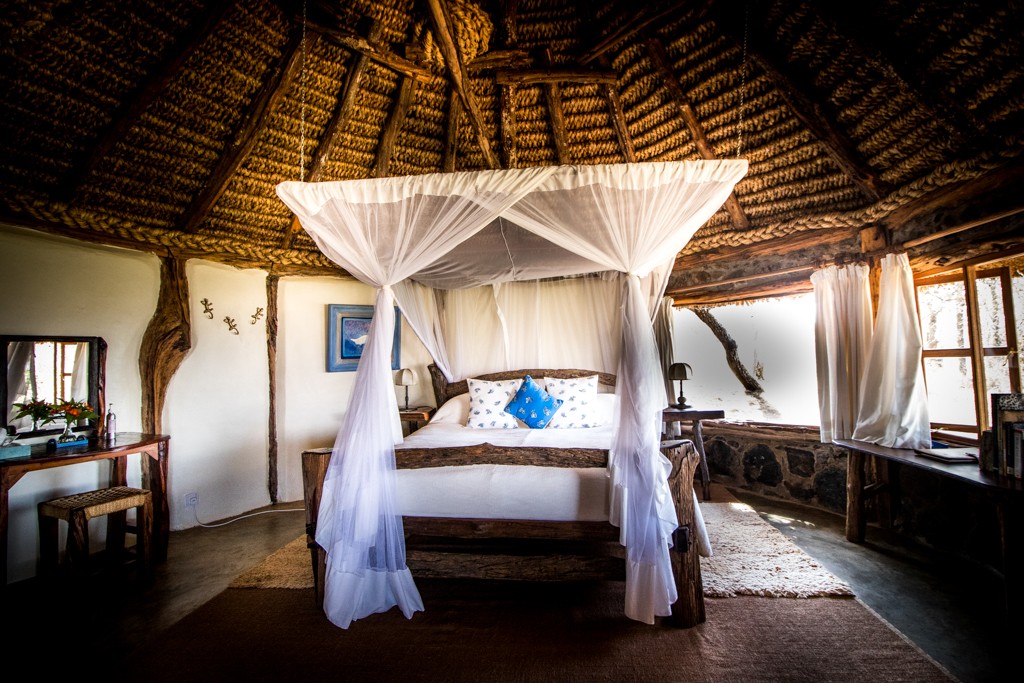
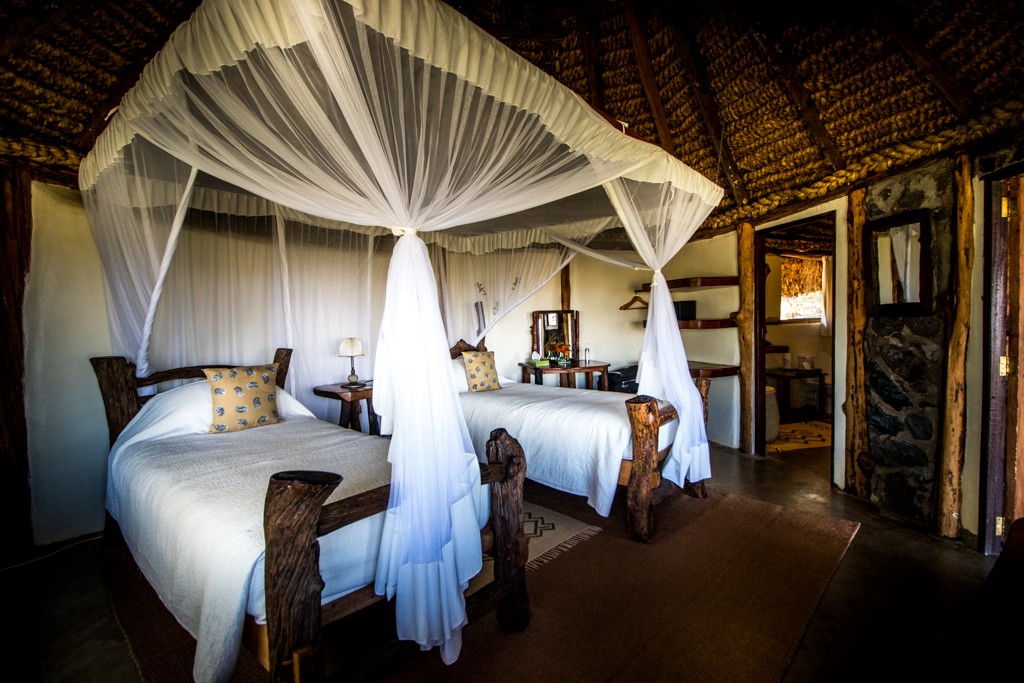
Complimentary daily laundry service is included for all guests, boasting a quick turnaround of under 24 hours. Outside, a wide shaded verandah offers a peaceful vantage point to admire the Kenya plains.
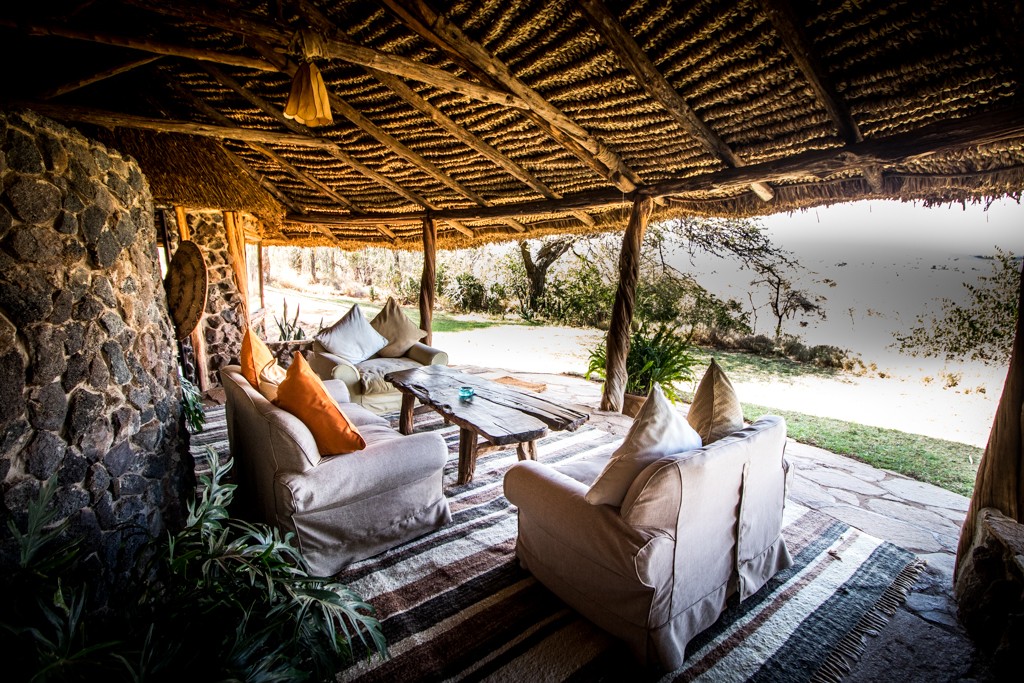
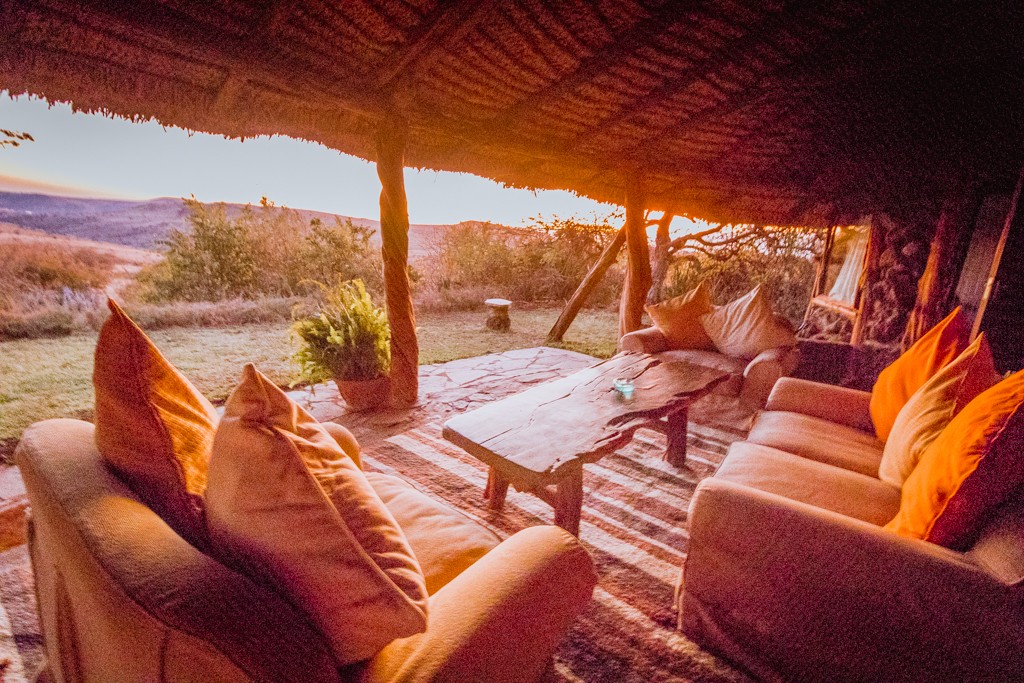

The property grounds are enclosed within a discreet electric fence to keep larger predators away. However, the management still arranges staff escorts to guide you to your room at night. This precaution proved necessary during our stay when a rogue elephant managed to cross over to feast on vegetation near the organic garden!
Sustainability Practices
Environmental preservation sits at the core of Lewa House. The camp uses local sustainable building materials, utilizes smart rainwater harvesting, and runs entirely on solar power panels for heating and electricity. Food waste is strictly composted, and single-use plastics are non-existent. Guests are given custom reusable metal flasks for game drives.
Connectivity
High-speed wireless internet access is available throughout the main central lounge area, while the private cottages remain blissfully disconnected to preserve the wilderness experience.
3. Fresh, Farm-to-Table Dining
The lodge harvests daily from an organic vegetable and herb garden. The master chefs craft sophisticated menus that fuse traditional European recipes, vibrant Kenyan flavors, and Asian culinary profiles.
Meals are served family-style in a dining area with distinct classic British aesthetic accents. This creates an inviting atmosphere where hosts and visitors assemble around a long dining table to discuss the day’s wildlife tracks.
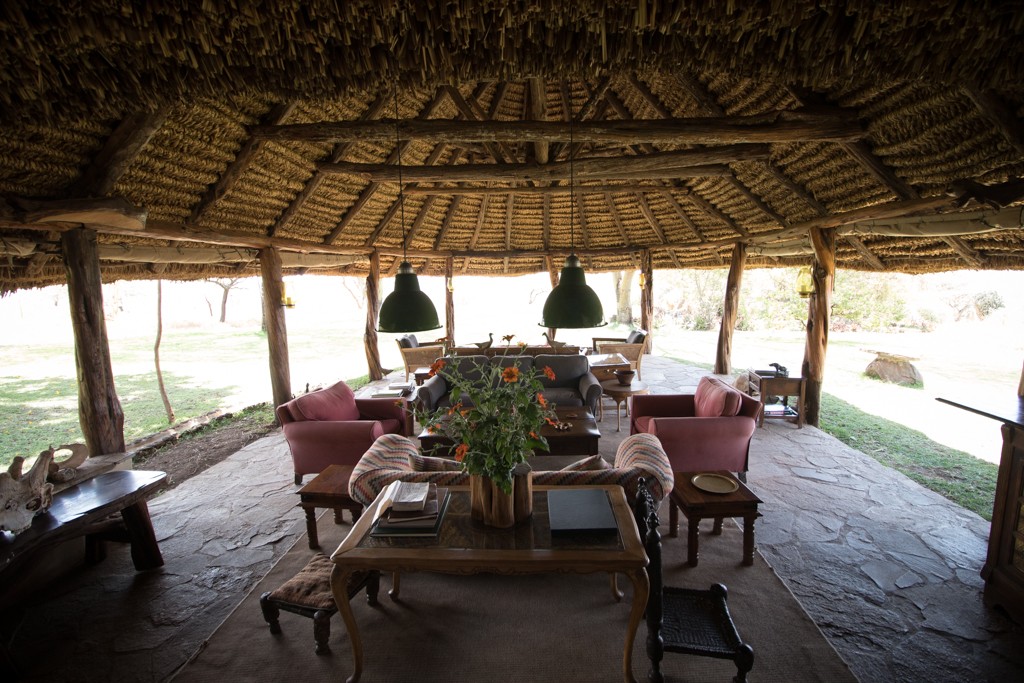
Standard lunches and dinners feature a structured three-course layout. The culinary team is exceptionally accommodating with dietary constraints, customizing dishes seamlessly. Breakfast is served buffet-style out on the manicured garden lawns, offering unhindered lines of sight to nearby active watering holes frequented by zebra and elephant herds.
4. Exclusive and Uncrowded Game Drives
Because the lodge is set inside a private wildlife conservancy rather than a public national park, tourist vehicle numbers are strictly regulated, and off-road tracking and night game drives are fully permitted.
We embarked on specialized tracking drives every morning and late afternoon. Our expert safari guide, David, possessed phenomenal tracking instincts. The area is a sanctuary for large apex predators, black and white rhinos, and massive prides of lions.
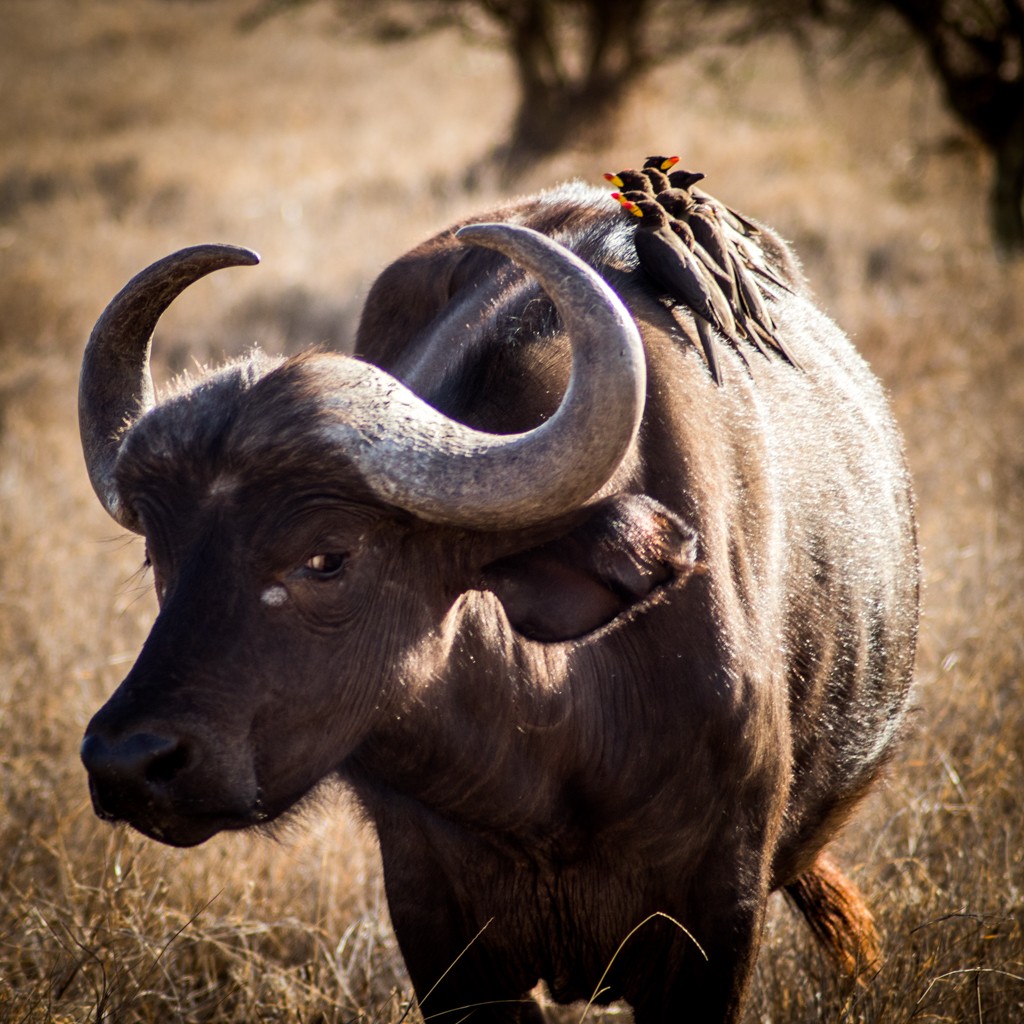
The camp utilizes modified open-top Land Rovers outfitted with 3 seating rows. While sharing the truck with another couple from England, tall passengers might find the middle legroom slightly restrictive. However, because our car was kept well under its maximum 6-person capacity, our experience remained highly comfortable.
Many high-end camps throughout Kenya now implement 3-row seating vehicle designs. If vehicle legroom is a high priority, always double-check vehicle specs prior to booking. For instance, Tangulia Mara camp in the Masai Mara utilizes spacious 2-row configurations.
The geographic topography here is spectacular, fluctuating dynamically between expansive salt marshes, craggy rocky cliffs, and seasonal freshwater creeks.
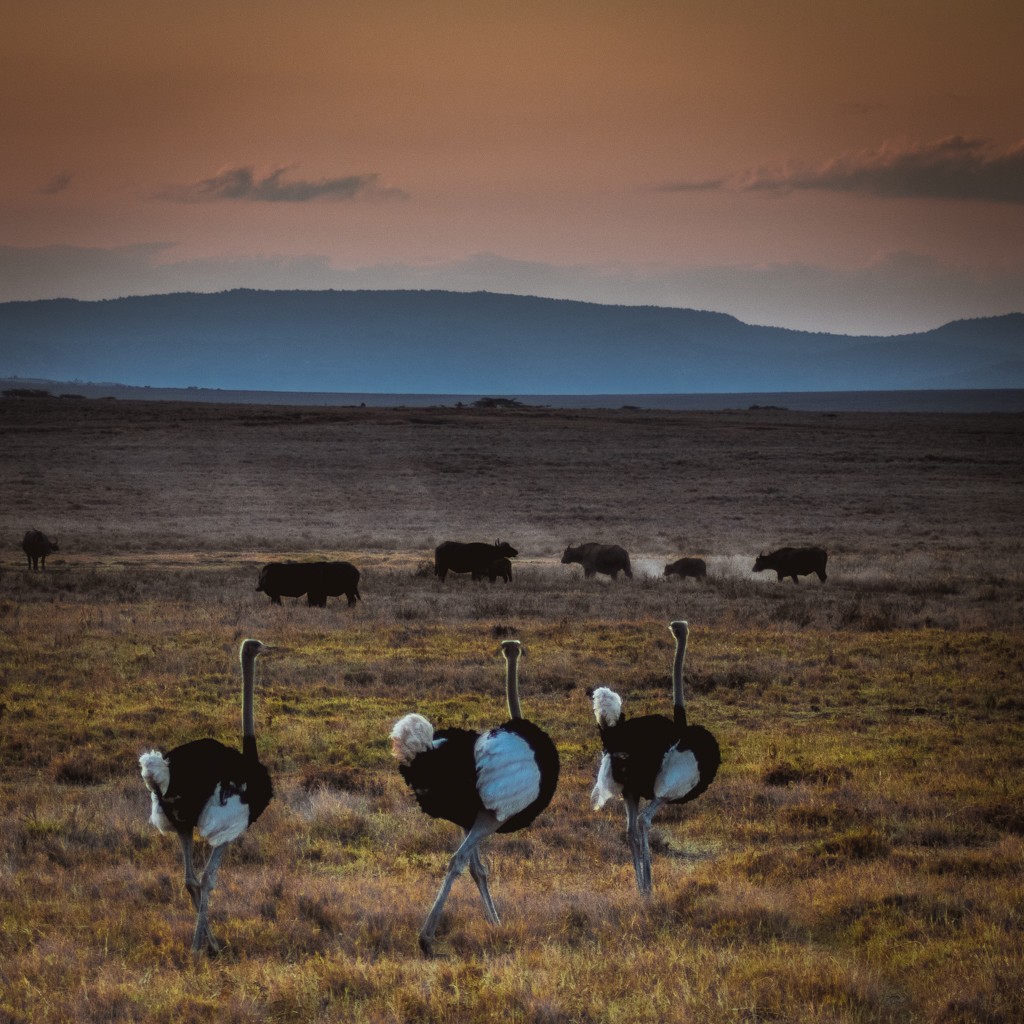
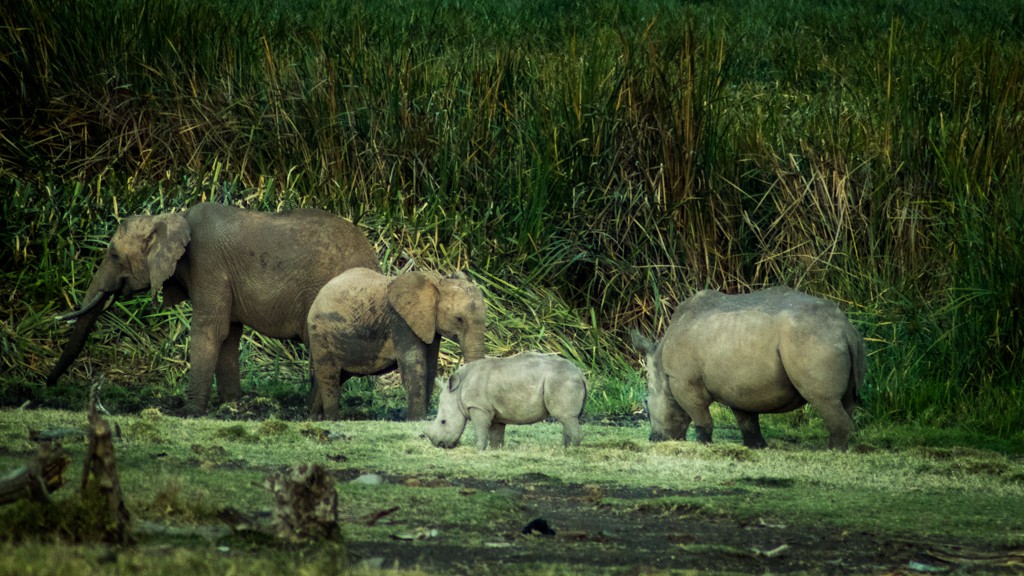
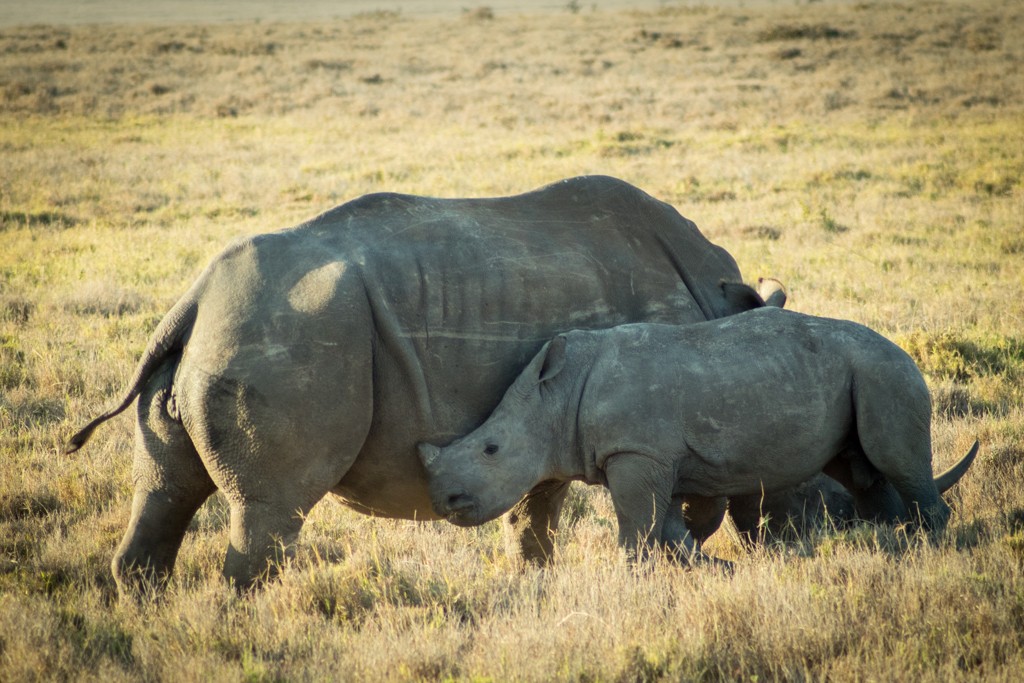
The density of rhinos here is so high that they quickly became a regular sight! A highlight of our trip was watching a juvenile elephant and a baby rhino trying to play together for 20 minutes under the watchful eyes of their protective parents.

Tracking Lions and Leopards
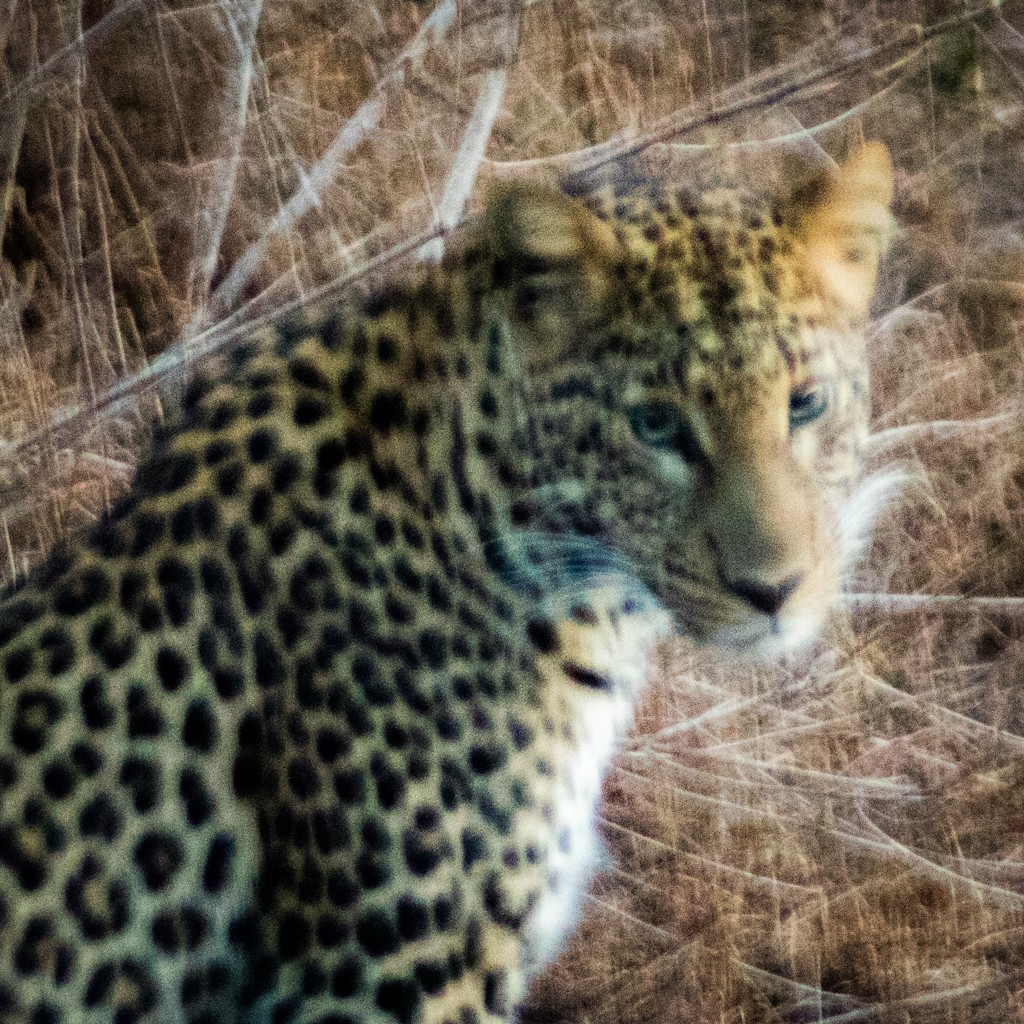
On our final evening drive, we tracked a lion pride by following their fresh paw prints. Just before sunset, our guide David received a radio tip from a conservancy ranger who had located a hidden leopard.
We took off on an exhilarating drive along the dirt paths to find it. The leopard walked right alongside our completely open truck. We watched him gracefully stalk prey into the thickets, accompanied by the loud, dramatic alarm calls of nearby impalas and a hyena lingering in the shadows. We celebrated this thrilling safari moment with sundowner drinks right from the safety of our vehicle.
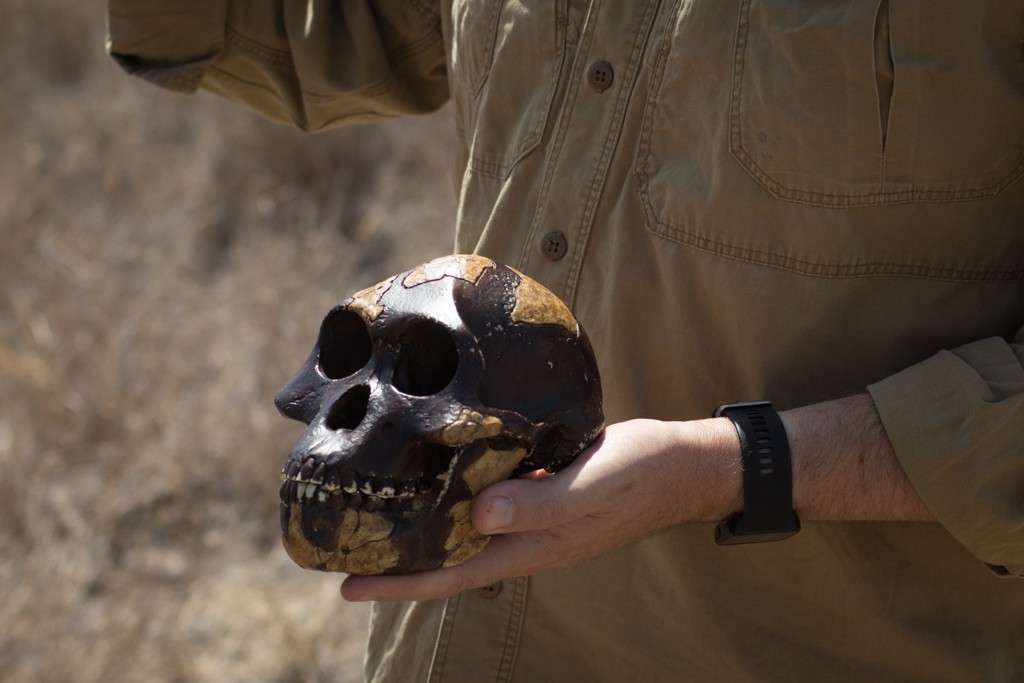
Beyond standard game drives, guests can join an archaeological tour led by Callum. The conservancy preserves some of East Africa’s most significant paleolithic tool-making sites outside of the Rift Valley, offering a fascinating look into early human history.
5. Backing Vital Wildlife Conservation Programs
Lewa is an officially designated UNESCO World Heritage site. A substantial portion of the mandatory park fees included in your accommodation costs goes directly toward funding the conservancy’s strict anti-poaching operations and community outreach programs.
The conservancy’s conservation efforts have yielded impressive results:
- Rhino Preservation: Lewa is home to roughly 14% of Kenya’s entire wild rhino population, celebrating zero poaching incidents for consecutive years.
- Grevy’s Zebra Protection: The property acts as a critical refuge for roughly 12% of the world’s remaining Grevy’s zebras, whose global populations were severely threatened by poaching in the late 1970s.
Conclusion
Lewa Conservancy is arguably the premier destination in Kenya for guaranteed, ethical rhino encounters. Lewa House provides an enchanting base, combining exceptional dining, private historic stone villas, and world-class hospitality. It is a true gem of a property that is incredibly hard to leave.
To plan your ultimate Kenyan itinerary, explore my luxury reviews of Ol Malo Lodge, The Emakoko in Nairobi, and Tangulia Mara Camp.
Disclosure: this article contains affiliate links. If you book through them, I earn a small commission at no extra cost to you. Read my full disclosure policy.




6 thoughts on “5 Things You Need to Know Before a Safari to Lewa Conservancy and Lewa House”
I couldn’t refrain from commenting. Very well written!