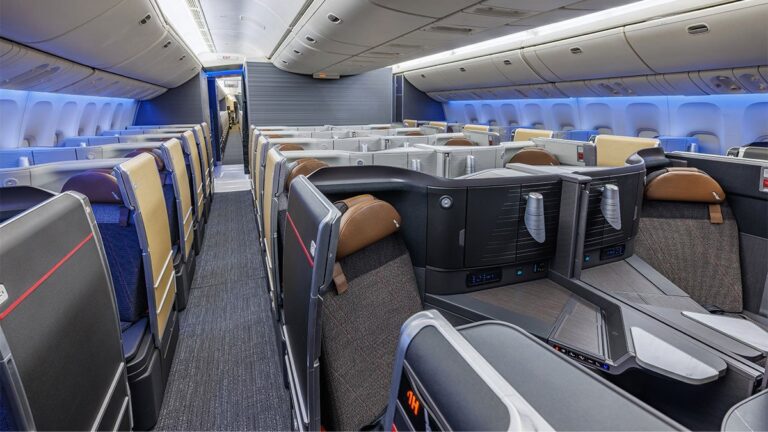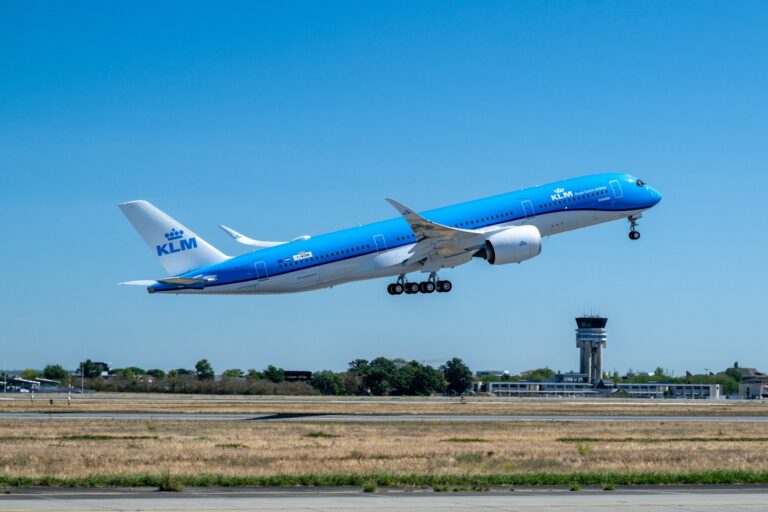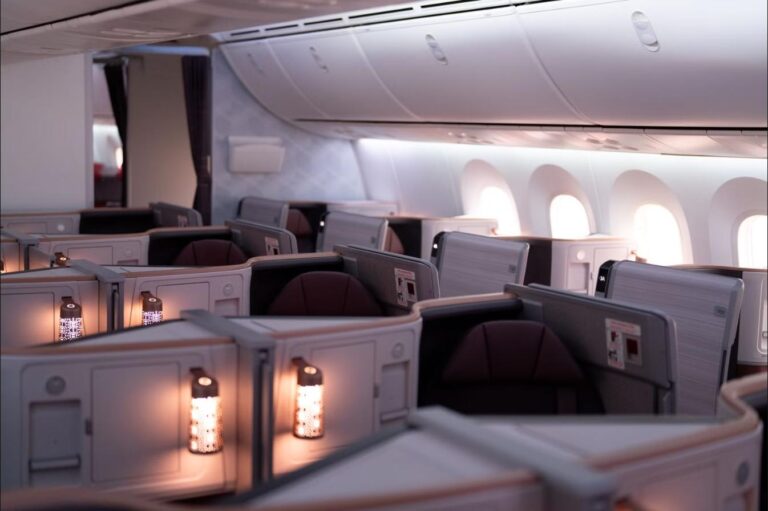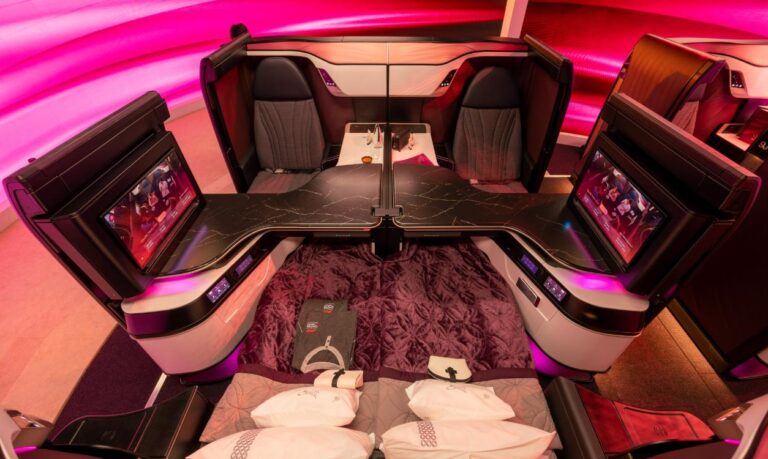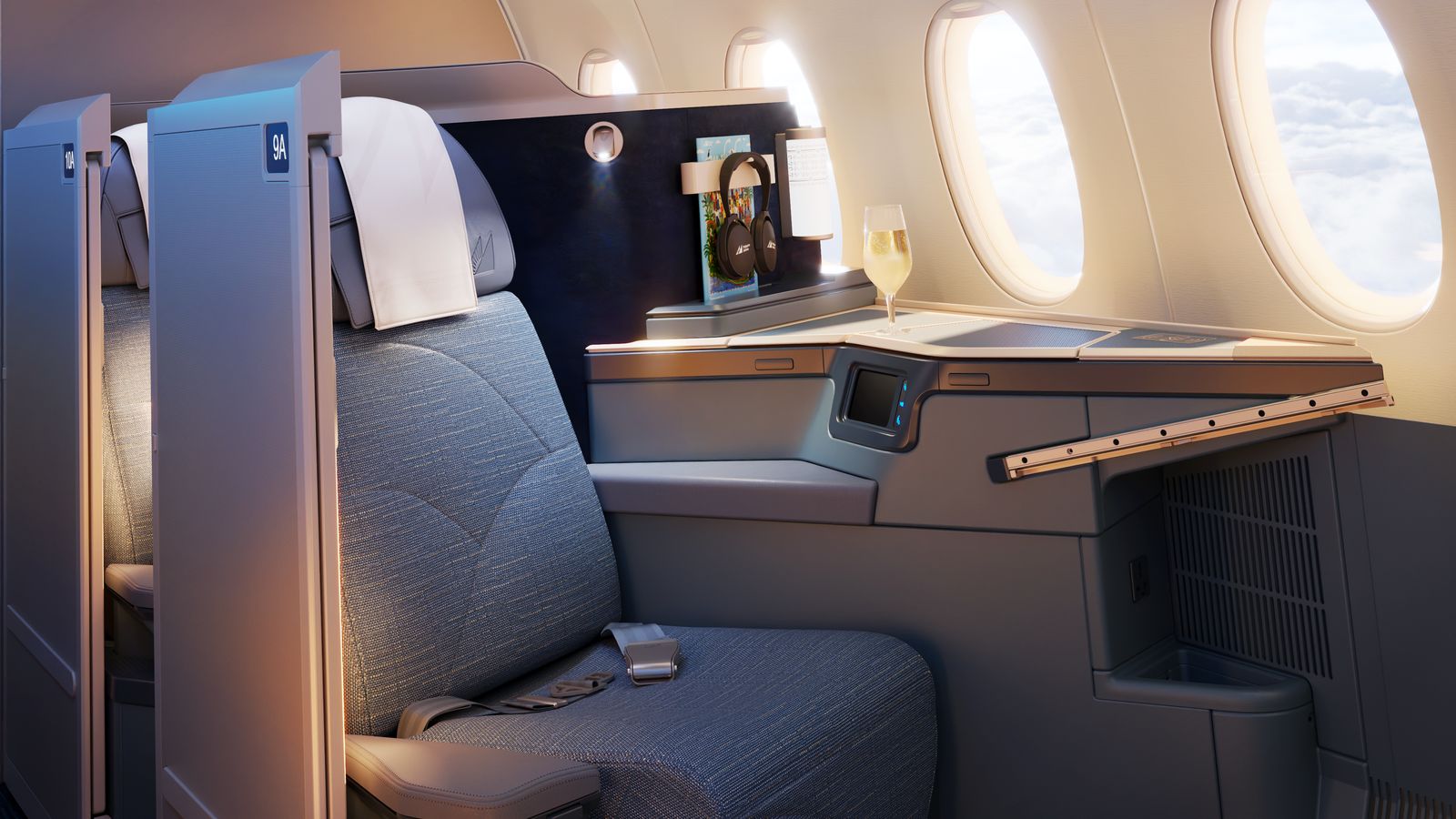
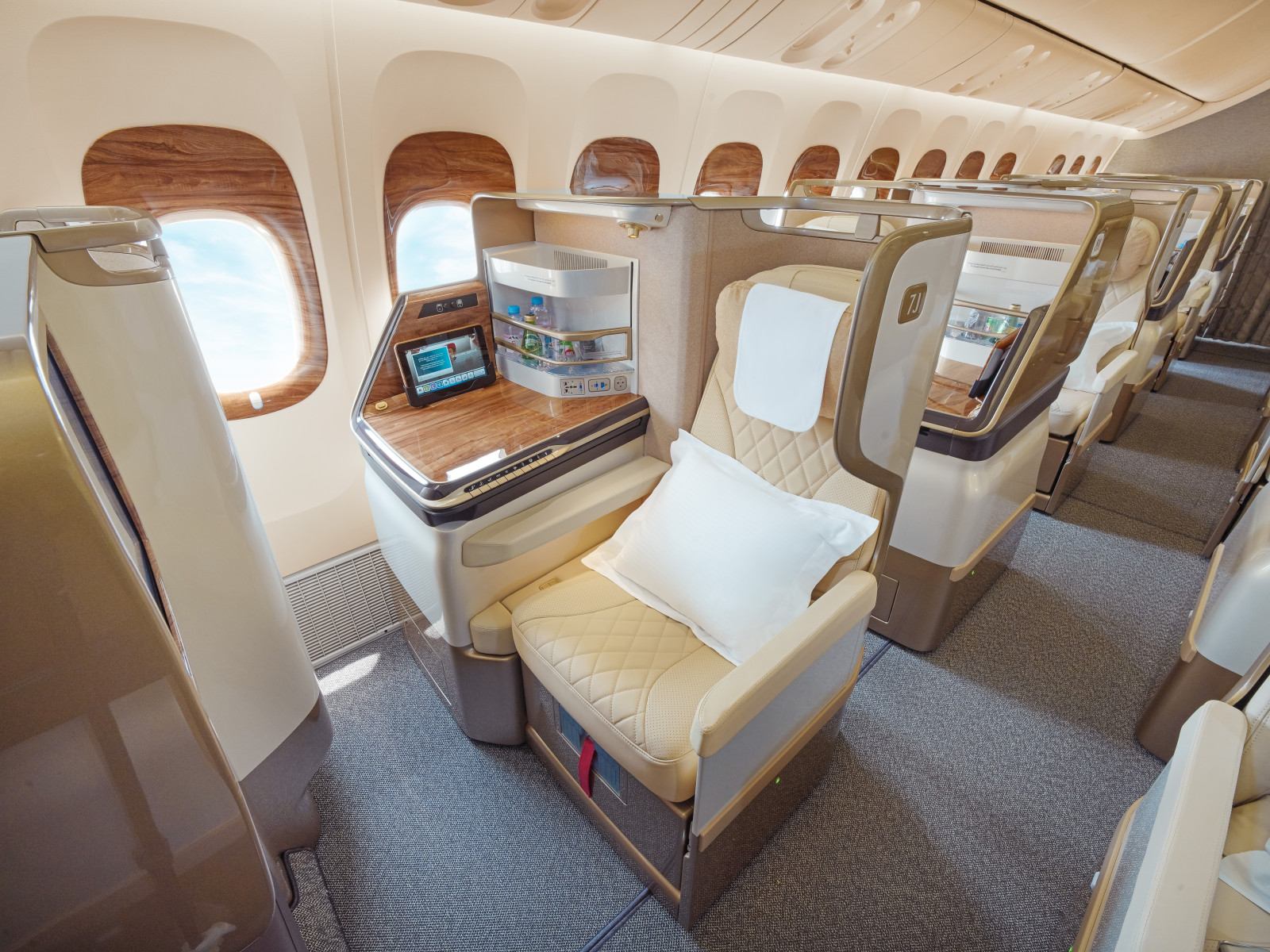
Emirates launched the largest cabin retrofit in aviation in November 2022 — 191 aircraft — and the reason it matters to anyone flying business through Dubai is a single number: 1-2-1. The airline’s Boeing 777s spent two decades with a 2-3-2 business cabin where a third of passengers had no aisle. The retrofitted four-class 777 replaces it with 40 business seats in 1-2-1, champagne leather to match the new A380, plus 24 Premium Economy seats and eight First Class suites with floor-to-ceiling doors.
In November 2025 Emirates announced phase two: 60 more A380s and 51 more 777s, with new onboard products, a next-generation entertainment system and Starlink Wi-Fi, starting from August 2026. Here are the facts, where the new 777 is flying, and how to tell which aircraft you have booked.
Emirates Retrofit: Key Facts
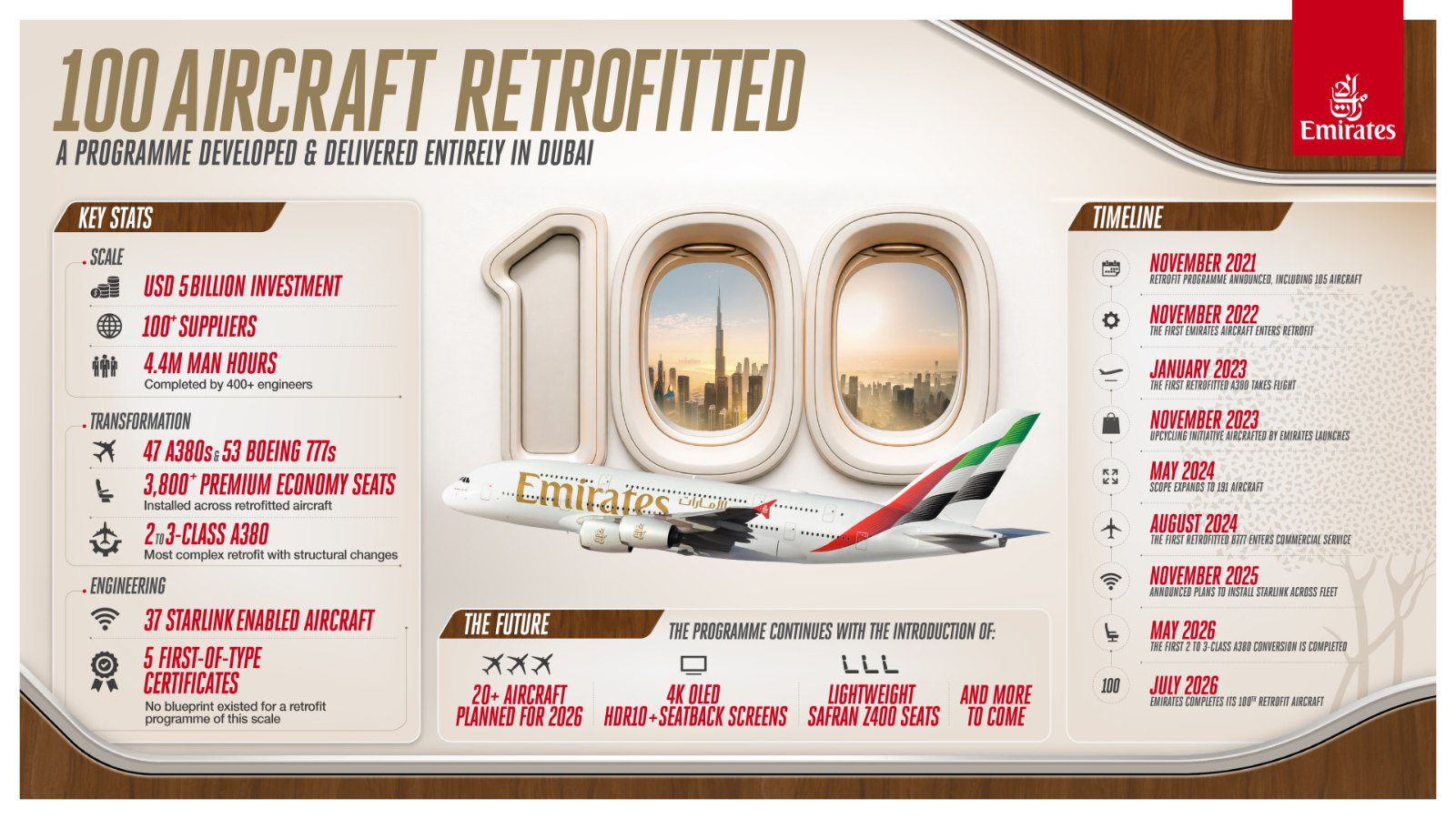
- Programme: launched November 2022 for 191 aircraft; phase two announced 18 November 2025 for a further 60 A380s and 51 Boeing 777s, from August 2026
- Retrofitted 777 layout: 332 seats — 8 First Class suites, 40 Business in 1-2-1, 24 Premium Economy, 260 Economy
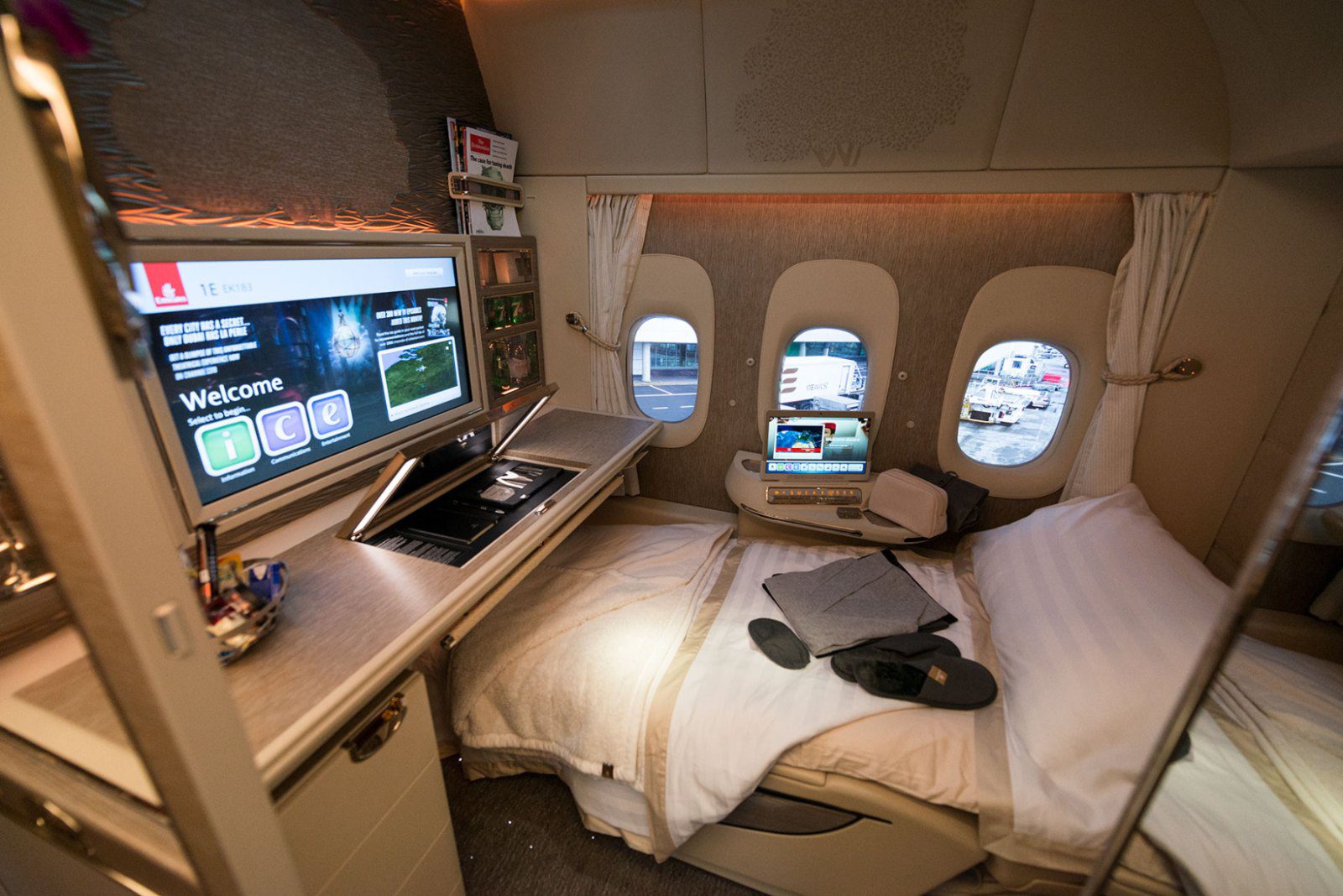
- Business: direct aisle access for every seat, champagne leather with detailed stitching and cushioned headrests, matching the latest A380
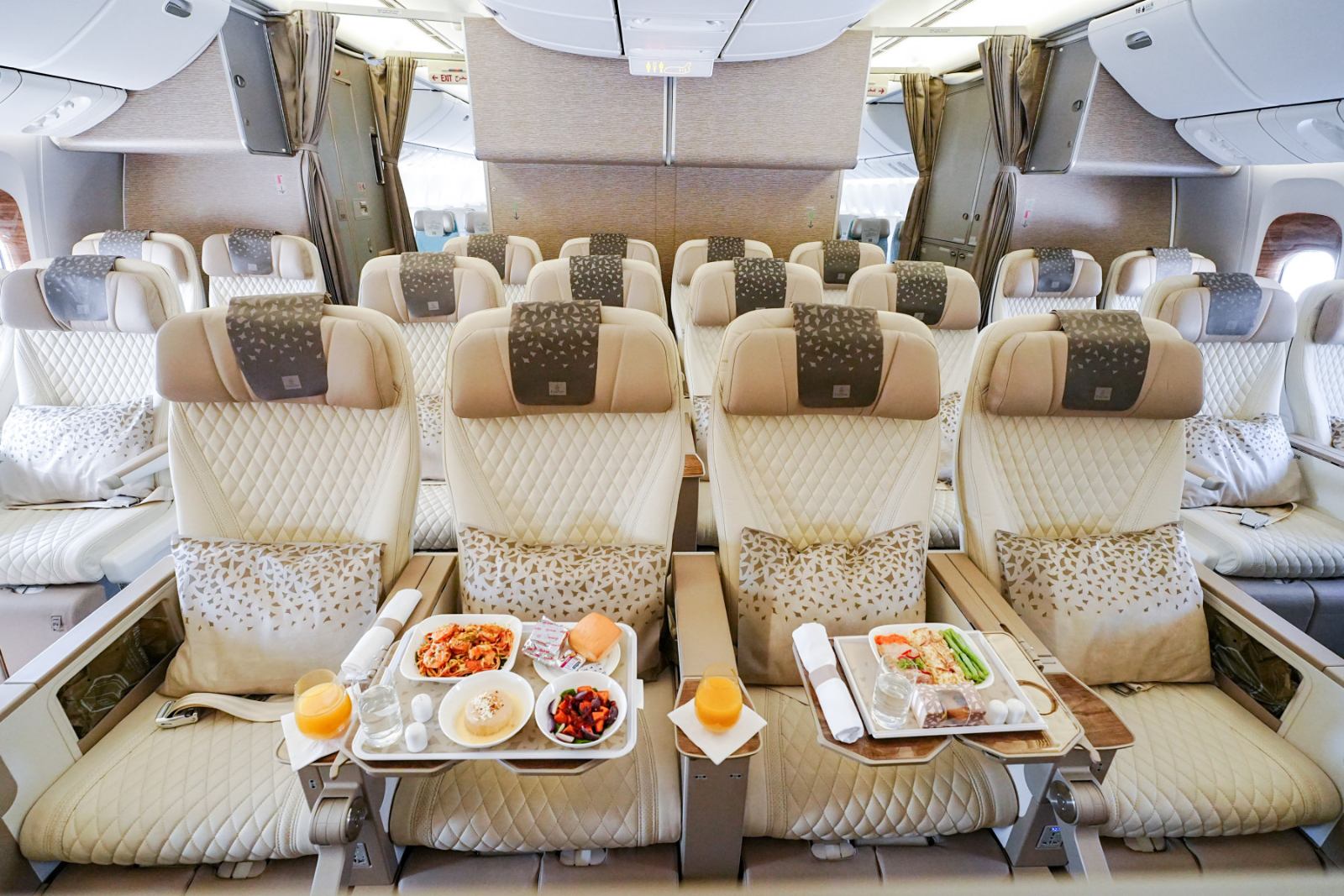
- Premium Economy: Recaro leather seats with deep recline, leg and footrests, wood-finished side table, 13.3-inch screen, in-seat charging, premium bedding and an exclusive sparkling wine (Chandon Vintage Brut 2017)
- Design: cream tones, textured bronze waves, Ghaf Tree motifs and wood finishes throughout, in the style of the 777 “Game Changer” aircraft
- Phase two adds: new onboard products, a fully immersive next-generation IFE system and upgraded Wi-Fi with Starlink
- Recent 777 deployments: Dubai–Beirut EK953/954 from 6 January 2026; Dubai–Beijing EK306/307 from 1 February 2026 (fourth mainland Chinese city after Shanghai, Guangzhou and Shenzhen)
- Fares: not published; see below
The End of the Middle Seat
The old Emirates 777 business cabin was the airline’s weak point: flat beds, but in a 2-3-2 that put a passenger in the middle of the centre block and left window passengers climbing over their neighbour. The retrofit rebuilds the cabin as 40 seats in 1-2-1, each in champagne-coloured leather, with the privacy and aisle access that Qatar’s Qsuite made the regional standard years ago. First Class, eight suites, gets the zero-gravity seats and floor-to-ceiling doors of the Game Changer 777.
The other half of the story is Premium Economy, a cabin Emirates did not have before 2022 and now describes as its best-received product: 24 Recaro seats with real legrests, a wood side table and a 13.3-inch screen, sold as a business-lite experience at a fraction of the fare. On short sectors like Beirut it changes the value calculation for readers who would otherwise buy business for the seat alone.
Which Aircraft You Will Get
Emirates deploys the retrofitted 777s route by route and announces them as it goes — Beirut from 6 January 2026, Beijing from 1 February, with Shanghai, Guangzhou and Shenzhen, Sydney, Melbourne, New York and Los Angeles already on retrofitted 777s or A380s. On any Emirates 777 booking the tell is the seat map: 1-2-1 with ten rows of business and a Premium Economy cabin behind it means the new aircraft; 2-3-2 with no Premium Economy means the old one, and there are still plenty flying. For Europe–Australia trips there is now a oneworld option via Bangkok too: Finnair’s daily Melbourne flight in the AirLounge seat.
Phase two starts to matter from August 2026: 111 aircraft — 60 A380s and 51 777s — receive not just the current cabins but new products, next-generation IFE and Starlink. Emirates has not yet detailed the new seats beyond that. In its 14 September 2026 winter update the airline said 104 aircraft had been retrofitted so far and Premium Economy now sells on 137, named the industry’s first Premium Economy seat with privacy dividers and the new U-dream headrest among this year’s product launches, and confirmed retrofitted 777s for Stockholm in October and Frankfurt in November.
Tip: look for Premium Economy on the booking page. If it is offered on your 777 flight, the whole aircraft has been retrofitted and business is 1-2-1.
Emirates’ neighbours are not standing still either: Etihad now flies an enclosed First Class suite on a single-aisle A321LR, and Riyadh Air’s business class has entered service.
The retrofit is only half the story: Emirates is also rebuilding its lounges and sending the refitted A380 to Paris, which I cover in Emirates’ new lounges and the A380 to Paris.
The Old 777, First-Hand
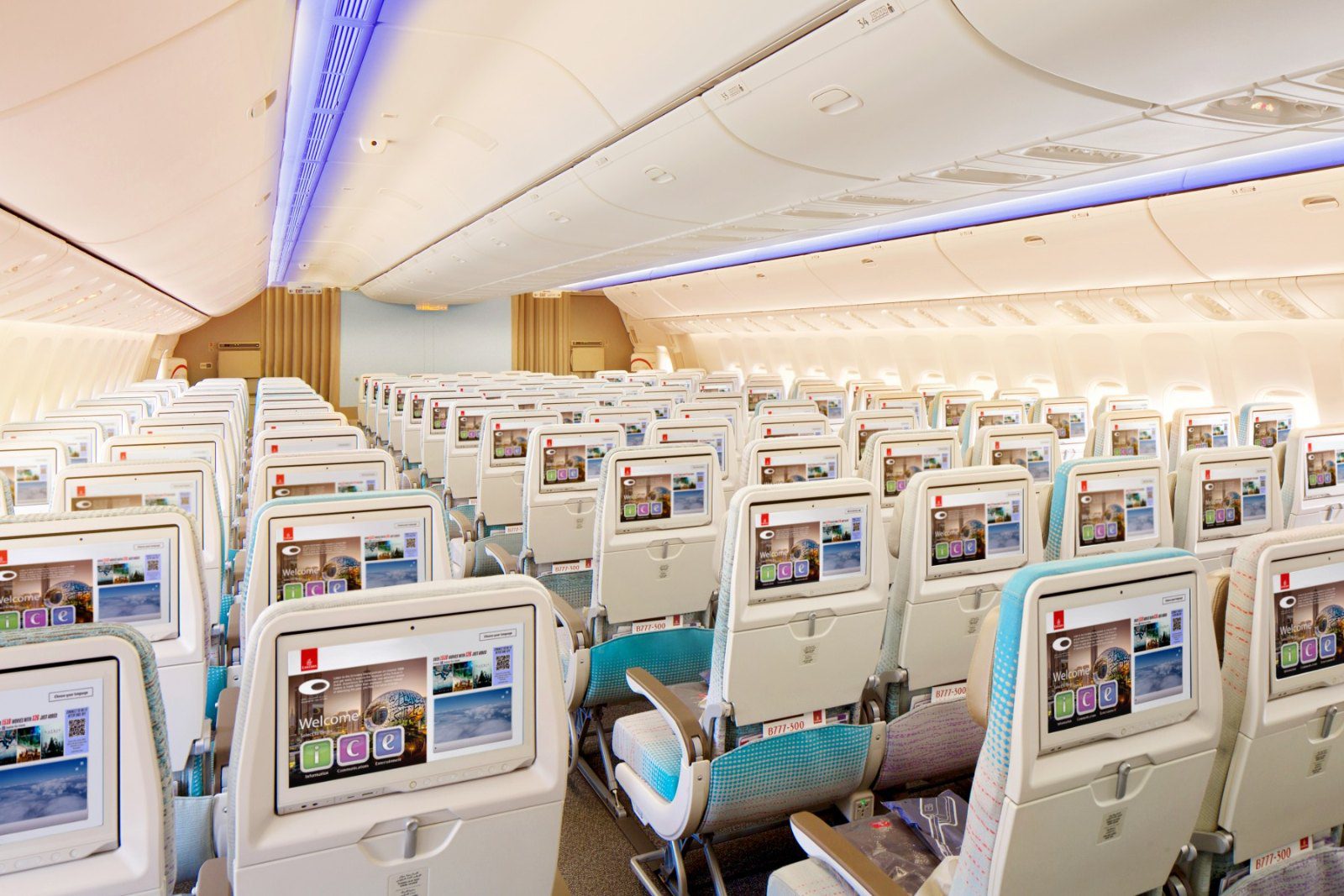
I know exactly what the retrofit replaces. On Emirates from Malé to Dubai I flew an older Boeing 777-300 in business: a very comfortable seat, wood panelling with gold and beige tones, a friendly crew who greeted me by name — and an entertainment system that had aged, with a large screen that was not touch-sensitive and a button remote from another era. That is the aircraft the 1-2-1 cabin, the new IFE and Starlink are built to retire. The seat was never the problem; the cabin around it was, and on Etihad’s 787 next door I have seen how much a modern 1-2-1 changes a Gulf flight.
How Much Does It Cost?
Emirates does not charge a published premium for the retrofitted 777 over the old one; fares on a given route are the same whichever aircraft operates, which is why the seat map matters more than the price. Premium Economy is the new middle option, typically sold well below business on the routes that have it. I compare the same dates on the platforms below.
Flight prices do move between platforms. The same business class seat on the same date is not always the same price on the airline’s own site, Trip.com and Expedia: point-of-sale currency, consolidator fares and what is bundled into the ticket can shift the fare by a few percent — and occasionally by much more on premium cabins booked out of Asia. So before I pay I run the same dates through Aviasales, which scans dozens of agencies at once and will tell you if a nearby date is cheaper, then check Trip.com (often the sharpest on Asian routes) and Expedia (strongest when you add a hotel to the same booking). One caveat: a ticket bought through a booking site is changed or refunded through that site, not the airline, so read the fare rules before you buy. I keep the full comparison routine — which platform I check for what — on my travel resources page.
Same fare, different aircraft — on Emirates’ 777 the retrofit is the upgrade, and the seat map is how you claim it. Air India is running a similar retrofit programme, where the new business class is finally flying on a handful of routes.
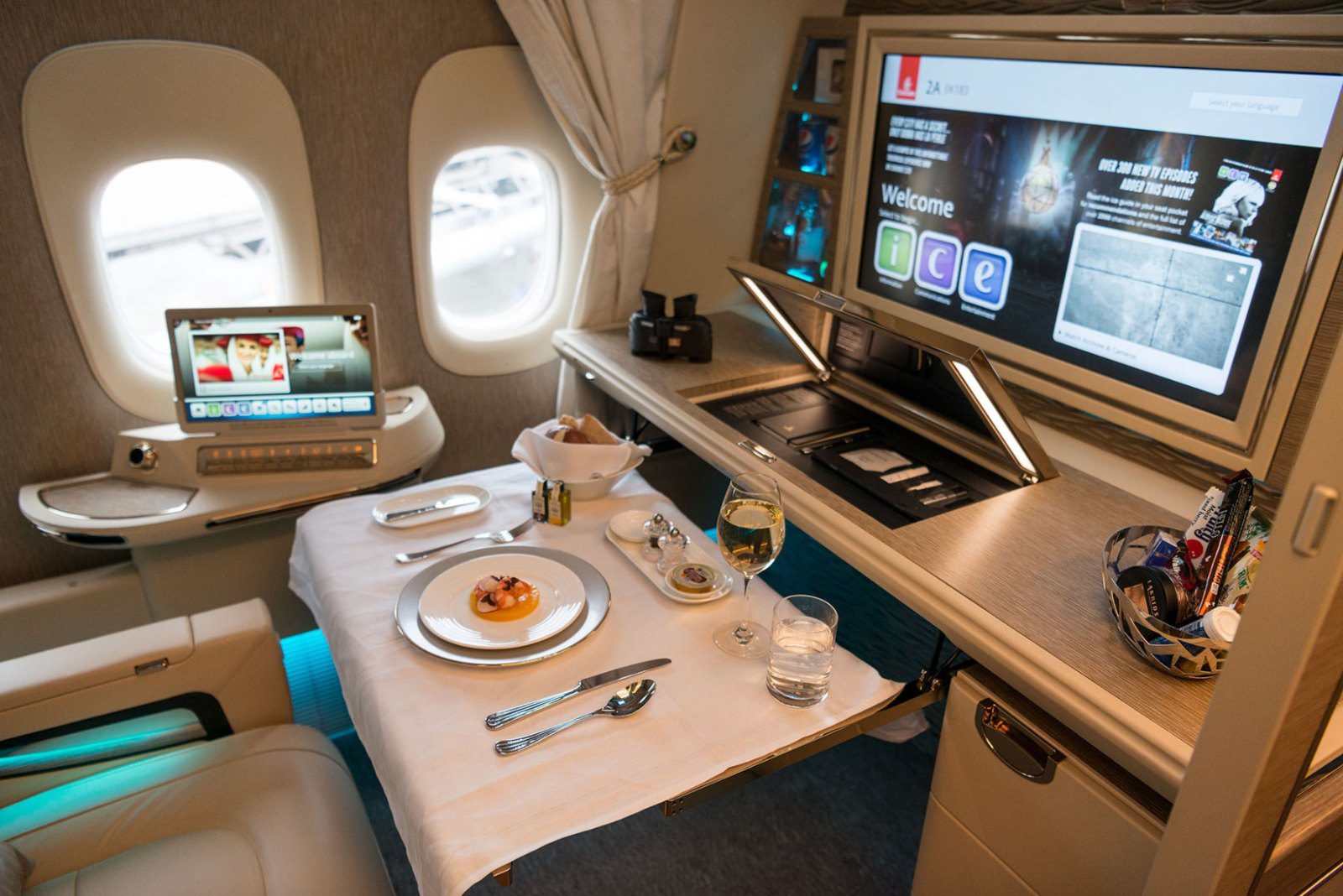
Photos © Emirates
This preview is based on official announcements — I haven’t flown the retrofitted Emirates 777 yet. Read more about how I review or visit my Work With Me page.
Disclosure: this article contains affiliate links. If you book through them, I earn a small commission at no extra cost to you. Read my full disclosure policy.