
diving is famous because of Coco islands, but few people have heard of Bat island and Catalina in the Santa Rosa national park. I had a chance to dive there and was very impressed by the number of fishes. If you like diving with big fishes, this might be one of the best easily accessible places in central America for diving.
📍 Bat Island (Isla Murciélagos) Overview
- Location: Santa Rosa National Park, Guanacaste, Costa Rica
- Highlights: Bull Sharks, Manta Rays, Massive Schools of Fish, Octopuses
- Best Time to Visit: May to October (Rainy season, but best for big pelagics)
- Departure Port: Playas del Coco / Papagayo Peninsula
Why Trust This Bat Island Guide?
There are hundreds of diving guides online, but many are written by people who have visited a destination once, or not at all. I have logged more than 1,500 dives around the world and have personally sailed on more than 30 liveaboards across Indonesia, the Maldives, the Red Sea, Mexico, Galapagos, and other diving destinations. As the founder of This Is Luxury Travel, I have made first-hand diving coverage one of the core focuses of the website, so that readers can compare destinations and operators on the basis of real experience rather than marketing material.
When I write about a dive destination I pay attention not only to the diving itself but also to the practical details that shape a trip: how you get there, conditions and seasonality, operator and guide quality, safety procedures, and value for money. My goal is not to tell you whether a place is simply good or bad, but to help you work out whether it suits your diving style, budget and expectations. This guide of Bat Island is based entirely on my own diving there.
Getting to Bat island and the Santa Rosa National Park in Costa Rica
Bat Island (Isla Murcielagos) is located in the Santa Rosa national park, one of the oldest national park in Costa Rica.
You access it by boat with one of the dive shops from Playa Coco. We were staying at the Four Seasons, and the ship came to pick us up directly on the beach of the resort. Very convenient!
You can read my review of the Four Seasons resort here
. It is the best place to stay in the region so don’t miss it.
The boat ride from the Four seasons took us about 70 minutes to Bat Island. It was an exciting ride as we kept seeing animals in the water. We saw many groups of dolphins, turtles, and rays jumping out. And we had not even put our head in the water yet… It looked very promising!
Diving Big Scare in Bat Island
Big scare is a rock that sees significant fishes action.
There is a colony of bull sharks often hanging there from May to October.
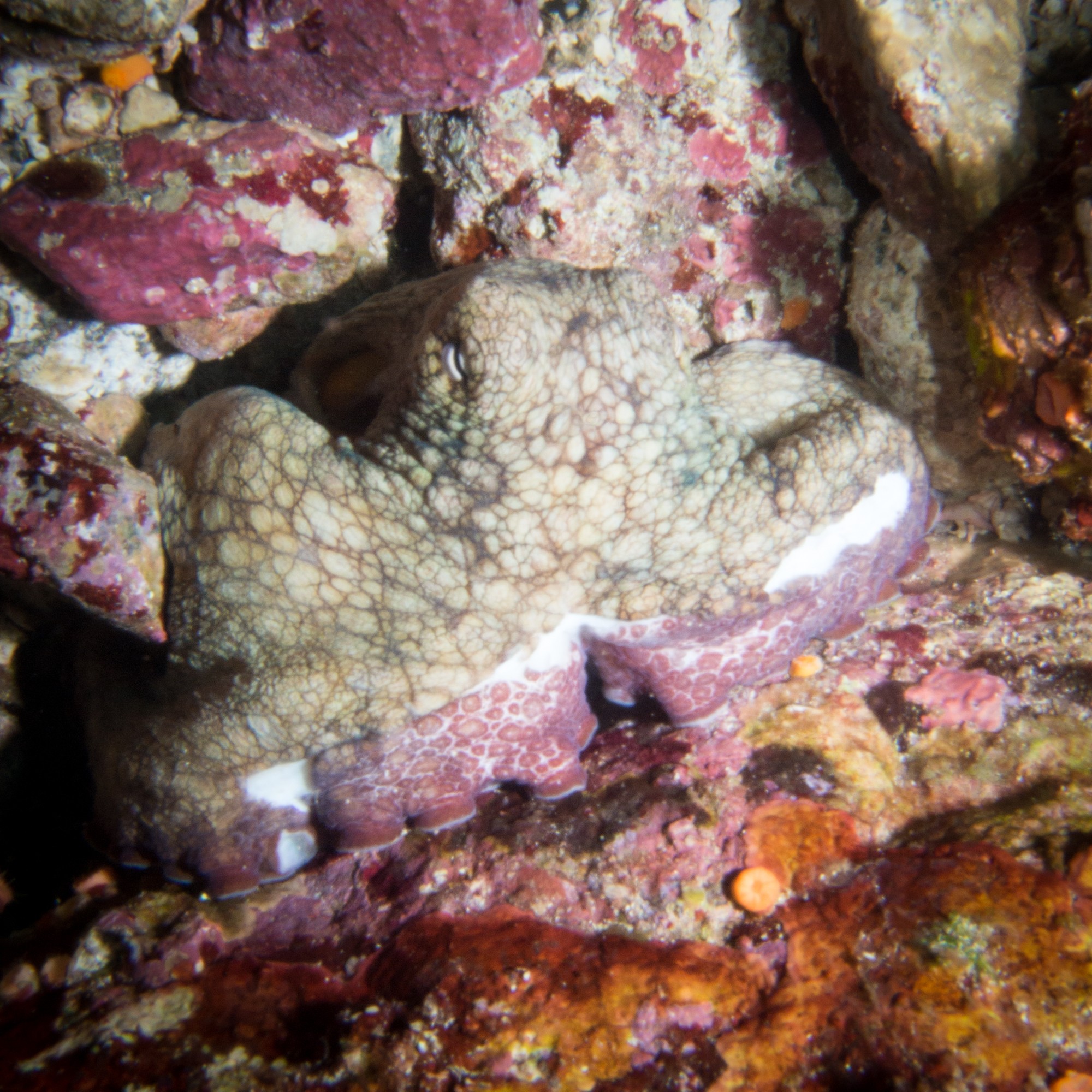
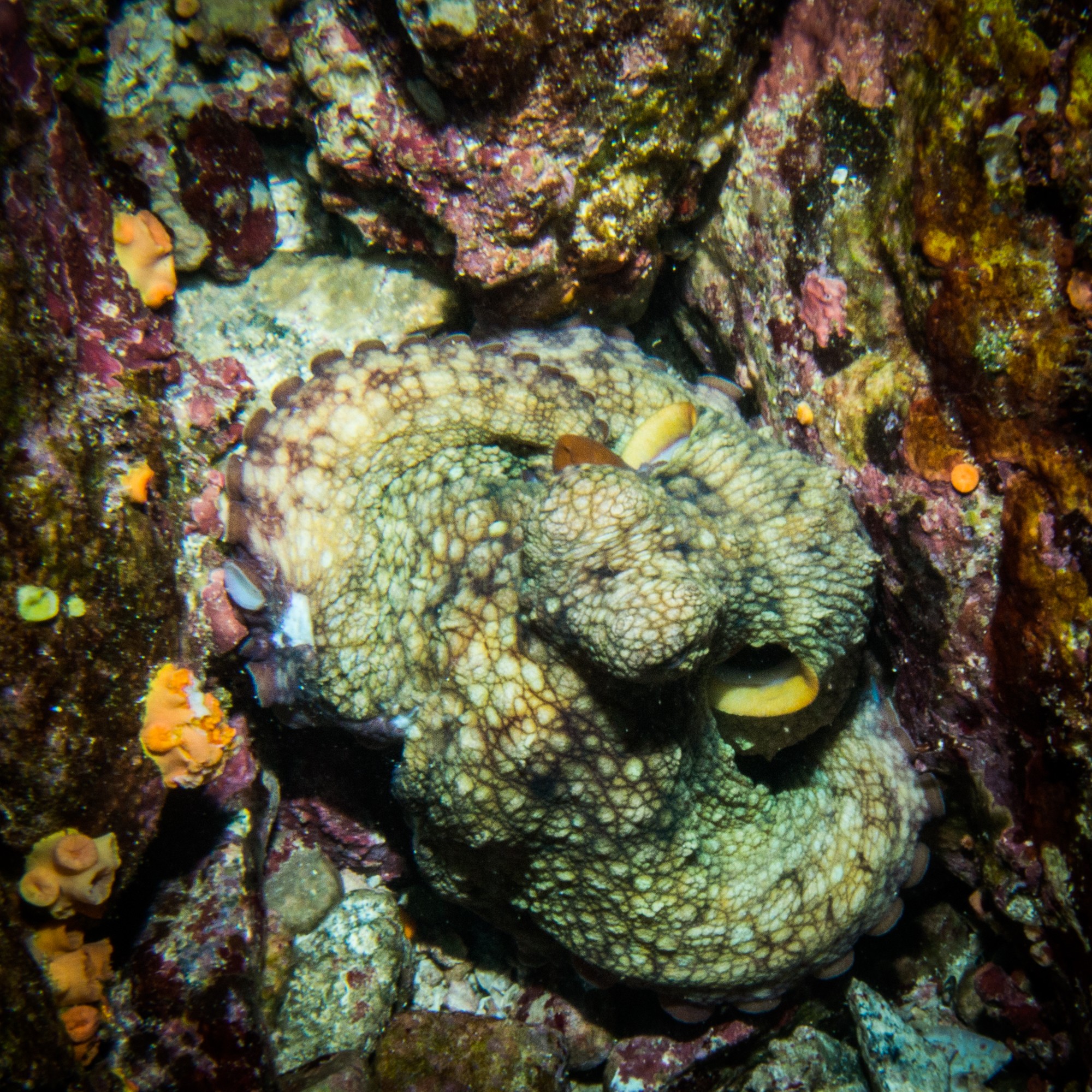
The landscape is a lot of rock formations with plenty of hiding places for fishes and other creatures. I have never seen as many octopuses as on this dive site.
We saw 2 bull sharks from far away and 2 mantas.
Anything can pass by, and we have been told of sightings of humpback whales, mola molas and even whale sharks
We were the only dive boat in the area, which was great but there was also 2 fishing boats very near the dive site. I was surprised as I thought that fishing would not be allowed in a national park ☹
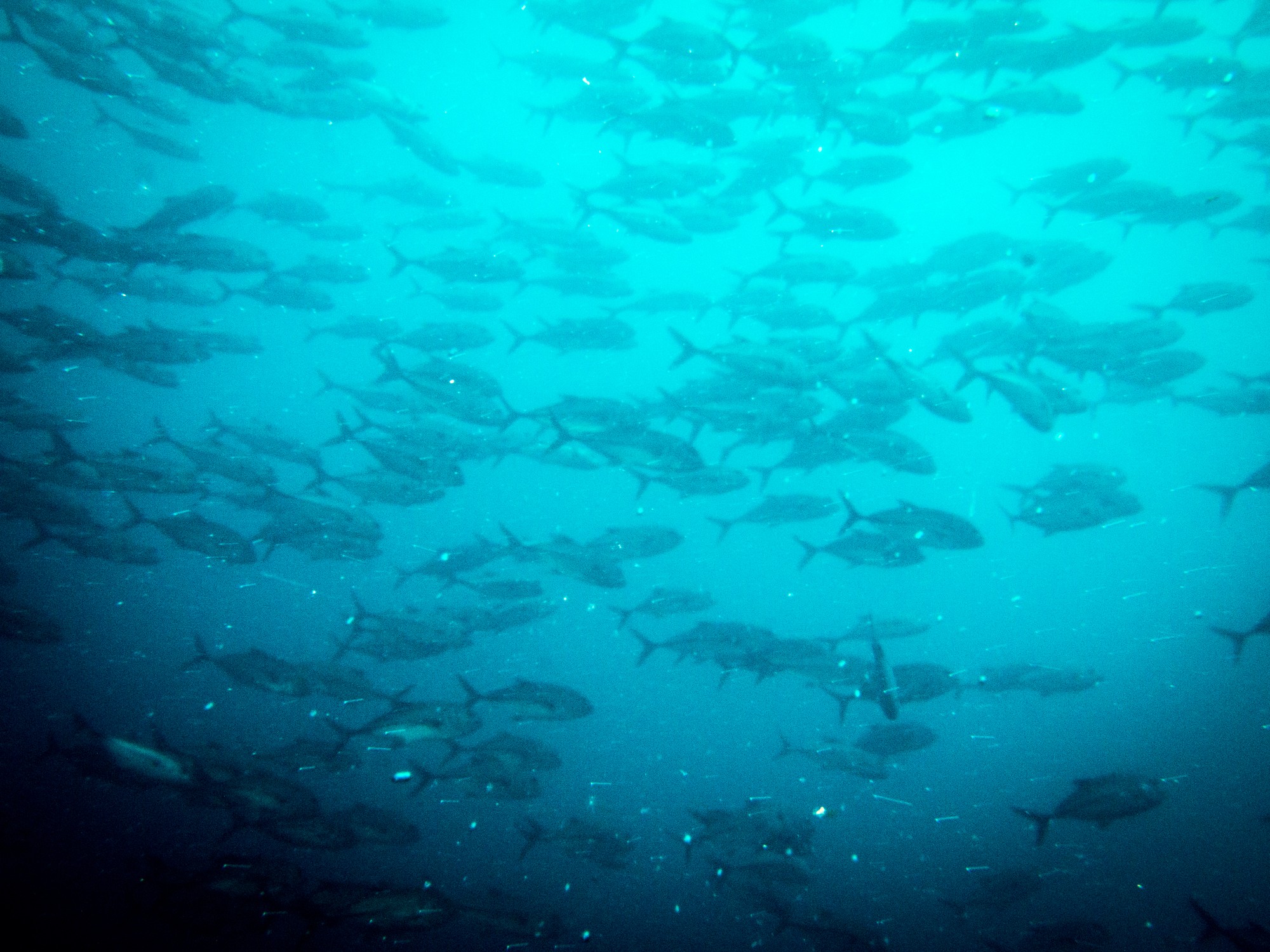
Diving black rock in Bat island
Black Rock is a submerged peninsula. The most remarkable aspect of this dive site is the massive amount of fishes. From schools of small fishes to sharks, we felt a bit overwhelmed. We saw a pregnant white tip shark as well as some nurse sharks. Don’t forget to look at the walls because there are also nudibranchs, Muray eels, and octopuses to be found.
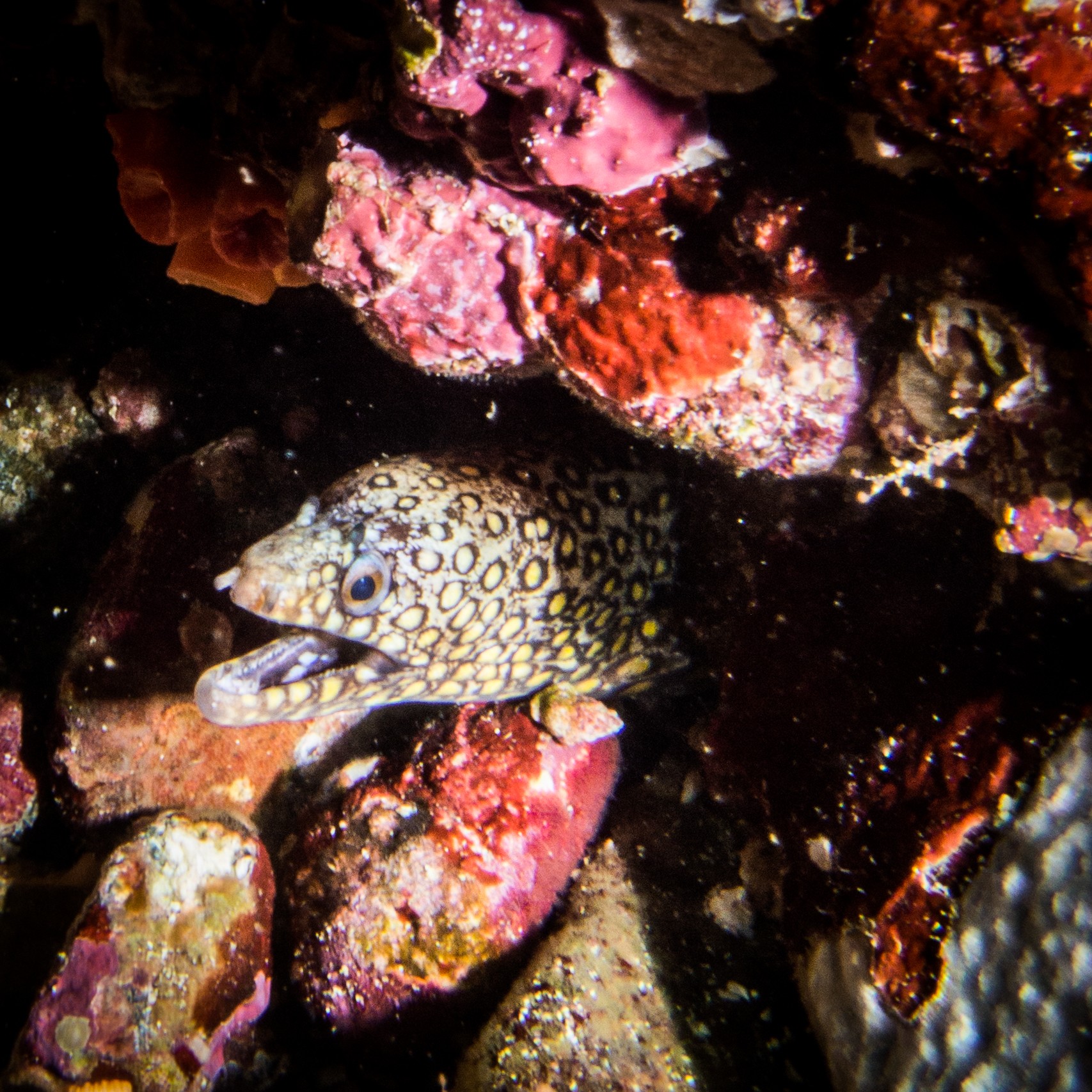
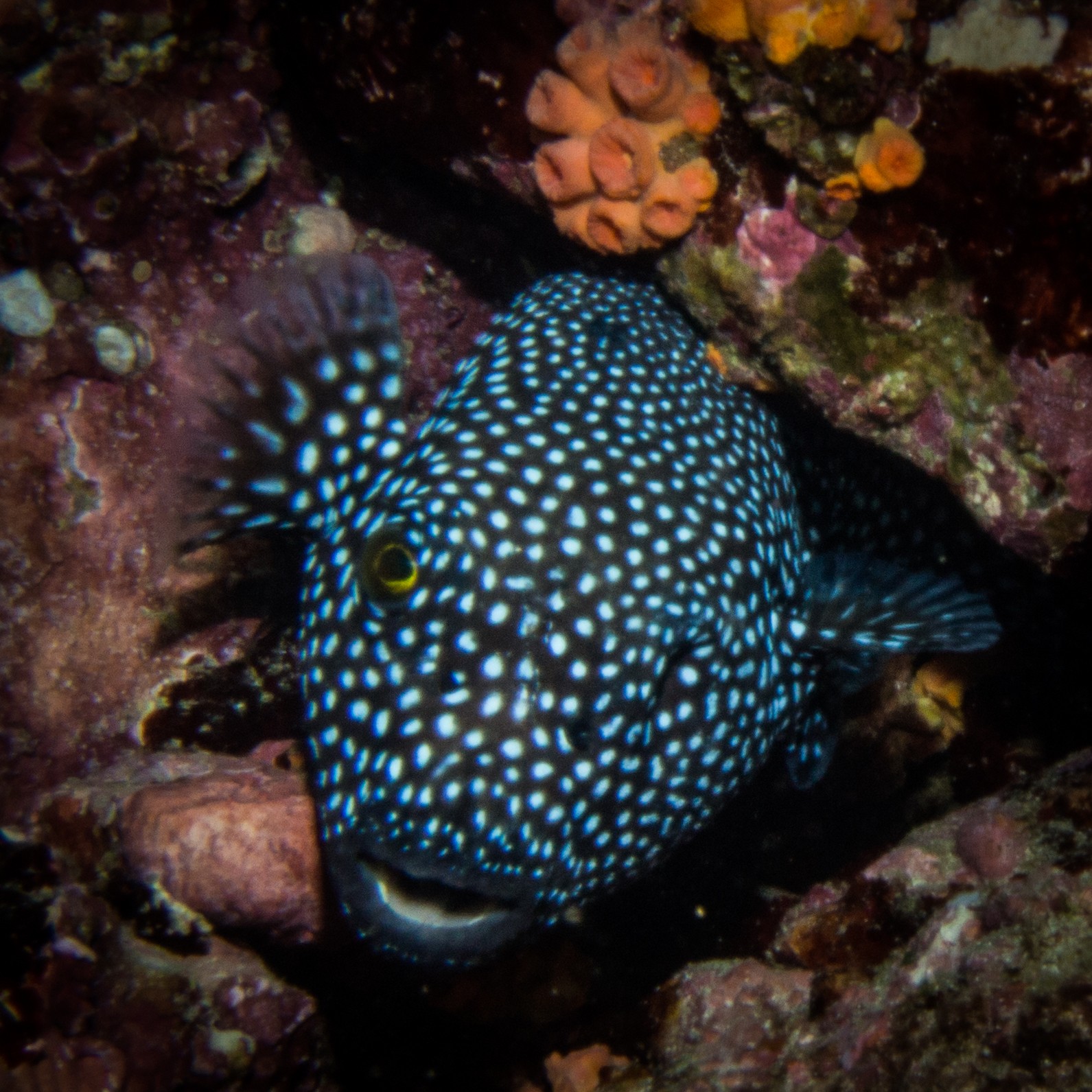
We had been warned about the strong currents. When we dove it, it was totally manageable. A bit of current but nothing that you could not swim against.
It was really a fantastic dive.
TIP: In August, the water temperature was around 27 degrees, so a 3 millimeters wetsuit is probably sufficient
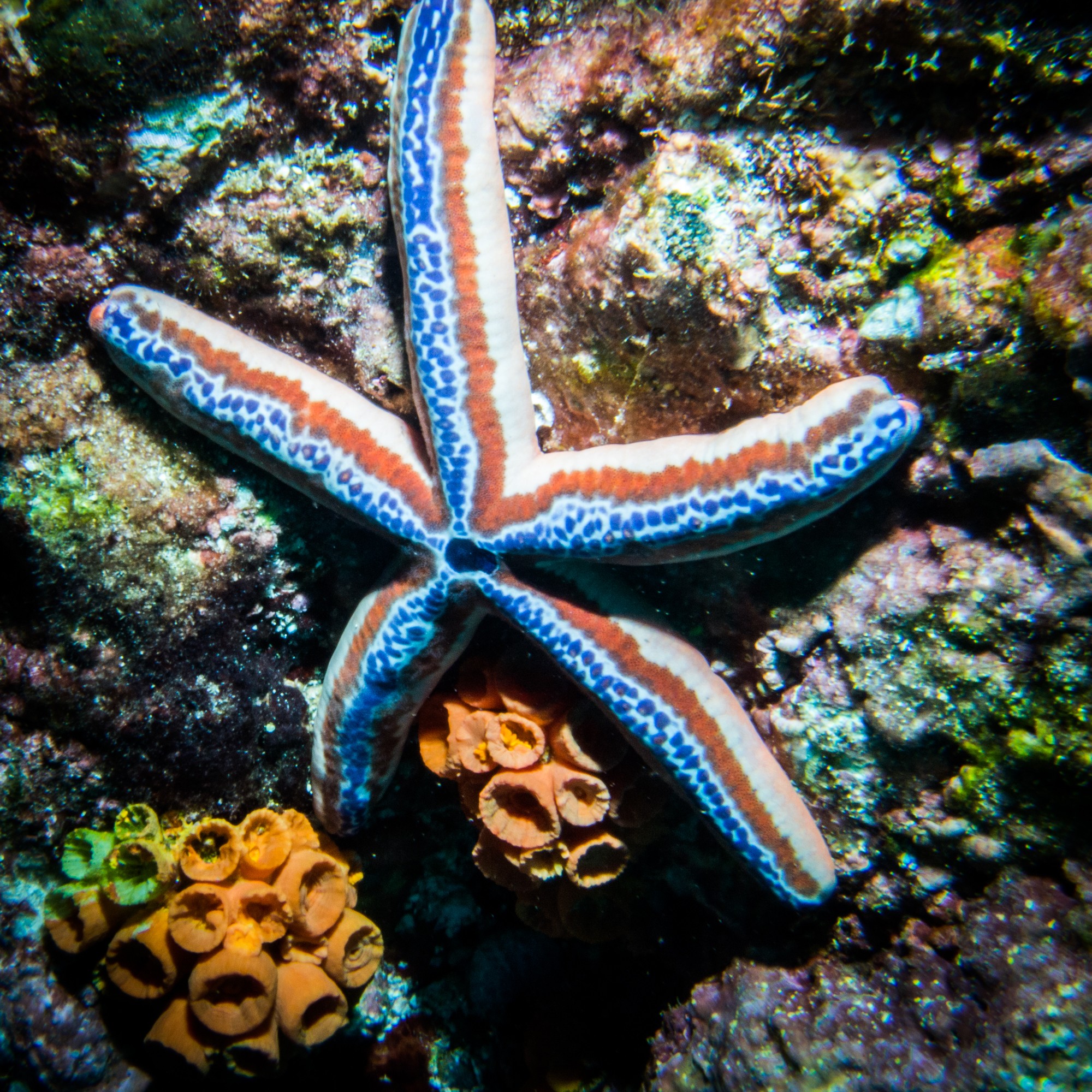
Where else to dive on the Pacific coast of Costa Rica?
There are some excellent dives within Papagayo Bay. Right next to the Four Seasons hotel, there is a place called Monkey head. We did a dive there and saw 6 white tips sharks, a manta and some eagle rays.
Catalina Island is also a popular place, which is about 60 minutes away from the four seasons. They often see whale sharks and manta’s there
When to dive around playa Coco in Costa Rica?
May to October is the rainy season. It is the best season to see large pelagics like whale sharks and Bull sharks. But you might get rained on the way to the dive sites. The worst month of the year to dive is in October so avoid it if you can. We were there mid-august and the rain was not that bad so we could still enjoy a beach vacation in addition to diving
December to April is the dry season. Most big pelagics leave the area at that time, but you can still see mantas. The sea is calmer, so this is the best season for beginners divers.
Who to dive with at Bat Island Costa Rica?
We dove with Rockdivers Costa Rica. It is a small dive shop in Playa Coco managed by Rocky and CJ, a Canadian/ US couple. They are very warm and friendly, and it was a pleasure to dive with then. They have their own boat and dive equipment. The equipment was quite good. The BCD they lend me even had integrated weight pockets.
They came to pick us up with their boat directly at the Four Seasons, so it was convenient
They had plenty of snacks on board ( the pineapple was delicious!). We went on a deserted island with a pretty beach for lunch, and they provided lunch burritos.
Frequently Asked Questions: Costa Rica Diving
Planning a Bat Island Trip
If you are planning a Bat Island trip, you should know that Bat Islands Costa Rica (or Isla Murcielagos) is one of the most thrilling dive destinations in Central America. Many divers search for Bat island Costa Rica because it is famous for its resident bull sharks at the “Big Scare” dive site. Whether you call it Bat island or Bat islands, expect an advanced dive with strong currents but immense rewards.
Monkey Head Island Costa Rica & Monkey Rock
Located near the Papagayo Peninsula, Monkey Head Island Costa Rica (often just referred to as Monkey Head Island, Monkey Rock Costa Rica, or Monkey Head Rock Costa Rica) is another fantastic dive site in the area. This volcanic rock formation literally looks like the head of a gorilla popping out of the water! It is a great spot to see white tip reef sharks, eagle rays, and huge schools of tropical fish.
Can you see Manta Rays in Costa Rica?
Absolutely! The Pacific coast is one of the best places for giant manta rays Costa Rica encounters. While they can occasionally be spotted around Bat Islands, the nearby Catalina Islands (Islas Catalinas) are usually the most reliable spot to dive with these majestic creatures, especially during the dry season (December to April).
Conclusion
Diving Bat island in Costa Rica was surprisingly good and full of big pelagics. I am looking forward to going back there and experience more dive sites in the area. It is a place that deserves to be better known. Go and dive there before it becomes too popular.
For more information about the best diving in Central America, check out my review of the Quino Al Guardian liveaboard in the sea of Cortez and diving Cabo Pulmo in Mexico.




2 thoughts on “Diving with sharks and manta rays at Bat Island in Costa Rica”
I have read so many articles on the topic of the
blogger lovers but this post is genuinely a pleasant article, keep it up.
Thank you- great info! We are heading to dive there next week!