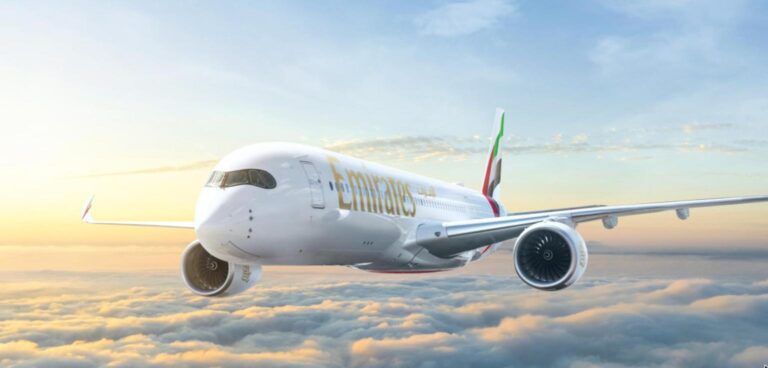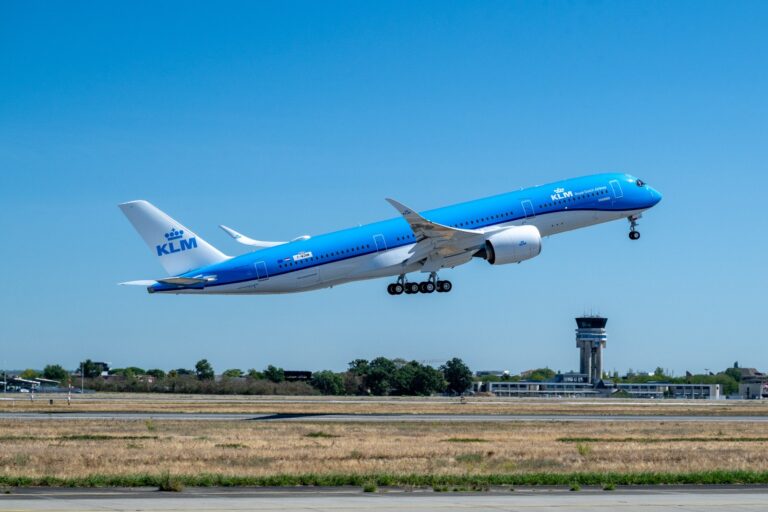
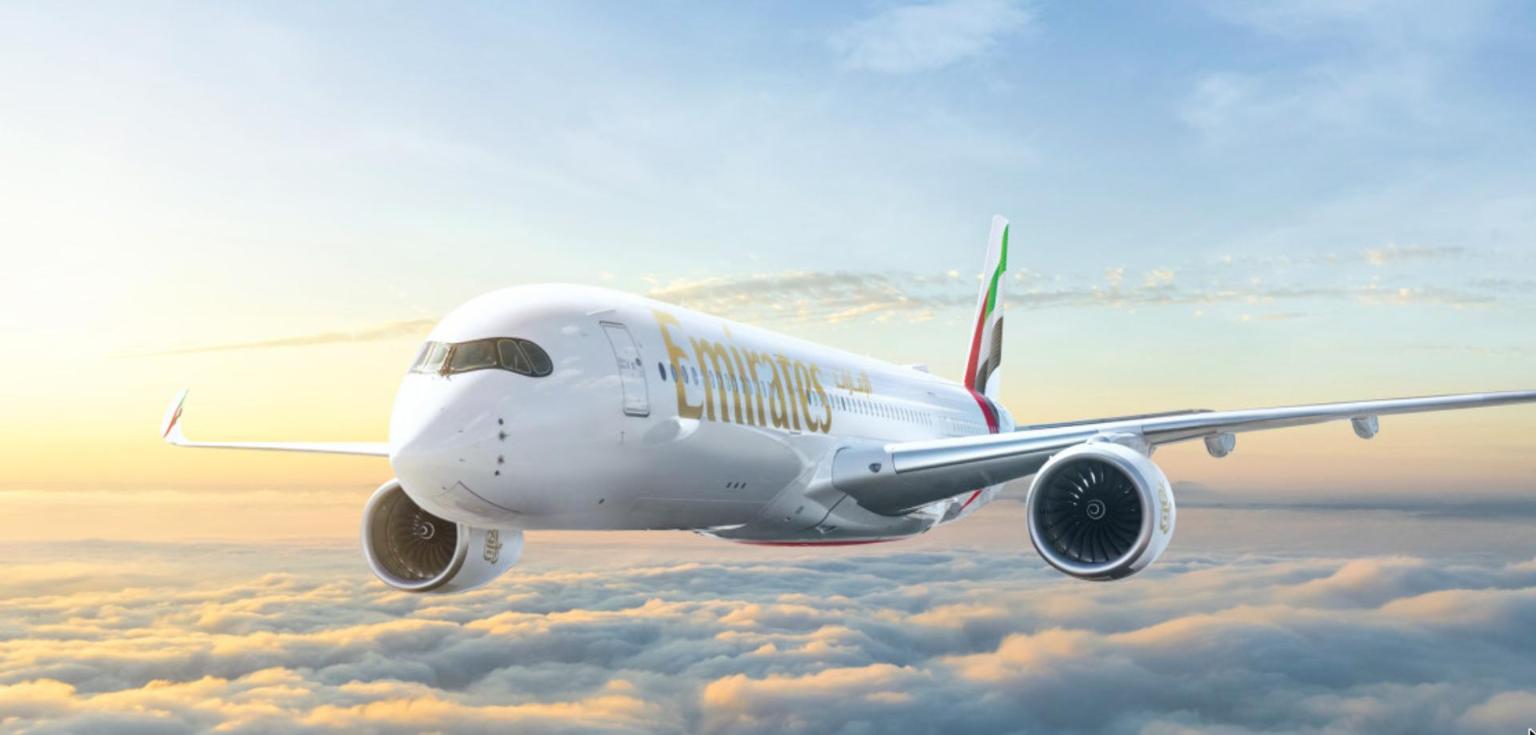
Emirates is putting its newest aircraft on the Indian Ocean. From 1 November 2026 the Airbus A350 replaces the Boeing 777 on EK709/EK710, one of the airline’s three daily flights between Dubai and Mauritius, and for premium travelers the Emirates A350 Mauritius rotation now looks like the one to book. It brings a three-class cabin with 32 fully flat Business Class seats in a 1-2-1 layout, every one with direct aisle access, plus a 28-seat Premium Economy cabin, on the daytime flight that reaches the island in the middle of the afternoon.
Emirates announced the swap through its Media Centre on 22 October 2026, and it takes effect on the same day the A350 opened its first US route, Dubai–Orlando. Mauritius is the quieter of the two stories, but the aircraft may suit it better. This is a honeymoon and beach-resort island where many travelers come from Europe via Dubai, and the cabin on that final leg feels like part of the holiday. There is a trade-off: the A350 has no First Class, and the other two daily flights stay on the A380. Below I cover what changes, how to choose between the two aircraft, and how the new seat compares.
Emirates A350 Mauritius: Key Facts
- Announced: 22 October 2026, Emirates Media Centre (“Emirates to deploy its latest-generation A350 to Mauritius from 1 November”)
- Start date: 1 November 2026
- Flights: EK709/EK710, daily, Dubai–Mauritius; the A350 replaces the Boeing 777 on this rotation
- Schedule: EK709 departs Dubai 07:55, arrives Mauritius 14:40; EK710 departs Mauritius 18:30, arrives Dubai 01:10 the next day
- Other Mauritius flights: Emirates flies Dubai–Mauritius three times daily; the other two daily services are operated by Airbus A380s, both of which carry Premium Economy
- Aircraft: Airbus A350, three classes, 298 seats
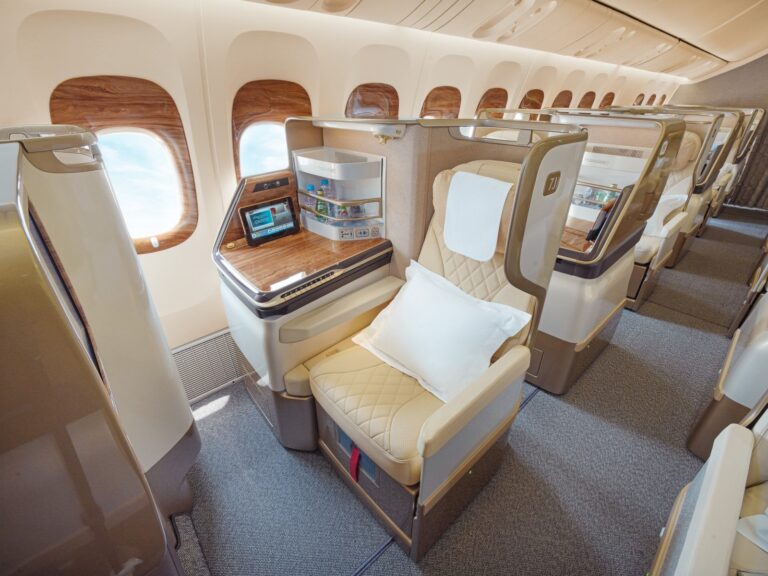
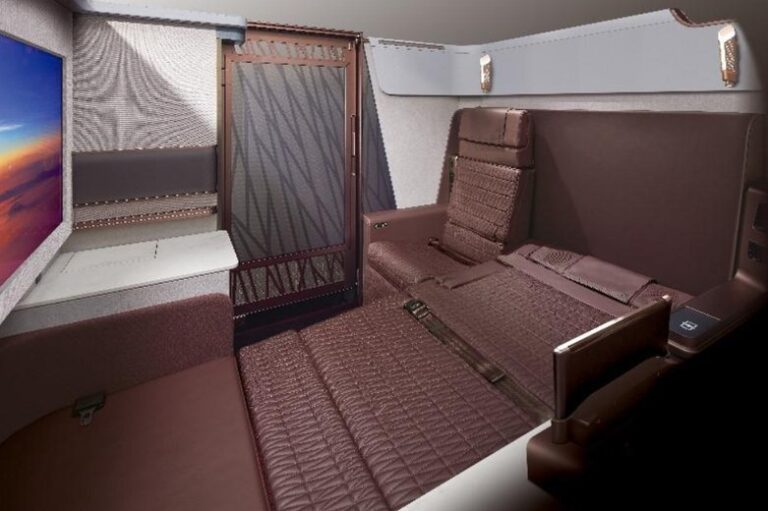
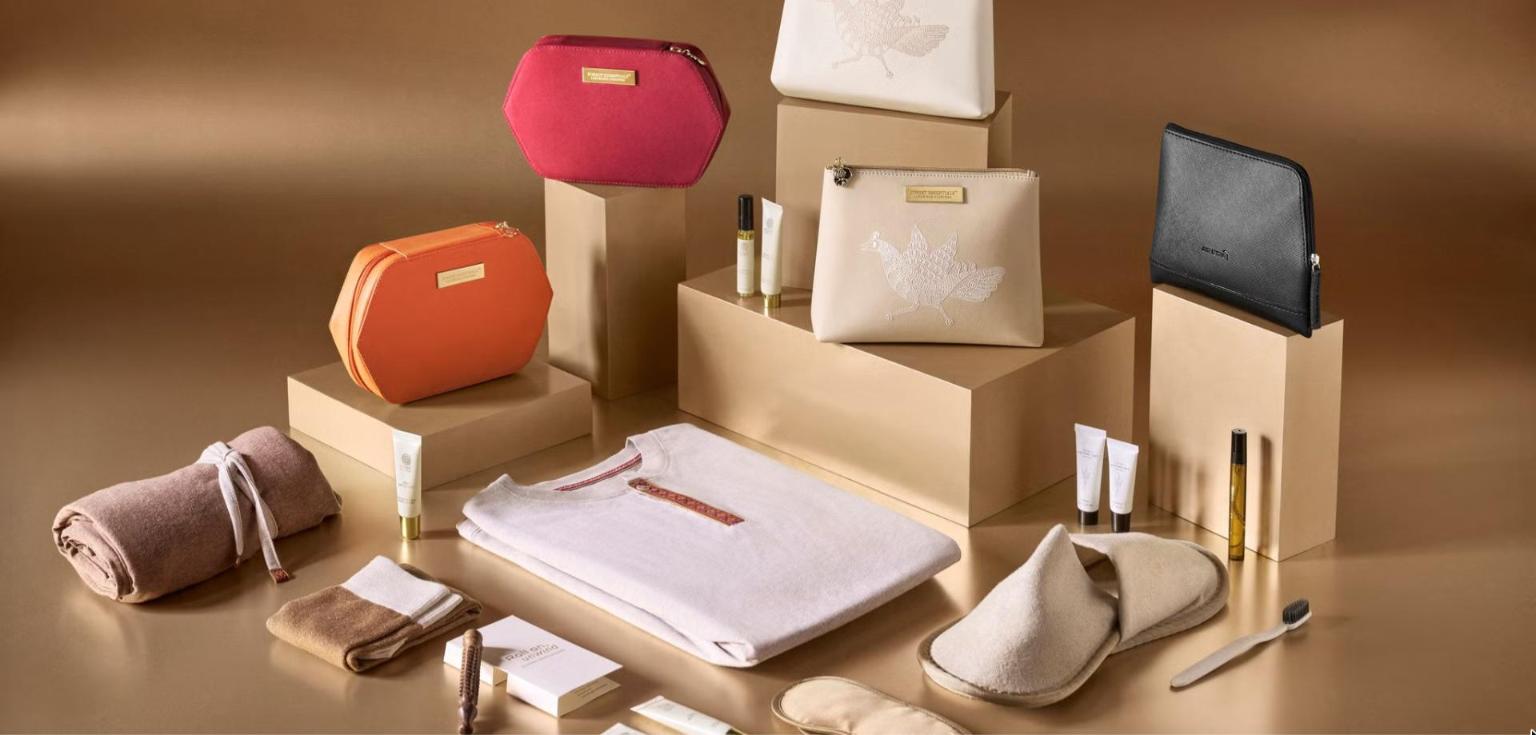
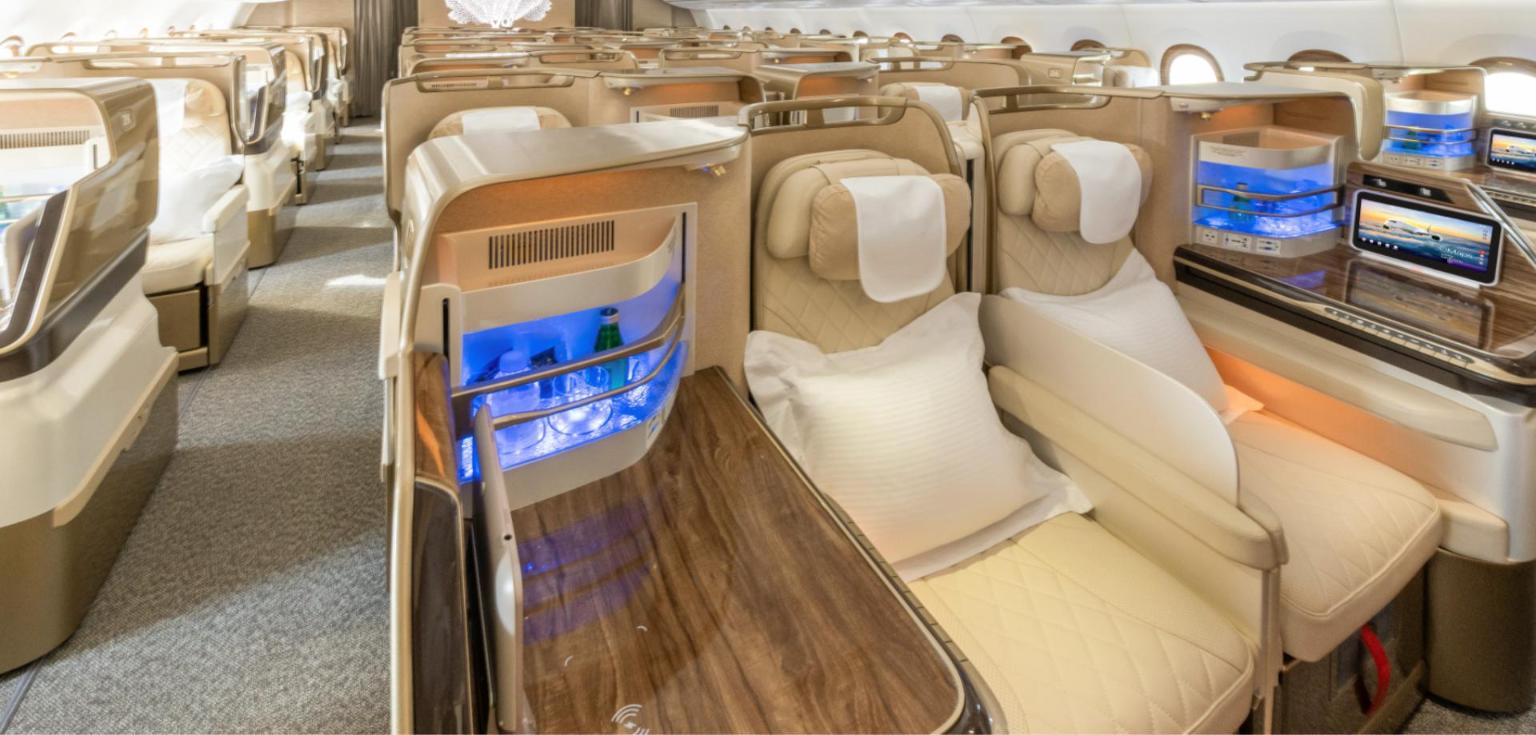
- Business Class: 32 seats in a 1-2-1 layout; fully flat, direct aisle access from every seat, cream leather, 20-inch 4K screen, personal mini-bar, wireless charging, Bulgari amenity kits, a snack display area at the rear of the cabin and multi-course dining
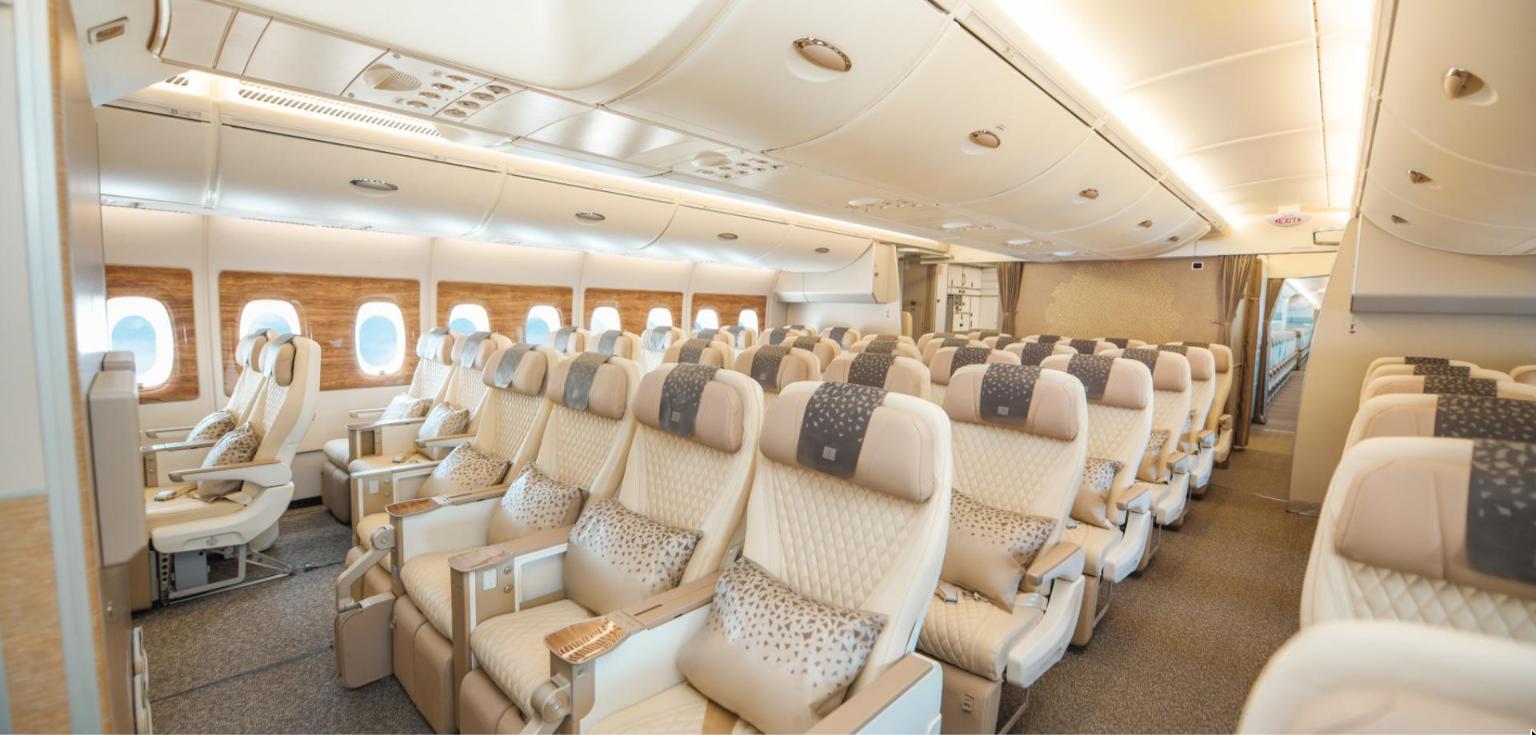
- Premium Economy: 28 seats in a 2-3-2 layout; 19.5-inch-wide seats, 13.3-inch screens, Royal Doulton china
- Economy: 238 seats
- First Class: none on the A350
- Quote: Oomar Ramtoola, Manager for the Indian Ocean Islands, Emirates: “The arrival of the A350 marks another important step in Emirates’ continued investment in Mauritius.”
- Fares: none published; see below
Why the Daytime Flight Suits the A350
Dubai and Mauritius keep the same clock time, so the timetable reads as flight time: about six hours 45 minutes on the way south and six hours 40 minutes on the way back. EK709 is a daylight flight from start to finish. It leaves Dubai just before eight in the morning and lands at 14:40, which leaves the afternoon to clear the airport and reach your hotel. On a daytime sector the fully flat bed matters less than the things you use while awake: space, a seat nobody has to climb over, a large screen and a proper meal. The 1-2-1 layout handles the first two, the 20-inch 4K screen the third, and Emirates promises multi-course dining for the fourth. The snack display at the rear of the cabin is a small thing, but on a seven-hour day flight it means you don’t have to ring for the crew every time you want something.
EK710 is the more practical flight. It leaves Mauritius at 18:30, so you get a last full day on the beach without an early start, and it lands in Dubai at 01:10, in time to connect to Emirates’ overnight bank of flights to Europe. For a European traveler, the A350 becomes the first leg of an overnight journey home. That is when the flat bed and the direct aisle access earn their place: you can eat, sleep for a few hours and get up without waking a neighbor before the change of aircraft in Dubai.
The Premium Economy cabin is the other quiet change. With the A350 on EK709/EK710 and Premium Economy already on both A380 services, every one of Emirates’ three daily Mauritius flights now offers the cabin. That fits the airline’s wider program of adding Premium Economy to its existing fleet, which I covered in the Emirates 777 retrofit. Royal Doulton china and 19.5-inch-wide seats on a seven-hour leisure route make it a real middle option for families and couples who would rather put the Business Class difference toward the hotel.
Oomar Ramtoola, Manager for the Indian Ocean Islands at Emirates, calls the A350 “another important step in Emirates’ continued investment in Mauritius.” That is standard press-release wording, but the decision behind it says something. Emirates has chosen to send its newest aircraft to a leisure island, not only to business routes. That suggests Mauritius earns strong premium revenue.
The Caveat: A350 or A380?
This is not a straight upgrade for everyone. The A350 has no First Class, and its Business Class seat is a 1-2-1 without doors. You get direct aisle access and the cream leather finish, but not a closing suite. The other two daily Mauritius flights stay on the A380, and Emirates’ A380s carry First Class and the onboard lounge, the bar at the back of the upper deck that many travelers treat as the best part of an Emirates flight.
So the choice depends on what you want. If you want the newest Business Class seat Emirates flies to Mauritius, with aisle access from every seat and a smaller cabin of 32, book the A350 on EK709/EK710. If you want First Class, or you would trade a newer seat for a drink at the onboard bar on your honeymoon, book one of the A380 flights. The A380 is still the aircraft Emirates builds its premium image around, as its new lounges and A380 service to Paris show. The A350 is the airline’s newest cabin, not its most lavish one.
Tip: the flight number tells you the aircraft. If you want the A350, book EK709 out and EK710 back; the other two daily Mauritius flights are A380s. In the 1-2-1 cabin, couples should choose the two center seats, which sit side by side, and solo travelers the window seats. Check the aircraft type again in the booking path before you pay, because airlines can swap aircraft.
How It Compares With the Competition
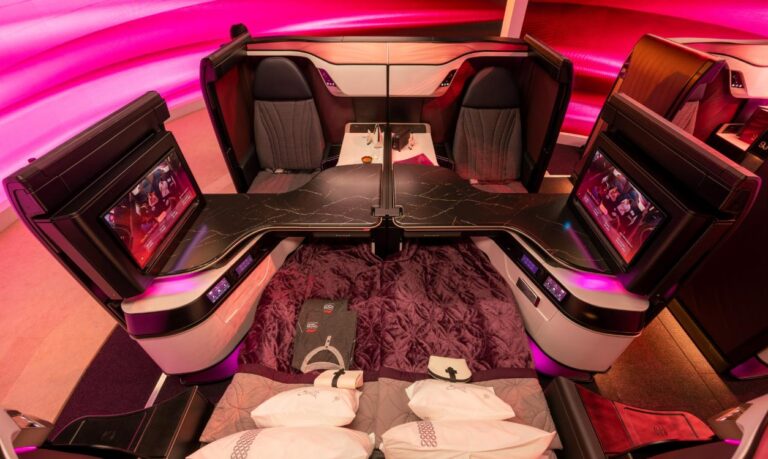
The first comparison is with Emirates itself. On Mauritius you now choose between the A350’s 1-2-1 Business Class and the A380, and on many other routes Emirates still flies 777s with its older Business Class cabin. The 777 retrofit is gradually changing that, but until a 777 has been refitted, the A350 is the more reliable way to get a modern Emirates Business Class seat. The A350’s main weakness is the missing door. Qatar Airways’ Qsuite, the benchmark for Gulf business class, has doors on every seat. Emirates has chosen an open seat with direct aisle access, cream leather and a large screen. Travelers who value privacy will prefer the Qsuite, while those who want space and a calm cabin will find the A350 competitive.
I won’t attempt a route-by-route comparison of who else serves Mauritius here, because this piece is built only on Emirates’ announcement. As a seat, though, the A350 puts Emirates level with the newer business cabins I have been following this year, including Fiji Airways’ A350 on another long, leisure-heavy island route. It also moves well ahead of the older 777 cabin it replaces on EK709/EK710. The details that are hard to see in a press release, such as dining and service, will decide the rest. Those are the areas where Emirates has usually been strongest.
Emirates, First-Hand Context
I haven’t flown the Emirates A350, and this is a preview based on the airline’s announcement, not a review. My closest point of comparison is also an Indian Ocean island flight: my Emirates Business Class flight from Malé on the 777. On that flight the food and the amenity kit made up for a dated cabin. The crew and the kitchen were doing the work that the seat could not. The A350 on Mauritius fixes exactly the part I marked down. It gives fully flat seats, aisle access for everyone and a modern screen on a similar island-to-Dubai flight, while keeping the dining and kit side that Emirates already does well.
My other reference for a long Gulf-carrier business flight is Etihad’s 787-9, which I rated 3.5 out of 5. I marked it down for the wine, and a good seat doesn’t make up for a poor glass. That is what I will look at when I fly the A350: whether the multi-course dining and the drinks list match the new cabin, or whether Emirates has put all the effort into the hardware. If I were booking Mauritius tomorrow as a couple, I would take the A350 on the way out for the daylight flight and the center pair, and consider an A380 on the way home only if I wanted First Class.
How Much Does It Cost?
Emirates has not published fares for the A350 on Mauritius. Business Class and Premium Economy on EK709/EK710 are sold on the airline’s own website and through booking sites, priced dynamically by date. A 32-seat Business Class cabin is smaller than the A380’s, so in busy holiday periods it is worth booking early rather than waiting for a fare to drop.
Flight prices do move between platforms. The same business class seat on the same date is not always the same price on the airline’s own site, Trip.com and Expedia: point-of-sale currency, consolidator fares and what is bundled into the ticket can shift the fare by a few percent — and occasionally by much more on premium cabins. So before I pay I run the same dates through Aviasales, which scans dozens of booking sites at once, then check Trip.com (often the sharpest on long-haul fares) and Expedia (strongest when you add a hotel to the same booking). One caveat: a ticket bought through a booking site is changed or refunded through that site, not the airline, so read the fare rules before you buy.
For Mauritius, the A350 on EK709/EK710 is now the flight to pick for the best Emirates Business Class seat, and the A380 remains the choice if you want First Class or the onboard bar.
Photos © Emirates
This preview is based on official announcements — I haven’t flown the Emirates A350 yet. Read more about how I review or visit my Work With Me page.
This article contains affiliate links. If you book through them, I may earn a small commission at no extra cost to you. Read my full disclosure policy.