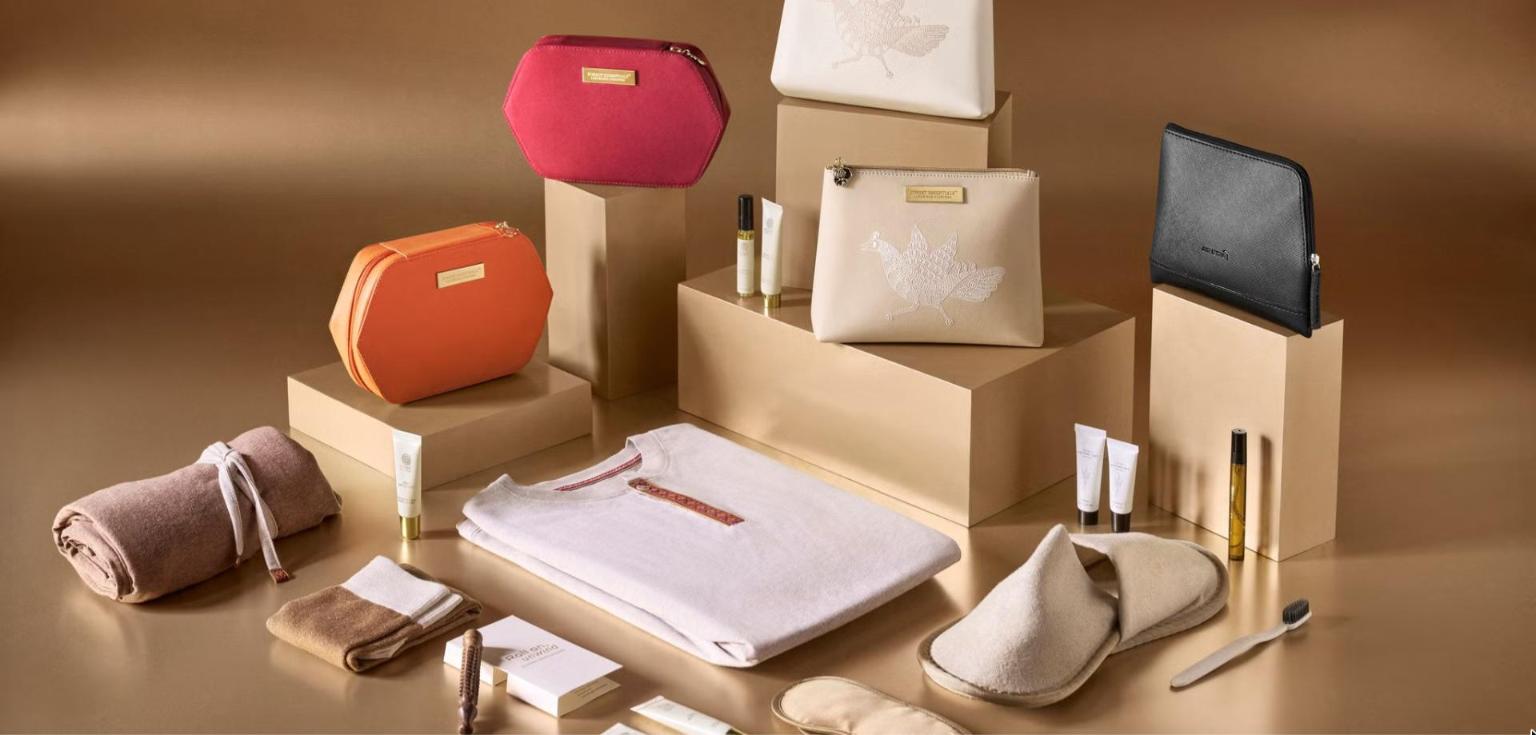
Air India has replaced the amenity kits and loungewear in its First and Business Class cabins, and what is inside them says more than the press release does. There is no European fashion house, no Parisian perfumer and no Italian leather goods. The new Air India amenity kits, announced on 27 October 2026 and rolling out from October on international flights over eight hours and overnight flights over six, carry Gond artwork by a named artist, Dwarka Paraste, in First Class, skincare from the luxury Ayurvedic brand Forest Essentials in both premium cabins, and a handcrafted wooden Marma massager that Air India describes as a first for any airline amenity kit. The new loungewear, a gender-neutral Henley-style set, takes its cue from Kullu shawl weaving.
It is Air India’s second soft-product launch in five days. On 22 October the airline introduced restaurant-style plated dining in Business Class on its India–UK flights, served on linen with a Martaban-jar cruet set on the table — a launch I have written up and will publish shortly. Taken together, the two look less like a routine refresh than a position. While other airlines spent October announcing kits from Sisley, Byredo, Missoni and Diptyque, Air India went home for its suppliers. Here is what is in each kit, which flights carry them, and where the plan meets a mixed fleet.
Air India Amenity Kits: Key Facts
- Announced: 27 October 2026, Air India newsroom
- Rollout: from October 2026, in First and Business Class on all international flights over 8 hours and overnight flights over 6 hours
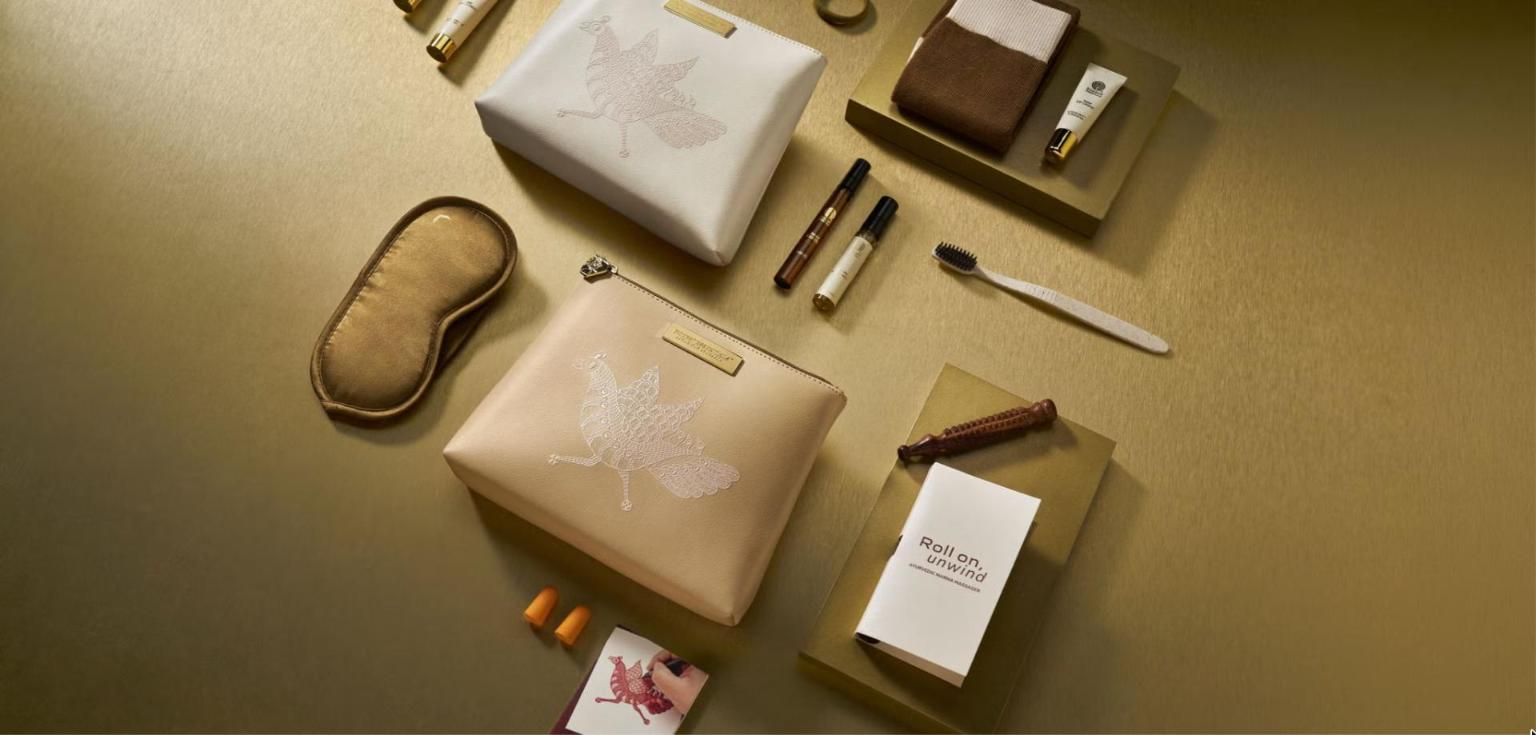
- First Class collection: “The Art of Flight,” featuring Gond artwork by artist Dwarka Paraste; the artwork and color palette refresh every six months
- First Class colors: Ivory Cream on departures from India, Antique White on flights to India
- First Class contents: Forest Essentials Light Day Lotion SPF 30, Facial Tonic Mist, Lip Cream and Ultra-Rich Body Milk, plus a perfume, satin pouch, socks, eye mask, ear plugs, dental kit, hair tie and a story card
- Business Class collection: the “Navratna Collection,” inspired by the nine gems and their nine colors, in a jharokha-shaped bag (the jharokha is the Indian window and balcony motif) made of premium PU leather
- Business Class colors: Coral on departures from India, Ruby on flights to India
- Business Class contents: Forest Essentials Lip Cream and Ultra-Rich Body Milk, a perfume, socks, eye mask, ear plugs, dental kit, hair tie and story card
- Both cabins: a handcrafted wooden Ayurvedic Marma massager, described by Air India as a first for airline amenity kits
- Premium Economy: a reusable bag with hand cream and lip balm from The Indian Apothecary
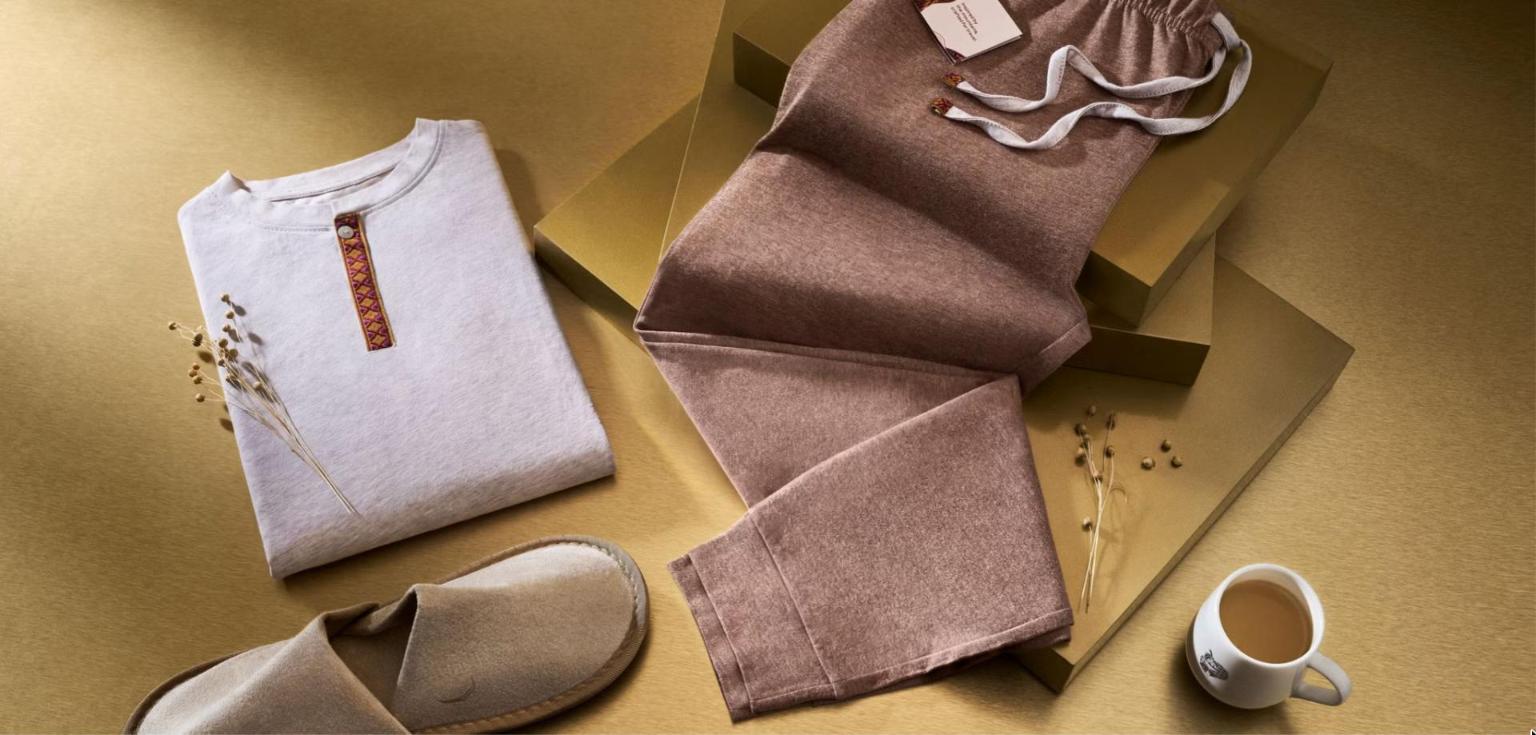
- Loungewear (First and Business): a gender-neutral Henley-style set inspired by Kullu shawl weaving, in four sizes including a new XXL; carpet slippers now come in beige
- Quote: Rajesh Dogra, Chief Customer Experience Officer, Air India: “every element of the journey is an opportunity to make our guests feel cared for, comfortable and connected”
- Fares: none announced; see below
Why Indian Craft Instead of a European Label
For a decade the default premium kit has borrowed prestige: sign a European fashion or fragrance house, put its logo on the pouch and let the name do the work. Air India has chosen the opposite. Forest Essentials is a luxury Ayurvedic brand, The Indian Apothecary supplies Premium Economy, the Business Class bag is shaped like a jharokha, the First Class pouch carries Gond art, and the loungewear borrows from Kullu weaving. Every reference points back to India. For an airline rebuilding its long-haul product, that is a statement of identity, and a more confident one than another co-branded pouch would have been.
The detail I like most is the credit. Airlines often describe a kit as “inspired by local heritage” without naming anyone; Air India names the artist, Dwarka Paraste, and builds the First Class collection around his work. Add the six-monthly refresh of artwork and palette, and the directional colors — Ivory Cream leaving India, Antique White heading there — and the First Class kit becomes something people will keep rather than leave in the seat pocket. That is the real test of any amenity kit, and collectability is the most reliable way to pass it.
The Business Class “Navratna Collection” refers to nine gems and nine colors, but only two are announced so far, Coral and Ruby; Air India has not said whether the other seven will follow.
Then there is the Marma massager. Everything else in both kits is a variation on what premium kits have carried for years. A handcrafted wooden massager tied to Ayurvedic Marma practice is genuinely new, and whether passengers use it in the air or take it home, it is the one item in the bag nobody else offers.
What Changes on Board — and Where It Doesn’t
First Class gets four Forest Essentials products; Business Class drops the Day Lotion and Tonic Mist but keeps the Lip Cream, Body Milk and perfume, which covers what dry cabin air does worst on a night flight. Premium Economy’s reusable bag with The Indian Apothecary hand cream and lip balm is modest, but reusable is the right call for a cabin where kits usually get thrown away.
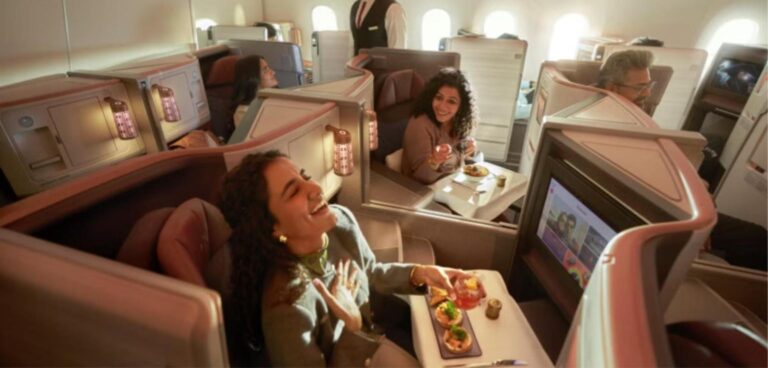
The loungewear matters as much as the kits. Offering sleepwear in Business Class is still the exception on long-haul flights, and Air India’s gender-neutral Henley set, inspired by Kullu shawl weaving, comes in four sizes. The new XXL is a small change that will matter to anyone who has spent a night in a set that did not fit.
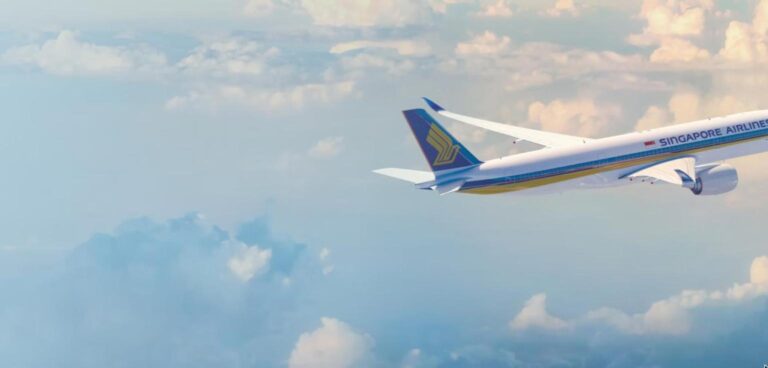
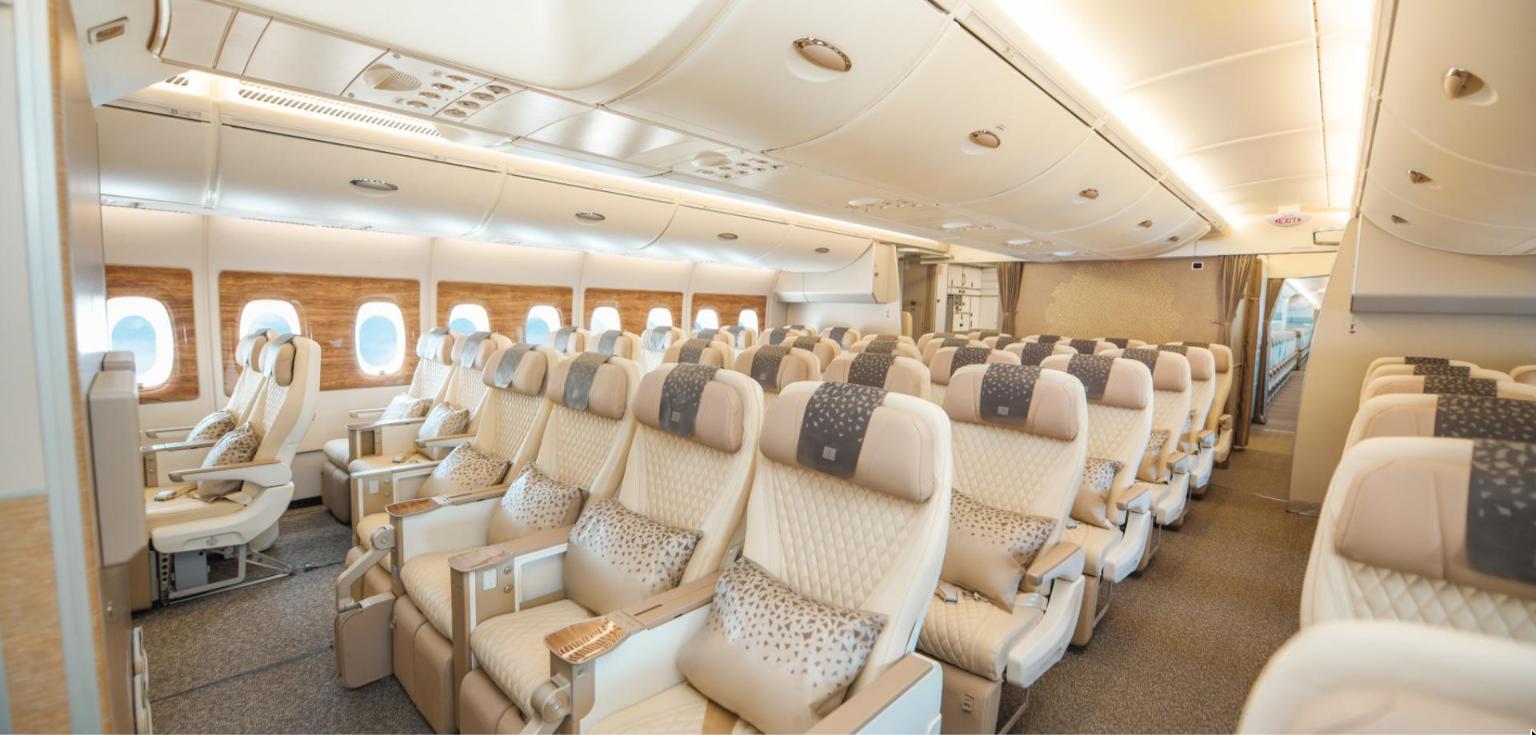
There are two honest caveats. The first is eligibility. The kits go only on international flights over eight hours and on overnight flights over six, so shorter daytime international sectors will not carry them. The second is bigger: the cabin hardware still varies by aircraft. Air India’s new cabins fly on the new Airbus A350s and Boeing 787-9s, but older Boeing 777s are still in service, and a Forest Essentials kit does not change the seat you are sleeping in. On the best aircraft, the new kit and loungewear complete a modern product. On an older 777, they are doing some of the work the seat should do.
Tip: the kits change color by direction — Ivory Cream (First) or Coral (Business) on departures from India, Antique White or Ruby on flights to India — so a qualifying round trip in the same cabin gets you both versions. Check the flight time before you count on one: a daytime international flight under eight hours does not qualify.
How It Compares With the Competition
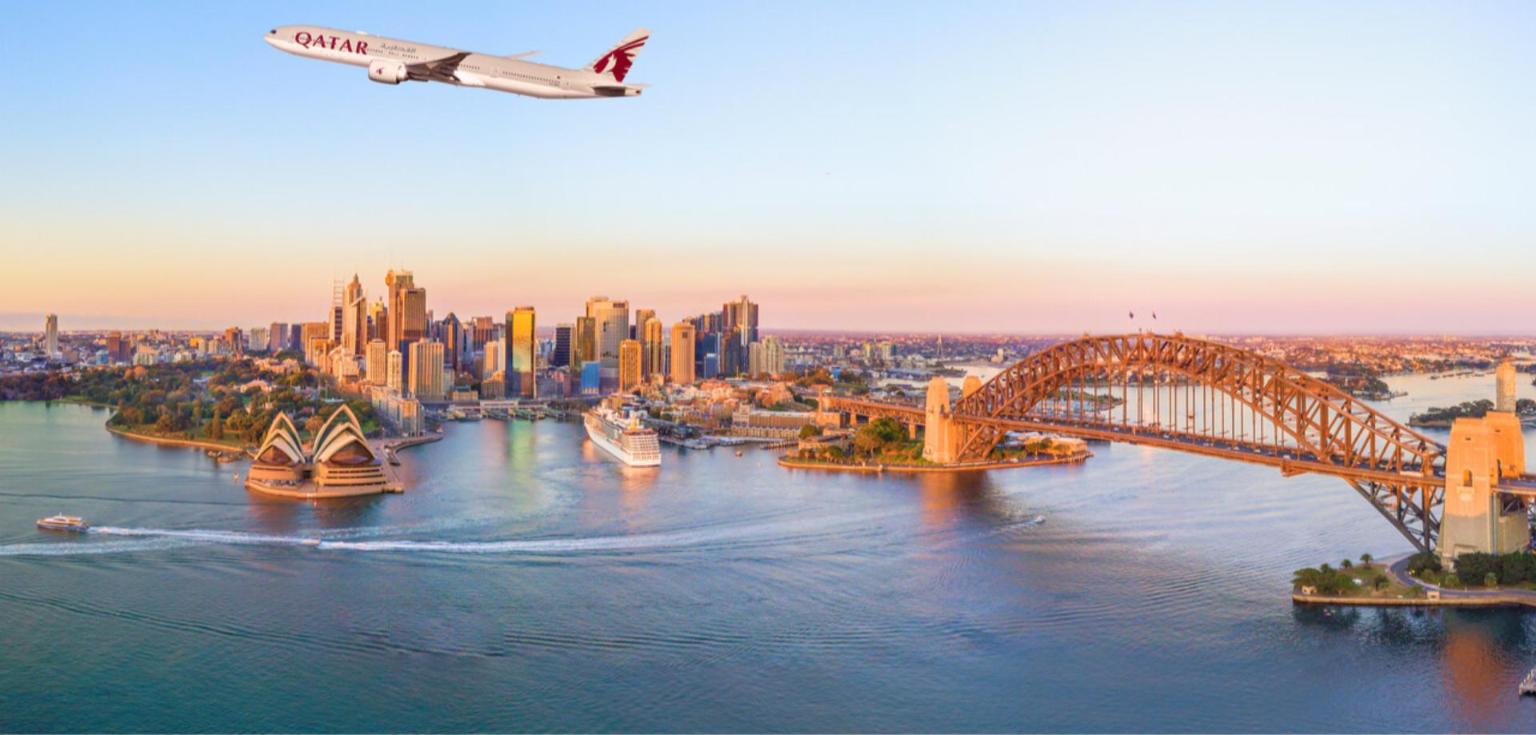
In October alone, Singapore Airlines introduced new Sisley and Byredo kits and added pajamas to Business Class, Delta One brought in a Missoni kit alongside new menus, and Qatar Airways rolled out Diptyque kits on its Australian routes. All three take the borrowed-prestige route, with a European house on the pouch. Of the four launches this month, Air India’s is the only one built on its own country’s brands and craft.
That is a trade-off as well as a strength: outside India, Forest Essentials may be a discovery rather than a draw, where Diptyque or Byredo would be recognized instantly. Air India is betting that a distinctive story — a named Gond artist, a jharokha-shaped bag, an Ayurvedic massager — is worth more than a recognizable logo. I think it is the better long-term bet, because a kit that only an Indian airline could give you is harder to copy than one any airline could buy.
Where Air India still trails is consistency: its new soft product now runs ahead of its hard product on part of the fleet. It is the same gap other airlines are closing with retrofits, as Emirates is doing with its 777s. Until that gap closes, the aircraft type on your booking will matter more than what is in the bag.
Air India, First-Hand Context
I have not flown with the new kits or loungewear, and this is a preview of Air India’s announcement, not a review. But I have seen how much soft product can move a verdict in both directions. When I flew Etihad’s 787-9 in Business Class, I rated it 3.5 out of 5 and marked it down for the wine — a reminder that the details passengers touch and taste are what they remember. On Emirates’ 777 Business Class from Malé, the opposite happened: good food and a good kit carried a dated cabin further than I expected.
That second flight is the closest parallel to what Air India is attempting on its older 777s. A thoughtful kit and proper loungewear can make an older cabin feel cared for, which is exactly the word Rajesh Dogra uses. They cannot make it feel new. What I would want to test: whether the Henley set is comfortable enough to sleep in, and whether the Marma massager earns its place in the bag.
How Much Does It Cost?
Air India has not announced any fares with this launch, and the new kits and loungewear come with First and Business Class tickets on qualifying flights rather than as a paid extra. Fares are priced dynamically by route and date, and are sold on Air India’s own website and through booking sites.
Flight prices do move between platforms. The same business class seat on the same date is not always the same price on the airline’s own site, Trip.com and Expedia: point-of-sale currency, consolidator fares and what is bundled into the ticket can shift the fare by a few percent — and occasionally by much more on premium cabins. So before I pay I run the same dates through Aviasales, which scans dozens of booking sites at once, then check Trip.com (often the sharpest on long-haul fares) and Expedia (strongest when you add a hotel to the same booking). One caveat: a ticket bought through a booking site is changed or refunded through that site, not the airline, so read the fare rules before you buy.
Air India’s new kits are the most distinctive of the October launches because they are the only ones another airline could not simply buy — now the seats need to catch up.
Photos © Air India
This preview is based on official announcements — I haven’t flown with Air India’s new amenity kits and loungewear yet. Read more about how I review or visit my Work With Me page.
This article contains affiliate links. If you book through them, I may earn a small commission at no extra cost to you. Read my full disclosure policy.