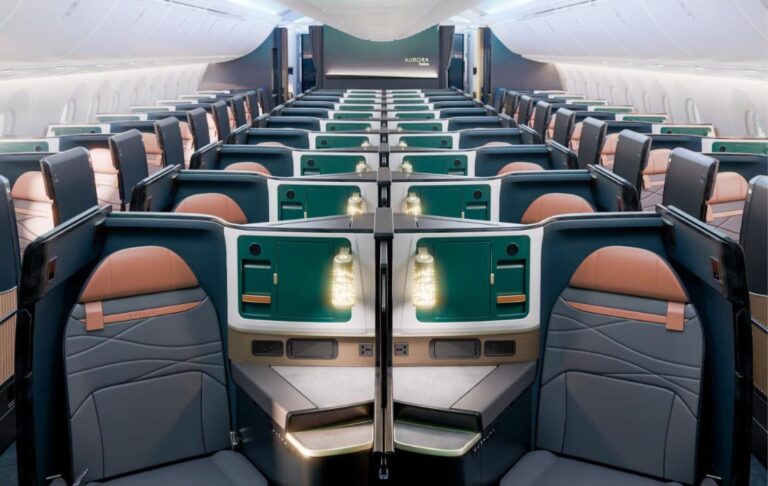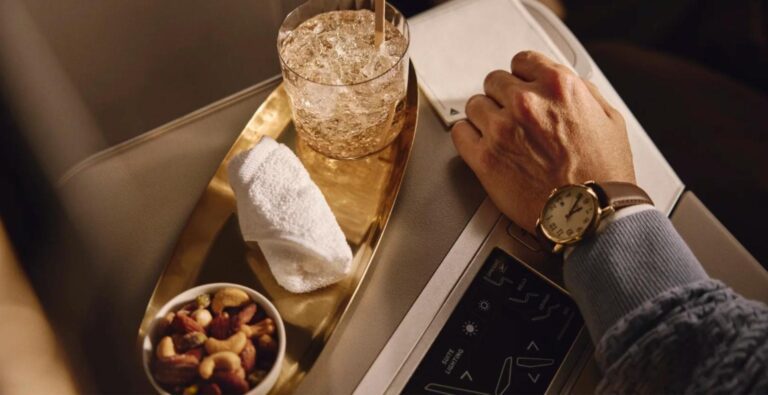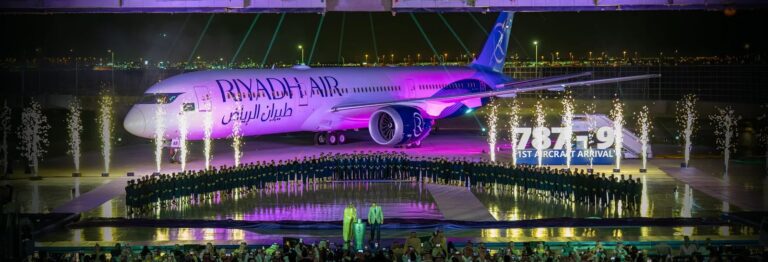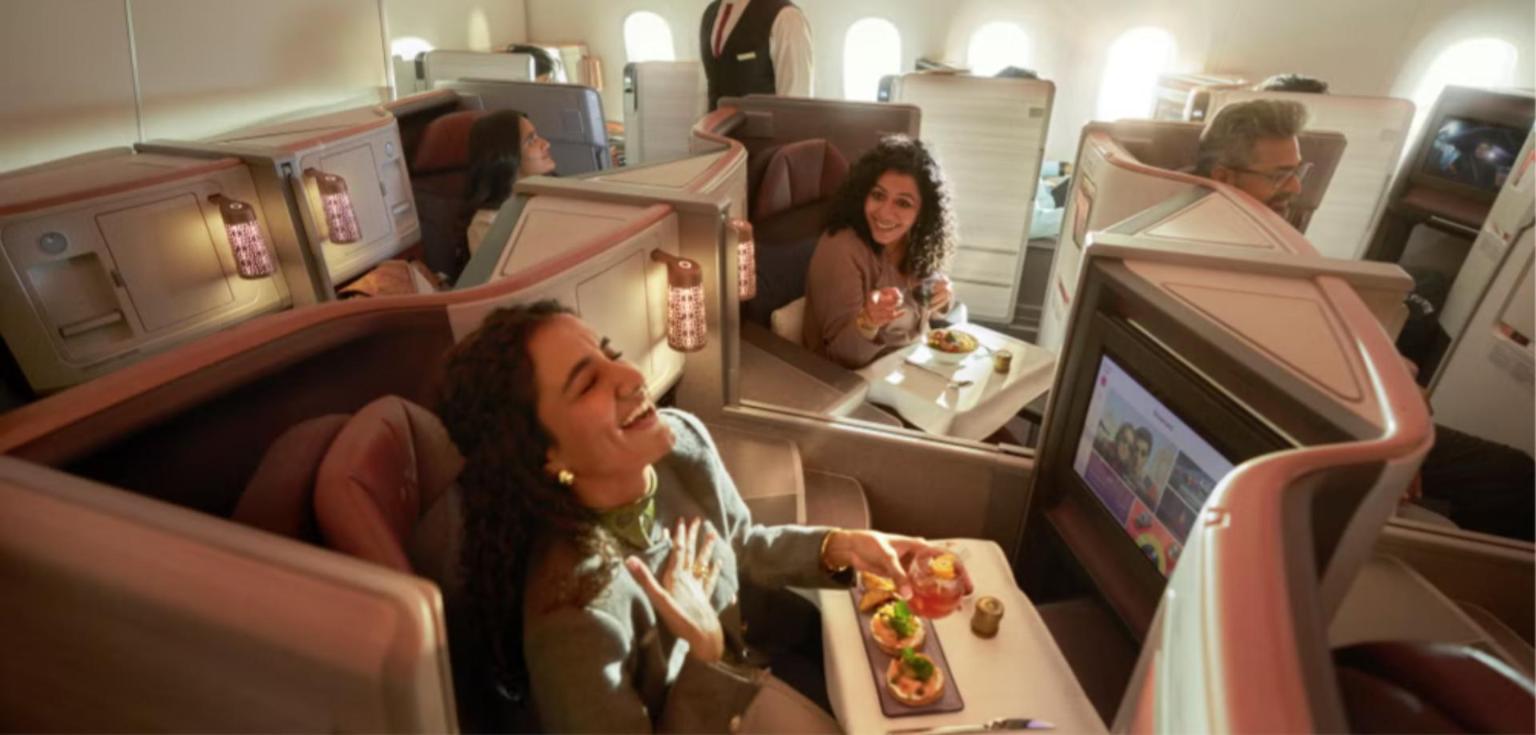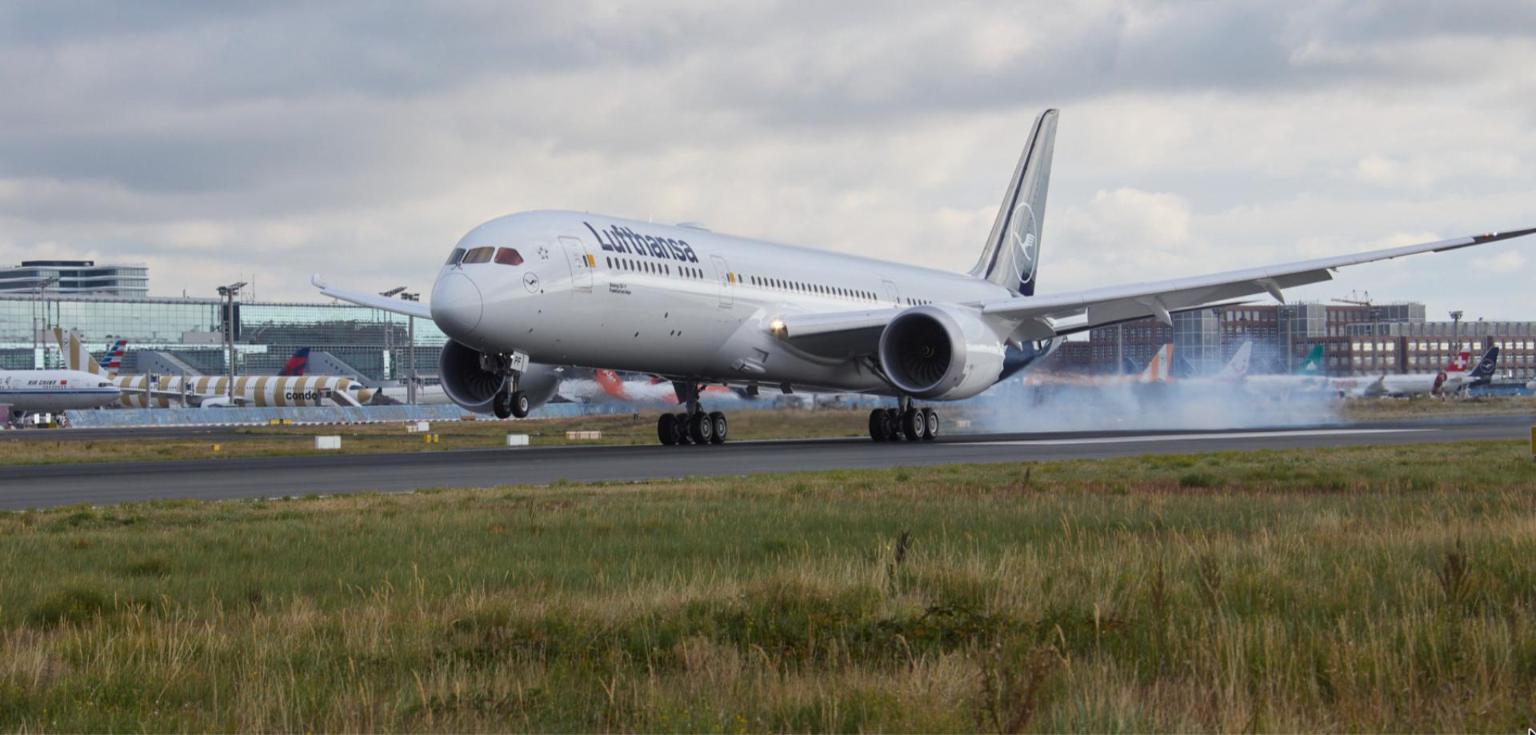
Three weeks after announcing Aurora Suites with doors for its 787s and a 737 for the first time, Alaska Air Group has turned to what goes on the tray table with new Alaska Airlines Suites menus.
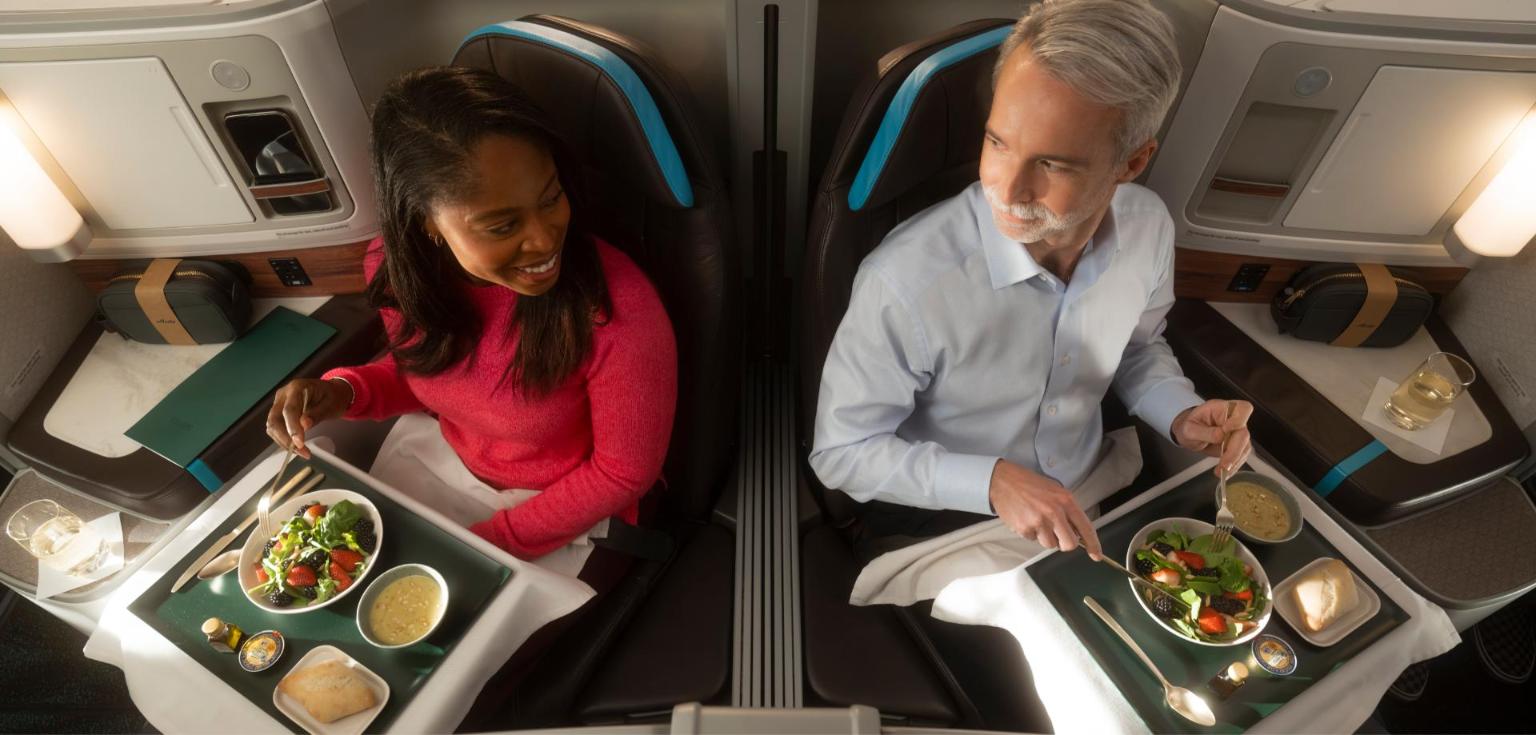
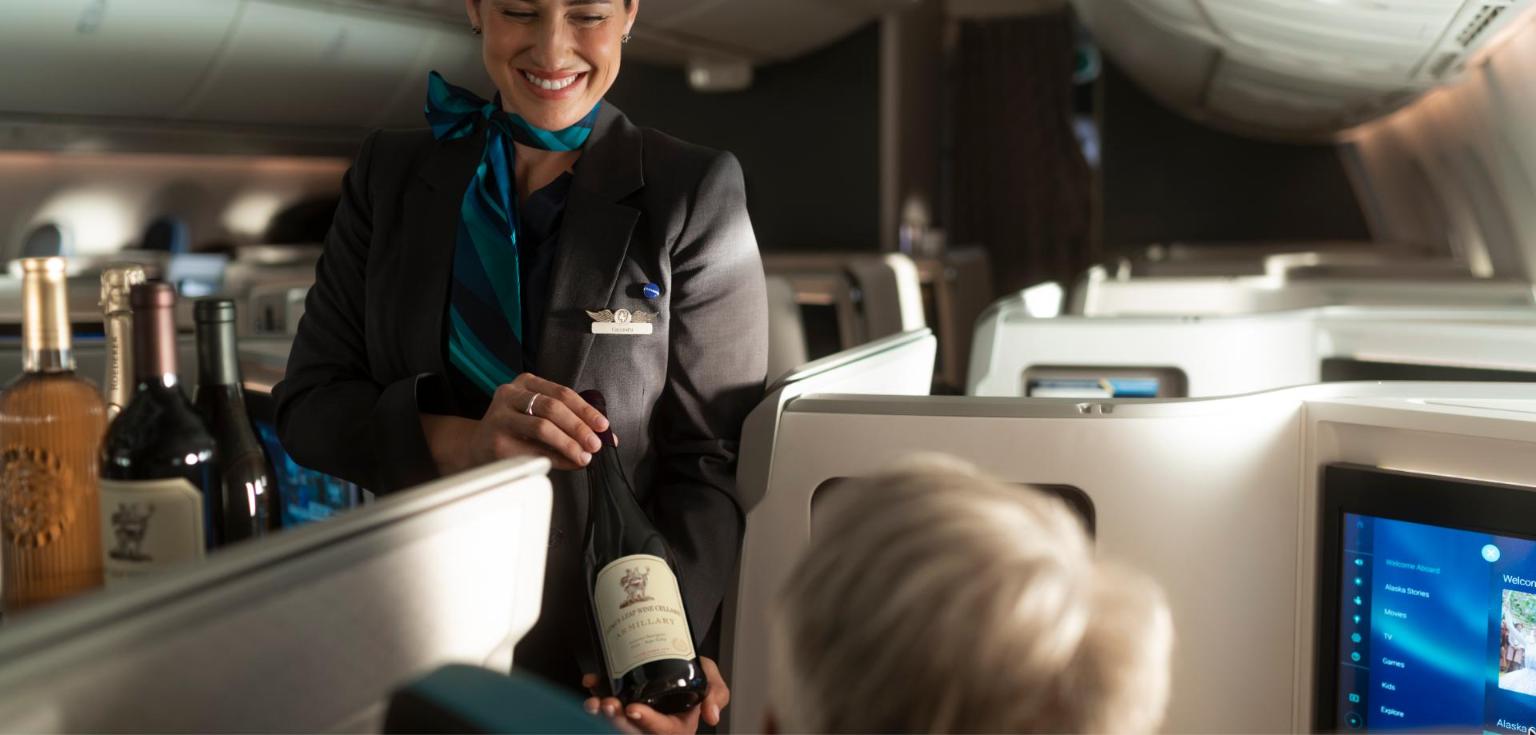
On 15 October 2026 Alaska Airlines and Hawaiian Airlines announced new chef-curated menus and a premium wine program for their international Suites cabins: Seattle’s James Beard Award winner Brady Ishiwata Williams on Alaska’s Tokyo and Seoul flights, with a miso-glazed black cod and a galbi-glazed chicken already available to pre-order; Hawaiʻi chef Dell Valdez on Hawaiian’s long-haul routes from 21 October, with an ahi au poivre and a huli huli chicken; Keaka Lee of Honolulu’s Kapa Hale on Hawaiian’s First Class from the islands, including a breakfast loco moco; and Renee Erickson, Seattle’s other James Beard winner, with seasonal menus to follow on Seattle–London and on Athens and Paris when they launch in May 2027.
The wine list adds Paul Hobbs’ West Sonoma Coast Pinot Noir and Viña Cobos’ Cocodrilo red blend from Argentina.
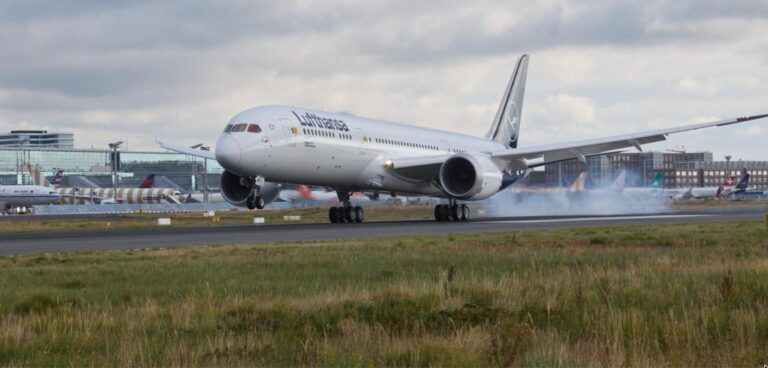
A week later the group added two long-haul routes to its Seattle hub: Osaka Kansai from 14 May 2027 and Papeete, Tahiti, from 11 June, both year-round and both flown by Hawaiian’s Airbus A330s. Together the two announcements say something about how the merged airline is building a fourth American long-haul carrier out of Seattle: the hardware is coming in 2027 and 2028, so for now the fight is on food, wine and destinations. Here is what is on the new Alaska Airlines Suites menus, what the new routes add, what it costs, and how it compares.
Alaska Airlines Suites Menus: Key Facts
- Announced: 15 October 2026, Alaska Airlines newsroom (menus and wine); 20 October 2026 (Osaka and Tahiti routes)
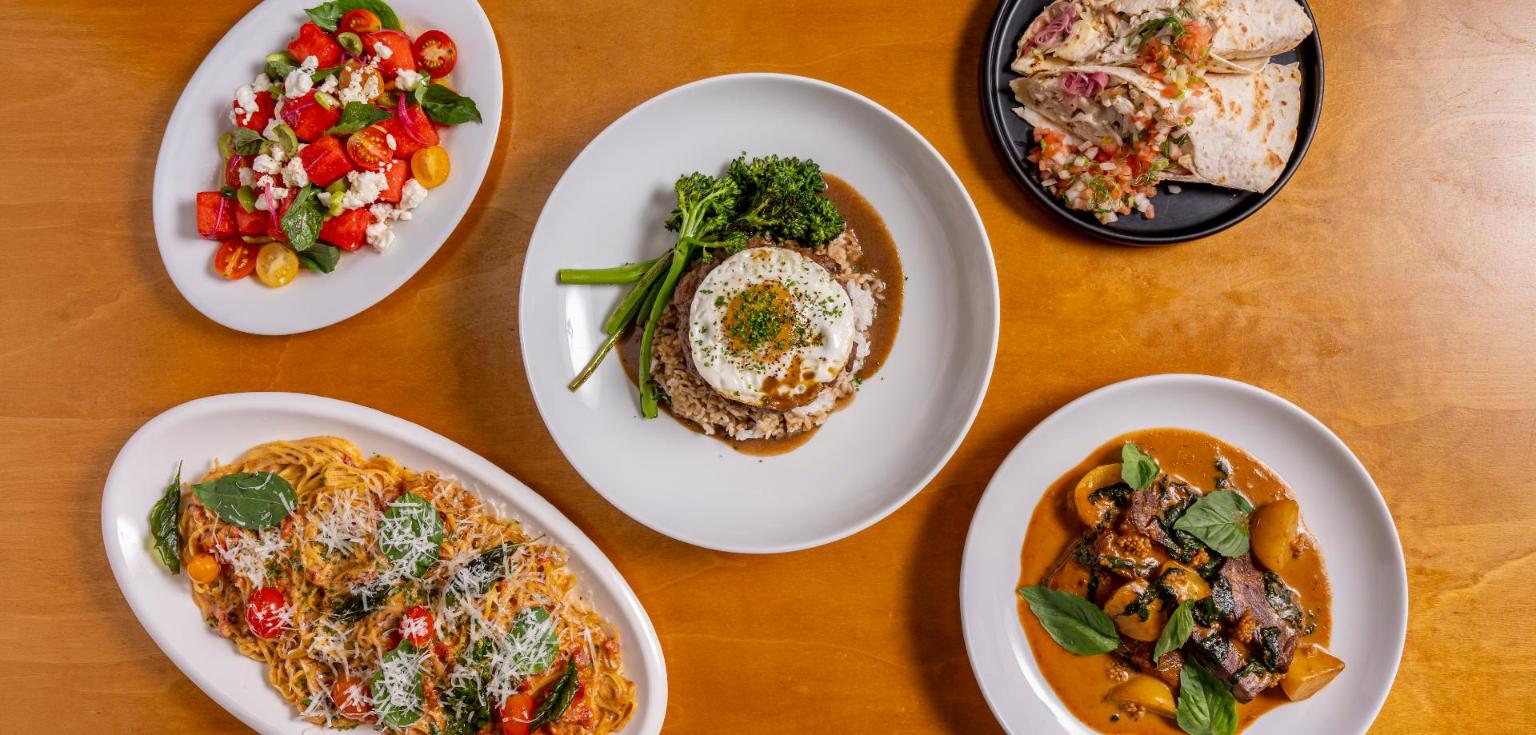
- Alaska Suites, Seattle–Tokyo Narita: miso-glazed black cod with kimchi fried rice and banchan, by Brady Ishiwata Williams (James Beard Award winner, Seattle); available now for pre-order
- Alaska Suites, Seattle–Seoul Incheon: galbi-glazed chicken with fried rice and banchan, also by Williams; his signature beef entrée stays on the Tokyo, Seoul and London flights
- Alaska Suites, Seattle–London, Athens, Paris: seasonal menus by Renee Erickson (James Beard Award winner, Seattle), coming soon; Athens and Paris launch in May 2027
- Hawaiian international Suites, from 21 October: ahi au poivre with celery root purée, huli huli barbecue chicken with kimchee fried rice, grilled pork medallions with soy-balsamic honey glaze, blackened tofu with Brussels sprouts and orzo, by Dell Valdez (Vein, Dell’s Kitchen & Bakery, Mio PASTALOGY)
- Hawaiian First Class departing Hawaiʻi, from 21 October: loco moco at breakfast, braised beef with roasted ʻulu (breadfruit) at dinner, by Keaka Lee (Kapa Hale, Honolulu); inbound flights to the islands get locally inspired dishes by Valdez
- Main Cabin: pre-order meals by Sheldon Simeon continue
- Wines: Paul Hobbs West Sonoma Coast Pinot Noir and Viña Cobos Cocodrilo Corte red blend (Argentina) join the international Business Class list; the airlines describe the program as featuring acclaimed producers from around the world and have not published the full list
- Pre-order: opens two weeks before departure and closes 20 hours before, in the Alaska and Hawaiian apps; Suites guests choose from up to five entrées on eligible flights; Hawaiian’s international Business Class gets expanded pre-select options from the week of 19 October
- New routes: Seattle–Osaka Kansai from 14 May 2027, four weekly; Seattle–Papeete from 11 June 2027, three weekly; both year-round on Hawaiian Airbus A330-200s with lie-flat Business Class in a 2-2-2 layout and free Starlink Wi-Fi for Atmos Rewards members; A330 cabin refits start in 2028
- Launch fares: introductory round-trip economy fares from Seattle of US$999 to Papeete and US$1,199 to Osaka, on sale until 26 October 2026; Business Class fares dynamic
- Target: Seattle as a gateway to at least 15 long-haul destinations by 2030
Why the Chefs Matter More Than Usual Here
Alaska is in an unusual position for a long-haul airline. Its 787-9s carry a good lie-flat seat inherited from Hawaiian that is being renamed Aurora and will get doors and new finishes over the next two years; its A330s carry an older 2-2-2 cabin that will not be refitted until 2028. The seat, in other words, cannot yet be the selling point on half the network. The soft product can, and the group has gone to the top of the Seattle and Honolulu restaurant scenes to make it one. Williams and Erickson are the two most decorated chefs in Seattle; Valdez and Lee run restaurants Honolulu residents actually eat in.
That is a different approach from the Michelin-import strategy Delta took this month or the celebrity-chef model Qatar used for its Australian menus: the dishes are regional, specific and designed for the route — black cod and banchan going to Tokyo, galbi to Seoul, loco moco on a morning departure from Honolulu.
The wine choice follows the same logic. Paul Hobbs is one of California’s best-known winemakers and his West Sonoma Coast Pinot Noir is the kind of bottle that appears on serious restaurant lists rather than in airport shops; Viña Cobos is his Argentine project. Naming two producers rather than publishing a list is a marketing choice, and the full program is still unknown, but the two bottles named are a step above what most US carriers pour in Business Class.
Osaka and Tahiti: What the New Routes Mean
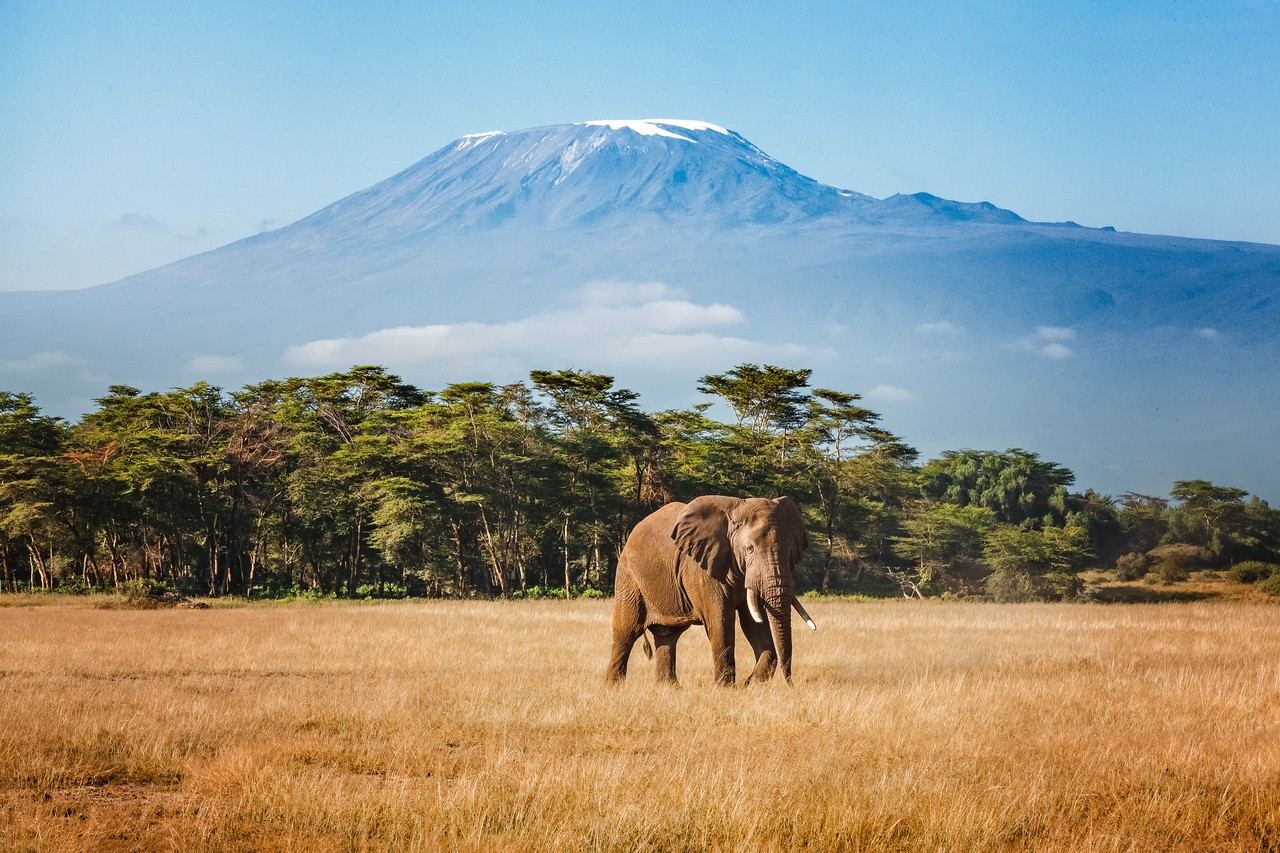
Seattle–Osaka gives Alaska a second Japanese city after Tokyo and a direct link to Kyoto, Nara and Kobe, which is where a large share of premium leisure travelers to Japan actually want to be. Seattle–Papeete is the more surprising choice — the route has been tried before from the US West Coast with mixed results — but it comes with a specific pitch: same-day connections to Bora Bora and Moorea without an overnight in Tahiti, which is the detail that matters if you are heading for an overwater villa. It also puts Alaska in the same market as Air Tahiti’s new all-business ATR 72 to Bora Bora, which starts in November and would be the natural onward flight.
Both routes fly on Hawaiian’s A330-200s, and this is where the honesty matters: the Business Class on those aircraft is lie-flat but open and 2-2-2, with no doors and no direct aisle access for window passengers. The chef menus and Starlink will be there from day one; the Leihōkū Suites refit will not reach the A330s until 2028. If the seat is what you are paying for, Seattle–Tokyo on the 787-9 is the better aircraft; if the destination is Kyoto or Bora Bora, the A330 is the only nonstop you will get from Seattle.
Tip: pre-order the Suites entrée in the app as soon as the two-week window opens — the five-entrée choice only applies to pre-orders, and on a full flight the chef dishes are the ones that run out.
How It Compares With the Competition
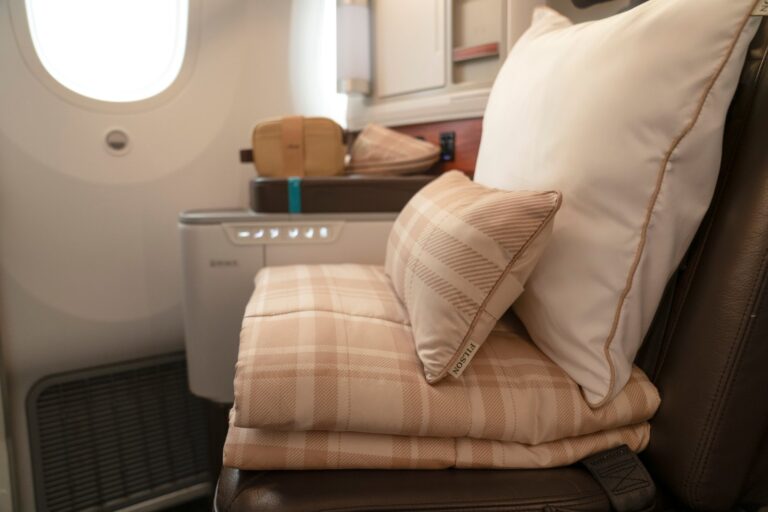
October 2026 has turned into a month of airline dining announcements. Delta rebuilt Delta One with a Michelin-trained chef and a Master Sommelier, Singapore Airlines added more than 100 dishes on Christofle, Air India moved to restaurant-style plated courses, and Qatar put Ross Lusted on its Australian flights. Against those, Alaska and Hawaiian’s announcement is smaller in scale and larger in specificity: named chefs, named dishes, named routes and named dates, with pre-order already live. What it lacks is a champagne story, a tableware story or a bedding story — the group has said nothing about what the Suites meal is served on, and the new tableware collections other carriers have launched this year have no equivalent here.
The other gap is the Hawaiian A330 cabin itself. A James Beard winner’s black cod is a fine thing, but it is being served in an older 2-2-2 seat on the Osaka and Tahiti routes, and that is the comparison most passengers will make with Japan Airlines and ANA on the Japan routes.
American Business Class, First-Hand Context
I have not flown Alaska or Hawaiian long-haul and this is a preview of an announcement, not a review of a meal. My references for how far a good menu can carry an older seat are Emirates’ 777 from Malé, where the food did exactly that, and Etihad’s 787-9, an excellent seat I marked down for the wine. Alaska’s decision to name two serious producers goes straight at the second problem; whether a Sonoma Pinot pairs with galbi chicken at 35,000 feet is the question I would want to answer in the seat. I previewed Alaska’s first 787 suites in September and the Aurora announcement this month; this is the third chapter of the same story.
How Much Does It Cost?
The chef menus and the wine program are included in every Suites and First Class fare on the routes where they have rolled out; there is no supplement and no separate dining purchase. Business Class fares on Seattle–Tokyo, Seoul and London, and on Hawaiian’s long-haul routes, are dynamic and vary by date; the Osaka and Tahiti introductory fares quoted above are economy, and Business Class on the new routes is priced dynamically from the same on-sale date. Atmos Rewards and oneworld partners, including Avios, sell award seats on all of them.
Flight prices do move between platforms. The same business class seat on the same date is not always the same price on the airline’s own site, Trip.com and Expedia: point-of-sale currency, consolidator fares and what is bundled into the ticket can shift the fare by a few percent — and occasionally by much more on premium cabins.
So before I pay I run the same dates through Aviasales, which scans dozens of booking sites at once, then check Trip.com (often the sharpest on long-haul fares) and Expedia (strongest when you add a hotel to the same booking). One caveat: a ticket bought through a booking site is changed or refunded through that site, not the airline, so read the fare rules before you buy.
Four chefs, two Pinot-grade producers and two new Pacific routes — Alaska is building its long-haul reputation from the galley outward while the suites catch up.
Photos © Alaska Airlines / Hawaiian Airlines
This preview is based on official announcements — I haven’t flown Alaska’s or Hawaiian’s international Suites yet. Read more about how I review or visit my Work With Me page.
This article contains affiliate links. If you book through them, I may earn a small commission at no extra cost to you. Read my full disclosure policy.