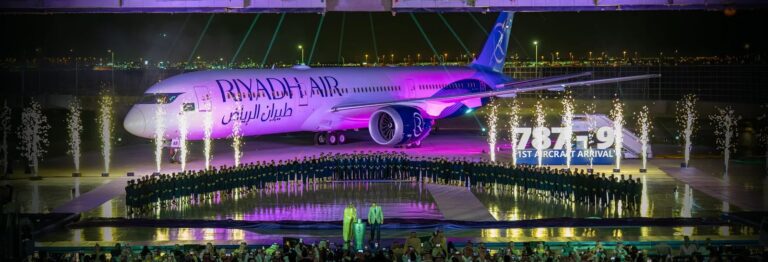
The most expensive hotel rooms in the Pacific are reached on a 45-minute turboprop. Every guest at the overwater villas of Bora Bora, from the Four Seasons to the St. Regis and the Conrad, arrives on an Air Tahiti ATR from Papeete with 69 other passengers in a 2-2 cabin, a flight that has always been the one unglamorous link in a very glamorous journey. On 14 October 2026 Air Tahiti took delivery of the aircraft that changes that: an ATR 72-600 fitted with ATR’s HighLine cabin in a 26-seat, all-business layout — thirteen rows of single seats on each side of the aisle, so every passenger has a window and nobody has a neighbour. It is the smallest all-business-class airliner in commercial service anywhere, and the first Air Tahiti business class of any kind; it enters service on 11 November 2026 under the name Air Tahiti Signature.
Here is the aircraft, the routes, the fares reported so far, and why a 26-seat turboprop is a bigger piece of luxury-travel news than its size suggests.
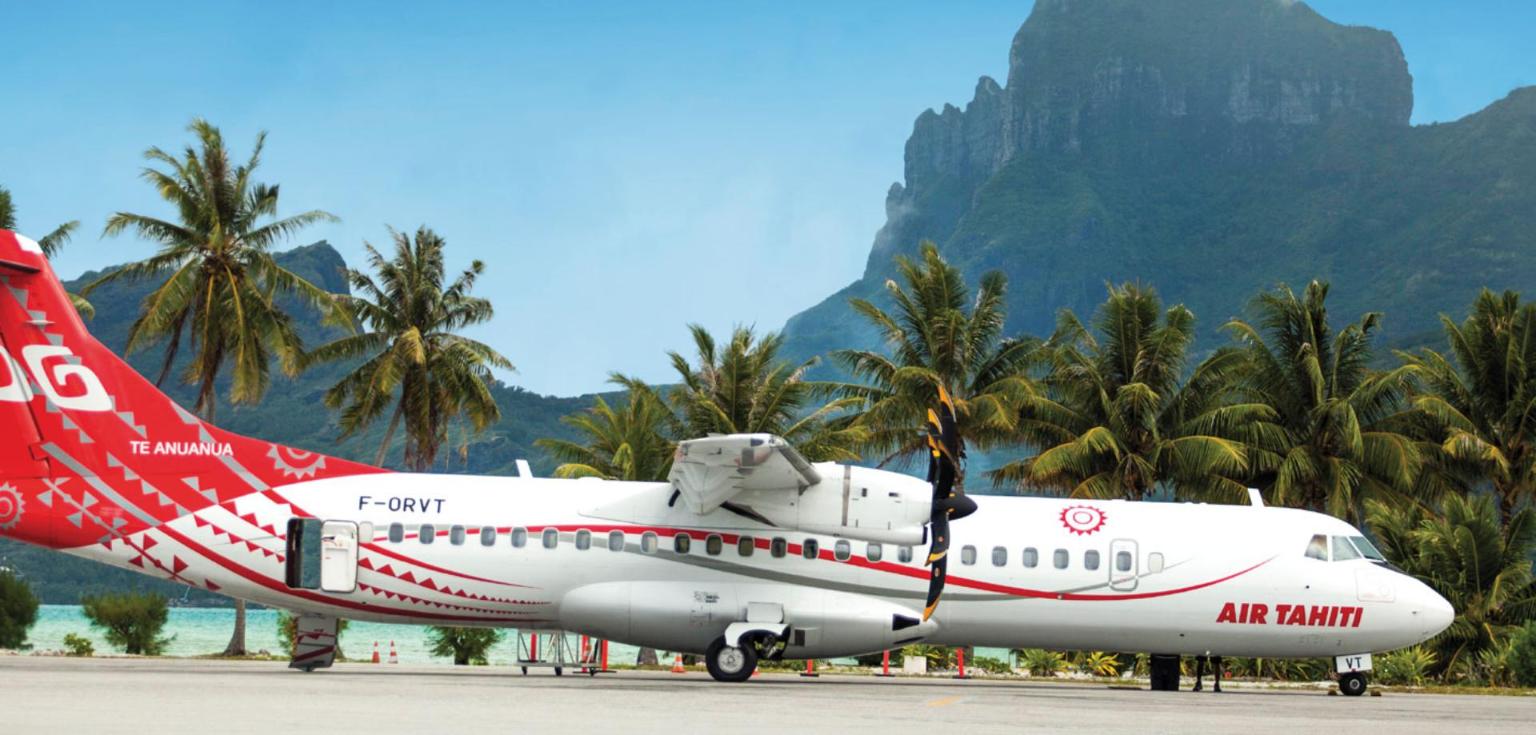
Air Tahiti Signature ATR 72-600: Key Facts
- Delivered: October 2026 (registration F-OPFO), flown from Toulouse to Tahiti on a six-day delivery flight through nine airports
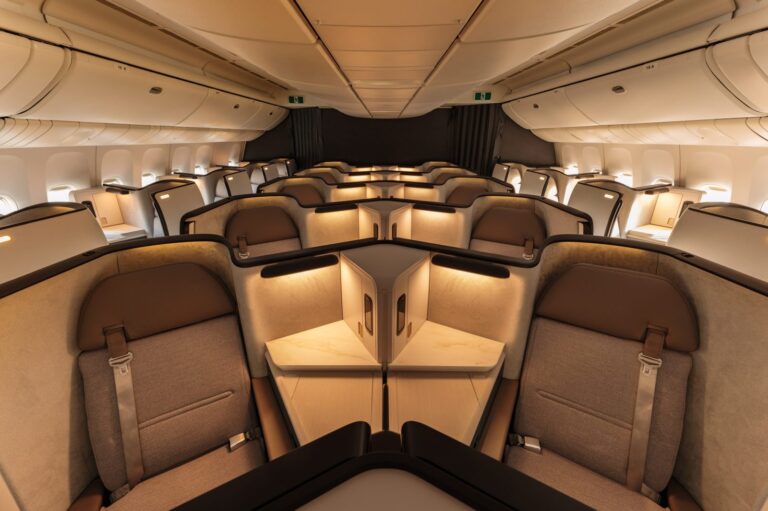
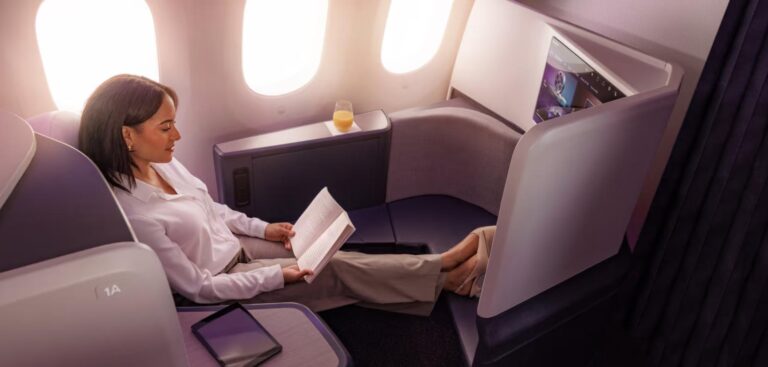
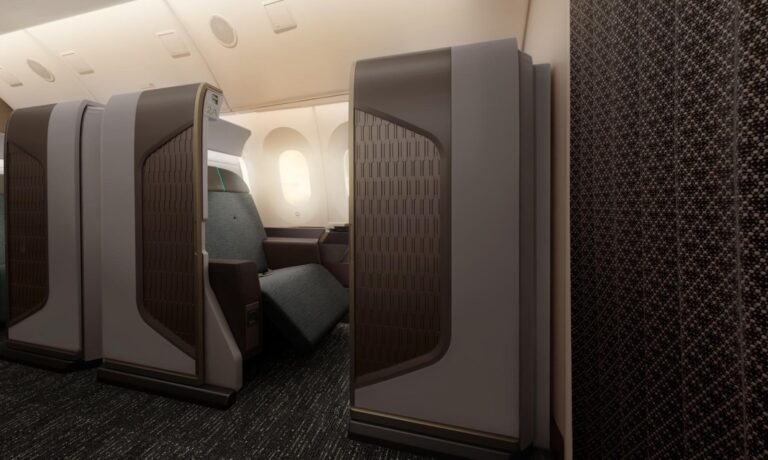
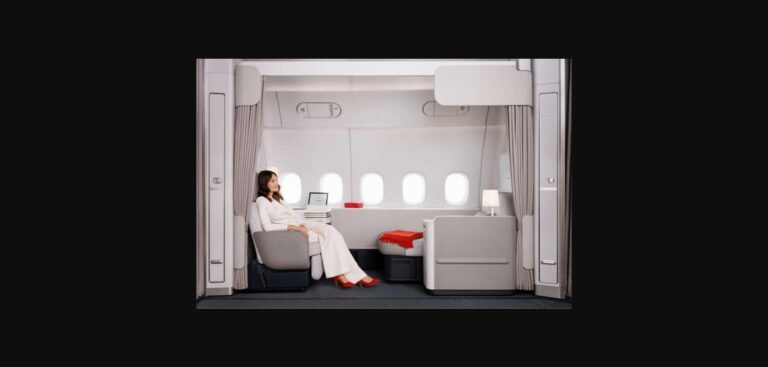
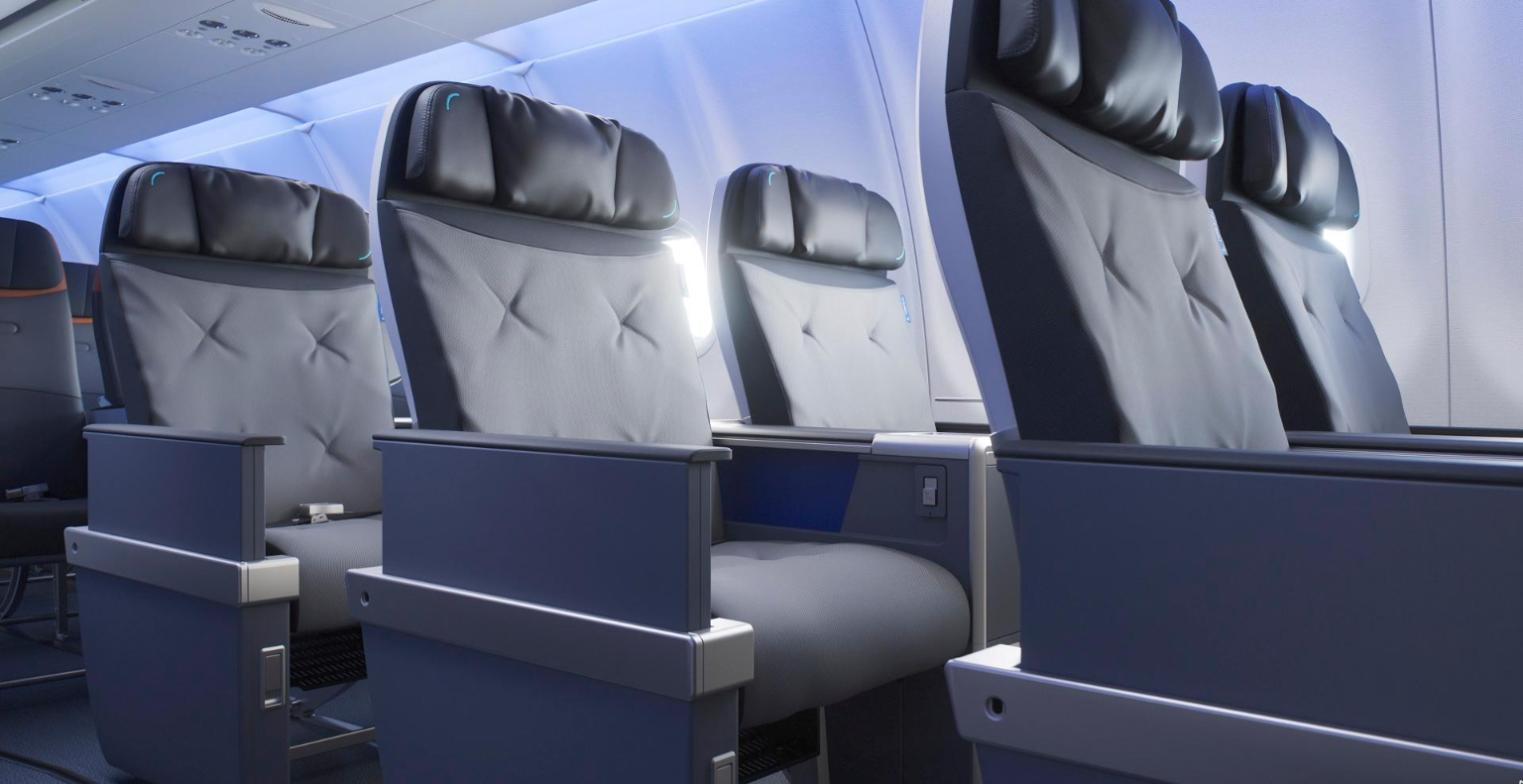
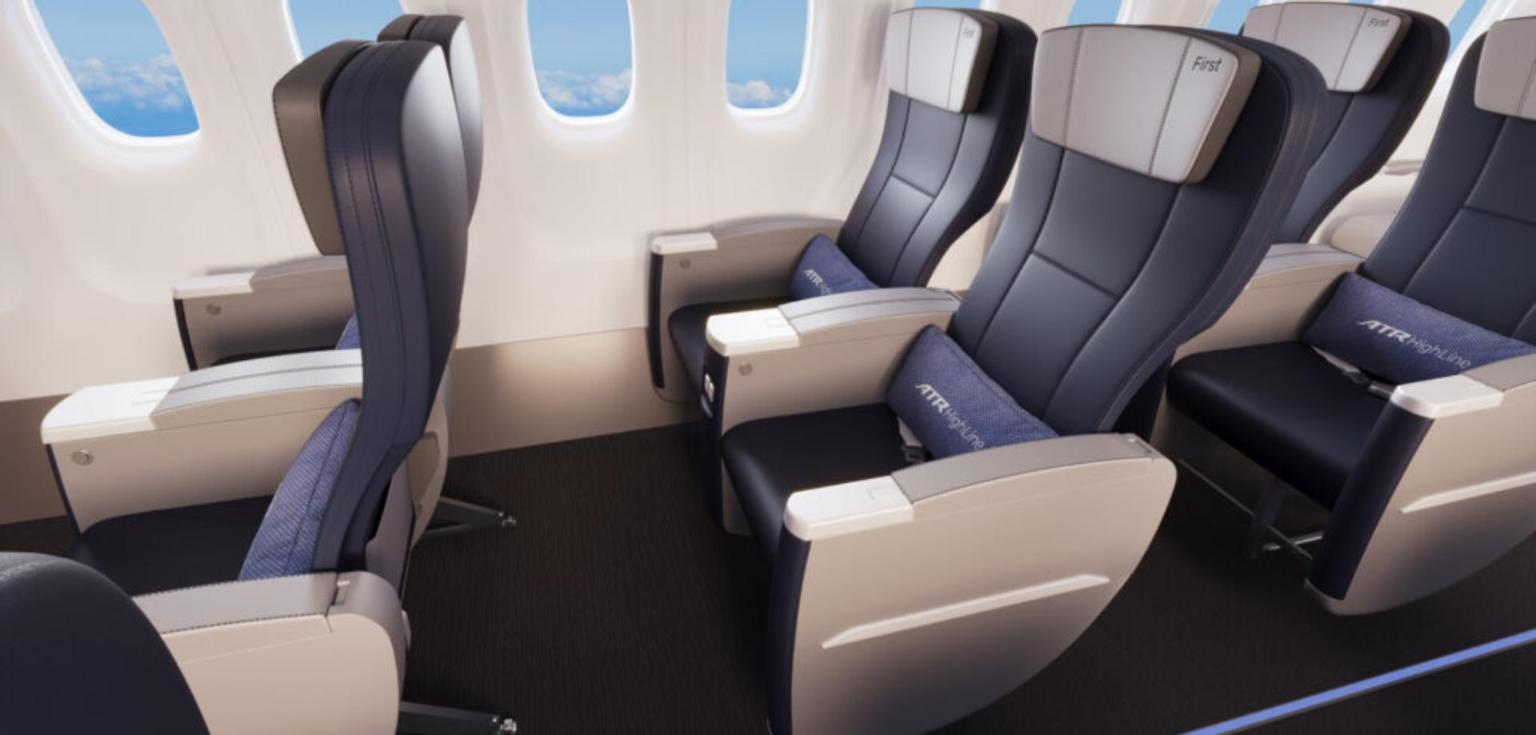
- Cabin: ATR HighLine configuration, 26 business class seats in a 1-1 layout across thirteen rows — every seat has a window and direct aisle access; the standard Air Tahiti ATR 72 carries 70 seats in 2-2
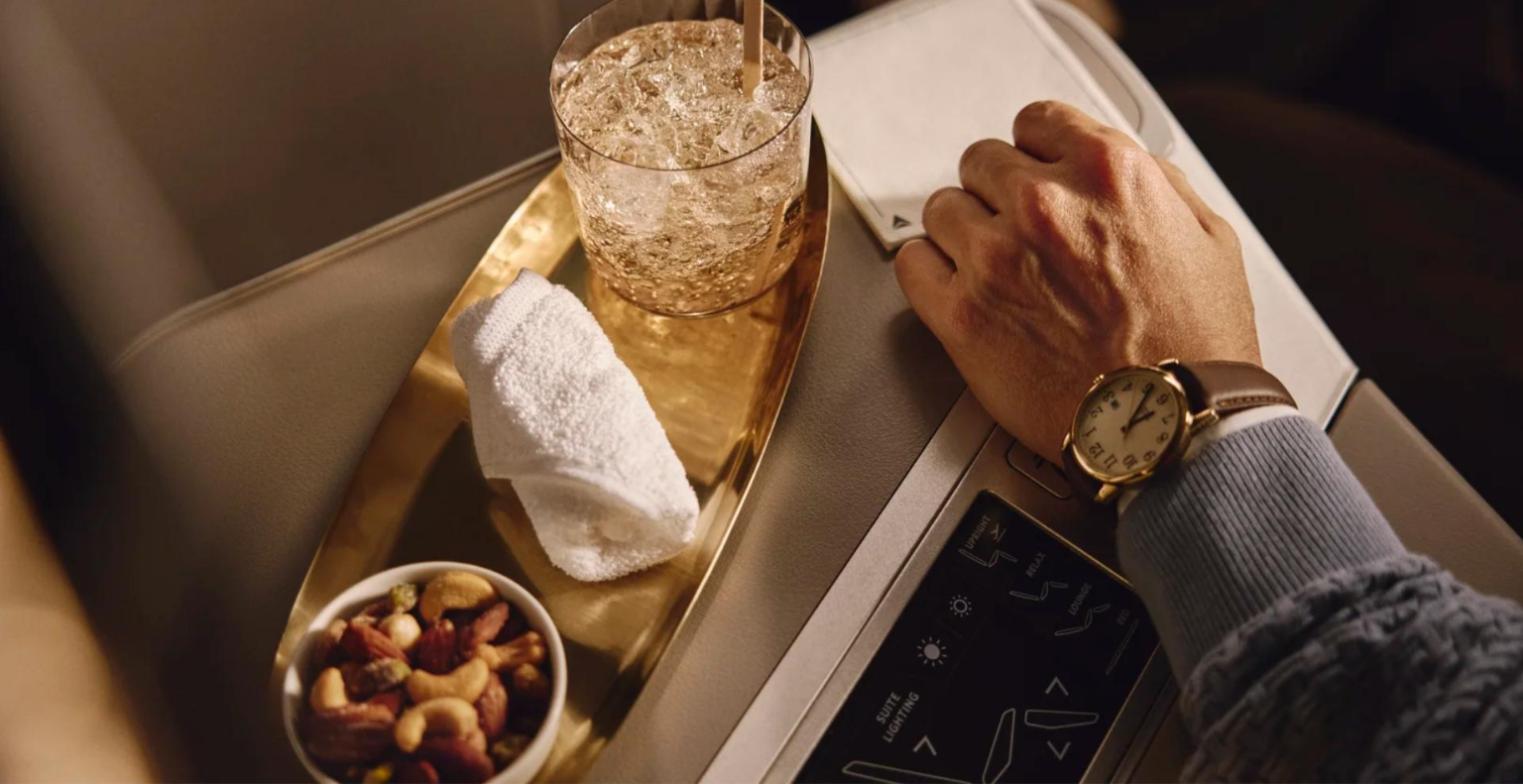
- Seats: by Italian manufacturer Geven; 21.7 inches wide, 39.4-inch pitch, seven inches of recline, personal side table, individual storage, USB-A and USB-C power; the seats recline but do not lie flat
- Entertainment: streamed to passengers’ own devices
- Design: livery and cabin motifs inspired by the Centre des Métiers d’Art de la Polynésie française, Tahiti’s arts and crafts school
- Product name: Air Tahiti Signature — priority airport services, personalised ground handling, upgraded onboard refreshments, and dedicated lounges in Tahiti and Bora Bora
- Routes: Papeete Faa’a (PPT) to Bora Bora (BOB) and Raiatea (RFP), the gateway to Taha’a; scheduled flights and private charters
- Service start: 11 November 2026
- Fares: introductory one-way business fares reported at just under US$500 against economy from about US$220 on the same route; see below
- Loyalty: Air Tahiti is listed as a forthcoming regional partner of Alaska’s Atmos Rewards, with terms not yet published
Why a Turboprop Is Luxury News
Bora Bora has no runway long enough for a jet and no ferry fast enough to matter, so the ATR from Papeete is compulsory. For years the contrast has been absurd: a guest spends US$2,000 a night on an overwater villa and gets there in a 70-seat regional cabin with a cold juice. Private charters existed, at private-charter prices. Air Tahiti Signature is the first scheduled product in between — a cabin where the seat is wider than most international premium economy, the window is guaranteed (and on the approach to Bora Bora the window is the whole point), and the lounge, the ground handling and the refreshments are handled for a passenger who has just stepped off a 20-hour journey from Europe or the US.
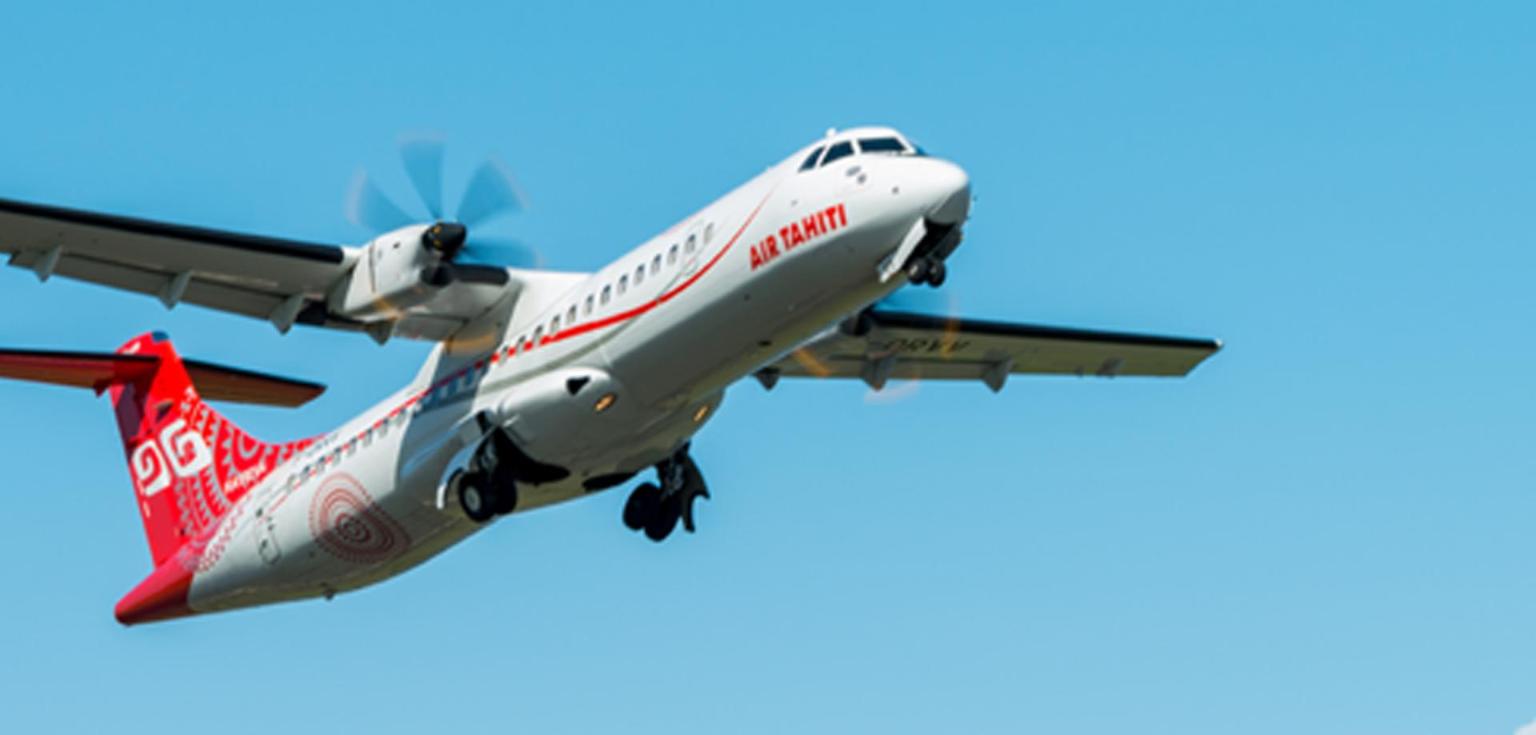
It also solves a problem the resorts have wanted solved for a decade. The Four Seasons, St. Regis, Conrad and InterContinental all meet guests at Bora Bora’s motu airport by boat; a dedicated business-class arrival with its own lounge at Papeete lets the resorts sell a seamless premium transfer from the long-haul flight to the villa jetty, which is exactly what Air Tahiti means by an “end-to-end premium travel experience”. Raiatea and Taha’a, home to Le Taha’a and the islands’ vanilla plantations, get the same treatment.
The Air Tahiti Business Class Seat, Honestly
It is a recliner, not a bed, and on a flight of 45 to 50 minutes that is the right call. The HighLine seat is 21.7 inches wide with 39.4 inches of pitch and seven inches of recline — numbers that put it ahead of a European business class seat on an A320 and roughly level with a long-haul premium economy — with a side table, storage, USB power and the entertainment on your own phone or tablet. The 1-1 layout is the real luxury: thirteen single seats on each side of the aisle means no middle-seat negotiation, no climbing over anyone, and a window for every passenger on the flight where the view of Bora Bora’s lagoon from the air is the first postcard of the holiday.
There is a catch, and the aviation press has already raised it. Air Tahiti has one of these aircraft. If Signature flights replace 70-seat departures rather than add to them, the airline loses 44 seats on each rotation on an island with limited bed capacity, and economy passengers lose frequencies. Air Tahiti has said both scheduled services and charters are planned; it has not yet published a timetable showing how many Signature rotations a day will run alongside the standard flights.
Tip: with a 1-1 layout every seat is a window seat, so the lagoon approach into Bora Bora — the motu, the reef and the resorts laid out beneath you — is guaranteed whichever side you sit; it is the one flight where you should not sleep.
Who Will Fly It, and Who Won’t
The customer is obvious: the honeymooner or anniversary couple who has booked an overwater villa, flown Air Tahiti Nui, Air France or United business class to Papeete, and wants the last 45 minutes to match. At just under US$500 one way against about US$220 in economy, the premium is roughly the price of a dinner at the resort, and the lounge access at Papeete — where the international arrival and the domestic departure can be hours apart — is worth more than the seat to a traveller connecting off a Los Angeles or Paris flight. The second customer is the charter market: a 26-seat 1-1 aircraft is a natural wedding, incentive or private-group charter, and Air Tahiti has said charters are part of the plan.
Who it is not for is the island-hopper on the Multi-Islands Pass who flies six legs in ten days; for them the 70-seat ATRs remain the network, and the question is whether Signature leaves those schedules alone.
Island Flying, First-Hand Context
I have not flown Air Tahiti Signature and this is a preview of a delivery, not a review of a flight. My reference for the last-leg problem is the liveaboard and island transfers I have taken in Indonesia and the Maldives — including the seaplane to the Infiniti liveaboard and the speedboat transfers that follow a business class flight into Malé — where the gap between the international cabin and the final transfer is always the weakest point of the trip. The Maldives solved it with private seaplane lounges; French Polynesia has just solved it with a business-class turboprop. For anyone pairing a Bora Bora stay with diving at Rangiroa or Fakarava, it is the first time the domestic leg can be booked at the same standard as the rest.
How Much Does It Cost?
Air Tahiti has not published a rate card. Introductory one-way Signature fares were reported at just under US$500 on Papeete–Bora Bora, against economy fares from roughly US$220 on the same sector; fares are expected to vary by date and demand once the service starts on 11 November, and charter pricing is on request. Alaska’s Atmos Rewards lists Air Tahiti as a coming regional partner, but no award pricing has been confirmed; Air Tahiti’s Multi-Islands Pass products have not been extended to Signature.
Flight prices do move between platforms. The same premium seat on the same date is not always the same price on the airline’s own site, Trip.com and Expedia: point-of-sale currency, consolidator fares and what is bundled into the ticket can shift the fare by a few percent — and occasionally by much more on premium cabins. So before I pay I run the same dates through Aviasales, which scans dozens of booking sites at once, then check Trip.com (often the sharpest on international fares) and Expedia (strongest when you add a hotel to the same booking). One caveat: a ticket bought through a booking site is changed or refunded through that site, not the airline, so read the fare rules before you buy.
Twenty-six seats, twenty-six windows, and a lounge at each end — the last 45 minutes to Bora Bora finally match the villa at the other end.
Photos © Air Tahiti / ATR
This preview is based on official announcements — I haven’t flown Air Tahiti Signature yet. Read more about how I review or visit my Work With Me page.
This article contains affiliate links. If you book through them, I may earn a small commission at no extra cost to you. Read my full disclosure policy.