The short answer: Full-face snorkel masks are legal in most places. But a growing number of hotels, tour operators and dive authorities now discourage them or ban them outright. The three main risks: carbon dioxide can build up inside the mask, you can’t rip it off quickly in a panic, and you can’t blow water out of the tube. Cheap copies carry the most risk. A well-made full-face snorkel mask from a reputable brand, sized correctly, is reasonable for floating in calm water. For currents, swell, longer swims or duck-diving, a traditional mask with a good dry snorkel is the safer choice.
After more than 25 years of diving, I still don’t use them. I have never been able to get a full-face mask to seal closely on my face, and I prefer the snug fit of a regular low-volume mask. The piece of kit that has made the biggest difference to my snorkelling is a high-end dry snorkel, the kind with a valve at the top that stops water getting in. In chop, surge or a sudden wave, that valve is a game changer: you keep breathing air instead of seawater, and you stay calm when conditions turn.
Why Everyone Is Talking About That Sign in Egypt
A photo of a beach sign on Egypt’s Red Sea coast is doing the rounds online. It says full-face masks are prohibited there and gives three reasons: difficulty breathing while swimming, CO2 retention, and difficulty removing the mask in an emergency. Rules like this are set by individual hotels, not by the government. Egypt’s Chamber of Diving and Watersports (CDWS) has not banned the masks outright. Instead, it asks dive and snorkel operators to warn visitors about the risks. That advice was issued with the Ministry of Tourism and Antiquities after investigations into several incidents pointed to repeated accidents linked to full-face snorkelling.
Egypt is also the setting for one of the most widely cited cases. In January 2020 a 63-year-old snorkeller died near Hurghada of immersion pulmonary oedema, a build-up of fluid in the lungs that starves the body of oxygen. Afterwards a coroner warned that full-face masks could be putting millions of people at risk. She had recently been diagnosed with high blood pressure, which the coroner said contributed to her death. She had used the same Easybreath mask for five years without any problems.
I’ve covered the Red Sea’s reefs in my Red Sea liveaboard review.
Where the Full-Face Mask Came From
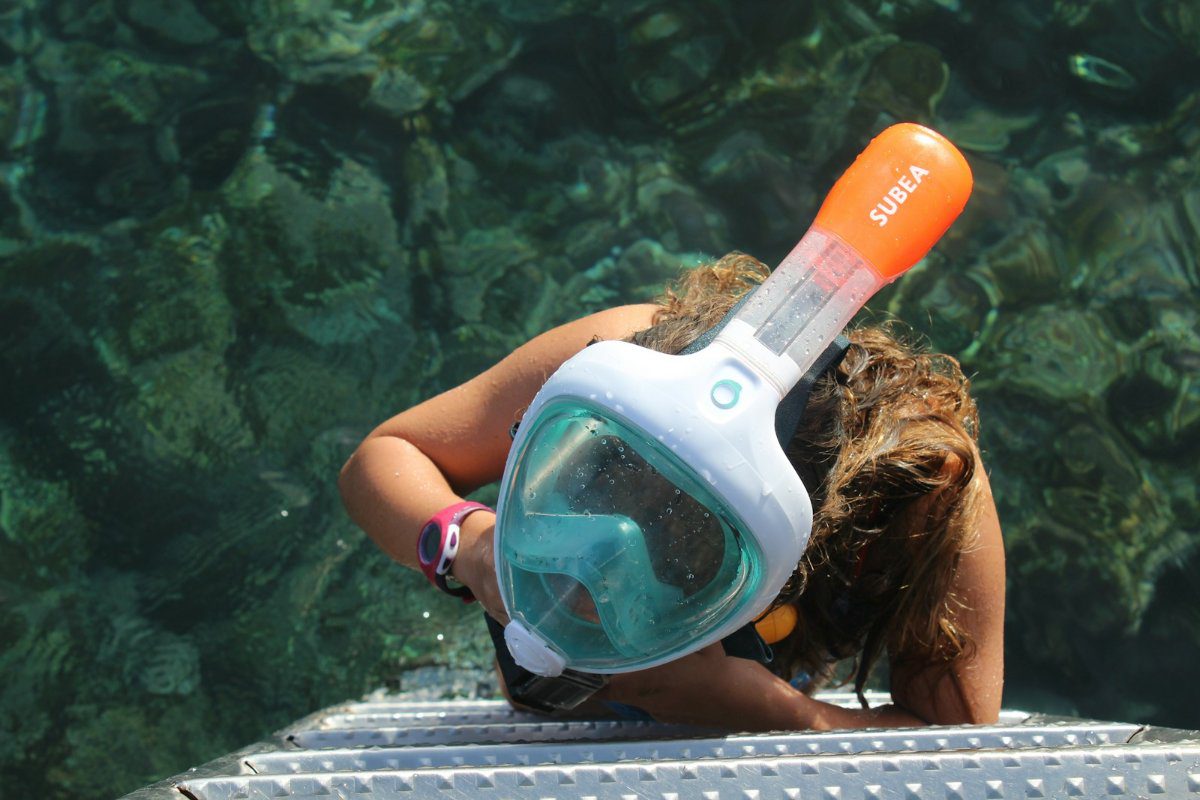
The modern full-face mask is French. Decathlon filed its design in May 2014 and sold it as the Easybreath, intended for surface snorkelling only. Holidaymakers loved the wider view, the easier breathing and the lower chance of flooding. Since then the masks have been linked to a number of deaths. The general view among dive professionals is that cheap imitations are more to blame than the reputable brands.
The Pros
- Natural breathing. You breathe through your nose and mouth, with no mouthpiece to grip. That helps nervous beginners and anyone who struggles to hold a mouthpiece, such as denture wearers.
- Panoramic view. A single dome lens gives a wide field of vision over a shallow lagoon.
- No jaw fatigue. There is no silicone bit clenched between your teeth for an hour.
- Easy for first-timers. People who struggled with a classic snorkel years ago often find a full-face mask less intimidating.
The Cons and the Real Dangers of a Full-Face Snorkel Mask
1. Carbon dioxide rebreathing. Every snorkel has some “dead space”: exhaled air that you breathe back in. A full-face mask adds far more of it than a tube does. The strongest evidence comes from a University of Auckland study that compared full-face masks with conventional snorkels during simulated exercise. At light effort, 45% of full-face trials had to be stopped for excessive CO2, against 20% with conventional snorkels. At moderate effort the figures were 41% and 19%, and five participants’ blood oxygen fell below 90%. Watch for light-headedness, narrowing vision, tingling lips or a feeling that you can’t get enough air.
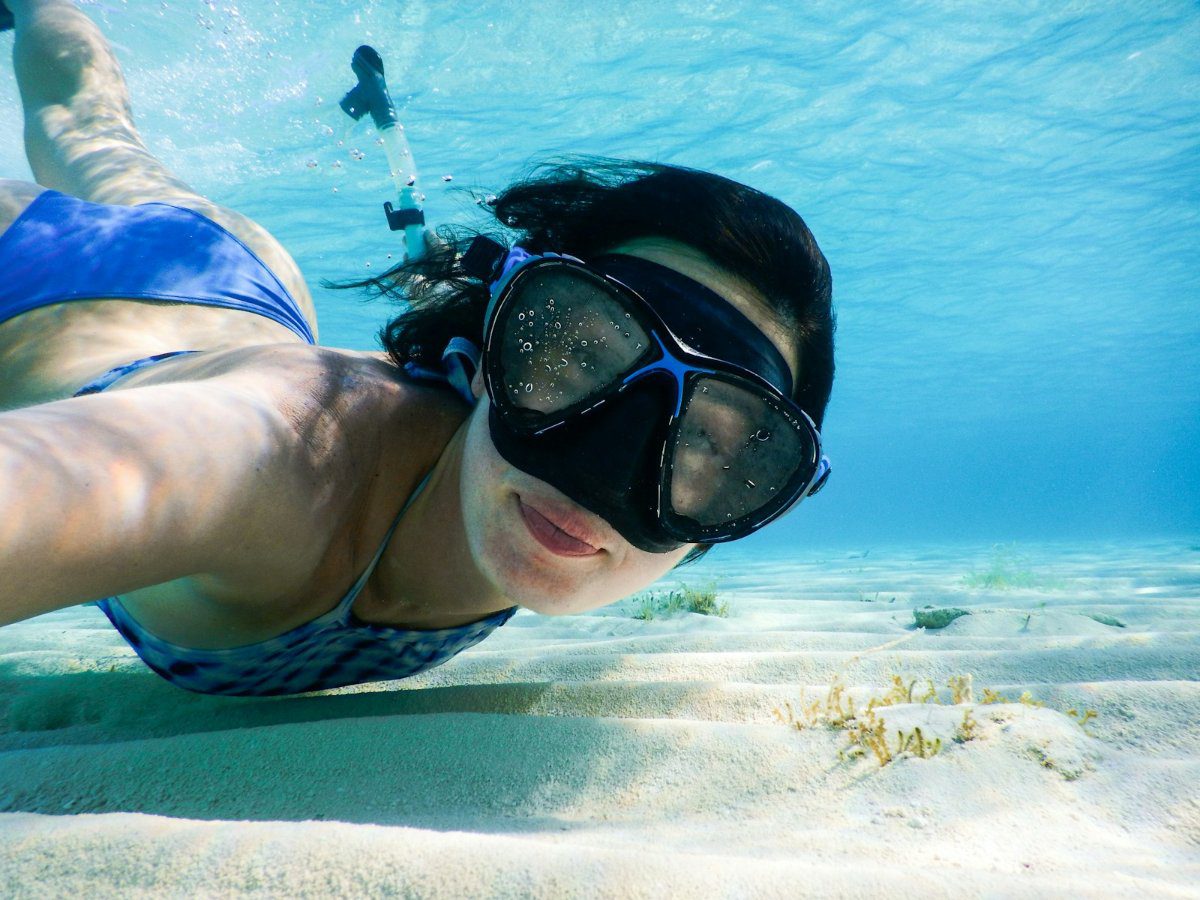
2. Poor fit on many faces. My own experience is backed by data. In the same Auckland study, 7 of 20 participants had seal failures with one mask and 11 of 20 with another. All five participants of Asian ethnicity had an inadequate internal seal. A leaking inner seal defeats the airflow design that is supposed to keep CO2 away from your nose and mouth.
3. Hard to escape, hard to clear. Hawaii’s snorkel safety study tested 50 masks and snorkels, four of them full-face. It found full-face masks neither better nor worse for breathing resistance, but identified clear drawbacks. You can’t spit out a mouthpiece, you can’t safely dive below the surface, and the mask is hard to remove in an emergency. Water can’t be blown clear of the top-mounted tube, and a faulty valve can seriously impair breathing. A traditional mask with a dry snorkel avoids all of this: if something goes wrong, you drop the snorkel from your mouth and breathe open air in a second.
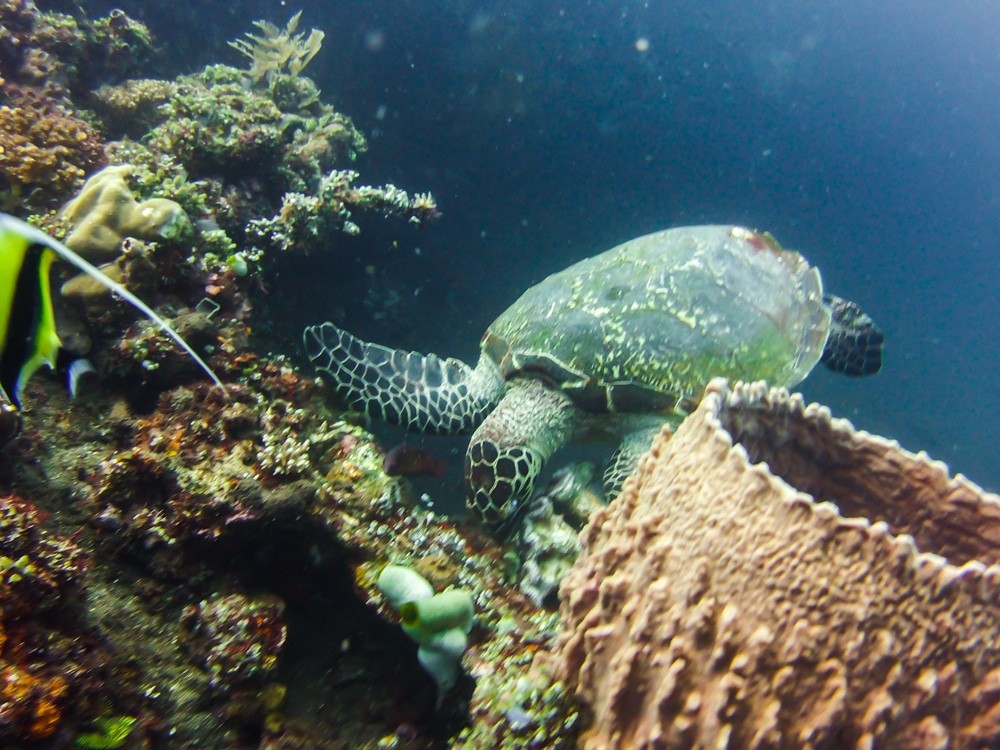
4. No duck-diving. You can’t reach your nose to equalise, so a full-face snorkel mask is strictly for the surface. That rules it out if you want to drop down for a closer look at a turtle.
5. Counterfeits and cheap copies. Better masks from brands such as Mares and SEAC separate the nose and mouth into their own chamber and use vents to flush in fresh air, which keeps CO2 out of the rest of the mask. Budget copies often skip that engineering. On 5 March 2026 the US Consumer Product Safety Commission told consumers to stop using OUSPT full-face masks immediately. It cited reports of laboured breathing, loss of consciousness and an alleged drowning. Around 84,000 of these masks were sold on Amazon between March 2019 and February 2026.
What Hawaii Found
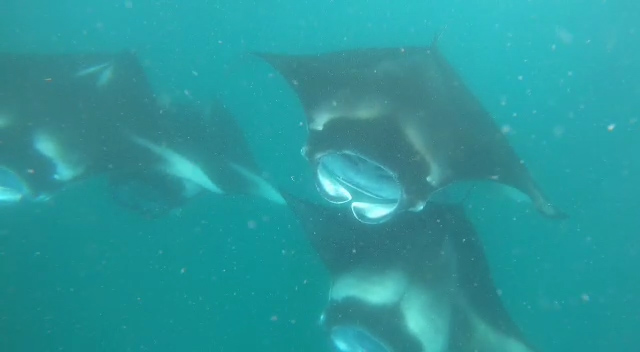
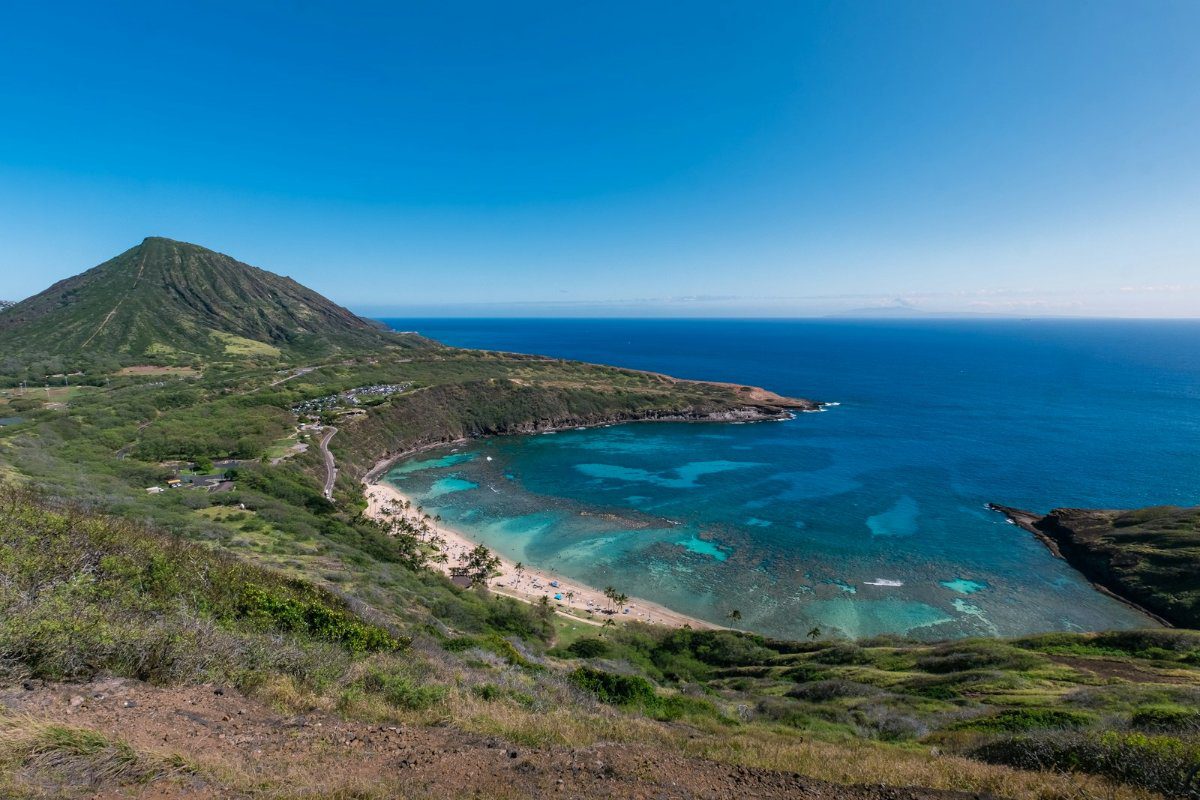
The debate started in Hawaii. State Health Department figures show snorkel-related deaths rising from 16 in 2014 to 31 in 2018. The science is still mixed. A small Duke University study of 10 people was inconclusive about whether full-face masks caused more drownings, though it did raise safety concerns. Operators haven’t waited for a final answer. Hawaii has no statewide ban, but its ocean safety guidance warns of the risks and says OUSPT masks should not be used, and individual operators can set stricter rules. Snorkel Bob’s, one of the islands’ biggest rental companies, has never rented full-face masks after testing one and judging it unsafe. Manta Ray Advocates banned them on its moonlight manta swims after repeated incidents.
The Kit I Use Instead
My setup is simple: a low-volume mask that seals closely, such as the Cressi F1 Frameless Mask, paired with a dry snorkel whose top valve shuts when a wave washes over it, such as the Cressi Supernova Dry snorkel. Together they give you a tight seal, a snorkel you can drop in a second, and a way to keep seawater out when the surface turns choppy.
Packing for a dive trip? My guide to reef-safe sunscreen for divers covers another item worth getting right, and my guide to diving in Bali ranks the island’s best dive sites by region.
If You Still Want to Use a Full-Face Mask
- Buy from an established dive brand with a separate nose-and-mouth chamber, not an unbranded online bargain.
- Size it carefully. Hair, beards and narrow or flat facial profiles can all break the seal.
- Try it first in a pool or in shallow water where you can stand.
- Float and fin slowly. Heavy effort drives CO2 up fastest.
- Never duck-dive in it.
- At the first sign of dizziness, a headache or air hunger, stop, lift the mask and rest.
- Snorkel with a buddy, and consider a flotation vest in open water.
- Leave it at home for currents, chop, long reef swims and night snorkels. A close-fitting traditional mask and a dry-top snorkel are the better tools for those.
FAQ
Are full-face snorkel masks illegal?
Not in most countries. Restrictions are usually set by individual hotels, beaches and tour operators rather than by national law.
Is Egypt banning full-face snorkel masks?
Egypt’s diving authority recommends against them and asks operators to warn guests. Some Red Sea hotels prohibit them on their beaches.
Are expensive full-face snorkel masks safer?
Better-engineered masks keep breathing air separate from the viewing area and have been tested more thoroughly. But no full-face mask lets you duck-dive, equalise or clear the tube the way traditional gear does.
What’s the best alternative to a full-face snorkel mask?
A low-volume mask that seals closely on your face, paired with a dry snorkel whose top valve stops water entering when a wave washes over you.
Disclosure: this article contains affiliate links. If you book through them, I earn a small commission at no extra cost to you. As an Amazon Associate I earn from qualifying purchases. Read my full disclosure policy.
Read more about how I review or visit my Work With Me page.