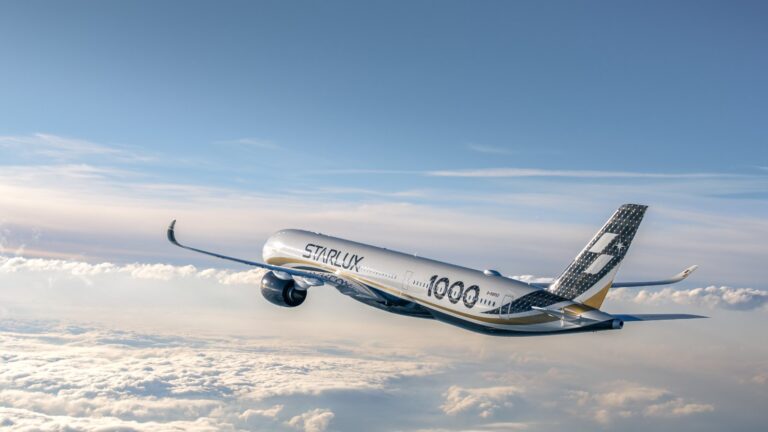
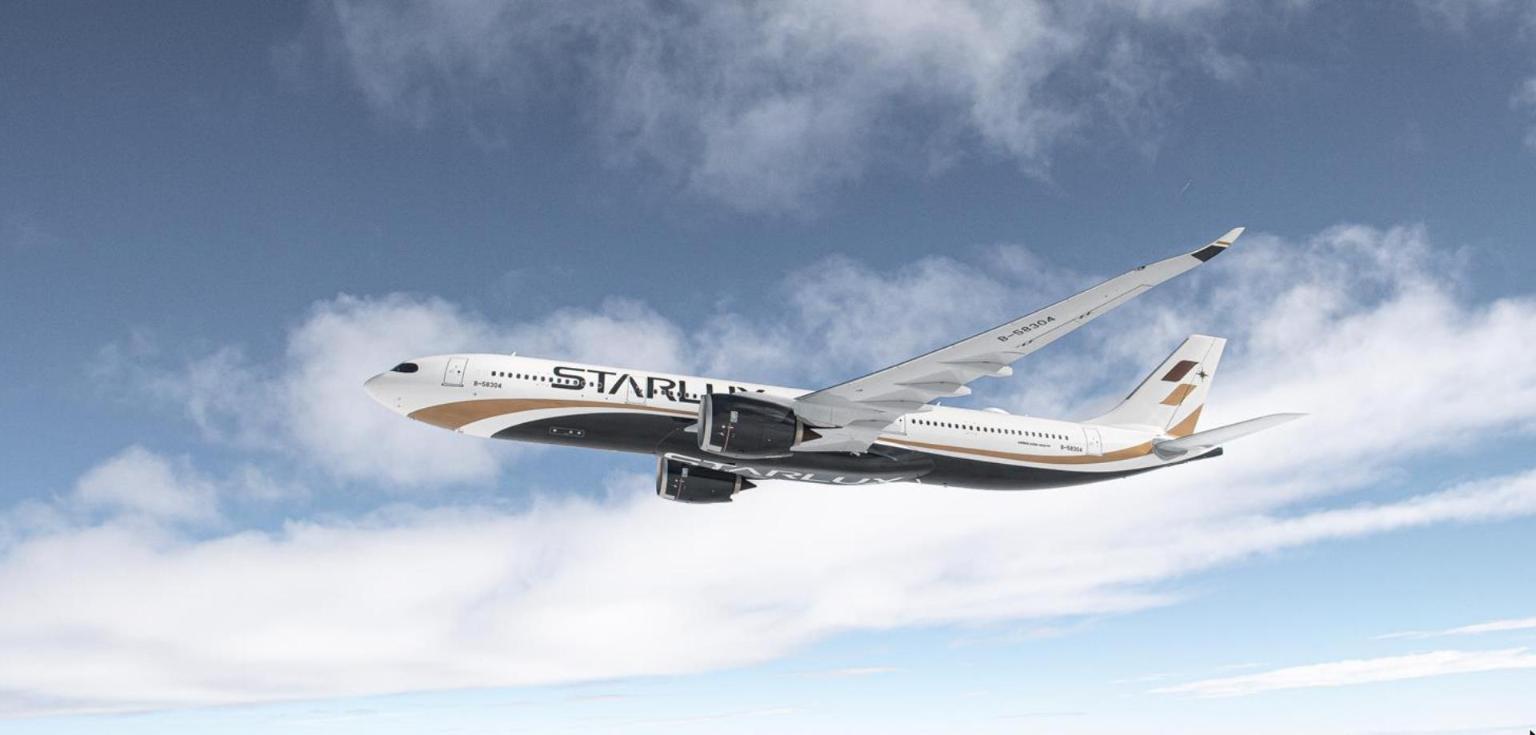
At 19:40 on Tuesday 23 March 2027, if the reported timetable holds, a Starlux Airbus A330-900neo will push back in Taipei and turn south toward a part of the world the airline has never flown to. Taiwan’s boutique premium carrier, founded in 2018, opened bookings on 17 November 2026 for its first route to Oceania, a single Taipei–Sydney–Auckland service, and the Starlux Sydney flights are on sale now. The route starts at four flights a week, goes daily from 1 May 2027 and comes with Qantas onward connections across Australia, New Zealand and Fiji.
Why should anyone outside Taiwan care? Because Starlux is selling Taipei as a new one-stop gateway between Australasia and its network across Asia, North America and Europe, on a corridor with little choice. Aviation Week reports that China Airlines is otherwise the only carrier flying Sydney–Taipei nonstop, and Air New Zealand the only one flying Auckland–Taipei. The demand is there: Sydney Airport says passenger numbers between Taiwan and Sydney rose 18% in 2025 to almost 194,000. Below I separate what is confirmed from what is only reported, and compare the options.
Starlux Sydney and Auckland: Key Facts
- Announced: 17 November 2026, when Starlux opened bookings (reported by AirlineRatings, Focus Taiwan and Mirror Media). Focus Taiwan cites a Starlux statement, but the statement itself wasn’t available for me to read; Starlux’s booking page confirms the route, dates and frequencies
- Route: Taipei–Sydney–Auckland, Starlux’s first route to Oceania, with Sydney its first Australian airport (Starlux booking page; Sydney Airport, 2 June 2026)
- Dates and frequency: from 23 March 2027, four flights a week to 30 April, daily from 1 May 2027 (Starlux booking page)
- Schedule (reported): JX183 departs Taipei 19:40 on Tuesdays, Thursdays, Fridays and Sundays, arrives Sydney 08:10 the next day, departs Sydney 11:05 and arrives Auckland 16:10. JX184 departs Auckland 18:35, arrives Sydney 20:05, departs Sydney 21:35 and arrives Taipei 04:05 the next day (AirlineRatings, 17 November 2026; also Focus Taiwan, InsideFlyer and Mirror Media)
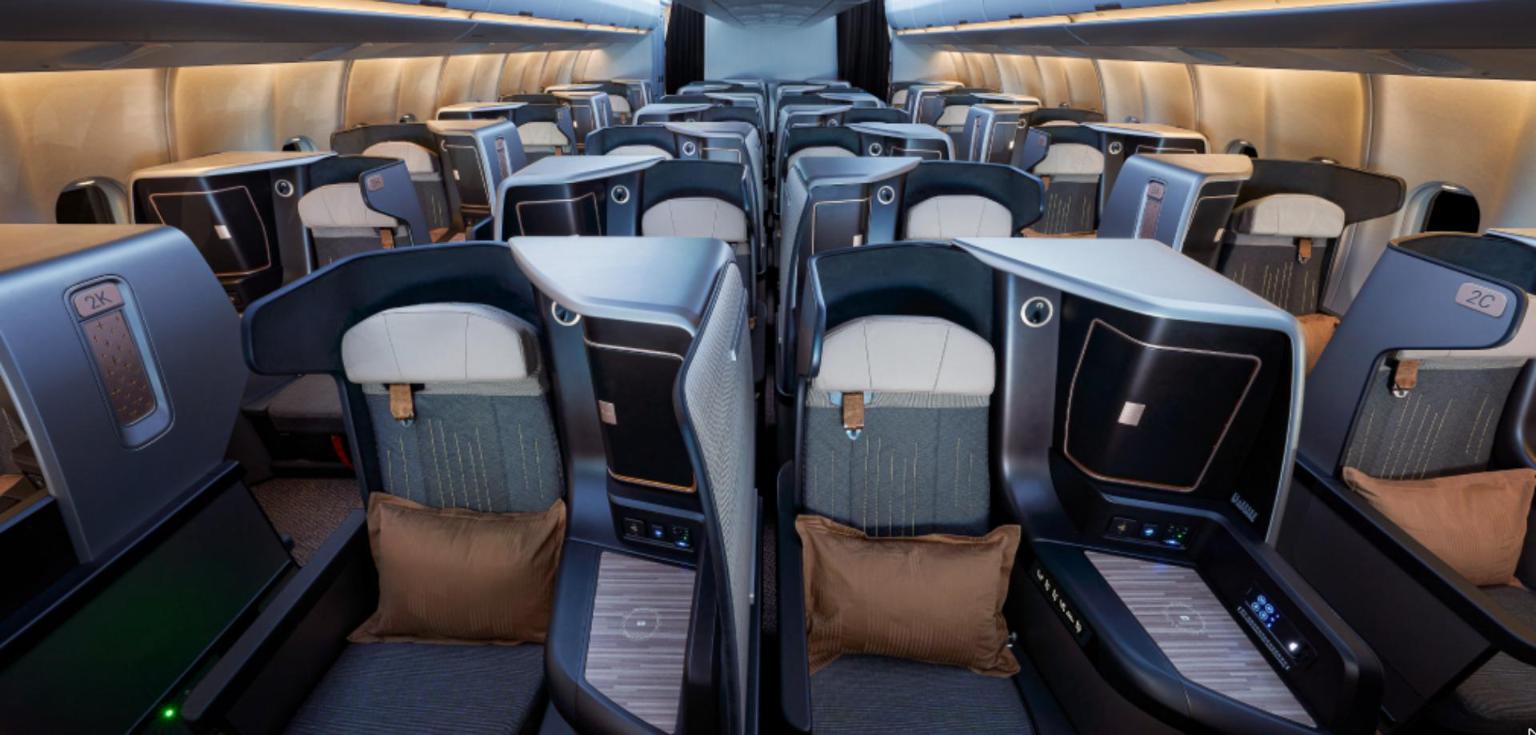
- Aircraft (reported): Airbus A330-900neo, 28 Business Class and 269 Economy seats; no First Class and no Premium Economy, which Starlux fits only on its A350s (AirlineRatings)
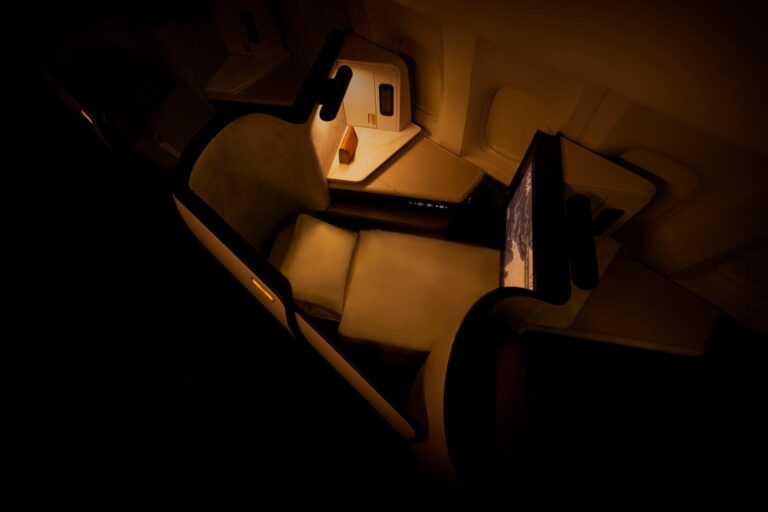
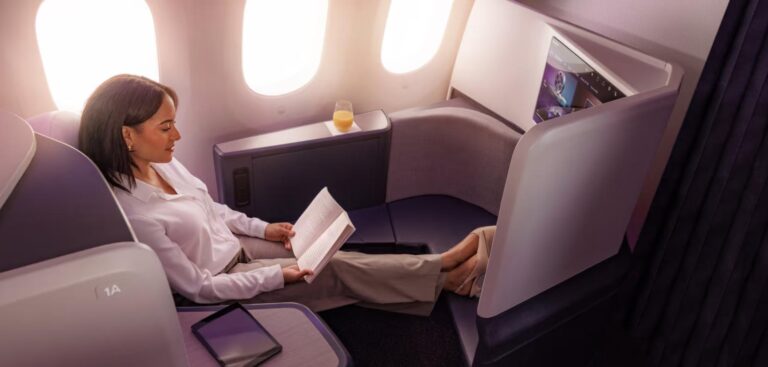
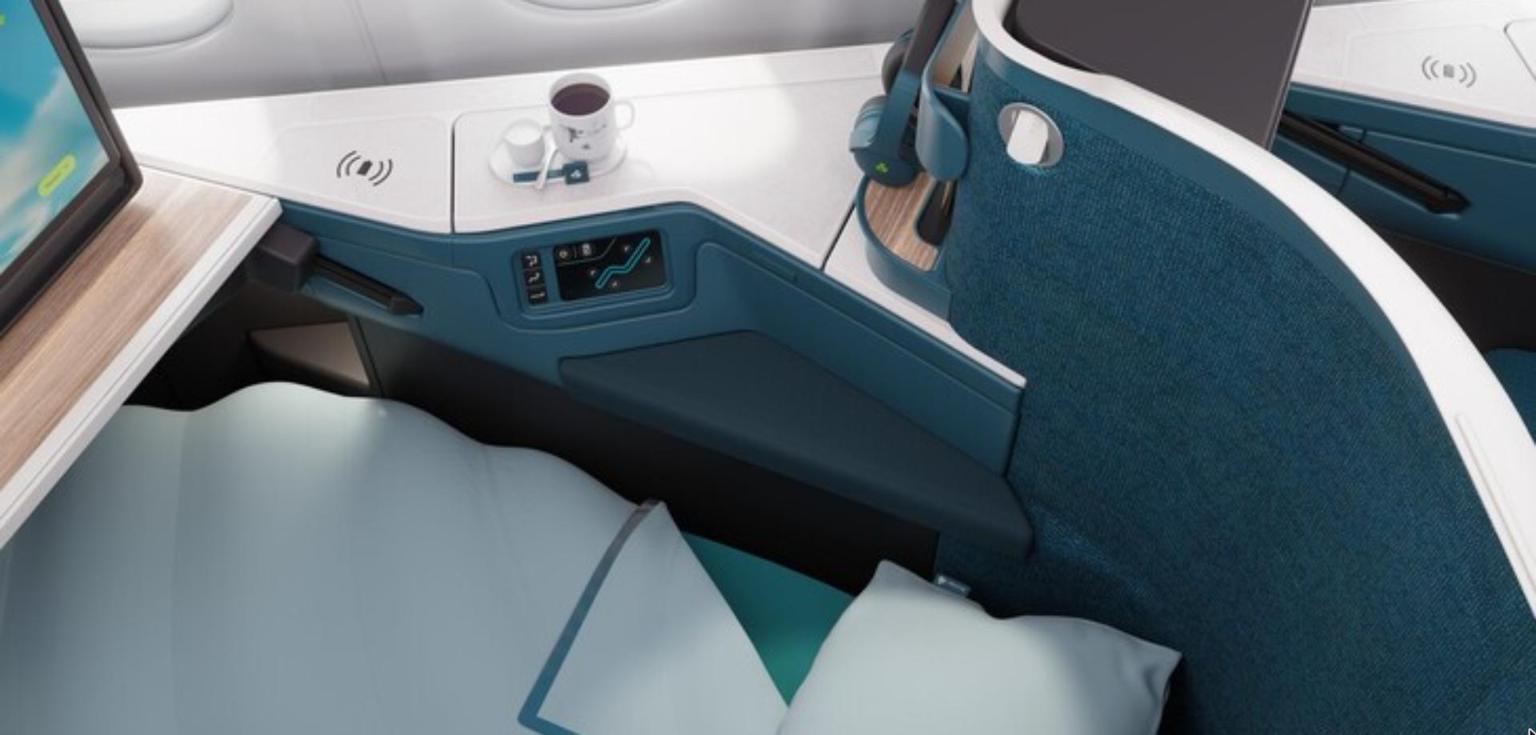
- Business Class (reported): fully flat seats in a 1-2-1 layout, “44 inches of seat pitch”, about 20 inches wide, 17.3-inch 4K touchscreen, wireless charging, Bluetooth and noise-canceling headphones (AirlineRatings)
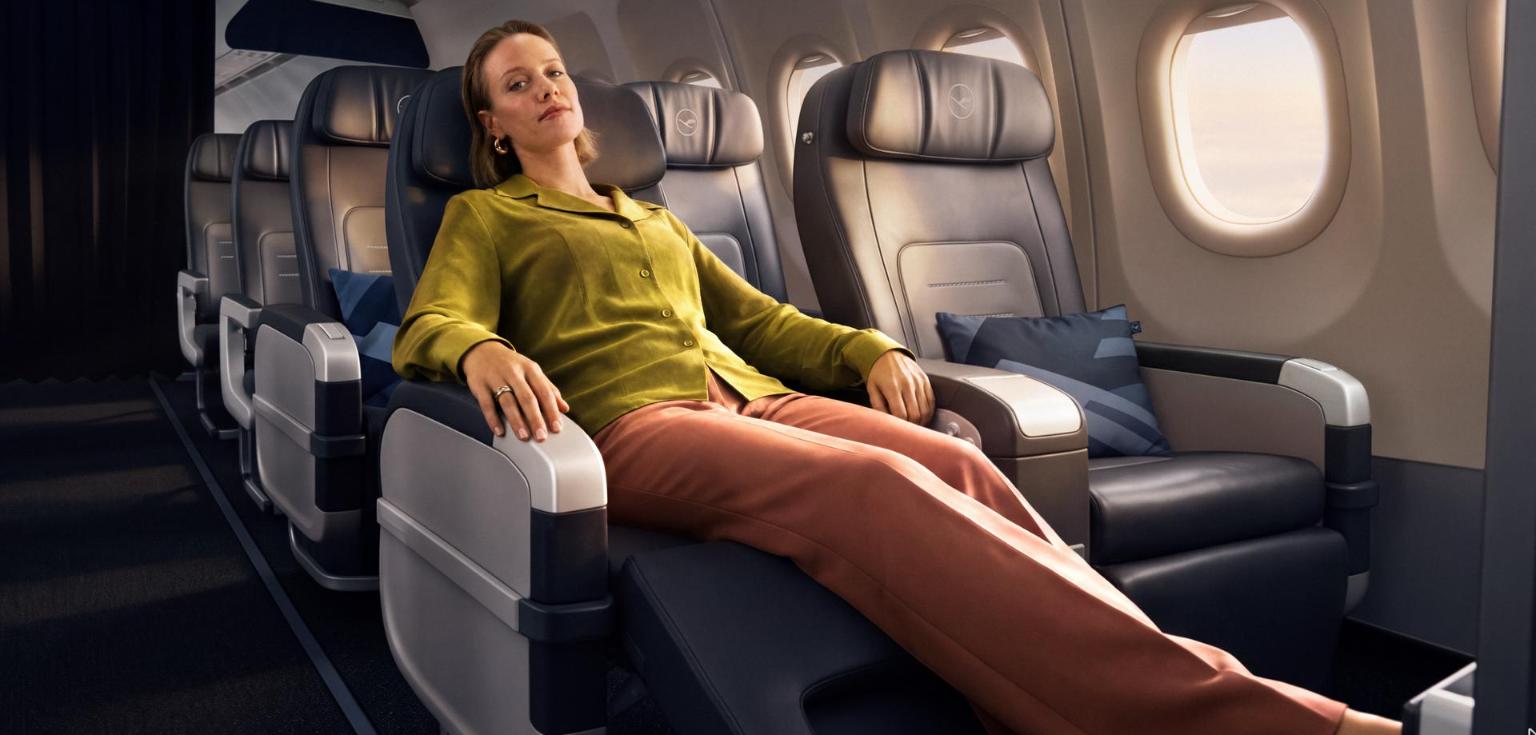
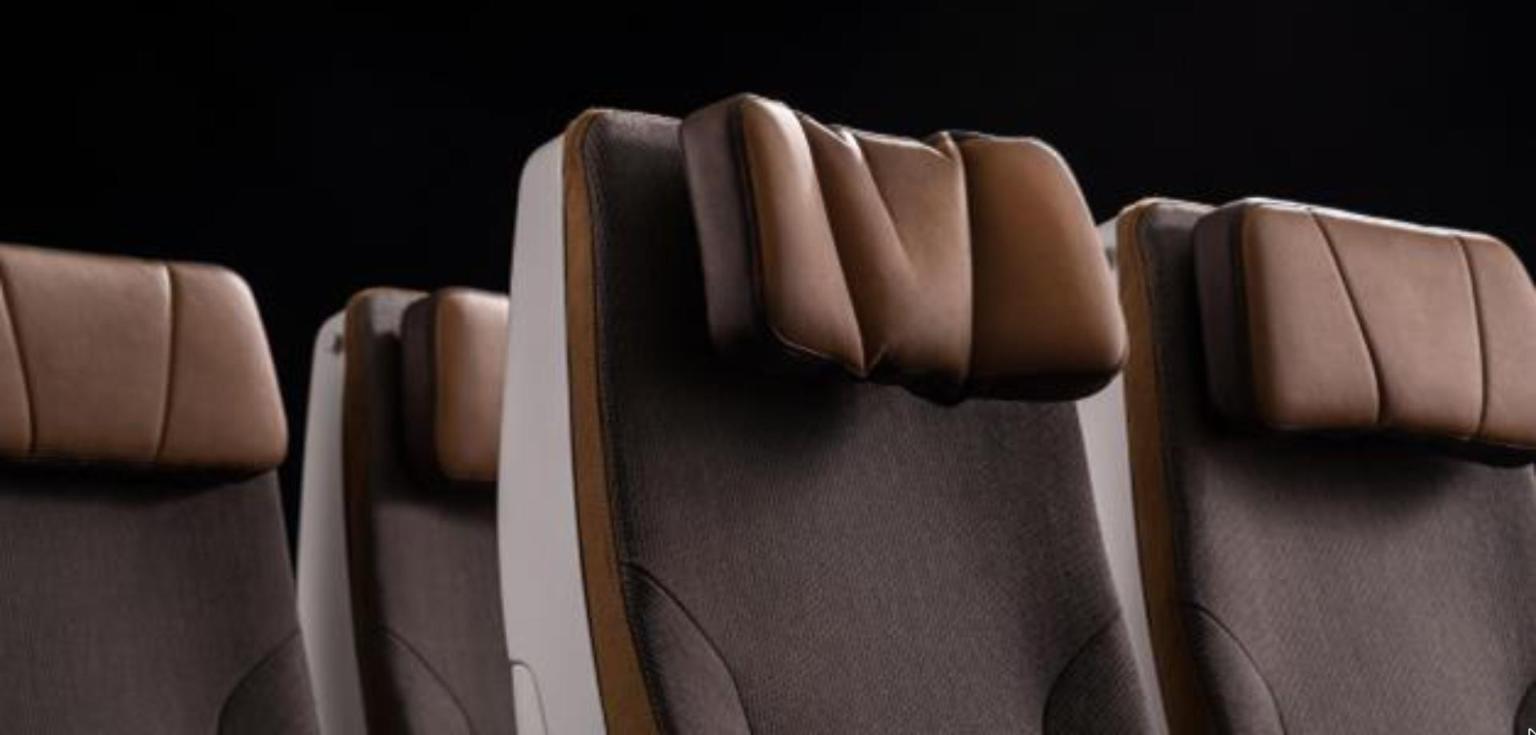
- Economy (reported): 2-4-2 layout, 31 to 32 inches of pitch, 13.3-inch HD screen, six-way headrest, china tableware (AirlineRatings)
- Wi-Fi (reported): free messaging, paid browsing (AirlineRatings)
- Onward connections: Qantas partnership for connections within Australia and to New Zealand and Fiji (Starlux booking page); AirlineRatings calls it an interline agreement
- Launch offers: Economy launch promotion on Taiwan-departing flights from 85% of the standard price, booked by 6 December 2026 for travel on or before 17 June 2027 (Starlux booking page); COSMILE bonus miles for travel from 23 March to 30 April 2027 (reported by Mirror Media)
- Quote: Glenn Chai, CEO of STARLUX Airlines, as quoted by AirlineRatings: “Expanding into Oceania marks a significant milestone for STARLUX.”
- Fares: no official Business Class fares published; see below
Why Starlux Sydney Matters: a New Way Through Asia
For premium travelers flying between Australasia and the northern hemisphere, the one-stop map has long been drawn around the Gulf and Singapore. From Sydney, Taipei has been on it mainly through China Airlines. Starlux adds a carrier that built its brand on premium cabins rather than scale, and Sydney Airport’s announcement points to its Skytrax Five-Star rating. Chai’s pitch, as quoted by AirlineRatings, is “a new gateway via our Taipei hub” for travelers from Asia, North America and Europe; Aviation Week quotes him offering “Australian travelers a new gateway to Asia.”
The timetable is built for that. JX183 leaves Taipei at 19:40 and lands in Sydney at 08:10, an overnight flight into the start of an Australian working day, where the 1-2-1 flat bed earns its place. Northbound, JX184 leaves Sydney at 21:35 and reaches Taipei at 04:05: a full day in the city, then a short night. A 04:05 landing is not kind if Taipei is your final stop.
The scale is modest. Twenty-eight Business Class seats on four flights a week is a small cabin on a thin schedule, and Aviation Week puts the operation at about 2,400 two-way seats a week, rising to about 4,200 once it goes daily. A small cabin is usually a quieter one, but peak-date seats will go fast. The airline is growing fast enough to back the route: AirlineRatings counts 34 destinations and 39 aircraft, and Focus Taiwan reports a fleet of 42 by the end of 2026 and 48 by the end of 2027.
The Sydney–Auckland Leg and the Honest Caveats
The most interesting detail for anyone already in Australia is the tail of the route. After Sydney, JX183 continues to Auckland at 11:05, arriving at 16:10, and JX184 returns from Auckland at 18:35 to reach Sydney at 20:05. Aviation Week reports that each sector can be booked separately. If that holds when you search, a widebody with a fully flat 1-2-1 Business Class cabin joins the Tasman crossing, at midday eastbound and in the early evening westbound. Mirror Media reports COSMILE bonus miles on the leg during the launch period: 1,500 on Sydney–Auckland, against 5,000 on Taipei to Sydney or Auckland.
Now the caveats. This is a two-cabin aircraft. If you want Starlux’s First Class, that lives on the A350-1000, which I covered in my earlier piece on the Starlux A350-1000 First Class. The reported specification of the Business seat doesn’t mention privacy doors, and I won’t assume them. The “44 inches of seat pitch” figure is as printed by AirlineRatings; on a flat seat, bed length and width tell you more, and only the width has been reported.
Most important, the schedule and cabin figures come from press reports, not from a Starlux release I could read. AirlineRatings printed a different Sydney–Auckland departure from the 11:05 given by Focus Taiwan, InsideFlyer and Mirror Media; 11:05 fits the 16:10 arrival. The reported day pattern also covers only the launch period; the daily timetable from 1 May 2027 could shift.
Until 30 April 2027 the route runs only four times a week, with Taipei departures reported on Tuesdays, Thursdays, Fridays and Sundays, so build your dates around those days or wait for the daily schedule from 1 May. In the 1-2-1 cabin, solo travelers should take a window seat and couples the two center seats. Check the flight number and aircraft again on the final booking screen, because launch timetables often change.
How It Compares With the Competition
The obvious benchmark for a one-stop flight from Australia through Asia is Singapore Airlines, and that bar is about to rise with its new Business Class with doors in 2027. Starlux will not beat Changi on network size or frequency. It is competing on product and a less crowded hub.
The closest like-for-like comparison is the aircraft. Malaysia Airlines’ A330neo Business Class puts the same Airbus type to work from Kuala Lumpur. Both use a mid-size twin to make a one-stop Asian connection work at modest scale.
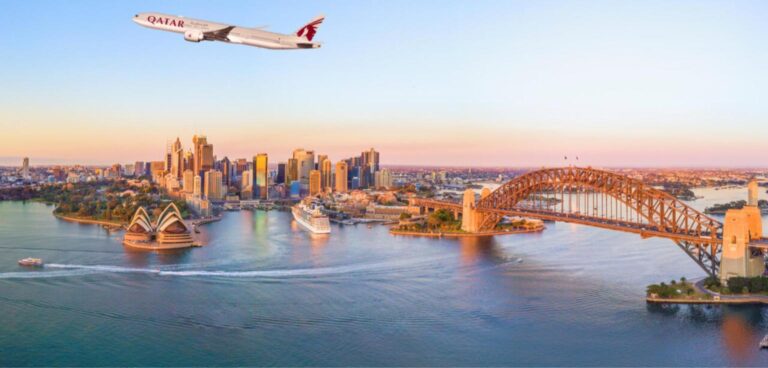
For Europe-bound travelers, the Gulf carriers remain the default. Qatar Airways is bringing Qsuite to Western Sydney, and the Qsuite, with its doors, is still the business class most travelers measure others against. A Taipei routing only makes sense for Europe if Starlux’s connections suit your city and dates, and nothing I could read sets out European connection times for this route.
Sydney’s long-haul map is getting richer too. Qantas will fly Sydney–Cape Town nonstop from October 2027, and Qantas is also the partner that carries Starlux passengers beyond Sydney. That partnership turns a single route into a network: Starlux to Sydney, then Qantas to another Australian city, New Zealand or Fiji. For Fiji itself, the alternative is the island’s own airline, Fiji Airways and its A350 Business Class.
Starlux, First-Hand Context
I haven’t flown Starlux yet, so this is a preview based on official information and press reports, not a review. On paper the A330neo Business Class ticks the hardware boxes: flat bed, aisle access from every seat, a big screen. Hardware is rarely what separates a good business class from a great one.
My Etihad 787-9 Business Class review is the reminder: I rated it 3.5 out of 5 and marked it down for the wine, because a good seat doesn’t rescue a poor glass. On my Emirates 777 Business Class flight from Malé it was the other way round, with good food and a good amenity kit carrying a dated cabin. Starlux has staked its name on the soft product, the dining, the service and what Chai calls “Taiwanese hospitality”, so that is the test. If I were flying north, I would take JX184 from Sydney at 21:35, eat lightly, sleep, and book a hotel for the 04:05 arrival rather than pretend I could function after it.
How Much Does It Cost?
Starlux hasn’t published official Business Class fares for Sydney or Auckland, and the prices on its booking page are third-party lowest-found fares, so I don’t quote them. The one official price signal is the Economy launch promotion on Taiwan-departing flights, from 85% of the standard price, booked by 6 December 2026 for travel on or before 17 June 2027; holders of the E.SUN co-branded card can get up to TWD3,000 off. Business Class is priced dynamically; with 28 seats a flight, I would not wait long for a launch-period date.
Flight prices do move between platforms. The same business class seat on the same date is not always the same price on the airline’s own site, Trip.com and Expedia: point-of-sale currency, consolidator fares and what is bundled into the ticket can shift the fare by a few percent — and occasionally by much more on premium cabins. So before I pay I run the same dates through Aviasales, which scans dozens of booking sites at once, then check Trip.com (often the sharpest on long-haul fares) and Expedia (strongest when you add a hotel to the same booking). One caveat: a ticket bought through a booking site is changed or refunded through that site, not the airline, so read the fare rules before you buy.
Starlux’s Taipei–Sydney–Auckland route gives premium travelers a genuinely new one-stop option through Asia, and its small, modern Business Class cabin makes it worth booking once you have checked that the reported times fit your trip.
Starlux Sydney and Auckland: Quick Answers
When does Starlux start flying to Sydney?
On 23 March 2027 from Taipei, according to Starlux’s booking page, with four flights a week until 30 April 2027 and daily flights from 1 May 2027.
Does Starlux fly to Auckland?
Yes. The same flight continues from Sydney to Auckland, which makes it Starlux’s first route to both Australia and New Zealand.
Which aircraft does Starlux fly to Sydney?
An Airbus A330-900neo with 28 Business Class seats in a 1-2-1 layout and 269 Economy seats, as reported by AirlineRatings.
Can you book Starlux flights to Sydney now?
Yes, bookings are open. Starlux also offers onward connections beyond Sydney with Qantas.
Photos © STARLUX Airlines
This preview is based on official information and press reports — I haven’t flown the Starlux A330-900neo yet. Read more about how I review or visit my Work With Me page.
This article contains affiliate links. If you book through them, I may earn a small commission at no extra cost to you. Read my full disclosure policy.