
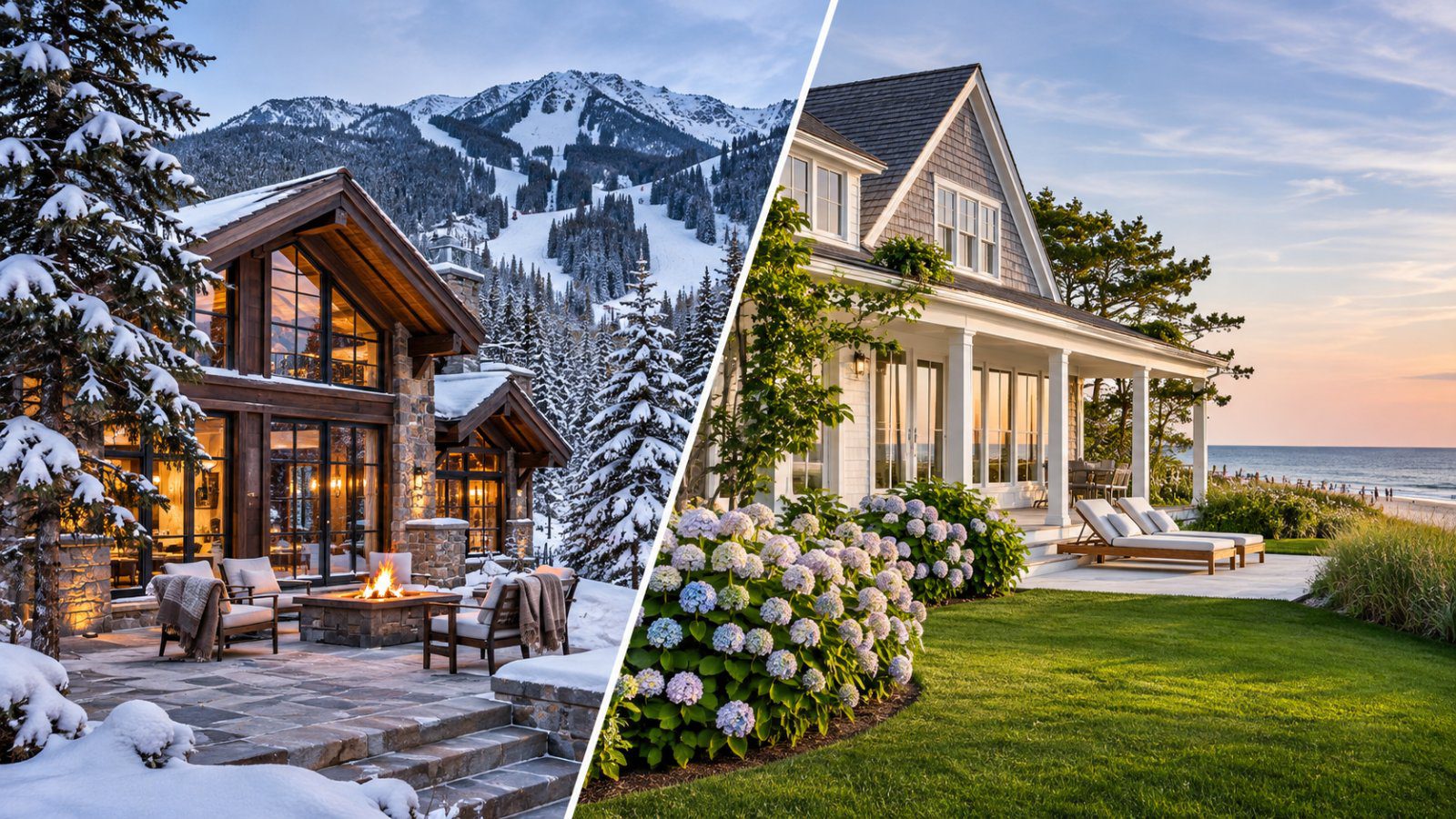
Owning a vacation home in Aspen or the Hamptons offers something that luxury hotels can’t always provide: a private space you can return to whenever your schedule allows. You can leave your belongings there, personalize the interiors, and enjoy familiar surroundings without arranging accommodations for every visit.
However, the experience of owning a mountain chalet is considerably different from maintaining a waterfront property. Climate, accessibility, local regulations, and property expenses all shape what ownership looks like beyond the initial purchase.
Before investing in a luxury retreat, it’s important to understand how your preferred destination fits your travel habits and long-term financial plans.
Choose a destination that fits your lifestyle
Aspen and the Hamptons attract luxury travelers for different reasons, and those differences become more important when you’re considering ownership.
Aspen offers skiing, mountain scenery, hiking, and access to outdoor activities throughout the year. Winter attracts visitors to the slopes, while summer brings opportunities for cycling and exploring the surrounding mountains.
The Hamptons provide a different experience, with beaches, coastal restaurants, galleries, and private estates particularly popular during summer.
Think about when you’re most likely to visit. A mountain property may suit families who regularly spend winter holidays skiing, while a coastal residence could be more practical for those who prefer extended summer stays.
Accessibility also deserves attention. Flights, airport transfers, and seasonal traffic can influence how frequently you use your home. A beautiful property becomes less convenient when reaching it requires complicated travel arrangements.
Understand the financial commitment before purchasing
Buying a luxury vacation home in Aspen or the Hamptons involves more than having enough savings for a down payment. Property prices in these sought-after destinations can be substantial, and financing a second residence often comes with different requirements than purchasing a primary home.
Before deciding how much to spend, consider how another mortgage would affect your existing financial obligations. A mortgage lender can help you evaluate your borrowing options for a second home, including down payment requirements, available interest rates, and the monthly payments associated with different loan amounts.
For example, purchasing a $1.5 million vacation property with a 25% down payment would require $375,000 upfront, leaving $1.125 million to finance. At a hypothetical fixed interest rate of 6.5% over 30 years, the monthly principal and interest payment would be approximately $7,111.
That figure doesn’t include property taxes, insurance, or ongoing maintenance. In destinations such as Aspen, winter property services and heating expenses can add considerably to annual costs. In the Hamptons, coastal insurance requirements and seasonal property upkeep may create different financial pressures.
Properties in this price range may also require jumbo financing, depending on local conforming loan limits. These loans can have stricter credit, documentation, and cash reserve requirements, making early financial planning particularly important.
Rather than basing your decision on the property’s asking price alone, consider the total annual cost of ownership and how frequently you expect to use the home. A luxury retreat should fit comfortably into your finances without limiting your ability to maintain your primary residence or meet other long-term priorities.
Account for the climate and maintenance requirements
A luxury retreat requires ongoing care, but the type of maintenance depends heavily on its location.
In Aspen, snowfall and freezing temperatures create responsibilities involving roof inspections, snow removal, heating systems, and winter access. Properties that remain unoccupied for extended periods also need safeguards against frozen pipes.
Coastal homes in the Hamptons face different challenges. Salt air can accelerate corrosion, humidity can damage materials, and severe storms may affect roofs, windows, and exterior structures.
Waterfront properties may also require specialized insurance depending on their location and flood exposure.
Luxury amenities add another layer of responsibility. Heated swimming pools, outdoor kitchens, private spas, and extensive landscaping can increase operating expenses even when the home isn’t being used.
Before purchasing, obtain inspection reports and ask for previous maintenance records. A property with recently replaced mechanical systems may present different near-term expenses from a similarly priced home requiring substantial upgrades.
Consider how seasonal demand affects everyday life
Popular vacation destinations change considerably throughout the year, and understanding those changes can help you choose a suitable property.
Aspen experiences significant visitor activity during ski season, which can affect restaurant reservations, parking availability, and access to popular facilities. Summer attracts a different group of visitors, while quieter periods may offer a more relaxed atmosphere.
In the Hamptons, summer brings busy roads, crowded beaches, and increased demand for local services. Outside peak season, certain businesses operate reduced hours, and some neighborhoods become noticeably quieter.
These differences matter when you’re spending several weeks at a time rather than enjoying a short hotel stay.
Visit during both peak and quieter periods before deciding where to buy. You may discover that a location you enjoy during a vacation feels less appealing when ordinary activities involve long drives or limited nearby services.
Evaluate property management and rental restrictions
Maintaining a second home from another city can become complicated, especially if you’re away for months.
A local property manager can coordinate cleaning, routine inspections, landscaping, and emergency repairs. In mountain destinations, this may include arranging snow removal before your arrival. Coastal properties may need inspections following significant storms.
Management costs vary depending on the property’s size, amenities, and required services.
Some owners consider renting their homes during unused periods to offset expenses. However, rental income shouldn’t be assumed when evaluating affordability.
Local regulations, homeowners association rules, and insurance conditions may limit short-term rentals. Rental activity can also affect mortgage occupancy requirements, depending on the loan agreement.
Check these restrictions before purchasing, particularly if occasional rental income forms part of your financial plan.
Think about resale appeal and future priorities
A vacation home that suits your lifestyle today may not meet your needs ten years from now.
A secluded mountain chalet might provide exceptional privacy but become less practical if you eventually prefer easier access to restaurants, airports, or medical services.
Similarly, a large Hamptons estate may be appealing for entertaining extended family, but maintaining extensive grounds can become expensive if your travel habits change.
Location, accessibility, and property condition can also affect resale opportunities. Luxury real estate often attracts a smaller pool of potential buyers, and highly customized properties may take longer to sell.
Avoid relying on future appreciation to justify a purchase. Real estate markets fluctuate, and selling expenses can reduce the amount you recover.
Choose a property primarily for the experience and practical value it provides rather than assuming ownership will deliver a particular financial return.
Final thoughts
Owning a luxury retreat in Aspen or the Hamptons can make returning to your favorite destination more comfortable and personal, but each location brings different responsibilities.
The strongest purchase decision comes from understanding how often you’ll visit, what maintaining the property involves, and how its costs fit your financial situation. A vacation home should make your time away more enjoyable without turning every trip into another responsibility.