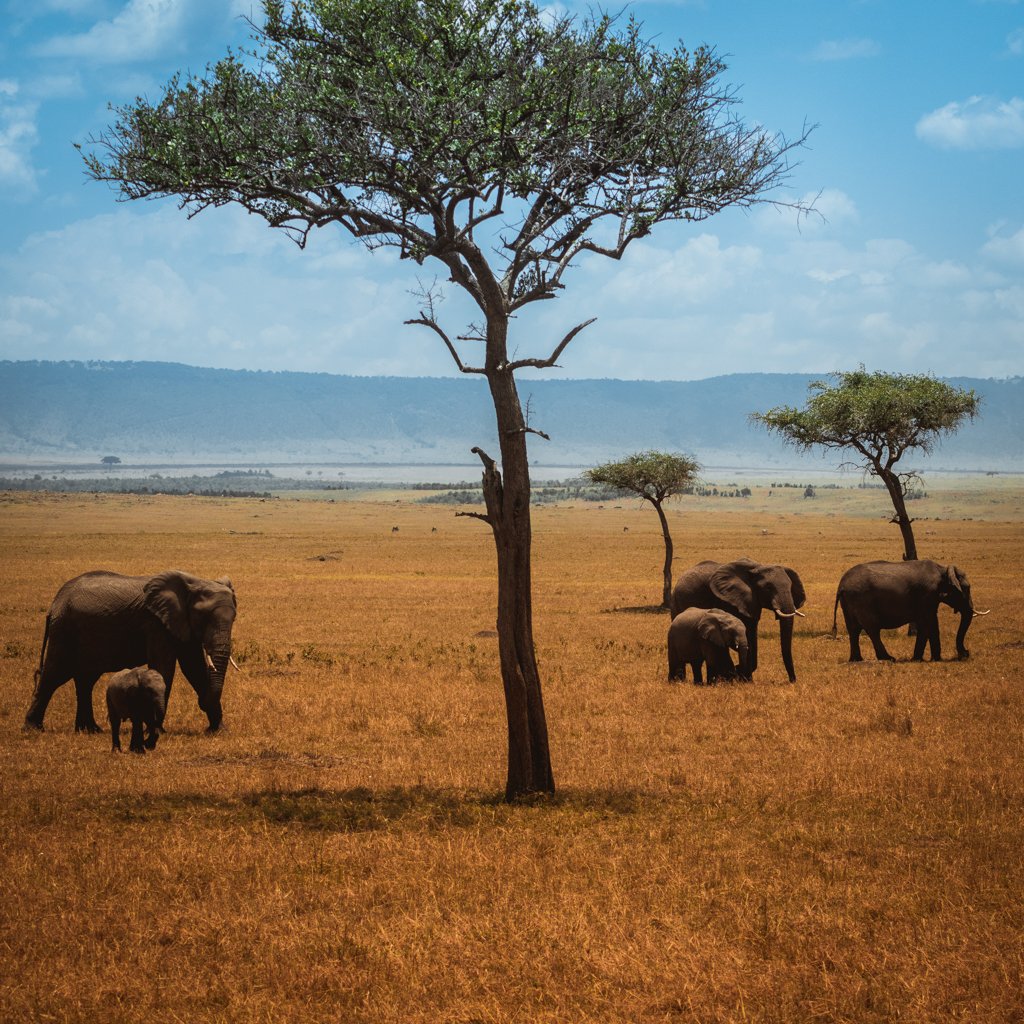
If you have a few days available, don’t miss Toraja. Beautiful landscapes, vibrant culture, and traditions make it a world-class destination. There are no proper five-star hotels in Toraja, but the tourism infrastructure is quite developed and offers comfortable hotels and a range of restaurants. The main town is Rantepao. It is a pleasant Indonesian town that gives you access to many shops and restaurants.
Why Trust This Article?
Indonesia has been my home for the past ten years — not a destination I parachute into for a story. I’ve traveled the archipelago from end to end: more than 20 trips to Raja Ampat and Komodo, expeditions through Halmahera, Alor and the Banda Sea, road trips across Sumba and Flores, and countless journeys around Bali in every season, on every kind of transport from private drivers to the public bus. Along the way I’ve slept in everything from Nihi Sumba, once named the best hotel in the world, to remote island guesthouses with no running water or electricity — so when I tell you whether a place, festival or route is worth your time, it’s measured against the whole country, not a brochure. Everything in this article comes from my own visits, with my own photos, and I update it when things change on the ground. More on how I travel and review on my author page.
Understanding Toraja: A Different Relationship with Death
Before you go, it helps to understand why Toraja looks and feels the way it does. The local religion, Aluk To Dolo (“Way of the Ancestors”), is an animist belief system that arrived long before Christianity did. Dutch missionaries introduced Protestantism in the 1920s, and most Torajans today are Christian — but Aluk To Dolo never really left. The two exist side by side, which is why you’ll see a cross on the church and a buffalo sacrifice at the funeral in the same week.
Death is not sudden here. Until the funeral, or Rambu Solo, is held, a deceased family member is considered “sick,” not dead, and is kept at home and cared for. Funerals are delayed for months or years while the family saves for the ceremony, because the scale of the funeral — how many buffalo and pigs are sacrificed — reflects the family’s status. This is the context behind everything you’ll see and read about below.
If Indonesia’s living ancestral cultures are what draw you here, Toraja pairs naturally with two other trips I’ve written about: visiting the tribes of West Timor and the megalithic tombs and traditional villages of East Sumba — both share the same mix of ancestor worship, stone graves, and genuinely welcoming villages.
What To Do in Toraja?
You can either fly or drive to Toraja as a new airport opened in March 2021.
We went by car, and it was a long journey. The road was partially flooded, and it took us about 10 hours. If you are looking for a reliable driver from Makassar, contact Ixan.
He knows the area well and speaks perfect English. He will stay in Toraja with you and drive you to the various sites. he can be reached on Whatsapp at +6282194918590. A one-way car from Makassar costs 1.5 million Rpies (around 100 USD) and 750000 rpies per extra day touring around ( including car, driver, fuel, driver lodging,…)
The road is nice, but the prettiest landscapes are found in Toraja itself, so if you are short on time, I don’t think you lose much by flying there. We flew back from Toraja. The new airport is small and efficient. There are only two or three flights a week, and they all go to Makassar. Our Lionair plane was late by over an hour, so leave yourself a lot of time if you have a connection flight.
What to see in Toraja?
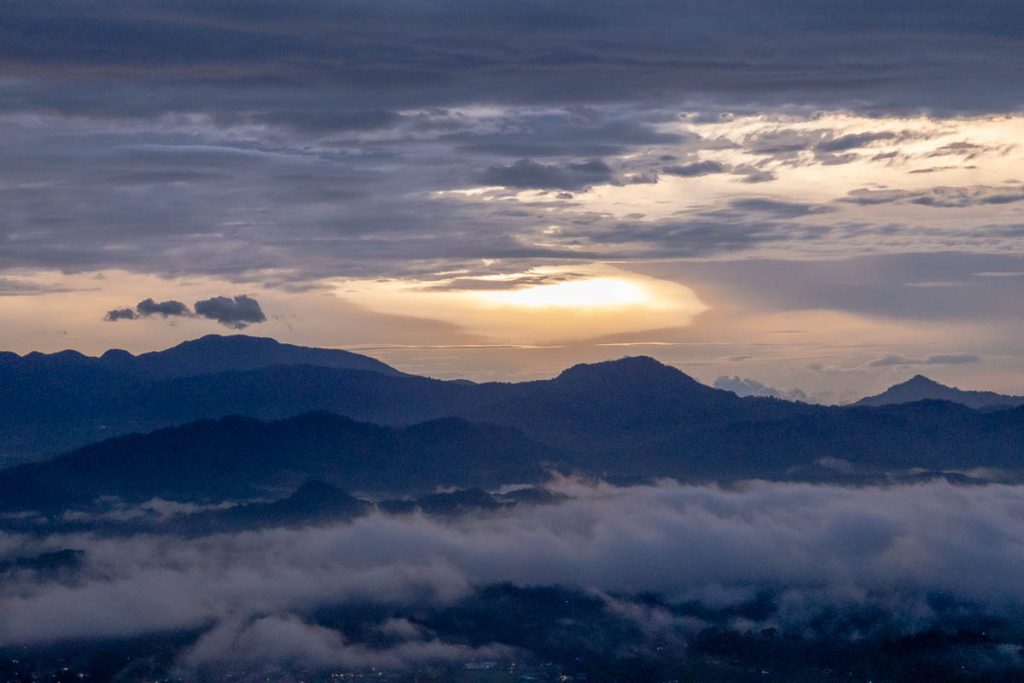
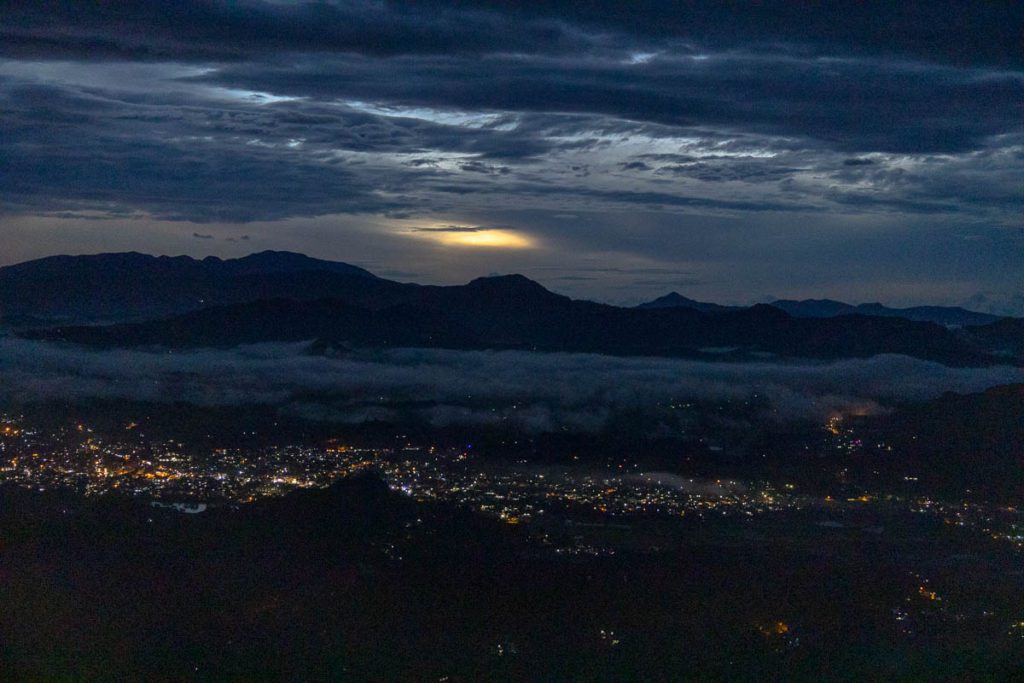
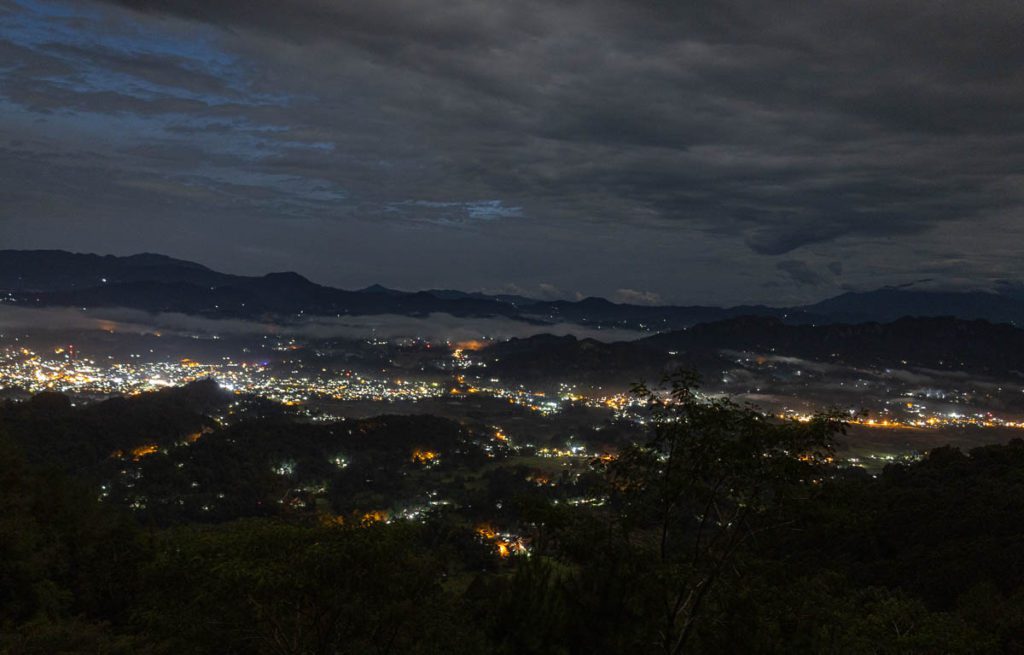
Our first sightseeing day in Toraja was focused on the south side of Rantapao. We first went to Lola for sunrise. You are above the clouds that usually form in the valley from the top of the mountain. The sunrise over the clouds is very scenic.
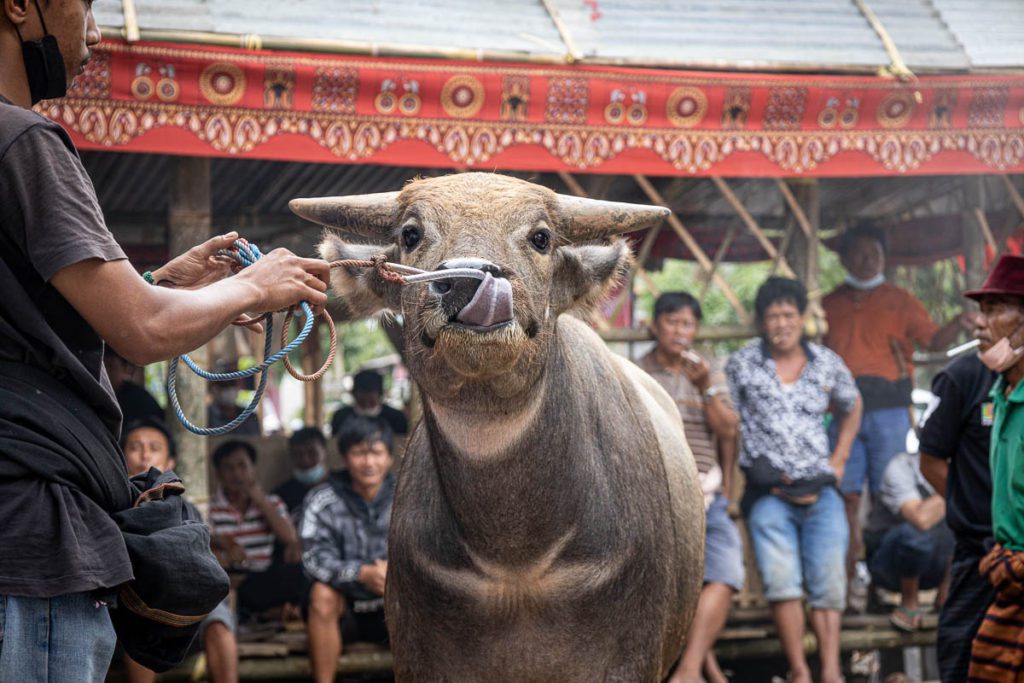
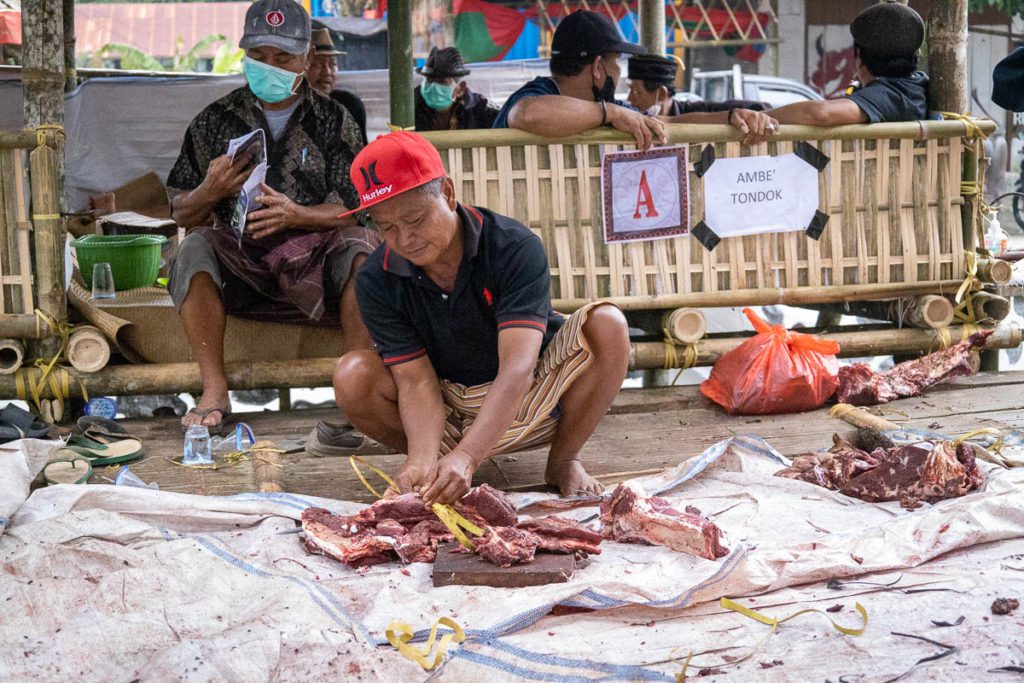
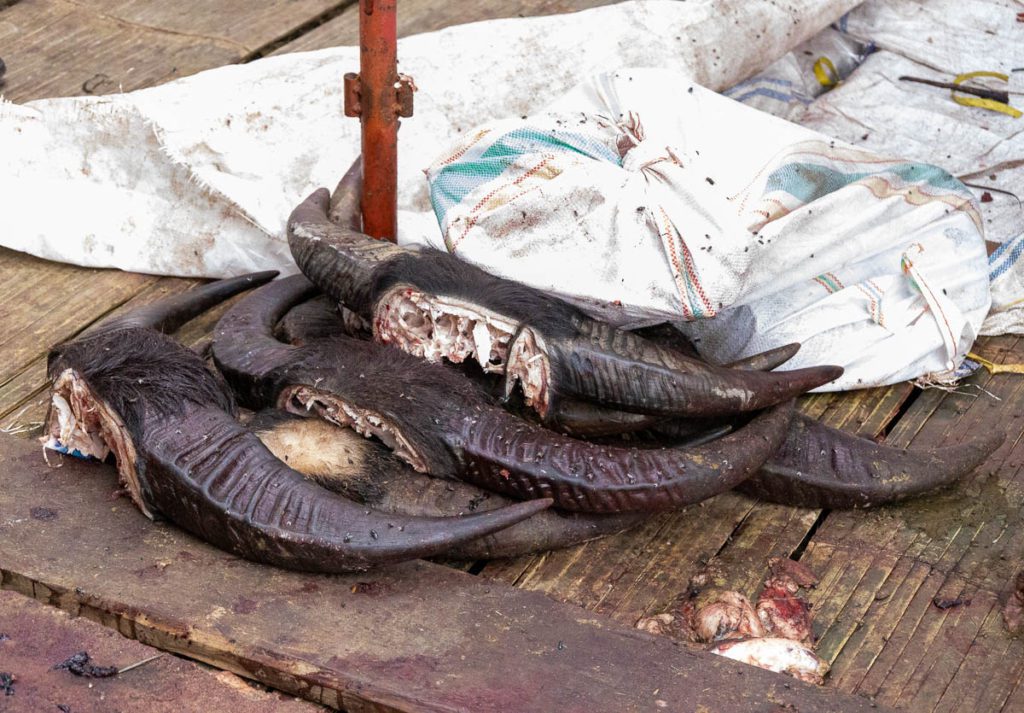
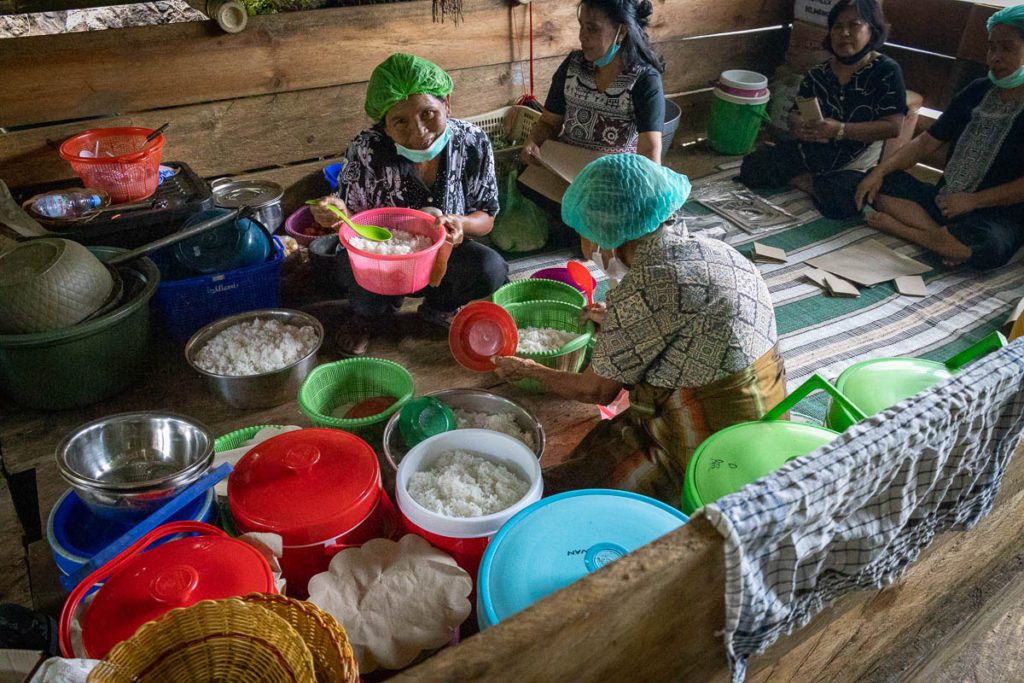
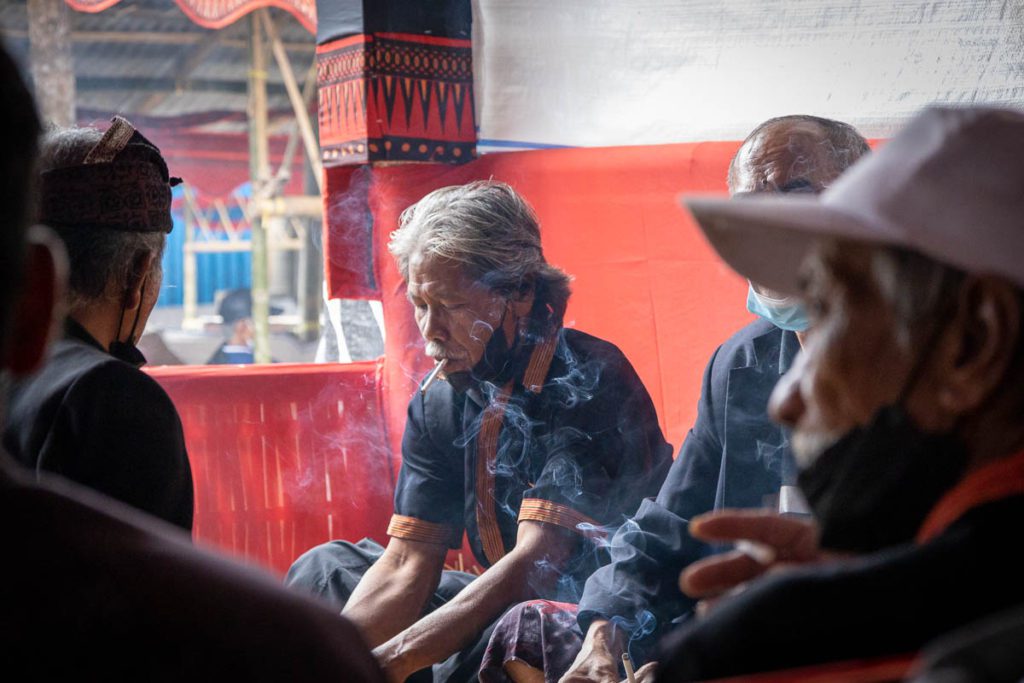
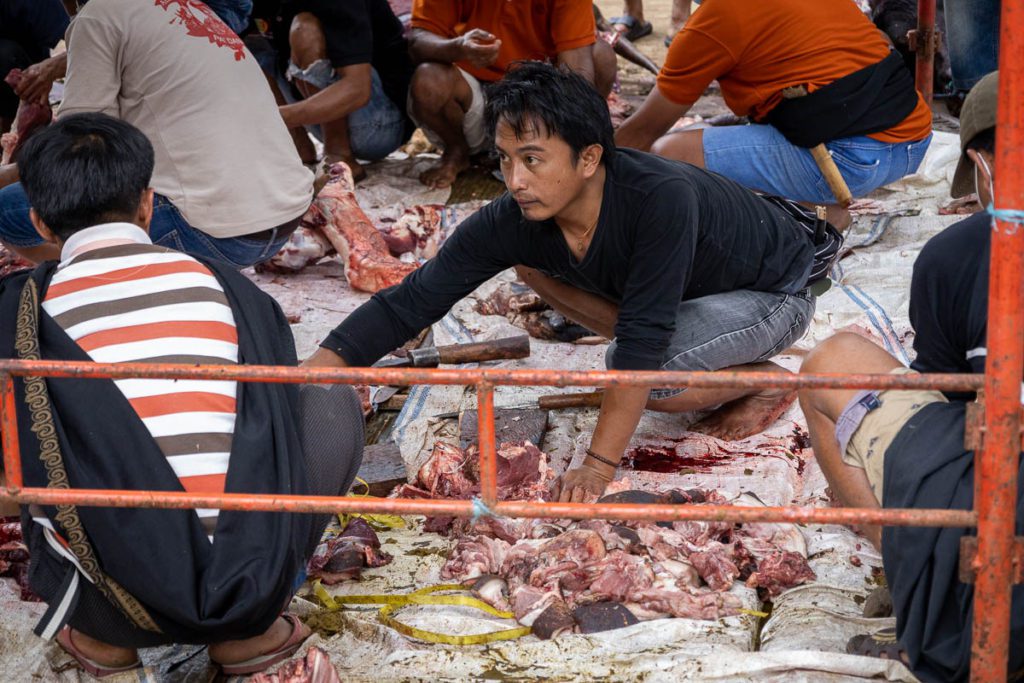
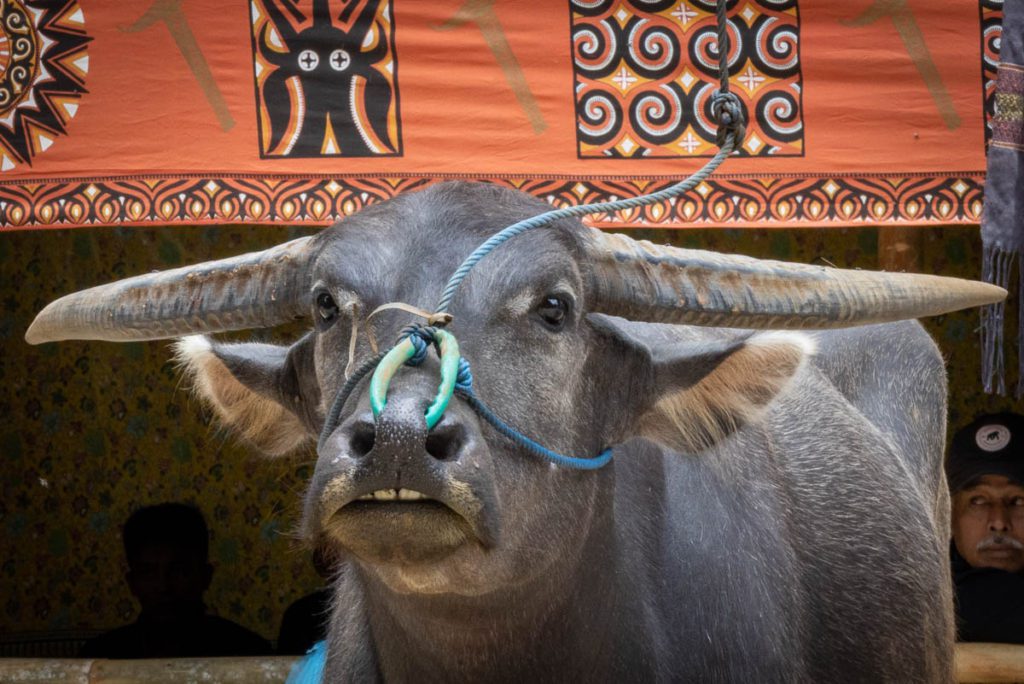
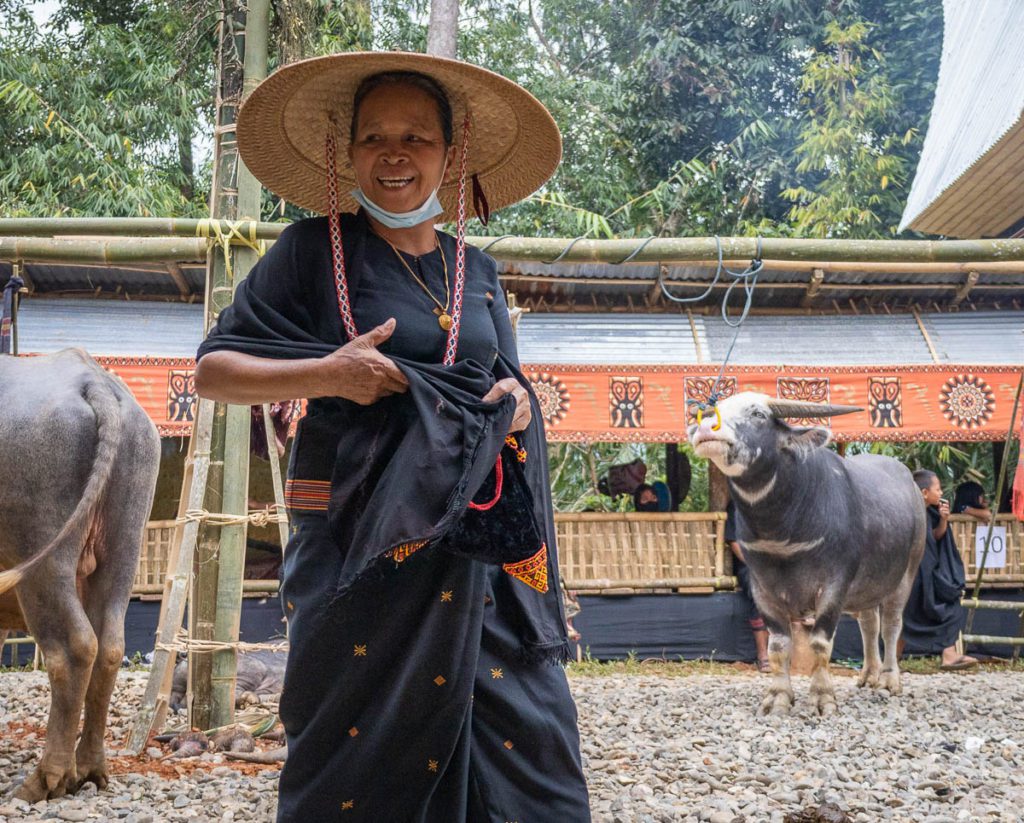
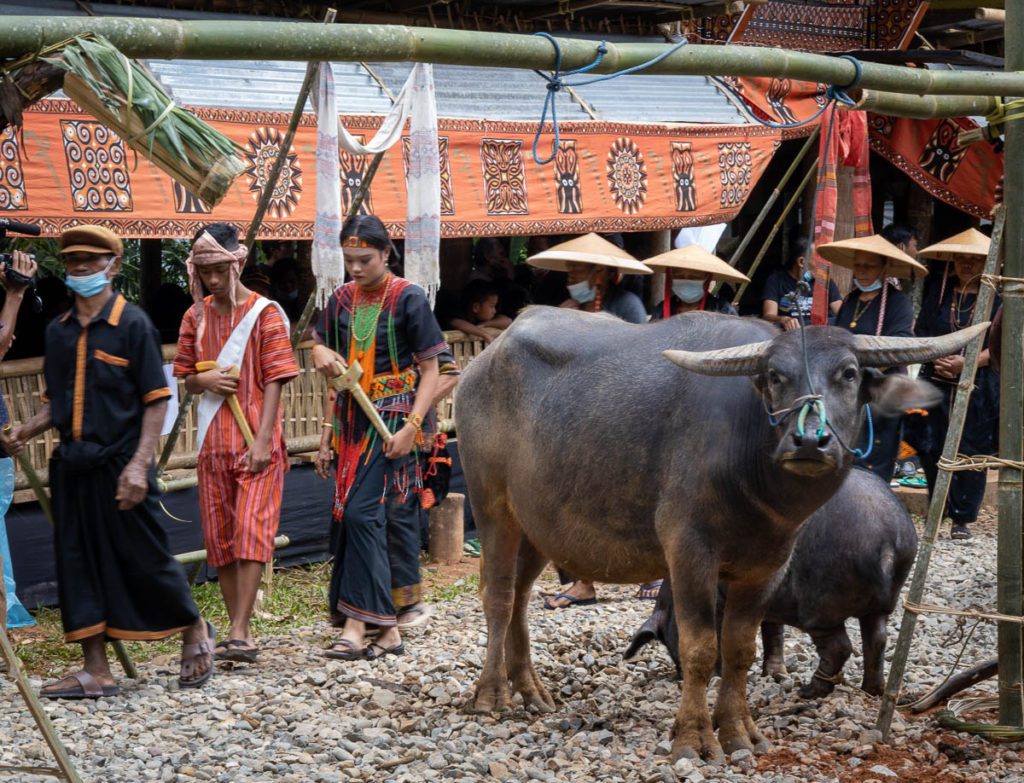
After breakfast, we accidentally stumbled upon a funeral. It was the third day of the funeral, which was the day when they slaughtered the buffalos. Fortunately, we were late, and the buffalos had already been slaughtered. The family was incredibly gracious and willing to share and explain their tradition. They gave me a tour of the house, introduced me to all the family members, and invited me for lunch. Their kindness was humbling.
Funerals in Toraja are an elaborated affair that lasts 4-5 days. On days one and two, the family receives all the guests who bring gifts of chicken and Buffalos. Day 3 is when most of the animals are slaughtered and the meat is shared amongst the various participants. Day 4 is when the coffin is brought to its resting place.
TIP: if you want to attend a funeral, get a guide to help you to make sure you can respect the local traditions and understand what is ahppening. It will make your experience much richer
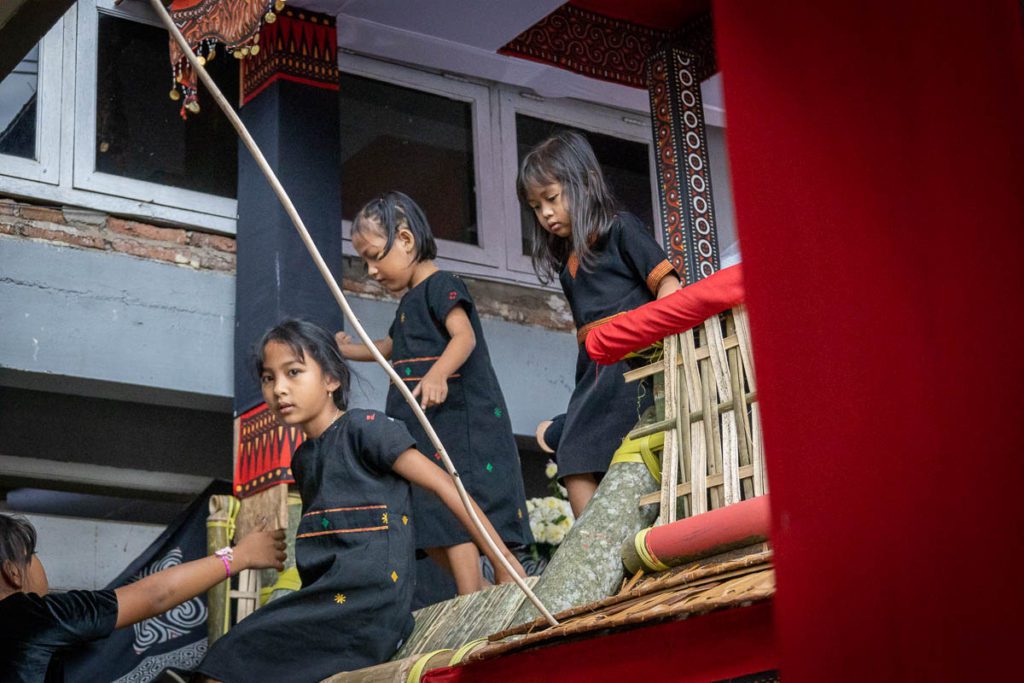
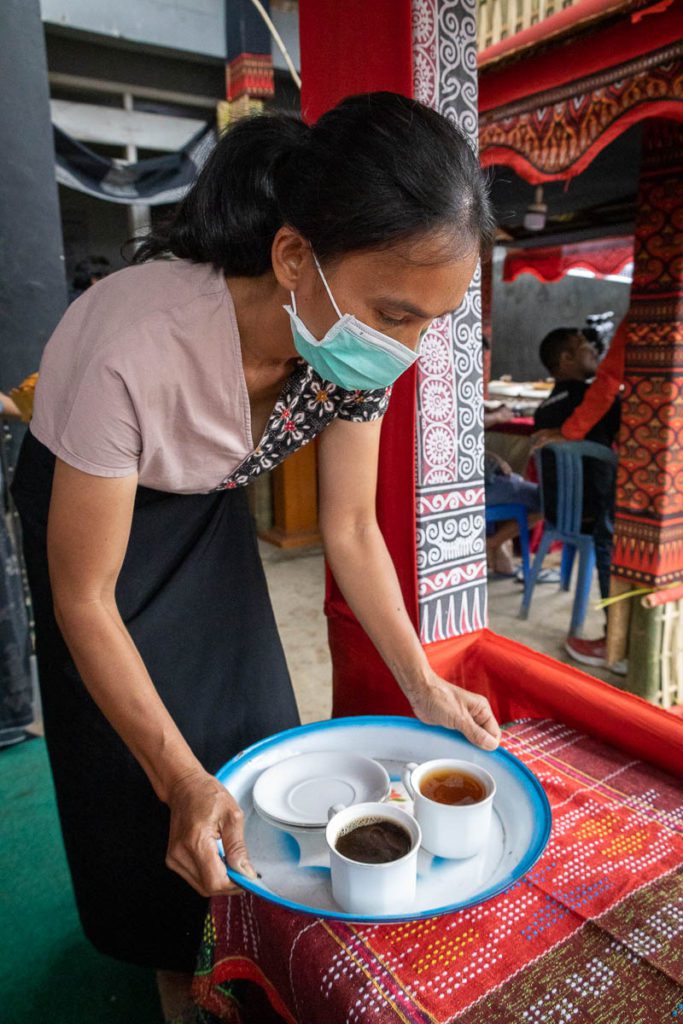
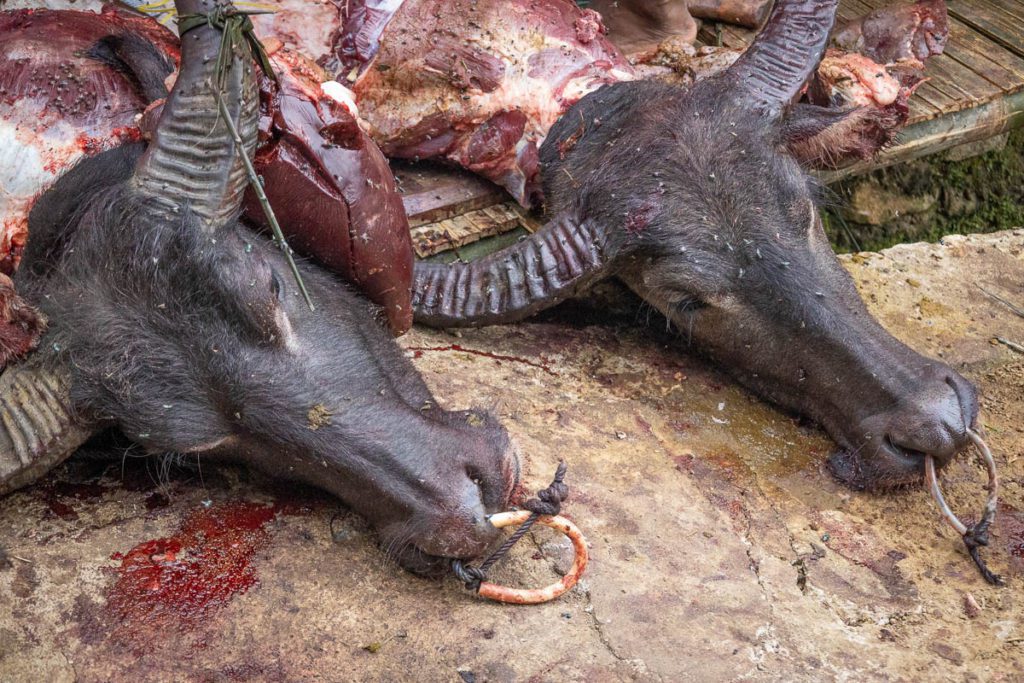
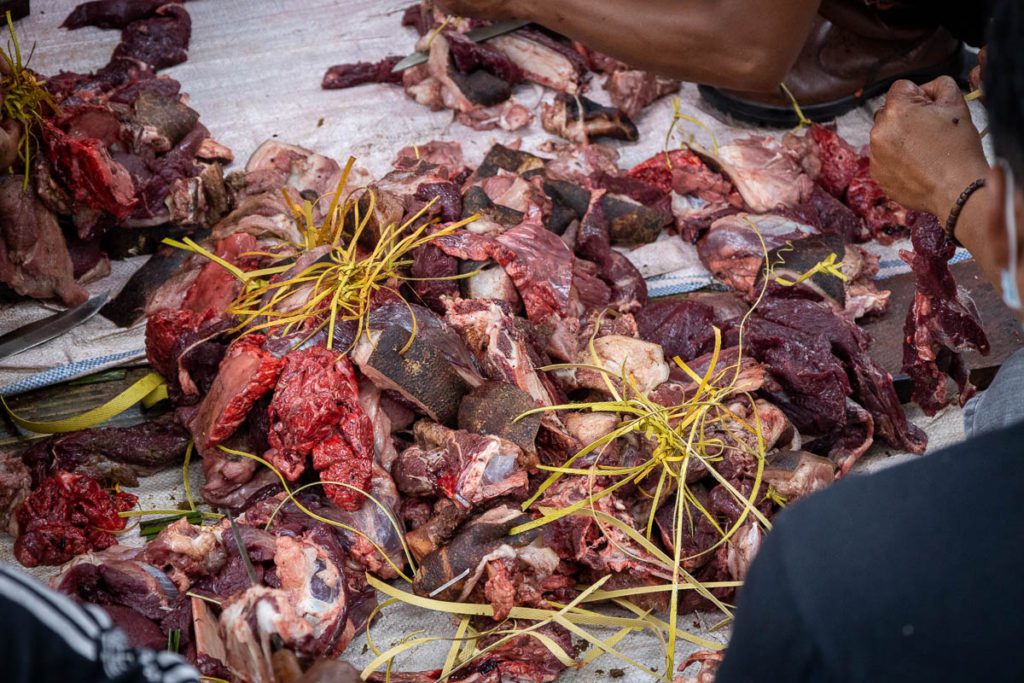
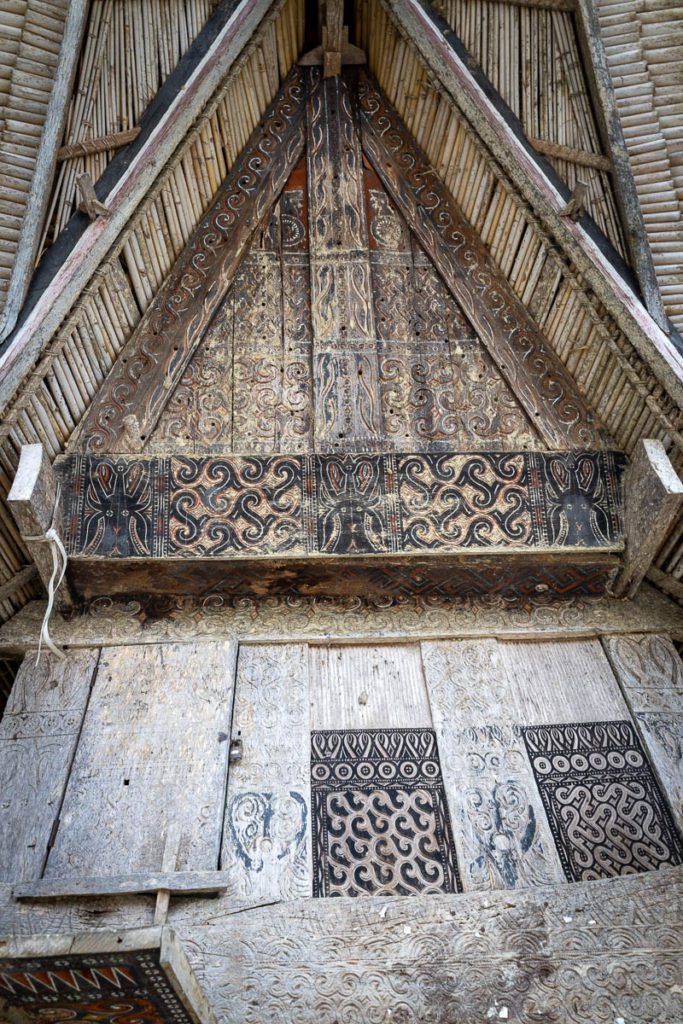
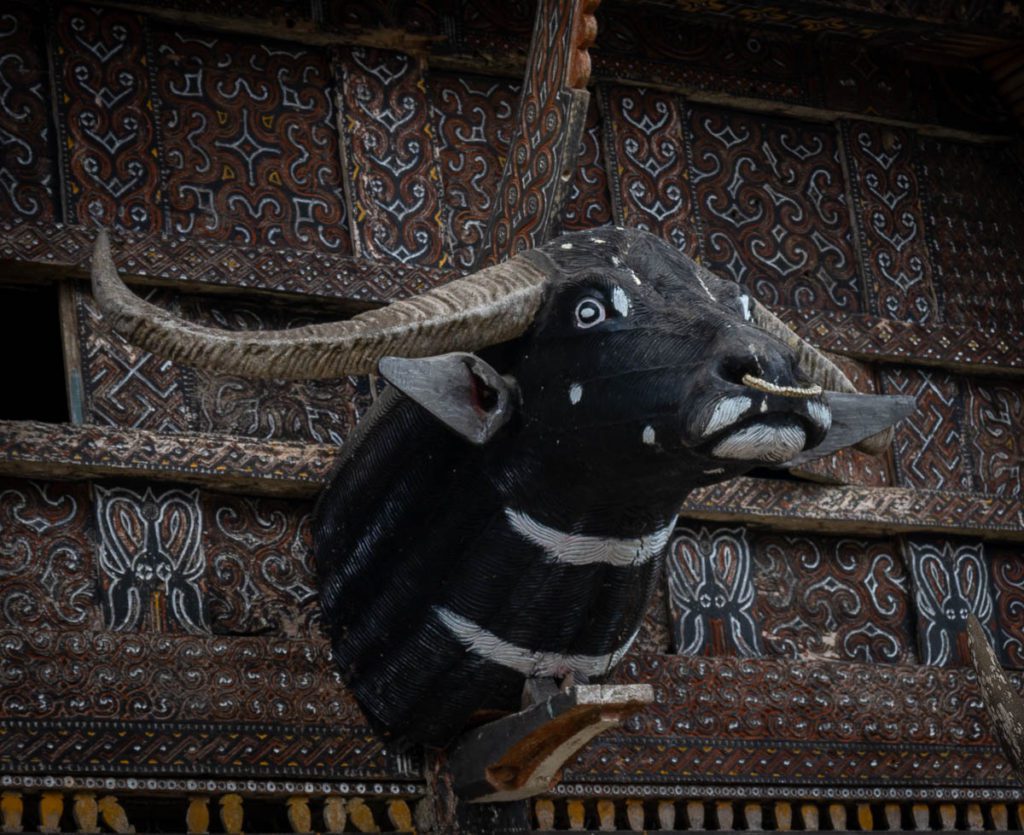
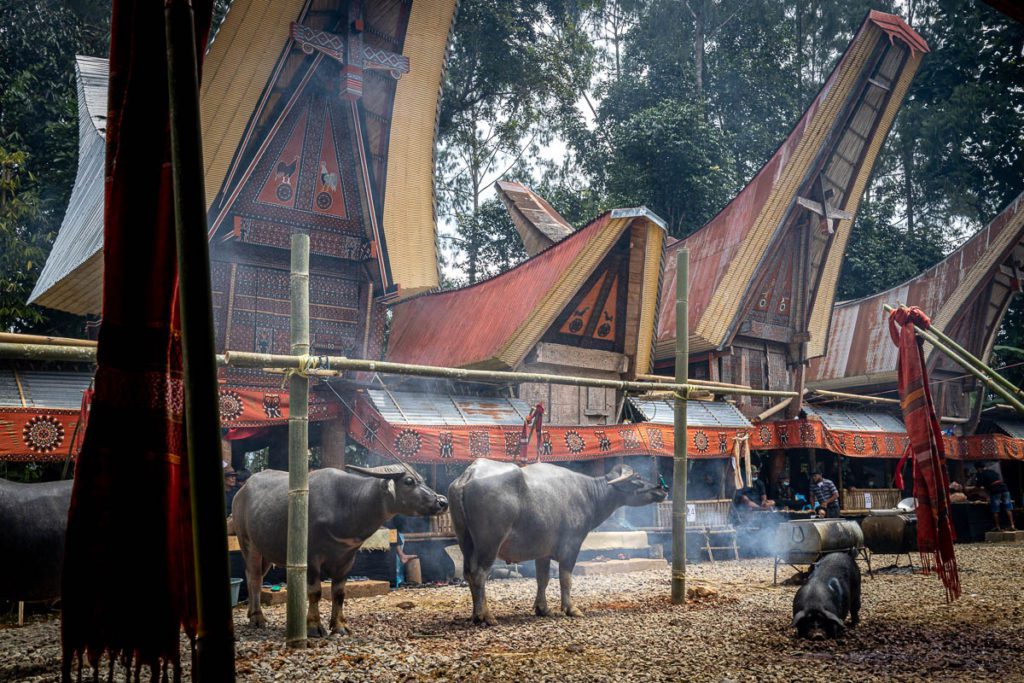
After that, we explored Lemo, Londa, and Ke te Kesu, three of the most famous sites in Toraja. There, we found beautiful rice fields, caves graves, and traditional Toraja houses.
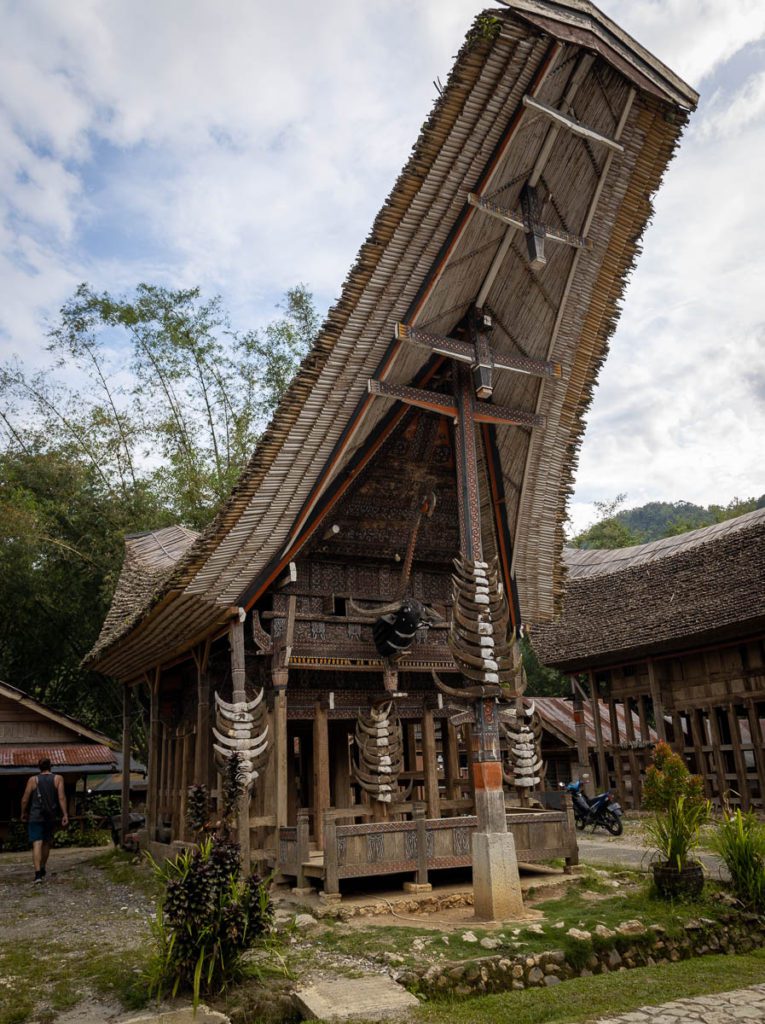
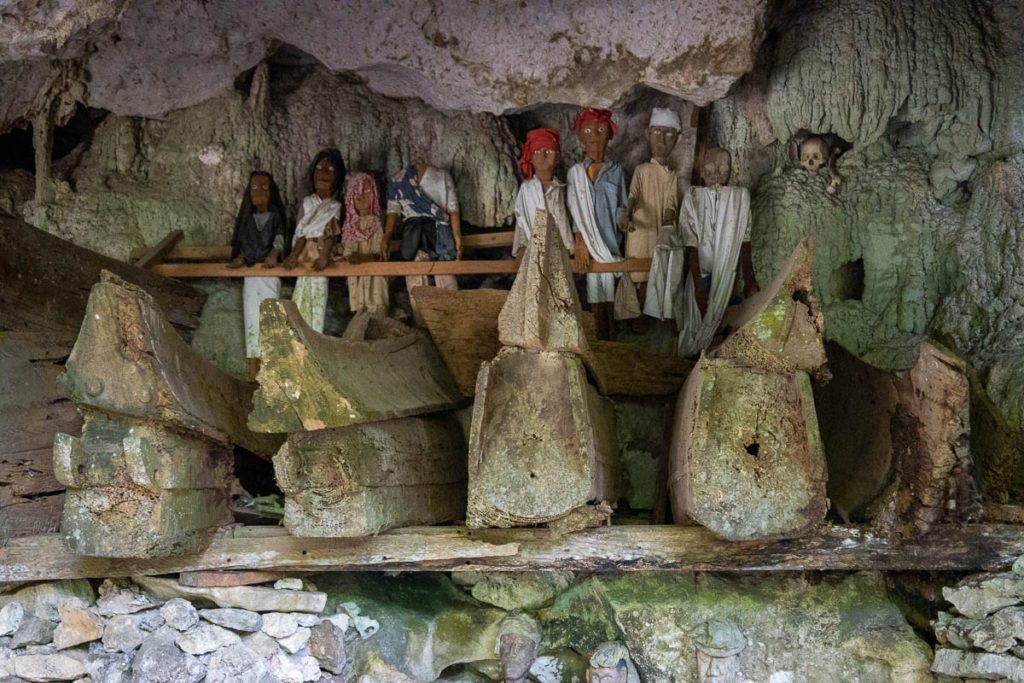
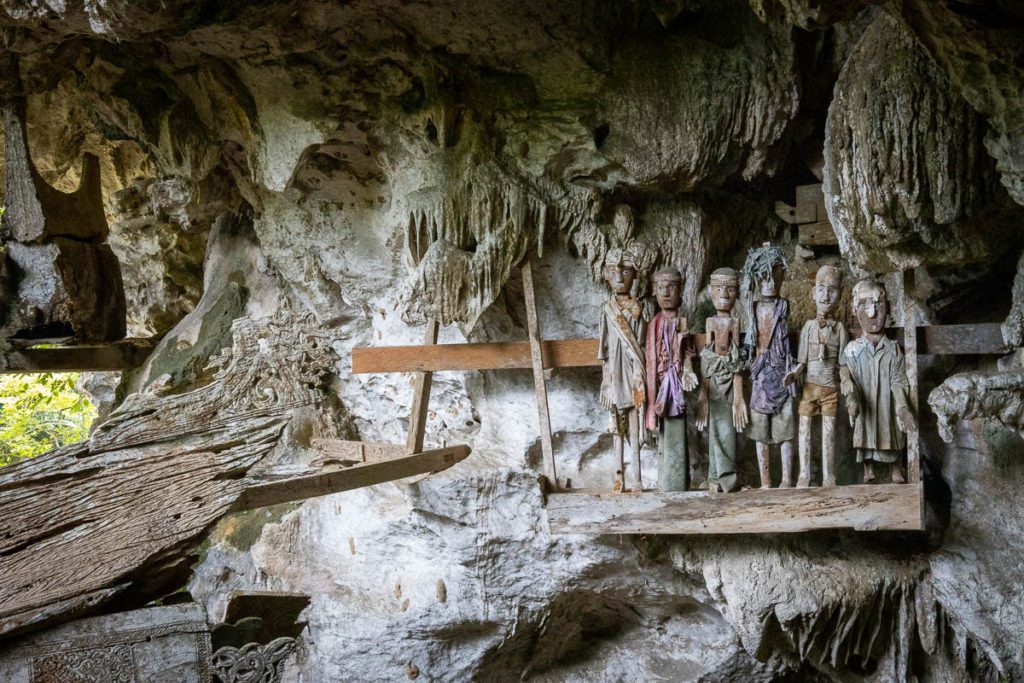
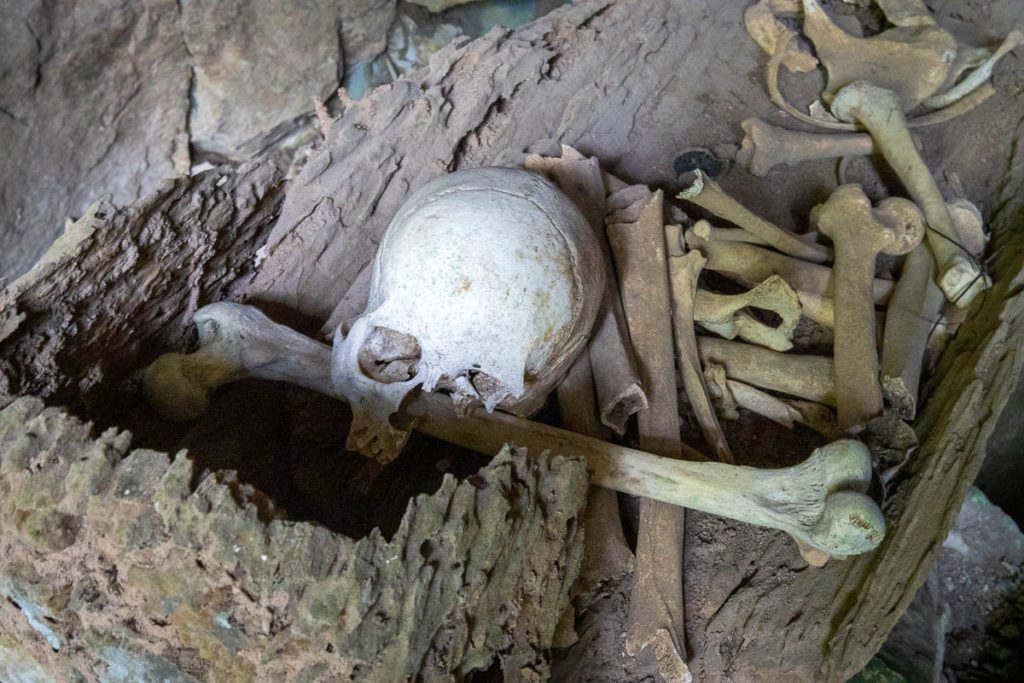
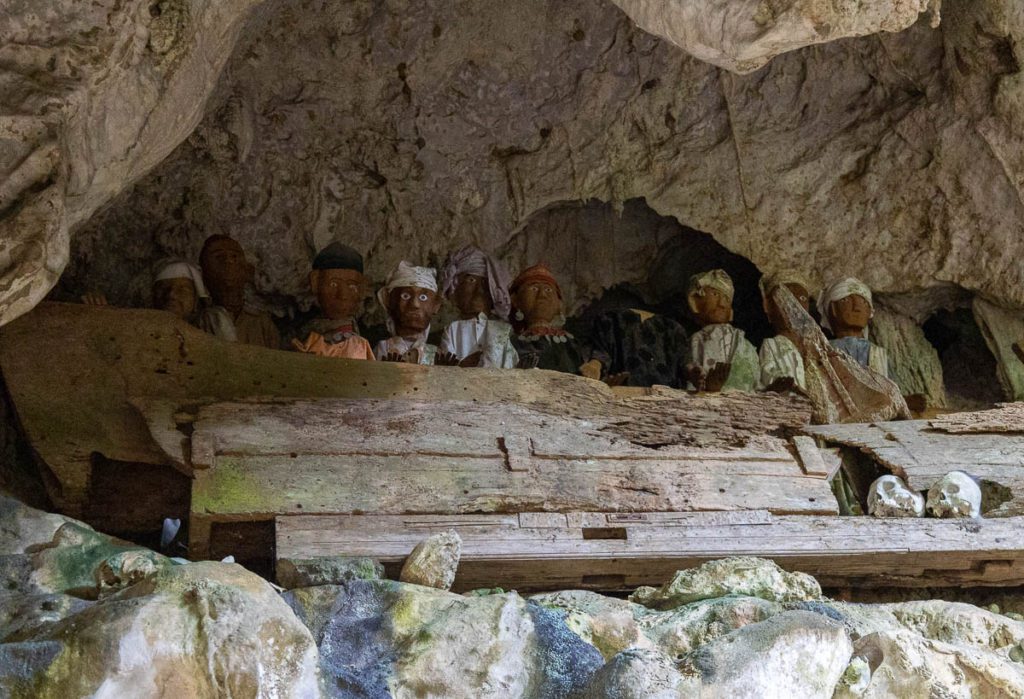
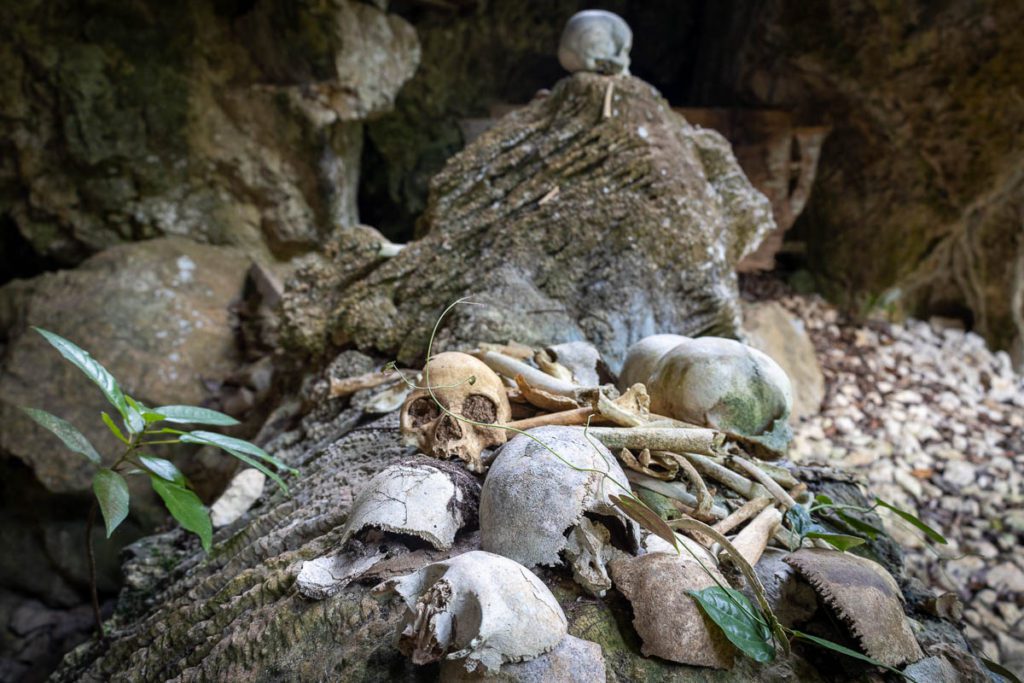
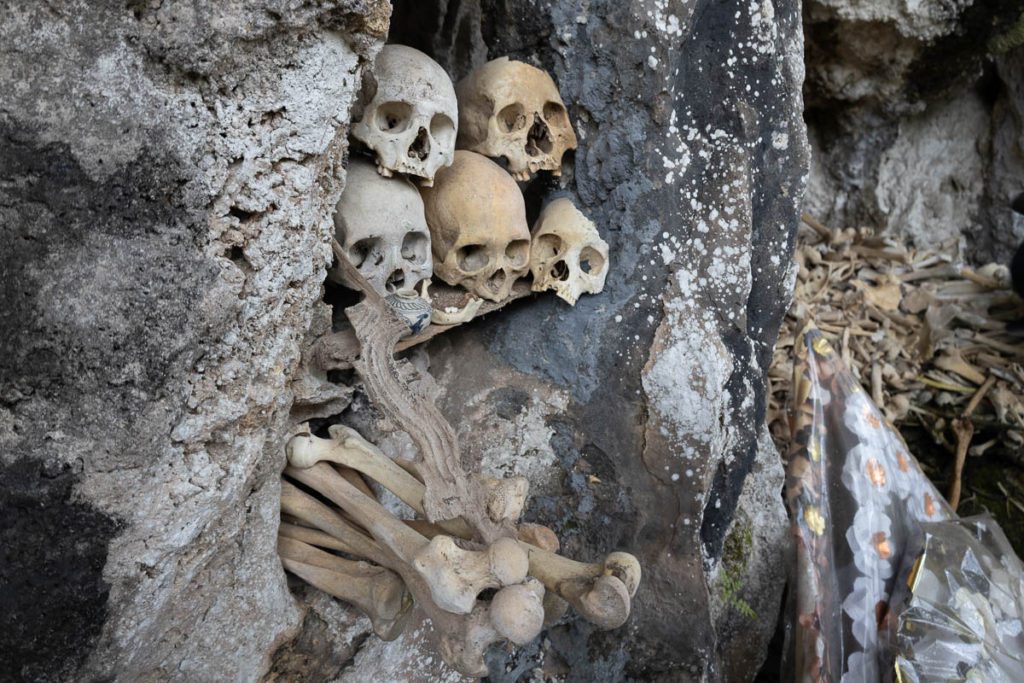
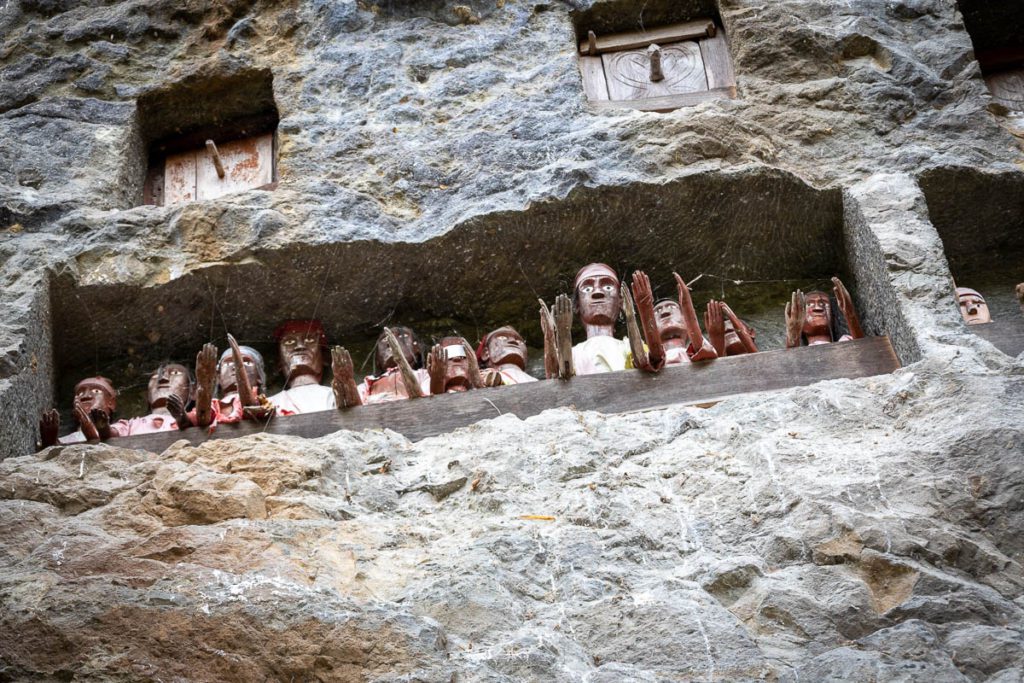
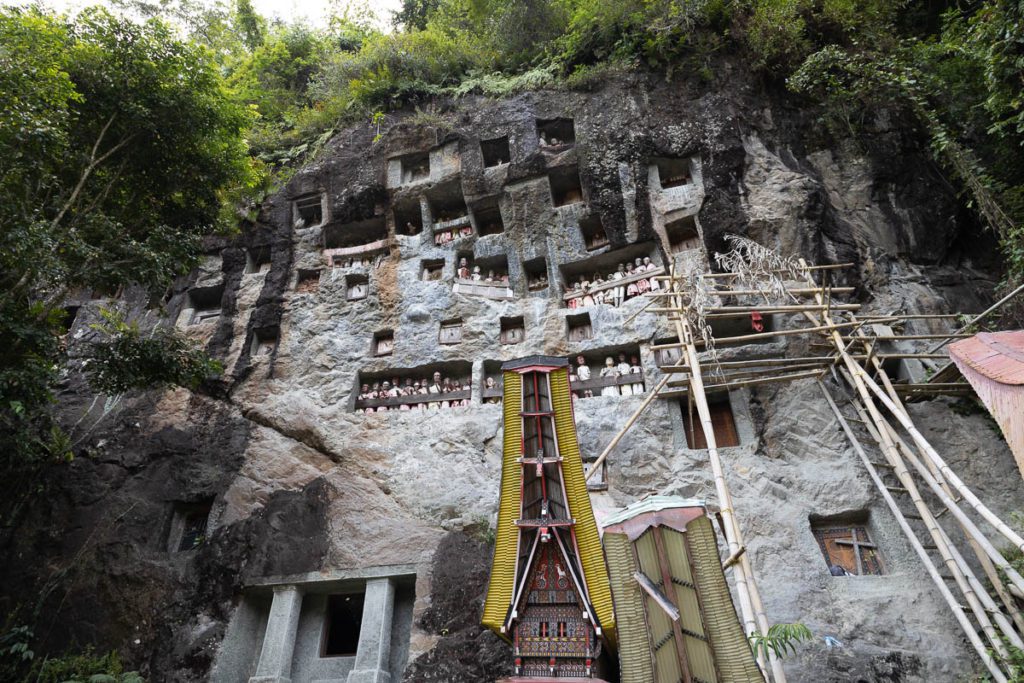
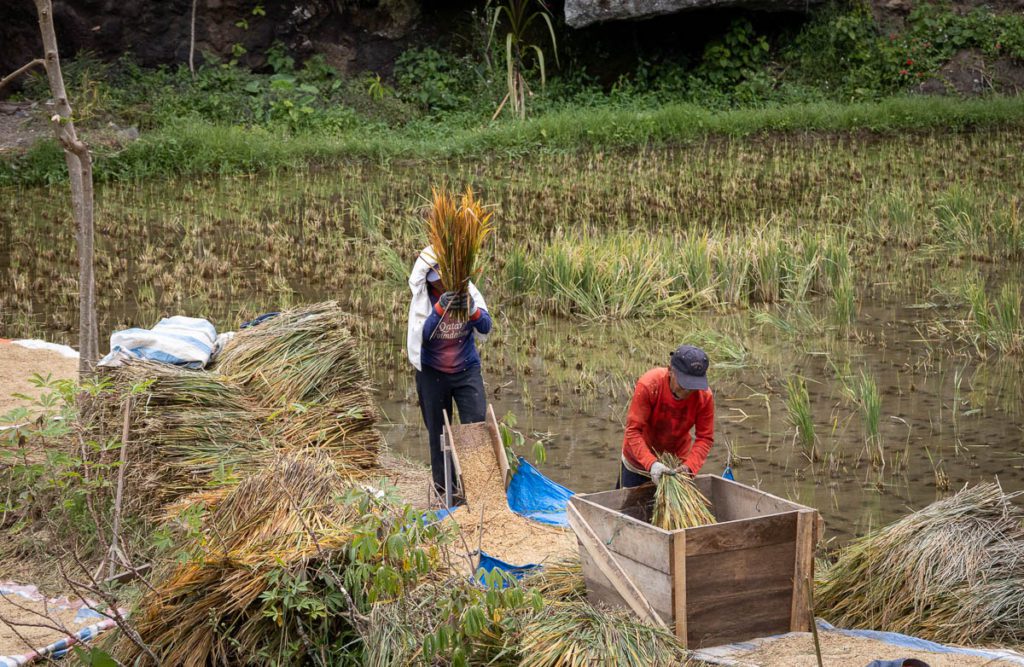
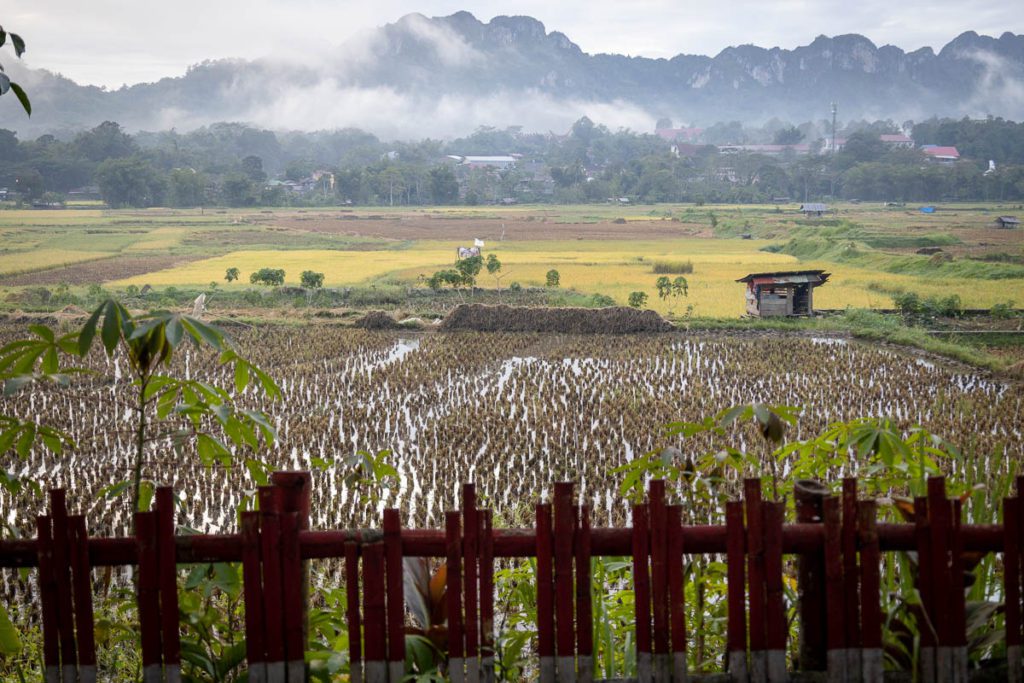
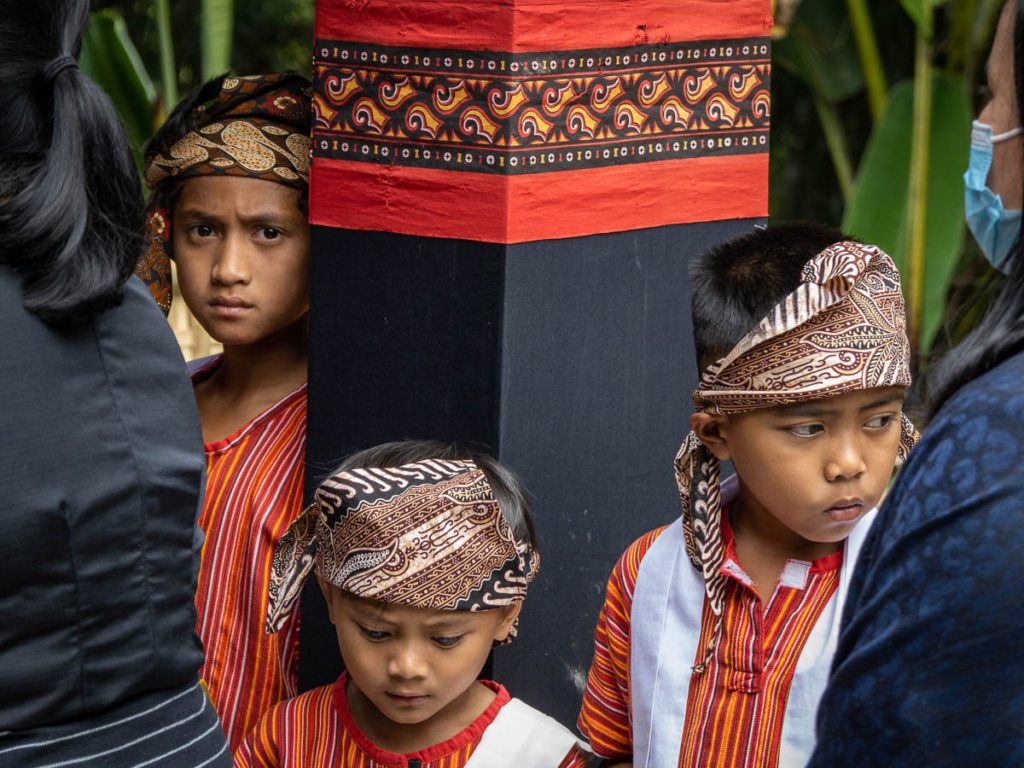
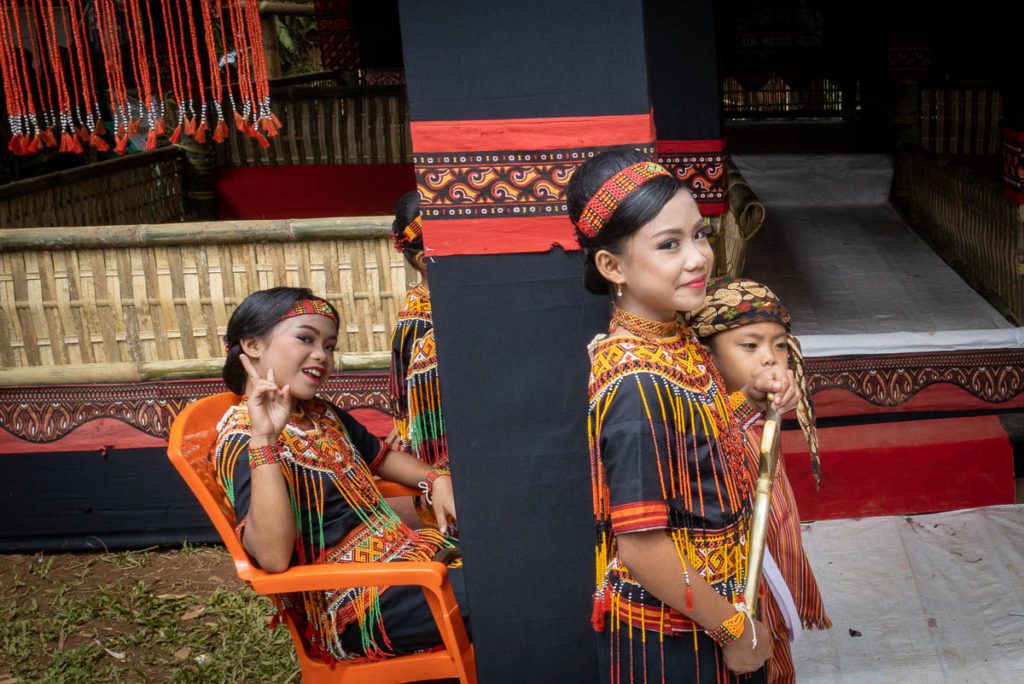
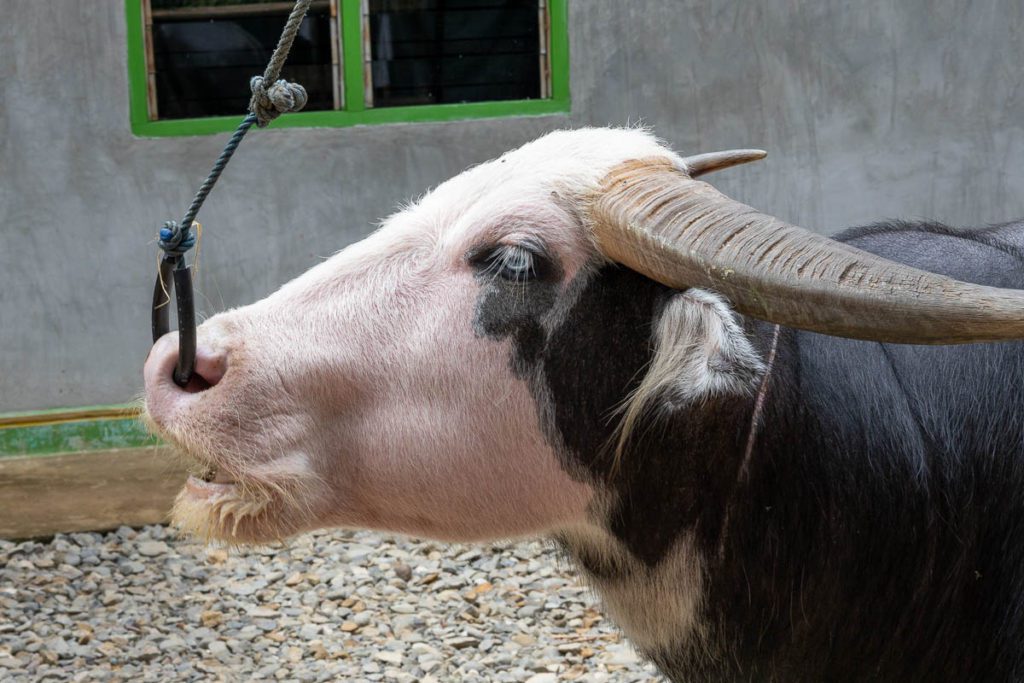
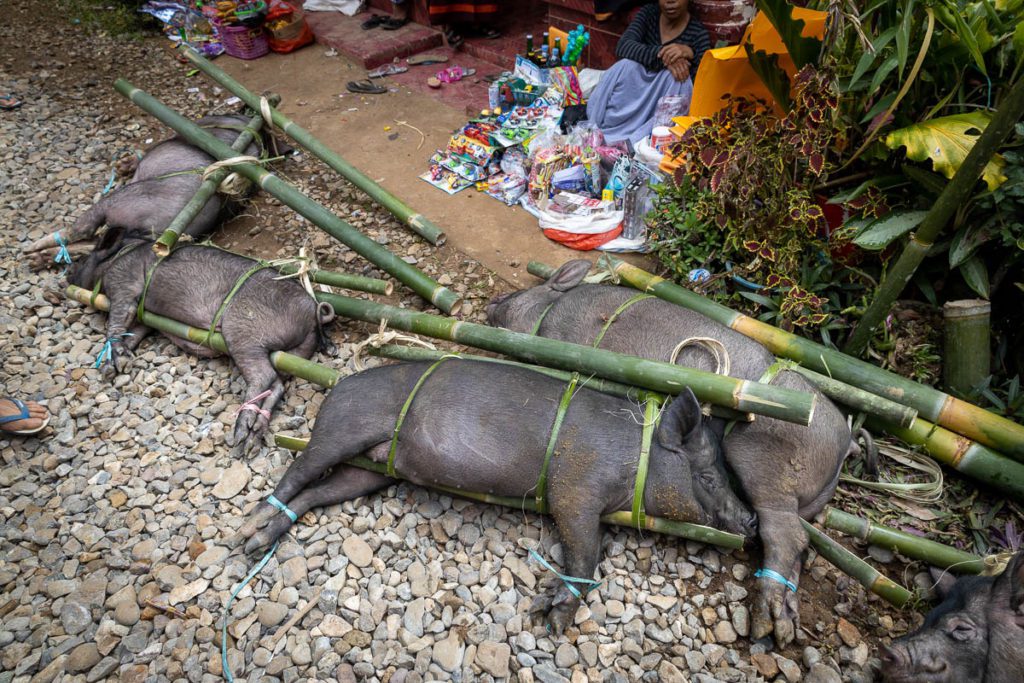
On the second day, we went to another funeral near Palawa. It was day 2 of the funeral, and the family was receiving friends and family bringing donations. There were hundreds of guests, over 12 buffalos, and 300 pigs. We were again treated as friends and offered tea and food.
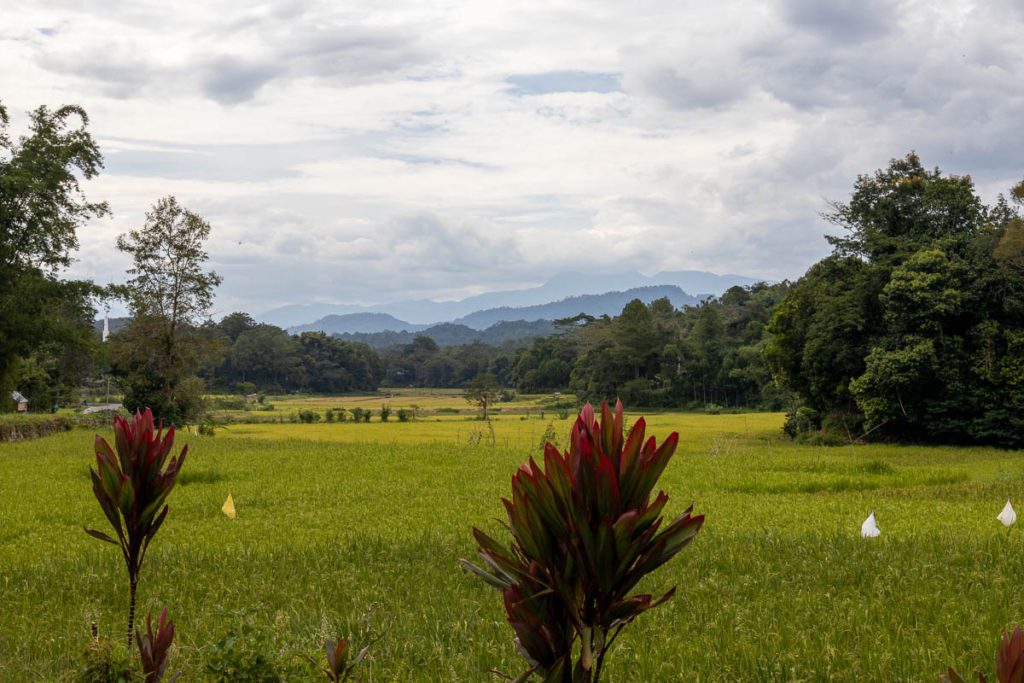
We then drove around scenic ricefields to the Megalithic site of Bori.
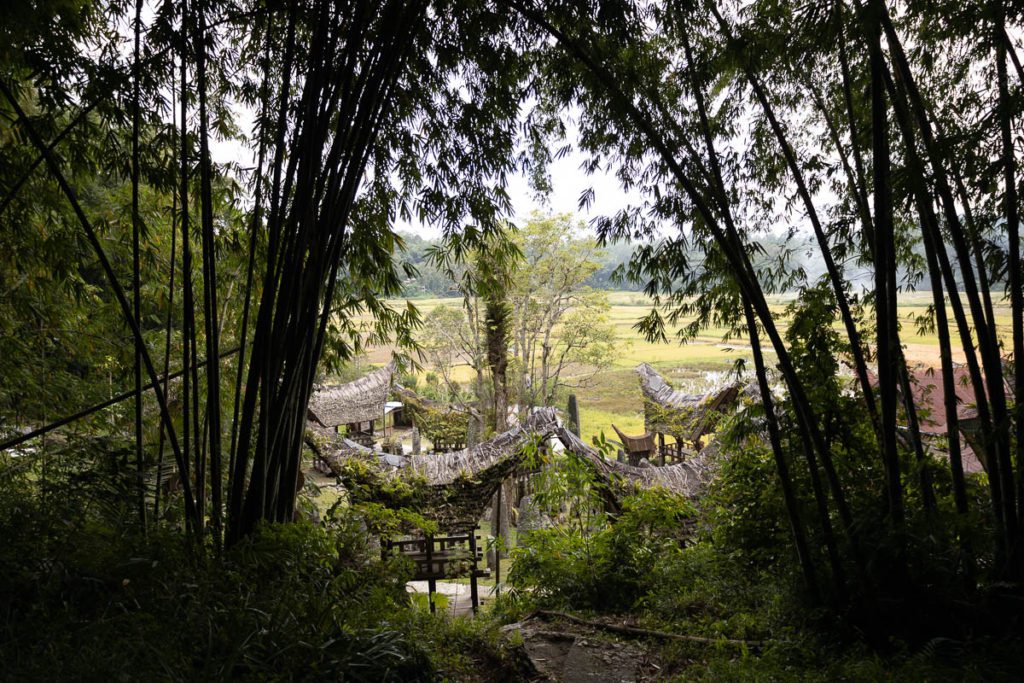
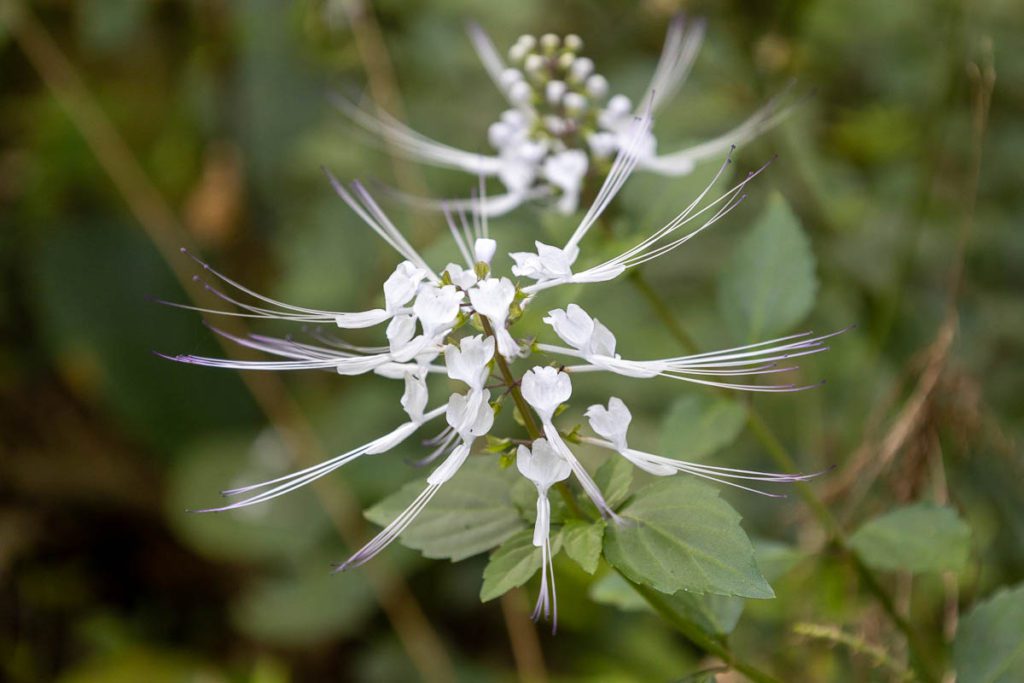
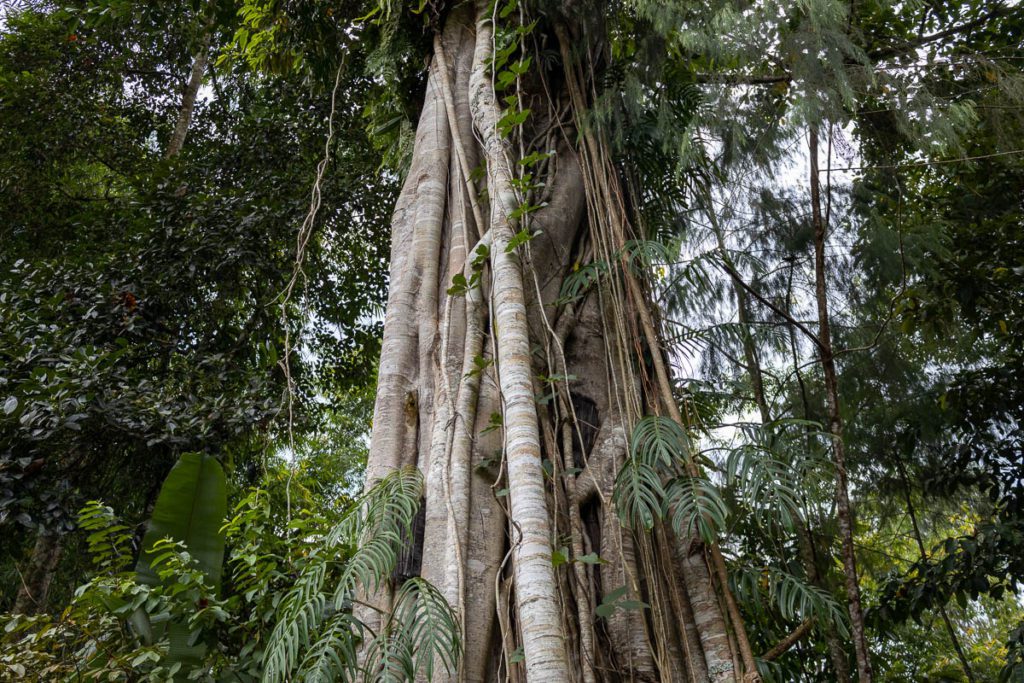
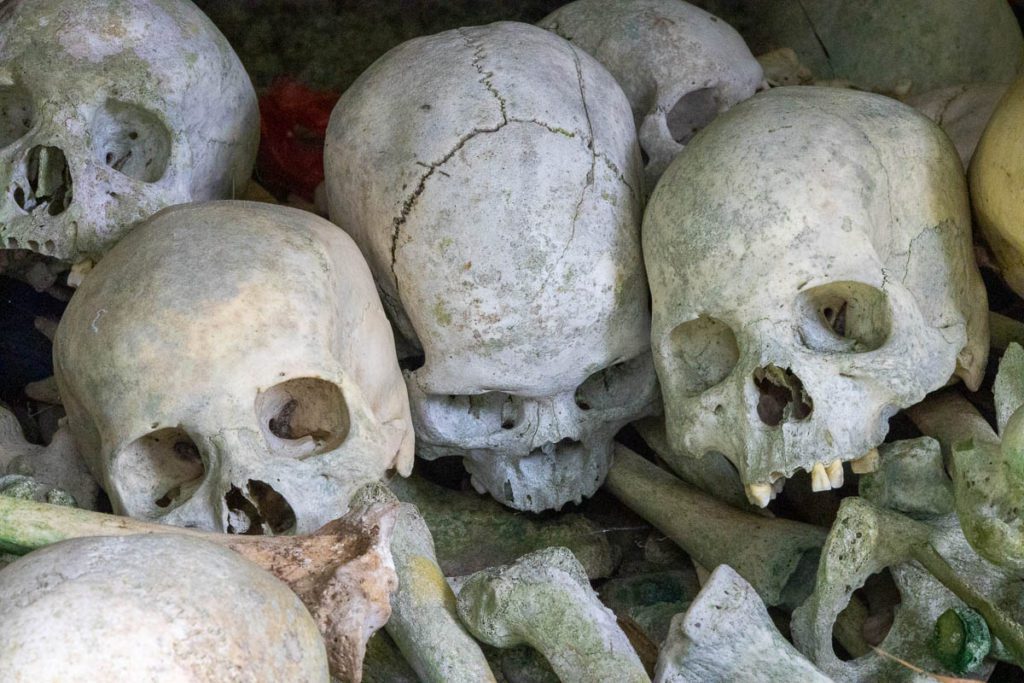
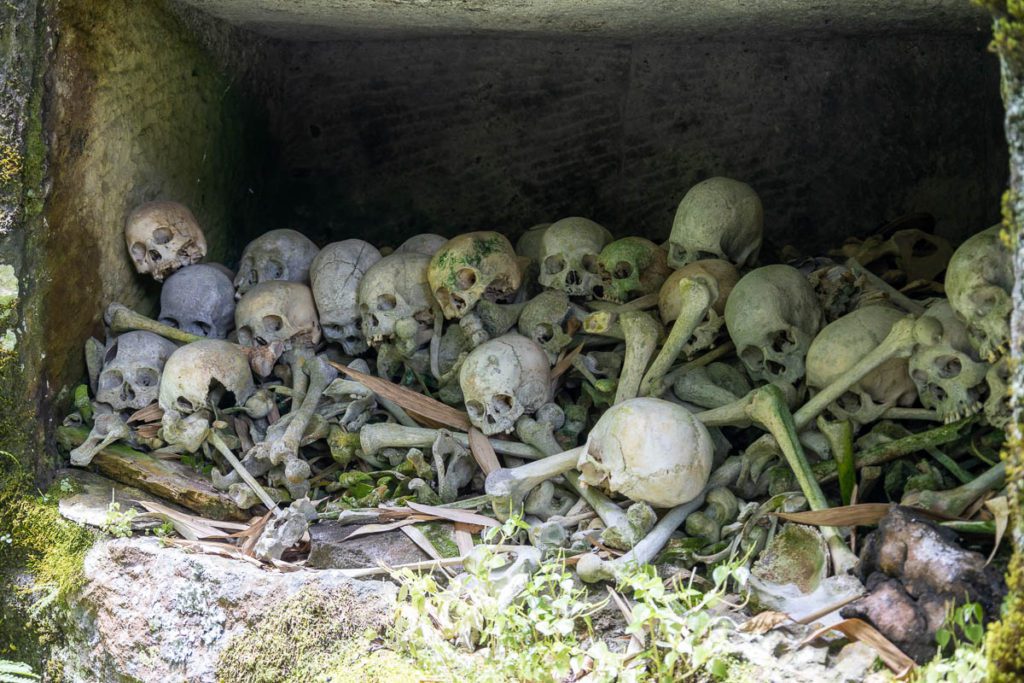
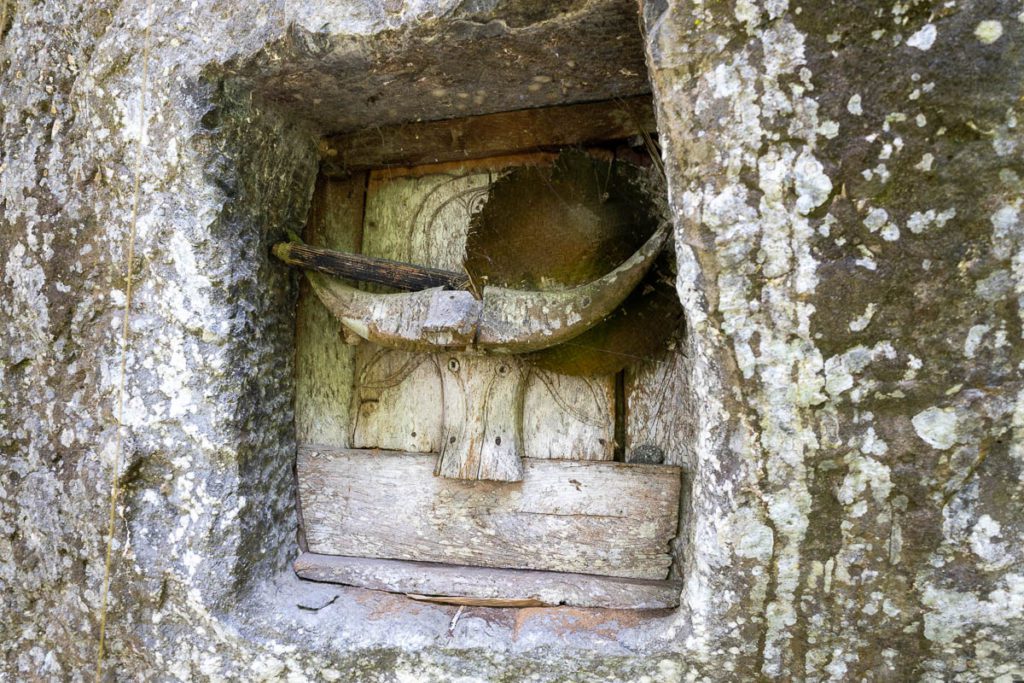
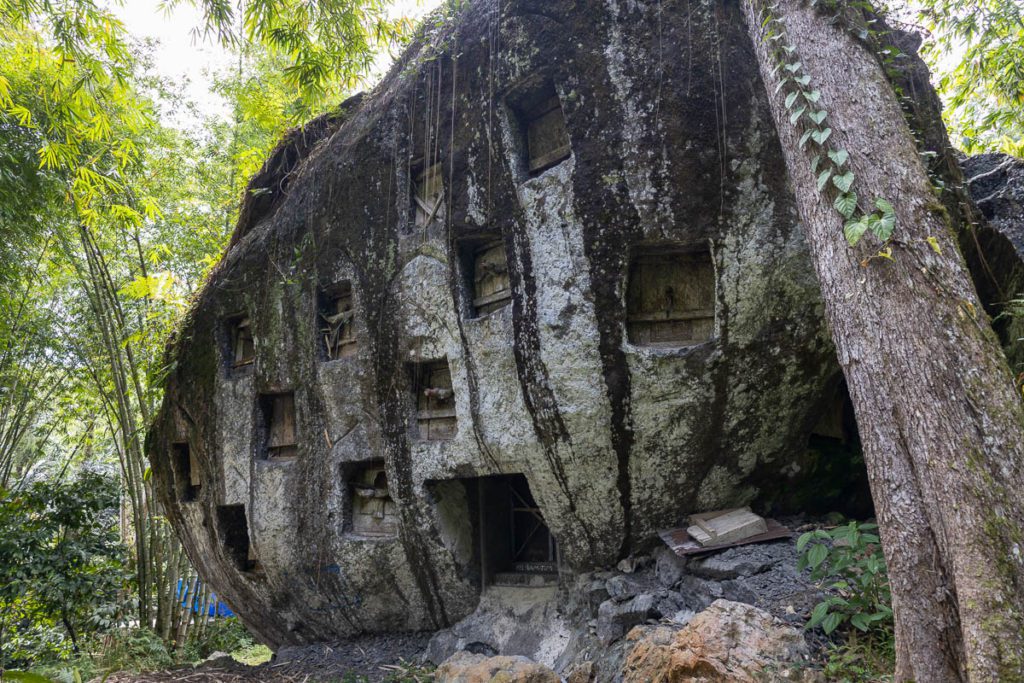
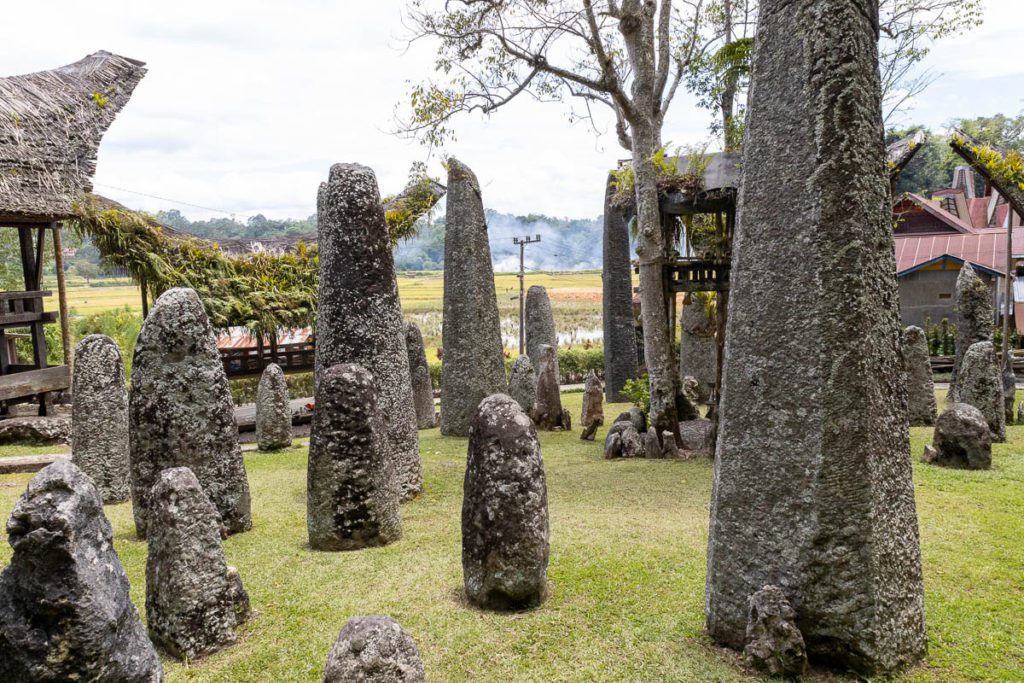
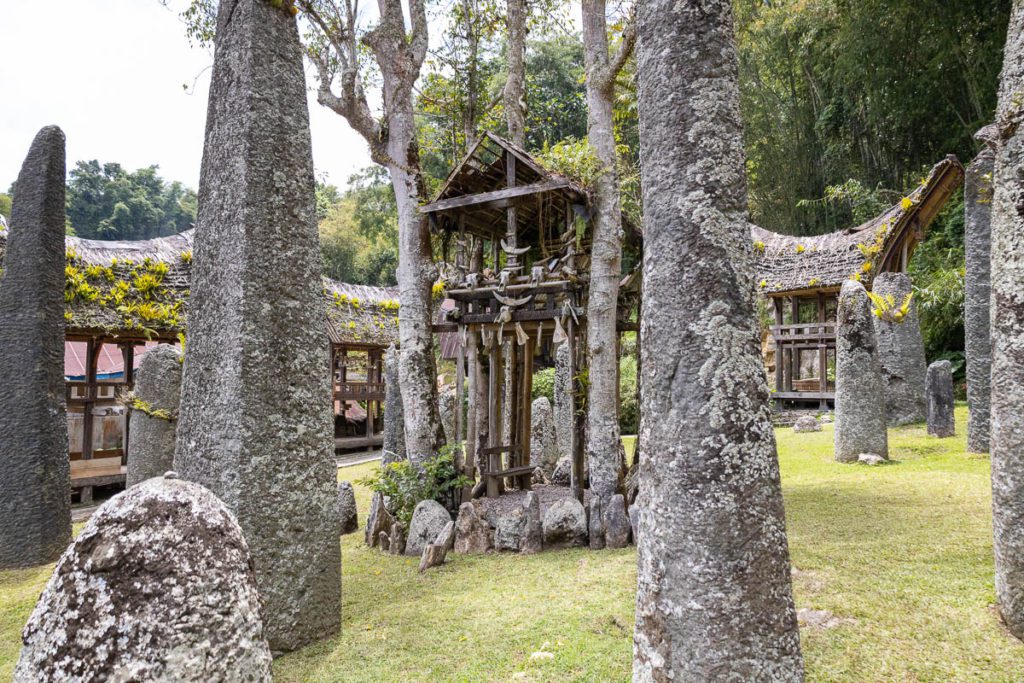
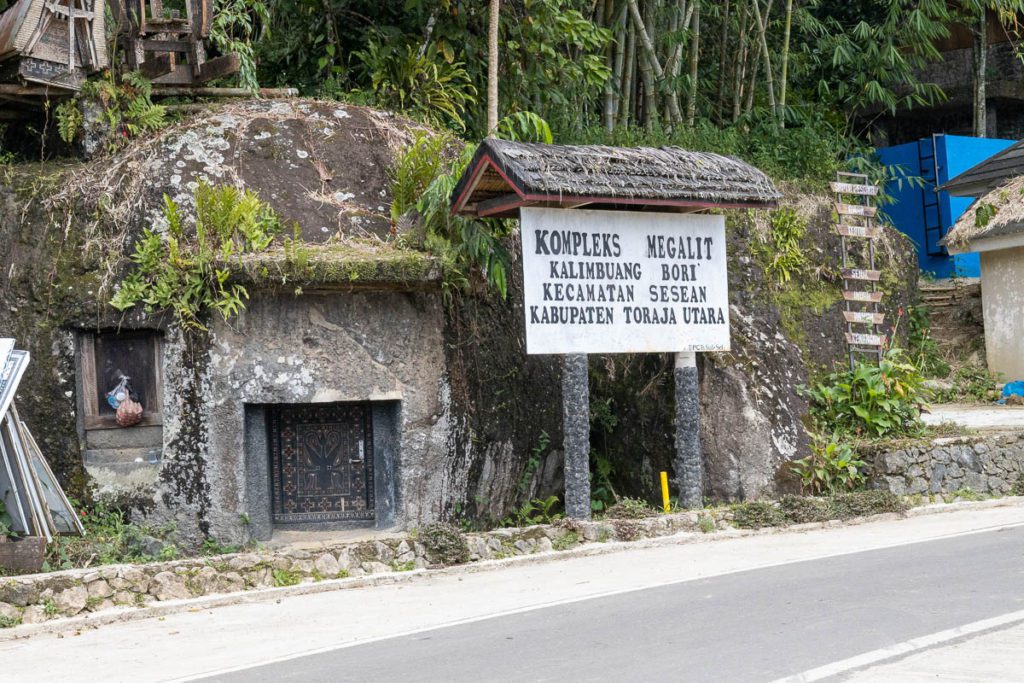
we hiked a small mountain to see the viewpoint of Tambolang and visited the village of Marante and its funeral tombs.
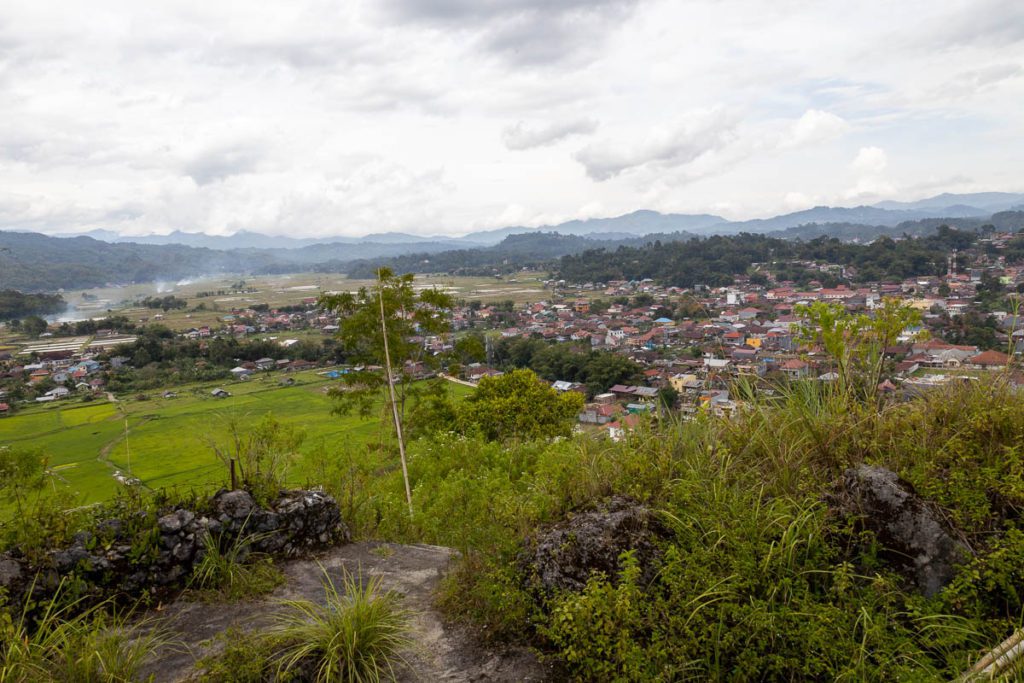
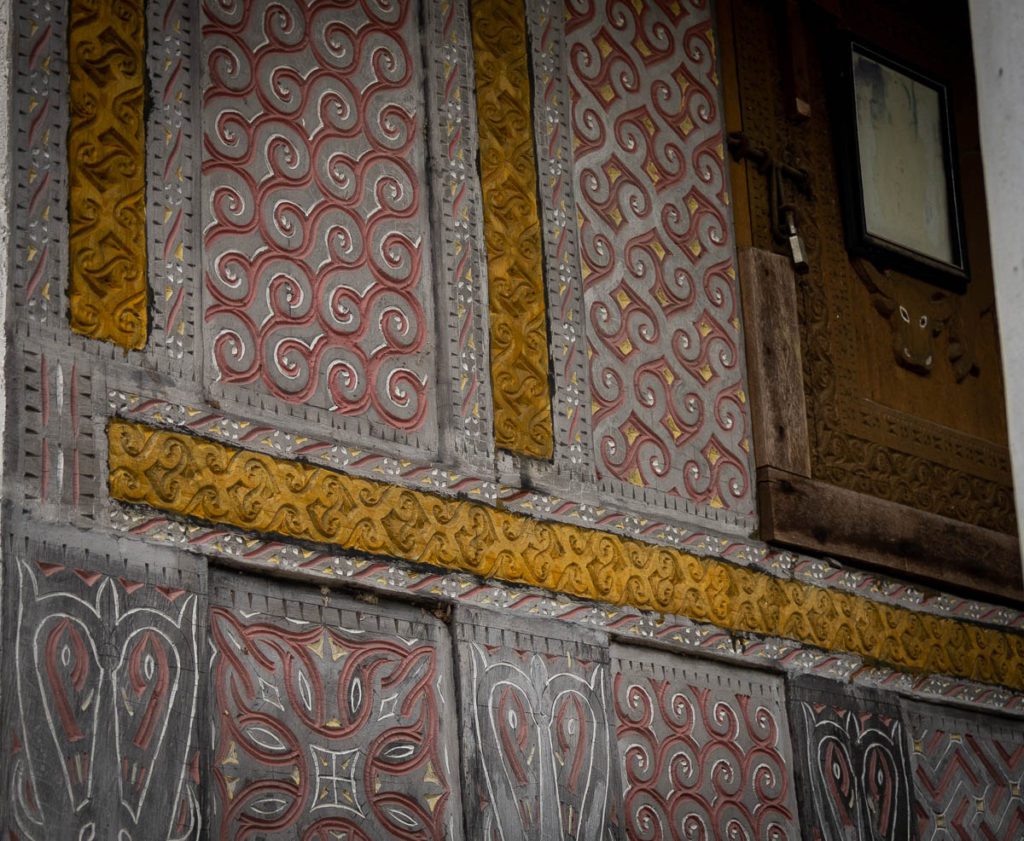
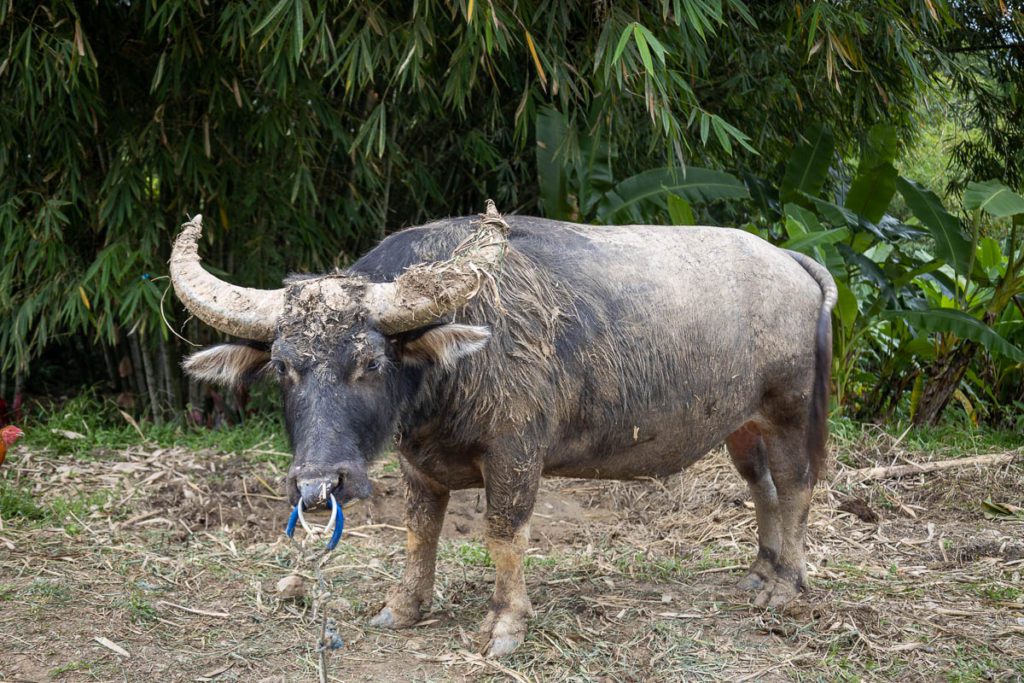
We ended the day at the local market. The Buffalo market is held every six days. Even though it was not market day, there were still hundreds of Buffalos.
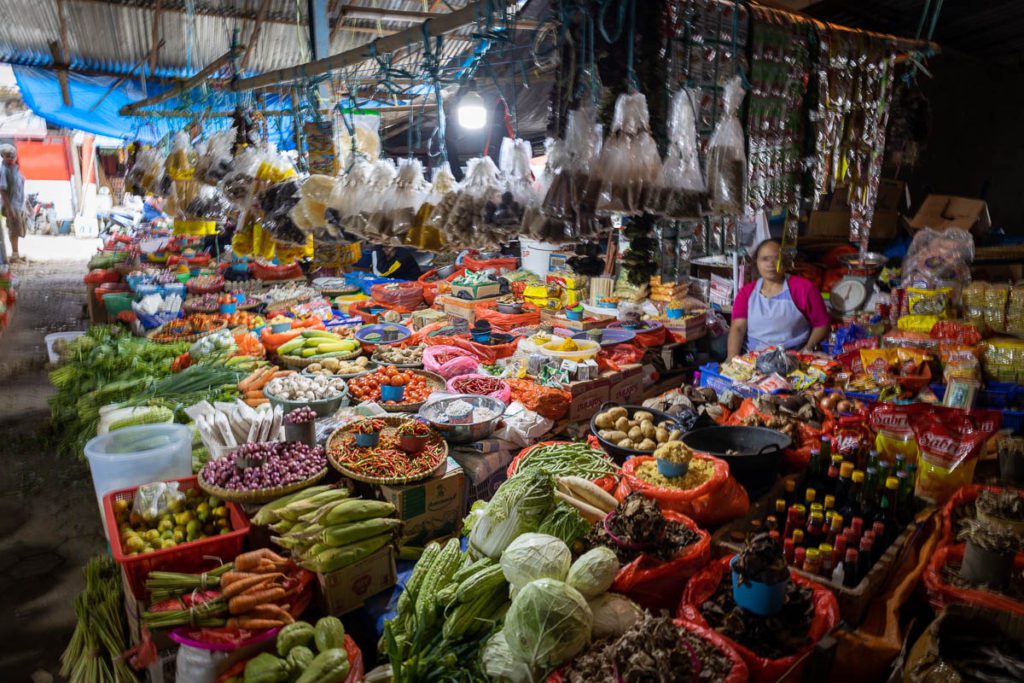
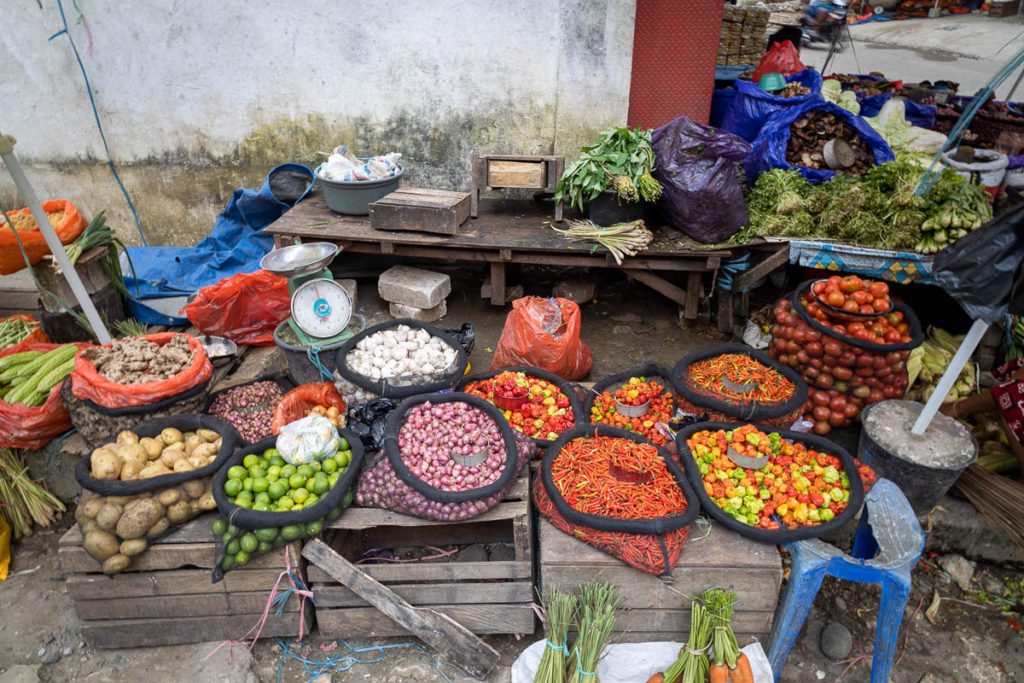
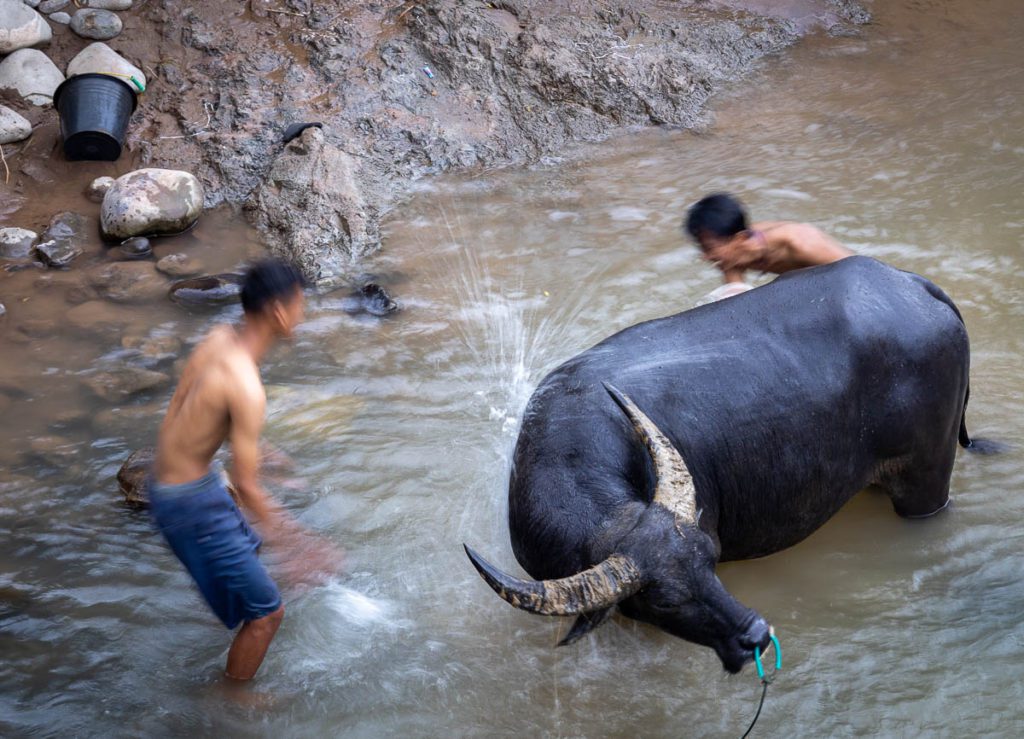
We only stayed three nights in Toraja, and it felt short as there was so much to see and experience. The local people are incredibly friendly and welcoming of foreigners.
Getting a guide in Toraja
The main reason to come to Toraja is the culture. The Toraja people have developed some of the most elaborate and dramatic funeral ceremonies in the world. If you are lucky, a funeral will happen during your stay, and a guide will bring you there and allow you to attend.
Funerals last for four to five days, and each day has different rituals worth seeing.
We attended two different funerals and felt very welcomed by the family of the deceased and their guests. Be aware that animals get slaughtered, which some people might find confronting.
The guide will also take you to various burial sites and villages. While you can visit those sites on your own, a guide will share stories, allowing you to understand the incredible Toraja culture.
Guides are licensed, and at the time of writing, the cost is fixed at 500000 rpies per day ( about 30 USD).
Our guide came highly recommended and was fabulous. You can reach him at pessunan01@gmail.com.
Visiting a Toraja Funeral Respectfully
Foreigners are genuinely welcome at these funerals — we were never once made to feel like intruders — but a few things go a long way:
- Bring a small gift for the family, traditionally a carton of cigarettes or a few packs; your guide can tell you what’s appropriate and help you present it.
- Ask before photographing the family, the deceased, or the ceremony up close. Wide shots of the crowd are generally fine; close-ups of grieving relatives are not.
- Dress modestly — no shorts or tank tops.
- Animals are slaughtered as part of the ceremony, typically on day three. If you’d rather not see that, ask your guide which day to attend.
- Let your guide lead. He’ll know the family, understand where you can and can’t stand, and can translate what’s happening.
The Ma’nene Ritual
If the funerals weren’t distinctive enough, Toraja has a second death ritual that gets even less understood outside Indonesia: Ma’nene. Every year or two, some families exhume their mummified ancestors, clean them, redress them in fresh clothes, and — in some villages — walk them around before returning them to the tomb. It usually happens after the harvest, around August or September, when family members return home for it.
This is not staged for tourists. Ma’nene happens in specific villages (Baruppu and Pangala, in North Toraja, are known for it) on dates the families set themselves, and it isn’t always announced publicly. If you want to witness it, you need a local guide with real connections, arranged well ahead of your trip — don’t expect to find one on the day. The same etiquette applies as at a funeral: ask before photographing, and remember you’re a guest at a family event, not a spectacle.
Best Time to Visit Toraja
The dry season, June to September, is the best time to visit — the roads are easier, the rice terraces are still green, and this is also peak funeral season, since families wait for the harvest to finish and the weather to hold before holding a Rambu Solo. July and August see the most ceremonies and the most other travelers. If you want a quieter trip with a genuine shot at attending a funeral, June or September are a good compromise. Ma’nene, when it happens, generally falls in August or September.
Outside the dry season — November through May — expect more rain and muddier village walks, but also far fewer tourists, and funerals still take place year-round.
Best Coffee place in Toraja
Toraja is famous for its coffee. Don’t miss the Kaana Toraya coffee shop. It serves mouthwatering coffees, teas, and food and is the perfect place for lunch or breakfast. The Kaana coffee shop is well hidden inside the Pison hotel.
Where to Stay in Toraja
There are no five-star hotels in Toraja — I said as much at the top of this article, and it’s still true. What you’ll find instead is a small set of comfortable, well-run options in and around Rantepao, all easy driving distance from the main sites.
Toraja Heritage Hotel is the closest thing to a proper hotel in town: a 4-star property built in traditional Toraja style, right in Rantepao, with a pool and mountain views. It’s the safest, most polished choice if you want reliable comfort after a long day at funerals and burial sites.
Santai Toraja is the boutique option, set among rice paddies just outside town, with a more contemporary design and consistently the best guest reviews of anywhere in the area. It’s a good pick if you want atmosphere over amenities, and it works well for couples.
Check rates on Booking.com → · Compare on Traveloka →
Toraja Misiliana Hotel is the largest option, river-facing with gardens, a pool, and a tennis court, about 2km outside central Rantepao. It’s a reliable, resort-style fallback if the other two are full.
Check rates on Booking.com → · Compare on Trip.com →
As always, I’d check the same room across a couple of platforms before booking — prices vary more than you’d expect for a small town like this.
For more information about what to do in Makassar and my review of the Novotel Makassar, read this article.
FAQ
Is Toraja worth visiting?
Yes — it’s one of the most distinctive cultural destinations in Indonesia. Beyond the funerals, you get highland scenery, traditional Tongkonan villages, and some of the country’s best coffee, all with far fewer tourists than Bali.
What is the Ma’nene ritual?
Ma’nene is a Torajan tradition where some families exhume, clean, and redress their mummified ancestors, usually after the harvest in August or September. It’s arranged by individual families and requires a well-connected local guide to witness respectfully.
When is the best time to visit Toraja?
June to September, the dry season, is best overall, and also the peak funeral season. July and August have the most ceremonies but also the most visitors; June and September are quieter.
Is it respectful for tourists to attend a Toraja funeral?
Yes, foreigners are genuinely welcome. Bring a small gift for the family, ask before photographing anyone up close, dress modestly, and go with a local guide who knows the family.
How many days do you need in Toraja?
Three nights is enough to see the highlights — burial sites, a market day, and at least one funeral if timing allows — though you could easily fill a week if you wanted to explore further afield.
How do I get to Toraja?
Fly or drive from Makassar. The drive takes 8–10 hours depending on road conditions; Wings Air flies the route roughly twice a week and takes under an hour. Most travelers spend a night in Makassar either way — I stayed at the Novotel Makassar Grand Shayla, and Toraja also makes a superb overland add-on if you’re already in Sulawesi en route to a Raja Ampat liveaboard.
Related Reading: More of Indonesia Beyond the Beaches
Toraja was one leg of years of travel around the archipelago, and if this side of Indonesia appeals to you, these articles continue the journey. Your gateway city is covered in my Novotel Makassar review, which doubles as a mini guide to Makassar. For more of Indonesia’s ancestral cultures, read about visiting the tribes of West Timor, the megalithic villages of East Sumba, and exploring West Sumba in a day — where I stayed at Nihi Sumba, once named the best hotel in the world. And if you’re combining Sulawesi with diving, my guide to the best Raja Ampat liveaboards and my one-day guide to Sorong cover the classic next stop.