
Indonesia is a chain of more than 17,000 islands. Most visitors see only Bali, yet the country rewards anyone who goes further with wild beaches, extraordinary wildlife and some of the richest traditional cultures in Asia.
Few foreign travelers make it to Timor, but the island is full of things to see, the people are wonderfully hospitable, and you can experience a great deal in just a few days. Visiting the traditional villages of West Timor was one of the highlights of my travels in eastern Indonesia. Here is how to do it.
Why Trust This Article?
I spend a lot of time in Indonesia because I love the country — it is not a destination I parachute into for a story. I’ve traveled the archipelago from end to end: more than 20 trips to Raja Ampat and Komodo, expeditions through Halmahera, Alor and the Banda Sea, road trips across Sumba and Flores, and countless journeys around Bali in every season, on every kind of transport from private drivers to the public bus. Along the way I’ve slept in everything from Nihi Sumba, once named the best hotel in the world, to remote island guesthouses with no running water or electricity — so when I tell you whether a place, festival or route is worth your time, it’s measured against the whole country, not a brochure. Everything in this article comes from my own visits, with my own photos, and I update it when things change on the ground. More on how I travel and review on my author page.
Getting to West Timor
Kupang, the capital of West Timor, has direct flights from Bali and Jakarta. When we traveled, Garuda was the most dependable airline on the route and allowed up to 20 kg of checked luggage. There is also a flight from Maumere, on Flores, which makes a good stop on the way from Bali.
Visiting Kupang
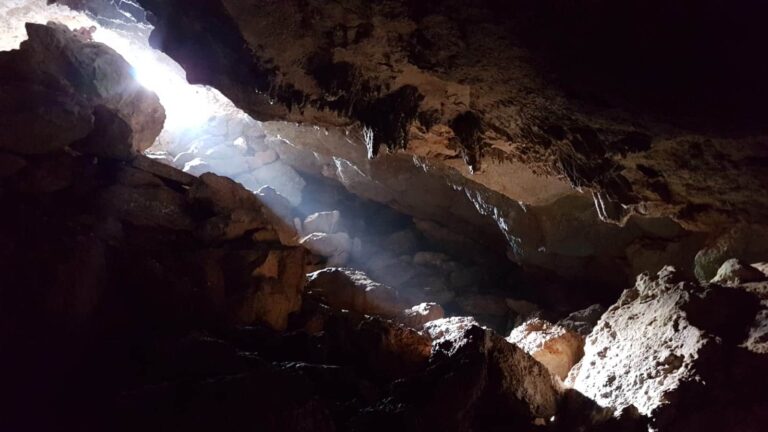
Kupang is above all a transit point for the rest of East Nusa Tenggara. We spent two nights there because cave diving had been highly recommended to us, and it did not disappoint.
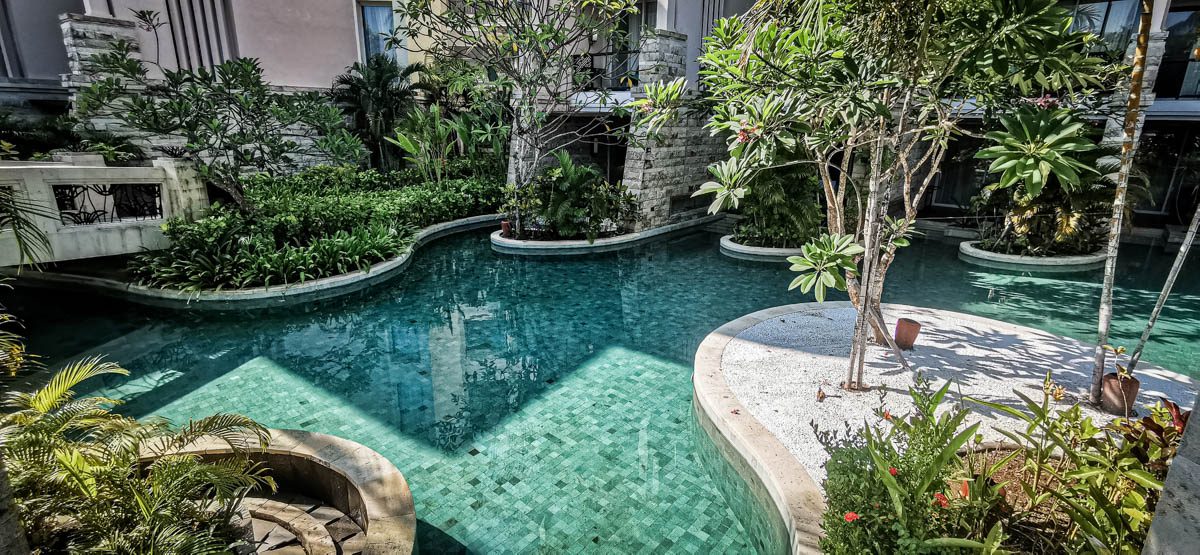
The Swiss-Belinn was the best hotel in Kupang at the time, but set your expectations accordingly: this is not a pampering trip.
The local specialty is sei babi, smoked and chopped pork, and the town’s best-known place to try it is Depot Bambu Kuning. The night market is fascinating and sells the freshest fish in town. And if you crave something familiar, there is a Pizza Hut in Lippo Mall, which we were delighted to find after a week of eating only local food on our expedition through eastern Indonesia.


Diving in Kupang
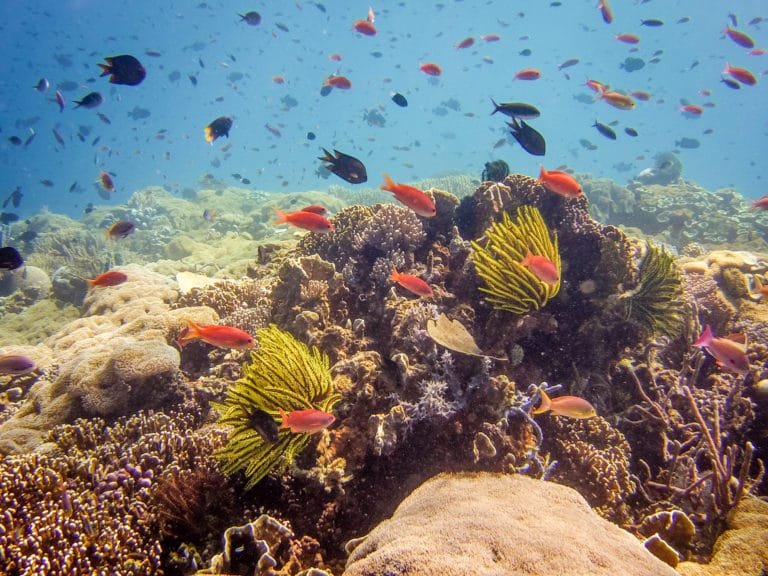
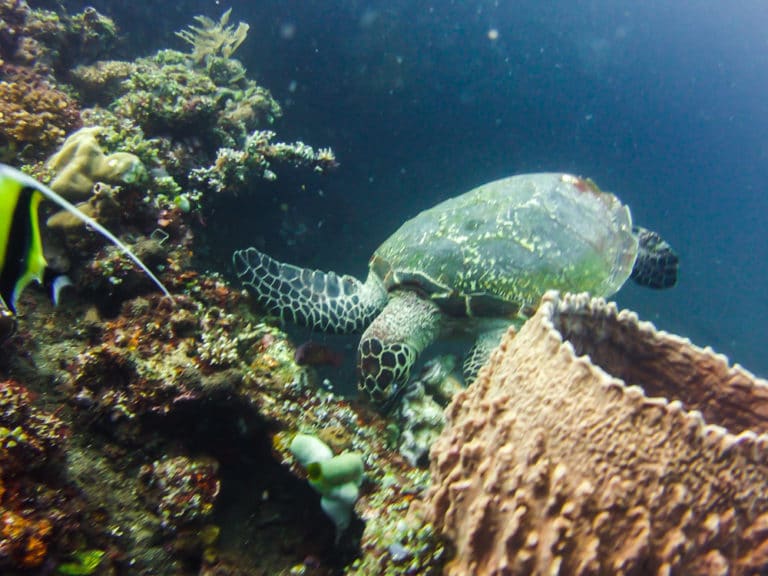
The freshwater caves outside Kupang are some of the most unusual dives in Indonesia. Read my guide to diving in Kupang before you go, as the only dive operator has announced a temporary closure. Kupang is also the gateway to Rote, a short flight away, where I dived with oceanic mantas in November 2026: read my guide to diving in Rote. If you want to stay in style on Rote, read my NIHI Rote review.
Visiting the Tribes of West Timor
For a truly off-the-beaten-track experience, head to Lopo Mutis, a village about four hours’ drive from Kupang, beyond Soe. You can find it on Google Maps. We were lucky enough to meet Mateo, the village chief, at the Bali indigenous dance festival, and he invited us to visit. So we went.
We hired a car and driver in Kupang, spent a night in Soe and continued to Lopo Mutis the next morning. The roads were terrible, and we regretted not renting a 4WD. Mateo and his family welcomed us with open arms: the whole village came out and a celebration began at once, with singing and dancing. It was an unforgettable experience.


Ikat Weaving
The villagers sell beautiful ikat, which is their main source of income. A single piece can take several months to weave, and the result is a magnificent fabric that you can have tailored into one-of-a-kind clothes at home. It also makes a meaningful souvenir of your visit.


Where to Stay
At the time of our visit, Mateo and his family ran a guesthouse, so you can comfortably spend a night or two in Lopo Mutis and take time to enjoy the village. If you need more comfort, such as air conditioning and hot water, stay at a hotel in Soe such as Bahagia 2.
Oehala Waterfall
On the way, stop at Air Terjun Oehala, a lovely waterfall with viewpoints along the route.


None Village
We also visited None on the way back. It is the village most tourists are taken to, and while the locals were warm and the traditional houses are interesting, we found it less colorful than Lopo Mutis. It is still a very good way to experience village life in West Timor.
Village Etiquette
It is customary to bring a small offering of betel nuts when you visit a village (your driver can help you buy them) and to leave a small cash gift as well.

To announce your visit to Lopo Mutis, you can contact Mateo Anin on +62 852 3989 0563.
Extend Your Trip: Rote, Alor and Beyond
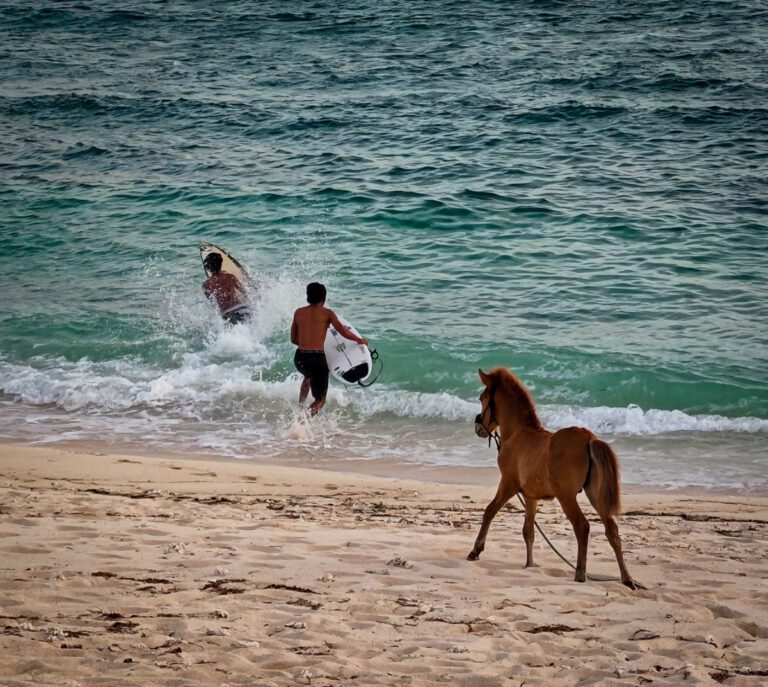
If you have more time, consider cave diving in Kupang and a few days on Rote. Maumere, Komodo and Alor are also a short flight away and well worth the trip; divers should read my Alor diving guide.
There is also excellent diving in East Timor. It is a different country, so getting there means a long overland journey or a flight back via Bali.
Have you visited the tribes of West Timor? I’d love to hear from you, so leave a comment below.
Disclosure: this article contains affiliate links. If you book through them, I earn a small commission at no extra cost to you. Read my full disclosure policy.



2 thoughts on “Visiting the Tribes of West Timor: A Practical Guide to Lopo Mutis, None and Kupang”
Hi I spent a month traveling around Timor back in 1997. Where possible I used local transport and if none available I walked. Got off the roads and followed trails into the mountains and very luck to stay with kaiser of the villages and ate with them. I did visit the waterfalls. Also island hopped by ferry and visited some of the tribes on other close islands. Fantastic memories
thanks for sharing. It looks like a fantastic trip