For more than a decade, the quiet luxury of flying Delta out of London has been that you never had to think about the terminal. Delta and its joint-venture partner Virgin Atlantic have shared Terminal 3 at Heathrow, and now Heathrow Airport Limited has decided to break that up: the Delta Heathrow Terminal 4 move would put Delta in a different terminal from its closest partner. Delta’s CEO, Ed Bastian, did not soften his response. In a statement on the Delta News Hub on 2 November 2026, he called the decision “short-sighted, deeply disappointing and bad for airline consumers.”
For premium transatlantic travelers, this is a bigger story than a terminal map. The value of the Delta–Virgin partnership at Heathrow has rested on one building: one check-in area, one security search, shared lounges and connections that never leave the terminal. Delta says it will “pursue all available remedies,” so nothing is final, and nothing changes for flights you book today. Below I set out what is confirmed, what is only reported, and how I would book London around it.
Delta Heathrow Terminal 4: Key Facts
- Announced: 2 November 2026, statement by Ed Bastian, CEO, Delta Air Lines, on the Delta News Hub (“Delta Air Lines CEO Ed Bastian’s statement on Heathrow Airport Limited’s decision to relocate Delta’s operation to Terminal 4”)
- The decision: Heathrow Airport Limited is relocating Delta’s operation to Terminal 4, away from Virgin Atlantic
- Today: Delta and Virgin Atlantic share a co-located operation in Terminal 3, which Delta says has served “millions of customers” for more than a decade
- Delta’s position: Ed Bastian, CEO, Delta Air Lines: the decision is “short-sighted, deeply disappointing and bad for airline consumers”; Delta “will pursue all available remedies to correct this decision” and urges Heathrow to reconsider
- Timing: no date given in Delta’s statement
- Reported timing (not confirmed by Heathrow): Aerocorner ran the headline “Heathrow will move Delta to Terminal 4 in 2028”; The Bulkhead Seat ran “Delta Air Lines and Four Other Carriers to Change Terminals at London Heathrow in 2028”
- Heathrow: no release on the reallocation in its media center as of 8 November 2026
- Virgin Atlantic: no statement found
- Terminal 4: hosts several of Delta’s SkyTeam partners
- Separate change, same week (reported): from 2 November 2026, Virgin Atlantic Upper Class passengers can no longer bring guests into Clubhouses, third-party lounges or the Heathrow Upper Class Wing; Flying Club Gold members keep one same-flight guest
- Fares: unaffected by the decision; see below
Why One Terminal Matters for Delta One and Upper Class
Delta’s statement calls the current arrangement a “co-located operation,” and for a premium traveler that phrase covers almost everything that makes a joint venture feel like one airline rather than two. Fly Delta One into London and connect onto Virgin Atlantic, and you stay in Terminal 3. Fly out on Virgin and home on Delta, and the airport routine is the same both ways: premium check-in, security, lounge and gate, all in one place.
Bastian calls these “tightly integrated customer benefits,” and integrated is the key word. Split the airlines and the network on paper looks the same. The experience at Heathrow would not. Delta One passengers would check in, clear security and wait for their flight in Terminal 4, while Virgin Upper Class passengers stayed in Terminal 3. A Delta–Virgin connection would become a terminal change, and Terminal 4 sits on the south side of the airport, apart from the central terminals. On a tight layover after an overnight flight, that is exactly the friction the partnership was built to remove.
The lounge is where premium flyers would notice first. Delta’s statement points to the “premium amenities” of the shared terminal, and in Terminal 3 those amenities are largely Virgin’s, the Clubhouse above all. Nobody has said what Delta One passengers would use in Terminal 4. It hosts several of Delta’s SkyTeam partners, so there are options, but I would not assume a like-for-like replacement for one of Heathrow’s best-known lounges.
Bastian also makes the competition argument: “Delta and Virgin Atlantic provide UK consumers with a valuable competitive alternative across the Atlantic.” That is Delta’s case for the fight ahead, but at British Airways’ home airport, the Delta–Virgin partnership is one of the main alternatives on London–US routes, and the seamless ground experience is a big part of its appeal.
What Changes, and When: Confirmed Versus Reported
For anyone with a trip in the diary, nothing changes yet. Delta gives no date, Heathrow had published nothing on the reallocation as of 8 November 2026, and Virgin Atlantic had issued no statement that I could find. The 2028 date in circulation comes only from the Aerocorner and The Bulkhead Seat headlines, and Heathrow has confirmed neither the year nor the four other carriers. Treat both as reporting, not a timetable.
Nor is the decision settled. Delta says it is “committed to preserving the seamless travel experience for which Delta and Virgin Atlantic are known” and urges Heathrow to reconsider “in favor of a more prudent and thoughtful outcome that puts travelers first.” That is the language of an airline preparing to contest a decision, not one planning its move. The outcome could be the split as decided, a different arrangement or a delay, and I won’t guess which.
What I would do is simple. Book any Delta–Virgin connection through London on a single ticket, so a missed connection is the airlines’ problem, not yours. For trips in the period the press reports point to, allow time for a terminal change if the move goes ahead. And don’t pay more for a Delta–Virgin itinerary purely for the shared Terminal 3 lounge experience; that premium may not exist by the time you fly.
Book Delta and Virgin Atlantic flights through Heathrow on one ticket, never as two separate bookings. If Delta does move to Terminal 4, a single ticket generally protects the connection, so the airlines rebook you if a terminal change costs you the onward flight. For travel in 2028 or later, check the departure terminal on your booking again in the weeks before you fly.
A separate change in the same week: Virgin Clubhouse guests. InsideFlyer, crediting Head for Points, reported that from 2 November 2026 Virgin Atlantic stopped allowing Upper Class passengers to bring guests into its Clubhouses, into the third-party lounges it uses and into the Heathrow Upper Class Wing. Flying Club Gold members reportedly keep one guest, provided that guest is on the same flight. Virgin’s own lounge page does not spell the rule out clearly, so treat it as reported and check with Virgin Atlantic before relying on a guest pass. It is unrelated to the terminal decision, but both touch the ground experience that justifies a premium seat out of London.

How It Compares With the Competition
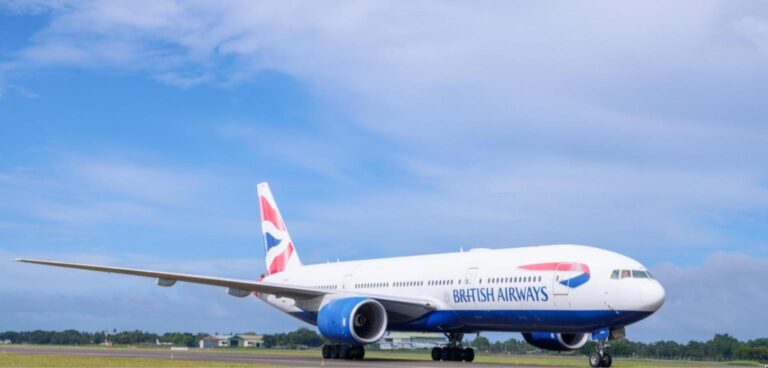
The obvious comparison is British Airways, which runs its Heathrow hub out of Terminal 5. For BA’s premium passengers, the one-terminal experience Delta is fighting to keep is the default, and BA is investing on board too, with the new First and Club Suite on its A380. A split would make BA’s simplicity at Heathrow an even stronger selling point.
United puts much of its premium ground effort into its own US hubs, with its Polaris lounges and the new United Club in Houston’s Terminal B, alongside the Polaris Studio on board, a reminder that the airport end of a long-haul trip can matter as much as the seat.
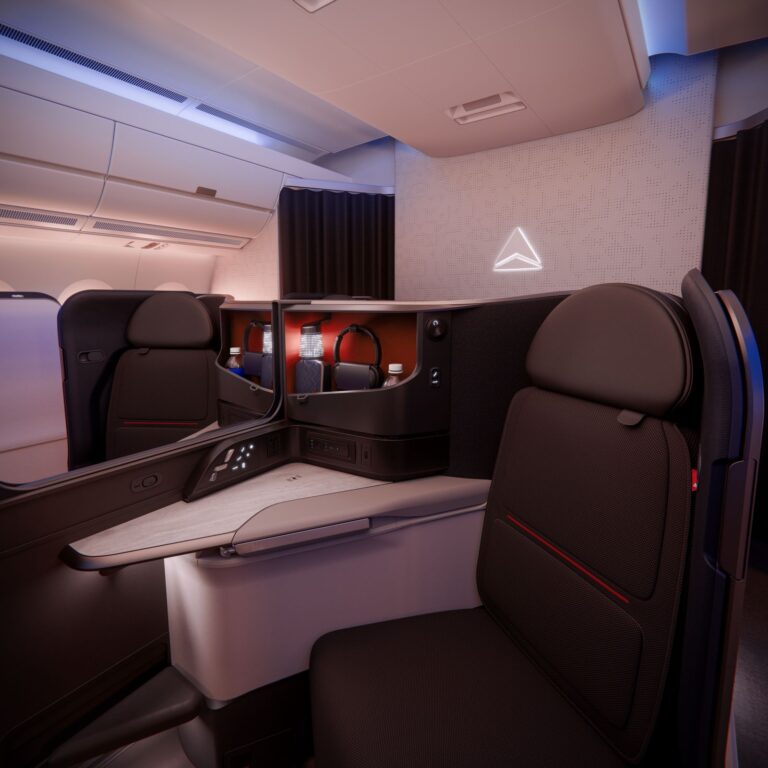
Delta has been spending on the onboard side too, with new Delta One menus and its Missoni collaboration, and Virgin has its Retreat Suite on the A330neo. Both investments sit in the cabin. The Heathrow decision hits the part of the trip neither airline controls, and a strong seat is a weaker proposition if the London end means a different terminal, a different lounge and a transfer between them.
Delta and Virgin Atlantic, First-Hand Context
I haven’t flown the Delta–Virgin operation through Heathrow for this piece. This is an analysis based on Delta’s official statement and press reports, not a review. My own reviews have taught me that the parts around the seat often decide whether a premium trip feels worth the money. On my Emirates Business Class flight from Malé on the 777, good food and a good amenity kit carried a dated cabin. At Heathrow, the shared Terminal 3 has played that role for Delta and Virgin: it smooths over the fact that they are two airlines.
The reverse is true as well. I rated Etihad’s 787-9 Business Class 3.5 out of 5 and marked it down for the wine. One weak link is what you remember afterward. A terminal change on a tight connection, or a lounge that falls short of the Clubhouse, could become that weak link for Delta One passengers in London. That is what I will look at when Delta and Heathrow confirm what Terminal 4 would actually offer.
How Much Does It Cost?
There are no fares to report: this is a decision about terminals, not schedules or cabins, and it does not change what Delta One or Virgin Upper Class cost today. Both are sold on the airlines’ own websites and through booking sites, priced dynamically by date. The links below are set to search London–New York in business class, a route both airlines fly.
Flight prices do move between platforms. The same business class seat on the same date is not always the same price on the airline’s own site, Trip.com and Expedia: point-of-sale currency, consolidator fares and what is bundled into the ticket can shift the fare by a few percent — and occasionally by much more on premium cabins. So before I pay I run the same dates through Aviasales, which scans dozens of booking sites at once, then check Trip.com (often the sharpest on long-haul fares) and Expedia (strongest when you add a hotel to the same booking). One caveat: a ticket bought through a booking site is changed or refunded through that site, not the airline, so read the fare rules before you buy.
Until Heathrow confirms a date and Delta’s challenge plays out, book Delta and Virgin through London as you always have, on one ticket, and don’t pay extra for a shared terminal that may not last.
Photos © Delta Air Lines / Virgin Atlantic
This piece is based on official statements and press reports — I haven’t flown the Delta–Virgin Atlantic operation at Heathrow yet. Read more about how I review or visit my Work With Me page.
This article contains affiliate links. If you book through them, I may earn a small commission at no extra cost to you. Read my full disclosure policy.