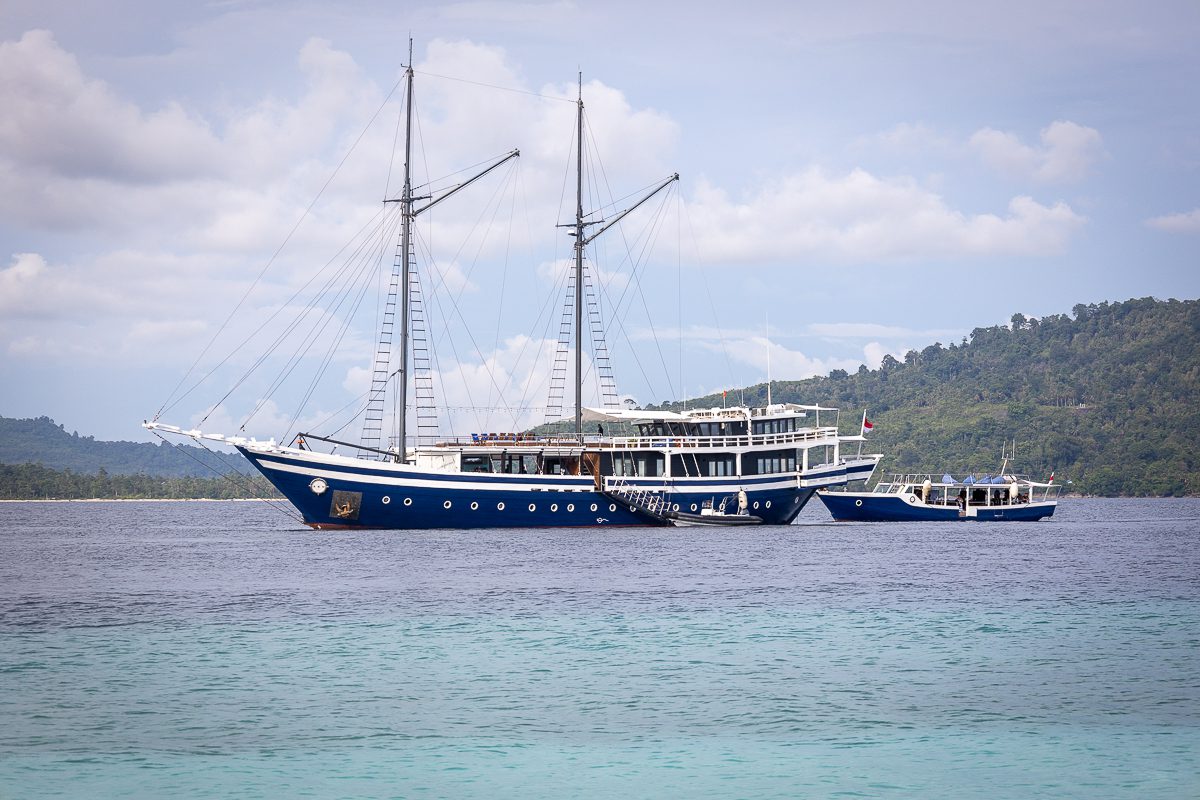
The question I get asked most about Antarctica is what it actually costs. This is the whole picture: what the market charges in 2026/27, what I paid on my own nine-night Atlas Ocean Voyages expedition, what the fare covered, and the costs that never appear in the headline price. The ship itself is reviewed in full in my Atlas World Voyager review.
How much does an Antarctica cruise cost in 2026/27?
There is no cheap way to Antarctica, but the spread is wider than most people expect. When I went through the operators’ own booking pages in August 2026, the cheapest published Peninsula fares on mainstream expedition lines sat somewhere around US$9,000 to US$12,000 per person, with cheaper berths turning up on older ships, in shared cabins and on departures that need filling. The bulk of the market — a 10 to 12 night Peninsula voyage on a modern expedition ship — runs between roughly US$12,000 and US$18,000. Luxury expedition ships, the category Atlas competes in, open in the mid-teens and run past US$30,000 for suites and for longer itineraries that add South Georgia and the Falklands. You will see an average of about US$10,000 quoted all over the internet; treat it as a rough midpoint from older data rather than a fare you can actually book today.
At the luxury end, published 2026/27 starting fares cluster surprisingly tightly:
- Atlas Ocean Voyages — 2026/27 Antarctica departures published from US$13,703, with most 9- to 11-night Ushuaia sailings between about US$14,400 and US$22,000; all-inclusive, charter flights included
- Viking Expeditions — 13-day Antarctic Explorer from US$14,999, 15-day Into the Antarctic Circle from US$18,499 (a seasonal sale was running)
- Quark Expeditions — 11-day Antarctic Explorer from US$12,236; Antarctic Express: Fly the Drake, 8 days, from US$17,591
- Intrepid — Peninsula voyages from just under €8,000 on its European site, with most departures between about €8,000 and €13,000
Those are lead-in fares for the lowest cabin grade, taken from each operator’s own booking pages in August 2026. Treat every one of them as a starting point rather than a price: polar fares move constantly with promotions, currency and how full a departure is, so always check the live figure before you plan around it.
How much does an Atlas Antarctica cruise cost?
In August 2026 the lowest published fare on Atlas’s own 2026/27 Antarctica calendar was US$13,703 per guest, and most 9- to 11-night Ushuaia round trips were listed between about US$14,400 and US$22,000 — but Atlas runs aggressive promotions almost constantly (savings of up to US$6,779 per guest plus onboard credit were live on the site when I checked, with fares due to rise on 1 October), so the fare you actually pay can be dramatically lower. Shoulder-season departures (October–November and March) are typically the cheapest; December and January command peak pricing.
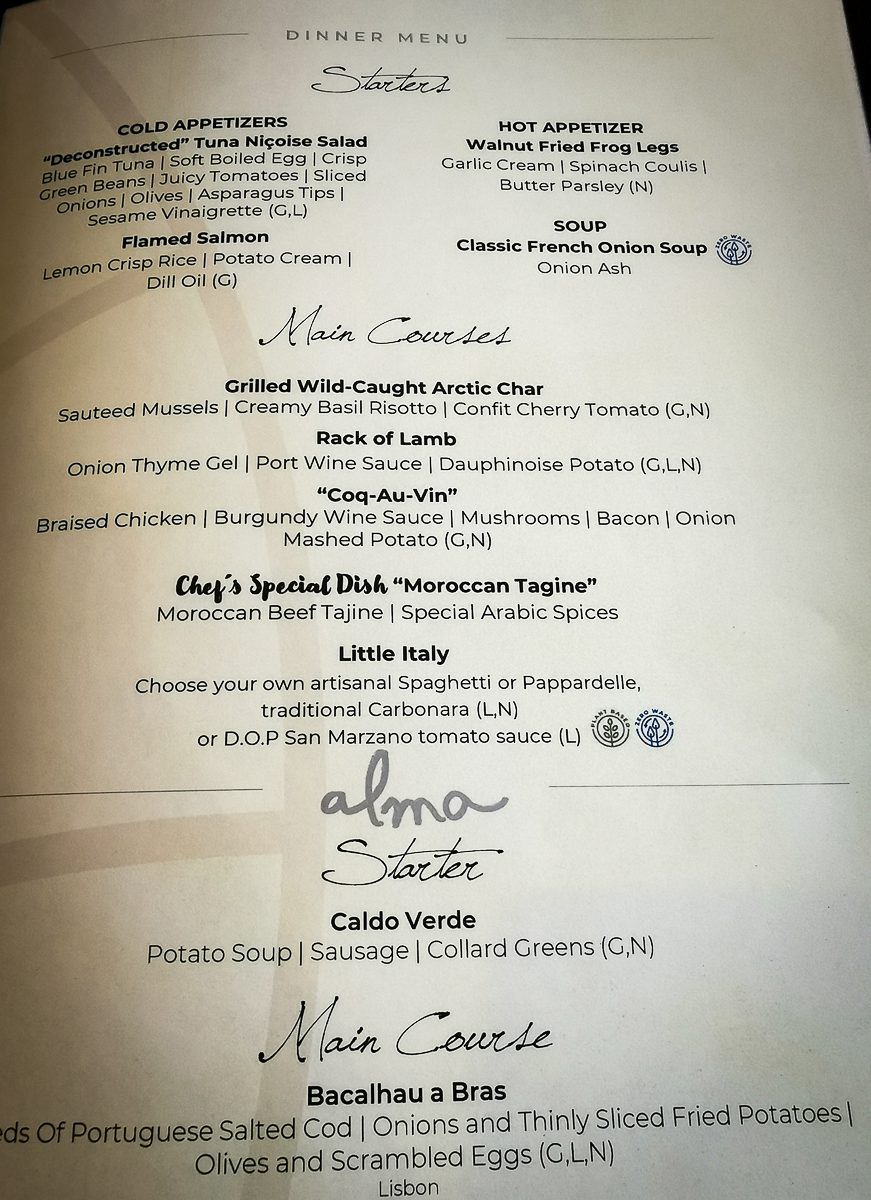
What makes Atlas stand out is what that fare includes. In addition to the charter flights and all the activities, the Atlas cruises include dining and unlimited beverages like beer, wine, cocktails, specialty coffee, and fresh-pressed juices. An in-room stocked mini-bar and 24-hour room service are also part of the fare, as are gratuities and emergency medical evacuation insurance. When you compare like for like with other luxury expedition lines — where flights, drinks, gratuities, and evacuation cover are often extras — Atlas remains superb value for money in the luxury Antarctica segment.
See current Atlas Antarctica fares & promotions →
What is included in the Atlas Antarctica cruise?
Atlas provides superb value for money, and with three ships in operation in Antarctica, it could disrupt the market.
Further, guests can participate in shore landings, sightseeing safaris by zodiac, and a polar plunge for no additional cost. Guests on Polar Expeditions also receive a complimentary parka, and waterproof expedition boots are provided for use during the cruise.
The only extras you need to budget for are the kayak tour (not to be missed), the internet, premium drinks, and the spa.

What pushes the price up or down
Season. October, November and March are the cheapest weeks. December and January are peak, because that is when the light is longest and the penguin chicks are on the beaches.
Cabin category. On the same ship, the gap between the lowest grade and a suite is routinely double.
Ship size. IAATO rules allow no more than 100 passengers ashore at any one site at a time, expedition staff excluded, and some sites cap it lower still. Smaller ships therefore mean far more time off the ship — and a higher price per night.
Length and route. A classic Peninsula run is the cheapest way in. Adding South Georgia and the Falklands pushes a voyage past three weeks and well past US$20,000.
Travelling solo. Single supplements in polar travel are brutal. Look for lines running a solo-share program that matches you with a roommate.
Sailing or flying the Drake. Skipping the crossing is not a saving, as I explain below.
The costs people forget to budget for
The fare is the big number. It is not the whole number.
- Getting to South America. Long-haul flights to Buenos Aires or Santiago are on you, and they are not cheap in the southern summer.
- A pre-cruise hotel night, ideally two or three. The charter flight south is the one flight of the trip you genuinely cannot afford to miss. I stayed at the InterContinental the night before mine — see my InterContinental Buenos Aires review.
- Travel insurance with emergency medical evacuation. Most operators require proof of it. Atlas builds evacuation cover into the fare; plenty of lines do not.
- The kayak program. An extra on almost every ship, Atlas included, and not to be missed.
- Wi-fi, premium drinks and the spa. On my sailing these were the only real extras.
- Gratuities. Included by Atlas, charged by most.
- Cold-weather gear. Atlas gave us a parka to keep and boots to borrow. Check what your line provides before you buy anything.

Is it cheaper to fly or sail the Drake?
No. Flying is almost always the more expensive way to do it per day. Fly-the-Drake itineraries are shorter — typically 7 to 9 nights against 9 to 12 for a classic sailing — and on Quark’s own calendar in August 2026 they ran from about US$13,241 for a 9-day fly-south, sail-north itinerary to US$17,591 for the 8-day fly-both-ways version — against US$12,236 for its classic 11-day sailing. You are paying to buy back four days of sea time.
There is also a risk premium that never shows up in the price. Weather at King George Island grounds those charter flights often enough that a delay can cost you a day of the itinerary. And if seasickness is the reason you are considering it, read how bad the Drake Passage really is first — my crossing south was flat calm.
How to pay less for an Antarctica cruise
Travel in the shoulder weeks at either end of the season. Watch the promotions rather than the brochure price — Atlas discounts almost constantly, with published savings of thousands per guest plus onboard credit. Take a triple, or a solo-share if you are on your own. And compare the all-in number rather than the headline: a US$12,000 fare that excludes flights, drinks, gratuities and evacuation cover can easily land above a US$15,000 all-inclusive one.
The one piece of advice I would not follow is waiting for a last-minute deal. On charter-flight itineraries with a handful of departures a season, availability disappears months out, and if the cabin grade matters to you, booking early is what gets it.
Can you go to Antarctica for under US$5,000?
Occasionally, and not on a ship like this one. Sub-US$5,000 fares surface as last-minute sales on older, larger vessels sailing from Ushuaia, usually a shared cabin at the very start or end of the season, and you need to already be in Argentina and flexible enough to take whatever comes up. Add your flights to South America and the real total is closer to US$7,000. If you want the small-ship landings, the kayaking and the all-inclusive comforts, this is not the route.
Is an Antarctica cruise worth the money?
I rated my nine nights 5/5 and would sail with Atlas again, so for me the answer is yes — but the honest version is that the value depends entirely on what your fare covers. Compared like for like against other luxury expedition lines, where flights, drinks, gratuities and evacuation cover are so often extras, Atlas was superb value. Compared against two weeks almost anywhere else on earth, it is an enormous amount of money for nine nights. It also bought the most beautiful trip I have ever done.
The full ship review
For the cabins, the food, the service, the Drake crossing and the day-by-day itinerary, read my complete Atlas World Voyager review.
Planning further ahead? Atlas has already opened its 2028/29 Antarctica season. If you are comparing lines, see Seabourn’s 2026–27 Antarctica season and Silversea’s fly cruise via The Cormorant at 55 South.