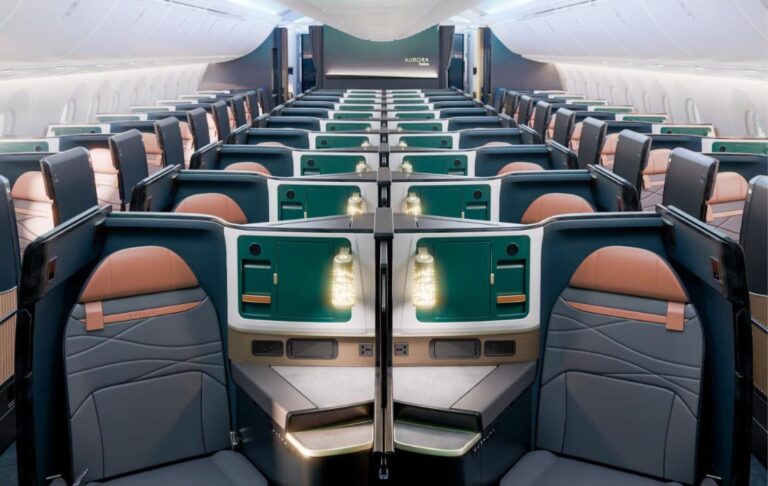
Alaska Airlines has started building the biggest lounge in its history. On 26 October 2026 the airline confirmed that its new Alaska Airlines Seattle lounge, nearly 41,000 sq ft in the expanded C Concourse at Seattle-Tacoma International Airport, has begun to take shape, with beams signed on site and an opening set for late 2027. Inside will be two lounges in one: a 500-seat Alaska Lounge and, in its own space, a 200-seat Aurora Lounge for Aurora Suites guests and eligible long-haul international travelers. It will be the largest lounge at SEA, the largest in Alaska’s network and the airline’s first international lounge.
The same announcement marked the start of construction on a Hawaiian Airlines premium lounge in Honolulu, due in the first half of 2028. Together, the two projects tell one story. Alaska is building a long-haul airline out of Seattle, with Tokyo, Seoul, London and Rome already on the map and Athens, Paris, Osaka and Papeete coming in 2027, and its Aurora Suites have given it a premium cabin to sell on those flights. Now the ground product is catching up with the seat. Below I cover why the separate Aurora room matters more than the headline size, and how it stacks up against United’s new Houston club.
Alaska Airlines Seattle Lounge: Key Facts
- Announced: 26 October 2026, Alaska Airlines newsroom (“Hawaiian Airlines begins construction of premium Honolulu lounge as Alaska Airlines’ new Seattle lounge begins to take shape”)
- Seattle lounge: nearly 41,000 sq ft in the expanded C Concourse at Seattle-Tacoma International Airport (SEA), combining a 500-seat Alaska Lounge with a 200-seat Aurora Lounge; the largest lounge at SEA and in Alaska’s network, and Alaska’s first international lounge
- Aurora Lounge access: Aurora Suites guests and eligible long-haul international travelers
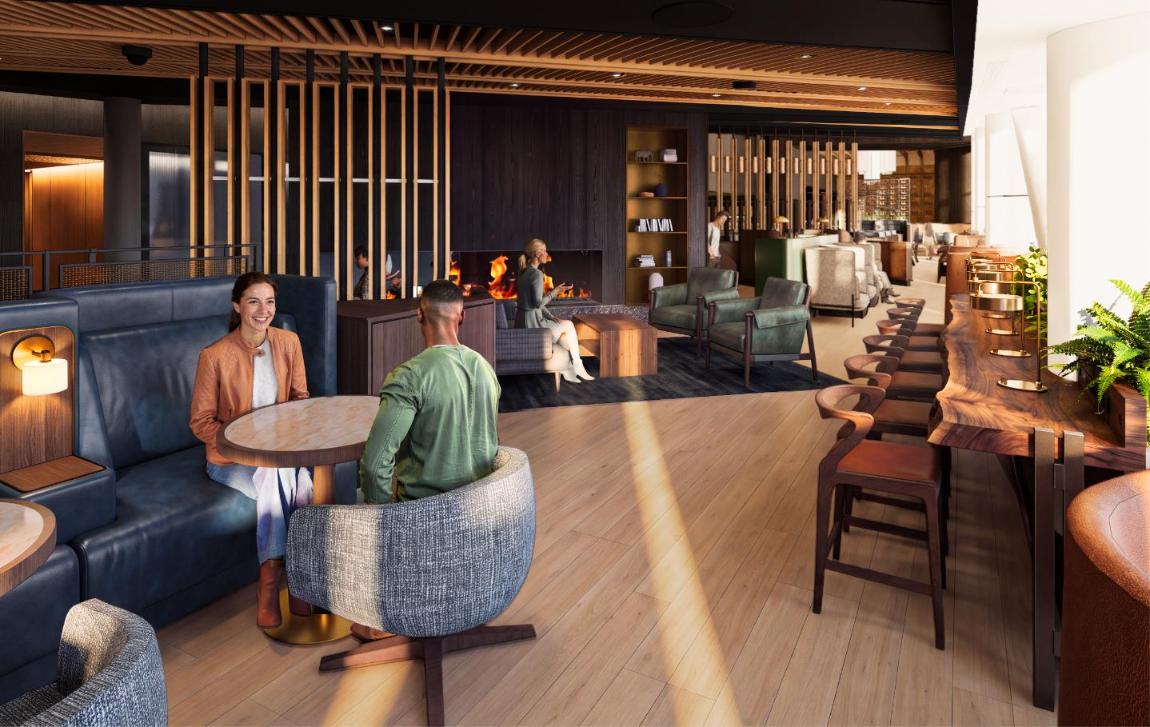
- Seattle features: outdoor patio with a fireplace, work pods and wellness spaces, premium bars, a coffee lab, a pizza oven, premium shower suites, and an upgraded dining offer in the Aurora Lounge
- Seattle opening: late 2027
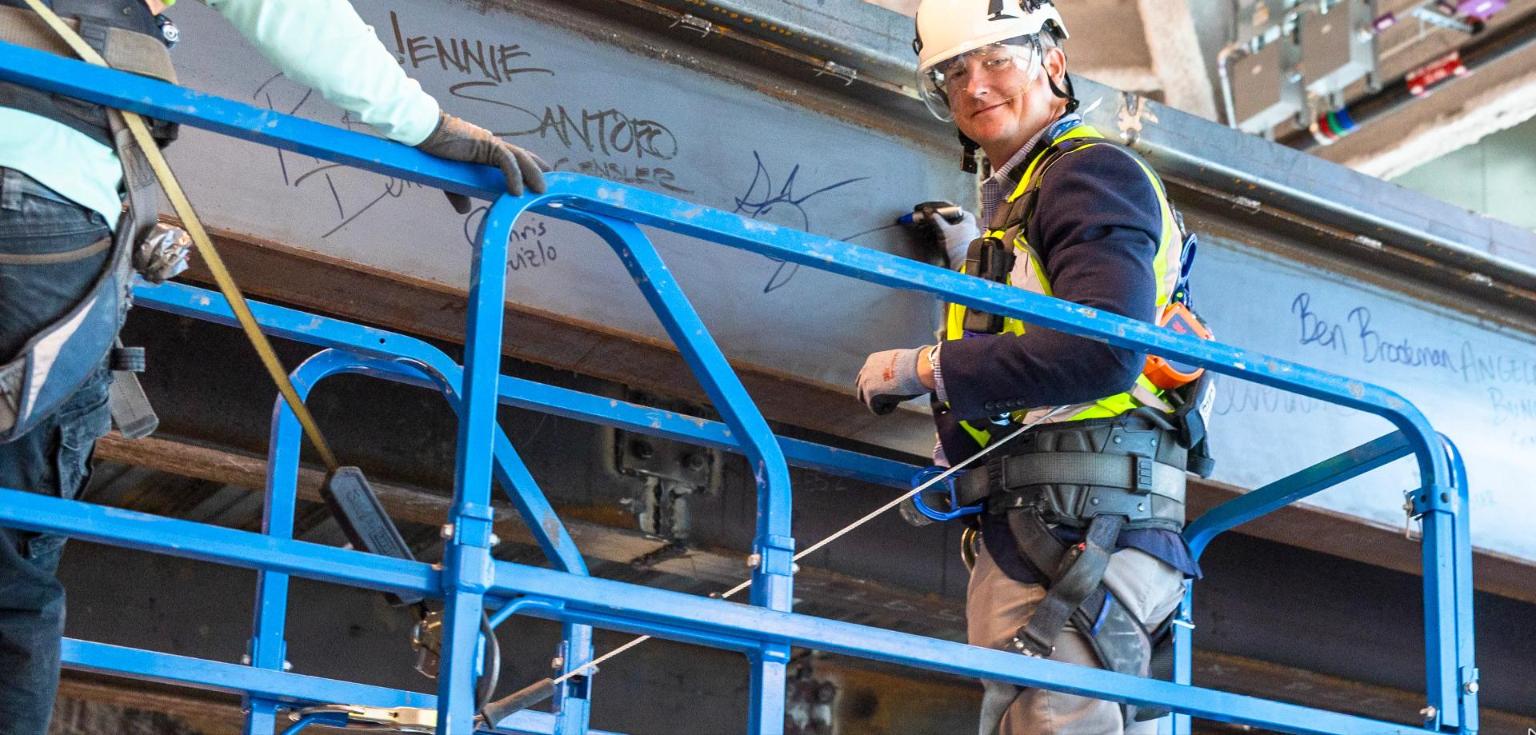
- Seattle design and construction: designed by Gensler, built by PCL Construction; a beam-signing ceremony was held at SEA (photo dated 19 October 2026)
- Honolulu lounge: Hawaiian Airlines premium lounge of nearly 13,000 sq ft near the Mauka Concourse entrance at Honolulu (HNL), for about 200 guests
- Honolulu features: local food and drink, signature local coffee, a full-service bar, private workspaces, work by Hawaiʻi artists
- Honolulu timing and team: construction began in October 2026 with a traditional Hawaiian blessing; opening in the first half of 2028; architect of record Architects Hawaii, with Gensler; built by Nordic PCL Construction
- Investment: the Honolulu lounge is part of the Kahuʻewai Hawaiʻi Investment Plan, more than US$600 million over five years
- Elsewhere in the network: a newly opened 14,000 sq ft lounge in Portland (PDX); a San Diego lounge planned for 2028
- Quote: Shane Jones, Senior Vice President, Fleet, Products and Guest Experience, Alaska Airlines: “We’re grateful to partner with organizations that share our commitment to delivering exceptional guest experiences.”
- Quote: Alisa Onishi, Managing Director, Hawaiʻi Marketing, Alaska Airlines/Hawaiian Airlines: “From the design and artwork to the food, amenities and service, every detail will evoke the islands and create a memorable start to the journey.”
- Quote: Andrew Fernandez, District Manager, PCL Construction: “PCL is proud to be partnering with Alaska Airlines and Gensler to deliver Alaska’s first international lounge.”
- Access prices and memberships: none published
- Fares: see below
Why the 200-Seat Aurora Lounge Matters More Than the 41,000 sq ft
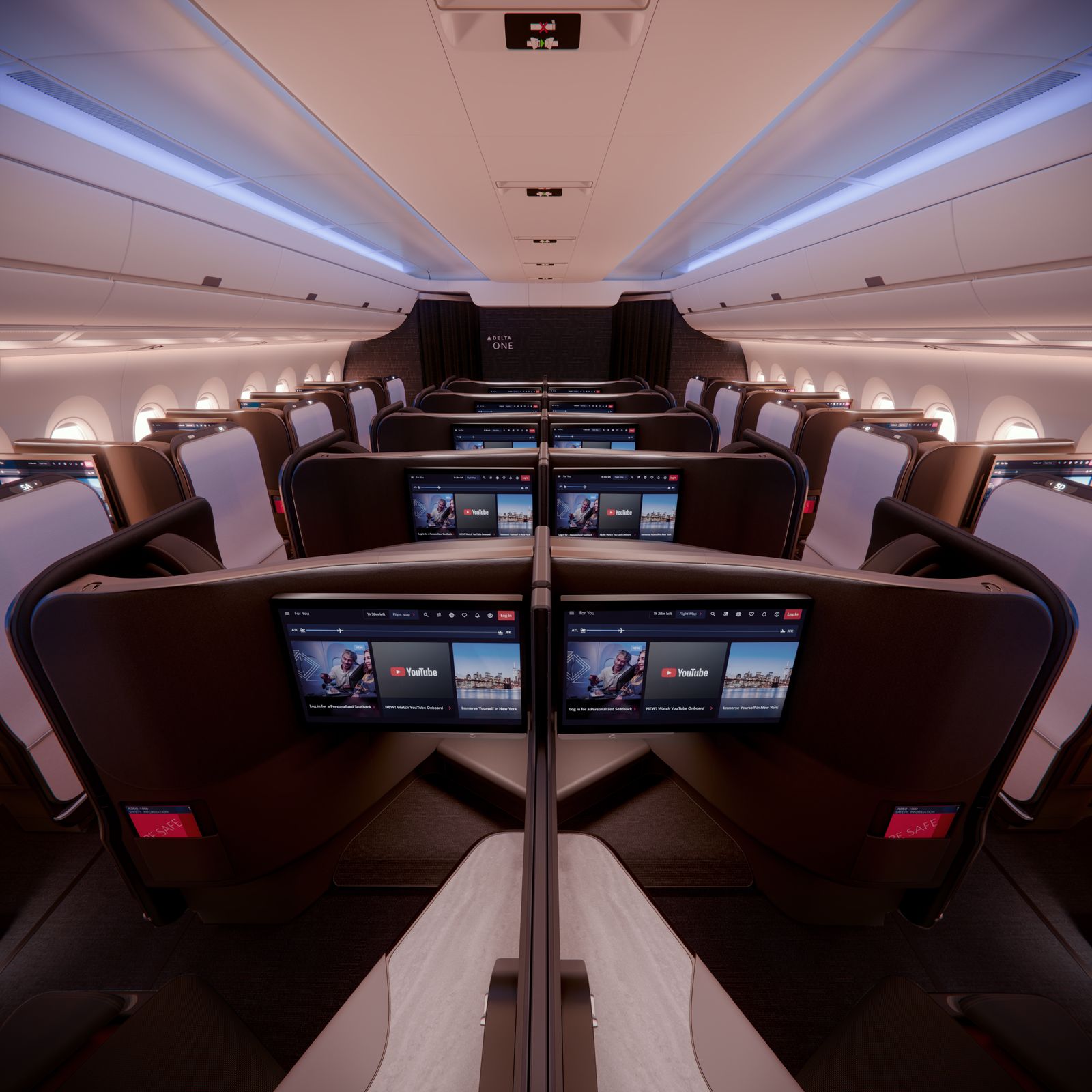
The headline number is the size, but the more important decision is the split. Alaska could have built one huge club with one shared bar. Instead it has put a 200-seat Aurora Lounge for Aurora Suites guests and eligible long-haul international travelers alongside the 500-seat Alaska Lounge. That is the Polaris-lounge model rather than a bigger general club: the passenger who has paid for a long-haul suite to Tokyo or London does not wait for the flight in the same room, at the same buffet, as everyone heading out on a short domestic hop.
The ratio says something too. Two hundred premium seats next to 500 general ones is a big bet on a long-haul network still being built, and a long-haul airline needs a long-haul front door.
The feature list reads as Seattle rather than generic airport: a coffee lab for the city’s coffee culture, and an outdoor patio with a fireplace for its cool, damp months. For long-haul travelers the details that count are the premium shower suites and the upgraded dining in the Aurora Lounge. A shower and a proper meal before a long flight mean you can board, skip the first service and go straight to sleep. That fits the onboard work I covered in Alaska’s chef menus and wine program, alongside the new Seattle–Osaka and Seattle–Papeete routes. If the lounge food gets the same care, ground and cabin will finally feel like one product.
Shane Jones’s thanks to partners that “share our commitment to delivering exceptional guest experiences” is standard release wording. The more telling line comes from the builder, PCL’s Andrew Fernandez: “Alaska’s first international lounge.” That is the point of the whole project.
The Caveat: Nothing Opens Before Late 2027
This is news to plan around. Anyone flying Aurora Suites long-haul out of Seattle this winter or next summer will still use Alaska’s existing lounges at SEA, and depending on launch dates, some of the 2027 routes may begin before the new lounge is ready. For those passengers, the premium experience starts at the aircraft door.
Two other gaps matter. The 26 October release came with construction photos rather than new renderings, so beyond the feature list and the earlier Seattle rendering shown above, there is little to show what these spaces will look like. And the release does not define an “eligible long-haul international traveler” or publish access prices, so I would wait for those rules before assuming a ticket or status gets you into the Aurora room.
Honolulu is a different kind of project: a smaller, island-specific premium lounge with local food, local coffee and work by Hawaiʻi artists. Alisa Onishi says “every detail will evoke the islands,” and the choice of a local architect of record and a traditional Hawaiian blessing back that up. Its place in the Kahuʻewai Hawaiʻi Investment Plan suggests Alaska intends to keep Hawaiian’s identity rather than fold it into the Seattle brand. Both lounges also fit a wider rollout, after Portland’s new 14,000 sq ft lounge and ahead of San Diego in 2028.
If a dedicated premium lounge is part of why you are booking, check the dates: opening targets for airport projects can move. Before late 2027, plan your SEA airport time around the lounges that exist today, and once the Aurora Lounge opens, confirm your ticket is an eligible long-haul fare before you count on access.
How It Compares With the Competition
The natural comparison is the United Club in Houston’s Terminal B, at 54,000 sq ft the biggest airline lounge in the Americas. Alaska’s 41,000 sq ft is smaller on paper, but United’s Houston space is one very large club, while Alaska carves out a 200-seat room for long-haul premium guests. For a business class traveler, what counts is how crowded your part of the lounge is, not how big the building is.
United is also the model. It pairs long-haul suites, now including the larger Polaris Studio, with Polaris lounges on the ground, so the premium product starts before boarding. Alaska is lining up the same pairing, Aurora Suites in the air and an Aurora Lounge on the ground. The difference is timing: United already runs that system, while Alaska won’t have its first until late 2027.
The Gulf carriers show how far lounge investment can go, as Emirates’ new lounges and A380 service to Paris illustrate. Alaska isn’t attempting that scale and doesn’t need to. It needs a Seattle lounge that holds its own against what its passengers will find at the other end in London, Tokyo or Seoul, and a premium room with showers and its own dining is a sensible answer.
Alaska Airlines, First-Hand Context
I haven’t flown Alaska’s Aurora Suites or visited these lounges, which are still construction sites. This is a preview based on the airline’s announcement, not a review.
On my Emirates Business Class flight from Malé on the 777, good food and a good amenity kit carried a dated cabin. The soft product did the work the hardware could not. Square footage looks good in a press release, but I remember a lounge for the coffee, the food, a clean shower and a quiet seat near a socket. Alaska’s list targets exactly those.
My Etihad 787-9 business class review is the warning: I rated it 3.5 out of 5 and marked it down for the wine. “Premium bars” is the phrase in Alaska’s release I will test first. If the pour in the Aurora room matches Alaska’s onboard wine program, Seattle will have a lounge to match its long-haul ambitions; if it is the main lounge’s house wine, the separate room loses much of its point.

How Much Does It Cost?
Alaska has not published access prices or membership fees for either lounge. Because the Aurora Lounge is tied to Aurora Suites and eligible long-haul international tickets, the real cost of entry is the ticket itself. Long-haul business class fares from Seattle are sold on the airline’s own website and through booking sites, priced dynamically by date and route.
Flight prices do move between platforms. The same business class seat on the same date is not always the same price on the airline’s own site, Trip.com and Expedia: point-of-sale currency, consolidator fares and what is bundled into the ticket can shift the fare by a few percent — and occasionally by much more on premium cabins. So before I pay I run the same dates through Aviasales, which scans dozens of booking sites at once, then check Trip.com (often the sharpest on long-haul fares) and Expedia (strongest when you add a hotel to the same booking). One caveat: a ticket bought through a booking site is changed or refunded through that site, not the airline, so read the fare rules before you buy.
The Alaska Airlines Seattle lounge is the right project for an airline turning into a long-haul carrier, but until it opens in late 2027, the Aurora Suites remain the reason to book, not the lounge.
Photos © Alaska Airlines / Hawaiian Airlines
This preview is based on official announcements — I haven’t visited the new Alaska Airlines and Hawaiian Airlines lounges yet. Read more about how I review or visit my Work With Me page.
This article contains affiliate links. If you book through them, I may earn a small commission at no extra cost to you. Read my full disclosure policy.