Venice punishes bad hotel decisions. Stay in the wrong place and you spend your holiday shouldering through a crowd on the way to a restaurant that will overcharge you for frozen seafood. Stay in the right place and the city opens up: you walk everywhere, you come home to somewhere quiet in the middle of the afternoon, and you eat where the Venetians eat.
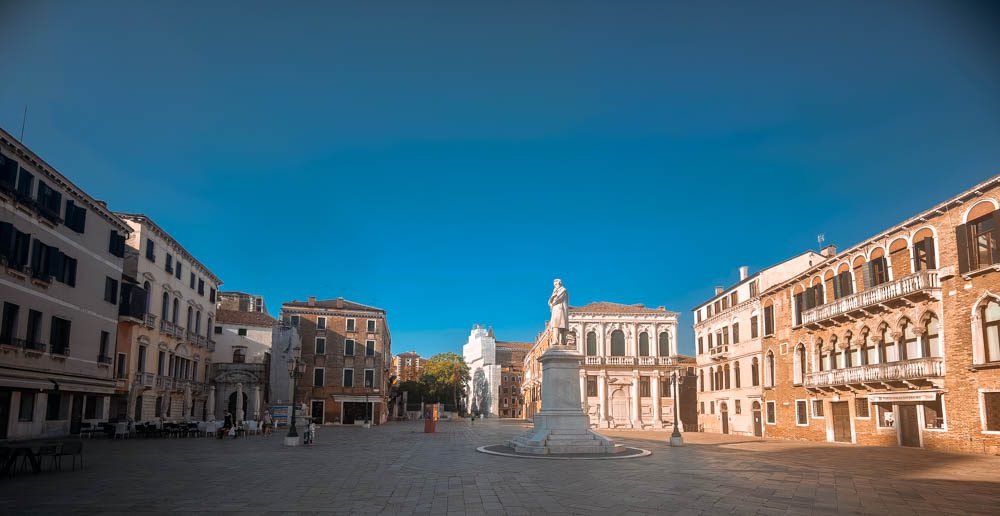
Novecento Boutique Hotel is a nine-room, family-run house on a narrow lane off Campo San Maurizio, five minutes from the Accademia bridge. It is small enough that it never really feels like a hotel — more like a private villa in the centre of Venice, with a courtyard garden, a vast living room upstairs and a family who clearly love the building they are running. We booked out all nine rooms and had the whole house to ourselves for seven nights in August 2026, and this Novecento Boutique Hotel Venice review is my honest account, including the things I would want to know before booking.
Quick answer: Novecento is a nine-room, family-run boutique hotel on Calle del Dose in San Marco, five minutes from the Accademia bridge and ten from Piazza San Marco. It has a courtyard garden, an honesty bar and a large upstairs living room; it has no restaurant and no lift. Rates run from roughly €155 to €400 a night depending on season. This Novecento Venice review rates it 5 out of 5 after seven nights in August 2026.
Novecento Venice Review: The Hotel at a Glance
The short version of this Novecento Venice review, before the detail:
| My rating | 5 / 5 — the most characterful small hotel I have stayed in inside Venice |
| Price from | ≈ €250 per night for a Classic Double in quieter months, considerably more in peak season — see the cost section below |
| Location | Calle del Dose, off Campo San Maurizio, San Marco — 5 minutes to the Accademia, 10 to Piazza San Marco |
| Good to know | Nine rooms only, run by the Romanelli family; courtyard garden, honesty bar and a huge upstairs living room, but no restaurant |
| Best for | Travellers who want a quiet, characterful address inside the busiest part of Venice — and, at nine rooms, families or groups of friends who want to privatise the entire hotel, which is what we did |
Why Trust This Novecento Venice Review?
I love Venice. For the last five years I have spent a week there every single year, and I have deliberately stayed in a different part of the city each time — so I am comparing Novecento Boutique Hotel not against a brochure, but against my own nights in Cannaregio, Castello and Dorsoduro. For this stay we privatised the hotel completely, taking all nine rooms for seven nights in August 2026, so everything in this Novecento Venice review comes from a week of having the whole house to ourselves, photos included.
I have travelled to 135 countries and I only review places I have actually slept in. After a career of near-weekly hotel stays and more than 30 liveaboard trips as a diver, I judge hotels on what matters — beds, water pressure, how the owners behave when you need something, and value — and I publish the cons alongside the pros. It is the same standard I have applied to this Novecento Boutique Hotel Venice review. More on how I review.
How Much Does Novecento Boutique Hotel Cost?
Novecento Boutique Hotel is not a big-ticket Venice hotel, and that is part of its appeal. Rates start at roughly €155 a night at the quietest times of the year, sit at about €250 for a Classic Double in the shoulder months and reach something closer to €400 at the top of the season, with the Superior category a step above the Classic on every date. Venice pricing is unusually volatile — the Biennale months, Carnival and the film festival all push rates sharply upward, and in peak summer I have seen the same rooms at close to double the shoulder-season figure.
Two things sit outside the headline rate. Breakfast is included, and at a hotel this size it is cooked to order rather than laid out, so it is worth more than the line item suggests. Venice’s city accommodation tax is not: it is calculated per person per night and settled at check-out. A full buy-out is quoted separately again — with nine rooms there is no published price for the whole house, so the family quote it on your dates, which is worth asking about early if you are travelling as a family group or a group of friends.
Comparing across platforms genuinely pays here; we regularly see 10–20% swings on identical dates, and the platform that comes out cheapest changes with the season rather than staying loyal to one site. Free cancellation is the other thing to watch: on volatile Venice dates I would rather hold a refundable rate slightly higher and re-check it a month out. These are the four I compare before booking anything in Venice:
Check the rate on Booking.com — free cancellation on most room types, and the deepest availability for this hotel.
Compare on Trip.com — worth checking if you are booking from Asia.
Check Agoda — often the strongest on short stays and late bookings, and it quotes in your own currency.
Tip: check the gap between the Classic and Superior categories on your dates before you book. When it is modest, take the Superior — the rooms are better and at a nine-room hotel the good ones go first.
Getting There: Take the Water Taxi
Do not arrive in Venice dragging luggage over bridges. Water taxis wait at both the airport and the train station, there is almost never a shortage of them, and in a city with no cars they are the only sensible way to arrive with bags. If you take one piece of practical advice from this Novecento Venice review, make it that one.
Expect around €80 from Santa Lucia train station to Novecento Boutique Hotel, and about €160 from the hotel out to Marco Polo airport — the airport run costs more because of the lagoon crossing. The hotel booked ours and, on both the arrival and the departure, someone came down to the pier to help carry the bags. For a nine-room hotel with no bell desk, that is the sort of thing that tells you who you are dealing with.
If you would rather have the boat arranged before you land, both arrival legs can be pre-booked: a private water taxi from Marco Polo to the door, or a private transfer from Santa Lucia if you are coming by train. It is not always cheaper than arranging it yourself at the pontoon, but it takes the one part of a Venice arrival that reliably goes wrong out of the equation.
If you would rather not spend €80 on the arrival, the cheap route is Vaporetto Line 1 to Santa Maria del Giglio. The stop is a five-minute walk from the door — over two bridges by way of Campiello della Feltrina into Campo San Maurizio, then a few metres along Calle del Dose — and from Marco Polo the Alilaguna Orange Line runs to the same stop for a fraction of the water-taxi fare. Both options mean handling your own bags on the bridges, which is the whole argument for the taxi.
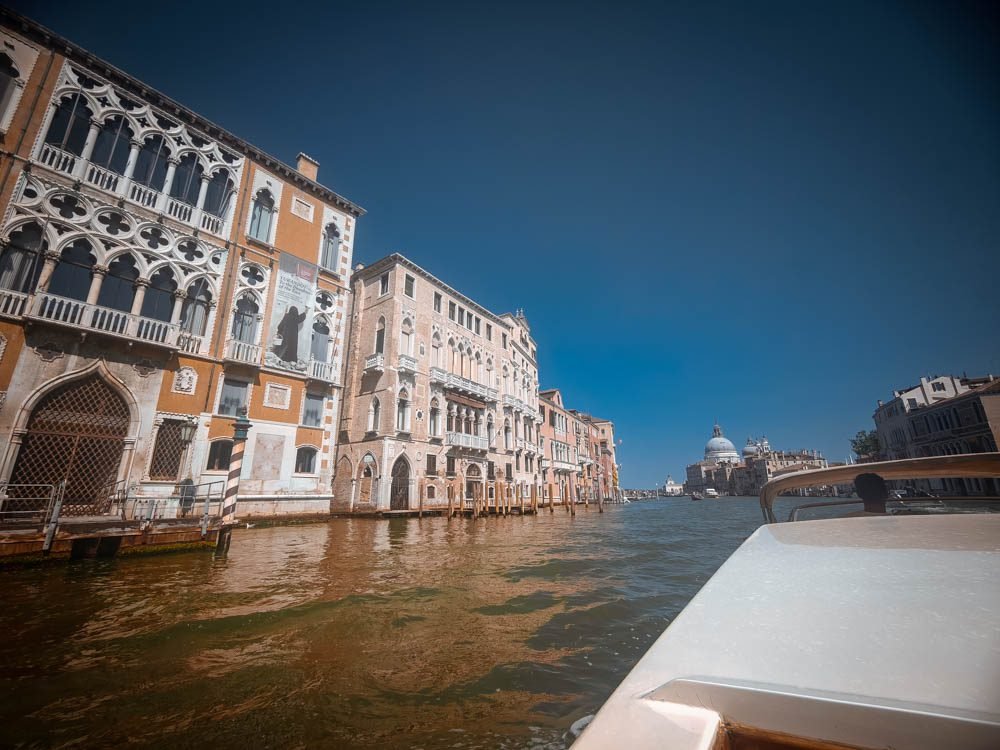
It is also worth knowing that you can hire a water taxi by the hour or for the day. Venice looks completely different from the water, and several of the things you will want to see — the Biennale venues, the palazzo exhibitions along the Grand Canal — can be reached directly by private boat, stepping off at a water gate rather than arriving footsore through a crowd. On a hot August afternoon that is money well spent.
Once you are settled, you walk. The Accademia bridge is five minutes away, Piazza San Marco about ten, and the Giardini della Biennale is a walk of roughly 25 to 30 minutes along the Riva — a route past the Doge’s Palace that is half the pleasure of going.
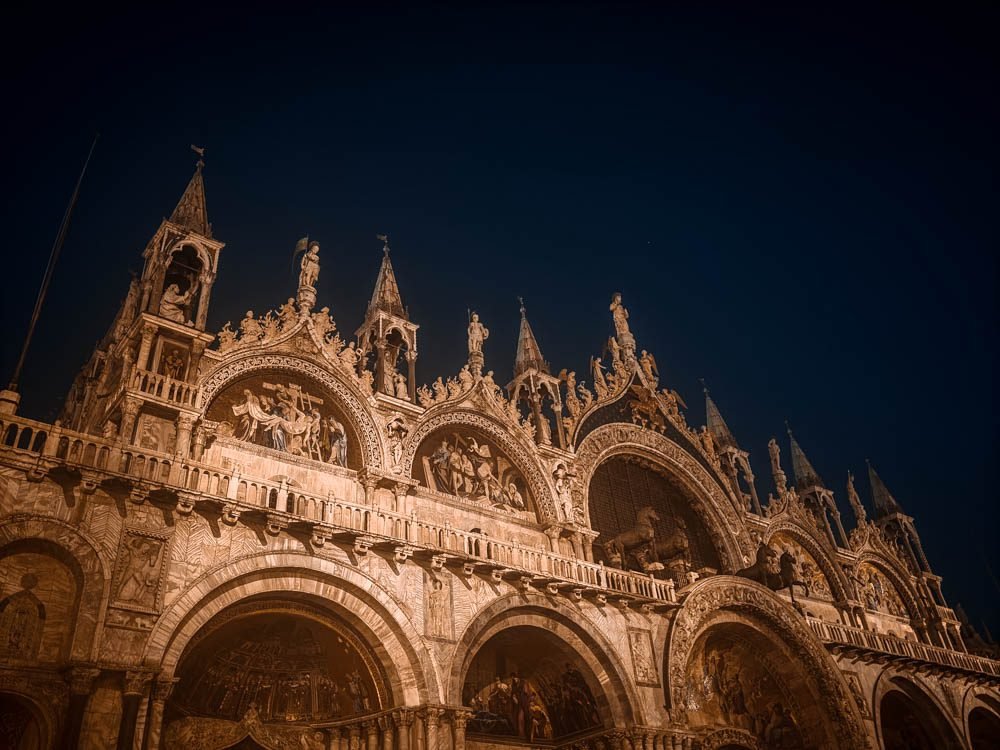
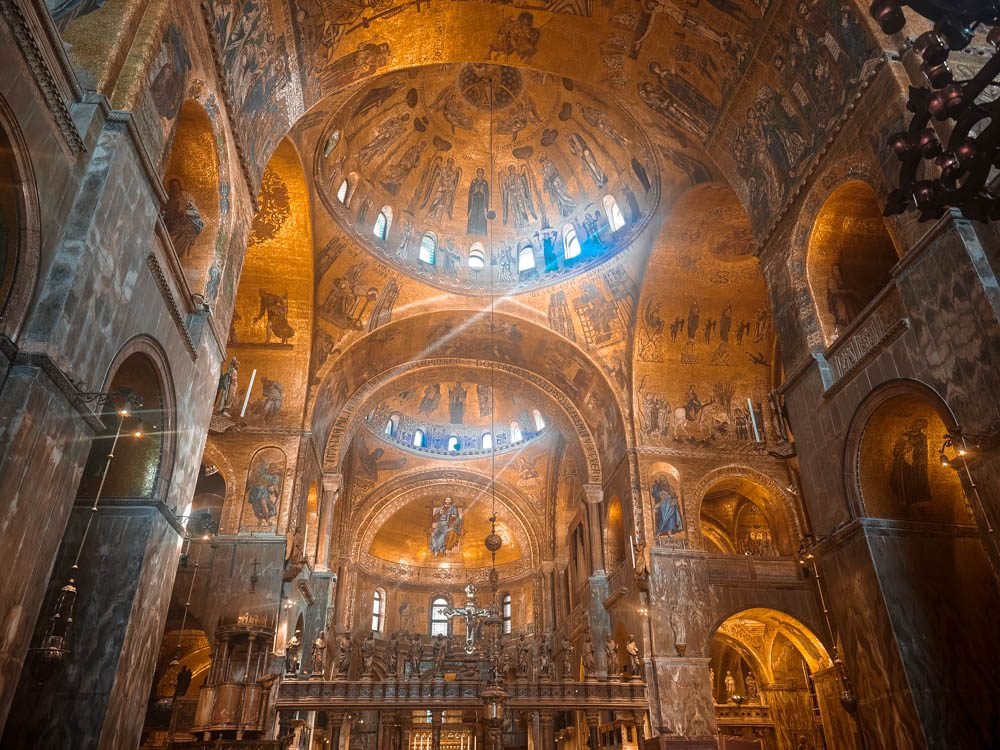
Being ten minutes from Piazza San Marco changes how you use it. You can be at the Basilica before the day boats arrive, or go in the evening instead: the after-hours tours of St Mark’s, run once the day crowd has gone, are the version worth paying for. For the Doge’s Palace a reserved-entry ticket is usually enough: the queue is the main problem there and a timed slot removes it.
The Rooms
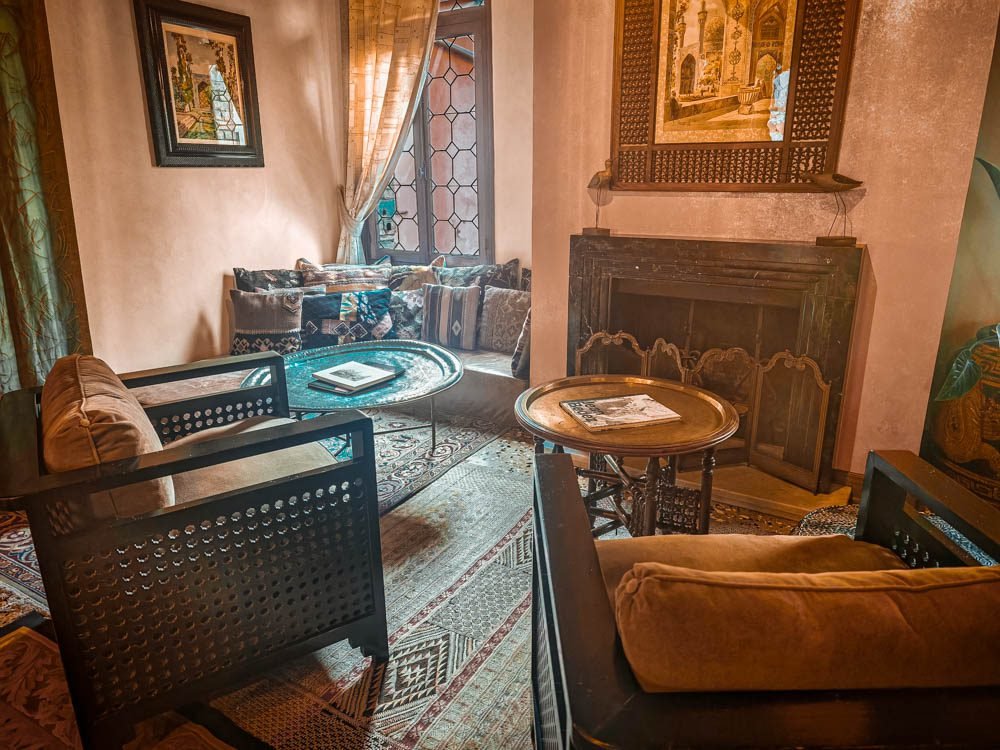
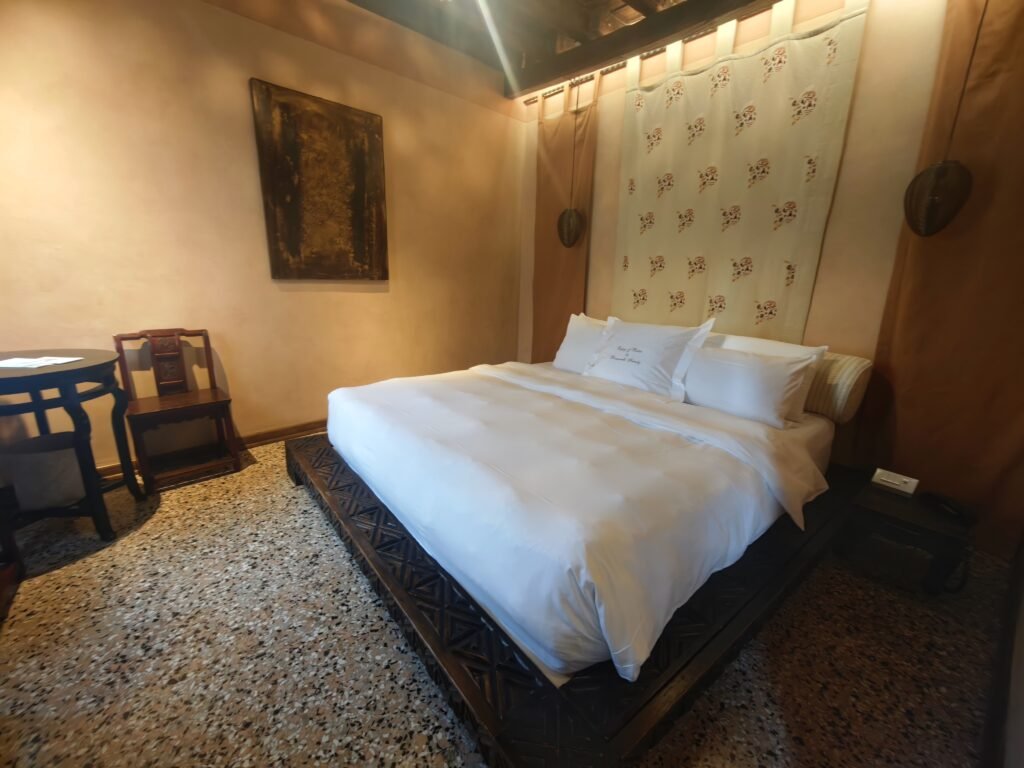
There are nine, and the number is the point. Because we had taken the whole hotel, all nine were ours for the week, so the notes below come from sleeping in one and walking through every other room in the house rather than from a rate sheet. Novecento Boutique Hotel is decorated in the Orientalist spirit of the early twentieth century, with a nod to Mariano Fortuny — the Venetian painter and textile obsessive whose own palazzo is a short walk away. In practice that means carved wooden and wrought-iron bedsteads, hardwood and marble floors, embroidered wall hangings, antique and multi-ethnic furniture. Every room is different. None of it looks specified by a procurement department.
Two of the nine — rooms 2 and 7 — were created with the Italian designers Raffaella Auddifredi of The Elusive Otter and Silvia Bisconti of Raptus and Rose, and those are the ones to request if the decoration is a large part of why you are booking. The bathrooms throughout have Philippe Starck fittings, big rainfall shower heads and Ortigia toiletries from Sicily. None of them has a bath.
Practically, here is what I would want to know:
- Air conditioning is good — genuinely effective, which in a historic Venetian building in August is not a given.
- Hot water is excellent and arrives fast, with no waiting for the tap to run warm.
- Book a room at the back. The rear rooms get more light and are noticeably quieter. With every room in the house ours for the week we slept at the front, where you can hear people talking in the lane below. It is not a busy street and it never spoiled a night’s sleep, but if you have the choice, take the back.
And two smaller things that are easy to get wrong:
- Consider the higher room category. The Superior rooms are better than the Classic ones; check the price gap on your dates, because it varies a great deal.
- Storage is fine — every room has a large cupboard, which is more than a lot of Venetian hotels of this size manage.
- The beds are short. As in most Italian hotels, they run around 195 cm. If you are tall, this is worth knowing before you arrive rather than after.
Classic and Superior rates move independently, so it is worth comparing both categories on your dates before you choose.
The Courtyard and the Living Room
Two spaces make this hotel work far better than its size suggests, and they are the reason this Novecento Venice review ends on five out of five.
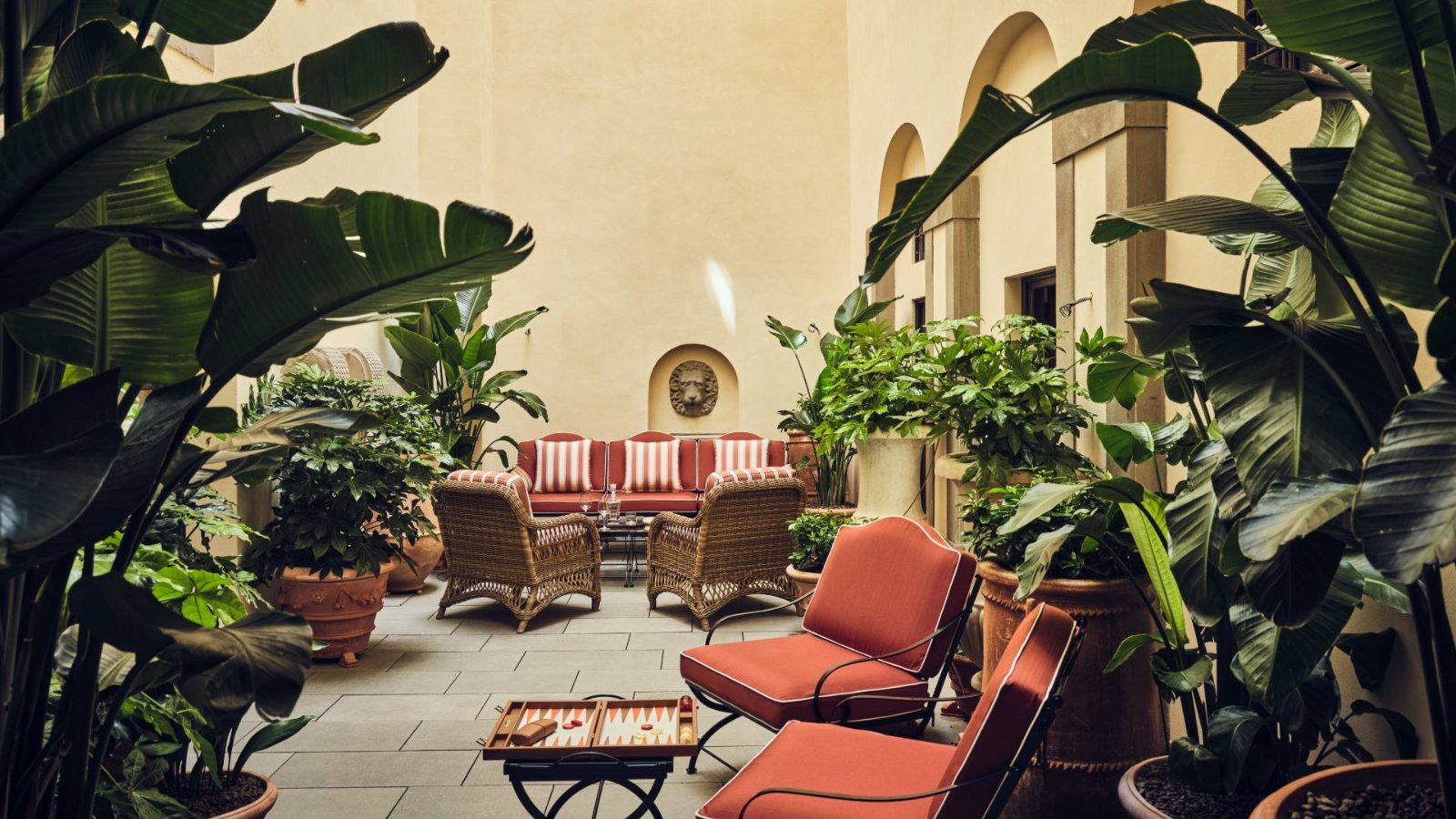
The courtyard is small, green and completely screened from the city. In a place as relentless as Venice in August, a private outdoor space is worth more than an extra ten square metres of bedroom, and it became our default spot for the dead hours between three and six when the streets are at their worst.
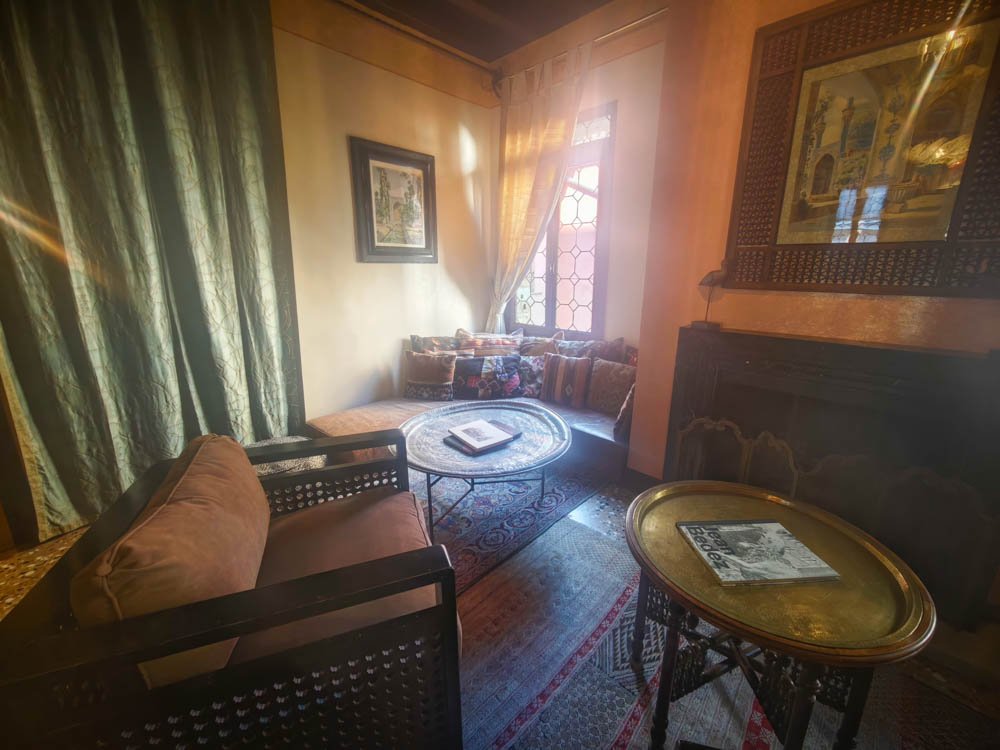
The other is the living room upstairs — a genuinely large, comfortable sitting room of the kind that small hotels almost never have space for. It is what turns nine bedrooms into a house. You end up using it the way you would use the sitting room of a villa: dropping in, reading, waiting for other people, planning the evening. Combined with the honesty bar, it removes the usual small-hotel problem of having nowhere to be except your room.
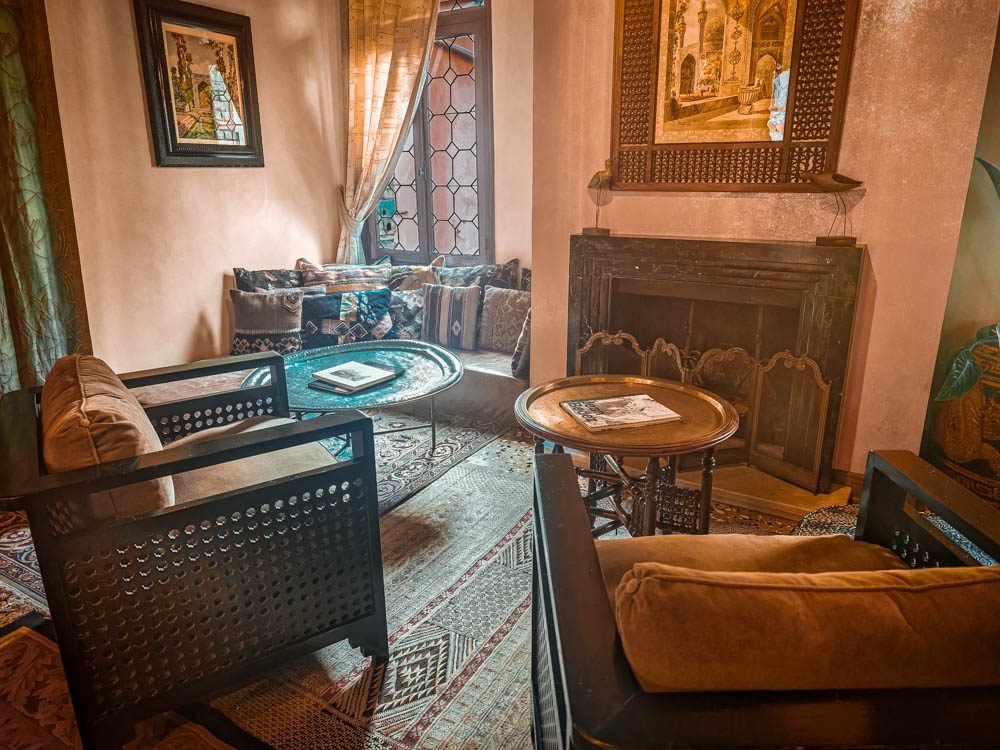
For a group, the obvious move is to take the whole thing, and that is exactly what we did. With only nine rooms, buying out the entire hotel is realistic here in a way it never is elsewhere in Venice, and the family will quote for it. Book every room and the courtyard, the living room and the honesty bar effectively become yours, which is why it works so well for families and groups of friends travelling together, a milestone birthday or a small wedding party. Privatising it turned the hotel into our house for the week: children could roam, the living room became the place everyone drifted back to, and nobody had to be quiet for strangers.
It is the closest you will get to renting a private palazzo in the centre of Venice without giving up hotel service — breakfast made for you, bags carried down to the boat, and someone on hand who actually knows the city. Ask early, though: nine rooms in the same week go quickly, and in the Biennale months they go months ahead.
The Family Behind Novecento
This matters more than it sounds, and it is the part of this Novecento Venice review that explains most of the rest. Novecento was opened in 2002 by Gioele Romanelli and his wife Heiby, and the family has been running hotels a few minutes away since 1965, when Diana and Alessandro Romanelli founded Hotel Flora just off Piazza San Marco. Casa Flora, a design apartment, followed in 2017. So the Orientalist look here is not a decorator’s brief bought in for effect: it comes out of the family’s own travelling, and out of a long attachment to Mariano Fortuny, the painter and textile obsessive who settled a short walk away at Palazzo Pesaro-Orfei.
It shows up in ways you would not expect of a nine-room hotel. Novecento belongs to the family’s Venice Plastic Free initiative: filtered tap water waiting in the room, a drinking fountain in the courtyard, a map of the city’s public fountains, and Ortigia refills in the bathrooms instead of a tray of miniatures. Across Novecento, Hotel Flora and Casa Flora the family puts the saving at close to 36,000 plastic containers a year. Hotels this small usually cannot afford to think about any of that.
The Honest Cons
No Novecento Venice review is worth reading without the drawbacks, so here are mine, in the order they would matter to me.
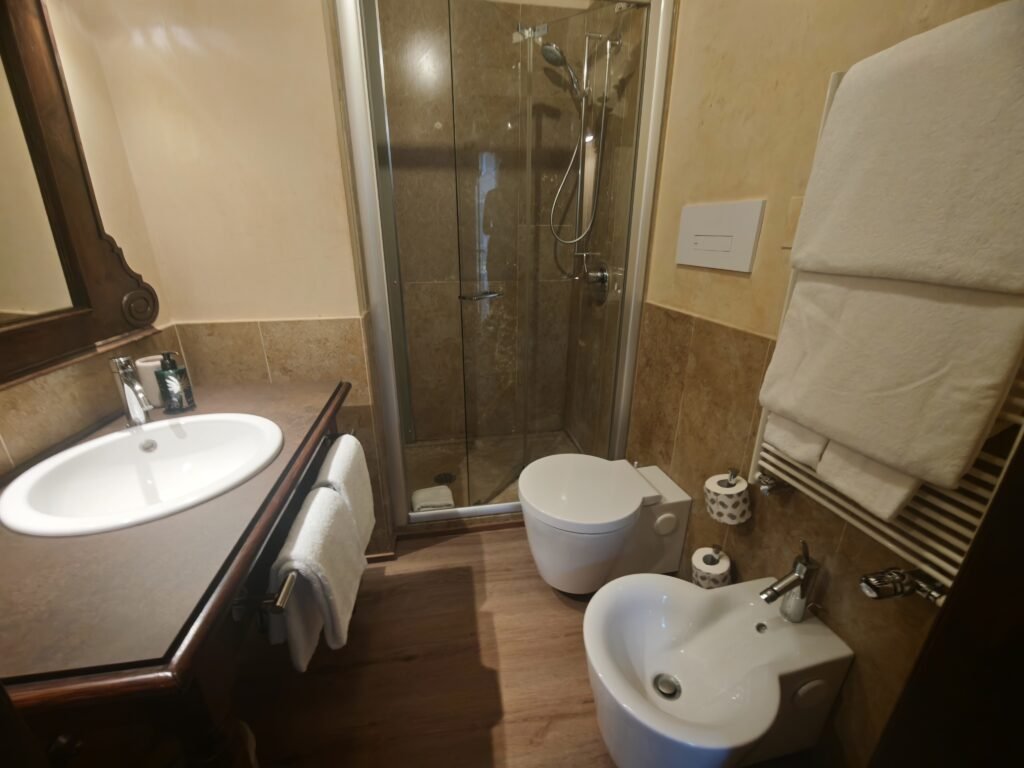
The bathrooms are small. This is the real caveat. Most of the bathrooms are tight and the showers in particular are compact — the fixtures are charming and the water pressure is excellent, but if a generous bathroom is high on your list, this is not the hotel. It is the trade-off you accept for a historic building in the middle of Venice.
You are in the busiest part of Venice. The reward for being able to walk everywhere is that everyone else is walking there too. Between about ten in the morning and six in the evening in summer, the routes linking San Marco, the Accademia and Rialto are a slow-moving crowd. Novecento Boutique Hotel itself is a refuge — the lane is quiet and the courtyard is silent — but you step out into the throng every time. If your idea of Venice is empty morning canals, you want Cannaregio or Castello and a longer walk to everything.
There is no lift. This is a historic Venetian building with stairs, and although someone will carry your bags up, that does not help if the stairs themselves are the problem. If mobility is a consideration, say so when you book and ask for the lowest floor available.
Eating well nearby takes effort. The density of tourist traps within five minutes of the hotel is high, and the online ratings are close to worthless in this part of the city — inflated by one-time visitors at the mediocre places, and punished at the good ones by people who expected cheap. Harry’s Bar, five minutes away, has thousands of reviews and a rating in the threes. That number tells you nothing useful. The fix is to arrive with a list, so here is mine.
Where to Eat Near Novecento Boutique Hotel
Venice has a reputation as a bad food city. It is not — it is a city where the good places require knowing about them in advance, because the ones on the main routes have no need to be good.
Within ten minutes’ walk
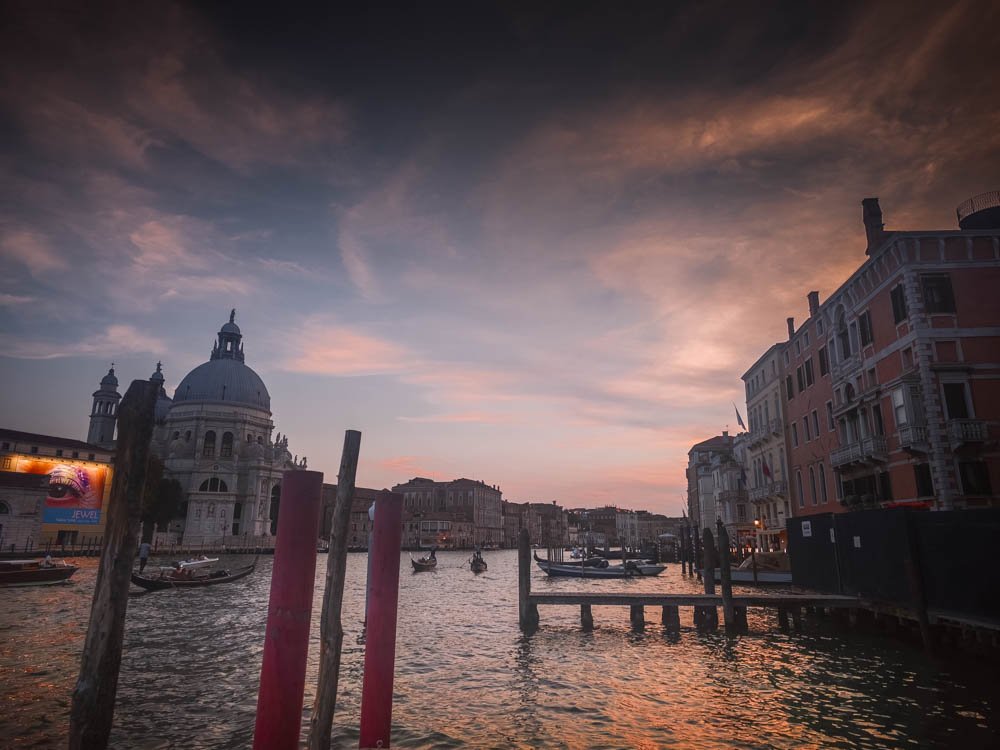
Ombra del Leone is the best-kept secret on this list: five minutes from the hotel, with what may be the finest terrace in Venice — right on the Grand Canal with the Salute opposite, and somehow still not overrun. Book ahead if you want to sit outside, because the terrace tables are the entire point.
Ai Mercanti hides behind a courtyard and does the most inventive cooking close to the hotel, with a serious wine list. Da Carla is discreet and unshowy, with excellent octopus and spaghetti alle vongole. Rosa Rossa is the warm, family-run option, strong on house-made pasta. In Dorsoduro, Ai Artisti is intimate and tasting-menu in spirit — book, or you will not get in — and Do Farai prepares its branzino carpaccio at the table.
Worth the walk
Nevodi in Castello is a little over half an hour away and the only address that came to me recommended twice, independently, by different people. That is usually a reliable signal. La Frasca in Cannaregio is a hidden osteria with an honest family menu. Il Ridotto holds nine tables and a creative father-and-son kitchen near San Marco; it held a Michelin star for years and no longer does, but we ate there and it is as good as it ever was, so do not read too much into the guide’s decision.
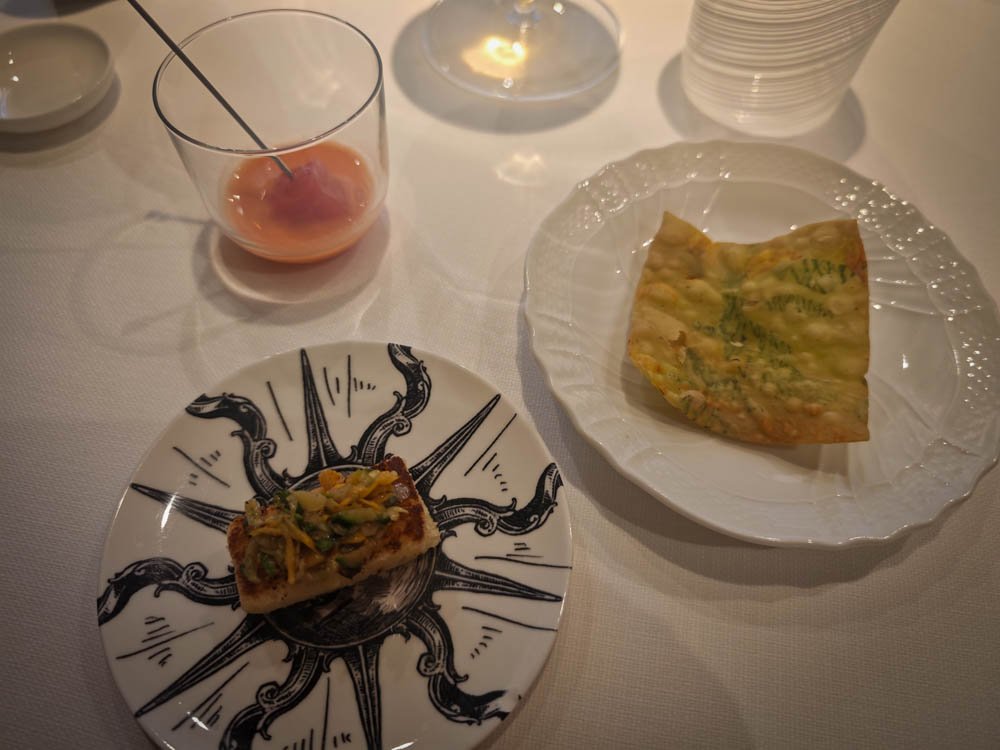
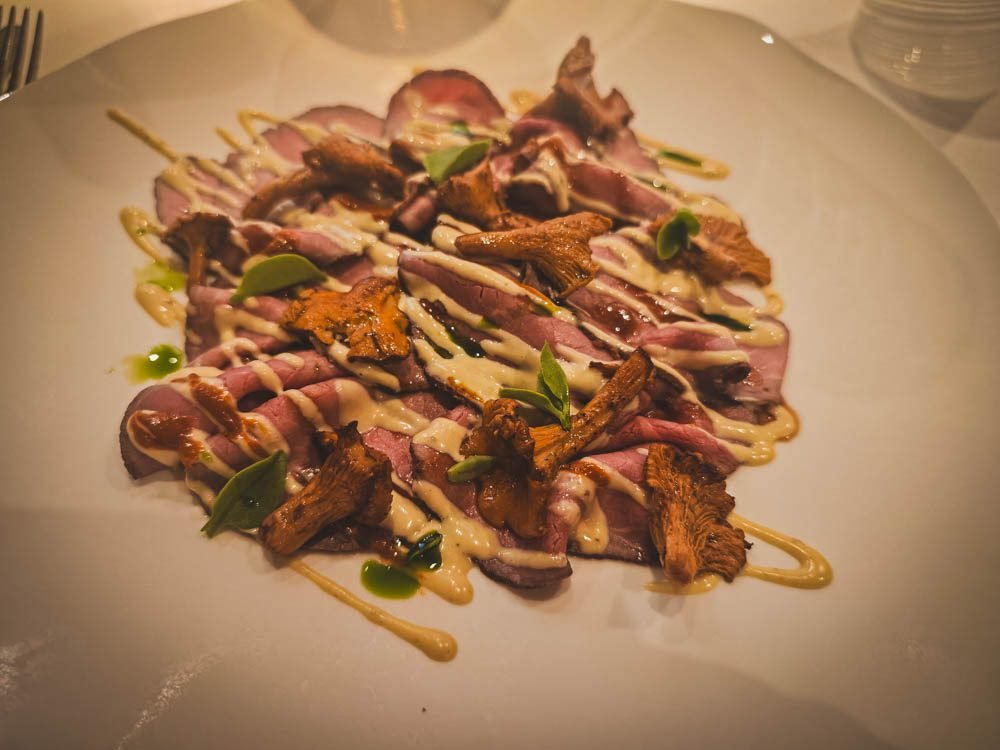
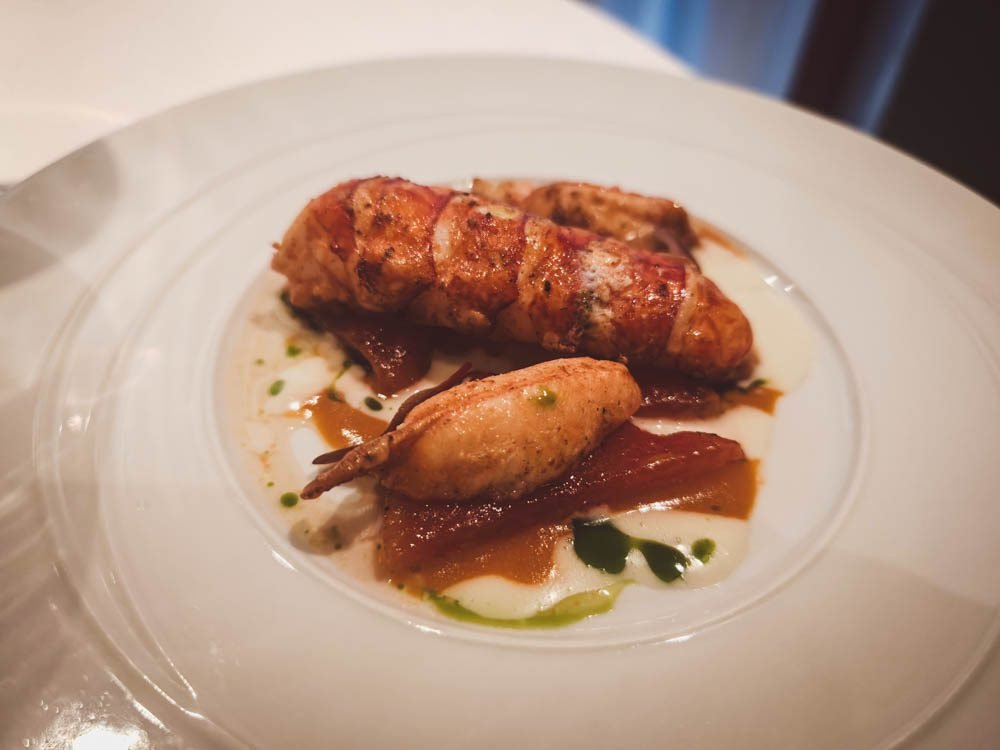
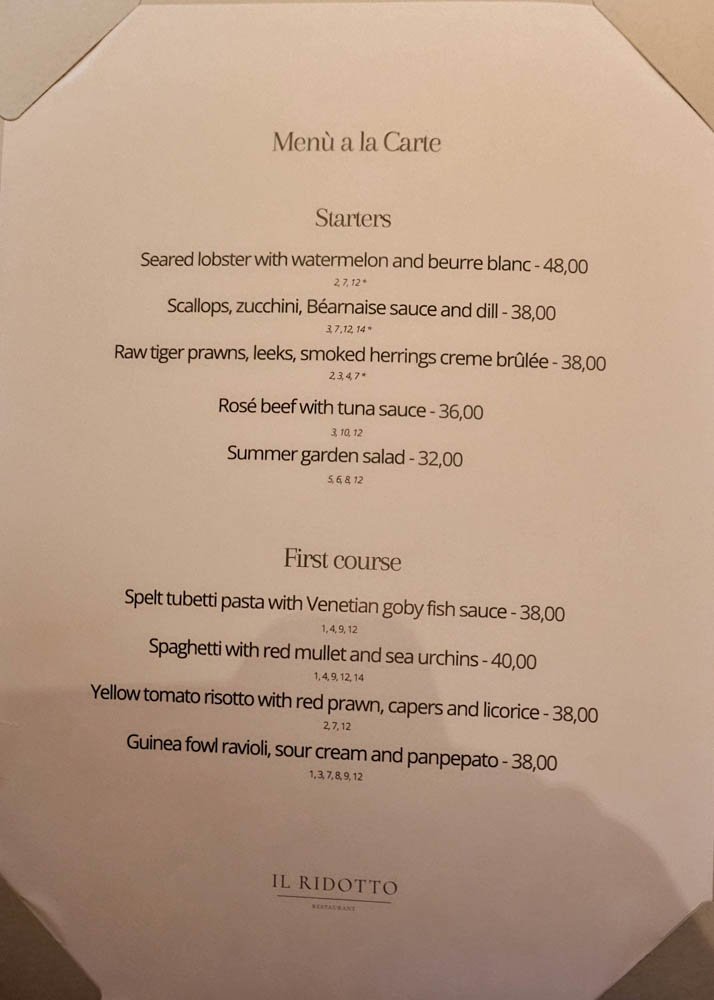
In San Polo, near the palazzo exhibitions, Ai 4 Feri Storti (listed on some maps as 4 Freri) is a proper local osteria doing cicchetti and fresh fritto. Lunch runs 11am to 3pm and it closes Sunday and Monday.
Pizza, sunset and gelato
OKE on the Zattere is the pizza stop, and it comes with something Venice rarely offers: a view of the sunset. Very few places in the city let you sit facing west over open water with a drink in your hand, and this is one of them.
For gelato, we tried a great many and the best is Il Salotto di San Marco – Gelateria Veneziana, a few minutes from the hotel near Campo Santo Stefano. Handmade gelato, a tiramisù with a serious local reputation, and traditional Venetian flavours. Our only mistake was finding it on day five of a seven-night stay.
What to Do: The Biennale, Done Properly
The Venice Biennale runs from May to November, and if you are in Venice in those months it will shape your trip. It is far too big for one day — plan on two minimum. The Biennale advice in this Novecento Venice review comes from five consecutive Augusts of getting it wrong before getting it right.
The crowd pattern is predictable once you know the rhythm. It closes on Mondays, which pushes everyone into Tuesday and Sunday: those are the two days to avoid. And because the venues open late morning, the queue forms at opening. Go at 3 pm instead, and you will have the pavilions close to yourself until closing. Spread that across two or three afternoons rather than one death march, and it becomes a pleasure rather than an endurance test. Check the current season’s hours before you plan, as they shift earlier in autumn.
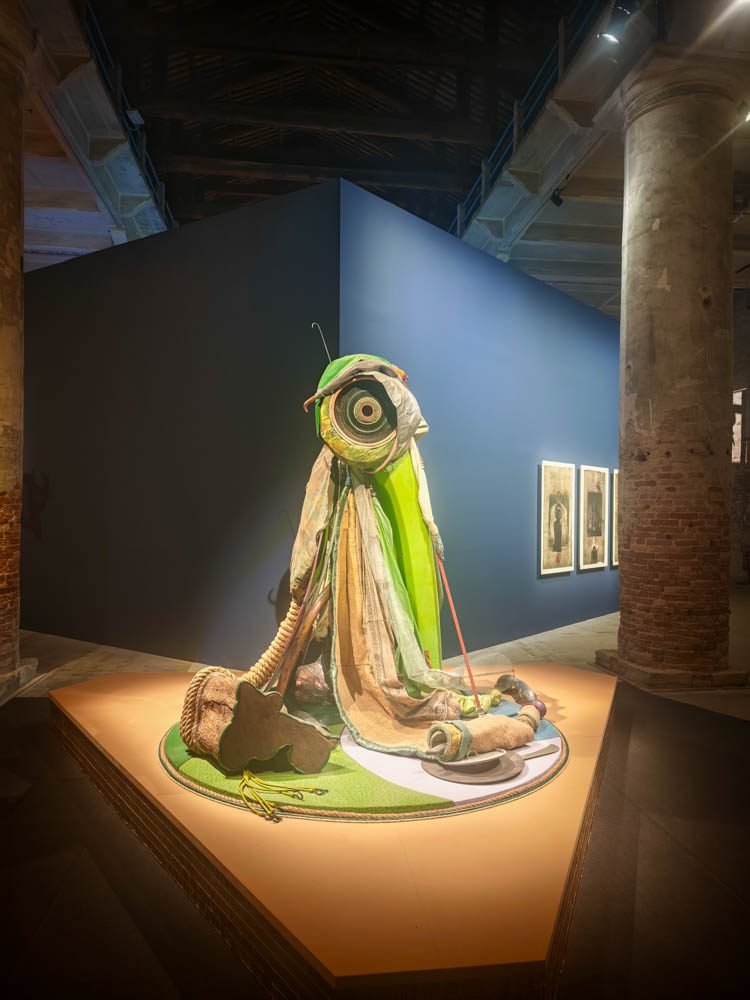
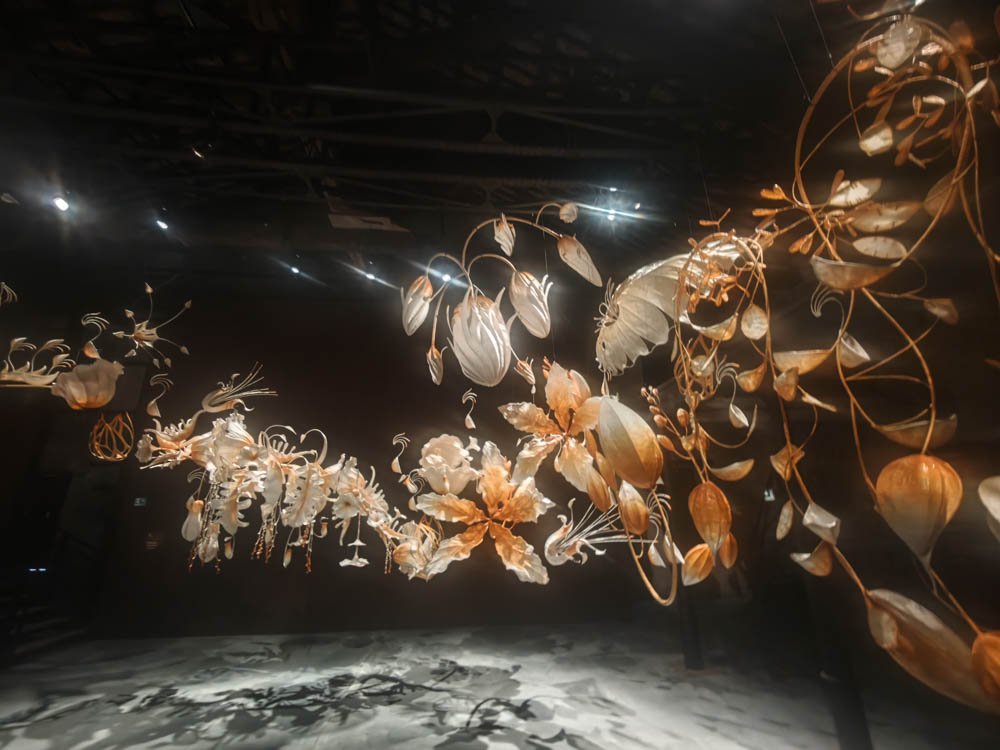
Two things make splitting it easy: the standard ticket includes one entry to the Giardini and one to the Arsenale, and they do not have to be used on the same day. And if you are staying several days, the three-day ticket costs barely more than a single.
Food at the Biennale venues is decent and reasonably priced, which is not something you can say about most of the eating options around major sights in this city — so you can plan on snacks and a drink there rather than breaking your day to go and find lunch.
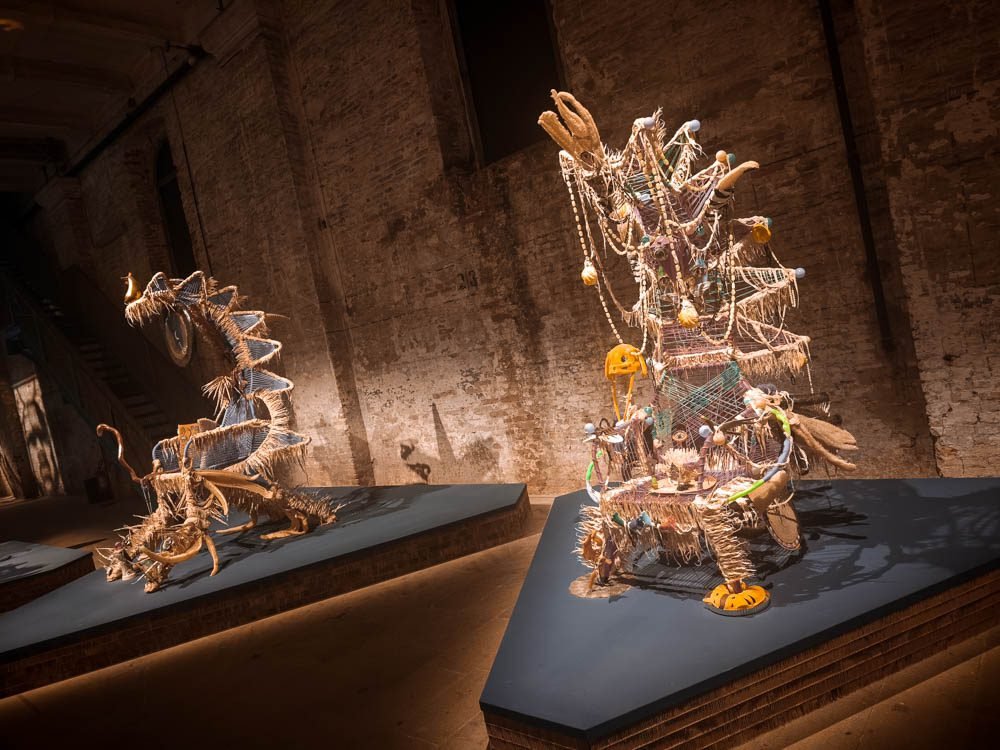
The side exhibitions are the real secret
Beyond the two main venues, each Biennale scatters dozens of collateral exhibitions across the city, and most of them are free. The quality varies enormously. The buildings never do.
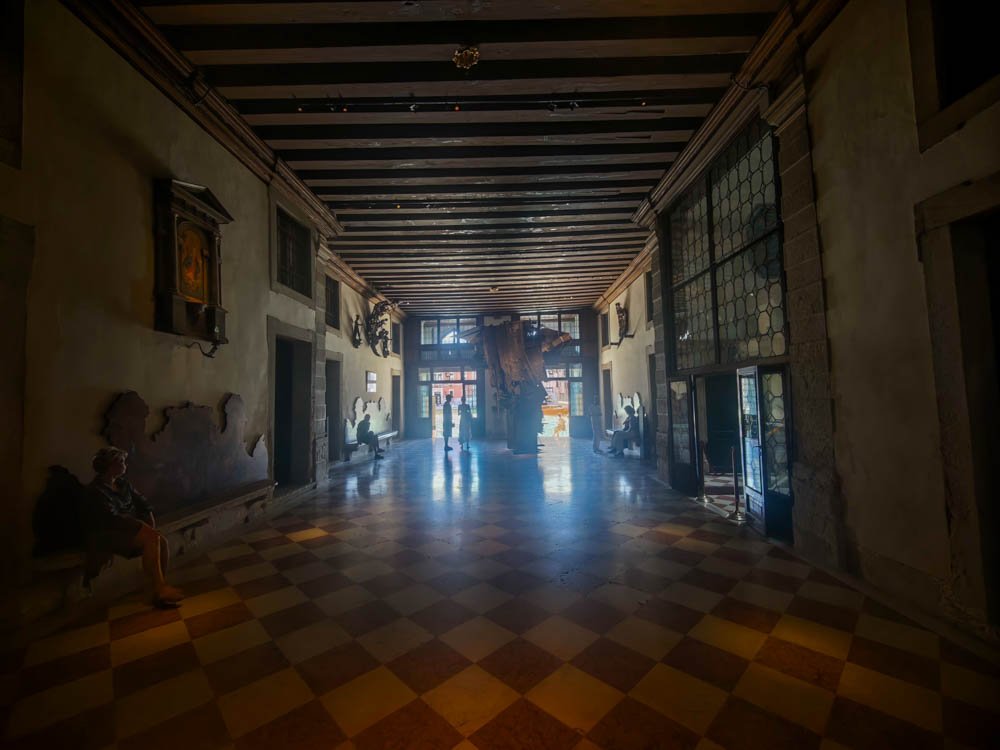
That is the point. These shows are installed in palazzos, churches, scuole and courtyards that are normally closed to the public, and hunting them down gives you a reason to walk into the most extraordinary interiors in Venice — rooms you simply cannot otherwise get into. You can easily spend two or three days wandering the city this way, following a map of free exhibitions from one improbable building to the next, and the art becomes almost secondary to the architecture. It is the single best way I know to see Venice properly.
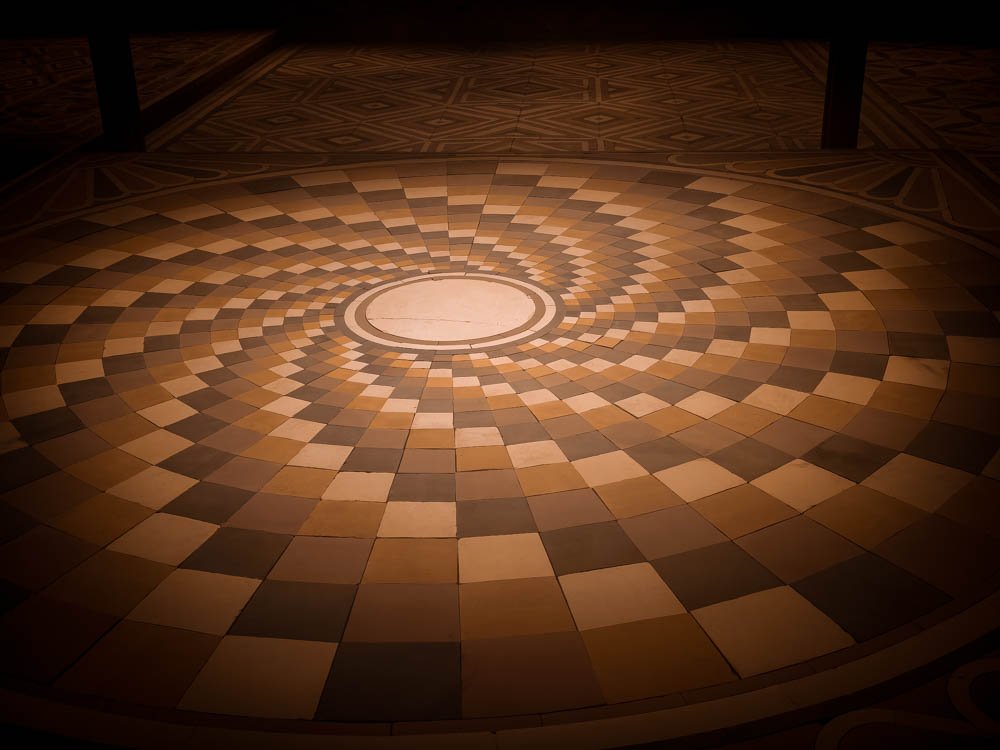
Several of these venues sit on the Grand Canal and can be reached by private water taxi, which is a spectacular way to arrive.
Not the Biennale: the Dries Van Noten Foundation
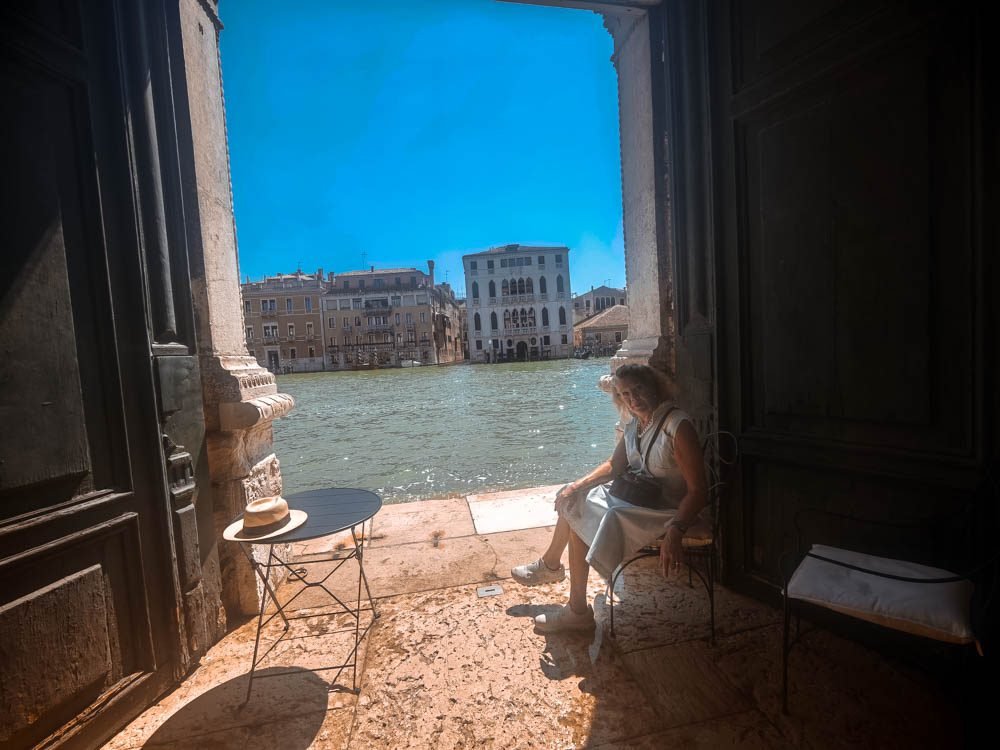
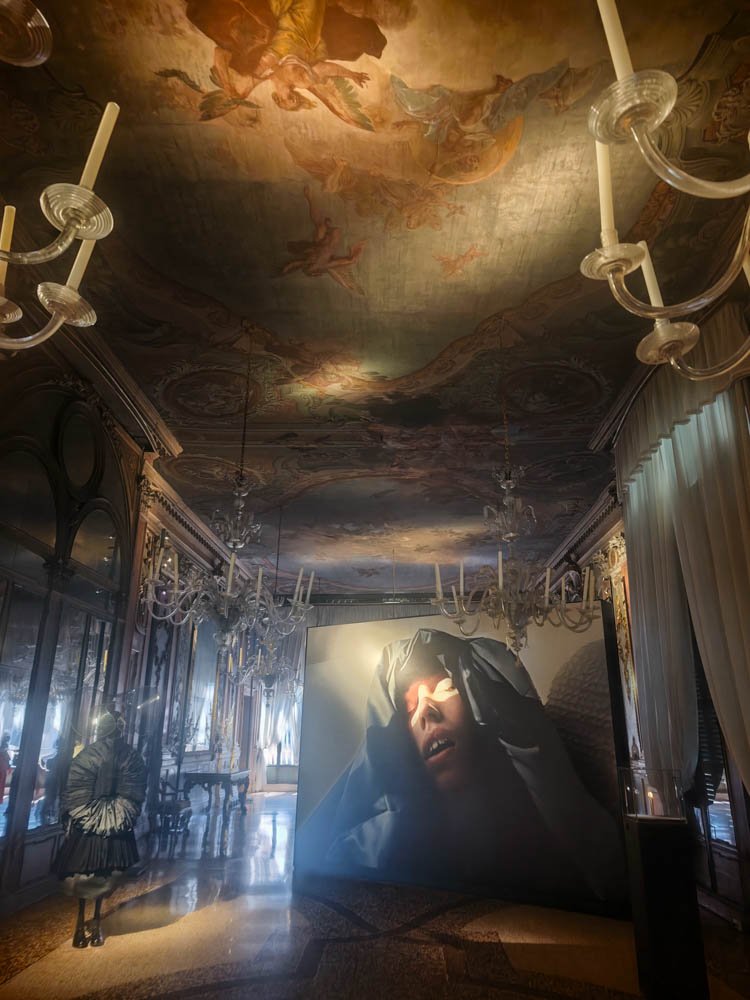
One show deserves singling out, and it has nothing to do with the Biennale. The Fondazione Dries Van Noten opened in April 2026 inside Palazzo Pisani Moretta, a fifteenth-century palace on the Grand Canal in San Polo, and its first presentation — The Only True Protest Is Beauty — is the nicest exhibition in Venice at the moment. It runs until 4 October 2026, and it was the single afternoon of our week that everyone was still talking about at dinner.
Do not let the fashion label put you off if clothes are not your thing. The show spreads across twenty rooms on three floors and gathers more than two hundred objects, setting garments — Comme des Garçons among them — against art, furniture, textiles and found things, so it reads less like a museum display than like walking through one person’s obsession. The palazzo does half the work: frescoed, faded, barely ever open to the public, and empty enough that you can stand in front of something for as long as you like. If you only make time for one non-Biennale show, make it this one.
Two practical notes. Entry is not a normal ticket — you join the Fondazione Dries Van Noten as a Friend from €22, or €12 for ages 10 to 26, €42 for two people and €77 for four, and you book a timed slot, so arrange it before you travel rather than turning up at the door. And Palazzo Pisani Moretta has its own water gate, which makes this the one exhibition in the city genuinely worth reaching by private boat: you step off the taxi straight into the entrance hall. On foot it is about twenty minutes from Novecento Boutique Hotel, or take the vaporetto to San Tomà.
The Accademia, on your doorstep
Novecento Boutique Hotel is a few minutes from the Accademia bridge, which means the Gallerie dell’Accademia is genuinely walkable — five centuries of Venetian painting, and the one great museum in the city you can visit on a whim rather than a plan. Go late in the day when the tour groups have moved on. Entry can be booked ahead, which is worth doing at weekends and on Biennale days, when the ticket desk backs up.
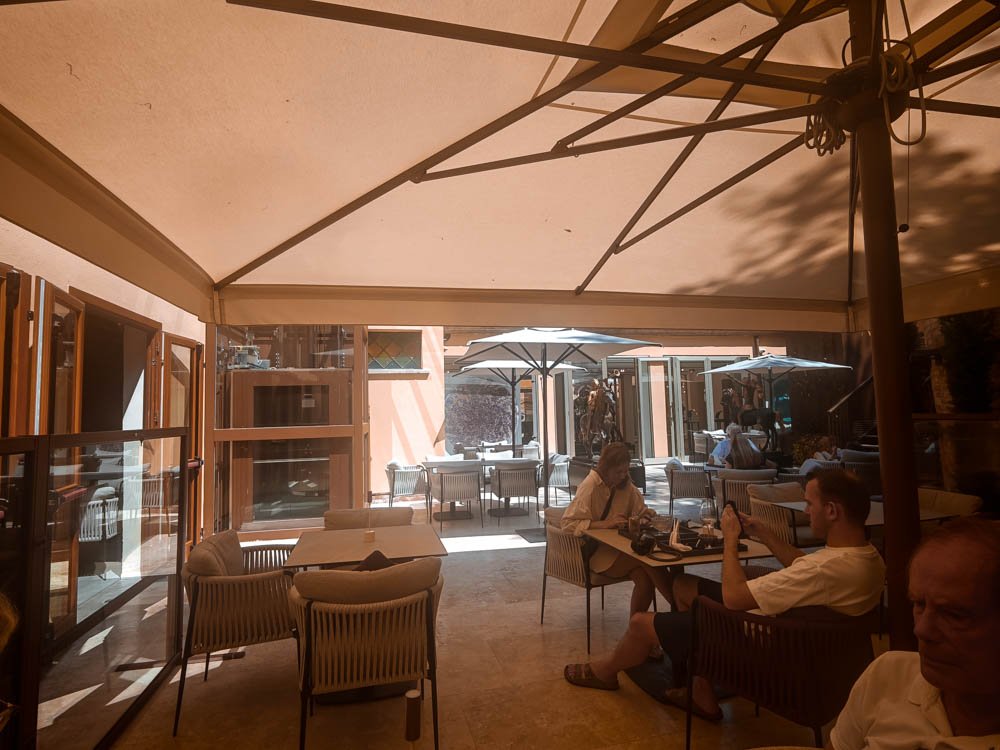
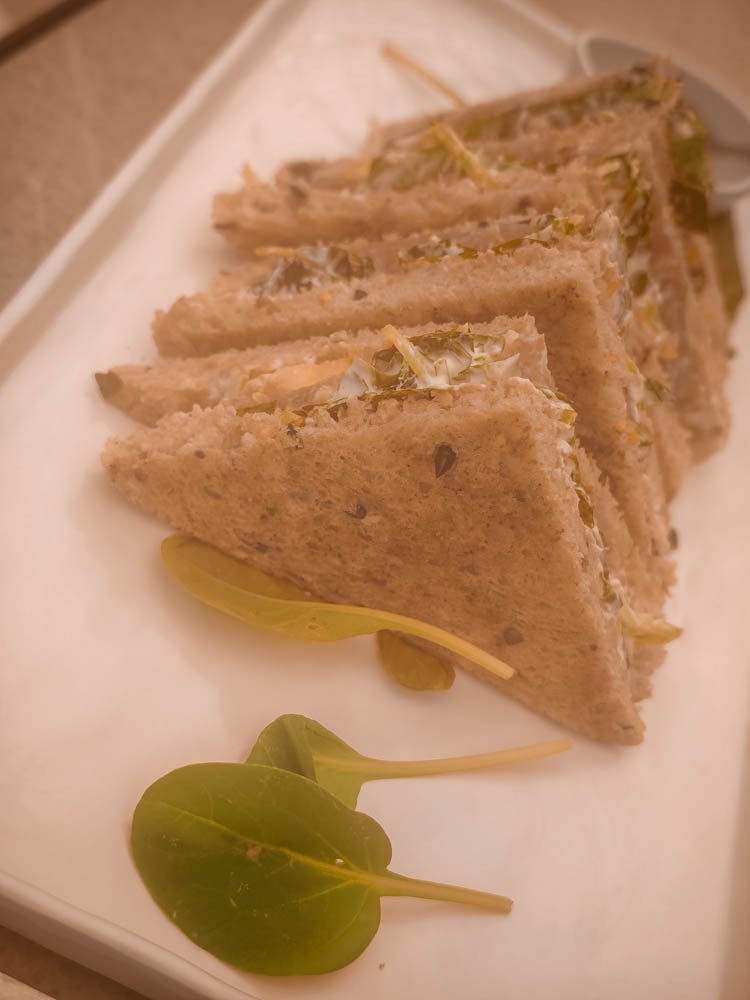
For lunch nearby, the most useful address near the hotel is one almost nobody has reviewed: Marcandole Cafè des Arts on Calle della Carità, a hidden garden terrace inside an art gallery a few steps from the Accademia. You sit surrounded by the gallery’s work while the tourist current flows past without reaching you, and it is open daily — which solves the Venice problem of everything good being shut precisely when you need it.
Novecento Venice Review: Your Questions Answered
Short, direct answers to the questions people actually ask about this hotel: the practical detail behind this Novecento Venice review, including the things the booking sites do not tell you.
Is Novecento Boutique Hotel worth it?
Yes. That is the short answer of this Novecento Venice review: around €250 a night in the quieter months (from roughly €155 at the very bottom of low season) buys a room in a nine-room house with a courtyard garden a ten-minute walk from Piazza San Marco. Accept the small bathrooms and the stairs and it is one of the best-value characterful stays in central Venice.
How many rooms does Novecento Boutique Hotel have?
Nine. It is one of the smallest hotels in San Marco, which is why it feels less like a hotel and more like a private villa with staff.
Why is Novecento listed as “Novecento – By Romanelli Family” on booking sites?
Because that is the name the hotel now trades under on the online travel agents. It is the same nine-room property on Calle del Dose; if a search for “Novecento Boutique Hotel” returns nothing on Booking.com or Trip.com, search for “Novecento – By Romanelli Family” instead.
Who owns Novecento Boutique Hotel?
The Romanelli family. Gioele Romanelli and his wife Heiby opened Novecento in 2002; the family has been in Venetian hospitality since 1965, when Diana and Alessandro Romanelli founded Hotel Flora a few minutes away. They also run Casa Flora, opened in 2017, and the Inside Venice editorial project.
Is Novecento in a good location in Venice?
It is an excellent walking base: five minutes to the Accademia bridge, about ten to Piazza San Marco, and roughly half an hour on foot to the Giardini della Biennale, on a quiet lane just off the main route. The trade-off is that this is the busiest part of the city in summer, and good restaurants nearby take some finding.
How do you get to Novecento from the airport or the station?
The fastest and easiest way is a private water taxi to the door: reckon on about €80 from Santa Lucia station and about €160 from Marco Polo airport. The cheap alternative is Vaporetto Line 1 to Santa Maria del Giglio, then a five-minute walk over two bridges via Campiello della Feltrina to Campo San Maurizio; from Marco Polo, the Alilaguna Orange Line runs to the same stop. The hotel will book a water taxi for you and someone comes down to the pier to help with bags.
Is there a lift at Novecento Boutique Hotel?
No. This is a historic Venetian building with stairs and no lift, and the staff carry bags up for you. If stairs are difficult, say so when you book and ask for a room on a lower floor. It is the second caveat of this Novecento Venice review, after the bathrooms.
What is breakfast like at Novecento?
Breakfast is included and made fresh rather than laid out as a buffet: pastries, cake, seasonal fruit, cold cuts and cheese, eggs cooked to order and properly made coffee. It is served in the living room, or out in the courtyard garden when the weather allows, which in practice is most of the year. Ask for a courtyard table in the shoulder seasons — it is the nicest half-hour of the day here.
Does Novecento have a restaurant or a bar?
There is no restaurant. There is an honesty bar, a courtyard garden, a library and a second-floor sitting room with a fireplace, but dinner means walking out, which is why the restaurant list in this Novecento Venice review matters so much here.
Which room should I book at Novecento?
Ask for a room at the back, on a lower floor if stairs are an issue, and take the Superior category over the Classic if the price gap on your dates is reasonable. Rooms 2 and 7 are the ones to request if you care about design: they were created with the Italian designers Raffaella Auddifredi (The Elusive Otter) and Silvia Bisconti (Raptus and Rose).
What are the bathrooms like?
Compact, tiled and shower-only: there are no bathtubs. The fittings are Philippe Starck with big rainfall shower heads, the toiletries are Ortigia from Sicily, and the water pressure and hot water are genuinely good. The size is the single biggest caveat in this Novecento Venice review.
Is Novecento good for children and families?
Children are welcome and babysitting can be arranged, but the building suits older children better than toddlers: stairs, no lift, small bathrooms and beds around 195 cm long. Families travelling together are better served by taking several rooms, or the whole hotel — we privatised all nine and it was the making of the week.
Can you book the whole of Novecento?
Yes — we did exactly that, and it is one of the more unusual findings of this Novecento Venice review. With only nine rooms a full buy-out is realistic and the family will quote for it, at which point the courtyard, the sitting room and the honesty bar effectively become private. It is the version of Novecento I would recommend to families and groups of friends, and you should ask months ahead for Biennale season.
Is there Wi-Fi and air conditioning?
Yes to both. Wi-Fi is free throughout and the air conditioning is genuinely effective, which in a historic Venetian building in August is not a given. One warning from other guests that is worth repeating: keep the windows shut in summer, because Venice has mosquitoes.
How much does Novecento cost per night?
Budget from roughly €200 a night at the very quietest times and around €300 for a Classic Double in the shoulder season, with Superior rooms above that. Rates in Venice are volatile: Carnival, the Biennale months and the film festival push prices sharply up, and peak summer can approach double the shoulder-season figure.
Do I have to pay Venice’s city tax and the day-visitor access fee?
Two different charges, and only one of them applies to you. The city accommodation tax is paid at the hotel, calculated per person per night and settled at check-out — it is not included in the rate you see online. The day-visitor access fee is a separate thing, and as of September 2026 it is not being charged at all. Venice ran it again as a trial on 60 days between 3 April and 26 July 2026, at €5 per person if you registered at least four days ahead and €10 if you left it later; the city’s official access-fee portal now states that the trial ended on 26 July and that you can visit without any payment or request for exemption. Nothing has been approved for 2027 — the portal says any further application of the fee is a decision for the city’s governing bodies — so it is worth checking again before a spring or early-summer trip. In any case it never applied to you as a hotel guest: anyone staying overnight in the city was exempt.
How does Novecento compare with other hotels in San Marco?
It sits in a gap most of the district does not fill. The Gritti Palace and the St Regis are two hundred metres away and five times the price; the mid-range hotels around Campo Santa Maria del Giglio are larger and blander. This is the comparison this Novecento Venice review keeps returning to: Novecento’s closest relative is Hotel Flora, run by the same family — Flora is bigger and more classically Venetian, Novecento smaller, quieter and more eclectic.
Is Novecento a sustainable hotel?
More than most of its size. It is part of the family’s Venice Plastic Free initiative: filtered tap water in the rooms, a refillable canteen you can buy at reception, a drinking fountain in the courtyard, a map of the city’s public fountains and Ortigia refills instead of single-use bathroom miniatures. Across Novecento, Hotel Flora and Casa Flora the family reckons this saves close to 36,000 plastic containers a year.
What are the downsides of staying at Novecento?
Four, and this Novecento Venice review puts them in the order they would matter to me: the bathrooms and showers are small; there is no lift; you are in the most crowded quarter of Venice between about 10am and 6pm; and eating well within five minutes of the door takes research, because the obvious places on the main route do not need to be good.
Novecento Venice Review: The Verdict
The verdict of this Novecento Venice review is easy to state. Novecento Boutique Hotel is not a grand hotel and does not want to be. What it offers is rarer: a genuinely characterful, family-run house in the middle of Venice, quiet behind its own door, with a garden and a living room that make it feel like somewhere you are staying rather than somewhere you are booked into. After five consecutive years of Venice and a different neighbourhood each time, this is the address I would go back to. Taking all nine rooms and privatising it, as we did, is the best version of it: for families or a group of friends it becomes a private villa in the middle of Venice, with breakfast made for you. Five out of five.
Ready to book? Check the rate on Booking.com · Compare on Trip.com
If you are reaching this part of Italy by sea, my Ponant Le Bougainville review covers a Venice-to-Malta sailing through Croatia and Montenegro, and there is more of the country in my Italy archive.
Disclosure: this article contains affiliate links. If you book through them, I earn a small commission at no extra cost to you. Read my full disclosure policy.